How Long Does a Tulip Take to Grow: A Complete Timeline and Care Guide
How long does a tulip take to grow? It usually takes between 10 and 16 weeks from seed to bloom depending on the variety.
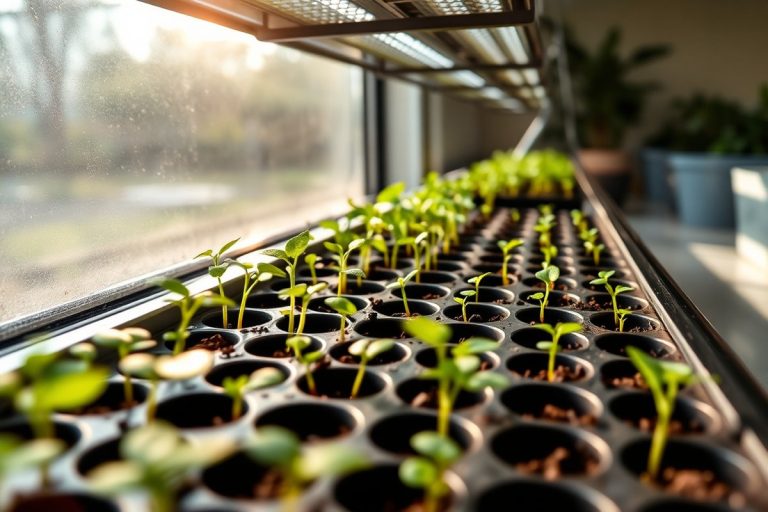
After cold chilling, tulip seeds take around one to three months to germinate. Once the bulb has roots, growth speeds up toward blooming in 15 to 30 days.
Planting depth matters. So dig about 6 to 8 inches deep for most hybrid tulip bulbs.
This helps protect bulbs from temperature swings and gives roots room to grow. Planting in October or November when soil cools near 60°F encourages strong root development before spring.
Offsets from hybrid tulip bulbs can take two to three years to bloom. But species tulips often flower the next spring.
For quicker blooms, start with healthy bulbs at least 4.5 inches around. Avoid planting bulbs too shallow to prevent drying and poor growth.
Key Takeaways
- Tulip seeds need cold stratification before they usually germinate in 1 to 3 months.
- After roots develop, tulips take 15 to 30 days to push through soil and bloom.
- Plant bulbs about three times their size deep, usually 6 to 8 inches.
- Best plant time in most U.S. Areas is October or November at cooler soil temps.
- Bulbs 4.5 inches or larger promise better quality flowers.
- Hybrids may take 2 to 3 years from offsets to bloom. Species tulips are faster.
How Long Does It Take for Tulips to Grow and Bloom
Tulips generally take 18 to 22 weeks from planting until they bloom. First, the bulbs root in the soil. Then, shoots emerge before flower buds form and open.
The rooting phase begins within a few weeks of planting, typically lasting 4 to 6 weeks. Bulbs planted deeper than 8 inches may take extra days to emerge above ground. After sprouting, buds form over 4 to 6 weeks before the flower blooms, completing the cycle.
Timing and environment affect this timeline significantly. Tulip bulbs need cold temperatures below 55°F for 12 to 16 weeks. This chilling time helps bulbs start growing in spring.
Planting bulbs in fall ensures this cold period, helping them bloom on schedule. Bulbs planted late in winter can flower if they get enough cold. They might bloom later than bulbs planted in fall.
Spacing bulbs about 4 to 6 inches apart helps them get enough nutrients without crowding. Pot-grown tulips have a similar growth span. Keep the soil moist and at 50 to 60°F for tulips to grow best.
These conditions help bulbs develop strong roots and shoots. Flowering time also varies by variety, with some tulips blooming earlier or later. So mixing types can stretch blooming across weeks.
After blooming, flowers last about 7 to 14 days before fading. Most tulips bloom well for one year, then weaken. Many gardeners plant new bulbs each fall to keep spring displays bright.
Healthy tulips have firm green shoots about 6 to 12 inches tall. Early spring brings bright, open flowers on top.
Key Growth Stages Tulips Go Through Before Blooming
Planting and Rooting Phase
Tulip bulbs must be planted in fall, usually before December 1st. This timing lets bulbs start growing roots before winter arrives. Proper root growth helps the bulbs absorb nutrients needed for spring flowering.
Preparation involves selecting well-drained soil with sandy loam and digging holes 6 to 8 inches deep. Spacing bulbs 4 to 6 inches apart avoids overcrowding underground. Once planted, bulbs enter a resting stage, focusing energy on root development beneath cold soil.
During rooting, bulbs absorb moisture and nutrients, setting a foundation for the next growth stages. Without strong roots, tulips struggle with water uptake when they sprout in spring.
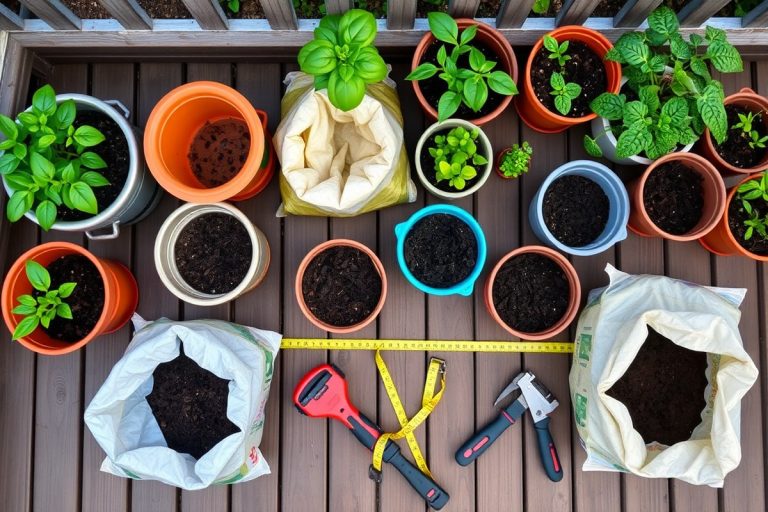
- Choose firm, healthy bulbs free of soft spots or mold.
- Prepare the soil by loosening it and adding compost.
- Dig holes 6 to 8 inches deep for each bulb.
- Place bulbs pointy side up in each hole.
- Space bulbs 4 to 6 inches apart for airflow.
- Cover bulbs with soil and press gently to remove air pockets.
- Water bulbs well to help settle the soil.
Plant bulbs early enough in fall to allow root growth before winter. Late planting can stunt roots and delay bloom.
Cold Chilling Period Explanation
Tulips need 12 to 16 weeks of cold, with soil temperatures below 50°F. This period triggers chemical changes inside the bulb essential for flowering later. Without enough cold, tulips produce leaves but no flowers, known as blind growth.
Gardeners in mild climates might need to refrigerate bulbs or buy pre-chilled ones. This chilling period helps the bulb prepare for fast growth as temperatures rise. The cold also breaks dormancy, signaling the bulb to wake up once spring arrives.
Cold exposure prevents weak stems and supports strong flower buds. It is a mandatory phase to get reliable blooms and avoid disease-prone plants.
Without at least 12 weeks of cold, tulips may fail to bloom or produce weak flowers.
Sprouting to Rapid Growth Phase
After chilling, tulips sprout once soil warms consistently above 50°F. This phase usually starts in early to mid-spring and lasts four to six weeks. Leaves emerge first, capturing sunlight to build energy for flower development.
Watering becomes important now, especially if dry. Tulips need moderate moisture to grow strong without rotting. Bulbs convert stored nutrients into rapid shoot and leaf growth during these weeks.
At this stage, you see visible progress daily as tulip shoots push through soil. Many varieties reach full leaf height before producing flower stalks.
Keep tulips watered during growth to avoid weak development and shortened bloom times.
Flower Formation and Blooming Phase
The flower bud forms inside the stalk as leaves reach full size. This stage lasts one to two weeks before full bloom. Flower colors and shapes depend on the bulb variety you planted.
Once open, tulip flowers typically last 7 to 14 days. Cooler weather extends bloom time. After flowering, leave leaves on the plant to store energy.
This energy helps next year’s growth. Remove leaves only if you plan to lift bulbs.
Proper timing in planting and chilling affects when blooms appear and how vibrant they look. Some cultivars flower earlier or later, giving options for a longer visible display.
Remove spent flowers but let leaves die back naturally. This stores energy in bulbs for future blooms.
How Tulip Variety and Season Influence Growth Time
Early, mid, and late-season tulips bloom at different times. This spreads garden color from early spring to late spring. You get flowers for a longer period.
Early varieties bloom fastest, usually by March or early April. Late-season types flower in April or May. Choosing a mix lets you enjoy tulips blooming for six to eight weeks or more.
Early Season Tulips Growth Timeline
Early-season tulips, like single early and double early types, start blooming around March. These tulips grow faster and typically bloom about one week earlier than mid or late-season varieties. Tulip shoots start growing soon after soil hits 50°F (10°C).
They appear faster when bulbs sit about 6 inches deep. Depth helps roots develop well.
Because they emerge earliest, early-season tulips give your garden the first splash of color. They usually take 3 to 4 weeks from shoot emergence to fully open flowers. These types also work best if you want to force tulips indoors for early bloom.
Mid-Season Tulips Growth Timeline
Mid-season tulips bloom about 1 to 2 weeks after early varieties, usually in April. These include species like Triumph and Darwin hybrids, which fill the garden with color during mid-spring.
Growth speed is slightly slower. But they remain strong garden performers with solid stems and vibrant blooms.
Mixing mid-season tulips with others adds more weeks of bloom. They grow at similar soil depths but sprout later than early types. For the best flowers, bulbs need 12-14 weeks chilling at 35-45°F.
Late Season Tulips Growth Timeline
Late-season tulips, including parrot and double late types, bloom last, mostly in late April and May. Late-season tulips take the longest time to flower. It usually takes 6 weeks from when shoots appear until full bloom.
Their stems are taller. But they often require deeper planting to delay growth until later in the season.
Late tulips extend your garden’s bloom time well beyond mid-spring. They respond to cooler soil by emerging later than early or mid-season varieties.
Planting early, mid, and late tulips together keeps yards colorful. The flowers bloom one after another for about two months.
The table below compares the growth time and bloom dates. It shows the weeks to flower for each tulip season type.
| Season Type | Average Growth Weeks | Typical Bloom Time | Planting Depth | Bloom Duration |
|---|---|---|---|---|
| Early | 3-4 weeks from shoot to bloom | Late March – Early April | 10-15 cm (4-6 in) | About 2 weeks |
| Mid | 4-5 weeks | Mid April | 10-15 cm (4-6 in) | 2-3 weeks |
| Late | 5-6 weeks | Late April – May | 15 cm (6 in) or deeper | 2-3 weeks |
Your best bet to enjoy tulips longer is to plant all three types together. This way, flowers appear one after the other instead of all at once. Avoid planting only one season’s type to prevent a short bloom period followed by empty stalks.
Ideal Planting Time, Depth, and Spacing for Healthy Growth
Plant tulip bulbs in the fall once soil cools to about 55°F (13°C). This usually means late September through November depending on your climate zone. Gardeners in warm zones (8 to 10) should chill bulbs for 12 weeks.
Store them in the fridge during this time before planting. Keep the bulbs cold for 12 to 14 weeks total.
Dig holes 6 to 8 inches deep. This matches about three times the bulb’s diameter. Planting shallower than 4 inches risks frost damage and uneven moisture.
Planting bulbs deeper than 10 inches can delay shoots by weeks. Soil insulates bulbs too much at that depth. Keep bulbs shallower to help shoots emerge sooner.
Space bulbs about 4 to 6 inches apart to let roots grow without crowding. Overcrowded bulbs may produce smaller blooms or compete for nutrients. In landscapes, plant bulbs 4 to 5 inches apart.
Set them 5 to 7 inches deep, a bit shallower than usual. This spacing and depth support healthy growth.
- Plant bulbs pointy side up for best sprouting.
- Keep bulbs stored cool below 65°F before planting.
- Use a trowel or bulb planter to reach proper depth easily.
- Cover bulbs firmly with soil and water moderately after planting.
- Space bulbs 4 to 6 inches apart, avoiding crowding.
- Adjust planting time for climate; chill bulbs if winters are mild.
Prepare the soil so it drains well; wet soil can cause rot. After planting, a layer of mulch helps keep soil cool and moist through winter. Choose spots with sun but avoid full afternoon heat in hot areas.
Afternoon heat can cause leaf scorch. Plant bulbs where leaves get sun but stay cooler.
Temperature, Soil, and Moisture Conditions Tulips Need to Grow Well
Tulips start growing after soil stays below 45°F (7°C). This cold period needs to last about 12 to 16 weeks. This chill period lets bulbs develop healthy roots before sprouting.
In warm areas, refrigerate bulbs at 40°F to 50°F. Keep them there for a month or longer. This mimics the cold they need.
Once foliage emerges, tulips need occasional watering during dry spells. Aim for moisture that keeps soil damp but not soggy. Tulips dislike overly wet soil, which can cause bulb rot and weak stems.
Choose well-drained soil rich in organic matter for your tulips. Mix several inches of compost or peat-free compost into garden soil. This helps retain moisture and provides nutrients without keeping the soil too wet.
Soil pH should be slightly acidic to neutral, between 6.0 and 6.5. This range encourages nutrient uptake and strong growth. Avoid heavy clay soils or those prone to waterlogging unless amended well with compost.
Full sun and cool, steady spring temperatures between 50°F and 60°F support strong tulip growth. Some species like Tulipa sylvestris tolerate part shade if the soil holds moisture well. Use pots with drainage holes if planting in containers.
Never leave tulip bulbs in waterlogged soil. Avoid pots without drainage. This stops rot and poor growth.
How to Force Tulips Indoors and How That Changes Growth Duration
Forcing tulips indoors speeds up their bloom by using a chilling period inside. You refrigerate the bulbs for 12 to 16 weeks at cold temperatures. Then you move them into warmth and light.
They bloom in 2 to 3 weeks. This is faster than planting outdoors.
Preparing Bulbs for Forcing
Start with fresh, firm tulip bulbs meant for forcing. Choose bulbs that are free from mold, soft spots, or damage. Use a well-draining container deep enough to hold the bulbs with space for roots.
Fill your pot with moist potting mix. Plant bulbs with their pointed end up, spacing them so they don’t touch. Cover the bulbs completely with soil.
- Pick healthy tulip bulbs designed for forcing indoors.
- Choose a pot at least 6 inches deep with drainage holes.
- Fill the pot with moist potting soil but leave space at the top.
- Set the bulbs pointy side up, spacing them about 1 inch apart.
- Cover bulbs with 1 to 2 inches of soil and gently press down.
- Water the soil until evenly moist but not soggy.
- Label the pot so you remember when chilling started.
Chilling Requirements Indoors
Put the potted bulbs in a fridge. Set the fridge to 35 to 48°F. Keep them there for 12 to 16 weeks.
Avoid letting the bulbs freeze or dry out. This cold period tricks the bulbs into a winter phase needed to bloom.
Check soil moisture every few weeks and mist if dry. Keep bulbs away from light and warmth while chilling.
Exposure can stop proper growth. Don’t skip this cold phase.
Indoor Growing Environment
After chilling, bring the pots to a warm spot with bright indirect light. Ideal room temperature is around 60 to 68°F. The bulbs start growing quickly here. The flower stalks push through the soil.
Keep watering moderately to keep soil moist but not soaked. Good airflow helps prevent mold or fungus. Avoid direct sunlight until shoots grow taller.
Bloom Timing and Care Indoors
Once you move the bulbs to warmth and light, expect blooms within 2 to 3 weeks. This is much faster than outdoor bulbs. They take 8 to 16 weeks to grow.
That includes chilling and planting in soil. Indoor forcing lets you enjoy tulips early, often before spring arrives outdoors.
After flowering, keep watering until leaves yellow and die back. You can then store bulbs in a cool, dry place for next year. Forced tulips aren’t always reused since they sometimes have lower energy to bloom again.
Common Tulip Growth Problems and How to Fix Them
Tulips might not sprout on time if the soil has poor drainage. Waterlogged soil leads to bulb rot, stopping growth before it starts.
You can test drainage by digging a hole and filling it with water. If it takes over 4 hours to drain, soil is too heavy or compacted.
Overwatering makes it worse. Tulip bulbs need moist soil but not soggy. Too much water invites fungal infections like tulip fire, which causes spots and stunts growth.
Cut back watering to once a week if rain is enough. Water early in the day to let soil dry.
Animals such as squirrels and voles dig up bulbs during winter. They eat the bulb, so nothing sprouts.
Protect your bulbs by planting them about 6 inches deep. You can also spread chicken wire over the bed or use repellents around the area.
- Check soil drainage: water should drain within 1-2 hours.
- Don’t water more than once a week unless in drought.
- Plant bulbs 6 inches deep to avoid animal digging.
- Remove any mushrooms or mold to prevent fungal spread.
- Apply a fungicide labeled safe for tulips if you spot tulip fire.
- Keep planting area clear of leaves and debris.
- Consider raised beds to improve drainage if soil is clay-heavy.
Fungal infections slow or stop blooming by damaging the leaves and stalks. Tulip fire shows as brown spots with a burnt look.
Cut off affected parts and dispose of them away from your garden. Applying fungicide early in the season helps stop spread, but follow label instructions carefully.
Soil that stays too wet, especially under low sun, can trap diseases and pests. Improving drainage with raised beds or adding sand to heavy soil prevents this. For an easy fix, mix 1/3 sand or compost into your planting soil before sowing bulbs.
What to Expect After Tulips Bloom: Longevity and Next Steps
Tulip flowers usually last about one to two weeks after they open. Soil temperatures between 45°F and 60°F help the blooms stay fresh longer.
After flowering, the petals will fade and fall off. But the plant’s foliage still plays an important role.
Once flowers drop, you must not touch the leaves. Let them turn yellow first. Wait until the leaves naturally die back.
Green leaves make food with photosynthesis. They send energy to the bulb.
This feeds next year’s flowers. Cutting or braiding the foliage early stops this process and weakens the bulb.
After leaves fully yellow, wait six to eight weeks. Then, you can cut the leaves away. The bulbs then go dormant through summer, saving the energy they collected.
Apply slow-release fertilizer in early spring. Do this before shoots appear. It helps bulbs grow strong.
Most home gardeners can get tulips to rebloom yearly by following these steps. Some varieties or warmer climates may cause bulbs to get tired after a few years. So you might need to replace them every three to five years.
Sometimes you need to dig up bulbs in summer. Store them cool and dry at about 35°F to 40°F. This keeps them healthy.
Don’t cut your tulip leaves too soon. Leaves must stay green for six to eight weeks. This time stores energy in the bulb. It helps next year’s flowers.
Step-by-Step Action Plan for Growing Tulips
Follow these steps to grow healthy tulips that bloom on time. Checking progress at each stage helps you catch issues early.
- Before Planting: Choose healthy bulbs and the right variety for your climate. Check that bulbs are firm and free from mold.
- Planting Day: Plant bulbs 6-8 inches deep in well-drained soil during fall. Mark your spots so you don’t forget where they are.
- Weeks 1-4: Water bulbs lightly if soil is dry. Avoid overwatering to prevent rot. You’ll see shoots breaking through soil after a couple of weeks.
- Winter Months: Tulips need cold to develop; mulch if winters are mild. Ensure soil stays moist but not soggy.
- Early Spring: Remove mulch and check shoots for signs of disease or pests. Thin seedlings if crowds appear to give each flower space.
- Bloom Time: Watch for flower buds; provide regular water until flowers open. Tulips typically bloom for 1-2 weeks.
- Post Bloom: Let leaves die naturally before trimming. This stores energy for next year’s bloom.
- Late Spring: Lift and store bulbs in dry, cool place if you want to replant later. Label bulbs by variety for easy planting.
Frequently Asked Questions
Do Tulips Only Bloom Once a Year?
Yes, most tulips bloom just once each year in spring. Their flowers open for a short time, usually 1 to 2 weeks, before fading. You can deadhead after blooming but must wait until next season for new flowers.
What Helps Tulips Bloom Faster?
Providing tulips with 12 to 16 weeks of cold helps them bloom faster. Planting bulbs in fall ensures this chilling period. Also, planting in well-drained soil and giving them full sun improves bloom speed and quality.
Do I Water My Tulips Every Day?
No, tulips don’t need daily watering. Water them when the top inch of soil feels dry, usually once or twice a week. Overwatering causes bulb rot, so keep soil moist but not soggy.
Do Tulips Grow Easily?
Yes, tulips generally grow easily with the right care. They need cold periods and proper planting depth of about 6 to 8 inches. They can adjust to many soil types, but good drainage is key for success.
Can Tulip Bulbs Survive Summer Heat?
Tulip bulbs can survive summer heat if left in dry, well-drained soil. After foliage dies, stop watering. This dormancy period helps bulbs rest before fall planting or natural growth next year.
Is It Better to Buy Tulip Bulbs or Plant Seeds?
Buying tulip bulbs is better for faster blooms. Seeds take years to mature, often 2 to 7 years, before flowering. Bulbs give color in the first season and are easier for beginner gardeners.
Final Thoughts
Tulips usually take a few months from planting to bloom, depending on variety and conditions. Careful planting and watering help your bulbs grow strong and flower beautifully. Start by picking the right bulbs and planting them at the right depth this fall.