Which Herbs to Plant Together: A Complete Guide for Thriving Herb Gardens
Which herbs to plant together depends on their sunlight and water needs. Plant herbs with similar growing conditions to keep them healthy.
For example, basil and parsley both enjoy full sun and moist soil. Grouping compatible herbs reduces stress and makes watering easier.
Some herbs grow better apart because they compete for space or nutrients. Dill and cilantro, for instance, share the same timing but spread differently.
Keep an eye on aggressive growers like mint, which can take over pots quickly. Using a large container, at least 12 inches wide, helps herbs share room comfortably.
Start by choosing herbs that suit your cooking habits and garden size. Plant in pots or sunny raised beds. Proper spacing prevents crowding and gives roots space to grow strong.
Key Takeaways
- Plant herbs with similar sunlight needs together for uniform growth.
- Group herbs that require the same watering schedule.
- Avoid planting aggressive herbs like mint with slow growers.
- Use containers at least 12 inches wide and 10 inches deep for multiple herbs.
- Space plants 6 to 8 inches apart to prevent crowding.
- Start parsley from seedlings to avoid long germination time.
Which Herbs Grow Well Together and Why
Herbs that share similar sunlight and water needs grow well together. For example, parsley and sage prefer medium sun and regular watering.
So they make good pot companions. Grouping herbs with matching care routines helps you avoid overwatering or underwatering any plant.
High-light lovers like rosemary and lavender thrive in dry soil and full sun. Planting these herbs together lets you water less often and keeps disease risks low. Avoid mixing them with moisture-loving herbs, which need more frequent watering and partial shade.
Annual and perennial herbs can be mixed, but choose carefully to match growth habits. Fast-growing annuals like basil pair well with slower-growing perennials such as thyme. This balance prevents aggressive plants from overtaking the pot and gives each herb room to thrive.
Root behavior also affects compatibility. Mint has aggressive roots that spread quickly.
Keep it in a separate pot or with plants that tolerate competition. Fennel releases substances that stunt the growth of other herbs, so it’s best alone.
Pick containers 12 to 14 inches wide for indoor herbs. Make sure they are at least 10 inches deep. This size fits multiple herb plants together nicely.
Putting clustered herbs in smaller pots causes overcrowding, limiting airflow and sunlight. Frequent harvesting helps keep dense plantings healthy by improving light and air access.
Plants with differing water needs do best in separate pots or garden sections. Group herbs that thrive on regular moisture apart from drought-tolerant ones. This grouping creates a more balanced, low-maintenance garden where no plant suffers from mismatched care.
Which Herbs Should Not Be Planted Together
Some herbs do not grow well together because they compete for nutrients or space. Mint and fennel are two aggressive herbs you should keep separate from others. Mint spreads fast underground.
It can choke nearby plants. This happens even if you grow it with herbs like oregano. Fennel releases chemicals that stunt the growth of basil, cilantro, and parsley.
Planting incompatible herbs too close can cause weak growth or poor harvests. Watch for signs like slow growth, yellow leaves, or plants leaning away from others. These signs signal competition or toxicity between herbs sharing a pot or soil.
- Fennel inhibits basil, cilantro, parsley, and most other herbs nearby
- Mint crowds out most herbs unless contained or paired with oregano
- Avoid planting strong-smelling herbs like rosemary with delicate herbs
- Basil, tarragon, and oregano prefer more water and suit each other
- Dill can coexist with rosemary and mint, but avoid close fennel
Fennel needs its own pot or space in the garden to prevent harm. Mint roots grow fast. So plant it in a pot within larger containers or a separate bed.
Watch the soil moisture and sunlight needs too. Herbs like basil and tarragon like moist, sunny spots, while rosemary prefers drier soil.
Keep invasive herbs like mint and fennel isolated to avoid choking other plants.
Spotting herb incompatibility mainly comes down to observing your plants over a few weeks. Strong competition appears as weak or tiny herbs next to vigorous ones. In containers, you can separate aggressive growers into their own pots to keep things balanced.
How to Group Herbs by Sunlight and Water Needs
Grouping herbs by their sunlight and water needs makes growing them easier. It keeps herbs happy and prevents over- or underwatering. Matching these needs helps plants grow well together without stress or competition.
Full Sun Herbs and Their Needs
Herbs like oregano, thyme, rosemary, and basil thrive in full sun. They need at least 6 hours of direct sunlight each day to grow healthy. These plants usually prefer well-draining soil and regular watering, but not overly wet conditions.
Placing them in full sun encourages strong growth and strong flavor. They tend to stay under a foot tall.
So don’t worry about needing tall space. Make sure none of these get shaded by larger plants in the pot or garden bed.
Partial Shade Compatible Plants
Some herbs do better with 2 to 4 hours of sun, avoiding harsh afternoon heat. Parsley, chervil, dill, and tarragon fit well in spots with morning sun or filtered light. These plants prefer moist but well-drained soil and can wilt in strong sun.
They also need shelter from strong, direct sunlight but still require some light to grow well. Grouping these partial shade herbs together prevents one from getting too much sun or drying out. You can grow them in spots with natural shade or under taller plants.
Watering Frequency for Common Herbs
Water needs differ and must match when grouping herbs. Basil, parsley, oregano, and rosemary require regular watering but don’t like soggy soil. Thyme and rosemary prefer drier soil and can handle less water.
Overwatering herbs that prefer dry soil causes root rot. Underwatering thirsty herbs slows their growth or causes leaf drop. To avoid this, pick herbs with similar water demands to share pots or beds.
Here’s a simple table listing common herbs by their sun and water needs:
| Herb | Sunlight | Water Needs |
|---|---|---|
| Basil | Full sun | Regular watering, moist soil |
| Oregano | Full sun | Moderate watering, well-drained |
| Thyme | Full sun | Low watering, dry soil |
| Parsley | Partial shade | Regular watering, moist soil |
| Dill | Full sun to partial shade | Moderate watering |
| Tarragon | Full sun to partial shade | Moderate watering |
This table helps you choose which herbs to combine based on their sunlight and water habits. Avoid mixing dry-loving herbs with thirstier ones in the same pot or garden spot. That prevents overwatering some plants while underwatering others.
Best Herb Combinations for Culinary Use and Flavor
Some herbs work really well together for fresh cooking and easy harvesting. Planting compatible herbs lets you gather fresh leaves fast for meals, tea, or garnishes. You want herbs with similar water and sun needs.
They should taste great when cooked together. This helps you grow and use them easily.
For Italian dishes, try combining basil, parsley, and oregano. Basil grows best in the middle of a pot. The pot should be medium or large.
It needs to be 12 to 14 inches wide. Put parsley and oregano around the pot edges. This keeps them easy to reach.
You can quickly snip fresh herbs for meals. These herbs love sun and well-drained soil, so they thrive together.
Mediterranean cooking calls for a few more dry-loving herbs that work well together. Rosemary, thyme, and sage make a solid group for roasting or grilling.
They grow well in pots or garden corners with good drainage and full sun. Keep them trimmed to stop any one plant from taking over.
- Basil, parsley, and oregano for Italian dishes
- Rosemary, thyme, and sage for Mediterranean flavors
- Cilantro and parsley for fresh teas and light cooking
- Tarragon and parsley thrive in slightly shaded, cooler spots
- Basil paired with cilantro works well for Mexican, Thai, and Indian food
For fresh garnishes or herbal teas, parsley, cilantro, and tarragon are good picks. Parsley and cilantro grow well near each other and supply bright, fresh flavors. Tarragon likes a bit of shade.
Place it in a cooler spot for French-style flavors. This area suits more delicate tea leaves. Cooler corners help those plants thrive.
Planting the right herb groups saves space and brings out the best flavor. Keep your potted herbs trimmed regularly. Cutting back herbs often gives you fresh leaves.
It also stops plants from crowding each other. This keeps your herb garden healthy. Remember, choosing herbs that pair well in the kitchen makes everyday cooking much easier and tastier.
Ideal Spacing and Container Sizes for Multiple Herbs
Pick a container 14 to 18 inches wide for two to five herbs. This size gives them room to grow well. Avoid smaller containers that crowd their roots.
This size allows enough room for roots to grow and proper airflow between plants. Containers should be at least 10 to 12 inches deep.
Shallow containers dry out too fast. They also don’t give roots enough space.
Space herbs about 6 to 12 inches apart depending on their size. Small herbs like thyme need about 6 inches. Larger ones like sage or rosemary need 12 inches.
Once seedlings sprout, thin or trim them carefully. Leave about 8 inches between plants. This space helps herbs grow strong and healthy.
Soil depth matters because most herb roots need at least 10 to 12 inches to expand. Shallow soil makes roots crowded, slowing growth and stressing plants. Choose a deeper container to keep moisture longer.
This helps if your herbs are in sunny spots. It stops the soil from drying too quickly.
- Use a pot 14-18 inches wide for multiple herbs
- Choose container depth of at least 10-12 inches
- Space small herbs 6 inches apart and larger ones 12 inches apart
- Trim seedlings after sprouting to maintain 8-inch gaps
- Place herbs side by side with air gaps to avoid mold
- Ensure well-drained soil and regular watering
Herbs like sage and rosemary, which grow tall, need larger pots for their wide roots. Placing these plants closer than 18 inches cuts airflow, increasing disease risk. Smaller or slow-growing herbs can be planted closer together.
Each plant still needs enough room for its roots. Avoid crowding them to keep growth healthy.
Don’t crowd herbs too close; poor airflow causes mold and weak roots quickly.
Managing Aggressive Herbs in Shared Gardens
Aggressive herbs like mint and oregano grow fast and spread widely. To stop them from taking over, plant them in containers or use barriers. Regular trimming also helps control their size and keeps your garden neat.
Identifying Aggressive Growth Patterns
Mint sends out underground runners that quickly spread across garden beds. Oregano grows dense and spreads if not kept in check. Knowing these habits helps you plan where to plant them.
These herbs can crowd out slower-growing plants and steal nutrients. You might notice mint shoots popping up far from the original plant. Catching this early stops your garden from becoming overwhelmed.
Physical Barrier Options
Plant aggressive herbs in large pots to contain their spread. Choose containers at least 14 to 16 inches wide and deep. Raised beds with solid barriers also keep roots from invading other areas.
Use root barriers made of plastic or metal when planting in beds. Bury them 10 to 12 inches deep around the herb’s perimeter. This blocks underground runners and keeps invasive roots confined.
These options cost about $10-$30 depending on size and materials. They save time and frustration by preventing messy overgrowth and replanting.
Pruning and Maintenance Tips
Trim aggressive herbs regularly to prevent overgrowth and spread. Cut mint and oregano back every few weeks during the growing season. Use sharp scissors or pruning shears to keep growth healthy and shaped.
Remove old or flowering stems to encourage fresh leaves. Deadhead to control seed spread if you want to reduce new plants. Regular pruning means your herbs stay manageable and productive.
Follow these steps to keep aggressive herbs in check:
- Choose a large pot or raised bed with good drainage for planting.
- Install root barriers 10-12 inches deep around the planting area if using beds.
- Plant only one aggressive herb per container or separated by barriers.
- Water and fertilize as needed without overfeeding to reduce excess spread.
- Check for runners or shoots beyond the pot edges weekly and remove them.
- Trim back stems every 2 to 4 weeks in growing season to control size.
- Prune away old, woody, or flowering stems to maintain fresh growth.
- Repot into a larger container every 1-2 years or when roots fill the pot.
Watering and Fertilizing Multiple Herbs Together
Mixed herbs often have different water needs, so adjust watering carefully. Water when the top 1 inch of soil feels dry to the touch.
For example, chamomile may need water every few days. Lavender can go longer between watering during its first month.
Use a balanced, water-soluble fertilizer with equal parts nitrogen, phosphorus, and potassium. Apply a diluted solution once every two to three weeks during the growing season. Avoid heavy feeding, which can reduce herb flavor or cause leggy growth.
If you grow several herbs in one 12-inch pot, fertilize the soil evenly rather than feeding each herb separately. This prevents overfeeding and stress to individual plants. Keeping the soil evenly moist but not soggy helps all herbs thrive without competing too much.
Layout Examples for Thriving Herb Containers
Plant 3 to 5 herbs in a 12 or 14 inch pot. Use a triangle or circle layout for best results.
Give each herb 6 to 8 inches of space to keep airflow steady and leaves healthy. Rotate containers often for even sunlight, and plan how you’ll harvest without disturbing neighbors.
Example Layout for Culinary Herb Mix
A good mix for a sunny 14-inch pot includes basil, parsley, thyme, chives, and oregano. Plant basil in the center since it grows tall. Place shorter herbs like thyme and oregano evenly around it.
Space these herbs so their leaves just touch but don’t overcrowd. This setup lets you harvest basil leaves without reaching through dense plants. It also keeps herbs happy with good airflow and sun exposure all around.
Spacing and Airflow Tips
Keep herbs 6 to 8 inches apart in the pot. This stops roots from crowding and leaves from wilting.
Good airflow reduces mold and pest problems. Let taller herbs like basil face south or where they get the most light.
Keep pruning to encourage bushy growth and prevent herbs from shading each other. Air circulation is important for healthy leaves and stops mildew, especially in warm, humid weather.
Indoor Container Planting Strategy
Use a 12-inch pot with drainage holes and quality potting mix designed for containers. Plant in a triangle pattern to maximize sunlight for every herb. Rotate the pot weekly to prevent leaves from leaning toward one side.
Harvest small amounts regularly from outer leaves to avoid damaging inner stems. Keep herbs near a sunny window with at least 6 hours of sunlight. A grow light can help when natural light is weak or inconsistent.
- Pick 3 to 5 herbs that like full sun and similar watering.
- Choose a quality potting mix with good drainage.
- Plant taller herbs like basil or rosemary in the pot center.
- Place shorter herbs such as thyme, oregano, or chives around the center.
- Leave 6 to 8 inches between roots to avoid crowding.
- Water gently along the soil, not the leaves.
- Rotate the pot every week to give all herbs sun evenly.
- Harvest leaves from the outside inward to protect inner growth.
Avoid crowding herbs tightly in containers; poor airflow leads to diseases and stunted growth.
Step-by-Step Action Plan for Planting Herbs Together
Follow these steps to combine herbs with the best chances for healthy growth and good flavor. Check each one to keep your herb garden thriving.
- Before you start: Choose herbs that share sun and water needs. Look for herbs that tolerate full sun or partial shade, depending on your spot.
- Day 1: Set up your containers or garden beds with proper drainage. Make sure bigger herbs have enough space from smaller ones.
- Week 1: Plant your herbs using recommended spacing: about 8 to 12 inches apart for most. This helps airflow and reduces disease risk.
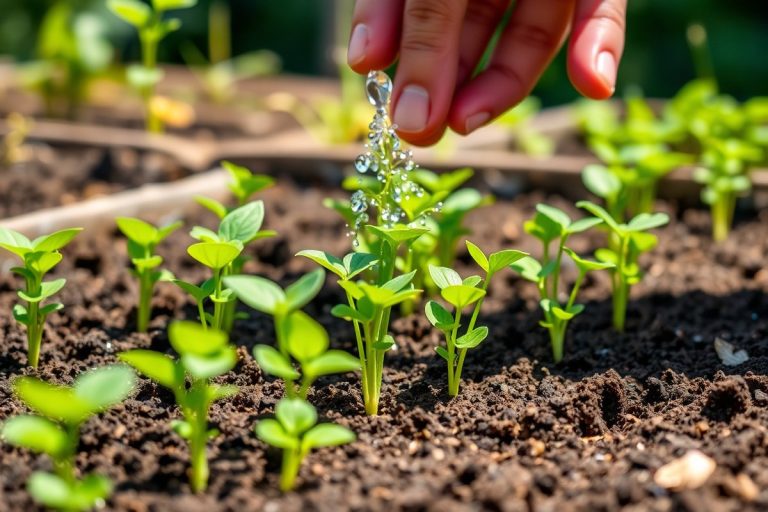
- Week 2: Water the herbs carefully, matching their individual needs. Check soil moisture to avoid overwatering or drying out.
- Month 1: Watch for aggressive herbs like mint. Use root barriers or separate pots to keep them from spreading too much.
- Month 2: Fertilize herbs lightly with balanced fertilizer. Avoid heavy feeding to keep flavors strong and plants lean.
- Every month: Prune regularly to encourage bushy growth and prevent crowding. Remove any dead or yellow leaves.
- Every season: Rotate herbs if possible. Moving them helps prevent pests and soil nutrient depletion.
Frequently Asked Questions
What Herbs Naturally Repel Pests When Planted Together?
Herbs like rosemary, sage, and mint can repel pests when planted side by side. This helps reduce the need for chemical sprays in your garden.
Can Different Herbs Share the Same Soil Type in a Container?
Yes, herbs that like well-drained soil grow well together in the same container. Avoid mixing soil types that hold too much water with those needing drier conditions.
How Does Grouping Herbs Affect Their Flavor?
Grouping compatible herbs can improve their flavors by reducing stress and competition. You might notice more vibrant rosemary or basil when planted nearby supportive herbs.
Are Fast-Growing Herbs Better Planted Alone?
Fast growers like mint can quickly crowd slower herbs and take over space. It’s usually better to plant them alone or in a controlled container to avoid crowding.
Can You Mix Herbs That Flower at Different Times?
Yes, mixing herbs with varied flowering times can extend your garden’s bloom period. This also attracts beneficial insects longer through the growing season.
Do Herbs in Shared Pots Need Less Fertilizer?
Herbs in shared containers typically need balanced feeding but not less fertilizer. Monitor their health and use a light, all-purpose fertilizer to keep them thriving.
Key Points to Remember
Picking herbs that grow well together helps your garden look good and taste great. Start with easy pairs that share sun and water needs. Try planting two or three herbs together in one container to see your garden flourish.