Can I Use Succulent Soil for Snake Plant? A Complete Guide with Proven Tips
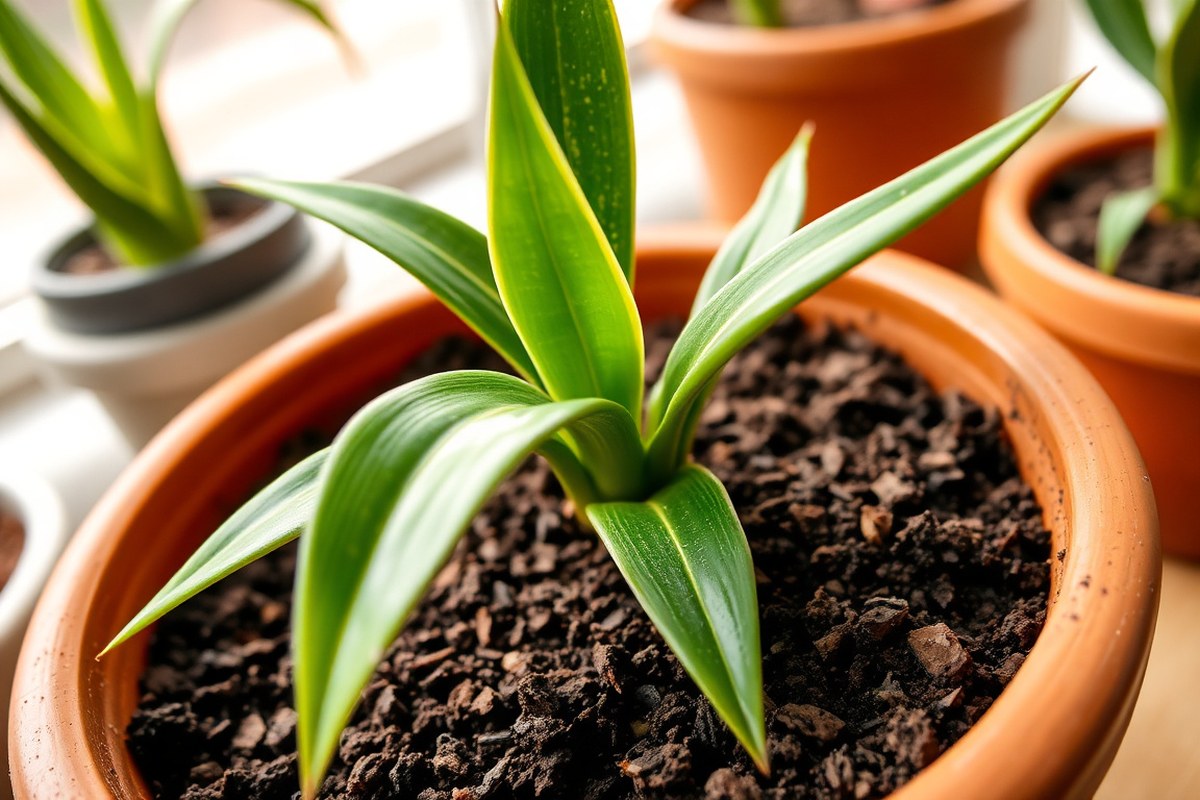
Can I use succulent soil for snake plants? Yes, you can use it safely if it drains well.
Snake plants need a fast-draining, gritty soil mix that dries out within a week. Succulent soil often fits this need because it’s designed to hold little water and dry quickly.
Before potting, check the succulent soil’s drainage by wetting it lightly. It should feel damp, not soggy, after 30 minutes. Adding perlite or pumice can improve soil aeration and prevent root rot in snake plants.
Keep in mind, snake plants prefer slightly acidic to neutral soil, around pH 6 to 7. Adjust the soil pH if needed to keep your plant healthy. Use a pot with drainage holes to help excess water escape and avoid moisture buildup.
Key Takeaways
- Use succulent soil that drains fast and contains grit for snake plants.
- Test soil by watering lightly; it should dry in 5 to 7 days.
- Add perlite or pumice to improve aeration and reduce root rot risk.
- Maintain soil pH between 6.0 and 7.0 for best snake plant growth.
- Choose a pot with drainage holes to prevent water from pooling.
- Repot snake plants every 2 to 3 years or if rootbound.
Can You Use Succulent Soil for Snake Plants Safely?
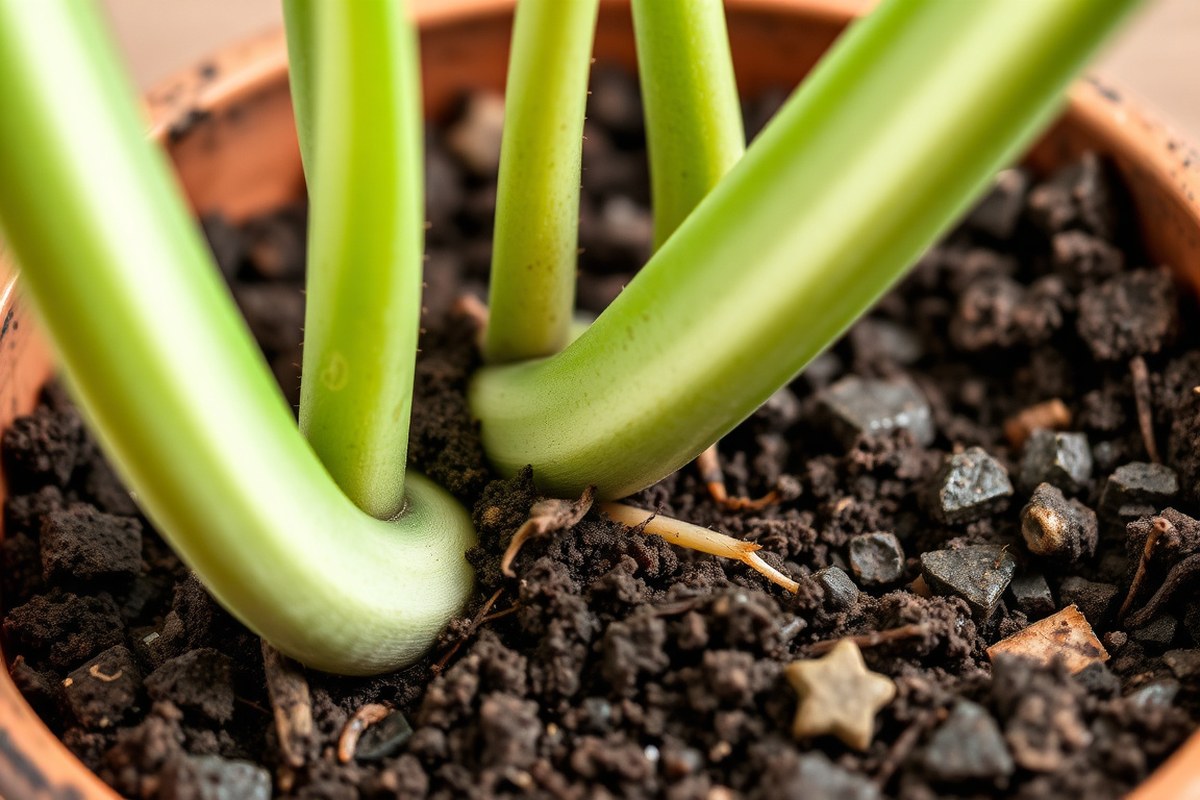
Succulent soil works well for snake plants because it drains fast. Fast drainage stops roots from sitting in water and rotting. Dry soil between watering helps snake plants grow strong roots.
Succulent soil usually contains coarse sand, perlite, and organic matter in balanced amounts. This mix provides air pockets for roots and prevents water from sitting too long.
Snake plants prefer soil that dries within 5 to 7 days. A standard succulent soil often fits this requirement.
Still, some succulent soils hold too much moisture depending on their ingredients. High amounts of coir or peat in the soil can hold water. This wetness might harm the snake plant’s roots over time.
To protect roots, avoid mixes with too much coir or peat. To fix this, you can add extra perlite or coarse sand to improve drainage and aeration.
Using succulent soil works best when you water your snake plant every 2 to 6 weeks. Let the soil dry out completely before watering again. Using this routine helps snake plants grow tall and firm.
Well-draining soil stops water buildup around the roots. This reduces the risk of root rot problems.
What Soil Conditions and Drainage Do Snake Plants Require?
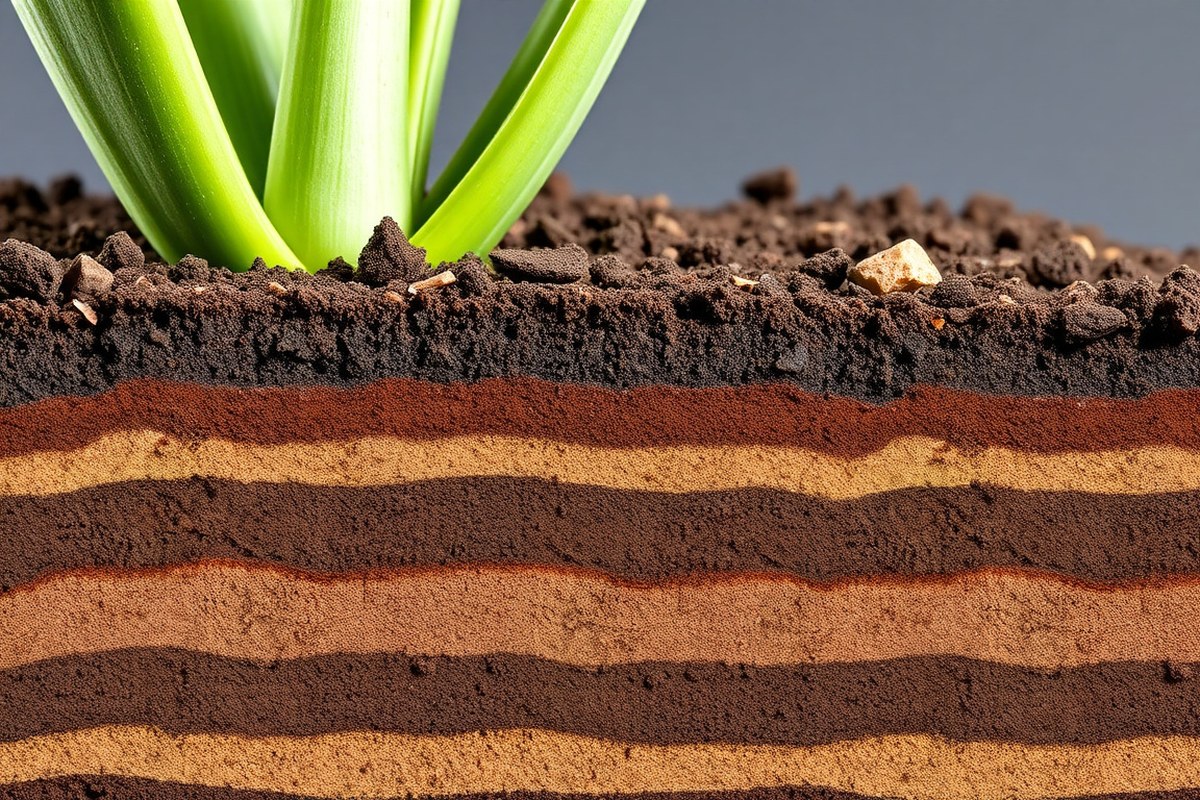
Snake plants need soil that drains very well to avoid root rot. The soil should drain extra water quickly and hold some moisture. It must keep enough moisture for the roots to stay healthy.
Drainage and moisture balance help snake plants grow well. Use a mix with 30 to 35 percent perlite or pumice.
These materials help water drain faster and air reach the roots. This balance keeps your snake plant roots happy.
They prefer a slightly acidic to neutral soil pH, around 6.0 to 7.0. This range helps the plant absorb nutrients properly.
You can test your soil’s pH with an inexpensive kit from garden stores. Adjusting pH usually means adding lime to raise it or sulfur to lower it.
Aeration matters a lot because snake plants have thick roots that need plenty of oxygen. Soil that is dense or holds too much moisture can suffocate them and cause problems. Include bark fines in the soil to keep it loose.
Loose soil lets air flow around the snake plant roots. Good airflow prevents root problems and supports growth.
Test drainage by filling your pot with soil and watering. Water should leave the pot within 30 seconds to a minute.
Choose soil with 5 to 10 percent organic matter. This amount helps your snake plant grow well without making soil soggy. Too much organic material can keep soil too wet.
Organic matter like worm castings provides nutrients but too much can keep the soil too wet. Snake plants thrive when moisture is just enough without lingering too long after watering.
Good soil looks crumbly and light, not dense or muddy. After watering, it should dry out within a few days but still feel slightly damp. Letting soil stay wet longer than a week can cause root rot.
Check soil moisture often to avoid this problem. Dry soil between waterings keeps your snake plant healthy. Adjust the soil mix by adding more perlite or bark to fix this.
How Does Succulent Soil Compare to Other Soils for Snake Plants?
Succulent soil, cactus soil, and regular potting soil differ mainly in drainage and nutrients. Snake plants need soil that dries fast and drains well to avoid root rot. Succulent and cactus soils drain water better than regular potting soil.
Regular potting soil often keeps too much water. Too much water can harm succulents and cacti.
Here’s a table showing how these soil types compare for snake plants:
| Soil Type | Description | Drainage Level | Nutrient Content |
|---|---|---|---|
| Cactus Mix | Like succulent soil, sometimes with added nutrients. | High | Moderate |
| All-Purpose Potting Mix | For many plants but needs perlite or sand added. | Moderate | High |
| Custom Mix | Blend of potting soil, perlite, and sand for snake plants. | High | Adjustable |
Succulent soil drains quickly because it includes sand, perlite, or pumice. This matches snake plants’ water needs.
Cactus soil is a specific succulent-friendly mix, often with extra nutrients. That helps snake plants without risking too much moisture.
Regular potting soil feels dense and holds water longer. It needs extra perlite or sand to improve drainage. Otherwise, snake plant roots could sit wet, causing rot.
You can mix potting soil with succulent soil to balance nutrients and drainage well. This blend helps the plant get enough food without soggy soil.
The best drainage comes from well-draining mixes with added aeration materials. Perlite or horticultural pumice creates air pockets that stop soil from trapping water. Use terracotta pots with drainage holes to complement these soils.
They wick moisture out and prevent overwatering problems. These soil and pot combos keep snake plants happy and healthy indoors.
How to Test and Improve Drainage of Succulent Soil for Your Snake Plant
Testing the drainage of succulent soil before planting your snake plant helps avoid root rot. You can check how fast water moves through the soil and improve drainage if needed. Adding perlite or coarse sand usually fixes slow drainage issues effectively.
Step 1: Prepare Your Testing Pot
Use a pot with drainage holes to test soil drainage properly. A clean plastic or terra cotta pot around 4 to 6 inches wide works well. Fill it about two-thirds full to leave room for water.
Drainage holes let excess water escape, which mimics real growing conditions. Without holes, water pools and doesn’t show true drainage speed.
Step 2: Saturate Soil and Observe Drainage Time
Slow drainage can cause root damage and disease in snake plants. To test, pour water slowly into the soil until it drains from the bottom. Time how long it takes for water to stop dripping.
Good drainage in succulent soil usually means water drains within 2 to 5 minutes. Water that takes longer than 10 minutes or pools signals poor drainage. Surface puddles or soil that stays waterlogged for hours means you must improve the mix.
Step 3: Amend Soil with Perlite or Sand and Retest
Drainage feels slow? Add more perlite or coarse sand for faster flow.
Adding about 25% perlite or sand by volume is a common starting point. Then repeat the water test to confirm improved drainage.
For example, mix 3 cups of soil with 1 cup of perlite or sand. Stir them well to combine evenly.
Avoid fine sand; it clogs the pores. Coarse horticultural sand or pumice works better.
Follow these steps to test and fix your soil:
- Choose a pot with drainage holes and fill it two-thirds with soil.
- Pour water into the soil slowly until you see drainage from the holes.
- Measure the time it takes for water to finish draining out the holes.
- Note if water pools on the surface or stays in the soil longer than 10 minutes.
- Mix in 25% volume of perlite or coarse sand if drainage is slow.
- Fill the pot again with the amended soil and repeat the watering test.
- Adjust amendments up to 30% if drainage is still too slow, testing each time.
Customizing Succulent Soil Mix Specifically for Snake Plants
To customize soil for your snake plant, mix 2 parts succulent soil. Add 1 part organic matter and 0 parts something else. This makes the soil better for your plant.5 part perlite or pumice.
This balance keeps drainage good while holding enough moisture and nutrients. Adjust these proportions slightly based on your indoor humidity and plant needs.
Choosing the Base Succulent Soil
Pick a high-quality succulent soil with good drainage properties. These soils typically contain sand, pumice, and gravel to prevent sogginess. Avoid using regular potting soil alone, it holds too much water for snake plants.
A well-draining base mix lets water pass quickly, helping root health. Your snake plant won’t sit in damp soil, reducing root rot risk. Look for a bag costing around $10 to $15 for 2 cubic feet at garden centers.
Adding Inorganic Amendments for Drainage
Adding materials like perlite, pumice, or coarse sand improves airflow and drainage. Mix 0.5 part perlite or pumice into the base soil for best results. These particles create air pockets and speed water flow.
Don’t add too much or the soil will dry out quickly. Adjust by adding small amounts (up to 0.5 parts) at a time until water drains in about 30 seconds after watering. This method allows some moisture without causing sogginess.
- Measure 2 parts succulent soil in a clean mixing container.
- Add 0.5 part perlite or pumice to the soil.
- Mix thoroughly to spread amendments evenly.
- Water a small sample to check drainage time.
- Add up to 0.5 part more perlite if drainage is slow.
- Repeat water test to confirm proper moisture flow.
Don’t overload soil with perlite; it leads to overly dry roots and stress.
Incorporating Organic Matter for Nutrients
Include 1 part organic material like compost, peat moss, or coco coir to supply nutrients. These materials hold some moisture, which snake plants need between waterings. They also help the soil stay slightly fertile without waterlogging.
Choose well-rotted compost or peat moss for nutrient-rich soil. Avoid fresh manure since it can burn roots. Adding organic matter balances moisture retention and gives your snake plant food for slow growth.
Signs Your Snake Plant Struggles with Succulent Soil and How to Fix It
Watch for yellowing leaves, mushy stems, and stunted growth on your snake plant. These signs often point to overwatering or nutrient problems from soil that holds too much moisture.
Succulent soil should drain fast. But poor mixes or pots without drainage holes can trap water around roots.
Root rot is a big risk if the soil stays soggy. Spot soft, blackened roots or a bad smell in the soil? Take action fast.
Carefully take your snake plant out of its pot. Use clean scissors or pruners to cut off mushy, rotten roots. Let the healthy roots dry for a few hours before repotting.
- Yellow leaves signal overwatering or poor soil nutrients.
- Mushy stems mean root rot or excess moisture.
- Stunted growth could indicate nutrient deficiency.
- Check for foul smell or blackened roots under soil.
- Use pots with drainage holes to avoid water buildup.
Repot your snake plant every two to three years to give it fresh soil. Use a succulent or cactus mix with perlite or sand for better drainage.
Choose a pot two inches wider and shallow, not deep. Avoid big pots because they keep soil wet too long.
After repotting, water sparingly for two weeks to reduce transplant stress. Keep the soil moist but not wet.
Balanced nutrients come from soil mix or slow-release fertilizers if growth slows. This care helps your snake plant bounce back and grow strong in succulent soil.
Repotting Snake Plants Using Succulent Soil: Step-By-Step Guide
Repotting your snake plant in succulent soil is straightforward and helps keep roots healthy. Use a pot with good drainage and fresh succulent soil to avoid soggy roots. Follow these steps carefully for a smooth transition and better plant growth.
Step 1: Select Pot and Prepare Soil
Pick a pot that’s slightly bigger than the current one. Ensure it has drainage holes to prevent water buildup. Fill the bottom with fresh succulent soil, which contains perlite or pumice for good aeration.
This soil blend drains well and lets roots get air, preventing root rot. Avoid compacted soil or anything that retains too much moisture.
Step 2: Remove Plant and Clean Roots
Gently lift the snake plant from its old pot. Shake off or brush away any clumps of old soil from the roots.
Check the roots for rot or damage. Use clean scissors to trim them if needed.
Cleaning the roots helps the plant adjust to new soil. It also lowers mold and decay risks. Be gentle to avoid breaking healthy roots.
Step 3: Repotting and Watering Schedule
Place the plant in the new pot, centering it. Fill around the roots with more succulent soil and pat it down lightly. Avoid packing soil too tightly, which blocks air and water flow.
Water the plant thoroughly right after repotting, then wait two to three weeks before watering again. This pause lets roots recover in their new environment. Keep your plant in indirect light and watch for signs of stress.
- Choose a pot 1, 2 inches wider than the current one with drainage holes.
- Fill the pot’s base with 1, 2 inches of fresh succulent soil.
- Carefully slide your snake plant out of the old pot.
- Remove old soil from roots by gently shaking or brushing.
- Trim any soft, dark, or mushy roots with clean scissors.
- Set the snake plant in the new pot, then add soil around roots.
- Press soil lightly but leave it loose enough for airflow.
- Water deeply once, then hold off watering for at least two weeks.
Adjusting Succulent Soil Care for Different Indoor Environments
Indoor humidity influences how fast succulent soil dries for your snake plant. High humidity slows evaporation, keeping the soil wet longer. Low humidity speeds drying, making soil dry out quickly after watering.
Your room is humid, like in Florida. Add more perlite to your succulent soil. This makes the mix chunkier and helps water drain faster.
Add about 10 to 15 percent perlite by volume. This helps keep soil from getting soggy.
Dry indoor air, common in desert areas or heated winter homes, means soil dries fast. Standard succulent soil works well here.
You should still check moisture often to avoid underwatering. Water the plant when the top 1 to 2 inches of soil feel dry.
Keeping track of your indoor climate helps stop overwatering or underwatering. In humid rooms, space watering out more and test the soil before adding water.
In dry rooms, you may need to water more often. But always feel the soil first.
When your succulent soil feels compacted, or water pools on top, mix in extra perlite. Start with one part perlite to nine parts soil and adjust as needed.
Leaves turn yellow or soft? Increase perlite to about 15 percent to improve aeration.
Adding too little perlite in humid rooms can cause root rot. Check your soil texture often, especially when seasons change.
Step-by-Step Action Plan for Using Succulent Soil with Snake Plants
Follow these steps to use succulent soil safely and keep your snake plant healthy.
- Before You Start: Check the succulent soil’s drainage by squeezing a handful. It should crumble easily and dry quickly after watering.
- Day 1: Mix equal parts succulent soil and potting soil. This helps keep water in and adds nutrients.
- Day 2: Repot your snake plant into the new soil mix. Make sure the pot has drainage holes to avoid water buildup.
- Week 1: Water lightly, just enough to moisten the soil. Watch for any water pooling at the bottom of the pot.
- Week 2: Check leaf firmness and color. Leaves that stay firm and bright mean the soil mix is good.
- After 1 Month: Yellow or wilting leaves mean poor drainage. Add perlite or coarse sand to fix it.
- Ongoing: Change watering based on your home’s light and temperature. Water less in dark or cool rooms.
Frequently Asked Questions
Can I Use Succulent Soil for Snake Plants Long-Term?
Yes, succulent soil can work well long-term if it drains fast and stays airy. Make sure it doesn’t hold too much moisture to avoid root rot over time.
Does Adding Perlite to Succulent Soil Help Snake Plants?
Adding perlite improves aeration and drainage, which helps snake plant roots breathe. It keeps the soil from getting compacted and wet.
What Is the pH of Succulent Soil for Snake Plants?
Succulent soil usually has a balanced pH suitable for snake plants. This helps the roots absorb nutrients effectively without stress.
How Often Should I Water a Snake Plant in Succulent Soil?
Water every 2 to 3 weeks when the soil feels dry an inch deep. Succulent soil dries quickly, so checking moisture helps prevent overwatering.
Can Snake Plants Survive in Regular Potting Soil Instead of Succulent Soil?
Snake plants can survive in regular potting soil but need extra drainage added. Without it, soil may hold too much water and risk root rot.
Does Succulent Soil Keep Snake Plants Upright and Healthy?
Yes, good succulent soil supports healthy roots, helping the plant grow upright. Proper drainage and aeration keep leaves firm and strong.
Final Thoughts
Succulent soil suits snake plants if you improve drainage and mix it right. Start by testing and blending your soil to match snake plants’ needs. Next, watch your plant carefully and tweak care to keep it thriving.