Is Moss Alive? How to Tell and Care for Living Moss Explained
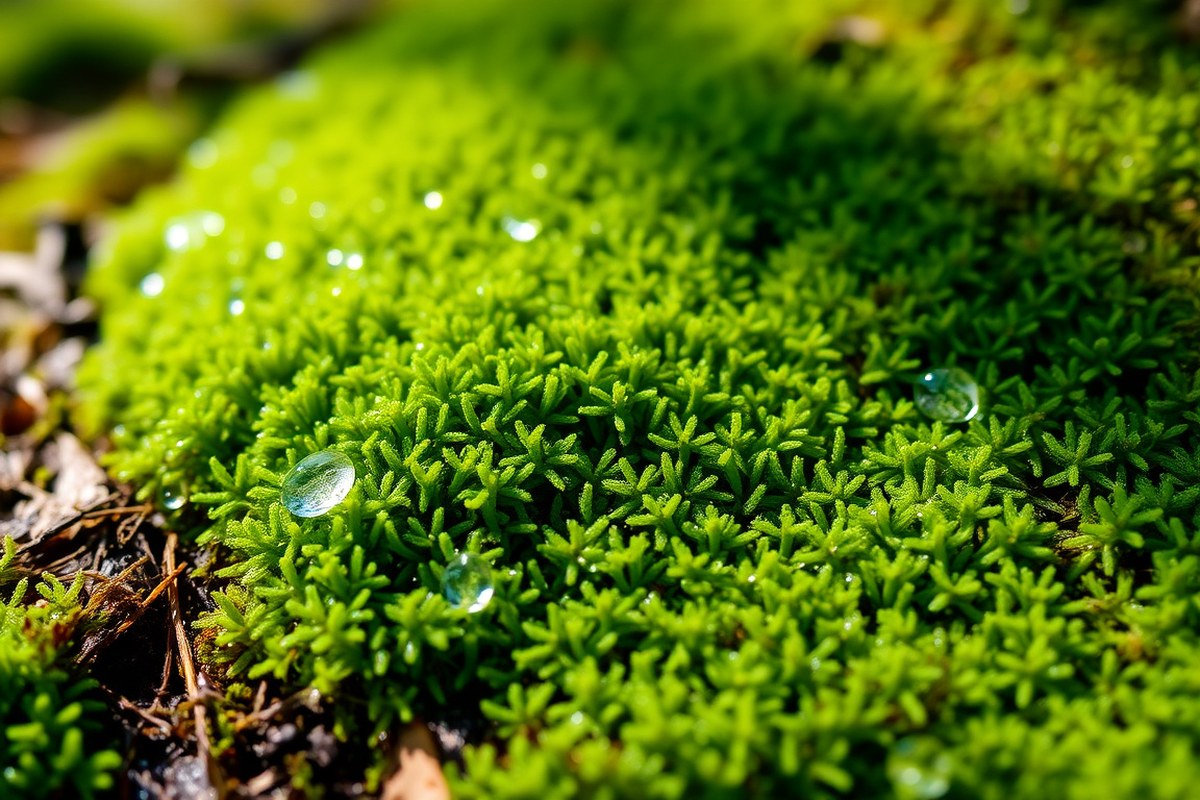
Is moss alive? Yes, moss is very much alive.
It belongs to a group of simple plants without flowers or seeds. Moss absorbs water and nutrients through its leaves, helping it survive and grow.
Moss can dry out quickly, sometimes in just one day if it’s too hot or windy. Still, it revives when moisture returns. You can tell moss is alive if it turns green again.
Wet the moss and watch for color change. If it stays dull, it might be dead.
Since moss doesn’t have roots like other plants, it needs moist spots and indirect light. Keep an eye on humidity and avoid letting moss dry out. This helps moss stay alive and healthy in your garden or terrarium.
Key Takeaways
- Moss is alive and absorbs nutrients mainly through its leaves.
- It dries out easily but revives quickly when rehydrated.
- Look for a green color to check if moss is still alive.
- Moss doesn’t have roots, so it depends on moist environments.
- Indirect light and high humidity keep moss healthy.
- Avoid hot, breezy conditions that dry moss out too fast.
Is Moss Alive? Understanding Its Living Nature
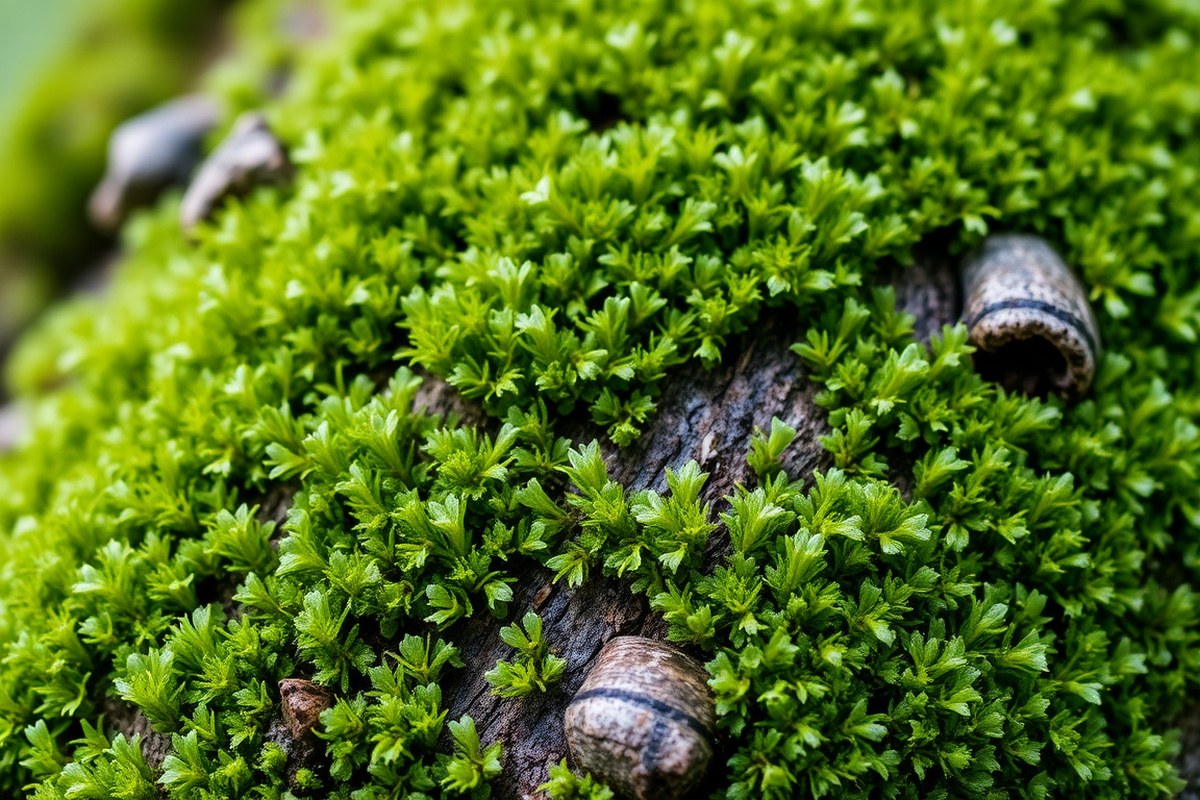
Moss is definitely alive. It is a small, non-vascular plant that belongs to the kingdom Plantae. Unlike decoration or non-living material, moss grows, reproduces by spores, and performs photosynthesis to produce energy.
You can tell moss is a plant because it contains chlorophyll, just like other green plants. Chlorophyll helps moss cells capture light energy to turn into food. This process is a clear sign that moss carries out essential life functions.
Living moss forms a green mat with tiny, star-shaped heads. It thrives in moist places because it needs water to survive and reproduce.
Take a close look: if the moss feels soft, damp, and vibrant green, it’s alive. Dry, brittle, or brown moss is likely dead or dying.
Use this quick checklist to see if moss is alive. It should be green or partly green. Second, it should feel flexible, not dry or crumbly.
Third, it might have small, leaf-like structures growing. These all show the moss is still living tissue.
Dead moss looks beige to light brown. It feels dry and fibrous, like dried sphagnum. It won’t grow back or photosynthesize.
Living sphagnum moss needs light, pure water, and steady humidity. This keeps it green and alive.
True moss is a land plant. It has vascular tissue unlike fungi or algae.
It doesn’t have roots but has tiny rhizoids that anchor it. These traits help tell real moss from garden debris or fake decorations.
To keep moss alive, use a 5000-6700K LED plant lamp. Run it about 12 hours each day.
Also, maintain constant humidity and avoid drying it out. Good results mean moss stays green and cushions soft to touch under your fingers.
How Moss Grows and Reproduces Without Seeds
Spore Germination and Protonema
Moss starts its life cycle by releasing spores instead of seeds. These spores need a moist place to start growing. They also need some shade.
It usually takes weeks to months for them to germinate. Once a spore germinates, it grows into a thin, green thread-like structure called protonema.
The protonema stays on a wet surface with low light for a few weeks. This stage spreads out like a tiny green web to absorb water and nutrients. The protonema stage is essential because it sets up the moss for its next growth phase.
Gametophyte Growth and Maturation
From the protonema, the moss grows into the gametophyte. This is the green, leafy part you usually recognize as moss. The gametophyte takes 1 to 2 months to mature.
It needs steady moisture and some shade. Keep conditions consistent during this time.
The gametophyte lasts longer than other stages in moss. It does most of the photosynthesis. This is the main life stage for moss.
This stage has tiny structures that produce sperm and eggs, ready for fertilization. Gametophytes don’t grow from seeds, so keeping the moisture steady is key.
Fertilization and Sporophyte Development
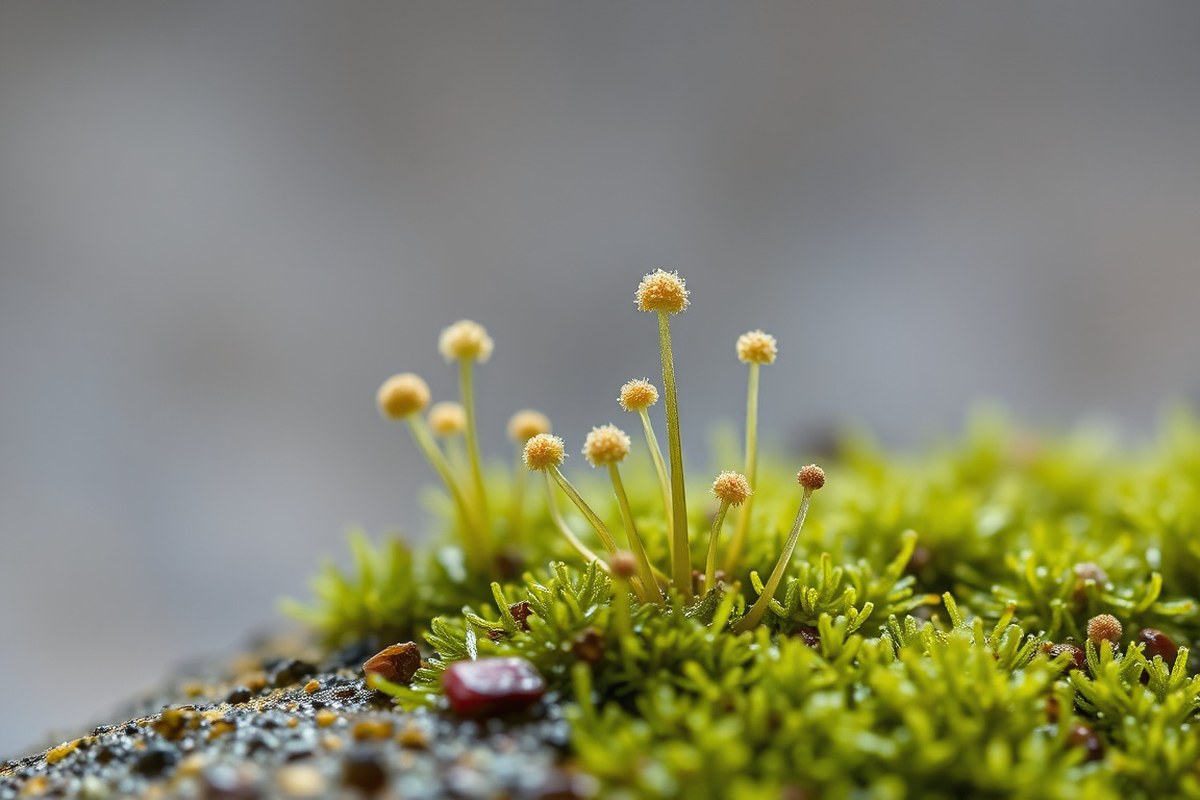
Fertilization happens when water allows sperm to swim to the egg on another gametophyte. This means moss needs a wet environment at this stage to complete reproduction. After fertilization, a sporophyte grows as a stalk with a capsule on top, which produces spores.
The sporophyte grows weeks to months after fertilization, depending on species and conditions. When spores form inside its capsule, moss prepares to release them and start the cycle again.
Seeing spores on moss usually means it’s alive and healthy. But green tissue must be present too.
Keep moss consistently damp but never soaked to support the full life cycle properly.
Why Moss Needs Moist Environments to Survive
Moss lives in moist environments because it depends on water in several ways. It can absorb and hold water up to several times its dry weight. This stored moisture keeps moss alive even during brief dry spells.
Moss doesn’t have roots like most plants. Instead, it absorbs water directly through its leaves and stems. Without enough moisture, moss cells dry out and stop working properly, which hampers photosynthesis and growth.
Water also plays a key role in moss reproduction. Moss sperm need moisture to swim from male to female parts.
This swimming requires a thin film of water, which only happens in damp conditions. Dry or sunny spots reduce this chance, limiting moss’s ability to produce new plants.
To keep moss healthy, keep its environment moist but not waterlogged. For example, in terrariums, mist moss with rainwater or demineralized water. Do this when the moss looks pale or dry.
This keeps it healthy and hydrated. Avoid hard tap water because chlorine can harm moss cells.
Some moss species, like Wall Screw Moss (Tortula muralis), can tolerate drier spots like walls. Still, they thrive best where shade helps retain moisture. In the Northern Hemisphere, moss grows on the north side of trees or rocks.
This side gets less sunlight and keeps humidity higher. These conditions help moss thrive.
When moss loses water, it can go dormant to survive. This dormancy lowers its activity until moisture returns. It’s a survival strategy in dry times.
This ability helps moss endure short dry spells but not long-term drought. Without consistent moisture, photosynthesis slows, and moss stops growing.
The right balance of moisture and light is important. Moss needs moist cells to carry out photosynthesis efficiently, turning light into energy. Too much sun dries moss fast.
This stops photosynthesis and harms the plant. Even some moisture won’t save it if the sun is strong.
Moss stays green and lush in damp or shaded places. Water is always available for hydration and reproduction there. These areas help moss grow well.
Dry or sunny spots force moss to retreat or dormancy. Keeping moss moist, with moderate light, supports both survival and reproduction cycles effectively.
How to Identify If Moss Is Still Alive
Moss color gives you a quick hint about its health. Bright green usually means the moss is alive and well. Brown, dry moss often looks dead.
It may just be dormant. It waits for water to come back alive.
Touching the moss helps too. Live moss feels soft and slightly springy. It’s brittle and crumbles easily.
It’s probably dead or very dry. You can test this by rehydrating the moss using rainwater. Healthy moss absorbs water and turns greener and softer within hours.
Moisture response is a good test. Spray or soak the moss and watch closely. Living moss will swell slightly and look plumper as it soaks up water.
It stays shriveled when wet. It crumbles too.
It is dead or damaged badly. Some desert moss species can survive for years drying out and can revive quickly under water.
- Color: bright green or dark green indicates life. Brown or gray may mean dormancy or death
- Texture: soft and elastic suggests live moss; brittle and crumbly usually means dead
- Moisture test: moss that absorbs water and reverts to green is alive
- Elasticity: live moss bends without breaking; dead moss snaps or crumbles
- Spore presence: tiny capsules on stalks usually show moss is healthy and reproducing
Also, check for spores. These look like tiny stalks with capsules. Spores mean the moss is growing and healthy.
No spores appear on the moss. It looks flat and dull too. It may have lost its health.
Don’t rely only on color, especially in different environments. Moss looks darker green in the shade. In sun, it looks paler.
It can still be alive. Coastal moss sometimes has bleached tips from salt but stays alive underneath. Always consider rehydration before deciding the moss is dead.
Types of Mosses and Their Unique Characteristics
Mosses come in many types with different shapes, sizes, and habitats. Each type has special traits that help it survive where it grows.
Some mosses live where it is very wet. Others thrive on rocks or in dry places.
Bryopsida: The Largest Moss Class
The Bryopsida class includes the most common mosses you see in forests and gardens. These mosses usually grow between 0.2 and 10 cm tall. They have a leaf and stem structure that helps them hold water and capture sunlight better.
They often form dense green carpets that cushion soil and reduce erosion. Their spore capsules have a “ring of teeth.” It opens when conditions are right.
This helps spread spores. This clever design boosts their chances to grow in new spots.
Special Mosses: Sphagnum and Others
Sphagnum moss is unique because it holds a lot of water, making it more sponge-like. It usually grows in bogs and wetlands, where it helps keep the ground wet and acidic. Sphagnum needs bright, indirect light to grow well indoors.
It also needs constant humidity. Use mineral-poor water like rain and allow some air flow.
Other special mosses include pillow moss and rock moss. Pillow moss grows in mounds that look like soft pillows, perfect for terrariums.
Rock moss, or Andreaeopsida, grows on rocky surfaces. It survives harsh conditions due to its tough structure.
Extreme Survivors and Size Variations
Some mosses survive extreme temperature changes. They withstand nearly absolute zero (-272ºC). They also survive up to 100ºC when dried out.
Dawsonia superba is a moss that grows very tall. It can reach up to 50 cm in height. Most mosses are much shorter but adapt better to varied climates thanks to their small size.
Survivor mosses have tough cell walls. They lose water without dying. They revive when conditions get better.
This makes moss a hardy choice for challenging environments like deserts or frozen tundras. They may look delicate but are surprisingly resilient.
Keep sphagnum moss moist but avoid direct sunlight to prevent drying and damage.
How Moss Photosynthesizes Without Roots or Vascular Tissue
Moss makes food by using photosynthesis in its tiny leaf-like structures. These leaves contain chlorophyll that captures sunlight to create energy.
Unlike other plants, moss doesn’t have roots to take up water. Instead, it absorbs water directly through its leaves.
Moss doesn’t have true roots. It uses rhizoids to hold onto surfaces. Rhizoids look like tiny hairs.
Rhizoids hold moss in place firmly. They don’t take up water or food.
Roots in other plants do those jobs. Moss relies on moisture from the air or its surroundings to stay hydrated.
Moss is a non-vascular plant, meaning it lacks specialized tubes called xylem and phloem. These tubes move water and nutrients through vascular plants like trees and grasses. Moss lacks root tissues.
It leans on thin leaves to get food. Wet surfaces nearby help with this, too.
Because mosses lack an internal transport system, they must stay small and close to water sources. Moist environments help them absorb water quickly through their leaves. Moss leaves have tightly packed cells.
These cells don’t have air spaces inside. This design helps them soak up water fast.
Put moss on a surface that holds water well. Good examples are sphagnum moss or wood. This helps moss start growing.
The moss will pull moisture through its leaves from this medium. Spray moss with water only when dry.
This keeps moss healthy without roots. Don’t overwater or let it stay soaked.
Moss diagrams show flat leaves spread out. This shape catches sunlight well. It also helps moss absorb water better.
The rhizoids attach below, holding moss in place but not soaking up moisture. Understanding this helps when planting moss in terrariums or green roofs, where soil depth is minimal.
Ecological and Practical Importance of Moss
Moss plays a key role in ecosystems by stabilizing soil and regulating moisture. It enriches the soil with nutrients and creates habitats for tiny animals and insects. These actions help keep ecosystems balanced and healthy.
One of moss’s biggest benefits is carbon storage. Peat moss, a type of decomposed moss, forms peat bogs over hundreds to thousands of years. According to the French Biodiversity Office, peat forms very slowly.
It takes 100 to 1,000 years to make a few centimeters. These bogs store twice as much carbon as all the earth’s forests combined. Healthy peat layers, around 30 cm thick, hold more carbon per hectare than tropical forests do.
Moss also helps build new ecosystems by creating moist, nutrient-rich places where other plants can grow. Sphagnum mosses make spongy carpets in wetlands that hold water and protect soil from erosion. These areas often support acid-loving plants like blueberries and cranberries, showing moss’s effect on nearby vegetation.
Gardeners use peat moss to improve soil quality. It holds water and nutrients well, which benefits plants during dry spells. To use peat moss, mix it into your garden soil.
Add about 20 to 30 percent of peat by volume. This helps soil stay moist longer without becoming soggy, which is good for many plants.
Growing moss for restoration or decoration needs patience and the right conditions. Moss usually requires shade and moisture to thrive. Avoid using coconut fiber or other substrates, as moss prefers natural, moist surfaces.
To keep moss green indoors, mist it regularly. Also, keep it cool and shaded.
Common Moss Growing Mistakes and How to Fix Them
Many people fail to grow moss well because they overwater it. They also use too much sun or pick the wrong substrate. Ignoring humidity needs makes moss growth harder.
You can fix slow or dying moss by adjusting these key factors carefully. Good moss growth needs steady moisture, gentle light, the right base, and proper humidity levels.
Overwatering and Drainage Issues
Too much water can drown moss and cause fungal problems. Moss prefers a consistently moist substrate but not standing water.
When soil stays soggy, moss roots can rot. This slows down moss growth.
Improve drainage by adding a layer of gravel or coarse sand beneath your soil or substrate. Water just enough to keep the moss damp but never let water pool around it. Use rainwater or dechlorinated water to avoid harming the moss.
Avoid allowing water to sit on moss for hours. This invites fungus and kills the moss.
Inadequate Light or Too Much Sun
Moss likes bright, indirect light. Direct sun, especially in summer, will dry it out quickly and burn the leaves. Too little light slows photosynthesis, stalling growth and causing moss to fade.
Adjust your moss location to get shady or filtered light. Morning sun works well.
But avoid afternoon sun through glass, which can scorch the moss. Some moss types tolerate low light very well, even growing in caves.
- Place moss in eastern or northern window spots
- Shield moss from midday and afternoon sun
- Use sheer curtains to filter harsh sunlight
- Supplement with fluorescent lights if indoors and dim
- Rotate moss to even light exposure every few days
- Check moss color, adjusting light if it looks bleached or dull
Improper Substrate and Soil Conditions
Moss does not need regular potting soil to grow. It does best on a substrate that holds moisture. This substrate should also help moss anchor its roots.
Peat-based mixtures or sphagnum moss create a perfect base. Avoid heavy clay or dry sandy soils.
Press moss gently onto moist substrate so it can absorb water directly. Some mosses grow well free-floating in aquariums, but ground moss likes a solid base. Poor substrate leads to slow growth or moss lifting away.
- Use peat moss or sphagnum as a base layer
- Press moss firmly into the soil surface
- Avoid fertilizers, which can harm moss
- Choose slightly acidic to neutral pH soil (5.0 to 7.0)
- Keep substrate evenly moist, not soggy
Ignoring Humidity and Temperature Needs
Moss grows best where humidity stays high, about 80-90% relative humidity. Dry air causes moss to brown and stop growing. Indoor heating and radiators dry the air, stressing moss plants.
Raise humidity by misting moss regularly or grouping moss plants together to trap moisture. Using a glass lid or terrarium can cut evaporation and maintain moist air. Avoid temperatures above 75°F (24°C) during hot months.
- Mist moss daily in dry environments
- Group moss with other plants to boost humidity
- Keep moss away from heat sources like radiators
- Use a terrarium or cover with a clear lid
- Avoid cold drafts below 40°F (4°C) in winter
Your Quick-Start Plan for Growing and Caring for Moss
Follow these simple steps to spot, grow, and keep moss alive around you. Watch for signs that prove your moss is thriving.
- Day 1: Choose a shady, moist spot to start moss growth. Moss needs low light and dampness to survive.
- Week 1: Collect moss samples or buy moss starter carefully. Make sure the moss looks green and fresh, not dry or brown.
- Week 2: Prepare the surface by cleaning dirt, debris, and rough patches. A smooth, clean base helps moss attach better.
- Week 3: Press moss firmly onto the surface. Gently water it to keep humidity high, but avoid flooding.
- Week 4: Keep the area moist daily by misting with water. Check if moss looks greener and feels slightly soft instead of dry and crusty.
- Month 2: Remove any leaves or debris that block light or trap too much water. These can cause moss to die or rot.
- Ongoing: Monitor moss health by checking its color and texture weekly. Green, velvety moss signals you’re on the right track.
Frequently Asked Questions
Can Moss Survive Without Sunlight?
Moss needs sunlight for photosynthesis but can tolerate low light. It grows best in shaded, moist places.
How Fast Does Moss Grow in Ideal Conditions?
Moss grows about 0.5 to 2 inches per month. Growth depends on moisture, light, and temperature.
Does Moss Need Soil to Grow?
Moss can grow on rocks, wood, or soil since it doesn’t need soil nutrients. It absorbs water directly through leaves.
Can Moss Survive Winter Frost?
Most mosses survive frost by going dormant. They revive with moisture and warmth in spring.
How Long Does Moss Live?
Moss can live for several years depending on species and environment. Proper moisture and shade support longevity.
Is Moss Carnivorous or Does It Trap Insects?
Moss is not carnivorous and doesn’t trap insects for food. It absorbs nutrients mainly from water and air.
Final Thoughts
Moss is alive and depends on moisture, shade, and gentle care to grow. Look closely for green color and softness to confirm life. Start by watering your moss patch regularly and watch it thrive over time.