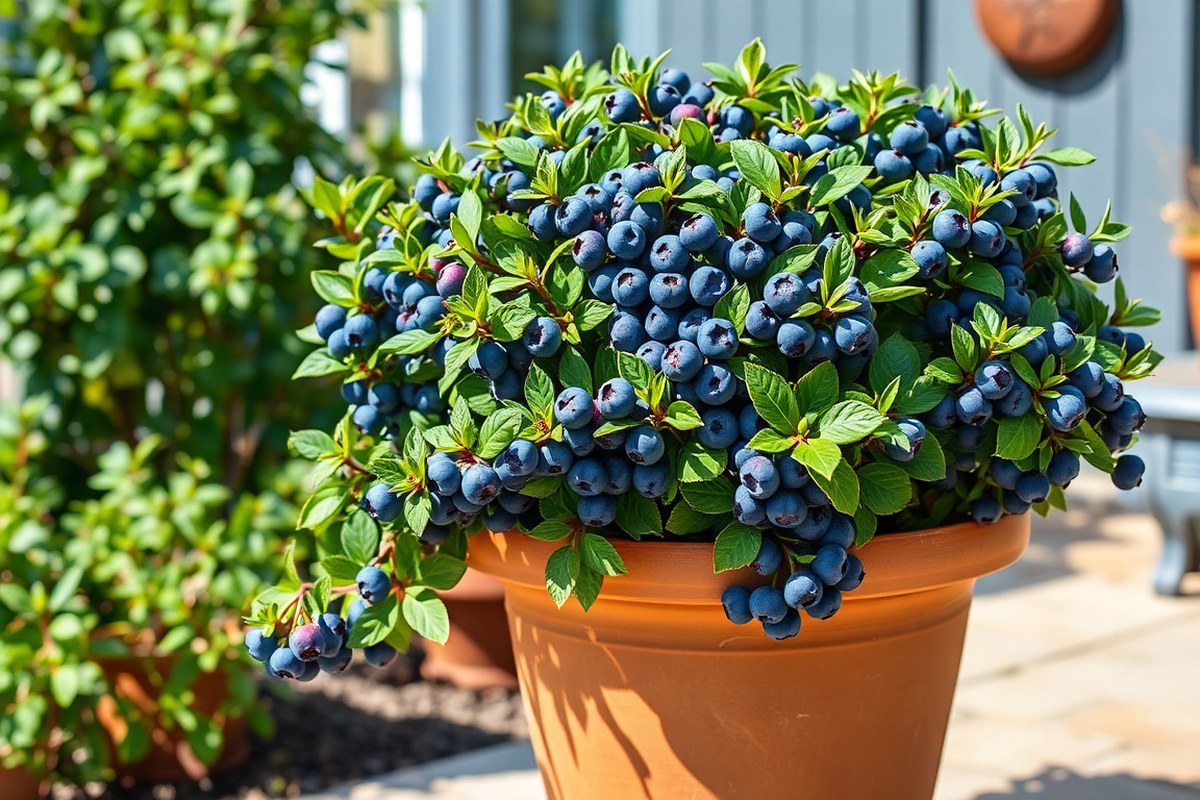
Can You Grow Blueberries in a Pot? Complete Guide for Best Results
Yes, you can successfully grow blueberries in containers. They need the right size pot, proper soil, and enough sunlight to thrive. Picking the right variety is key to keeping the plant manageable in size.
Blueberries like full sun, about 6 to 8 hours daily, to produce fruit. Choose smaller varieties like half-high or dwarf types to fit well in pots. The pot should be 16 to 24 inches deep to give roots space to grow.
Use soil made for acid-loving plants and pick a pot holding at least 10 gallons. Check the soil’s top inch for dryness before watering. Give about 2 inches of water weekly during the growing season.
Fertilize with a slow-release, acidic fertilizer about a month after planting. This supports healthy growth and fruit production in your container blueberries.
Key Takeaways
- Choose a pot that’s at least 20 inches wide. Make sure it is 16 inches deep too. This size works well for fully grown bushes.
- Half-high and dwarf varieties grow best in 10-15 gallon containers.
- Blueberries need 6 to 8 hours of direct sunlight daily for best fruit.
- Water blueberries about 2 inches per week, checking soil moisture first.
- Feed with slow-release organic fertilizer made for acid-loving plants four weeks after planting.
- Two-year-old plants produce small harvests; expect full yields around five years.
Can You Successfully Grow Blueberries in Pots?
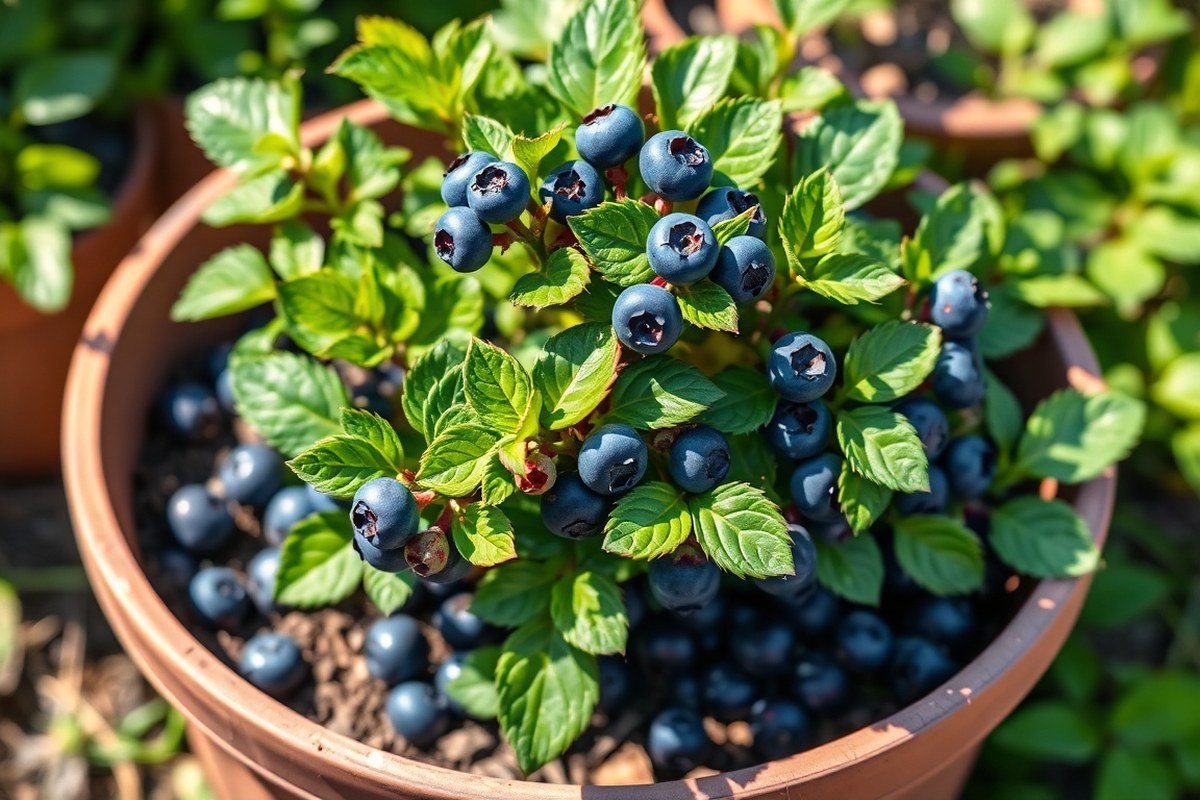
Blueberries can grow well in pots if you give them the right care. Blueberry plants need a big pot for growing well. A 24-inch diameter container works best.
This gives roots enough space as they grow. A big pot lets the roots spread and helps support a healthy plant. But be ready for more watering since pots dry out fast.
Expect your potted blueberries to grow slower and produce fewer berries than ground plants. Container plants have limited root space and can dry out quickly. Many gardeners like growing blueberries in pots.
It’s easier to control soil acidity this way. Plus, pots let you move plants as needed.
Pick a pot that drains well and use acidic soil. Mix potting soil and peat moss equally for a pH of 4.5 to 5.5.
Place the pot somewhere with 6 to 8 hours of sun daily. You can move it to follow the sun or avoid hot afternoon rays.
Pots warm up and dry out faster than garden beds. Check the soil moisture every day in warm weather. This keeps your blueberries healthy and hydrated.
Water deeply but do not let the soil stay soggy. Raise your pot off the floor using bricks or plant caddies.
This helps water drain better and stops root rot. Good drainage keeps roots healthy and happy.
Potted blueberries don’t get as large as those in the ground. Highbush varieties can reach 7 or 8 feet tall but usually stay smaller in pots. Choose varieties that suit container growing and prune them to maintain size and increase fruit production.
Planting two bushes in a large pot helps pollination and fruit. Use a pot at least 30 inches wide for this. It can improve the amount of berries you get.
In pots, you avoid some soil pests and diseases that harm ground plants. Watch for droopy leaves or fewer berries on your plants. These signs usually show problems with watering or sunlight.
Fix these quickly to keep plants healthy. With proper care, potted blueberries can produce fresh fruit.
They suit small spots or patios with no garden. This helps you grow fruit even without a yard.
Choosing the Right Blueberry Varieties for Containers
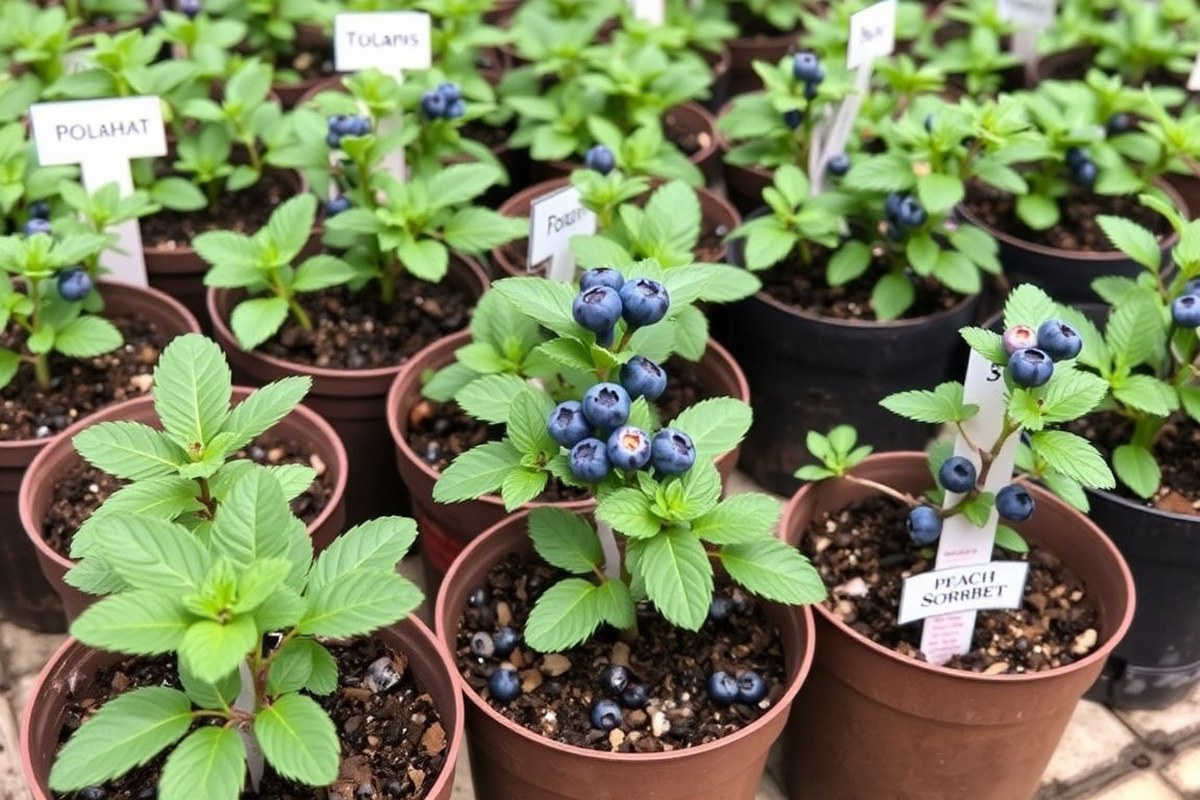
Some blueberry varieties do better in pots than others. You want types that stay small, like dwarf or half-high bushes. Choose plants that fit your local climate and chill hours.
This helps them grow strong. It also leads to better fruit production.
Dwarf and Patio Blueberry Varieties
Dwarf blueberry plants usually grow between 1 and 2 feet tall. Patio varieties like ‘Top Hat’ fit well in small pots or containers on decks. These plants stay small but still produce many berries.
They fit well in small spaces. This makes them ideal for limited garden areas.
Because dwarf blueberries stay small, they fit in pots 12 to 16 inches wide. You can easily keep them on patios or balconies. They don’t need large containers.
They also need well-draining soil and a pot with holes for water to escape. A too-large pot can hold too much water and hurt the roots.
Half-High Blueberries for Containers
Half-high blueberries reach 2 to 3 feet tall and wide. They come from crossing northern highbush and lowbush types. These bushes fit nicely in 18 to 24 inch pots on patios.
These varieties usually need fewer chill hours and suit a wider range of climates. Half-high varieties, like the Bushel and Berry™ series, can handle 150 to 500 chill hours. They produce steady fruit and withstand colder climates better than dwarfs.
Choose half-high if you want a bigger plant and more fruit but still need container-friendly sizes. These plants fill up a porch or patio space nicely without getting too tall.
Chill Hours and Climate Considerations
Chill hours measure how long temperatures stay between 32°F and 45°F during winter. Blueberries need a certain number to start producing fruit well. Winters with mild temperatures suit low chill hour blueberry varieties best.
These types don’t need long cold periods to grow. They work well where cold is limited.
For cold areas, select varieties needing more chill hours, usually above 500. For example, ‘Pink Icing®’ needs around 500 chill hours and grows about 3 feet tall. Knowing your USDA zone helps you pick a variety that fits your climate.
Too few chill hours will delay flowering or reduce fruit. Too many chill hours can cause dormancy issues in warmer zones. Pots often warm faster, so adjust watering and care depending on temperature.
Here is a comparison of popular container-friendly blueberries based on size, chill hours, and growth:
| Variety | Size (Height x Width) | Chill Hours | Type |
|---|---|---|---|
| Top Hat | 1-2 ft x 1-2 ft | 150-500 | Dwarf |
| Blueberry Burst | 3.3 ft x 2.5 ft | 150-500 | Patio |
| Pink Icing® | 3 ft x 4 ft | ~500 | Northern Highbush |
| Bushel and Berry™ Series | 2-3 ft x 2-3 ft | 150-500 | Half-High |
Use pots 18 inches deep and wide for half-high blueberries. For dwarfs, pots 12 to 16 inches work well. This gives roots enough room to grow.
Use well-draining, acidic soil to support healthy roots and fruit production. Avoid varieties that grow above 3 feet; they often need more care and space.
Set pots on raised platforms to let water drain well. This stops roots from sitting in wet soil. Proper drainage keeps plants healthy and avoids rot.
Selecting and Preparing the Best Pot and Soil Mix
You need a wide pot with good drainage and acidic soil to grow blueberries in containers. The pot should be at least 20 inches wide for mature plants.
The soil mix must have a pH between 4.5 and 5.5. Using peat moss combined with potting soil helps maintain the right acidity and drainage.
Ideal Pot Dimensions for Different Plant Sizes
Start smaller with young plants in a 5-gallon pot that has drainage holes. This size keeps the soil manageable and roots healthy at the early stage. Once your blueberry plant grows, upgrade to a wider container about 20 inches across.
A 20-gallon or larger pot suits mature plants. Wide is more important than deep because blueberry roots spread horizontally. Leave at least 1 inch of space between soil and pot rim.
This gap stops overflow while watering. It also helps keep things clean.
Choosing Pot Material and Drainage Features
Use pots made of materials that allow good airflow and moisture control. Plastic or resin pots weigh less and hold moisture well. Make sure drainage holes are big enough for water flow.
Good drainage prevents root rot. Terracotta pots breathe well but dry out faster, so monitor watering carefully.
Drainage holes are critical to stop waterlogging, which harms blueberry roots. Drill three holes spaced evenly on the pot’s bottom when no holes exist. These let excess water drain out.
Proper drainage is key to healthy plants. Add a layer of gravel or small stones before soil to help water drain freely.
Creating an Acidic Potting Mix for Blueberries
Blueberries grow best in soil with pH between 4.5 and 5.5. Mixing equal parts peat moss and potting soil creates ideal acidity. Peat moss naturally has a low pH near 4.
Buy potting soil made for acid-loving plants like azaleas when you want convenience. This soil has the right pH for blueberries. It saves the work of mixing your own.
To change soil pH, add elemental sulfur or fertilizer for acid plants. Test pH often with a kit to keep it right. Adjustments keep blueberries healthy and growing well.
Here is how to prepare the right soil mix step by step:
- Select a container with proper drainage holes and the right size.
- Measure equal parts sphagnum peat moss and quality potting soil.
- Combine the peat moss and potting soil thoroughly in a clean container.
- Test the soil mix pH with a soil test kit to verify acidity levels.
- Add elemental sulfur or acid fertilizer if the pH is above 5.5, then retest.
- Fill the pot with your mix but leave 1 inch of space from the rim.
- Plant your blueberry carefully, then top off soil around the roots as needed.
- Water gently to settle the soil without flooding the pot.
Positioning and Sunlight Needs for Potted Blueberries
Blueberries grown in pots need at least six hours of direct sunlight daily. Full sun helps the plant develop strong branches and produce more fruit. In hot climates, some afternoon shade will protect leaves from burning and prevent fruit from shriveling.
Choose the brightest spot you have if full sun isn’t available. Morning sun is better than afternoon sun, which can stress plants if too intense.
You may notice fewer berries if sunlight is limited. But the plant will still survive and grow.
Microclimates can affect potted blueberries a lot. Put pots near a sunny wall to warm them a few degrees. This extra warmth can help plants grow longer into the season.
Porch corners or deck edges often have good airflow without strong wind. This prevents soil from drying out too fast.
Blueberry pots are easy to move. Shift your containers through the season to catch better light or shelter them during extreme heat.
Move pots to a bright area in spring. In fall, place them where wind is blocked to reduce stress in winter.
Use pots about 24 inches deep and wide. This gives roots room to grow and holds water better. Put two inches of mulch around the plant base.
It helps keep soil moist and cooler. This simple step can make your blueberry plants happier in the pot.
Watering and Fertilizing Blueberries in Containers
Blueberries in containers need thorough watering, around 2 inches weekly. Use fertilizer designed for acid-loving plants about a month after planting. Maintain soil pH between 4.5 and 5.0 to ensure good nutrient uptake.
Watering Schedule and Techniques
Container blueberries need frequent watering because the soil dries out quickly. Water when the top inch of soil feels dry, usually every few days in warm weather. Make sure to moisten the soil down to 6 to 8 inches deep each time.
Blueberries want about 2 inches of water per week during the growing season. You can check this by setting a rain gauge or measuring the water you give.
Avoid letting containers dry out completely. Dry soil can stress roots and reduce fruit production.
- Check the soil moisture daily by sticking your finger into the soil.
- Water slowly and evenly until water drains from the pot’s holes.
- Apply about 1 to 2 quarts of water per watering, adjusted by pot size.
- Water less often in cooler months but don’t let soil dry out completely.
- Use mulch on top of the soil to slow drying and keep moisture steady.
Don’t just water the surface. Wet the soil deep enough to reach roots each time.
Fertilizer Types and Timing for Acid-Loving Plants
Blueberries don’t need heavy feeding but do require acid-friendly fertilizers. Choose a slow-release fertilizer meant for acid-loving plants like azaleas or rhododendrons. Feed your blueberry plants about four weeks after planting to boost growth.
Apply fertilizer again in early spring and mid-summer during active growth. Avoid over-fertilizing; too much nitrogen causes lots of leafy growth and fewer berries. Organic options like cottonseed meal or composted pine bark help keep soil acidic.
- Use fertilizer labeled for acid-loving plants with a balanced formula.
- Apply in late spring four weeks after planting your blueberry.
- Feed again in early summer, about 6 to 8 weeks after the first feeding.
- Avoid fertilizing from late summer through winter to prevent root damage.
- Follow package rates carefully, typically ¼ to ½ cup per 10-15 gallon pot.
Organic fertilizers often improve soil pH and structure better than synthetic types.
Maintaining Soil pH in Container Blueberries
Blueberries need soil pH between 4.5 and 5.0 for best growth. Soil that’s too alkaline blocks nutrient uptake and causes yellow leaves. Use a soil acidifier to lower pH if it rises above 5.0 during the season.
Test soil pH monthly using a simple test kit or meter. Add sulfur or acidic fertilizers as directed to keep pH in range. Acidic organic mulches like pine needles also help maintain the acidity around the root zone.
- Test soil pH monthly with a soil test kit or meter.
- Add soil acidifier products such as elemental sulfur if pH rises above 5.0.
- Apply acidic fertilizers to support pH maintenance and plant health.
- Top mulch with pine needles or shredded oak leaves to keep soil acidic.
- Adjust watering with rain or tap water, which can raise soil pH over time.
Regular pH checks prevent nutrient problems and keep your blueberry plants thriving.
Pruning, Pollination, and Fruit Production Timeline
Pruning potted blueberries works best in late winter, before new growth starts. Use sharp, clean pruners and remove any dead, weak, or crossing branches. Cut back the oldest canes at the base to encourage new shoots and better fruit production.
Light pruning each year keeps your bush manageable and helps it put energy into making berries. When your plant reaches three years, remove some old branches. Take away about one-third of the oldest branches yearly.
Doing this keeps the plant healthy and productive. Avoid heavy pruning in summer, as it can reduce fruiting for the next season.
Blueberries benefit from cross-pollination to boost berry size and yield. Planting at least two or three varieties together in your containers improves pollination.
Bees do the rest. So keep your pots where bees visit easily during bloom time.
Even though some varieties self-pollinate, fruit production is more reliable with multiple types. They need six or more hours of direct sunlight daily to flower well. Partial shade can reduce fruit size and numbers, especially in pots.
You’ll start seeing fruit on your blueberry plant after about two years in the pot. The first yields are small, just a few handfuls.
But the harvest grows bigger each year. Full production usually happens between years three and five.
Fruit maturation lasts several weeks. Blueberries will ripen from early to midsummer depending on the variety and local temperature. Highbush types like Legacy or Patriot typically produce a steady summer crop when cared for properly.
Check your blueberries weekly during berry development. Remove any small, shriveled fruit to help the plant focus its energy. This boosts the size and quality of the ripe berries you’ll enjoy.
Protecting and Overwintering Blueberries in Containers
Birds love blueberries, so you’ll want to keep your potted plants safe. Move pots closer to your house where birds visit less often.
For pots farther away, drape bird netting over a simple frame to block access. This prevents birds from pecking at your berries and damaging the plant.
Pests like aphids and spider mites can also bother container blueberries. Check your leaves weekly for small insects or webs. Spot pests?
Spray insecticidal soap or neem oil as the label says. Regular inspection helps catch problems early before they hurt growth.
Cold weather is tough on potted blueberries, especially since roots freeze more easily in containers. You live where temperatures drop below 20°F, so protect your plants in winter.
You can bury the pot in your garden soil for insulation, leaving the branches above ground. This keeps roots at a steadier temperature and avoids freeze damage.
Can’t bury the pot? Wrap it in burlap or bubble wrap to keep roots warm. Place straw or leaves around the base for extra warmth and prevent frost heaving.
Setting pots on foam boards also keeps them off freezing cold ground surfaces. Keep the shrub bare of excessive water in winter to reduce freeze risks.
Some gardeners move their container blueberries to a cold garage or unheated porch for winter. The spot should stay above 15°F but below 45°F to keep the plant dormant without freezing.
Avoid places with dry heat, which can dry roots out. Check moisture monthly and lightly water if the soil feels dry.
Repot your blueberries from a 5-gallon to a larger container by late summer or early fall. This gives roots room to grow and recover before cold weather hits.
Healthy, well-rooted plants handle winter better and come back strong in spring. Overwintering this way supports their survival for seasons to come.
Common Problems When Growing Blueberries in Pots and Solutions
One major issue with container-grown blueberries is phytophthora root rot. This fungal disease thrives in waterlogged soil. Make sure your pot drains well to avoid standing water.
Don’t let the pot sit in a water-filled tray. Standing water can cause root rot and harm your plant. Root rot signs include yellowing leaves, wilted branches, and stunted growth.
Nutrient problems often occur with blueberry plants. Blueberries require acidic soil between pH 4.5 and 5.5.
Test the soil before using fertilizer to know what nutrients your plant needs. This helps avoid giving too much fertilizer that could damage roots.
Pot-bound roots can also cause trouble. When repotting a slow-growing or stressed plant, gently loosen its roots. This helps the roots spread and grow better in the new pot.
Take care not to damage the roots. This encourages root spread and keeps the plant healthy in its container.
- Always use one blueberry plant per pot to avoid overcrowding.
- Choose a container with drainage holes to prevent water buildup.
- Check soil moisture regularly; soil should stay moist, not soggy.
- Watch for bird damage and protect berries with netting if needed.
- Perform a soil pH test yearly to maintain acidity.
- Tease roots lightly during repotting to encourage growth.
- Avoid harsh fertilizers; use one formulated for acid-loving plants.
Blueberries usually don’t face many pest problems, but birds can be a nuisance. Cover your berry-laden bushes with netting or place scare devices if birds become a serious problem.
Other insect or fungal pests are rare in pots. But keep an eye out for unusual leaf spots or webbing.
Check drainage by lifting your pot after watering. It should feel lighter within a day, showing water has drained well.
Step-by-Step Action Plan for Growing Blueberries in Pots
Follow these simple steps to get your blueberry pot garden started and thriving. Each step helps you check if you’re on the right track.
- Before planting: Choose a dwarf or container-friendly blueberry variety. Check that the plant feels firm and healthy with bright roots.
- Day 1: Pick a pot at least 18 inches wide with drainage holes. Fill it with acidic, well-draining soil. Test soil pH to confirm it’s between 4.5 and 5.5.
- Week 1: Plant your blueberry bush, keeping the root ball level with the soil surface. Water until water drains from the bottom.
- Weeks 2-4: Place your pot in full sun, at least six hours daily. Rotate the pot weekly to keep growth even and check soil moisture every 3 days.
- Month 2 and ongoing: Water regularly to keep soil moist but not soggy. Use a fertilizer for acid-loving plants every 4-6 weeks. Leaves should stay green and lively.
- Month 3: Start pruning lightly after the first year’s growth if needed. Watch for flower buds in early spring for signs of fruit potential.
- Fall: Move your pot to a sheltered, cooler spot. Mulch the soil surface to protect roots from freezing temperatures.
- Winter: Check moisture and cover with burlap if your area freezes hard. Avoid overwatering to prevent root rot.
Frequently Asked Questions
Can I Grow More Than One Blueberry Plant in a Single Large Pot?
Yes, you can grow two plants in a pot at least 30 inches wide. This gives both enough space to develop healthy roots and produce fruit. Avoid cramming more plants to reduce competition and stress.
What Pot Materials Best Keep Blueberry Roots Cool and Well-Drained?
Terra cotta and natural fiber pots work well since they breathe. Plastic pots can overheat the roots more easily on hot days. Drainage holes are essential to prevent waterlogging.
How Often Should I Repot Blueberry Plants Grown in Containers?
Repot every 2 to 3 years to refresh soil and check root health. Use fresh acidic potting mix and slightly larger pots to support growth. Gently loosen crowded roots before transplanting.
Are Half-High and Dwarf Blueberry Varieties Better for Small Patios?
Yes, half-high and dwarf types stay below 3 feet tall and wide. They fit well in 10 to 15-gallon pots and don’t crowd your space. You still get good fruit yield without a large container.
Can Blueberry Plants Survive Cold Winters in Pots Outdoors?
They can, but pots freeze faster than ground soil. You might need to insulate pots or move them to sheltered spots. Mulching around the pot base helps protect roots from freezing.
Does Container Watering Frequency Differ from Ground-Grown Blueberries?
Yes, potted plants dry out faster and need more frequent watering. Check soil moisture every few days during warm weather. Keep soil evenly moist but avoid soggy roots.
Key Points to Remember
Yes, you can grow blueberries successfully in pots with the right care. Start by choosing the right variety and pot to suit your space. Then look for a healthy plant at your local nursery and try planting this weekend.