Do Strawberry Plants Come Back Each Year? A Complete Guide for Gardeners
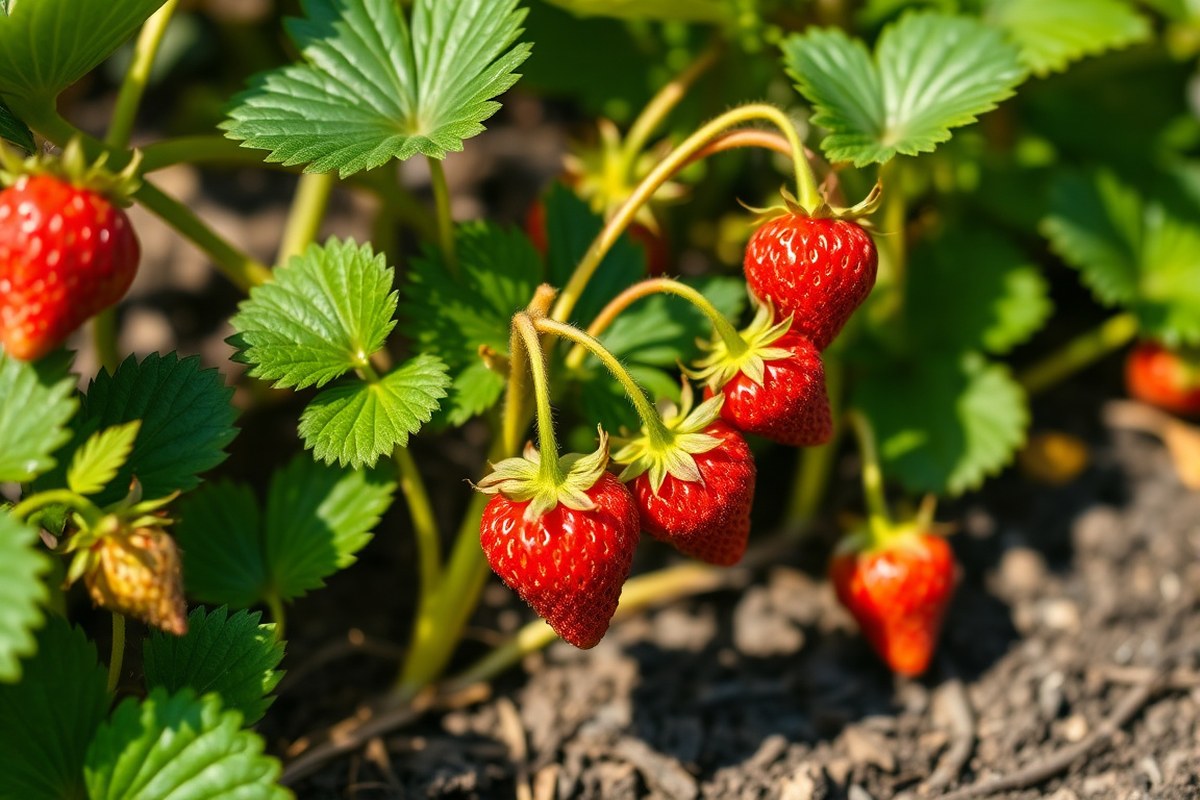
Strawberry plants are perennials, so they do come back each year. They usually grow back every spring if you care for them well. Fruit production, however, often declines after two to three years.
These plants typically live about four to five years. Gardeners often replace them every two or three years to keep fruit yields high and fresh. Old plants tend to produce less fruit, signaling it’s time to refresh your patch.
Proper winter care is important for survival through cold months. Managing runners carefully also improves your chances of a good harvest next year. Preparing soil, pruning, and protecting plants help them come back strong each season.
Following the right routine lets strawberry patches produce well for several seasons. Watch your plants’ health and fruit yield to know when to replace them. Consistent care is key for a lasting strawberry patch.
Key Takeaways
- Strawberry plants naturally come back every year because they are perennials.
- Fruit production starts declining after about two to three years.
- Replace strawberry plants every 2 to 3 years to keep harvests strong.
- Keep an eye on runner plants to grow new, productive strawberries.
- Winter care helps ensure strawberry plants survive and produce next spring.
- Healthy soil, sun, and watering are important for perennial strawberry health.
Do Strawberry Plants Come Back Every Year?
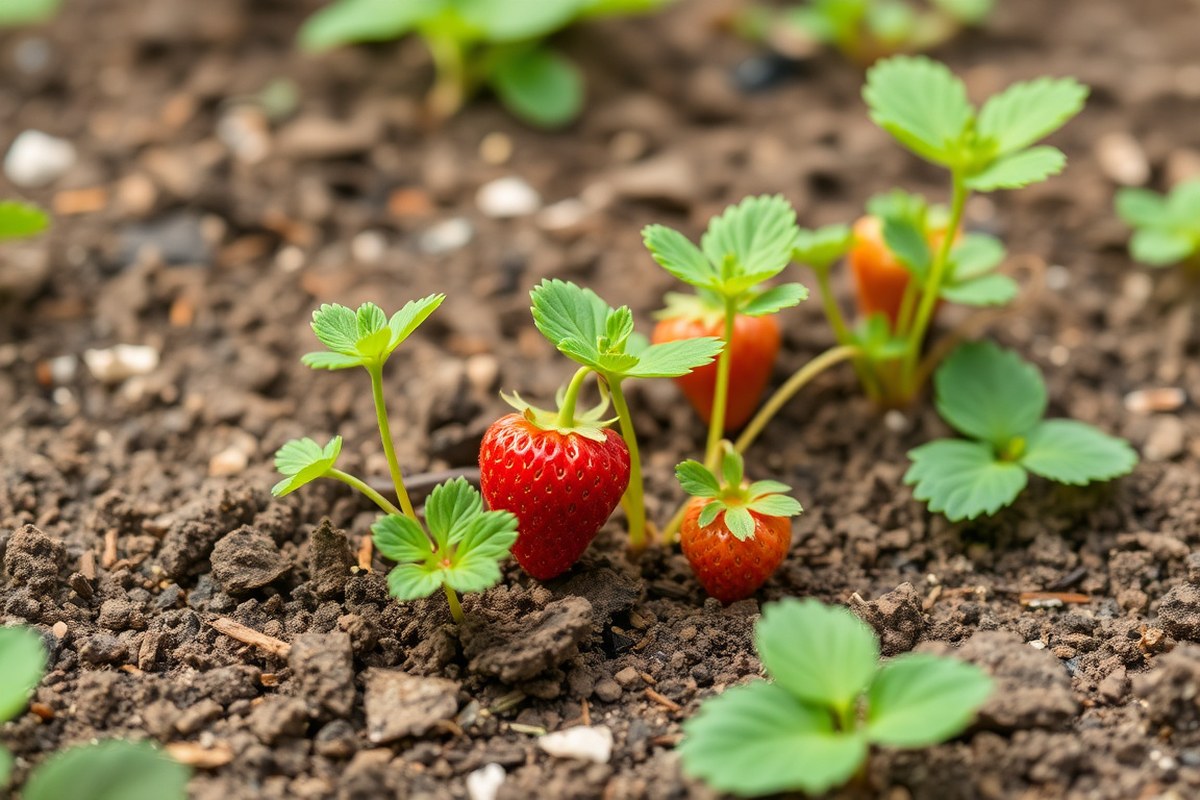
Strawberry plants are perennial, which means they come back every year. Unlike annual plants that complete their life cycle in one season, perennials live for several years. This lets you enjoy fresh strawberries without replanting every spring.
These plants survive winter in their crowns, the thick part at the base. The crowns store energy and send up new shoots when weather warms. In early spring, fresh green leaves start to grow.
You’ll also see flower buds form on the same plants. These come from the plants you grew last year.
Most strawberry plants produce well for about three to four years. After that, their fruit yield usually drops.
Many home gardeners replace strawberry plants every two to three years. They do this to keep their harvest tasty and plentiful.
Knowing strawberries are perennials helps you plan for long-term care. You don’t need to sow new seeds yearly.
But you should watch for signs of aging. When plants get weaker, starting a fresh patch can keep your garden thriving.
How Strawberry Plants Regrow and Produce Fruit Each Year
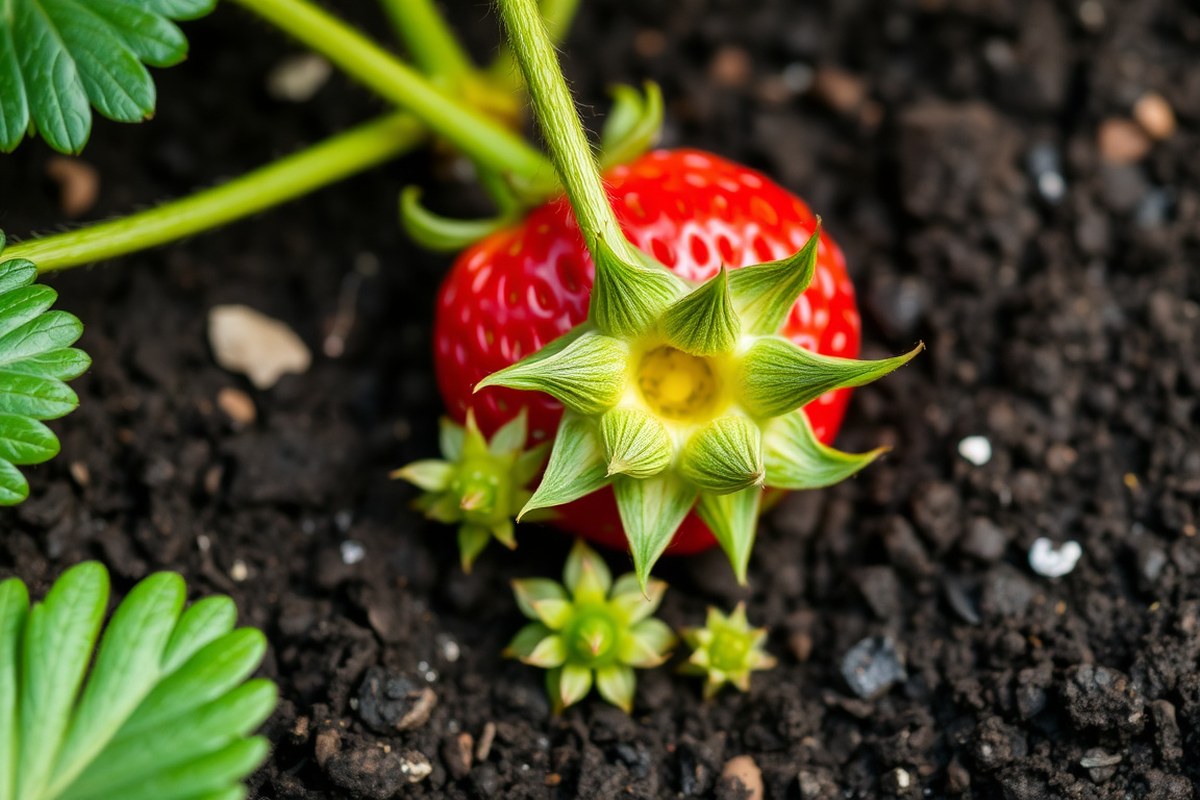
Strawberry plants survive winter by storing energy in their crowns, which sit at soil level. The crowns stay alive under the soil during cold weather. They are protected from freezing temperatures.
They regrow once spring arrives. This crown is the main hub that sends up new leaves, flowers, and fruit each year.
Runners play a important role in helping strawberry plants come back. These are long, thin stems from the main plant. They grow out and form small new plants.
These new plants are called daughter plants. Gardeners encourage runners to root in early spring.
This gives new crowns time to grow. They can then produce fruit next season.
The fruit production cycle starts when the main crown wakes. It sends out flowers in spring. These flowers later produce strawberries.
June-bearing strawberries usually begin fruiting in their second year. Everbearing types can produce in the first or second year. Day-neutral varieties often produce fruit continuously during their growing cycle but slow down in hot weather.
Understanding the crown and runner growth cycle helps in proper strawberry care. After the plant flowers, runners spread, and new crowns form. You can let new plants take root from runners.
Or prune runners to keep energy on fruit. This helps the parent plant produce more. Managing this balance means more berries and healthier plants over time.
The plants store nutrients in their crowns over winter. So keeping the soil moist but not soggy helps them survive. Too dry or frozen soil can damage the crowns, leading to weak regrowth.
Strawberries in containers need extra care with moisture. They also need enough nutrients to come back strong. This helps fruit grow next year.
Cut runners in early spring to focus fruit on the main plant. This keeps the plant from spreading energy too thin. It improves fruit size and quality.
Lifespan and Productivity Differences Among Strawberry Varieties
Different strawberry varieties vary in how long they live and produce fruit well. June-bearing strawberries peak in their first few years but can last up to six years. Everbearing and day-neutral types have shorter prime periods.
They usually get replaced every one to two years. This helps keep your harvest strong.
Choosing the right variety depends on your garden size, harvest goals, and climate. Day-neutral strawberries grow compactly and work well in small spaces and pots. They fruit repeatedly and fit well in zones with mild winters and cool summers.
| Strawberry Type | Peak Production Span | Typical Replacement Time | Best USDA Zones | Growth Habit |
|---|---|---|---|---|
| June-bearing | 3 to 5 years | 3 to 5 years | 3 to 8 | Larger plants, spring fruit |
| Everbearing | 1 to 2 years | Every 1 to 2 years | 4 to 9 | Continuous fruit mid-season |
| Day-neutral | 1 to 2 years | Every 1 to 2 years | 3 to 9 | Compact, fruit all season |
USDA climate zones influence how well these plants behave as perennials. In colder zones like 3 and 4, strawberries may need extra winter protection. Warmer zones like 8 and 9 can lengthen fruiting seasons.
Too much summer heat might stress your strawberry plants. Keep an eye on temperature changes.
Replacing everbearing and day-neutral plants often keeps yields steady. June-bearing types tolerate a longer span but slow down after five years. Know your region’s winter and summer weather to help.
It predicts how long your strawberry bed stays productive. This helps with planning care and harvest.
Essential Winter Care to Ensure Strawberry Plants Return
Strawberry plants need proper winter care to come back strong each year. Protecting crowns from freezing and managing mulch are key steps. With some preparation, your plants will wake healthy and ready to grow.
When and How to Mulch Strawberries
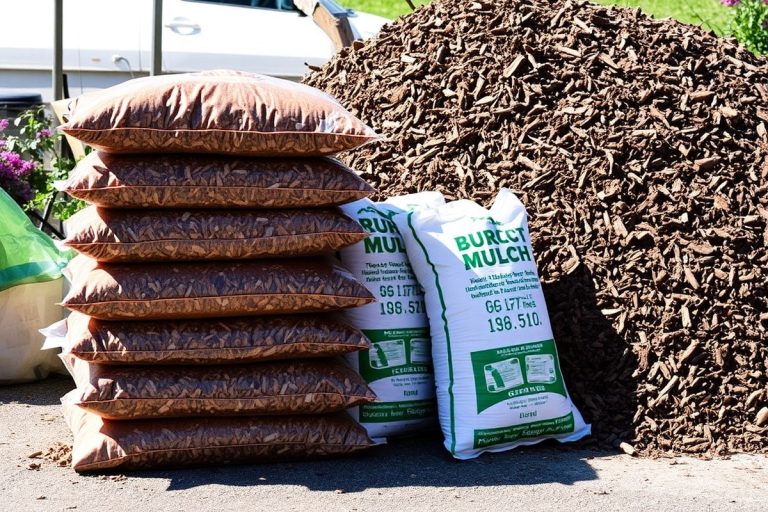
Mulching helps protect strawberry crowns from freezing temperatures during winter. It also keeps the soil moist and reduces weeds. You should add mulch after the plants have fully gone dormant.
Do this before the cold weather starts. This helps protect your strawberry plants.
In colder zones like 3 and 5, add insulation. Spread 3 to 4 inches of straw or pine needles over the bed.
This keeps the plants safe from freezing. This thickness insulates the crowns against temperatures below 20°F. Avoid mulch that mats down or holds water, which can cause rot.
Start removing the mulch in early spring once temperatures stay above freezing. Pull it back gradually over a few weeks to prevent shocking the plants. This helps strawberries wake up and start growing again gradually.
Protecting Plants from Frost and Cold Damage
The crown stores energy during winter and is important for next year’s growth. Protecting it from sudden freezes or deep frosts is critical. Mulch is your first defense, but you may need extra steps in harsh weather.
Use row covers or frost blankets if temperatures drop below 20°F for extended periods. Remove these covers during daytime to avoid overheating. For mild climates, mulching alone can be enough without covers.
Avoid heavy foot traffic or compacting soil around plants in winter. Compaction damages crowns and reduces their ability to recover. Lightly rake the soil before mulching to keep crowns healthy and aerated.
Overwintering Potted Strawberry Plants
Strawberries in pots need extra care to survive winter. Containers freeze faster than ground soil, risking root damage at temperatures below 32°F. To keep potted plants alive, move them to a protected spot.
Place pots in a garage, basement, or unheated shed where temperatures stay between 32°F and 45°F. Keep soil slightly moist but not wet. Check regularly to avoid drying out or mold growth.
After the last frost, gradually bring pots outdoors. Acclimate plants by exposing them to sun and cool air for longer each day. This step prepares them to face outdoor conditions without shock.
- Wait until strawberries enter dormancy in late fall.
- Lightly rake the bed to loosen soil around crowns.
- Apply 3, 4 inches of straw or pine needle mulch evenly.
- Add frost covers if temperatures dip below 20°F for days.
- Avoid walking on beds to prevent soil compaction.
- For potted plants, move pots to a cool, frost-free place.
- Keep potted soil moist but not wet during storage.
- In early spring, gradually remove mulch and frost covers.
Pruning and Managing Runners for Long-Term Productivity
Pruning and managing runners are key to keeping your strawberry patch productive year after year. Remove dead leaves and control how runners spread to avoid crowding. Thin the patch in late summer before plants go dormant to help fresh growth next season.
Identifying Which Leaves and Runners to Prune
Cut out any dead, damaged, or diseased leaves as soon as you see new growth. These leaves can spread disease or block sunlight from healthy leaves. Thin plants by removing weak or small runners that won’t establish well.
Look for leaves that are brown, yellow, or wilted. Also, prune leaves that touch the ground to keep air flowing. This reduces fungus risks and helps the plants breathe.
Managing Runner Spread Without Overcrowding
Runners grow naturally after the first harvest and form new plants. Let a healthy number root to replace older plants.
But don’t let runners overcrowd the patch. Too many runners cause poor airflow and smaller berries.
Choose the strongest runners spaced about 6 to 12 inches apart. Cut back or remove extra runners early to prevent crowding. This focuses the plant’s energy on quality fruit and healthy crowns.
Remove runners the moment they start spreading near crowded spots to keep your patch airy.
Signs and Timing for Plant Replacement
Replace strawberry plants when vigor drops, like fewer than 3 to 4 strong runners annually. Also, swap plants if fruit size or flavor steadily declines after harvest. Old plants lose productivity after 3 to 5 years.
Late summer or early fall is the best time to thin or replace plants. Removing old crowns lets younger runners settle in and get time to grow strong before winter.
- Inspect your patch late summer for dead leaves or weak plants.
- Trim away all old and damaged leaves using sharp scissors.
- Select healthy runners at least 6 inches apart to keep.
- Cut off extra runners at their base near the mother plant.
- Thin crowded areas by removing small or weak daughter plants.
- Remove plants that show few runners or poor fruit quality.
- Apply balanced fertilizer to help young plants grow strong.
- Water plants after pruning to reduce stress and support growth.
Common Issues That Affect Strawberry Plant Regrowth
Strawberry plants often fail to come back because of poor growing conditions and common mistakes. Leaving seedlings in pots through late fall can stunt growth. You should plant them in the ground before winter arrives.
This helps them grow better next season. Plants stressed by drought or too much shade also struggle to return the next spring.
Disease and pests cause big problems, too. Fungal diseases like powdery mildew and gray mold weaken plants and stop new growth.
Aphids, spider mites, and slugs eat leaves and roots, reducing plant strength and fruit yield. Early signs of trouble include brown or yellow spots on leaves and wilting plants.
- Poor soil drainage causing root rot
- Overcrowding that blocks air circulation
- Failing to remove diseased leaves promptly
- Allowing weeds to compete for nutrients and water
- Ignoring signs of pest damage like holes or sticky residue
- Skipping winter mulch to protect roots from freezing
- Delaying planting from containers into the ground beyond fall
Fixing these issues takes careful cleaning up and good timing. Dig out and destroy infected plants or leaves as soon as you spot them. Use mulch to keep soil moist and add slow-release fertilizer in early spring.
Check your plants weekly during the growing season. Look for pests on leaves and stems. Treat any bugs with soapy water or neem oil.
Healthy strawberry plants come back looking full with new green leaves in early spring. Weak plants will look thin, yellow, or dead in spots. That’s often your sign to replace them before the next growing season.
Care for your plants at the right time each year. It helps them survive winter cold and disease. This way, you get a good harvest every year.
Soil, Sun, and Water: Key Conditions for Perennial Strawberry Health
Strawberry plants grow best in well-draining soil rich in organic matter. Loamy soil with a pH between 5.5 and 6.5 suits them well. Before planting, loosen the soil well.
Add compost or aged manure. This helps fertility and drainage.
Strawberries need at least six hours of direct sunlight daily to produce sweet fruit. Morning sunlight is ideal, helping dry dew and reduce disease risks. Too much shade leads to weak plants and fewer berries over time.
Watering requires consistency and care. Keep the soil moist but not soggy. Water about 1 inch per week.
Water less if it rains. Water in the morning so leaves can dry before evening, lowering fungus chances.
Applying mulch around plants helps keep soil moist and cool, especially in hot weather. Put a 2-3 inch layer of straw, wood chips, or leaves around crowns.
Don’t cover the crowns directly. Mulch also stops weeds and protects roots during temperature swings.
During dry spells, check soil moisture often. Water more if the top inch feels dry. Overwatering leads to root rot and poor fruit production, so balance is key.
Use windbreaks or row covers to create a microclimate. This holds moisture and shields plants from wind.
When and How to Replace Strawberry Plants for Best Harvests
Replace strawberry plants every 3 to 4 years using runners from healthy mother plants. This refresh keeps your berries producing well and avoids crowded, tired patches. The process involves spotting old plants, rooting new runners, and spacing fresh plants properly.
Determining When Plants Are Too Old
Old strawberry plants tend to produce fewer berries and smaller fruit. When your harvest shrinks or plants look thin and scraggly, replace them. Professional growers swap plants every three or four years to keep yields strong.
Also, if runners are missing or weak, the bed likely needs renewal. Soil depleted by years of growth limits plant health and fruit size. Replanting stops the cycle of declining production you see with tired plants.
Using Runners to Propagate Replacement Plants
Runners are long stems that grow out from mother plants and develop baby plants at nodes. Picking runners to root is the easiest way to grow new strawberries without buying seeds. Take runners from vigorous, disease-free mother plants for best results.
Encourage new plants by pegging runners into soil near the mother plant. Wait until new roots form before cutting the runner from the mother. These young plants will become your replacement crop.
- Choose healthy runners with a small plantlet at the end.
- Press the new plantlet gently into loose, moist soil nearby.
- Pin the runner down with a small wire or stone to keep contact with soil.
- Water the area regularly to encourage root growth.
- After 3 to 4 weeks, check if the plantlet has strong roots.
- Cut the runner stem between mother and plantlet to separate.
- Move the new plant if you want to space it differently for next season.
Choose runners from plants that show no disease or insect damage.
Proper Spacing and Planting for New Crop
Plant new strawberry plants 12 to 18 inches apart. Space rows 3 to 4 feet apart.
Proper space gives each plant room to grow and air to circulate. Crowded plants increase disease risk and reduce yield.
Plant at soil level with roots spread out but not bent. Water the new pop-in quickly after planting to settle soil. Avoid planting in the exact spot of old plants without refreshing soil to reduce disease build-up.
Step-by-Step Action Plan for Growing Strawberry Plants Year After Year
Follow these steps to help your strawberry plants come back strong and keep producing fruit.
- Early Spring: Check your plants for winter damage and prune dead leaves. Healthy growth means your plants are ready.
- Mid-Spring: Thin out runners to keep plants focused on fruit. Look for fewer, stronger crowns on each plant.
- Summer: Water consistently but avoid wetting leaves to prevent disease. Soil should stay moist but not soggy.
- Late Summer: Mulch around plants to retain moisture and keep soil cool. Mulch also helps reduce weeds.
- Fall: Stop fertilizing 4-6 weeks before frost to let plants harden off. Leaves should firm up but not brown fully.
- Winter Prep: Add straw mulch especially in colder zones to protect roots from freezing. Check mulch stays in place after storms.
- Early Next Spring: Clear mulch once danger of hard frost passes. New leaves should start showing soon after.
- Annual Check: Replace plants every 3-4 years when yield drops. Younger plants produce bigger, sweeter berries.
Frequently Asked Questions
Can Strawberry Plants Survive Harsh Winters?
Yes, strawberry plants can survive harsh winters if mulched well. Mulching protects their crowns from freezing temperatures and helps them regrow in spring.
Do Strawberry Plants Need Fertilizing Each Year?
Yes, annual fertilizing helps keep strawberry plants healthy and productive. Use a balanced fertilizer in early spring to support strong growth and fruiting.
How Long Does It Take for New Strawberry Plants to Fruit?
New strawberry plants usually start fruiting in their second year. The first year focuses on root and leaf development for future fruit production.
Can Strawberry Plants Grow in Pots Successfully?
Yes, strawberry plants can grow well in pots with good soil drainage. Make sure they get plenty of sunlight and water regularly for best results.
What Pests Commonly Affect Strawberry Plants Each Year?
Aphids, slugs, and spider mites often attack strawberry plants. Regular inspection and prompt treatment maintain plant health and yearly regrowth.
Is It Better to Buy New Strawberry Plants or Save Runners?
Saving runners is often more economical and effective for maintaining your patch. They produce clones, ensuring your strawberry variety continues year after year.
Final Thoughts
Strawberry plants do come back each year when you care for them properly. Focus on pruning and winter mulch to protect them. Start checking your plants this spring to spot healthy growth early.