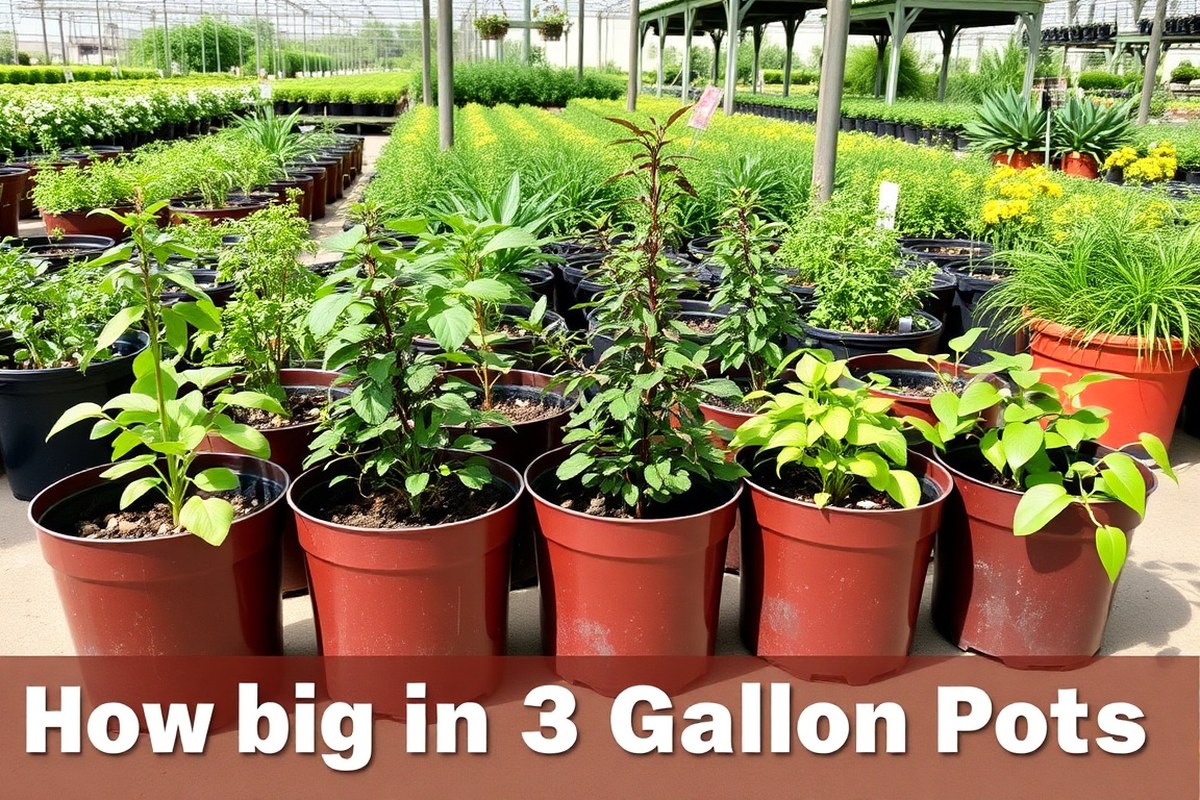
How Big Is a 3 Gallon Pot? Exact Dimensions and Planting Tips
Wondering how big is a 3 gallon pot? A 3 gallon pot usually measures about 10 to 11 inches wide. The height is around 9 to 10 inches.
This size fits many plants that need more space. It’s not for plants ready for a big container yet.
Remember, not all 3 gallon pots are exactly 3 gallons in volume. Some pots labeled 3 gallons can actually hold a bit less, depending on the manufacturer. Check the pot’s top diameter before you buy it.
Also measure its height. Make sure it fits your plant’s needs.
Measure your pot by checking the width across the top. Then measure the height from the base to the rim.
This helps confirm if your pot matches typical 3 gallon dimensions. Accurate measuring is important when matching pots to plants for healthy growth.
Key Takeaways
- A true 3 gallon pot is about 10 to 11 inches wide on top.
- Height usually ranges from 9 to 10 inches for 3 gallon pots.
- Check pot dimensions as 3 gallon labels aren’t always precise.
- Measure width across top and height from base to rim yourself.
- Choose pots 2 to 4 inches larger than the plant’s current pot.
- Repot plants into containers 1 to 2 inches wider for best growth.
How Big Is a 3 Gallon Pot in Inches and Centimeters?
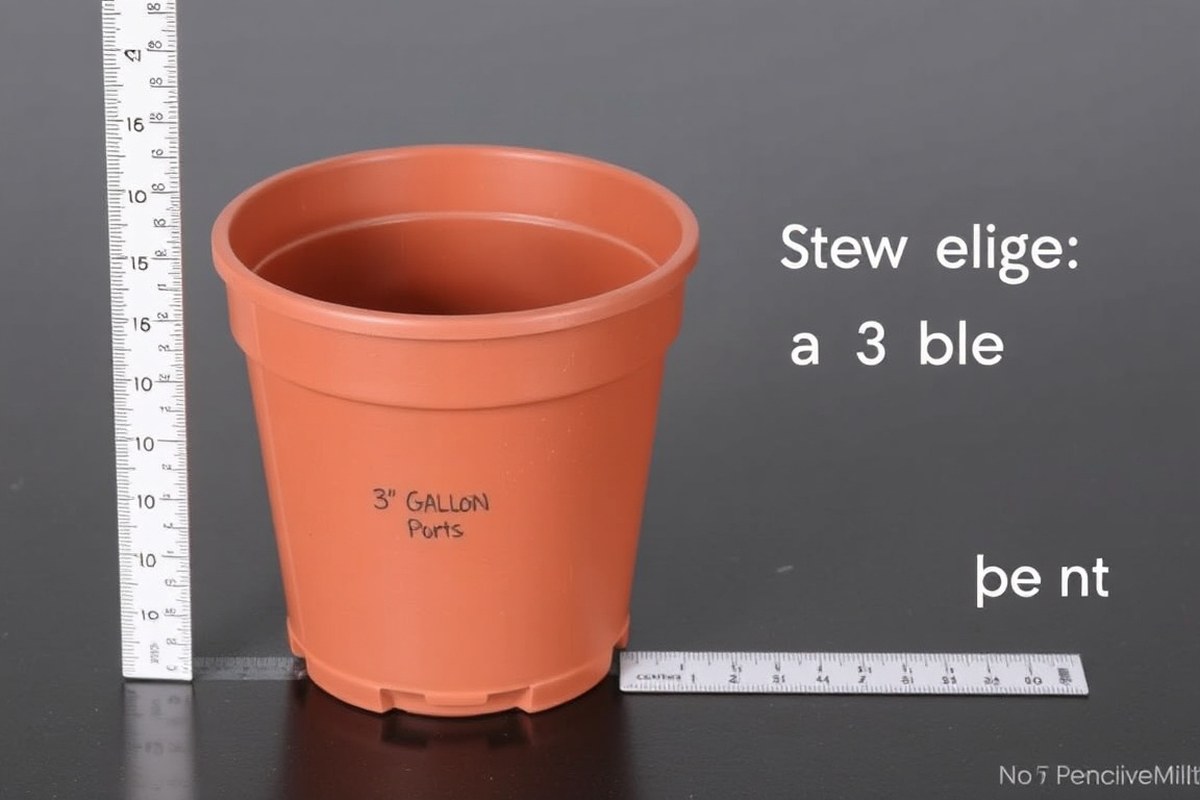
A 3 gallon pot typically measures about 10 to 11 inches wide across the top. Its height usually ranges from 9 to 10 inches. These sizes help you estimate the space needed for plants and soil volume.
Knowing the pot’s diameter and height helps when shopping or repotting plants. A 3 gallon pot is about the size of a large bowl. It also resembles a medium watermelon.
This helps you picture the pot’s size easily. This gives a real-life sense of scale for home gardeners.
| Pot Trade Size | Approximate Diameter | Approximate Height | Diameter (cm) | Height (cm) |
|---|---|---|---|---|
| 1 Gallon | 6″ to 7″ | 7″ | 15 to 18 cm | 18 cm |
| 2 Gallon | 7.25″ to 9.5″ | 7.25″ to 8.5″ | 18 to 24 cm | 18 to 22 cm |
| 3 Gallon | 10″ to 11.5″ | 9″ to 10″ | 25 to 29 cm | 23 to 25 cm |
| 5 Gallon | 10″ to 12″ | 11″ to 12″ | 25 to 30 cm | 28 to 30 cm |
Size varies by manufacturer, so check the exact measurements when buying. A 3 gallon pot usually holds about 2.3 to 3 gallons of soil volume. This is perfect for medium-sized vegetables, shrubs, or larger houseplants.
Taller or wider pots give more room for roots. They need more soil and water, too. Keep this in mind when choosing pots.
The width matters because it determines how much the plant’s roots can spread out. Taller pots suit plants with deep roots. Wider pots work well for spreading root systems.
Why a 3 Gallon Pot Isn’t Always Exactly 3 Gallons
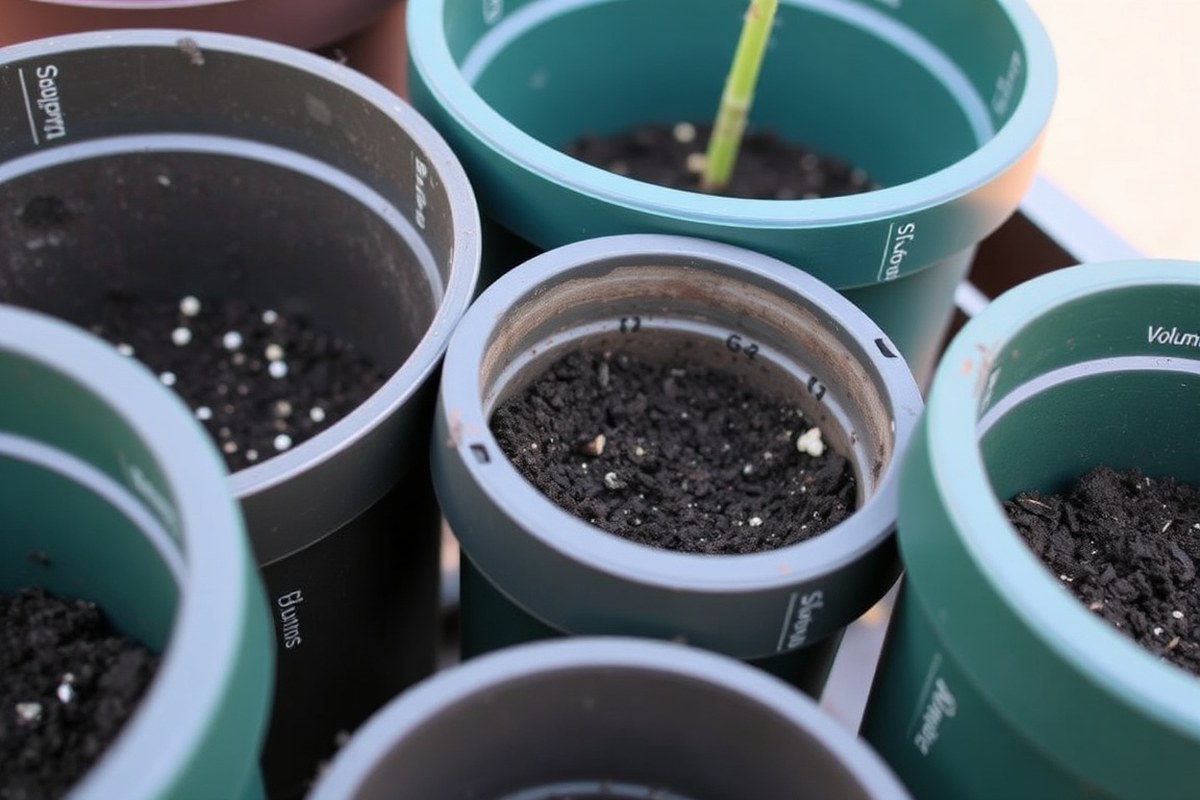
Nursery pots labeled as “3 gallon” don’t hold exactly 3 liquid gallons of soil or water. Nurseries use a “trade gallon” for planting pots. It is not a full liquid gallon.
A trade gallon measures about 70% to 80% of a true gallon. The trade gallon simplifies size categories but causes some confusion about the exact pot capacity.
The trade gallon volume is smaller. So a pot labeled as 3 gallons often holds about 2.3 to 2.6 liquid gallons of water.
Manufacturers also shape pots with thinner walls or slightly different dimensions to save plastic. These small changes affect how much soil fits inside.
A 3-gallon trade pot is about 10 to 12 inches wide. Its height is between 8 and 10 inches. These sizes can vary by brand.
Actual soil volume can vary by several quarts depending on pot shape and wall thickness. Thicker-walled pots cut down the space for soil inside.
They keep the same outside size. This means less room for roots.
Comparison of 3 Gallon Volumes:
True liquid gallon: 128 fluid ounces (3.785 liters)
Trade gallon (approximate): 90 to 100 fluid ounces (2.65 to 2.95 liters)
Actual soil volume in a labeled 3 gallon pot: about 2.3 to 2.6 liquid gallons (8.7 to 10 liters)
Measure the pot’s inside diameter first. Then measure its height and wall thickness. This gives you the real soil volume.
Subtract the wall thickness to find the inner pot size. Multiply the inner radius squared by the height and π to estimate volume in cubic inches. Divide by 231 cubic inches per gallon to convert to gallons.
Don’t rely on the pot label alone when soil amounts are critical. Always measure or weigh soil to avoid running short.
Pots with the same trade size label might vary significantly. Some brands use slightly taller or wider shapes. Fabric pots may hold more soil since their walls are flexible.
These differences affect plant moisture retention and root space. Buy pots from a brand you know.
Check the real size before planting. This helps your plants grow well and avoids mistakes.
How to Measure Your 3 Gallon Pot Correctly Yourself
Measuring a pot yourself makes sure you get the right 3 gallon size. You need to check the top diameter and the height. Measuring both helps estimate the soil volume the pot can hold.
Measuring the Top Diameter
The top diameter is the widest part across the open top. Most 3 gallon pots have a top diameter between 10 and 11.5 inches. Measuring this correctly shows surface area available for the plant’s roots and water.
Use a tape measure or ruler. Measure straight across the top. From one edge to the other.
Avoid measuring around the rim’s curve; measure straight across the opening’s widest point. Mark the inches or centimeters you see carefully.
Measuring the Pot Height
Height measures from the bottom of the pot to its top edge. A 3 gallon pot’s height usually ranges from 9 to 10 inches. Height aids in understanding root depth and the pot’s stability.
Place the pot on a flat surface. Use your measuring tape or ruler vertically along the pot’s side. Measure from the base to the rim.
Keep the tool straight. This keeps the measurement accurate.
Estimating Soil Volume from Measurements
Pot volume depends on diameter and height, not just one number. For a rough soil volume estimate, assume the pot is a cylinder. Use the formula: volume = π × (radius²) × height.
Divide your top diameter by two for the radius. Multiply the radius squared by the height and then by about 3.14 (π).
Divide the result by 57.75 to convert cubic inches to gallons roughly. This gives a close soil capacity estimate.
This method works best on pots that aren’t sharply tapered. For tapered pots, actual soil volume can be less since the base is narrower.
Tools and Tips for Accuracy
A flexible tape measure works best for top diameter, especially with curved edges. For height, a rigid ruler or tape measure stands firm and gives reliable results. Avoid just guessing diameter or height by eye.
Measure twice to cut down errors. Record your numbers immediately.
Check your pot isn’t on an uneven surface while measuring height. Also, measure where the rim is strongest, not where it looks thin or bent.
- Place the pot on a flat surface for a stable base.
- Use a tape measure to measure straight across the top opening for diameter.
- Record the diameter in inches or centimeters clearly.
- Measure straight up the pot’s side for height, from base to rim.
- Write down the height measurement.
- Calculate soil volume using the cylinder formula and your measurements.
- Double-check all measurements to avoid common mistakes.
What Plants Grow Well in a 3 Gallon Pot?
A 3 gallon pot fits medium-sized plants well because it holds enough soil for steady growth. It usually measures around 10 to 12 inches wide. This size offers good root space.
It also stays easy to manage. These pots suit small shrubs, houseplants, and many vegetables that don’t get too tall or heavy.
Vegetables that thrive in 3 gallon containers are ones with moderate root systems. Plants like peppers, bush beans, and certain herbs comfortably grow in these pots. They give enough room for healthy roots.
These pots need less watering than smaller ones. Small pots demand watering more often.
- Peppers, typically stay under 3 feet tall and need good drainage
- Bush beans, compact and produce well without sprawling
- Herbs like basil, parsley, and chives, perfect with enough root space
- Small tomatoes, indeterminate types need larger pots for longer growth
- Lavender and other small perennials, steady growth up to around 2 feet
- Compact shrubs, such as dwarf boxwoods or small azaleas growing 12 to 30 inches tall
A 3 gallon pot fits small shrubs well. It also suits houseplants around 2 to 3 feet tall. These plants grow mostly indoors.
They stay healthy if you keep watering consistent and avoid overcrowding the soil. Bigger trees need larger pots to hold roots properly.
Plants taller than 3 feet also need these. The extra size supports their weight.
Plants in 3 gallon pots grow from 12 to 36 inches tall. This range covers many medium houseplants. It depends on the plant type.
That’s common for medium vegetables, ornamentals, and young shrubs. You can expect good results if you repot before roots become crowded and monitor moisture carefully.
How Much Soil Do I Need to Fill a 3 Gallon Pot?
A standard 3 gallon pot holds about 11.4 liters of soil. That equals roughly 12 quarts of potting mix. Keep in mind, pot volume can vary slightly by type and brand.
For healthy plants, use a well-draining soil mix. Avoid compacted soil that traps water and suffocates roots. A mix of peat moss, perlite, and compost gives good aeration and moisture retention.
Filling a pot correctly keeps soil loose and roots happy. Fill too tightly, and water won’t flow well.
Fill too loosely, and roots won’t get support. Follow these steps below to fill your 3 gallon pot right.
- Choose your soil mix, aiming for light and airy texture.
- Fill the pot about one-third full, spreading soil evenly.
- Water lightly to help settle the soil but don’t soak it.
- Add more soil until the pot is about 1 to 2 inches from the top.
- Press soil gently with your fingers to remove large air pockets. Avoid packing it tight.
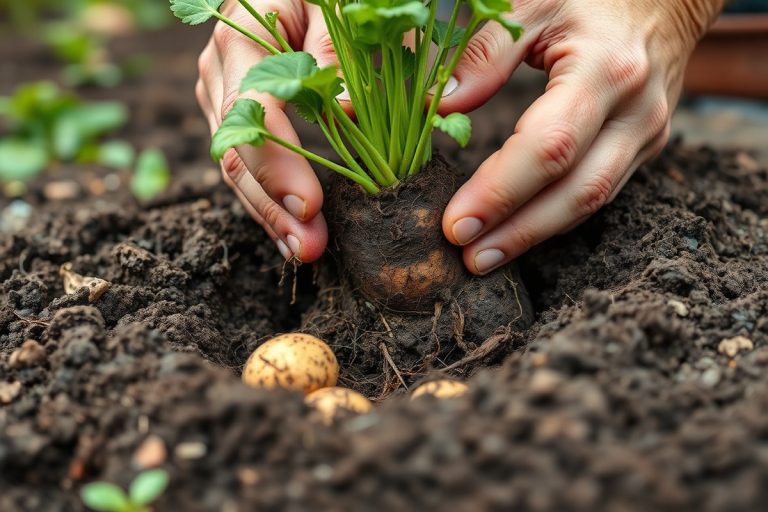
- Plant your seedling and fill around roots with extra mix, firming lightly.
- Water again to settle everything and check drainage.
Never tamp soil hard; you want it firm but loose enough to drain well.
When and How to Size Up to a 3 Gallon Pot for Repotting
Move your plant to a 3 gallon pot when its roots start crowding the current container. Choose the right jump in pot size to avoid stressing the plant. Most plants stay in a 3 gallon pot for about one to two growing seasons.
Signs Your Plant Needs a Bigger Pot
Check if roots are growing out of drainage holes or circling inside the pot. The soil dries too quickly or the plant wilts often, even with regular watering. Stunted growth or yellowing leaves also suggest the plant needs more space.
Look for these signs before moving up:
- Root visible at the pot’s drainage holes
- Water drains immediately or runs straight through
- Plant growth slows down despite care
- Plant wilts frequently between waterings
- Soil appears compacted or pulls away from pot edges
Ignoring these signs can lead to root congestion and poor nutrient uptake. Your plant may get weaker and attract pests if cramped too long.
Choosing the Right Size Increase
For slow plants like succulents, increase pot size 1 to 2 inches. This size works well for most houseplants. It gives roots room without overwhelming the plant.
This helps roots adapt without excess soil that holds too much moisture. Fast growers like herbs or tomatoes can jump 2 to 3 inches.
You can increase pot size even more at once. This helps plants keep up with quick growth.
The 3 gallon pot is often larger than expected and suits a sturdy root ball. Avoid rushing to a much bigger pot just to skip steps. Gradual increases keep the root zone balanced with the soil volume.
Here’s a quick progression guide for pot sizes based on current pot diameter or volume:
| Current Pot | Recommended Next Pot |
|---|---|
| 1 gallon (6-7 inches) | 2 to 3 gallon (8-10 inches) |
| 2 gallon (7-8 inches) | 3 gallon (9-10 inches) |
| 3 gallon (9-10 inches) | 5 gallon (11-12 inches) |
Estimated Time to Stay in a 3 Gallon Pot
Most plants stay in a 3 gallon pot for 12 to 24 months during active growth. This depends on plant type, growth rate, and season. Faster growers may need repotting annually, slower ones every two years or more.
Watch for growth slowing or root crowding as indicators it’s time to move up again. You can gently lift the plant out to check roots. A solid root ball filling the pot means it’s time to size up.
Comparing 3 Gallon Plastic and Fabric Pots
Plastic and fabric 3 gallon pots differ mainly in material and drainage. Plastic pots hold more water and drain moderately.
Fabric pots drain well and dry faster. This difference affects how often you water your plants.
Fabric pots provide better root aeration than plastic ones. Their porous nature lets air reach roots and prevents circling roots by naturally pruning them. Plastic pots lack this feature, so roots may become rootbound unless repotted on time.
| Feature | 3 Gallon Plastic Pots | 3 Gallon Fabric Pots |
|---|---|---|
| Water Retention | Higher | Lower |
| Aeration | Moderate | Excellent |
| Root Pruning | Limited | Better |
| Commercial Nursery Use | Very Common | Less Common |
| Home Gardening | Common | Very Popular |
Plastic pots last longer outdoors under sun and rain but can crack in freezing weather. Fabric pots are less durable but easier to move and store since they fold flat.
Both types suit indoor use. But fabric pots need a tray to catch water that drains through.
Choose plastic pots when you want to reduce watering frequency or grow plants needing moist soil. Fabric pots suit plants that prefer air pruning and well-drained soil, like peppers in hot climates. Fabric pots work well for easy plant transport.
They save space at the end of the season. You can fold them to store neatly.
How to Arrange and Space Multiple 3 Gallon Pots Effectively
Leave at least 6 to 12 inches between 3 gallon pots to keep air flowing well. This spacing helps plants grow without crowding roots or leaves. It also makes watering and maintenance easier on patios or garden beds.
Spacing Recommendations for Vegetables
Vegetables like peppers, eggplants, and dwarf tomatoes in 3 gallon pots need tighter spacing than shrubs. About 6 to 8 inches between pots works well for airflow and leaf spread. Leafy greens can fit closer, sometimes 3 per pot, but allow room for harvesting.
Plastic pots help peppers retain warmth for better growth. Full sun is important for fruiting vegetables like eggplants. Use small cages for support with dwarf tomatoes in these pots.
| Vegetable Type | Recommended Varieties | Pro Tip |
|---|---|---|
| Peppers | Habanero, Jalapeño, Bell Peppers | Plastic pots retain warmth they love |
| Eggplants | Fairytale, Patio Baby | Ensure full sun for fruit ripening |
| Bush Beans | Blue Lake Bush, Contender | Great for succession planting |
| Dwarf Tomatoes | Tiny Tim, Patio Choice | Use a small cage for support |
| Leafy Greens | Swiss Chard, Kale, Spinach | Often fit 2-3 smaller greens per pot |
Vegetable pots closer than 6 inches risk limited airflow, boosting disease chances. Wider spacing means easier care and fewer pests.
Space Needed for Shrubs in 3 Gallon Pots
Shrubs in 3 gallon pots usually need about 12 inches between pots. They have larger root balls and leaf spread than vegetables. This space helps leaves get enough light and prevents root entanglement.
Young saplings 3 to 5 feet tall often come in these pots. They do better spaced out around a garden bed or patio.
Don’t overcrowd shrubs; poor airflow leads to fungal problems.
Calculating Pots per Common Garden Area
A 3 gallon pot typically measures around 10 to 12 inches wide. For a 2×2 foot bed, space pots 12 inches apart. Leave 6 inches around the edges.
The bed measures 24 by 24 inches. This fits about 4 pots comfortably.
In a 4×4 foot bed, place 3 gallon pots in a grid. The grid is 4 by 4 pots.
The bed measures 48 by 48 inches. This allows about 12 inches spacing and fits up to 16 pots well.
Calculate by dividing bed width by pot diameter plus spacing. For example, a 10-inch pot plus 12 inches space equals 22 inches per pot area.
Step-by-Step Action Plan for Using a 3 Gallon Pot
Follow these steps to pick, fill, and place your 3 gallon pot for healthy plants.
- Before you start: Measure your pot’s diameter first. Then check its height with a tape. Make sure it is really 3 gallons in size.
- Day 1: Choose plants that fit well in this pot size, like small shrubs or herbs.
- Day 2: Fill the pot with about 0.4 cubic feet of potting soil, leaving space for watering.
- Week 1: Plant your chosen species, firm the soil gently around roots, and water thoroughly.
- After 3 weeks: Look for new growth on your plant. Check if roots crowd the pot at all. These show if the pot size fits well.
- Week 8: Space multiple pots at least 12 inches apart for good airflow and light access.
- After 3 months: Inspect roots through fabric pots or lift plastic ones to decide on repotting.
Frequently Asked Questions
How Big Is a 3 Gallon Pot?
A 3 gallon pot is 10 to 11 inches wide. It is 9 to 10 inches tall. This size fits many mid-sized shrubs or young perennials well.
What Does a 3 Gallon Pot Look Like?
It usually looks medium-sized, round, and holds roughly 11 liters of soil. You can spot it by its height near 9, 10 inches and wider top.
How Tall Is a Plant in a 3 Gallon Pot?
Plants in a 3 gallon pot can range from 8 to 18 inches tall. The height depends on the plant species and growth stage, often young shrubs or perennials.
What Does a 3 Gallon Plant Look Like?
A 3 gallon plant normally appears fuller than smaller pots but still manageable in size. It’s typically a small shrub or a developing perennial with steady growth.
Should I Buy a 1 Gallon or 3 Gallon Plant?
Choose a 3 gallon plant for better establishment and faster growth outdoors. A 1 gallon is good for small gardens or slower growth needs.
Is a 3 Gallon Pot Suitable for Starting Vegetables?
Yes, it works well for peppers and herbs but not large tomatoes. Larger vegetables usually need bigger pots for healthy roots.
Final Thoughts
A 3 gallon pot is usually 10 to 12 inches wide. It stands around 10 inches tall. This size fits many medium plants well.
Knowing this helps you pick the right plant and soil quantity. Measure your pot carefully before planting.
Pick plants that fit a 3 gallon container. This helps avoid repotting too soon.