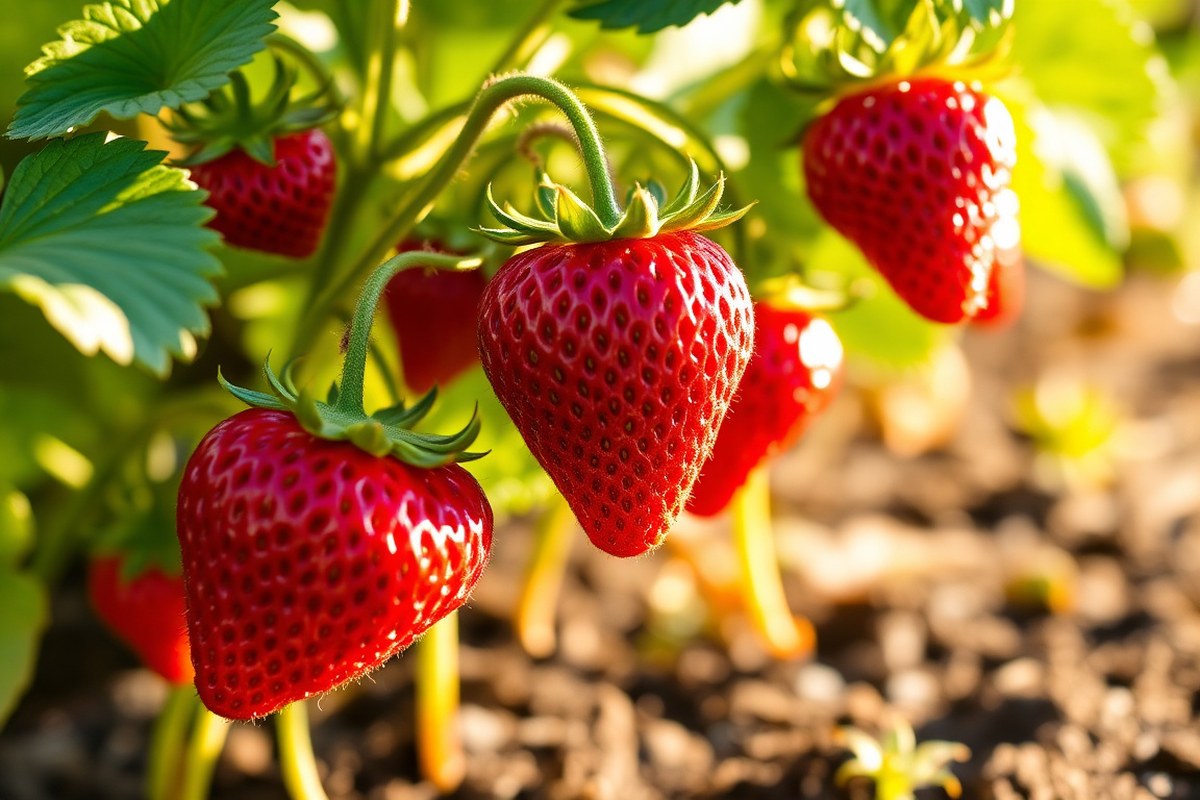
How Much Sun Does Strawberries Need for Best Growth & Sweet Fruit
Strawberries do best with 6 to 8 hours of direct sunlight a day. This amount helps leaves grow healthy and berries turn sweet. More sun raises sugar in the fruit, making it taste better.
Make sure to plant strawberries in a spot that gets full sun most of the day. Giving strawberries close to 8 hours of sun a day improves size. It also boosts the sugar content in the fruit.
Avoid planting strawberries in shady spots. Less than 6 hours of sun makes plants weak. This also leads to fewer berries on your plants.
Use well-drained soil to start your strawberries. Space plants so each one gets enough sun. This helps them grow better and produce more fruit.
Watch your strawberries for signs of sun stress daily. Move them if they look damaged or weak.
Adjusting location helps plants stay healthy under the sun. Good sunlight helps strawberries thrive and reward you with bountiful, sweet harvests.
Key Takeaways
- Strawberries need at least 6 to 8 hours of direct sun daily for sweet fruit.
- Plant strawberries in full sun locations for best yield and sugar levels.
- Less than 6 hours of sun cuts fruit production significantly.
- Sunnier spots encourage higher sugar content for tastier strawberries.
- Aim for 8 or more hours of sun to maximize strawberry growth quality.
- Use well-drained soil and proper spacing to support sun exposure.
How Many Hours of Sun Do Strawberries Actually Need?
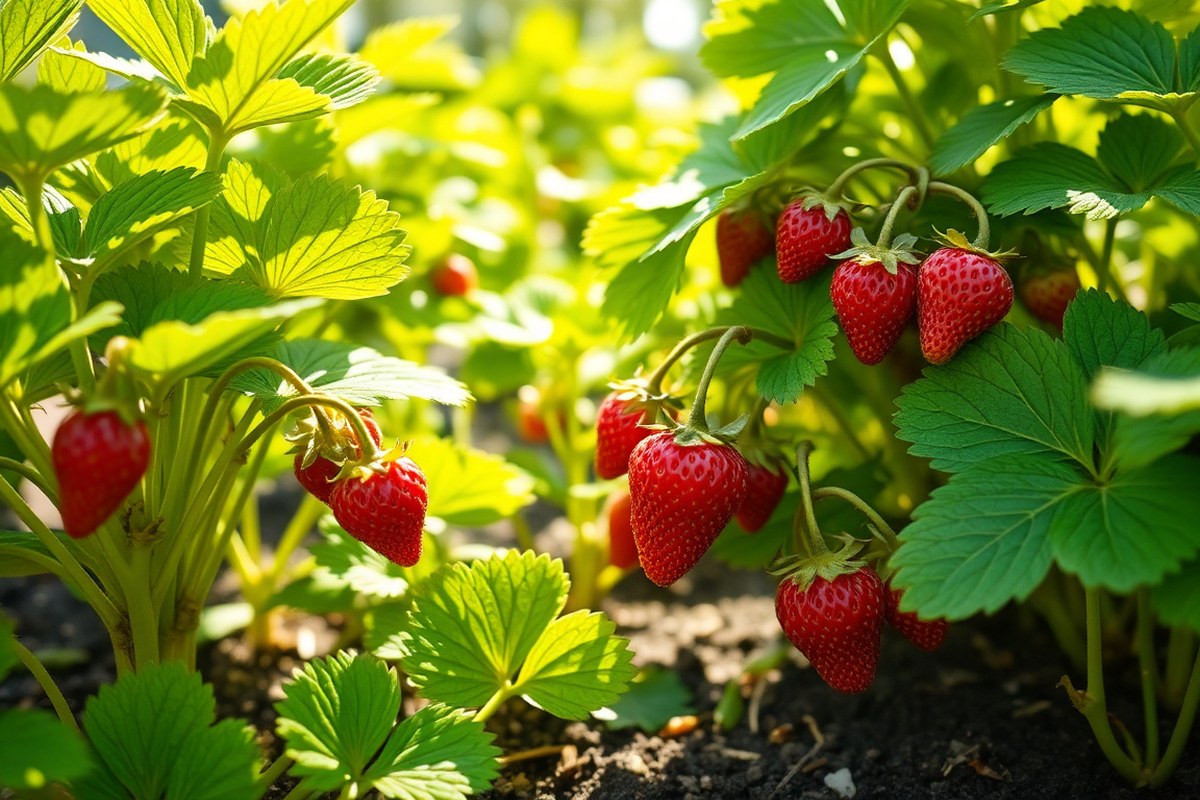
Strawberries generally require six to eight hours of direct sunlight each day. This level of sunshine ensures healthy leaves, blossoms, and fruits. Giving them eight to ten hours can make the berries larger and sweeter.
Different types of strawberries may have slightly different sun needs. June-bearing, everbearing, and day-neutral types usually do best with 8, 10 hours daily.
Some varieties can survive on less sun, around 5 to 6 hours. But they often produce smaller or fewer berries.
Sunlight affects both the quantity and quality of your strawberry harvest. More direct sun means bigger yields and sweeter berries. Chandler strawberries grown with over 8 hours of sun yield more.
Each plant can produce about 3 pounds of fruit. The fruit from these plants tends to be very sweet.
Here’s a quick comparison: Strawberry type, Recommended sun hours daily, Effect on growth and fruit:
| Strawberry Type | Sunlight Needed | Growth and Fruit Impact |
|---|---|---|
| June-bearing | 8, 10 hours | Best growth, large yield, sweeter fruit |
| Everbearing | 8, 10 hours | Continuous fruiting, good size and taste |
| Day-neutral | 6, 8 hours | Steady crops, moderate size and sweetness |
| Shade-tolerant types | 5, 6 hours | Smaller fruit, fewer berries |
Plants getting less than 6 hours of sun may grow leaves fine. However, they often struggle to make much fruit. The fruit production declines with too little sun.
Low sunlight often leads to smaller berries and less sweet flavors. Sunlight over 8 hours usually boosts fruit size and sweetness.
Hot climates need caution to avoid heat stress on plants. Watch plants closely to prevent damage in strong heat.
To get your strawberries the right sun, find a spot with clear morning or midday light. Avoid places shaded by trees or buildings during peak sun hours. Regularly check your garden and adjust if berries aren’t developing well or look weak.
How Varieties and Climate Affect Strawberry Sun Needs
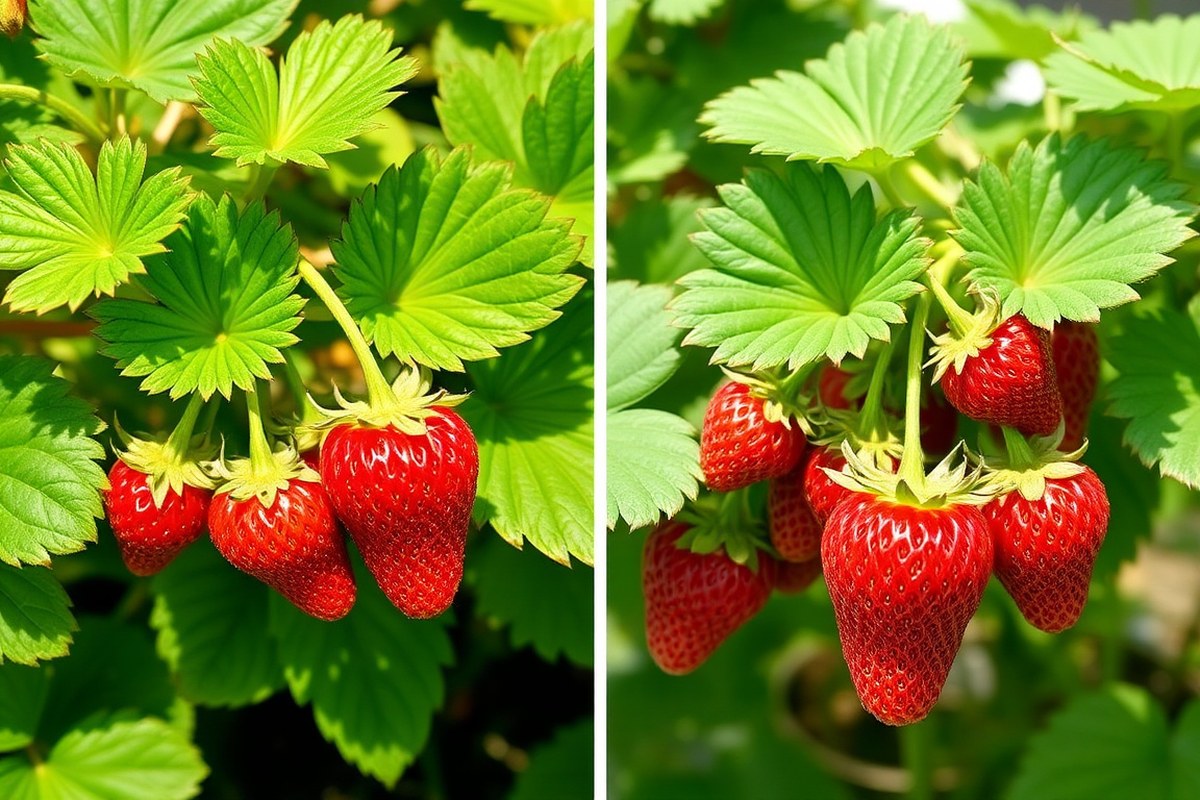
Strawberry types and your climate zone change how much sun your plants need. Some types need more sun to make fruit, while others do fine with less. Hot or cooler climates also affect how much sun is best for your strawberries.
Sunlight Needs by Strawberry Type
June-bearing strawberries need the most sun to produce one big harvest. They thrive with 8 to 10 hours of direct sunlight daily. Everbearing and day-neutral strawberries grow multiple crops.
They need only 6 to 8 hours of sun. This helps if your garden has partial shade.
Alpine and ornamental kinds need even less, generally 4 to 6 hours. Here’s a quick look at the sun needs by type:
| Strawberry Type | Category | Minimum Sun (hrs) | Ideal Sun (hrs) |
|---|---|---|---|
| June-Bearing | Single Harvest | 6 | 8, 10 |
| Everbearing | Multiple Harvest | 6 | 6, 8 |
| Day-Neutral | Continuous | 6 | 6, 8 |
| Alpine | Shade Tolerant | 4 | 4, 6 |
| Ornamental | Decorative | 4 | 4, 6 |
Knowing these needs helps you pick the right strawberry for your location and sunlight conditions. Use more sun-demanding types like June-bearing in sunny spots and shade-tolerant ones in shadier areas.
Adjusting Sunlight for Your Climate Zone
Climate affects how much sun strawberries can take before heat stress or sunburns happen. Hot zones with summer temperatures above 90°F benefit from some afternoon shade, especially after 2 pm. Shade cloth covering 30 to 40 percent of sunlight can protect your plants in these areas.
Warm zones range between 80 and 90°F. Full sun suits strawberry growth well in these zones. Usually, no sun adjustments are needed.
Cooler climates are below 80°F. Maximize sunlight on a south-facing bed to ripen strawberries. This helps fruit develop fully.
Here’s a guide by USDA zones and their sun adjustment tips:
| Climate Zone | Avg Summer Temp | Sun Adjustment | Notes |
|---|---|---|---|
| Hot (USDA 9, 13) | 90°F+ (32°C+) | Afternoon shade helps | Use 30, 40% shade cloth after 2pm |
| Warm (USDA 7, 8) | 80, 90°F (27, 32°C) | Full sun ideal | No adjustment needed |
| Moderate (USDA 5, 6) | 70, 80°F (21, 27°C) | Maximize sun exposure | South-facing beds preferred |
| Cool (USDA 3, 4) | 60, 70°F (16, 21°C) | Full sun essential | Use mulch to warm soil, choose June-bearing |
Adjust your planting sites based on sun exposure. This keeps strawberries healthy. It also helps them stay productive.
In hot climates, too much afternoon sun can damage strawberry leaves and lower yields.
Shade-Tolerant Strawberry Varieties
Some strawberry types naturally handle less sun better than others. Alpine strawberry types can grow with just 4 to 6 hours of sun.
They still produce fruit with less sunlight. These are great choices if your garden has consistent shade or limited sun.
Everbearing and day-neutral types tolerate some shade. They produce fruit with 6 to 8 hours of light daily.
Shade tolerance can let you grow strawberries in spots where June-bearing types wouldn’t thrive. This helps maintain berry production without full sun.
What Happens If Strawberries Don’t Get Enough Sunlight?
Strawberries must get 6 to 8 hours of direct sun daily. Without enough sun, they grow slowly and produce fewer fruits. Less light also means fewer flowers and smaller berries.
The berries also lose sweetness with too little sun. Studies find strawberries in full sun have 50% more sugars. Shade lowers sugar content significantly.
This affects the fruit’s sweetness and taste. Shade leads to smaller berries, with many weighing less than 10 grams. That’s about one-third of an ounce, tiny for what you’d expect.
Plants lacking enough light tend to stretch upwards, reaching for the sun. Their stems look tall and thin, which gardeners call “leggy growth.”
Leaves become pale green and sparse instead of dark and full. This is a clear sign of low light stress.
- Slower growth and fewer flowers
- Smaller, less sweet berries
- Leggy, stretched stems searching for light
- Pale, thin leaves with less density
- Higher numbers of tiny fruits under 10 grams each
- Reduced overall fruit yield and quality
Strawberries still grow and fruit with 4 to 6 hours of sun. Their yield and size, however, will be less than full sun. Less sunlight means less fruit overall.
Some varieties tolerate partial shade better than others. Limited sunlight? Place a grow light 6 to 12 inches above the plants.
This helps boost growth and fruiting when natural sun is low. That gives the 14 to 16 hours of light strawberries need in low sun spots.
Can Strawberries Get Too Much Sun? Risks and Protection Tips
Strawberries can suffer from too much sun, especially in hot climates above 85°F (29°C). Excessive heat often causes leaf scorch, where leaves turn brown and curl. Fruits can also show sunburn, appearing dry, shriveled, or faded in color.
Leaf scorch shows up as dark, crispy patches on leaf edges or tips. Sunburned strawberries lose moisture quickly and become less juicy. This damage reduces the plant’s ability to produce healthy fruit and can stunt growth.
To protect plants in very hot regions, provide afternoon shade between 1 p.m. And 5 p.m., when the sun is strongest. You can buy shade cloths with 30 to 50 percent UV protection. They usually cost about $15 to $30.
A typical size is 6 by 10 feet. This simple cover helps cool foliage and prevent sun damage.
Another way to shield strawberries is by adding light-colored mulch around the base. Straw or pine needle mulch reflects sunlight and keeps roots cooler. Apply 2 to 3 inches thick; this also helps conserve moisture during dry spells.
Notice wilting or leaf scorch early. Water deeply every 3 to 4 days during heat waves. This helps keep your plants hydrated.
Avoid overhead watering in the afternoon to reduce fungal risks. Morning watering lets soil absorb moisture before heat rises.
In gardens with tall surrounding plants, thin nearby foliage to improve airflow and reduce heat buildup. Reflective mulches like silver plastic help bounce sunlight toward shaded strawberry rows. Use these in cooler parts of your garden.
They boost light where strawberries need it. This encourages healthy growth where direct sun is limited.
Be careful moving your plants suddenly from shade to full sun. Sudden exposure stresses strawberries and can trigger leaf scorch. Gradually increase sunlight over a week by moving pots or adjusting shade covers.
In cooler climates, strawberries benefit from full sun without much risk of sun damage. In warmer areas, balance sunlight with some shade to avoid heat stress. This keeps your fruit plump and juicy.
Too much sun can harm your plants. Watch your plants daily during hot spells and adjust shade or watering as needed.
Choosing the Right Location for Optimal Sun Exposure
Pick a garden spot with at least 6 hours of direct sun each day. Southern or southwestern exposures usually work best in most areas. Space strawberry plants far enough apart to avoid shading and boost air flow.
Mapping Sunlight Patterns
Check your garden’s sunlight several times during the day to find the sunniest place. Track sun hours by observing where shadows fall from morning to late afternoon.
This hands-on approach reveals spots with full sun and those blocked by trees or buildings. It helps avoid planting where sunlight is too limited or inconsistent.
- Choose a sunny day with few clouds.
- Visit the garden from 8 AM to 6 PM.
- Mark areas with direct sun each hour.
- Note places in shade or partial shade.
- Identify a location getting 6-8 hours of bright sun.
- Check for shadows from structures or plants.
- Pick the spot with the most consistent sun.
Don’t pick a place that loses sun early due to trees or fences.
Best Orientation for Strawberry Beds
Face strawberry beds south or southwest to catch more sunlight daily. This direction supplies 6-8 hours of direct light, ideal for healthy growth and fruit.
Adjust orientation when space limits you. East-facing beds get morning sun, which avoids hottest afternoon rays and may suit hot climates better.
Spacing Plants for Light and Airflow
Give strawberry plants room to avoid overcrowding and shadowing. Keep plants about 18 inches apart to spread sunlight evenly and help runners grow.
Proper spacing also improves airflow, which reduces disease risks and keeps berries from overheating. Crowded plants produce fewer fruits and may stay damp longer.
How to Manage Sunlight and Temperature in Hot Climates
In hot climates, strawberries need morning sun but not intense afternoon heat. Afternoon shade helps prevent sunburn on leaves and fruit during hot hours over 85°F. You can use shade cloth late in the day to block strong sun.
It still lets enough light reach your plants. This helps protect them without full shade.
Shade cloth with 30% to 50% density works best. It reduces heat and light without blocking all sunlight. This balance keeps your plants healthy.
It is affordable, costing about $0.15 to $0.30 per square foot. Attach the cloth above plants using stakes or a frame. This setup lets air flow freely under the cloth.
Good airflow helps keep plants cool. Good air circulation helps cool plants and stops diseases from developing in humid conditions.
Planting strawberries on an eastern-facing slope naturally provides shade in the afternoon. This spot gives plants full sun in the cooler morning but shelter from hot afternoon rays. Put the cloth this way with well-spaced strawberry rows.
It allows enough airflow around leaves to reduce heat. Cooler leaves grow better and stay healthy.
Fabric row covers can protect strawberries from strong sun. They work best in cooler climates with less intense heat. Use them when temperatures are mild.
In hot zones, shade cloth is safer because it offers filtered light and better ventilation. Gradually introducing shade helps plants adjust without shocking them or disrupting flowering.
Make sure your strawberries get at least 6 to 8 hours of sunlight daily. This is important even when using shade cloth. Enough sun helps them grow well.
Too much shade can slow growth and reduce fruit size. Watch plants for pale leaves or fewer flowers.
These signs mean they may need more sun or less shade. Adjust protection to keep strawberries healthy.
Signs Your Strawberry Plants Need More or Less Sunlight
When strawberry plants don’t get enough sun, their leaves look pale or yellowish. The plants tend to grow tall and spindly but produce few flowers or fruits. You might see small or misshapen berries that lack sweetness.
Too much sun can make leaves look scorched. The edges might turn brown. Leaves could dry out or burn from sun damage.
Fruit in midday sun above 85°F (29°C) can get sunburned. Signs include white or bleached spots.
The heat causes this damage. Heat stress also makes leaves curl and wilt, signaling the plants need relief.
Adjusting how much sun your strawberries receive depends on the problem you spot. Move plants if they don’t get enough sun. Prune branches blocking sunlight.
Choose a spot with better light. Use shade cloth during the hottest parts of the day.
Plant near taller crops for afternoon shade. This helps when there’s too much sun.
- Look for pale, thin leaves and small fruit: increase full sun to 6-8 hours daily.
- Spindly growth with poor fruit means more direct light is needed.
- Brown edges on leaves or bleached patches on berries indicate sunburn.
- Wilted or curled leaves during hot afternoons signal heat stress, add shade.
- Provide strawberries with 1-2 inches of water daily to reduce heat damage.
- Use shade cloth that blocks 30-50% of sunlight around 11 a.m. To 3 p.m.
- Test soil and add organic fertilizer like 21-0-0 to support recovery if growth slows.
Watch your plants during the day for light and heat effects. Strawberries do best with steady sun exposure. So changes in their appearance often tell you exactly what’s wrong.
Water well and adjust shade or sun levels gradually over 2 to 3 weeks. Expect leaf color and fruit size to improve as sunlight conditions stabilize.
Some strawberry varieties are more sun-tolerant, so consider your local climate when planning adjustments. Cooler regions might handle full sun all day. Hot areas benefit from partial shade at peak heat.
Use a portable shade or pruning scissors to manage light. These tools help balance sunlight for better growth. They help you grow sweeter berries.
Optimizing Growth: Sunlight, Soil, Water, and Care Tips
Strawberries need more than just sunlight to thrive. Soil quality, how you water, and spacing affect sunlight use. These factors change how well your plants grow in the sun.
Pay attention to all three for best plant health. Proper care creates the right balance for healthy growth and fruit production.
Ideal Soil Conditions with Sunlight
Strawberries grow best in soil with pH levels between 5.5 and 6.8. This slight acidity allows better nutrient uptake when plants get plenty of sun. Too much alkalinity can reduce how plants benefit from sunlight and stunt growth.
Adding organic matter like compost improves soil texture and fertility. Well-drained, loose soil prevents roots from sitting in water, which can cause rot. This good soil setup helps sunlight boost photosynthesis and fruit quality.
Watering Practices Related to Sun
Strawberries exposed to full sun often need one to 1.5 inches of water per week. Keep soil moist without making it waterlogged to avoid root harm. Water plants early in the morning to let leaves dry and reduce disease risk.
Dry soil makes strawberries stressed under strong sun, which lowers fruit yield. Check soil moisture by sticking your finger an inch deep. Water your plants when the soil feels dry to the touch.
Dry soil is a clear sign that watering is needed for healthy growth. Check soil moisture regularly to avoid under or overwatering. Adjust watering depending on rainfall and temperature changes to match sunlight levels.
Using Mulch and Spacing to Support Sunlight
Mulching with straw or pine needles keeps soil temperature steady and conserves moisture under sunny conditions. It also limits weed growth that competes for sunlight and nutrients. Apply 2 to 3 inches of mulch after plants start growing to see better results.
Spacing strawberry plants 12 to 18 inches apart ensures enough air and sunlight reach every leaf. Crowded plants shade each other, which reduces photosynthesis and invites disease. Good spacing also makes it easier to water and harvest your strawberries.
Don’t overwater just because the sun is strong. Soggy soil causes root rot faster than dry soil hurts growth.
Step-by-Step Action Plan for Sunlight and Strawberry Care
Follow these steps to give your strawberries the right sunlight and care. Track your plants to see how they respond.
- Before planting: Choose a spot with 6 to 8 hours of direct sun daily. Check the area during morning and afternoon to confirm.
- Day 1: Plant strawberries in well-drained soil enriched with compost. Look for healthy leaves and steady growth in the first two weeks.
- Week 1: Keep soil moist but not wet. Watch for wilting leaves, which can indicate too little water or too much sun.
- Week 2 to 4: Check leaves for sunburn signs like browning or curling. Use shade cloth if damage appears.
- Month 2: Cut back long runners to focus energy on fruit production. You’ll notice bigger berries if done right.
- Throughout the season: Mulch around plants to keep the roots cool. It also keeps soil moist. This helps reduce heat stress during hot weather.
- After harvest: Clear dead leaves and add balanced fertilizer to prepare for next season. Healthy plants will bounce back faster.
Frequently Asked Questions
How Much Sunlight Do Strawberries Need Daily to Grow Well?
Strawberries need about 6 to 8 hours of direct sunlight daily. This amount helps them produce healthy leaves and plenty of sweet fruit.
Can Strawberries Produce Fruit with Only 4 Hours of Sun?
They can, but expect fewer and smaller strawberries compared to full sun plants. Limited sun means less energy for growth and fruiting.
Do Strawberry Plants Need the Same Sun Hours in All Seasons?
Most varieties do best with consistent sun year-round, especially during growing seasons. However, sun needs may drop in colder months.
Can Partial Shade Benefit Strawberries in Very Hot Climates?
Yes, some afternoon shade protects berries from sunburn and heat stress. This helps maintain flavor and reduce plant stress.
How Does Lack of Sunlight Affect Strawberry Sweetness?
Less sun decreases sugar production, making berries taste less sweet. Full sun boosts sugars like fructose and sucrose for better flavor.
Should Strawberries in Containers Get More or Less Sun Than Garden Plants?
Container strawberries often need slightly more sun due to faster soil warming and drying. Aim for at least 6 to 8 hours daily.
The Bottom Line
Strawberries do best with at least 6 hours of sun. But watch for signs of stress.
Adjust sunlight and care based on your climate and plant response. Start today by checking your garden’s sun patterns and picking the best spot for your plants.