How to Care for a Staghorn Fern: A Complete Guide for Beginners
Caring for a staghorn fern means using the right amount of water. Dunk it facedown in water for about 5 minutes, then let it dry before rehanging. Water once a week in summer and every 2 to 3 weeks in winter to avoid root rot.
Staghorn ferns prefer warm temperatures between 60 and 80°F and can tolerate cool nights above 50°F. Keep them away from cold drafts. Bright, indirect light helps them grow without burning the fronds.
These ferns can grow up to 3 feet wide, so give them enough space. Feed with diluted, balanced liquid fertilizer every 2 to 4 weeks during spring and summer. Proper water and light help your fern thrive for years.
Key Takeaways
- Dunk your staghorn fern in water facedown for about 5 minutes to hydrate roots fully.
- Water once weekly in summer; reduce to every 2, 3 weeks in winter.
- Keep temperatures between 60 and 80°F, avoiding drops below 50°F.
- Place the fern in bright, indirect light to prevent frond burns.
- Feed with diluted balanced liquid fertilizer every 2, 4 weeks during growth.
- Allow room for your fern to grow up to 3 feet wide.
How to Water and Hydrate Your Staghorn Fern Properly
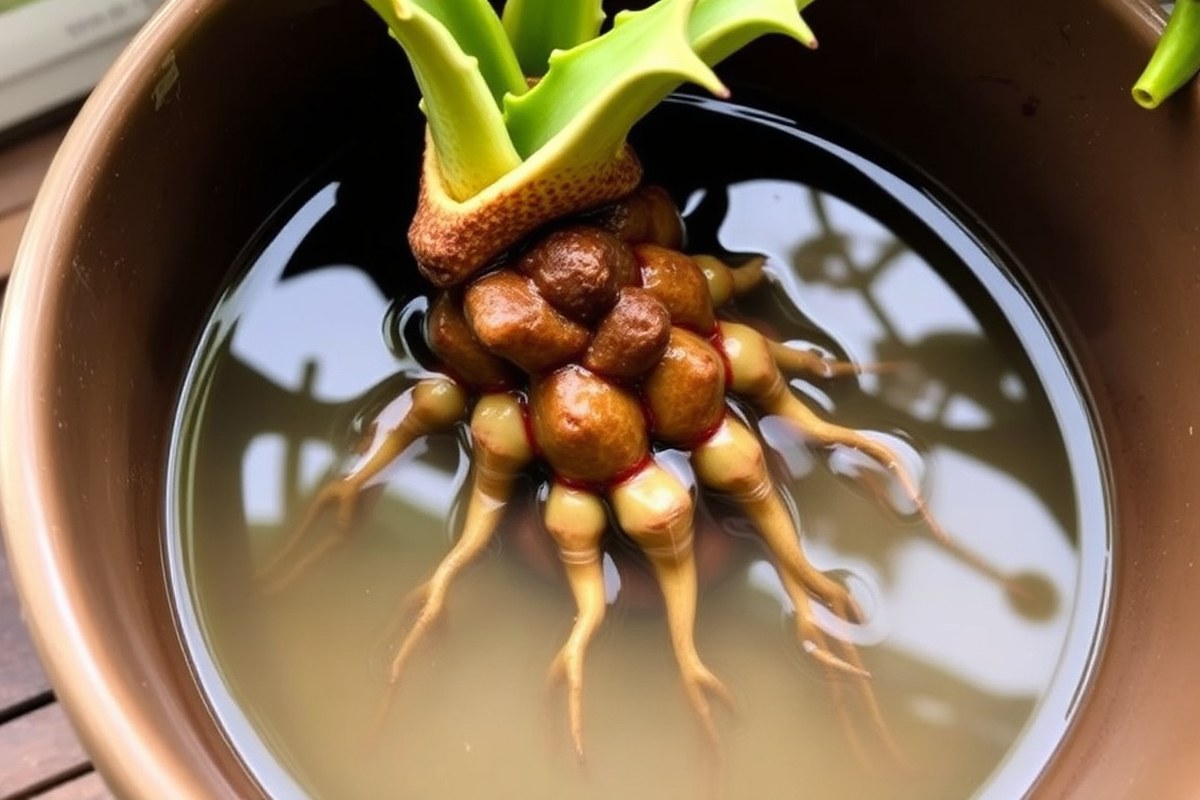
Water your staghorn fern by soaking its root base in room temperature water. Soak it once a week during summer and every 2 to 3 weeks in winter. Adjust soak time to 5-15 minutes depending on the season to keep it healthy and hydrated.
Seasonal Watering Schedule
Staghorn ferns need more water when they are actively growing in warm months. Water them about once a week during summer, soaking longer to fully hydrate the plant. In cooler months, reduce watering to once every 2 to 3 weeks to avoid overwatering.
Lower watering frequency in winter helps prevent root rot since the plant’s growth slows down. Stick to a schedule but check your fern for signs of dryness or excess moisture. Brown tips signal underwatering, while mushy roots mean too much water.
Soaking Technique Explained
Immerse the fern’s root base and brown shield fronds upside down in a basin or sink. Soak for 5 minutes in cooler months.
Increase soaking to 15 minutes in the growing season. This saturation lets the fern absorb water through roots and fronds.
Use room temperature water, as cold tap water can shock the plant. Let tap water sit out overnight before soaking when it is hard or chlorinated. This lets chemicals evaporate and benefits your fern’s health.
- Remove the fern gently from its mount if mounted on wood or board.
- Fill a basin with enough room-temperature water to fully submerge the fern.
- Place the fern facedown so its roots and base soak thoroughly.
- Soak for 5 minutes in winter, around 15 minutes during summer growth.
- Lift the fern out and let it drip dry for 20 minutes to prevent rot.
- Rehang or remount the fern carefully once it’s no longer dripping.
Avoiding Overwatering Risks
Waterlogging is a common problem with staghorn ferns. Let the fern drip dry completely after soaking to avoid root rot. Overly wet fern roots cause fungal growth and rot, which can kill your plant.
Ensure the fern dries in a place with good air circulation. Avoid watering again until the root base feels almost dry to the touch. This keeps your fern safe and encourages strong frond growth.
Ideal Light and Temperature Conditions for Growth
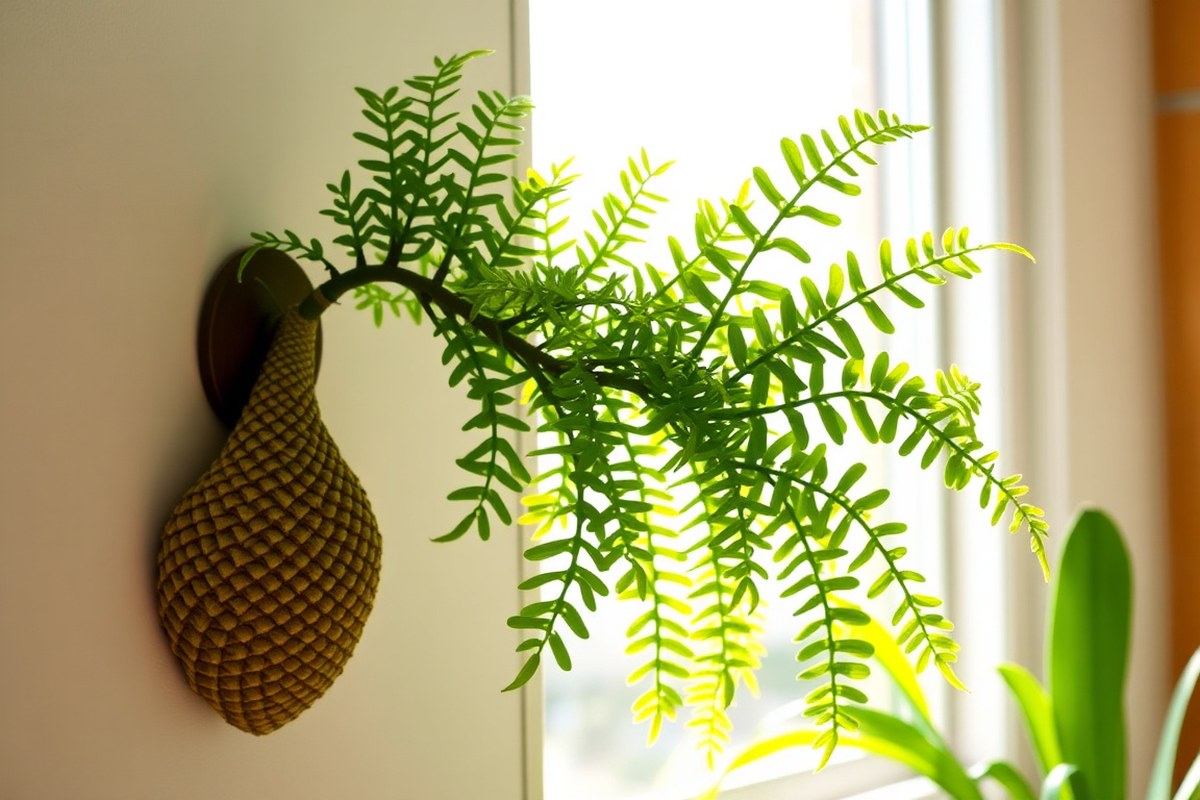
Staghorn ferns grow best with bright, indirect light. Place them near east or north-facing windows where sunlight is filtered. Avoid direct sun, as it can scorch their fronds and cause brown spots.
They can survive in low light, but poor lighting slows growth and invites pests. You can supplement light with full-spectrum fluorescent bulbs. Keeping lamps on for about 12 hours daily mimics natural daylight and supports healthy growth.
Ideal indoor temperatures range from 60 to 80°F. Cooler than 50°F risks stress. Temperatures above 100°F can dry them out quickly. Keeping the room between 65 and 75°F is perfect for growth.
Avoid placing the fern near air conditioning vents. Heating vents can also harm it. Drafts from these vents may chill or burn the fern.
Staghorn ferns like humidity around 60 to 80 percent, similar to their rainforest home. You can boost humidity by grouping your plant with others or using a humidifier. Misting the plant can help but won’t raise humidity enough by itself.
Heat stress shows up as wilted or crispy fronds. Your space should stay under 85°F for the fern. Move it to a cooler spot if it gets hotter.
Indirect shading also helps cool the fern. Fans can improve air flow but don’t point them directly at the plant.
Keep your staghorn fern out of direct sunlight. Sudden temperature changes stress the plant. Avoid these to prevent leaf burn and stress.
Mounting and Remounting Your Staghorn Fern: Step-by-Step Guide
Mounting your staghorn fern means attaching its root ball to a wooden board or wire basket. You’ll use sphagnum moss around the roots to keep moisture and support. Remount your staghorn fern every 1 to 2 years.
This keeps the plant healthy. It also prevents cutting or tearing its fronds.
Choosing a Mounting Base
Wooden boards, cork slabs, or wire baskets lined with moss work best for mounting. Oak boards are popular because they last long and look good. Avoid soft woods that may rot quickly in humidity.
Size matters; pick a base larger than your plant’s root ball. It gives the fern room to grow and anchors the plant firmly. You can find oak boards for about $10 to $20 at garden centers or online.
Preparing the Fern and Moss
Start by soaking sphagnum moss in water for about 10 minutes. It should feel damp but not dripping. Wrap several handfuls of this moss snugly around your fern’s root ball like a cushion.
Set the wrapped root ball so the basal fronds touch the moss. This mirrors its natural epiphyte habit living on tree trunks. Use sheet moss or burlap to help hold moisture and replicate natural growing conditions.
Securing the Fern
Use soft wire, fishing line, or twine to fasten the fern to the mounting base. Cross the wire gently but firmly across the moss and root ball. Make sure not to pinch the roots or tender fronds when tying.
Tuck in the wires on the back of the base to avoid injury or damage. Recheck tightness after a week because moss can settle, loosening the ties. Remount plants every 1, 2 years to refresh the moss and check roots, avoiding breakage.
- Soak sphagnum moss in water for 10 minutes until moist.
- Select a wooden board, cork slab, or wire basket larger than the root ball.
- Wrap the fern’s root ball with damp sphagnum moss or sheet moss.
- Place the wrapped root ball onto the mounting base.
- Secure the fern with wire or fishing line, crossing gently over the moss.
- Tuck wire ends behind the base for safety and to avoid loosening.
- Hang the mounted fern indoors in bright, indirect light away from drafts.
- Plan to remount your fern every 1 to 2 years for plant health.
Feeding and Fertilizing Your Staghorn Fern for Optimal Health
You should fertilize your staghorn fern to support its health and growth. Use a balanced fertilizer with a 1:1:1 ratio, which means equal parts nitrogen, phosphorus, and potassium. A common choice is a liquid fertilizer diluted to half strength for gentler feeding.
Fertilize once a month during the warm growing season, which is usually spring through early fall. Stop or reduce feeding in winter when the plant’s growth slows down. During this cooler time, you can fertilize every other month or skip it entirely.
Apply the fertilizer by mixing it with water and misting the root ball or mounting surface. Avoid pouring fertilizer directly on the fronds, as this can cause burns. Feeding works best when the plant is moist, so water it before applying fertilizer.
Organic options like coffee grounds aren’t the best by themselves. They don’t give the right mix of nutrients. You need other sources too.
You can mix small amounts into soil or compost. But mostly use balanced liquid fertilizer for the best results.
Organic fertilizers tend to release nutrients slowly. So they are best as a supplement rather than the main feed.
Check your staghorn fern’s leaves for signs of feeding needs. Pale or yellowing fronds may indicate a nutrient deficiency. Healthy ferns have lush, green fronds that grow steadily.
Overfertilizing can cause tip burn or browning. So follow the label instructions and avoid feeding more often than recommended.
During colder months or if your home temperature falls below 60°F, skip or reduce fertilizing. Staghorn ferns use less food when they aren’t actively growing.
You can also adjust fertilizer strength if your plant is young or recently repotted. Use half strength for safer feeding until it adjusts.
Recognizing and Troubleshooting Common Problems
Brown tips on your staghorn fern often mean underwatering. The plant’s dry fronds look crispy and dull at the edges. These tips work best when you water the plant regularly.
Make sure to soak the root ball or mounting medium well. Water until it drains through completely.
Some brown fronds are natural. Staghorn ferns shed old basal fronds as part of their life cycle.
Never remove these brown, shield-like fronds because they protect the roots and help the plant grow. They might look dead, but the plant depends on them.
Black or dark brown spots at the base usually mean overwatering. The roots or basal fronds may be starting to rot.
To fix this, reduce watering frequency and ensure better air circulation around the mount or pot. Let the plant dry out for a few days before watering again.
The most common pests are scale insects, mealybugs, and aphids. These tiny bugs attach to fronds and bases, sucking sap and weakening your plant. Check regularly for sticky residue or white cottony patches that mean pests are present.
- Use a cotton swab dipped in rubbing alcohol to remove scale and mealybugs.
- Spray infested areas with insecticidal soap every 5 to 7 days for 3 weeks.
- Isolate the plant from others to prevent spreading pests.
- Keep humidity moderate but avoid damp conditions that invite fungal infections.
- Inspect new plants carefully before placing near your staghorn.
Fungal infections can develop if the base stays wet or ventilation is poor. Blackening at the base signals early rot.
To save your fern, cut off severely affected fronds with sterile scissors. Repot or remount your fern with fresh, dry material to improve airflow.
Adjust your watering to keep the mounting medium moist but never soggy to avoid root rot.
Propagating Staghorn Ferns: How and When to Try
Propagating staghorn ferns is best done through division by separating pups or offsets. Growing from spores is slow and difficult, making division the preferred choice. Timing and careful handling are key for successful new plants.
Division Method for Beginners
Division is the easiest way to propagate staghorn ferns. Look for young pups growing on the sides or between plants to separate. Each pup should have some fertile fronds and roots for the best results.
Best timing to divide your fern is during spring or early summer. This lets the new plant grow during warmer months. Use a clean, sharp knife to avoid damaging it.
Follow these steps to divide your staghorn fern:
- Find healthy pups along the parent plant’s base.
- Use a sterilized sharp knife to cut pups with roots and fronds.
- Remove any damaged or dead parts from the pup carefully.
- Let the cut pups dry out for 1 to 2 hours to callous.
- Mount each pup on a board or in a hanging basket with sphagnum moss.
- Water lightly to moisten the moss without soaking it.
- Place pups in bright, indirect light and keep moderate humidity.
- Monitor daily and mist as needed to keep moss moist.
Spore Collection and Germination
Growing staghorn ferns from spores is possible but slow and tricky. Spores need careful collection and a sterile environment for germination indoors. Many beginners find it too challenging and time-consuming.
To collect spores, wait until fertile fronds produce brown dust-like spores on their underside. Gently tap or scrape spores onto clean paper. Prepare a shallow tray with a sterile medium like peat moss for sowing.
Sprinkle spores evenly on the moist surface and cover the tray with plastic wrap. Keep the tray in a warm, shaded spot around 70°F. Germination can take weeks to months and results are not guaranteed.
Caring for Young Plants
Young staghorn ferns need humidity and indirect light to thrive. Keep new plants in bright but filtered light, mimicking their natural environment. Avoid direct sunlight to prevent leaf burn.
Keep the mounting material like sphagnum moss moist but not waterlogged. Mist the plants once or twice daily, especially if home humidity is low. Overwatering can cause root rot, so watch moisture levels closely.
Once the pups grow stable roots and fronds, you can treat them like mature staghorns. Regular indirect light, weekly misting, and occasional feeding help keep them healthy and growing.
Differences Between Key Staghorn Fern Species to Know
Choosing the right staghorn fern depends on size, hardiness, and care needs. The two most popular species are Platycerium bifurcatum and Platycerium superbum.
Bifurcatum is easier to grow indoors and more forgiving with care. Superbum has larger fronds but demands higher humidity and light.
Some species tolerate cooler conditions better than others. For instance, bifurcatum is somewhat cold-hardy compared to tropical-only species.
Knowing frond size helps too, as larger species need more space and stronger mounting support. Here’s a comparison of key factors for popular staghorn fern species.
| Species | Typical Size | Appearance | Hardiness | Care Needs |
|---|---|---|---|---|
| Platycerium bifurcatum | Up to 2 feet wide | Forked fronds, dense shield leaves | Moderate cold tolerance (50°F/10°C) | Easy; moderate humidity and indirect light |
| Platycerium superbum | Up to 3 feet tall and wide | Long antler-like fronds; thick shield leaves | Tropical; prefers 60°F+/15°C | Needs bright indirect light and higher humidity |
| Platycerium elephantotis | Fronds up to 4 feet wide | Large, broad fronds; strong shield leaves | Warm tropical only | High humidity and space; less common indoors |
| Platycerium veitchii (Silver Staghorn) | Up to 2 feet wide | Silvery, narrow fronds; thick shield leaves | Moderate; prefers 55°F+/13°C | Bright indirect light; moderate humidity |
Platycerium bifurcatum works best for indoor growers new to staghorn ferns.
It fits into medium space and survives typical household temps down to around 50°F. Superbum grows bigger but needs higher humidity and warmth. It fits well in large, bright rooms or greenhouses.
Elephantotis is rarely grown inside because of its size and humidity needs. Veitchii is a good middle ground with attractive silvery fronds but still needs steady warmth.
Recreating a Staghorn Fern’s Natural Environment Indoors
Staghorn ferns thrive best in humid, warm environments. Aim for humidity levels around 60% or higher. Using a humidifier nearby can keep moisture steady, especially during dry winter months.
Misting once a week on the shield leaves helps but often isn’t enough alone. Bathrooms work well because shower steam boosts humidity naturally. Your fern near a bathroom or kitchen might need less water and mist.
Good air circulation prevents pests and keeps your fern healthy. Avoid placing your fern in totally enclosed spaces. A small fan on low can move air gently.
Open a window regularly. Both help without drying the plant out.
Keep your staghorn fern away from cold drafts or sudden temperature drops. Try to maintain temperatures between 60°F and 80°F consistently. Sudden chills smaller than 55°F can stress the fern and slow growth.
Mounting staghorns on wood plaques or oak boards copies their natural tree home. These allow air to circulate freely around roots and stems. You can attach sphagnum moss between the fern and the wood to keep moisture without soil.
Following these tips helps create a steady, comfortable home for your fern. Watch for leaves that brown or dry, which suggests low humidity. Adjust misting as needed.
Use a water tray with pebbles nearby. An indoor humidifier can raise humidity too.
Keep humidity steady with a room humidifier; misting alone usually can’t hold enough moisture.
Step-by-Step Action Plan for Your Staghorn Fern
Follow this plan to get your staghorn fern growing strong and healthy. Each step tells you what to do and what to watch for.
- Before you start: Choose a bright, indirect spot away from direct sunlight. The leaves should stay green, not scorched.
- Day 1: Put your fern on a wooden board or in a hanging basket. Use sphagnum moss to help it stay moist. Make sure it is secure and not loose. The base should sit snug but not squashed.
- Week 1: Water your fern by soaking the whole mount in lukewarm water for 10-15 minutes. Leaves should look fresh, not wilted.
- Week 2: Start giving a balanced liquid fertilizer every week at half strength. This helps your fern grow healthy leaves over time. Watch for steady new growth as a good sign.
- Week 3 to 4: Check your fern’s environment. Keep temperature steady between 60-80°F and humidity around 60%. Brown spots or dry edges may mean dryness or too much heat.
- Month 2: Inspect for pests like scale or mealybugs. Use a damp cloth or mild insect soap to clean leaves if needed. Leaves should look clean and glossy.
- After 3 months: Plan remounting if the fern outgrows its base. New roots should grip the moss or wood firmly without being forced.
Frequently Asked Questions
Are Coffee Grounds Good for a Staghorn Fern?
Coffee grounds are not recommended for staghorn ferns. They can alter soil acidity and may harm your plant. It’s better to stick to balanced fertilizers made for ferns.
Are Staghorn Ferns Hard to Keep Alive?
Staghorn ferns are not hard to keep alive if you meet their basic needs. They need special care because of their unique way to grow. Follow simple watering and light tips to make it easy.
Should I Cut the Dead Leaves Off My Staghorn Fern?
Yes, you should trim dead fronds to keep your staghorn fern healthy. Removing dead leaves prevents disease spread and helps the plant focus energy on new growth.
What Is the Lifespan of a Staghorn Fern?
A staghorn fern can live 50 years or more with proper care. These plants are long-lasting if you provide the right environment and routine maintenance.
How Do I Know If My Staghorn Fern Needs Repotting or Remounting?
You’ll want to remount when roots outgrow the board or medium. Signs include overcrowding or slowed growth, meaning your fern needs more space to thrive.
Can Staghorn Ferns Live Outdoors Year-Round?
Staghorn ferns can live outdoors in warm climates above 50°F. Bring them inside if temperatures drop below 50°F to avoid damage.
Wrapping Up
Your staghorn fern thrives with steady care and the right environment. Start today with proper mounting and watering. Watch your fern closely and tweak care as you learn its needs.