Do Deer Eat Blueberries? A Complete Guide to Protect Your Plants
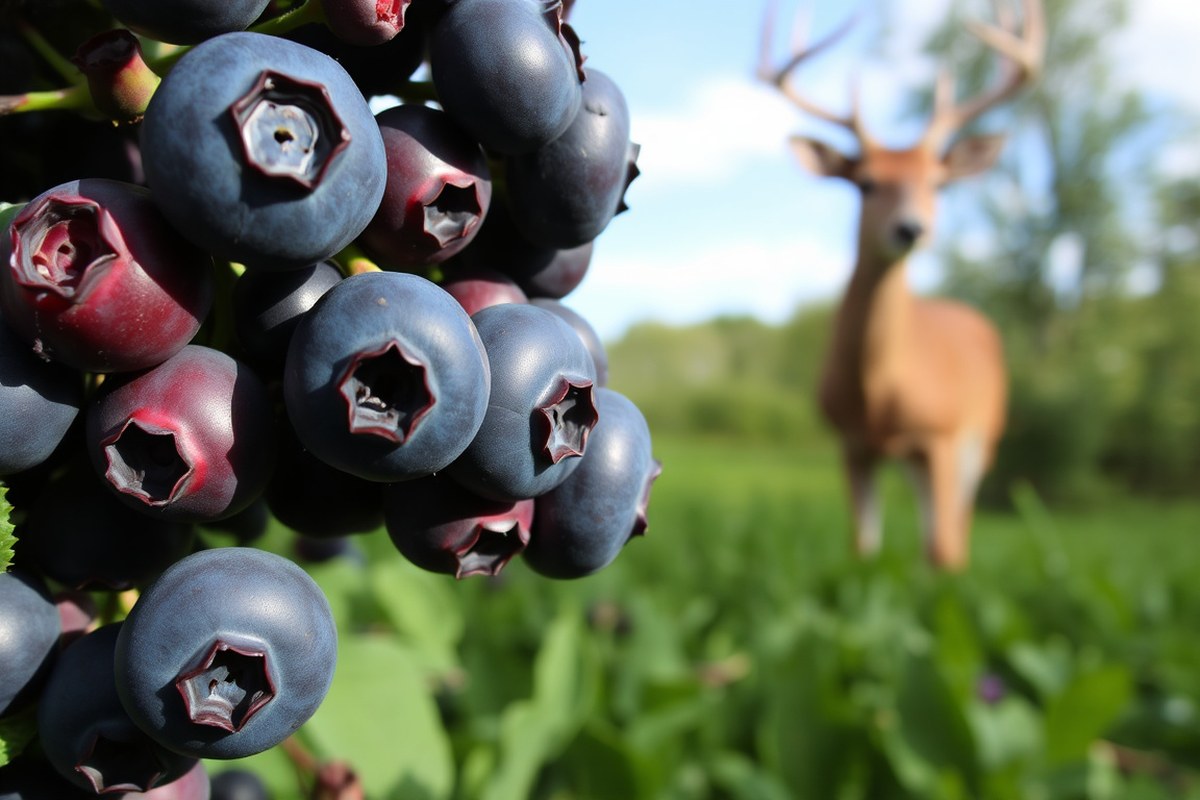
Do deer eat blueberries? Yes, deer do eat blueberries.
They find these berries tasty and nutritious, especially in late summer. Deer won’t pass up ripe blueberries if they’re nearby and easy to reach.
Deer don’t only eat berries; they browse leaves and tender shoots too. This feeding can stunt your blueberry bushes or reduce their yield. Heavy browsing often weakens plants and slows growth the following year.
Deer prefer blueberries during the summer and early fall when the berries ripen. They may visit your garden daily if food is scarce elsewhere. This means your bushes can suffer damage quickly without protection.
Inspect your bushes often for bite marks or stripped branches. Early signs let you act before damage becomes severe. Installing fencing or using deer repellents during peak feeding times can help keep deer away.
Key Takeaways
- Deer eat blueberries mostly in summer and early fall when berries ripen.
- Look for bite marks and stripped leaves as signs of deer damage.
- Blueberries are just one of many plants deer enjoy eating.
- Early detection of deer visits helps prevent severe damage to bushes.
- Deer browse both berries and tender new growth on blueberry plants.
- Keep an eye on your blueberry patch more often in peak feeding seasons.
Do Deer Eat Blueberries? What They Consume and When
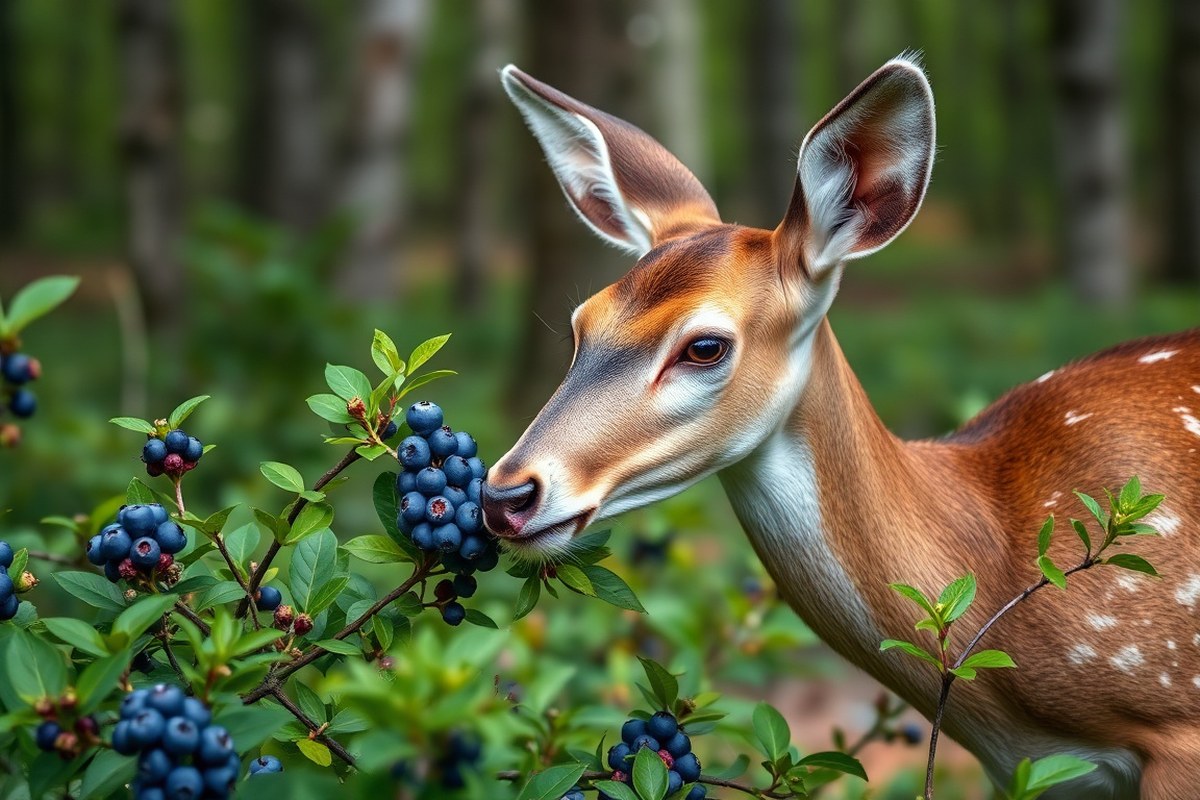
Deer eat more than just blueberries from the bush. Deer like the soft, young leaves and shoots the most. They especially eat these when plants are young.
New growth is their favorite target. When the plant grows older, deer still eat the berries.
They also eat the leaves on mature bushes. This puts the whole bush at risk.
Deer usually eat blueberry plants throughout the year but focus on what’s easiest to reach. In late fall, winter, and early spring, when food is scarce, they browse the bushes heavily. During growing seasons, they pick berries and nibble on leaves whenever they find an opening.
The tender shoots and leaves are softer than thorns or harder plant parts, which deer avoid. Cultivated blueberry bushes are bigger than wild ones. Deer prefer the larger bushes more often.
They can eat leaves and bark from these bushes. This damage can weaken the plant’s future growth if it happens too often.
Deer are opportunistic. So if other food sources are nearby, they might eat less from your blueberry bushes. But if your garden is one of the few green spots in winter, expect more feeding.
Plant new blueberry bushes away from plants deer like. This lowers the chance deer will find your bushes. It helps protect your plants.
Nutritional Value of Blueberries for Deer and Their Dietary Role
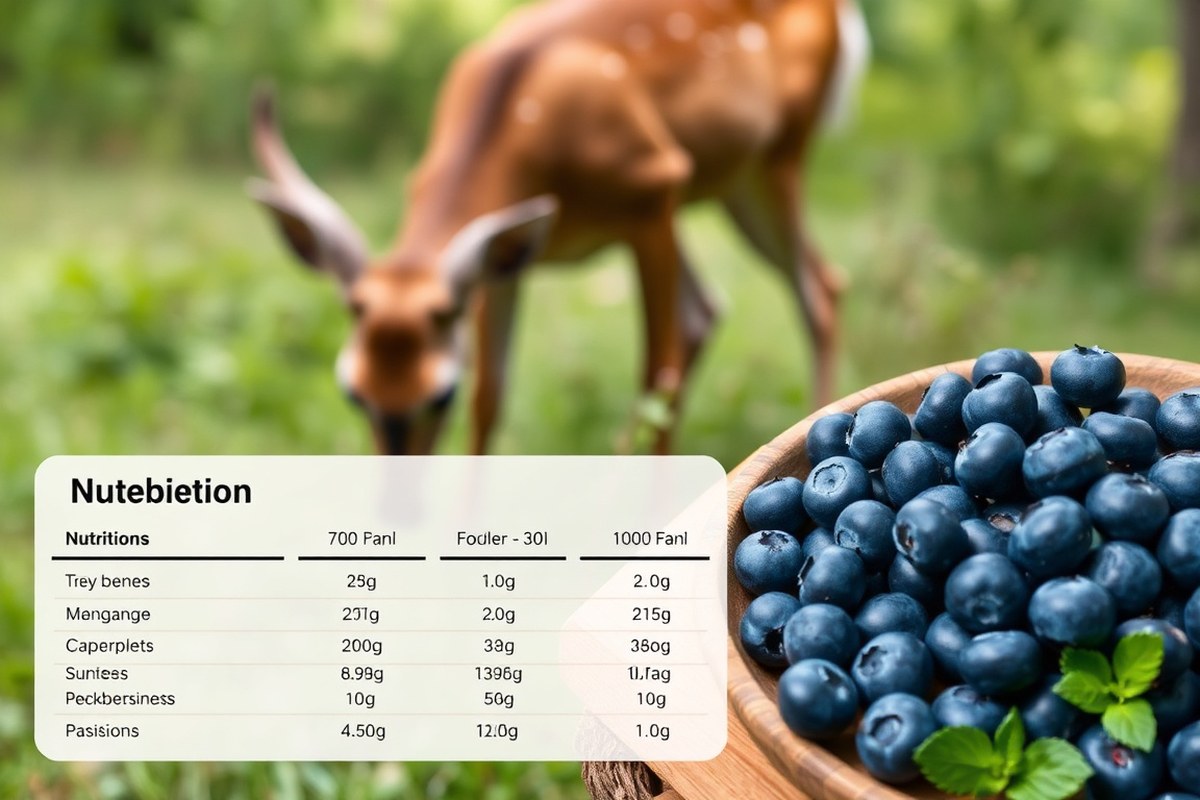
Blueberries provide deer with water, sugar, protein, and several essential nutrients. These nutrients help deer maintain energy, especially during active seasons like spring and summer. However, blueberries are more of an occasional treat than a staple in their diet.
Deer naturally find blueberries in many North American habitats, where wild bushes grow. Because blueberries are familiar plants, deer will eat berries, buds, and flowers when available.
Eating buds or flowers can reduce blueberry yields. So deer damage can start before the fruit appears each year.
Environmental factors influence how often deer choose blueberries. When other food sources like acorns or grasses are scarce, deer may eat blueberries more often. In colder months, deer might nibble blueberry stems and twigs.
But berries remain a smaller part of their overall diet. If you want to protect your blueberry patch, knowing this pattern helps you plan defenses year-round.
Deer can jump fences under 7.5 feet tall. So higher barriers are important to protect blueberries.
Signs of Deer Damage on Blueberry Bushes and How to Identify Them
Deer damage on blueberry bushes shows up as chewed leaves, stripped stems, and missing berries. Unlike birds or rabbits, deer often eat tender shoots and can strip bark. You can spot their damage by looking closely at plant parts and bite marks.
Typical Deer Browsing Patterns on Blueberry
Deer browse on blueberry plants by eating leaves, shoots, and sometimes flower buds. They prefer tender, new growth that provides more nutrients. Deer also chew on stems and bark, which can weaken or kill young bushes.
Damage usually appears on the upper parts of the bush where leaves and fruit grow. Deer stand on their hind legs to reach higher shoots that rabbits cannot access. You may find flattened or broken branches from deer moving through the plants.
Look for ragged edges and large teeth marks on leaves. Deer often leave uneven tears on plants, not clean cuts.
These marks differ from bites made by other animals. Pruning shears produce smooth edges unlike deer damage.
Differences Between Deer, Rabbit, and Bird Damage
Bird damage mostly targets berries and fruits without harming leaves or stems much. Birds peck smoothly at fruit, leaving small holes or peck marks. Missing berries alone might point to birds, not deer.
Rabbit damage focuses on basal stems and lower leaves close to the ground. Rabbits nibble cleanly, often clipping stems sharply without shredding bark. Their reach rarely exceeds a foot off the ground.
- Deer leave large, ragged bites on leaves and stems, often high up.
- Rabbits nip stems low on the plant with clean cuts.
- Birds peck at fruit softly, rarely touching leaves or stems.
- Deer may cause bark stripping by rubbing antlers or chewing.
- Rabbits rarely damage bark or the upper bush.
- Bird damage is mostly to ripe or ripening fruit.
Checking bite marks and damage location helps separate these animals. Deer also trample plants, which rabbits and birds don’t do.
Seasonal Variations in Deer Damage
During spring, deer eat flower buds and tender shoots. This can harm the blueberry harvest later by reducing blossom number. In summer, intense browsing on leaves and berries is common if other food is scarce.
Fall feeding may increase as deer prepare for winter. They eat ripe blueberries but also strip bark and chew twigs. In winter, deer nibble bark and stems when other food is limited, risking plant death.
Damage varies based on deer hunger and alternative food availability. Regular monitoring in each season helps you catch and address damage early.
Physical Barriers: Best Fence Types and Installation Tips to Stop Deer
To keep deer out of your blueberry patch, a tall, sturdy fence works best. Deer can jump high, so fences need to be at least 8 feet tall. Installing fences properly, including burying the bottom, stops deer from jumping or crawling under.
Types of Deer Fences and Their Effectiveness
Wire mesh fences are common because they are durable and block deer effectively. High-tensile wire fences work well, especially with tight spacing. Plastic or vinyl fences can work for your blueberry patch.
They usually don’t last long. They also don’t hold up well to deer pressure.
Netting or bird netting alone won’t stop deer. But it can help when combined with a fence.
Electric fences may scare deer but require regular maintenance and power. Often, a solid physical barrier is the most reliable choice to keep deer out.
Recommended Fence Heights and Installation Practices
Deer can easily jump fences shorter than 8 feet. The fence should be at least 8 feet high to prevent jumping. Installing a fence shorter than this risks deer easily getting in.
Burying the fence at least 6 inches underground stops deer from crawling under it. Tensioning the fence tightly prevents gaps where deer might squeeze through. Secure fence posts firmly to withstand deer pressure, especially on corners.
Pros and Cons of Single vs. Double Fencing
A single fence at 8 feet high often suffices for small patches. Double fencing uses two shorter fences spaced 3 to 4 feet apart. This confuses deer and reduces their impulse to jump over.
Double fences require more materials and labor, raising costs significantly. However, they can be effective where deer pressure is extremely high. Consider double fencing if you repeatedly lose plants despite a tall single fence.
Here’s a quick look at fencing options for your blueberry patch. Consider different methods and materials. Pick what fits your needs best.
| Fence Type | Height Needed | Installation Tips | Effectiveness | Cost & Labor |
|---|---|---|---|---|
| High-tensile wire mesh | 8 feet minimum | Bury 6 inches, tension tightly | Very effective | Moderate cost, moderate labor |
| Vinyl or plastic fencing | 8 feet minimum | Bury edges, secure posts firmly | Moderately effective | Moderate to high cost, low labor |
| Electric fencing | At least 5 feet | Requires power, frequent checks | Variable effectiveness | Low to moderate cost, high maintenance |
| Double fencing (two shorter fences) | Two fences about 5 feet each | Space 3-4 feet apart | Effective where deer pressure is extreme | High cost, high labor |
| Netting only | 6 feet or more | Secure and bury edges | Low alone, better with fence | Low cost, low labor |
Choosing the right fence depends on your budget and deer pressure. Proper height and installation make any fence much more effective. Missing these steps often lets deer slip into blueberry patches despite barriers.
Using Repellents and Netting to Protect Blueberries from Deer
Deer repellents can reduce damage but work best if reapplied monthly. Netting protects both berries and plants from deer and birds. Combining repellents with netting gives stronger, longer deer protection.
Applying Deer Repellents Safely on Blueberries
Repellents make blueberry plants less tasty to deer by using scents or tastes they dislike. Use commercial options or homemade sprays with ingredients like garlic or soap. Spray evenly on leaves, stems, and branches without soaking the soil.
Apply repellents only when dry and avoid windy days to limit drift. They usually last about 30 days, so reapply monthly especially during peak deer activity. Follow product directions closely for best safety and effectiveness.
- Choose a repellent labeled safe for edible plants.
- Put on gloves and protective eyewear.
- Spray all blueberry bush surfaces, covering both sides of leaves.
- Wait until the repellent dries before watering or rain.
- Reapply every 30 days or after heavy rain.
- Wash hands and tools after application.
Don’t apply repellents in hot, sunny weather above 90°F to avoid plant stress.
Choosing and Installing Netting over Blueberry Bushes
Netting prevents deer and birds from reaching ripe blueberries. Use sturdy mesh that deer cannot easily tear or squeeze through. The netting needs to cover the entire bush and reach the ground to keep animals out.
For small gardens, drape bird netting over bushes and anchor securely with stakes or buried edges. Larger farms may use heavier wildlife netting on frames or poles for more durability. Avoid netting with holes larger than 1 inch to stop smaller pests.
- Select a durable, UV-resistant netting with small holes (under 1 inch).
- Spread the netting fully over blueberry bushes before fruit ripens.
- Secure net edges to the ground with stakes, rocks, or soil.
- Check netting weekly for tears or gaps and repair immediately.
- Remove netting carefully after harvest to avoid plant damage.
Netting left too long can trap moisture, increasing fungal risks on blueberries.
Maintenance and Reapplication Timelines
Repellents usually lose effectiveness after about 30 days, especially after rain or irrigation. Track when you last applied to keep a consistent schedule. During heavy deer pressure, increase the frequency to every 3 weeks.
Check netting regularly for holes where deer or birds might sneak in. Repair small tears immediately to maintain full coverage. Remove or replace netting if it becomes brittle or damaged after one or more seasons.
- Mark repellent application dates on a calendar or app.
- Inspect blueberry bushes weekly for repellent wear or damage.
- Look over netting every week and patch holes as soon as found.
- Reapply repellent every 30 days, or every 3 weeks if deer are persistent.
- Replace netting after 1-2 growing seasons or when damaged.
Delay repellent reapplication during rainy periods to prevent wash-off and waste.
Pruning and Planting Techniques That Reduce Deer Attraction
Pruning blueberry bushes helps reduce deer damage by limiting places for deer to rub their antlers. Woody stems in late summer and fall attract deer to scrape their antlers. Prune the lower branches to make bushes less inviting for rubbing.
Remove older, woody growth from your blueberry plants. This helps reduce deer damage effectively.
Prune in late winter or early spring before new growth starts. Cut back branches to keep bushes open and manageable.
This also improves air flow and sunlight, making plants healthier and more vigorous. Healthier bushes can recover faster if deer nibble on some branches.
Choosing less attractive blueberry varieties lowers deer interest. Highbush blueberries have a bitter taste and tougher texture.
So deer avoid them more than lowbush types. Planting these less-preferred types can reduce browsing damage, especially in areas with lots of deer.
- Prune lower branches to about 12 to 18 inches from the ground
- Remove old, woody stems yearly in late winter
- Space bushes at least 4 to 6 feet apart for good air flow
- Plant fragrant herbs like lavender, rosemary, or mint near blueberry patches
- Use highbush blueberry varieties for tougher, less tasty foliage
- Thin crowded bushes to reduce hiding spots and rubbing areas
Planting companion herbs around blueberries confuses deer and covers berry scents. Strong smells from herbs mask the sweet smell that attracts deer.
Place these herbs along your patch edges for a natural barrier. This method is low cost and adds beauty and useful plants to your garden.
These techniques take effort but work well together. Regular pruning keeps bushes healthy and not too dense for deer to scratch.
Companion plants and smart variety choices cut down on damage without fences or sprays. You’ll see fewer rub marks and less leaf and berry loss over time.
Seasonal Patterns of Deer Feeding on Blueberries and Crop Impact
Deer cause the most damage to blueberries in late fall. They eat them more in winter when food is scarce. Deer eat woody plants and buds in winter months.
This causes big losses in spring flowers and fruit. Browsing on buds directly lowers the number of blueberries your bushes produce in the next season.
Watching for winter browsing signs helps catch damage early. Look for stripped bark, missing buds, and broken branch tips. These winter feeding marks often predict poor fruit yields in the upcoming season if not managed.
| Season | Deer Feeding Patterns |
|---|---|
| Spring | Deer seek fresh shoots and grasses as early food. |
| Summer | Deer prefer leaves and soft green plants due to abundance. |
| Fall | Deer begin preparing for winter, feeding more on buds and twigs. |
| Winter | Food options drop and deer browse heavily on woody plants and buds. |
The table shows how deer change what they eat throughout the year. You should focus on protecting buds during fall and winter since damage there hits harvests hardest. Late fall browsing reduces the number of flowers formed in spring.
Damage to shoots also hurts overall plant health, meaning smaller or fewer berries. A small patch might handle minor leaf nibbling.
But losing buds cuts your yield directly. The worse the winter damage on the shrub, the fewer berries you’ll harvest next summer.
Sustainable Strategies to Balance Deer Conservation and Blueberry Protection
Protecting your blueberry plants without harming deer means using wildlife-friendly methods. Sustainable options keep deer safe while reducing their access to tasty berries. These methods use physical barriers and natural deterrents.
Start with fencing that is tall enough (at least 8 feet) but uses flexible, deer-safe materials. Then, use organic repellents that smell or taste unpleasant to deer but are harmless. Planting alternative food sources nearby can also satisfy deer without driving them to your berries.
- Install 8-foot tall deer netting with loose weave
- Apply commercial taste repellents every 2-3 weeks
- Plant clover or grains 20-30 feet from blueberries
- Use motion-activated water sprays near plants
- Check and repair fencing monthly, especially after storms
Working with a local wildlife expert helps you tailor these methods to your area’s deer habits. Experts can monitor deer movement and suggest when to boost deterrents or change tactics. Joining local conservation programs can provide resources and support for long-term success.
Keep a log of what works and when to adjust efforts. For example, deer eating behavior shifts with the seasons and berry availability. Sustainable management means being flexible and responsive without harming the animals or your crop.
Use only repellents labeled safe for wildlife and follow application instructions carefully.
Step-by-Step Action Plan to Protect Your Blueberries from Deer
Start taking action today with these clear steps. Each one helps you know if your plants are safer.
- Before planting: Choose blueberry varieties less attractive to deer. Check nearby plants in your area for signs of deer feeding.
- Week 1: Install a fence at least 8 feet tall around your blueberry patch. Look for fewer deer tracks inside the fence.
- Week 2: Apply deer repellents around bushes every 7 to 14 days. Watch if bitten leaves and fruit drops decrease.
- Week 3: Set up bird netting over the blueberry bushes. See if berries stay on branches longer with less damage.
- Month 1: Prune bushes to keep branches high and dense. Notice less browsing near the base of bushes.
- Seasonal check: Adjust repellent and netting use during peak deer activity in fall. Track reduced berry loss during these months.
- Ongoing: Keep an eye on your blueberry patch for new deer signs. Act quickly with extra barriers or repellent if needed.
Frequently Asked Questions
Do Deer Eat Blueberries?
Yes, deer eat blueberries as part of their diet throughout the year. They consume fruit, buds, and leaves, which can impact blueberry plants significantly.
Are Deer More Attracted to Certain Types of Blueberries?
No, deer do not prefer any blueberry variety specifically. They eat highbush, lowbush, hybrid half-high, and rabbiteye blueberries alike.
How Much Damage Can Deer Cause to Blueberry Bushes?
Deer damage can reduce blueberry yields by eating buds and fruit. Bud damage in early spring can lower the season’s harvest notably.
Do Deer Eat Blueberry Leaves or Only the Berries?
Deer eat both the leaves and berries of blueberry plants. They will consume any part of the plant, especially if food is scarce.
Can Deer Eat Treated or Pesticide-Sprayed Blueberries Safely?
Deer sometimes eat treated plants when desperate, but pesticides can harm them. Always follow label instructions to minimize wildlife risks.
Will Deer Stop Eating Blueberries If Other Food Is Available?
Deer will eat blueberries if other foods are scarce but prefer a varied diet. More food choices can reduce damage to your bushes.
Before You Go
Deer do eat blueberries, but you can protect your bushes effectively. Start with strong fences combined with repellents and pruning. Check plants regularly and adjust your methods for the best results.