How to Propagate Money Tree Plant: A Complete Guide with Proven Methods
How to propagate money tree plant is simpler than many think. You take a healthy green stem cutting with two or more nodes. Root it in water or moist soil under bright, indirect light.
Keep the temperature between 70 and 80 degrees. This helps your money tree start healthy roots.
Start with a 6- to 8-inch cutting and strip leaves from the lower three inches. This bare stem encourages root growth without rotting. Keep the cutting warm and mist it regularly to keep humidity high.
Most cuttings develop roots in about four to eight weeks. Once roots reach 3 to 4 inches, move the cutting into soil. Avoid overly wet soil to prevent rot, and be patient as roots grow strong.
Key Takeaways
- Choose healthy stems 6 to 8 inches long with at least two nodes.
- Remove lower leaves for about 3 inches of bare stem to avoid rot.
- Use water or moist potting mix with bright, indirect light and 70, 80°F temperature.
- Keep humidity above 50% by lightly misting the cutting daily.
- Expect root growth in 4 to 8 weeks depending on room temperature.
- Transfer to soil once roots are 3 to 4 inches long to avoid shock.
How to Propagate a Money Tree Plant Step-By-Step
Propagating a money tree from stem cuttings is simple and effective with the right steps. Start with healthy, green stems that have at least two nodes. The success of rooting depends on preparing the cutting well and providing proper conditions.
Get these ready before you start: sharp pruning shears and a glass jar. Have well-draining soil ready too.
You might want rooting hormone and clean water for water rooting. Choosing a cutting about 6 to 8 inches long helps roots develop stronger and faster.
- Use sharp pruning shears to cut a healthy green stem 6 to 8 inches long. Make sure the stem has at least two nodes. Do this in the morning when your plant is hydrated.
- Take off leaves from the bottom node. This stops leaves from rotting in water or soil. Rot can harm your cutting’s growth. Leave a few leaves at the top to help the cutting photosynthesize.
- Dip the cut end into rooting hormone to increase root growth chances. This step is optional but improves success.
- Put the cutting into a jar with filtered water. Or plant it directly in moist, well-draining potting mix. Use about half peat and 30% perlite in the mix. Make sure the nodes are under the water when you root in water. Keep the leaves above the water line to avoid rot.
- Set the jar or pot where it gets bright, indirect light. Keep the temperature between 70 and 80 degrees Fahrenheit. Avoid direct sunlight that can burn your cutting. Clean water every few days if using the water method.
- Watch for roots forming in 3 to 5 weeks. Roots usually appear between 4 to 8 weeks depending on temperature. Give the cutting a gentle tug after a few weeks if it’s in soil. Feel for some resistance to check if roots have grown.
- When roots reach about an inch, move the cutting to potting soil. Be gentle to avoid breaking the fragile new roots.
Taking a cutting properly and handling it gently are key to good root development. Avoid overwatering before roots grow, as stems can rot quickly. Keeping temperature stable helps speed rooting, especially during colder months.
Best Time and Conditions to Take Money Tree Cuttings
The best time to take cuttings from a money tree is during spring or early summer. This period matches the plant’s active growing season, which helps cuttings root faster. Don’t cut your money tree in winter.
Cooler temps and low light can cause rot. Cuttings often fail in these conditions.
You should keep temperatures around 65 to 75 degrees Fahrenheit during propagation. This range supports root growth without stressing the cutting. Keep cuttings away from cold spots and drafts.
Temperatures below 60 degrees slow rooting. Sudden cold can kill the cutting.
Humidity plays a big role in cutting success. Money tree cuttings lose moisture quickly. So keep humidity high, around 50 to 70 percent.
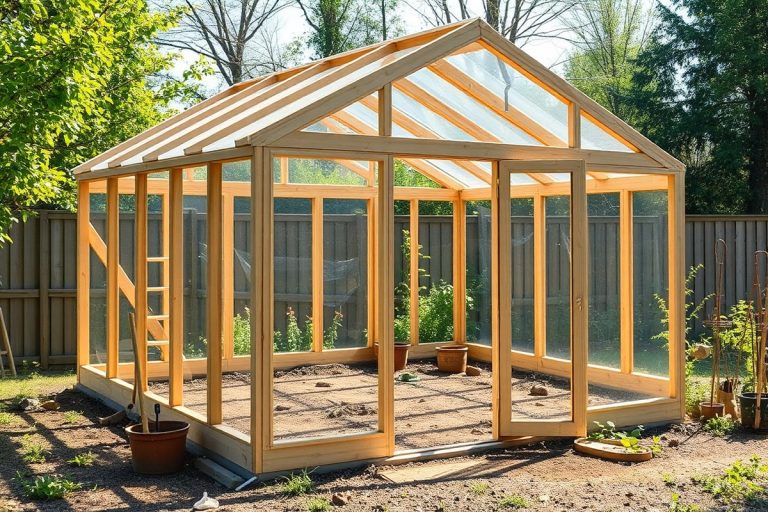
Increase humidity by placing a clear plastic bag over cuttings. You can also use a mini greenhouse.
Both help hold moisture. Just make sure to open the cover daily for a few minutes to prevent mold.
Bright, indirect light is best while roots develop. Avoid direct sunlight that can burn the tender cutting. A north- or east-facing window or a spot near a shaded south window works well.
Use a grow light when natural light is weak. This is helpful in early spring or late summer. Grow lights improve rooting chances.
Keep humidity high but check daily to stop mold. Remove plastic for airflow briefly each day.
Sanitize your cutting tools before use to prevent infections that could wipe out your new plants. Clean scissors or a knife with rubbing alcohol or soapy water. Take cuttings from healthy, mature stems to improve rooting chances.
Good results show with firm new leaves or visible white roots after four to eight weeks. Poor results include limp stems, black spots, or failure to root in that time.
Cuttings can drop leaves or rot if it’s too cold or dry. Watch humidity and temperature closely to prevent damage.
Water Versus Soil Propagation: Which Method Works Best?
Both water and soil propagation work well for money tree plants. Water propagation usually shows roots faster. Soil rooting takes longer but leads to sturdier plants.
Your choice depends on how fast you want roots. It also depends on how much work you want.
Water Propagation: Benefits and Timeline
Water propagation speeds up root growth, taking about two to four weeks. Just place your cutting in a jar of clean water with bright, indirect light. You’ll see clear roots growing, making it easy to watch progress.
This method reduces the risk of underwatering since the cutting is always moist. Water roots look different from soil roots. They might need time to adjust in soil.
Algae growth or stale water can also cause problems. So change the water every few days.
Soil Propagation: Benefits and Timeline
Planting cuttings directly into moist, well-draining soil takes longer, around four to eight weeks. Soil-grown roots tend to be stronger and better adapted for long-term growth. Use a potting mix that drains well but retains some moisture for best results.
This method requires careful watering to avoid drying out or root rot. Soil propagation mimics natural growth, so plants adjust faster when they mature. Keep the soil about half to three-quarters dry before watering again to avoid problems.
How to Decide Which Method to Choose
Choose water propagation to see roots quickly. Be ready to switch to soil later. It’s easier to notice root problems early in water.
You must transfer plants at 3 to 4 inches. Pick soil propagation if you prefer fewer steps. Be patient for slower root growth.
Location and space also matter. Water propagation needs a bright spot for your cuttings on a windowsill or table. Soil propagation suits your regular plant care.
You must watch soil moisture closely. Your comfort with moving plants also plays a part.
The table below compares both methods’ key parts and timing. Use it to choose.
| Propagation Method | Rooting Time | Root Strength | Care Needs | Watch Outs | Next Steps |
|---|---|---|---|---|---|
| Water Propagation | 2 to 4 weeks | Weaker, water-adapted roots | Change water regularly, avoid algae | Needs transferring when roots reach 3-4 inches | Plant in soil after rooting |
| Soil Propagation | 4 to 8 weeks | Stronger, soil-adapted roots | Keep soil moist but not soggy | Risk of root rot if overwatered | Continue care in soil without transplant |
Both methods are valid. So start with the one that suits your schedule and setup.
Water propagation can speed things up but adds a step. Soil propagation is slower but grows strong roots from the start.
How to Care for Newly Propagated Money Tree Cuttings
Once your money tree cutting has roots, its care changes a bit. You want to keep the soil moist but not soggy. Water your plant when the top inch of soil feels dry.
This usually happens every 5 to 7 days. Warm weather may make it dry faster.
Humidity helps new money trees grow strong. These plants like higher humidity levels, around 50% or more. You can raise humidity by misting leaves every day.
Another way is to place the pot on a pebble-filled tray. Add water to keep moisture near the plant.
Bright, indirect light suits your newly rooted cutting best. Avoid direct sunlight as it can scorch young leaves. A north or east window usually works well for your plant.
These spots give soft but steady light. They help keep your plant healthy.
- Water when the top inch of soil feels dry to touch
- Mist leaves daily or use a pebble tray for humidity
- Place in bright, indirect light, no direct sun
- Keep temperatures steady between 65°F and 75°F
- Fertilize lightly after 6 to 8 weeks of growth
- Use a balanced, diluted liquid fertilizer at half strength
- Avoid heavy feeding on new roots to prevent burn
Newly rooted plants don’t need fertilizer immediately. Wait about 6 to 8 weeks before feeding.
Use a balanced liquid fertilizer diluted to half the normal strength. Too much fertilizer can stress young roots and damage them.
Keep your cutting away from drafts and cold rooms during this time. Temperatures below 60°F slow root growth and can cause stress. You want a steady, warm environment to help it settle in its new soil or water.
When and How to Transplant Water-Rooted Cuttings into Soil
Transfer money tree cuttings from water to soil when roots reach 1 to 2 inches long. Use a loose, well-draining potting mix in a pot with drainage holes. Avoid using the original water container; repotting gives roots space and better air access.
Identifying Root Readiness for Transplant
Roots should be 1 to 2 inches long before moving to soil. Look for healthy roots that are white or light tan and avoid dark or mushy ones. Some branching of roots shows the cutting is developing a strong system.
Thin, tender roots in water need protection while adjusting to soil. Transplanting too early risks root damage or failure to absorb nutrients. Wait until you see multiple roots rather than just one or two thin strands.
Preparing the Soil and Pot for Transplant
Choose a pot slightly bigger than the root ball around 4 to 6 inches wide. A pot with drainage holes prevents water sitting and root rot. Avoid deep pots that hold excess moisture at the bottom.
Use a light, airy potting mix made for indoor houseplants with good drainage. Mix equal parts peat moss or coco coir, perlite, and regular potting soil. This balance holds moisture but drains quickly to keep roots healthy.
A heavier mix or garden soil can suffocate roots and cause rot. Avoid soil that stays soggy after watering. Repotting fresh soil means giving cuttings a better start in a new environment.
Transplanting Without Harming Roots
Gently remove the cutting from water without pulling roots forcefully. Support the stem and lightly shake off excess water from roots. Do not wash roots; keep any beneficial bacteria on them intact.
Plant cuttings right away to avoid drying out roots. Dig a small hole in the soil and carefully place roots inside. Cover roots fully but keep the stem base slightly above soil to prevent rot.
Water soil lightly after planting to settle it around roots. Keep the pot in bright, indirect light and maintain soil moisture but not soggy. This helps roots adapt to soil and grow stronger.
- Check root length and health, wait for 1 to 2 inches roots.
- Pick a pot with drainage holes, around 4 to 6 inches wide.
- Mix potting soil with equal parts peat moss, perlite, and potting soil.
- Remove cutting from water gently, keep roots intact and moist.
- Make a hole in soil, place roots carefully without bending or twisting.
- Cover roots and firm soil lightly, keep stem base above soil.
- Water lightly and place pot in bright, indirect light.
- Check soil moisture every few days, water when the top feels dry.
Do not transplant cuttings with roots under 1 inch. They are too fragile and risk dying after transplant.
Common Mistakes When Propagating Money Trees and How to Fix Them
Overwatering is one of the biggest mistakes when propagating money trees. It causes stem rot and root problems. Let cuttings sit in water that covers only the lower stem.
Make sure the leaves stay above water. This avoids leaf damage and rot.
Light is another common issue. Money tree cuttings need bright, indirect sunlight.
Too much direct sun burns leaves. Too little slows root growth and leads to weak plants.
Fungal and bacterial infections often appear from water that isn’t clean or containers that aren’t sanitized. Using fresh tap water is fine, but add one change every few days. Avoid water with chlorine or fluoride if you notice leaf damage.
- Use a clean glass or jar sterilized with hot water before propagation.
- Change water every 2 to 3 days to prevent bacteria buildup.
- Keep the water temperature around 70 to 75°F for healthy root growth.
- Use filtered or rainwater if your tap water is harsh on plants.
- Remove dead or rotting leaves promptly to stop infections.
- Propagate cuttings that are at least 15 inches tall and healthy.
- Keep cuttings away from drafts and sudden temperature changes.
To fix overwatering, reduce how much water the cutting sits in. You can also propagate directly in moist soil, letting it dry slightly between waterings. Avoid using water that’s been sitting out for more than four days.
You can fix light problems by moving cuttings closer to a window. Choose a bright window with filtered light. Avoid direct sunlight to protect leaves.
Move the cutting to a shadier spot for a few days. This helps if leaves get sunburned.
Watch them closely for improvement. You want steady, bright but soft light.
Can You Propagate Braided Money Trees or from a Single Leaf?
You can’t propagate a money tree using only one leaf. Leaves don’t have the parts needed to grow roots or new stems. A healthy stem with two or three leaf nodes is necessary to start propagation.
With a braided money tree, you can cut individual stems to propagate. The braid itself won’t regrow if you try to separate it. Pick a stem with visible leaf nodes.
Cut just below the lowest node. This helps the cutting grow roots.
For braided stems, clip off a piece about 4 to 6 inches long. Remove leaves from the bottom node before rooting.
Put the cutting in water or moist soil. Keep it warm between 70 and 75°F. This helps roots form well.
To make the classic braid, grow at least three separate cuttings. Each one will form a strand for the braid.
Once those new plants mature, you can braid their trunks together. Trying to propagate a single leaf will waste time and not produce a new money tree.
Cuttings usually start showing roots in two to four weeks. Watch for fresh growth as a sign the new plant is doing well. Avoid keeping cuttings in direct sunlight or cold drafts, which can slow rooting or cause rot.
Propagating Money Tree Plants from Seeds: Basics and Tips
Yes, you can propagate money tree plants from seeds. Still, it’s less common than cuttings.
Seed propagation starts with the freshest seeds, as their viability drops fast. Growing seedlings takes patience and care, especially if you want enough for braiding multiple trunks.
Sourcing and Preparing Money Tree Seeds
Freshness is essential for money tree seeds to sprout well. You can collect seeds from seed pods if your plant blooms and produces them indoors.
Buying seeds online or from specialty nurseries is another option. But check the harvest date.
Before planting, soak the seeds in warm water for about 24 hours. This softens the seed coat and helps speed germination. Avoid soaking longer than a day since seeds may rot in too much water.
- Get fresh money tree seeds from seed pods or suppliers.
- Check seed freshness and avoid older-than-a-month batches.
- Soak seeds in warm water for 24 hours.
- Prepare a loose, well-draining soil mix for planting.
Seed freshness is non-negotiable, stale seeds rarely germinate well.
Planting and Germination Process
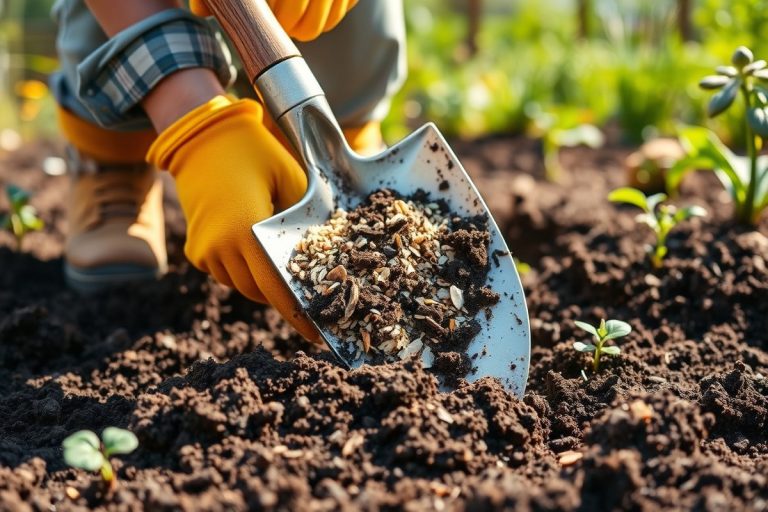
Use a light potting mix with peat moss, perlite, and organic compost. Plant seeds about ¼ inch deep; burying seeds too deep slows sprouting. Keep soil moist but not waterlogged to avoid rotting the seeds.
Place the planted seeds in a warm spot, ideally between 70°F and 80°F. Covering the container lightly with plastic wrap helps keep humidity high and speeds germination. Germination usually takes 1 to 3 weeks under ideal conditions.
- Fill seed trays or small pots with a loose, well-draining mix.
- Plant each seed ¼ inch deep into the soil.
- Moisten soil evenly but avoid excess water pooling.
- Cover containers with plastic wrap to maintain humidity.
- Keep the setup in a warm area (70-80°F).
- Remove plastic after sprouts appear to prevent mold.
Avoid deep planting; shallow placement lets seedlings break the soil easily.
Seedling Care and Early Pruning for Braiding
You’ll want multiple seedlings for braiding, usually 3 to 5. Seedlings grow slowly at first, with thin stems and small leaves. Provide bright, indirect light and consistent humidity to encourage steady growth.
Keep the soil lightly moist and avoid drying out seedlings. Once seedlings grow to about 6 inches tall, check their leaves. They should have several leaves by this stage.
Gently prune side shoots to help main stems get stronger. Healthy seedlings should have firm green stems and vibrant leaves.
- Provide seedlings with bright but indirect light.
- Maintain humidity levels around 50-60% for better growth.
- Water carefully to keep soil moist but not soggy.
- When seedlings reach about 6 inches, prune side shoots.
- Prepare at least 3 to 5 seedlings for braiding trunks.
Braiding needs more than one seedling; too few will limit your options.
Step-by-Step Action Plan to Propagate Your Money Tree
Follow these easy steps to start new money tree plants from cuttings. Watch for healthy roots and fresh leaves to know it worked.
- Before you start: Select a healthy stem with at least two leaves. Use clean, sharp scissors to cut 4-6 inches below a leaf node.
- Day 1: Cut off the lower leaves. Dip the cutting end in rooting hormone. This helps roots grow faster. This is optional but helps root growth.
- Day 1: Put the cutting in clean water. Or plant it in moist soil. Change water every few days if using water propagation.
- Week 2: Check for roots 1-2 inches long. You should see white, thin roots by now if water-propagating.
- Week 3-4: If soil-propagating, gently tug the cutting. Roots have formed when you feel resistance.
- After roots form: Move water-rooted cuttings into rich, well-draining soil. Keep soil moist but not soggy for best results.
- Week 5 and beyond: Place your new plant in bright indirect light. Start watering less frequently as it adapts to soil.
- Ongoing: Watch for new leaf growth. It means your money tree cutting is healthy and growing strong.
Frequently Asked Questions
How Long Does It Take for Money Tree Cuttings to Root?
Money tree cuttings usually develop roots in 2 to 4 weeks. Keep them in bright indirect light and warm temperatures for faster rooting.
Can I Use Regular Tap Water for Propagating Money Tree Cuttings?
Tap water is fine if it rests for 24 hours before use. Resting removes chlorine and helps protect young roots.
Should I Remove Leaves from the Cutting Before Rooting?
Remove lower leaves to prevent rotting in water or soil. Keep a few leaves on top for photosynthesis.
Can I Propagate a Money Tree from Stem Pieces Without Leaves?
You need some leaves for the cutting to survive and grow roots. Without leaves, the cutting won’t have energy to root.
Do I Need Rooting Hormone to Propagate a Money Tree?
Rooting hormone helps but isn’t necessary for money trees. The plant’s natural hormones usually stimulate root growth fine.
How Often Should I Change Water When Propagating in Water?
Change water every 3 to 5 days to prevent bacteria buildup. Clean water encourages healthy root formation.
Before You Go
Propagating money trees is simple with clean techniques and patience. Start with healthy cuttings and keep conditions right. Try propagating today to grow your indoor garden.