How to Take Care of Golden Pothos: Practical Tips for Healthy Growth
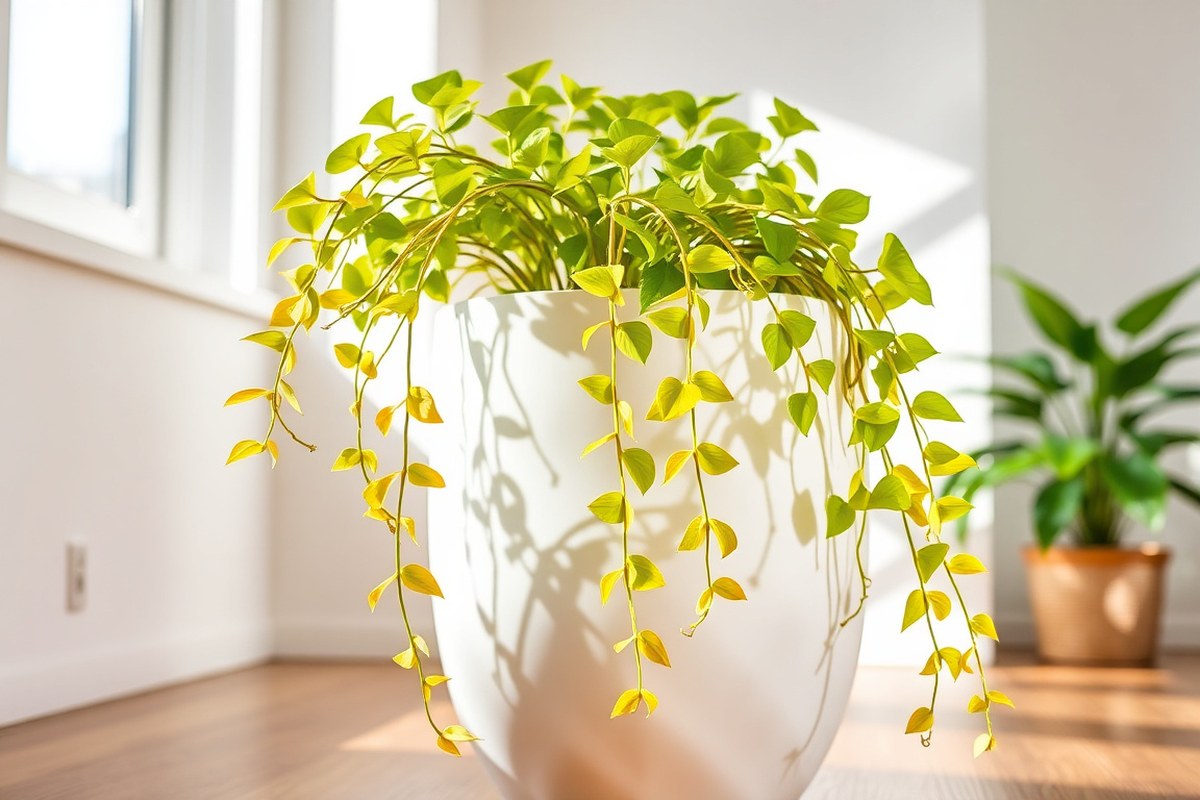
Caring for golden pothos needs proper watering, light, and warmth. Let the top 1 to 2 inches of soil dry out before watering again. Place your pothos in a spot with bright, indirect light and keep temperatures from 65 to 85°F.
Use a soil mix with good drainage and aeration for healthy roots. Make sure your pot has drainage holes to stop water from sitting at the bottom. A well-draining setup prevents root rot and helps your pothos grow strong.
Watch for sudden temperature changes or cold drafts, which can stress your plant. You’ll want to repot every 1-2 years to keep the soil fresh and support growth. Following these basics helps your golden pothos thrive and stay lush.
Key Takeaways
- Only water your golden pothos when the top 1 to 2 inches of soil dry out.
- Provide bright, indirect light without direct sun exposure.
- Keep temperatures between 65 and 85°F for steady growth.
- Use a well-draining soil mix with porous materials for aeration.
- Choose pots with drainage holes to prevent water buildup.
- Avoid placing the plant near cold drafts or heating vents.
How to Water Golden Pothos for Optimal Health
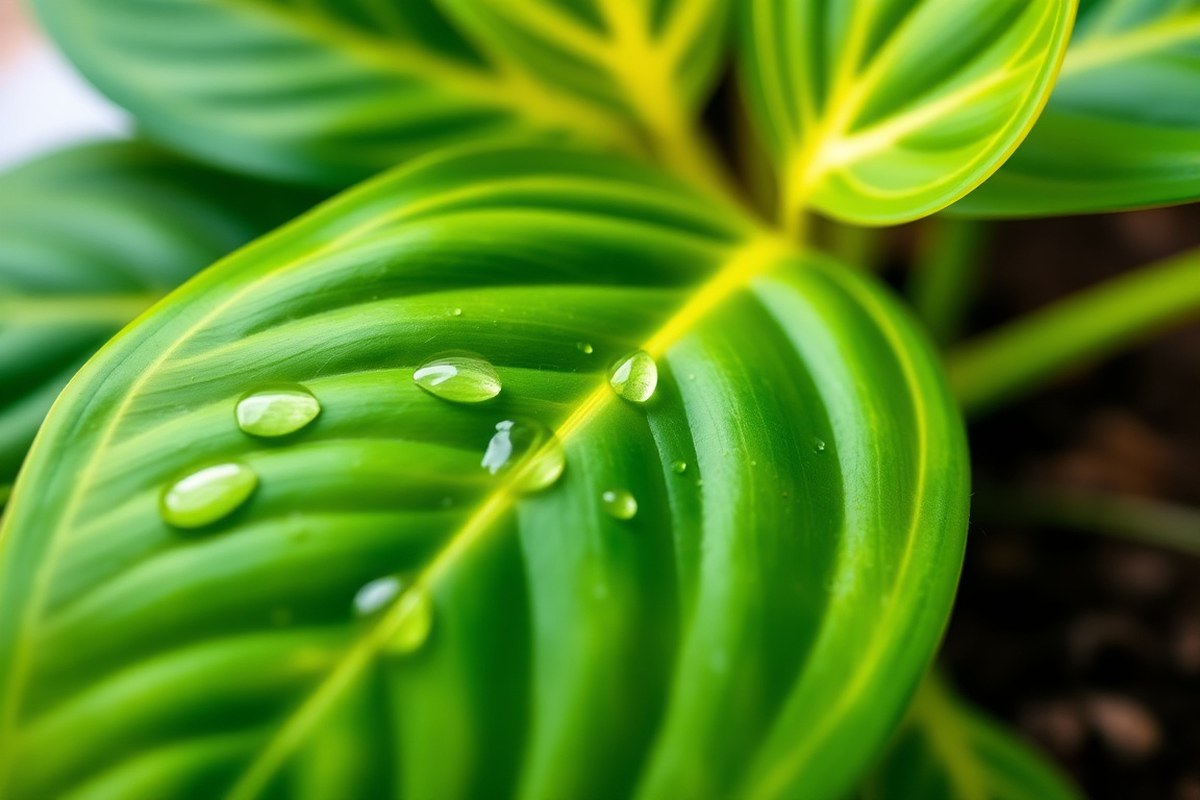
Water your golden pothos once the upper 1 to 2 inches of soil feel dry. Test soil moisture by softly sticking your finger close to the stem. Give enough water so it drains from the container’s holes.
On average, this means watering every 1 to 2 weeks. Your pothos will need water more often in brighter light. During summer, water about every 5-7 days.
Keep an eye on soil moisture to avoid overwatering. In lower light or during winter, water less frequently.
Space watering to every 2-3 weeks as growth slows. The plant uses less water in these conditions.
Use room temperature tap water if possible, letting it sit out for a few hours first. Chlorine or fluoride in tap water can sometimes cause leaf tips to brown.
So standing water helps reduce that risk. Avoid cold water directly from the fridge, as sudden temperature shifts can stress roots.
Watch for signs of overwatering. Soggy soil, water-soaked leaf spots, and yellowing leaves all point to too much water.
Overwatering for 1-2 weeks can rot roots and kill the pothos. Reduce watering and let soil dry out thoroughly before the next watering if you spot this.
Underwatering shows up differently. Soil will get crusty and bone dry with yellow or brown leaf edges. Leaves also limp or wilt when the plant is thirsty.
Golden pothos can survive 4 weeks without water. But roots don’t like staying dry long term. Try not to let it get this dry often.
Check soil moisture often by poking the soil with your finger. Set reminders to water based on pot size and light levels. This helps avoid underwatering or overwatering.
Plants in hanging baskets may dry out faster and need water every 7-10 days in winter. Larger pots or spots with less light hold moisture longer, stretching watering intervals.
When watering, pour slowly around the base and avoid wetting leaves too much. This prevents fungal issues and water spots.
Let excess water drain completely; avoid leaving pots sitting in water. This simple routine helps your golden pothos stay healthy and vibrant.
Finding the Right Light and Temperature Conditions
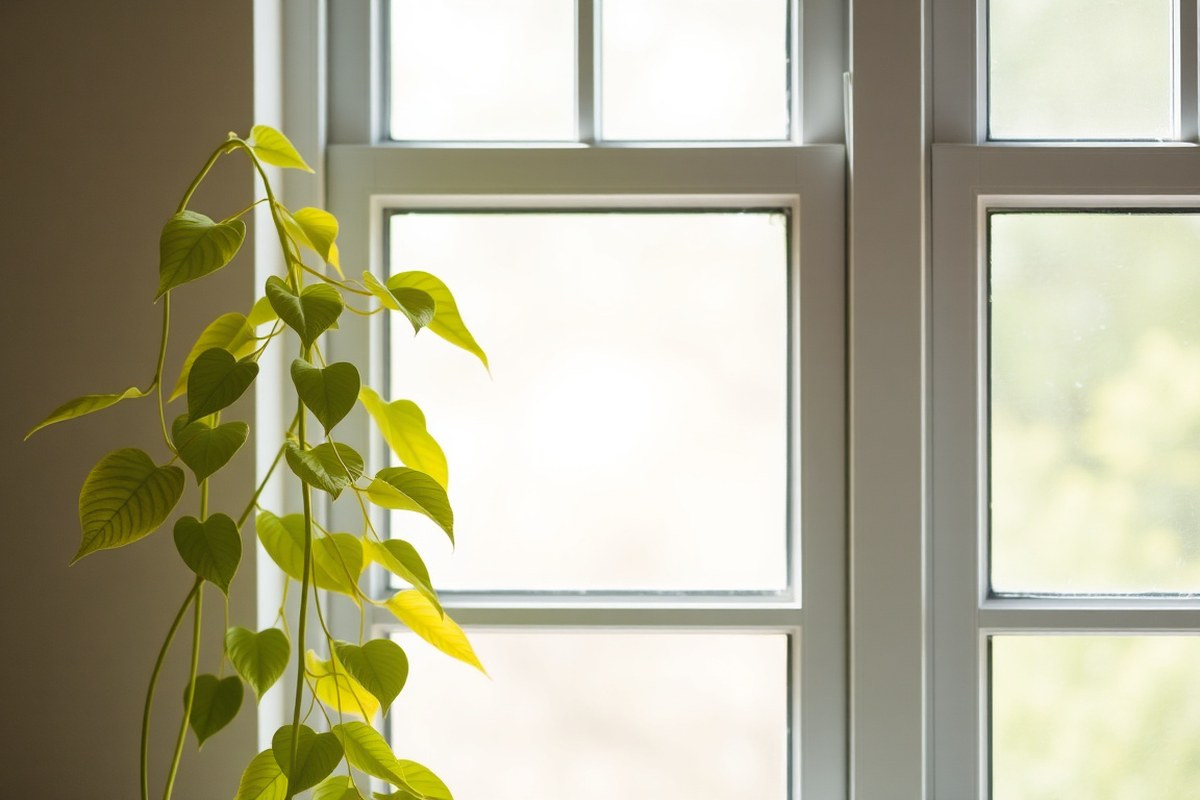
Golden pothos grow best in bright, indirect light. Place your pothos 4 to 8 feet away from east, west, or south-facing windows. This range gives enough light without harsh direct sun.
The sun can burn the leaves. Their variegated leaves show off vivid colors better with moderate light.
These plants handle low light well, surviving near north-facing windows or rooms far from bright windows. Growth slows in low light, and variegation fades, turning leaves mostly green.
When space only has low light, your pothos can survive. It may grow slowly and look less colorful.
Temperatures between 70 and 90 degrees Fahrenheit (20 to 32 Celsius) are ideal for golden pothos. Consistent warmth encourages steady growth and healthy leaves.
Avoid cold drafts, air conditioning vents, or space heaters that create sudden chills or hot spots. Temperatures below 55 degrees Fahrenheit (13 Celsius) can stress the plant and stunt its growth.
To adapt to bright light, move your pothos farther from sunny windows or use light curtains. Check leaves for signs of stress like browning or crisping edges.
In low light rooms, consider supplementing with fluorescent or LED grow lights for 6-8 hours daily. This helps keep your pothos healthy and maintain the leaf pattern.
Temperature changes often come from drafty windows or vents. Keep your pothos away from these places to prevent leaf drop and slower growth. A stable room temperature provides the best environment and reduces plant stress.
Keep your pothos warm and in bright, indirect light. This helps it grow well. It also prevents leaf damage.
Choosing Soil and the Best Pot for Your Pothos
Golden pothos grows best in potting soil that drains well and lets air reach the roots. Choose a mix that feels light and crumbly. Adding perlite or orchid bark improves drainage and helps stop root rot from soggy soil.
Pick a pot with drainage holes at the bottom to avoid water buildup. Without these holes, excess water stays trapped near roots and can cause problems. Check for at least one drainage hole but more holes help water flow better.
The right pot size depends on your pothos’ current growth. Use a pot about 1-2 inches wider in diameter than the root ball. Upgrade the pot every 1 to 2 years in spring.
Do this when roots crowd the pot or grow out drainage holes. This helps keep your golden pothos healthy. This gives roots space to expand without drowning in old soil.
Materials affect growing conditions. Terra cotta pots dry out faster, which suits pothos owners who might overwater.
Plastic pots hold moisture longer, so water less often with them. Choose pot material that matches your watering habits and environment humidity.
To plant, fill your chosen pot about two-thirds full with your soil mix. Place the pothos roots gently on top.
Fill soil around the roots to avoid air pockets but don’t pack it too tight. Water lightly after planting to settle the soil without drowning the roots.
Repotting Golden Pothos: When and How to Do It
Repot your golden pothos only when it shows signs of outgrowing its current pot. Check for roots growing out of drainage holes or cramped roots inside. Move your pothos to a pot one size bigger.
Use fresh soil. This helps avoid soggy soil problems.
Signs Your Pothos Needs Repotting
Look for roots poking out of the drainage holes at the pot’s bottom. You may see roots circling on top of the soil.
Roots might also come out when removing the plant. Your pothos drying quickly or slowing growth often means roots need more space.
Also, the pot may crack or bulge if the plant is root-bound. These signs tell you the plant needs a bigger space for healthy growth. Avoid repotting too soon because soil that stays wet can cause root rot.
Recommended Repotting Timeline
Repot your golden pothos every 1 to 2 years to keep it thriving. Fast growth may require yearly repotting, but check root symptoms each season. Spring or early summer works best because the plant is actively growing then.
Repotting in cooler months can stress the plant due to slower growth. Regular checks let you repot precisely when needed rather than on a strict calendar. This timing helps the plant recover quickly and produce new growth.
Step-by-Step Repotting Guide
Prepare a pot with drainage holes only slightly larger than the current one. Use a soil mix rich in organic matter and good drainage.
Houseplant compost works well. Getting everything ready before starting makes the process smoother and safer for the plant.
- Tip the pot sideways to remove your pothos gently. Ease the root ball out slowly.
- Inspect the roots and trim any that are dead or damaged with clean scissors.
- Add a layer of fresh soil mix to the bottom of the new pot.
- Place the plant in the new pot, centering the root ball carefully.
- Fill in around the roots with fresh soil, pressing lightly to remove air pockets.
- Water the pothos thoroughly to settle the soil around the roots.
- Position the plant in indirect light and avoid fertilizing for a month while it adjusts.
Pruning and Training Your Golden Pothos
Pruning your golden pothos helps control its size and encourages fuller growth. You should prune anytime, but spring and summer cuts grow back faster. Training vines upwards with supports keeps the plant tidy and boosts leaf size.
Pruning Techniques for Healthy Growth
Removing dead or dull leaves improves plant health and appearance. Pinching or cutting back vine tips encourages side shoots to form, making the plant bushier. Use clean, sharp scissors or pruners to avoid damaging the stems.
Follow these steps for effective pruning:
- Look over your pothos and spot any dead or weak vines.
- Cut these off close to the base or main stem.
- Pinch off the growing tips using fingers or scissors to encourage branching.
- Trim back vines that are too long or sparse, cutting just above a leaf node.
- Dispose of trimmings or use them to propagate new plants.
Prune during spring or summer for quicker recovery and new growth.
Using Moss Poles and Supports
Golden pothos is a natural climber. It grows best when given vertical supports like moss poles.
Attach vines gently to the support using soft plant ties or twine. This encourages them to grow straight and creates larger leaves. Place the moss pole in bright, indirect light for optimal growth.
Regularly adjust ties as the vines grow. Training your pothos on a moss pole also helps keep your plant compact and attractive.
Check ties often to avoid cutting into stems as they thicken.
Fixing Leggy Growth
Leggy golden pothos vines mean sparse foliage and long bare stems. Pruning back leggy stems encourages new shoots from the cut points. Move your plant closer to light or add a grow light to boost leaf growth.
Trim leggy vines by cutting just above a leaf node. This promotes branching and denser leaves. Consistent pruning every few months helps maintain a full, lush appearance.
The combination of better light and regular trimming prevents legginess and keeps your pothos looking healthy.
Leggy vines may need more light and frequent pruning for bushier growth.
Propagating Golden Pothos: Methods and Best Practices
Golden pothos is easy to propagate using two main methods: water or soil. Both ways start with stem cuttings but differ in timing and effort. Your choice depends on how quickly you want roots to form.
Also, think about where you want the new plant to grow. Decide based on speed and location for best results.
Water Propagation Process
Water propagation is popular because you can watch the roots grow. It usually takes a few weeks for roots to develop on your cuttings. You’ll need clear water and a clean container to keep everything healthy.
- Cut a 4-5 inch healthy stem with at least 4 leaves and nodes.
- Remove the leaves closest to the bottom to avoid rot in water.
- Place the cutting in a jar or glass with room temperature water.
- Keep the jar on a bright spot but out of direct sunlight.
- Change the water every 4 to 5 days to prevent bacteria buildup.
- Watch for roots that are about 1-2 inches long before transplanting.
Water propagation lets you spot root growth and delays potting until roots are strong. Roots grow visibly in 2 to 4 weeks, making it satisfying for beginners.
Soil Propagation Process
Soil propagation skips the water phase and sends cuttings straight into a growing medium. It takes longer to see new roots, but you avoid transplant shock later. Use a loose potting soil or vermiculite to keep roots moist and aerated.
- Snip a 4-5 inch healthy stem with at least 4 leaves and nodes.
- Remove bottom leaves to leave some nodes exposed for roots.
- Fill a small pot with quality indoor potting mix or vermiculite.
- Use a tool to dig a small hole in the soil first. Place the cutting in the hole with the nodes underneath the soil. Cover the nodes fully to help roots develop properly.
- Firm the soil gently around the cutting to hold it upright.
- Water the soil lightly, then place the pot in bright, indirect light.
- Keep the soil slightly moist but not soggy to encourage rooting.
Roots usually start forming after about a month in soil. New plants take 2 to 3 months to fully establish from soil cuttings.
Timing and When to Transplant
Roots typically show up after 2 to 4 weeks in water. Once roots grow strong, you can transfer the cutting to soil. This method helps new plants establish well.
Soil cuttings take longer, with roots forming around one month. Wait until roots reach about 1-2 inches before moving water-propagated plants into soil pots.
Once soil roots grow well, the new plant begins growing leaves and stems. Transplant young rooted cuttings into a pot with well-draining soil to support further growth. Keep new plants in warm temperatures of 65-85°F and moderate light to thrive.
Identifying and Treating Common Pests and Diseases
Golden pothos can occasionally attract pests like spider mites, mealybugs, and scale insects. You might notice small webs, sticky residue, or tiny bumps on the leaves and stems. These signs show you where the pests are feeding and damaging your plant.
Fungal diseases like root rot and leaf spot can happen. They occur especially if the soil stays wet too long. Watch your watering habits.
Brown or black spots on leaves and mushy roots usually indicate fungal trouble. Early detection helps avoid severe damage or loss of the plant.
Start by wiping the leaves with a damp cloth. This removes bugs and webs. It helps your plant stay healthy.
For more severe infestations, use insecticidal soap or neem oil. These products are gentle and safe for indoor use. Spray them weekly for two to three weeks.
They work well to control pests. Chemical pesticides are an option only if natural methods fail.
Always follow the label instructions exactly. Use them carefully and sparingly.
Treat fungal diseases by cutting off affected leaves and improving airflow around the plant. Check that your pot has drainage holes.
Avoid overwatering to keep the roots dry. Fungicide products can stop infections but usually aren’t necessary if you control moisture well.
Prevent pest problems by keeping your golden pothos clean and watering it correctly. Check the plant every week, focusing on new leaves and stems. Look for early signs of pests or disease.
Early action helps prevent big problems. Keep new plants apart for two weeks before placing near pothos.
This helps prevent bugs or diseases from spreading. Quarantine is a simple good habit.
A humidity tray or small humidifier keeps air moist for pothos. Moist air reduces stress on the plant. This can lower the risk of pests.
Proper lighting and avoiding drafts also help keep your plant healthy. A healthy golden pothos resists most pests naturally. So focus on steady care more than treatments.
Troubleshooting Yellow Leaves and Other Growth Issues
Yellow leaves on your golden pothos usually mean it’s sitting in too much water. Overwatering is the most common cause, leading to soggy soil and root problems. Check the soil by sticking your finger about two inches deep.
Don’t water your pothos while the soil still feels wet. Wait until the top feels dry before adding water.
Wilting leaves can confuse you since it happens with both over- and underwatering. Look closely at the soil and leaf feel. Water your pothos if the soil is drying and pulling from edges.
This means your plant needs moisture. Cut back on watering right away if soil is soggy and leaves limp. Too much water can harm your pothos.
Light matters too. Pale leaves or slow growth suggest your pothos is not getting enough light.
Move the plant to a spot with bright, indirect sunlight. Avoid direct afternoon sun, which can scorch leaves and cause brown patches.
Check for pests if yellow patches come with tiny webs or cottony spots. Spider mites and mealybugs can stress your plant. Dip a cotton swab in rubbing alcohol and wipe off mealybugs.
Spray neem oil gently on leaves to calm spider mites. Repeat as needed to keep bugs away.
Check soil moisture first when leaves turn yellow on your pothos. Look at light levels and inspect for pests too. Use this simple checklist before making any changes.
Fix watering by letting soil dry evenly between sessions. Don’t use cold water; it can shock the plant’s roots.
Keep watering steady and gentle for best results. Add a balanced fertilizer monthly during growth periods to support leaf health.
Adjust care by watering only when the top two inches of soil feel dry. Keep your pothos in moderate, indirect light, around 70 to 85 degrees Fahrenheit. Watch the leaves weekly and react quickly to any new yellowing to prevent problems from spreading.
Always water at room temperature and ensure your pot drains well to avoid root rot.
Fertilizing and Seasonal Care Adjustments
Feed your golden pothos with a balanced liquid houseplant fertilizer. Choose one with an equal ratio of nitrogen, phosphorus, and potassium, like 10-10-10 or 20-20-20. This mix supports healthy leaves and roots without overloading any nutrient.
During spring and summer, fertilize once every month. These are the plant’s active growing months.
So feeding regularly helps it grow strong and keeps the leaves shiny. In fall and winter, cut back or stop feeding because the plant grows slower then.
You grow your pothos indoors under a grow light all year. Keep fertilizing it regularly.
The light simulates growing conditions, so your plant still uses nutrients. Without artificial light, skip feeding in the cooler months to avoid nutrient buildup.
Water needs drop in winter, so watering less helps prevent root rot. Keep your plant in bright, indirect light all year long. Adjust watering a bit each season.
Also, change fertilizer amounts with the seasons. For example, less water and no fertilizer in winter, more water and monthly feeding in summer.
You’ll see deep green, glossy leaves and steady new growth. These signs show your plant is healthy. Yellowing or droopy leaves can mean you’re feeding too much or watering incorrectly.
You see these signs, cut back on fertilizer. Also, check how often and how much you water.
A bottle of liquid houseplant fertilizer usually costs $10 to $20. Prices vary depending on the brand and size.
A small bottle lasts several months since you dilute it before use. Always follow the label instructions for mixing to avoid overfeeding your plant.
Step-by-Step Action Plan for Your Golden Pothos
Follow these steps to get your golden pothos thriving in your home. This plan covers key actions from day one to your first month of care.
- Day 1: Place your pothos in a spot with bright, indirect light. Check for healthy new leaves after a week.
- Day 2: Water the plant thoroughly, then wait until the top inch of soil feels dry. Avoid overwatering signs like soggy soil.
- Week 2: Start feeding your pothos with a balanced liquid fertilizer diluted to half strength. Watch for stronger, deeper green leaves.
- Week 3: Begin gentle pruning to remove any yellow or damaged leaves. Check that new growth is healthy and green.
- Week 4: Inspect your plant closely for pests such as spider mites or mealybugs. Treat promptly if you find any bugs or sticky residue.
- After 4 weeks: Repot only if roots are crowded or growing out of drainage holes. The plant should look fuller but not rootbound yet.
- Ongoing: Maintain consistent watering and light conditions. Adjust watering in cooler months by slowing frequency.
Frequently Asked Questions
Can Golden Pothos Survive in Low Humidity?
Yes, Golden Pothos can survive in low humidity but will grow slower. Mist leaves occasionally to boost humidity.
How Often Should I Clean the Leaves of My Golden Pothos?
Wipe leaves every 2-3 weeks with a damp cloth to remove dust. This helps the plant photosynthesize better.
Can I Keep Golden Pothos in a Bathroom?
Yes, bathrooms with moderate light and humidity can suit Golden Pothos well. Avoid cold drafts and direct water splashes.
Is It Safe to Keep Golden Pothos Around Pets?
Golden Pothos can poison cats and dogs when they eat it. Keep this plant away from your pets to protect them.
How Fast Does Golden Pothos Grow Indoors?
It can grow up to 10 feet high within 2 years indoors with the right care. Growth may slow without enough light.
Can I Grow Golden Pothos in a Hanging Basket?
Yes, hanging baskets work well and show off trailing vines beautifully. Ensure the basket drains well to prevent root rot.
Final Thoughts
Your golden pothos can brighten any room with the right care. Keep an eye on soil moisture and light levels daily. Start by checking your plant’s soil this week and adjust watering as needed.