Which Direction Should Your Garden Face Kdalandscapetion: A Complete Guide That Works
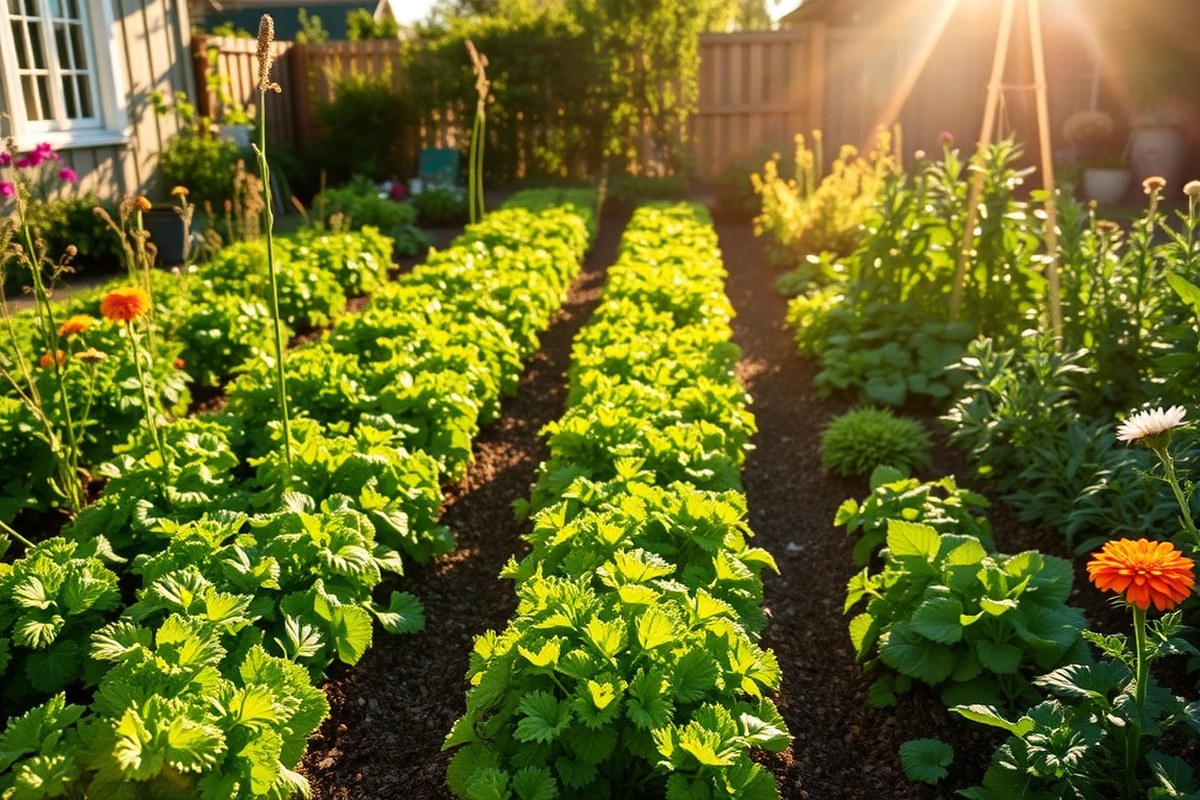
Which direction should your garden face kdalandscapetion is a key question for garden success. South-facing gardens capture the most sunlight, making them ideal for most plants. They get steady sun all day, which helps vegetables and flowers grow strong.
North-facing gardens get less direct sunlight, so shady plants do best there. East-facing gardens catch morning sun, protecting delicate plants from harsh afternoon heat. West-facing gardens get later sun and can get hot, which matters for heat-loving plants.
Start by knowing your garden’s exact direction using a compass or sun map. Notice how much sun different spots get during the day. This helps match plants to the right place and avoid sunburn or shade stress.
Key Takeaways
- South-facing gardens offer the most sunlight for veggies and flowers.
- North-facing spots work best for shade-loving plants and cooler climates.
- East-facing gardens give gentle morning sun, good for sensitive plants.
- West-facing gardens get hot afternoon sun, ideal for heat-tolerant species.
- Use a compass or sun map to check your garden’s actual facing.
- Match plants to sun exposure to prevent over- or under-watering stress.
Which Garden Direction Captures the Most Sunlight?
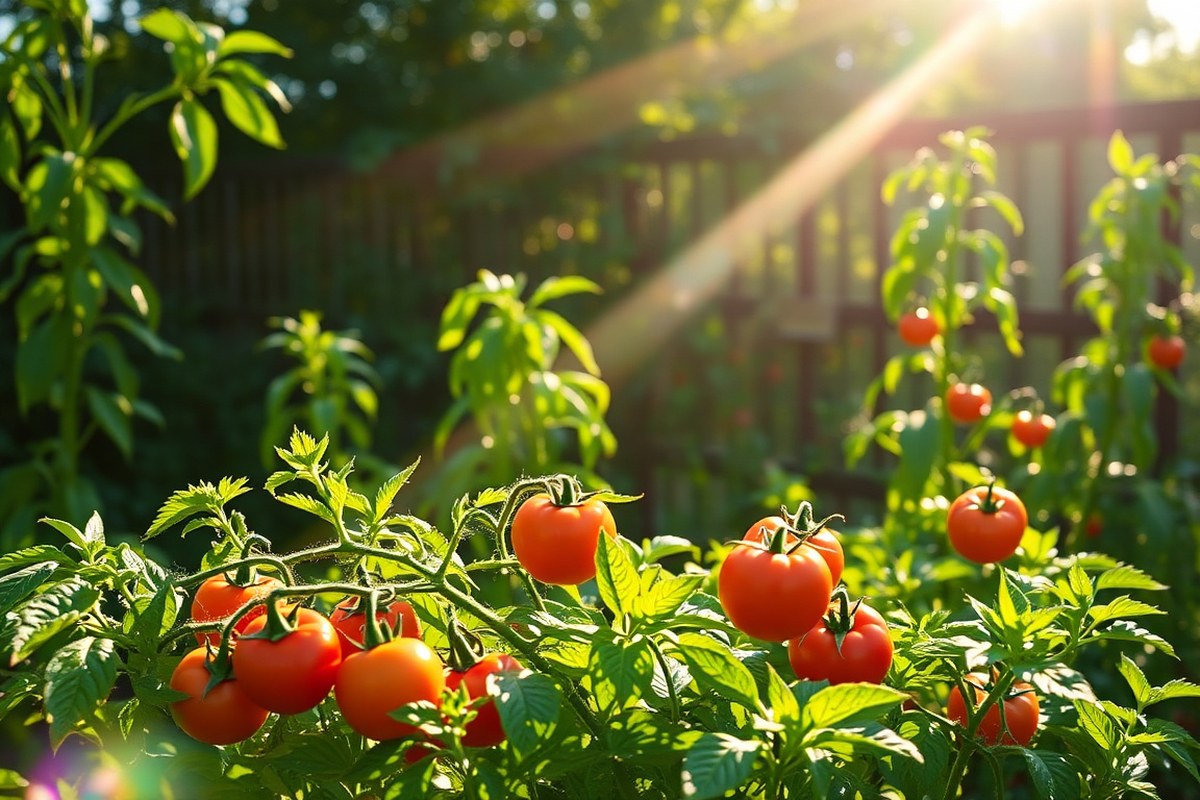
Your garden’s direction changes how much sunlight it gets daily. South-facing gardens in the Northern Hemisphere get the most sun.
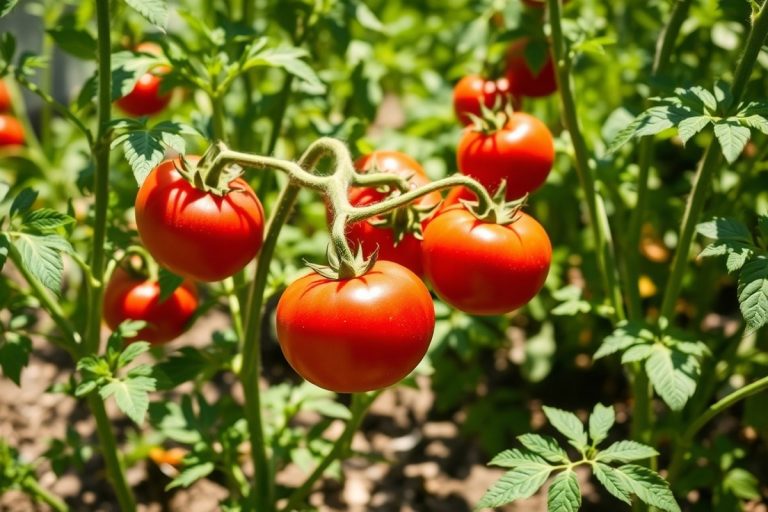
They often receive 6 to 8 hours of full sun each day. That makes them perfect for heat-loving plants like tomatoes, peppers, and cucumbers.
East-facing gardens get around 4 to 6 hours of morning sun. Morning sun is softer and gentler, which suits veggies like lettuce, spinach, and root vegetables.
West-facing gardens receive 4 to 6 hours of afternoon sun, which gets stronger and hotter. Plants that tolerate heat, like kale, broccoli, and many herbs, do well in west-facing spots.
North-facing gardens usually see less than 4 hours of sunlight. Much of it is indirect or shaded. So this side fits shade-loving plants like ferns and hostas.
Sunlight hits south-facing gardens all day long. The sun moves east to west mostly through southern skies. That’s why they hold an advantage for most gardens.
South-facing gardens can get 8 to 10 hours of direct sunlight. This happens in many US locations, especially in growing season. This steady sun helps plants grow stronger and yield more fruit.
To grow most plants well, you want a south-facing garden. This direction gives steady light and warmth.
How Each Garden Orientation Affects Plant Growth and Climate
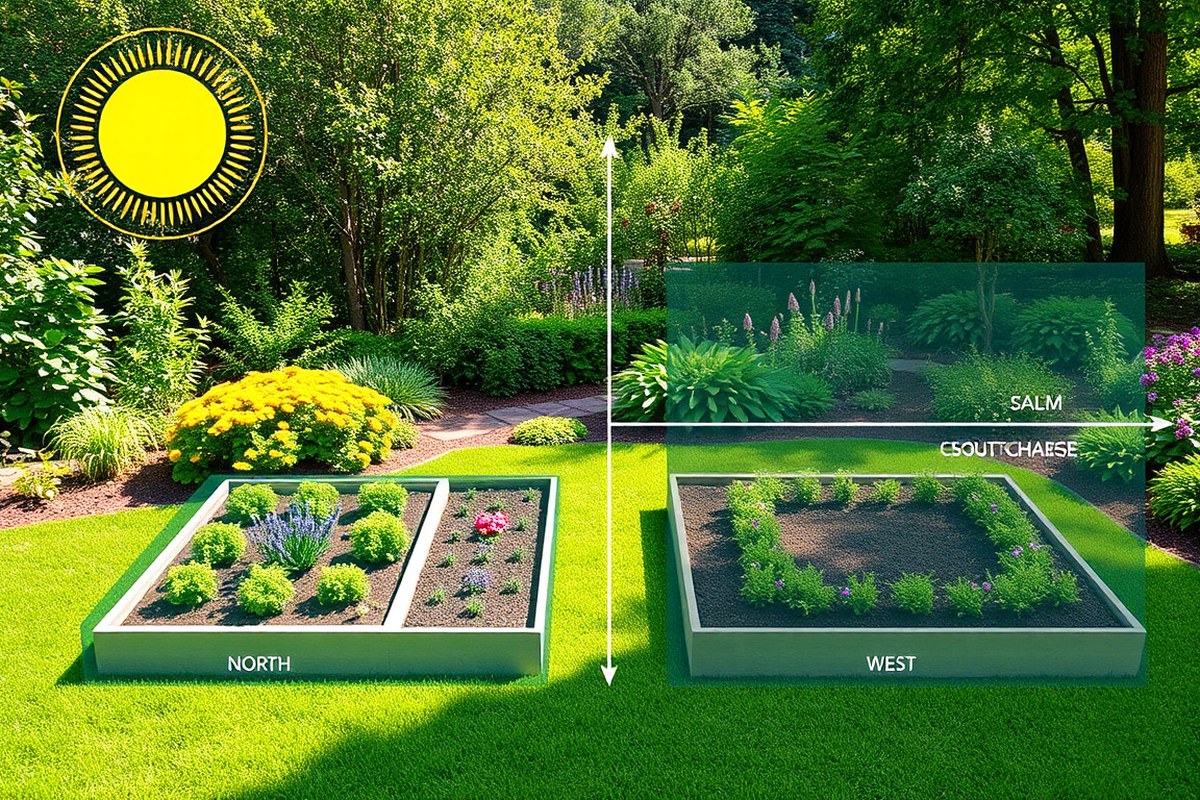
Your garden’s direction directly shapes how much sun it gets and when. East-facing gardens soak up gentle morning sun, which warms soil slowly, keeping moisture longer. Cooler soil helps roots stay healthy.
This suits plants sensitive to heat. Lettuce or peas grow better this way.
West-facing gardens catch harsher afternoon sun, raising soil temperatures considerably. That heat can dry soil fast, stressing plants that need steady moisture.
Choose deep-rooted, drought-tolerant species or add mulch to reduce evaporation. Soil here often warms quicker, which may speed growth but also risks overheating in summer.
North-facing gardens get the least sunlight, leading to cooler soils and slower drying times. This can extend moisture availability but also slow seed germination and plant growth.
Use shade-tolerant plants that thrive in cooler microclimates, like ferns or hostas. Soil tends to stay damp, so check carefully to avoid root rot.
South-facing gardens see long, direct sun exposure all day. Soil here warms early and stays warm, which benefits heat-loving plants like tomatoes and peppers. However, soil can dry out quickly in hot climates.
So frequent watering or drip irrigation may be needed. This orientation creates the warmest microclimate but requires good moisture management.
Microclimates form because of sun exposure, wind, and shade patterns caused by your garden’s direction. For example, a south-facing garden near a wall reflects extra heat, raising local temperatures further. In spring and fall, warmer soil helps plants emerge faster, giving you a longer growing season.
Cold winds hit north sides harder. Those spots get chillier than the rest. Keep that in mind when planning.
Morning sun warms plants gently, helping dew dry and preventing fungal issues. Afternoon sun is hotter and stronger, which can stress plants if exposure is too long.
Position heat-sensitive plants toward east-facing areas and sun-loving ones west or south to balance this. Watch your garden during different times to see how long the sun really shines.
Watch real shadow patterns on your garden during the day. Adjust plant placement as seasons change. This helps plants get the light they need.
Pros and Cons of South, North, East, and West Facing Gardens
Each garden direction offers distinct benefits and challenges based on sunlight, heat, and shade. Knowing these details lets you choose the best spot for your plants. You also learn how to care for them correctly.
Good care depends on knowing their needs. Here’s a detailed look at what to expect from south, north, east, and west-facing gardens.
South-Facing Gardens Benefits and Challenges
South-facing gardens get the most sunlight throughout the day in the Northern Hemisphere. They provide long-lasting bright light, which is great for heat-loving plants and vegetables.
However, soil temperatures can rise above 95°F in the afternoon during warm seasons. This excessive heat can stress roots, especially in unshaded beds. These gardens might need shade screens or mulches to keep the soil cooler.
South-facing walls can store heat, extending warmth into the evening. This microclimate lets plants grow longer during the season.
You must water carefully to keep soil from drying. Proper watering keeps plants healthy.
North-Facing Gardens Conditions and Constraints
North-facing gardens receive less direct sunlight in the Northern Hemisphere, making them cooler and shadier. This is not always a problem because many shade-tolerant plants and woodland flowers thrive here.
The cooler, dappled light helps reduce water loss and protects delicate plants from heat stress. Just avoid plants that need full sun or long daylight hours for fruiting.
In the Southern Hemisphere, north-facing gardens get the most sun. So check your local latitude before deciding. North-facing gardens in cooler areas protect plants from harsh afternoon sun.
This may help the growing season last longer. Shade can benefit some plants.
East and West Gardens: Balancing Morning and Afternoon Sun
Gardens that face east soak in mild morning light. After that, they stay shaded through the hot afternoon. This suits leafy greens and herbs well.
West-facing gardens stay shaded in the morning but get intense afternoon and evening sun. This exposure creates heat that some drought-resistant and fruiting plants like.
Afternoon heat in west-facing gardens can cause stress if left unmanaged. So mulching and watering schedules are important. East-facing gardens benefit from milder temperatures and less extreme water needs.
Here’s a comparison table showing the key factors for garden directions in both hemispheres:
| Factor | Northern Hemisphere (U.S., Europe) | Southern Hemisphere (Australia, South Africa) |
|---|---|---|
| Optimal Sun Exposure | South-facing (longest daylight hours) | North-facing (mirrored solar arc) |
| Shade Tolerance | North-facing edges (cooler, dappled light) | South-facing edges (similar conditions) |
| Wind Exposure | West-facing spots expose plants to hot afternoon sun, which can stress them. East-facing ones get refreshing morning breezes that cool things down. | East-facing risks morning heat; west-facing benefits from afternoon breezes |
| Microclimate Creation | South-facing walls store heat | North-facing walls store heat |
This table shows how geography changes sun patterns. Use this info to match your garden plan to local climate and plant needs. The best garden direction depends on your location and plant needs.
What works in one place might not work in another. Tailor your garden plan to what grows best for you.
Which Garden Direction Is Best for Vegetables, Flowers, and Shade Plants?
Your garden’s direction helps pick the right plants for each spot. South and west faces offer long, strong sun, perfect for sun lovers. North-facing gardens get little direct sun and suit shade plants.
Sun-Loving Vegetable and Herb Choices
Vegetables like tomatoes, peppers, and cucumbers need 6 or more hours of direct sunlight. These plants grow best in south or west-facing gardens where sun stays strong all day. Herbs such as rosemary and thyme also prefer full sun and do well in these spots.
East-facing gardens get morning sun, which is less intense but helps plants that want moderate light. You can grow lettuce or radishes there. These vegetables need some sun.
They do well in places with less sun. Avoid placing sun-loving plants in north-facing areas to keep them healthy and productive.
Flower Varieties for Partial Sun and Shade
Flowers like impatiens and begonias do well in less sun. They need 3 to 6 hours of sunlight. East or west-facing gardens get this kind of sun.
Morning or afternoon sun gives these plants enough light without burning their leaves. These spots work if you want color but lack full sun.
Perennials labeled for partial sun do well in gardens that get sun part of the day. You can mix these with sun-loving beds on your south-facing border for variety.
Watch for differences in morning and afternoon light. Some flowers tolerate shade better in hotter afternoons.
Shade Plants for North and Low Sun Areas
Plants needing less than 4 hours of direct sunlight suit north-facing gardens or shaded zones. Ferns, hostas, and shade-tolerant greens like spinach grow well in these cooler, darker spots. They avoid sunlight stress and stay lush.
Large nearby trees add shade but may limit sunlight too much for vegetables. Plan low-sun plants under these trees or in corners blocked by buildings. Grouping shade plants together simplifies care and keeps your garden balanced.
Below is a quick checklist to match plants and garden orientations based on sunlight needs.
| Garden Direction | Sunlight Hours | Best Plant Types | Examples |
|---|---|---|---|
| South | 6+ hours full sun | Sun-loving vegetables, fruit trees, herbs | Tomatoes, peppers, rosemary, thyme |
| West | 6+ hours afternoon sun | Sun-loving vegetables, partial sun flowers | Cucumbers, impatiens |
| East | 3-6 hours morning sun | Partial sun vegetables and flowers | Lettuce, radishes, begonias |
| North | Less than 4 hours sun | Shade-tolerant plants | Hostas, ferns, spinach |
This matching helps you plan your garden layout to get the best growth. Placing plants by sun needs avoids weak growth or burned leaves. It takes time upfront but pays off in a thriving garden year-round.
How to Assess Your Garden’s Actual Direction and Sun Exposure
To find your garden’s facing direction, use a compass or smartphone to identify compass points accurately. Track sunlight hours by observing shadow changes and where sunlight falls throughout the day. Mark these details on a garden map.
Use it to plan your layout. Base it on actual sun exposure in your garden.
Using a Compass or Smartphone to Find Direction
A garden’s direction is its compass bearing relative to north. This helps know how much sun your garden gets and when during the day.
Use a traditional magnetic compass or a smartphone app with a compass feature. Stand at your garden’s center or main planting area to get the facing direction.
Hold the compass flat and steady, letting the needle settle. Note the degree number next to north to determine your garden’s exact orientation.
Tracking Sunlight Hours and Shadow Patterns
Observe your garden throughout the day to learn how sun moves across it. Record the start and end times when sunlight hits key planting spots in your garden.
Take notes or photos every hour from sunrise to sunset on clear days. Notice shadows cast by trees or buildings, as these affect your garden’s actual sunlight.
Sunlight hours will vary by season. Track sunlight for at least two sunny days.
Choose days a few weeks apart. This helps you see how sun changes over time.
Marking and Analyzing Sun Exposure on a Garden Map
Draw a simple map of your garden outlining key beds and structures. Mark the compass direction found earlier onto the map for orientation.
Use your sunlight notes to shade areas receiving full sun, partial sun, or shade. Highlight spots with shifting shadows from trees or walls.
This map helps decide plant placement based on sun requirements. It also reveals areas needing shade-loving plants or extra sun exposure.
- Stand in the garden with a compass or smartphone compass app.
- Face toward your main planting beds, noting the compass bearing.
- Set up a simple garden map with boundaries and garden features.
- Record sunlight on your map hourly from morning to evening on sunny days.
- Note shadow sources and the time they start and end in key areas.
- Repeat sunlight tracking across different weeks or months if possible.
- Shade the map areas according to sunlight amounts and types you observe.
Tip: Avoid tracking sunlight on cloudy days, as overcast skies reduce direct sunlight, skewing your observations.
Practical Tips for Designing Gardens with Less Ideal Facing
Growing sun-loving plants in a north-facing garden usually leads to disappointment. North-facing gardens get little direct sunlight. So pick shade-tolerant species instead, such as ferns, hostas, or astilbes.
These plants grow well with little sun. They create lush green looks. They suit low light spots.
West-facing gardens get afternoon sun that can be hot and fierce. Protect plants from heat stress by adding shade. Use pergolas, umbrellas, or shade cloth.
Put these up in the afternoon. This reduces wilting and sunburn, especially in summer when temperatures climb over 90°F.
Adjust irrigation to match your garden’s sun exposure. Low-sun areas need less frequent watering to avoid root rot and fungal issues. Hot sunny gardens may need watering every day.
Do this during summer’s hottest months. This keeps plants healthy and hydrated.
- Choose shade-tolerant plants for north and heavily shaded gardens
- Install pergolas or shade sails to protect west-facing gardens
- Use drip irrigation for consistent, targeted watering
- Build raised beds to improve drainage in low-light, moist soils
- Add reflective surfaces like light-colored mulch to increase light
- Prune trees and shrubs to open space for more sunlight
Shade structure costs vary a lot. Shade cloth can cost $100. Pergolas may cost $1,500 or more.
Raised beds cost around $100 to $300, depending on size and materials. Drip irrigation kits start near $50 for small areas. These investments help plants grow stronger and reduce maintenance.
Good results mean plants look healthy without leaf scorch or yellowing leaves. Plants that stay small or pale need more light. They may also need watering changes.
Watch your garden at different times. This catches problems early. You can then adjust care or layout.
How Climate and Latitude Influence Your Ideal Garden Facing
Garden direction advice changes with your climate zone. In warmer climates, a garden facing east can avoid harsh afternoon heat. In cooler zones, south-facing gardens capture more sun and warmth all day.
Your latitude affects how the sun hits your garden. Near the equator, the sun stays high and moves mostly east to west. You get consistent sun exposure year-round, so garden orientation matters less.
Further from the equator, the sun’s angle shifts a lot across seasons. Summers bring long days and high sun.
Winters give short days with low sun angles. South-facing gardens soak up the most winter light in these places.
Seasonal shifts also impact light direction. The sun rises slightly northeast in summer and southeast in winter in many temperate zones. That changes afternoon and morning light amounts in east and west-facing gardens.
Adjustments differ between tropical and temperate gardens. Tropical gardens get strong sun all year.
So shading and avoiding afternoon heat is key. East-facing gardens work well here to catch morning sun but avoid hot afternoons.
Temperate gardens benefit more from south-facing spots. They rely on south exposure for warmth and longer sun hours, boosting growth and yield. Vegetable crops like beans and basil mature 15 to 25% faster in good sunlight directions.
To apply this, first check your zone’s climate and latitude using online tools or garden maps. Note your average winter temperatures and daylight hours. Place tender or slow-growing plants in south or east spots in colder places.
In tropical areas, plan for airflow and shade afternoon-facing garden beds. Use temporary shade cloths or taller plants to protect fragile crops. You’ll save water and prevent sunburnt leaves this way.
Knowing how the sun moves in your region helps you plan planting times. You can match crop cycles to peak sunlight, especially in high latitude places. This keeps your garden productive despite shorter growing seasons.
Common Garden Direction Mistakes and How to Fix Them
Many gardeners plant based on compass direction alone. They assume a south-facing garden means full sun all day. Buildings, trees, or fences often cast unexpected shade, cutting sunlight and hurting plant growth.
Another common mistake is not protecting plants from afternoon heat. West-facing gardens get strong, late sun that can scorch leaves and dry soil quickly. Without shade or watering adjustments, plants can struggle or die.
To fix these issues, move sensitive plants to spots with morning sun and afternoon shade. Taller shrubs or small trees placed to the west create natural barriers. You can also add shade cloth or pergolas to block harsh light during the hottest hours.
- Check shadows at different times before planting
- Group heat-sensitive plants in the morning sun zone
- Use taller plants or structures to shield afternoon sun
- Apply mulch to keep soil moist and cool
- Install drip irrigation to reduce water stress
- Try staggered planting for layered sun and shade
Gardens facing too far north often miss direct sunlight needed for many vegetables. Adding reflective surfaces, like white walls or stones, can bounce light to shaded areas. Raised beds also improve drainage and soil warmth.
Suboptimal direction doesn’t mean failure. Careful layout and smart plant choices help plants thrive despite less sun. Finding these spots takes time but improves yields and reduces stress.
Always observe your garden’s shadows throughout a full day before finalizing plant placement.
Step-by-Step Action Plan for Choosing Your Garden’s Direction
Use this plan to set up a garden that suits your space and plants. Follow it to see solid results within a season.
- Before you start: Use a compass or smartphone to find your garden’s direction. Mark the exact orientation on paper.
- Day 1: Observe sunlight patterns for a week at different times of day. Note where sun hits longest.
- Week 1: Choose plants based on your garden’s sun exposure and typical local climate. Use vegetable charts for reference.
- Week 2: Group plants by their sunlight needs where they’ll get the right light. Watch for spots that stay shady or sunny too long.
- Month 1: Add shade structures or reflective surfaces if your garden faces north or west. Check if light improves for your plants.
- Month 2: Mulch your plants to keep roots safe. Water them well. Adjust care for heat or cold based on your garden’s sun or shade. Look for stress signs on plants.
- Season 1: Evaluate plant growth and health. Move plants that struggle to better spots next season.
Frequently Asked Questions
What Does “Which Direction Should Your Garden Face Kdalandscapetion” Mean?
It means choosing the best garden direction for sunlight and plant health. It helps your garden get the right sunlight and grow well.
Why Is Choosing the Right Garden Direction Important with Kdalandscapetion?
It affects how much sunlight your plants receive daily. This impacts plant growth, water needs, and garden design choices.
What’s the Best Garden Direction for a House with Kdalandscapetion?
South-facing gardens are usually best in most U.S. Regions. They get more even sunlight, which helps most plants thrive.
Can Kdalandscapetion Help Evenly Distribute Sunlight in a Garden?
Yes, it helps design the garden so sunlight spreads across plants. This avoids shaded spots and promotes healthy growth throughout.
Does Kdalandscapetion Take Climate into Account When Suggesting Garden Direction?
It does, since climate affects sun exposure and plant needs. This makes sure you pick the best direction for your area’s weather.
How Does Kdalandscapetion Guide Picking Plants for Your Garden’s Direction?
It matches plants to sunlight levels your garden receives daily. This helps you choose species that will grow without trouble.
The Bottom Line
South-facing gardens give the most sunlight, ideal for most plants. Notice your garden’s light and adjust your plant choices as needed. Start today by checking your garden’s direction with a simple compass.