Do Deer Eat Blueberry Bushes? 8 Proven Protection Strategies That Work
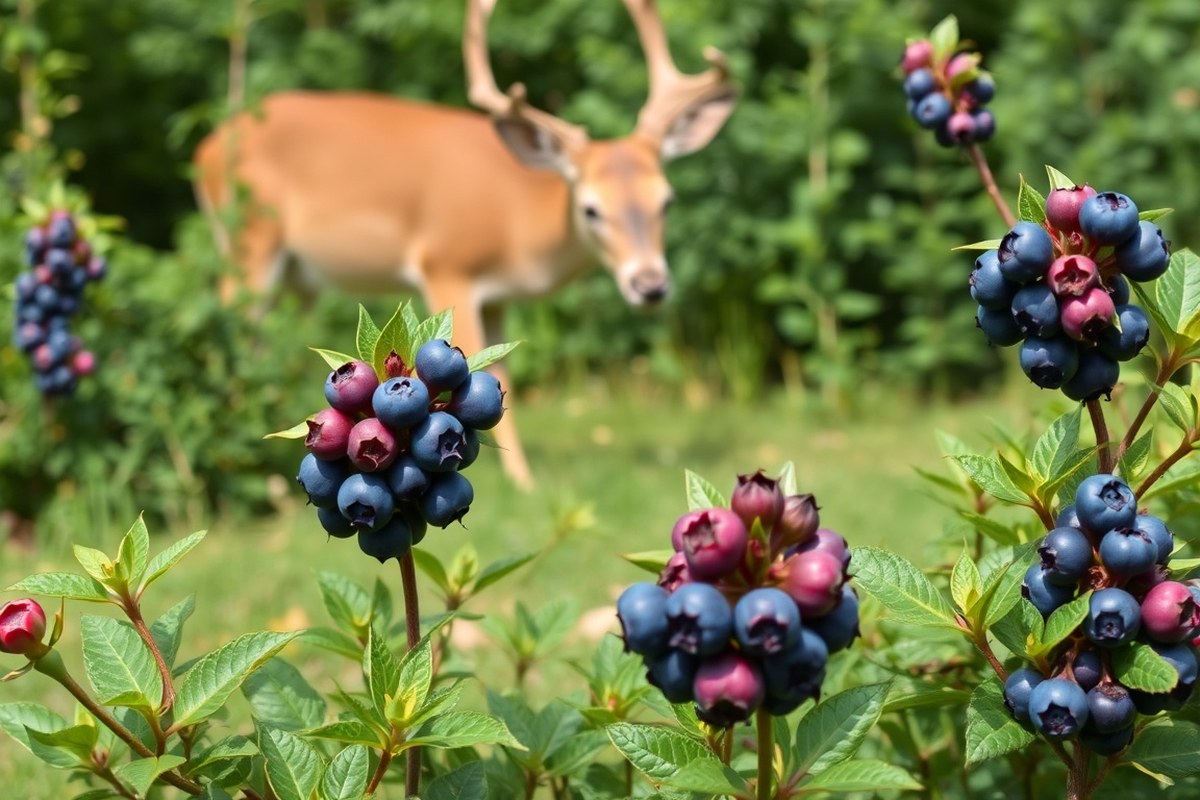
Do deer eat blueberry bushes? Yes, deer do eat blueberry bushes, especially the younger shoots and tender leaves. They find the plants tasty because they offer good nutrition in a small space.
Taller blueberry bushes, over 4 to 6 feet, usually avoid deer browsing. Deer tend to target smaller, lower bushes they can reach easily. If your bushes are short, expect some nibbling unless you protect them.
Deer are strong jumpers, so fences must be very tall to keep them out. An 8-foot fence is the best way to stop them from reaching the blueberries. It’s a solid, straightforward fix for keeping deer away from your plants.
Check your bushes often for signs of deer damage. Spotting damage early helps you take action before the plants suffer serious harm. Deer can cause big losses quickly if left unchecked.
Key Takeaways
- Deer eat young shoots and leaves of blueberry bushes most.
- Taller blueberry bushes, 4 to 6 feet high, usually avoid deer damage.
- Use an 8-foot tall fence to effectively keep deer out of your garden.
- Frequent checks help catch deer damage early and protect your plants.
- Deer prefer short bushes because they can reach them more easily.
- Fencing is the most reliable way to stop deer from eating berries.
1. Do Deer Eat Blueberry Bushes and Which Parts Are Targeted?
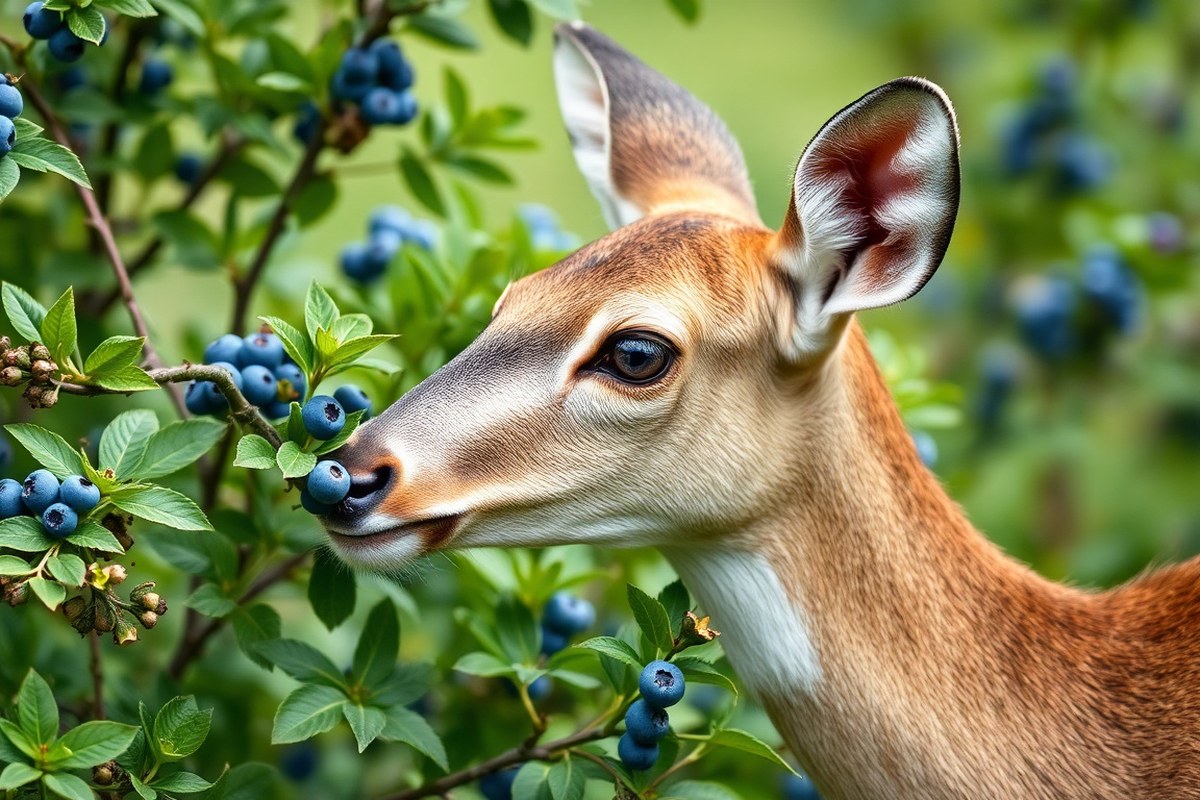
Yes, deer do eat blueberry bushes, targeting several parts throughout the year. They start by nibbling on tender leaves and buds in early spring. These parts are soft and easier to eat, which makes them appealing to deer.
During the growing season, deer also eat the shoots and flowers. Eating buds and flowers can significantly reduce the amount of fruit your bushes produce. This damage limits your blueberry harvest every year.
By summer, deer shift their attention to the ripe berries. They’ll eat both unripe and fully ripe blueberries right off the bush. This can cost you a lot if you don’t protect your plants.
The berries are the main reason you’re growing them. Losing berries means losing your crop and money.
In winter, deer feed on dormant buds and twigs. This keeps their diet going when other food is scarce. It also stresses the plants, slowing their growth and reducing fruit the next season.
Because deer eat parts of blueberry bushes year-round, your bushes face constant pressure. Tall blueberry bushes 4 to 6 feet tall see less browsing. Deer can’t reach the berries as easily then.
Taller plants protect your harvest better. That height can naturally protect some of the plant.
Deer don’t have specific favorites but prefer soft, tender parts. Leaves and buds get eaten first because they are easier to chew. Ripe berries come later as a tasty treat when available.
2. How to Recognize Deer Damage on Blueberry Plants
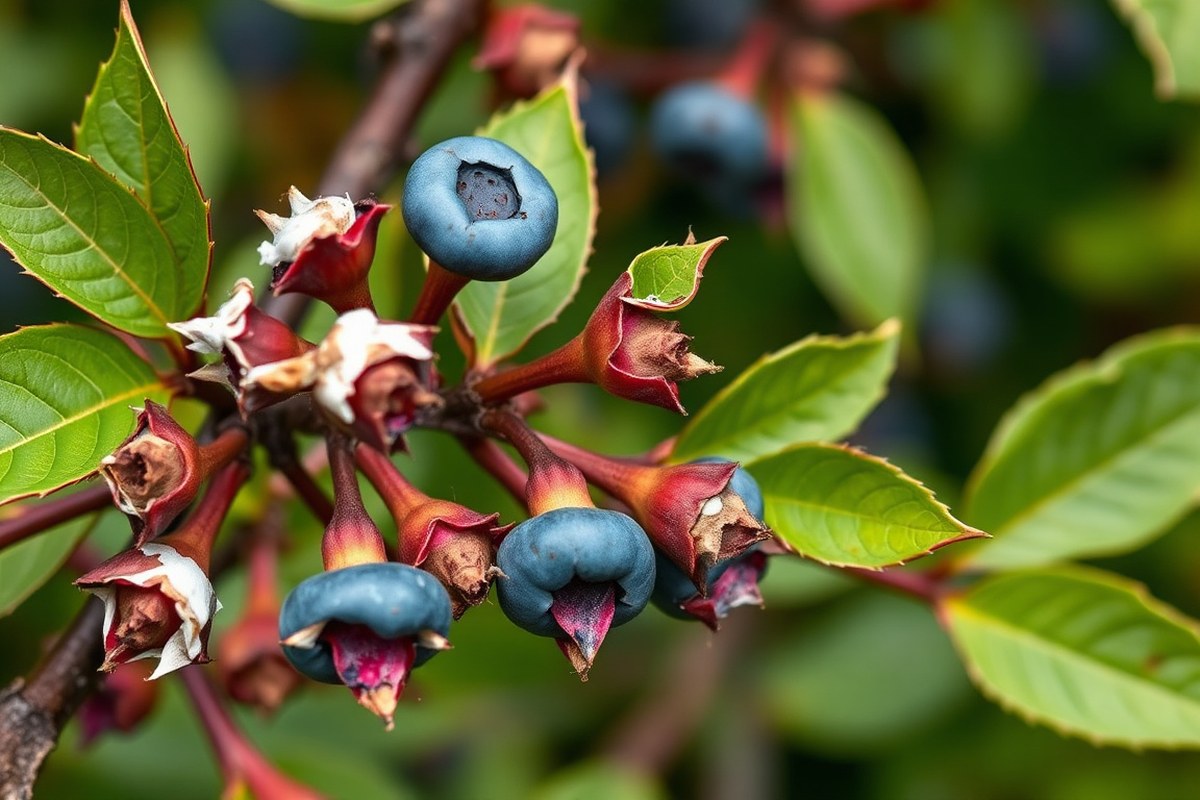
Deer browsing on blueberry bushes leaves specific signs that differ from other animals. You can spot torn leaves, broken branches, and missing berries. Checking for hoof prints and droppings nearby also points to deer activity.
Leaf and Bud Damage Patterns
Deer nibble on leaves and buds unevenly, leaving ragged edges. The damage is usually irregular, not clean cuts like scissors would make. You might see entire clusters of berries missing after a night of feeding.
Look closely at the blueberry bushes for these clues:
- Leaves with jagged, torn edges instead of smooth cuts
- Young green buds chewed or shaved off partially
- Missing or stripped berry clusters with no other trace
- Uneven browsing across different bush parts
- Torn leaf veins visible at browse points
This pattern matters because deer bite and pull, unlike smaller animals that nibble cleanly or peck. Recognizing this helps you act quickly to stop yield loss.
Branch and Cane Breakage
Deer often break thin branches and cane tips while feeding. The breaks look ragged and splintered, not cut with tools or neat. These broken parts can reduce the bush’s ability to produce fruit next season.
Check your bushes for these signs:
- Twigs or cane ends torn and hanging at odd angles
- Snapped branches near leaf clusters or berries
- Bent stems caused by forceful pulling or rubbing
- Missing portions of bushes where deer fed heavily
- Scattered broken wood pieces under or around bushes
Severe breakage impacts blueberry yield by reducing flowers and fruit on new growth. Early detection prevents long-term damage.
Hoof Prints and Droppings Near Bushes
Spotting deer prints and droppings near blueberry bushes confirms browsing. Hoof prints usually measure about 2.5 inches long and appear in the soft soil below the plant. Deer droppings are small, oval pellets clustered on the ground.
Look for these footprints and droppings:
- Hoof prints showing two pointed toes in soft soil or mulch
- Small, dark, pellet-shaped droppings grouped near bushes
- Signs of trampling around bush bases
- Dirt or leaves disturbed in patterns typical of deer movement
Hoof prints and droppings help differentiate deer damage from other animals that don’t leave these tracks.
Check for fresh droppings weekly, especially after dawn or dusk. Deer are most active around these times.
Differences from Rabbit or Bird Damage
Rabbit feeding leaves clean cuts on stems and leaf edges, unlike deer tears. Rabbits only reach lower parts of the bush, while deer can browse higher. Bird damage focuses on berry pecking rather than eating leaves.
Identify the animal by these differences:
- Rabbit damage shows smooth, clipped stem tips near the ground
- Birds peck holes or eat ripe berries selectively
- Deer browsing occurs higher, with torn leaves and buds
- Rabbit droppings are round pellets, smaller than deer pellets
- Birds leave feathers or scat above ground
Correctly identifying damage guides you to use the right protection methods for deer versus other pests.
3. When Are Deer Most Likely to Feed on Blueberry Bushes?
Deer most often feed on blueberry bushes during late fall and winter. Natural food becomes scarce, so the sweet berries attract hungry deer. Snow covering the ground makes other plants hard to reach, pushing deer toward your blueberry patch.
In late summer and early fall, deer start feeding on ripening berries. They enjoy the natural sugars and vitamins, which give them energy before winter. At this time, expect deer to nibble not only berries but also leaves and tender shoots.
When berries are gone, deer may consume all parts of the bushes for food. During harsh winters, they can eat five to ten pounds of vegetation daily. This heavy feeding harms bush health and lowers your berry harvest for the next season.
Male deer can cause extra damage in late summer through early fall. They scrape their antlers on young stems to remove velvet or mark territory. This action can tear bark and girdle the plant, sometimes killing it if damage is severe.
Repeated browsing over months makes damage worse. Deer keep returning if they find food easy to get.
Plants stressed by constant feeding produce fewer berries and grow poorly. So stopping deer early is key to good yields.
Deer trample bushes while moving through gardens. This can break branches. They may also uproot young plants.
Watch for heavy trails or paths near your blueberry rows. Blocking these can discourage deer from coming back.
Timing your protective efforts matters. Put up barriers or repellents before fall when deer start feeding actively.
This prevents them from getting used to the bushes as a food source. Late response often lets damage build up fast.
4. Physical Barriers: Fencing and Netting Options Against Deer
The best way to keep deer from eating your blueberry bushes is a tall fence. It should be high enough to stop deer from jumping over. This offers strong, clear protection for your plants.
Deer jump high. So the fence should be at least 8 feet tall to stop them. A woven-wire fence of 7.5 to 8 feet works well as a permanent barrier.
Use netting when you only have a few blueberry plants. But it won’t cover large areas effectively. Put netting 4 to 6 feet high around each bush.
It’s less visible and stops birds from eating fruit too. Make sure the netting is tight enough to stop deer from pushing through it.
Deer can crawl under fences if they are too shallow or have gaps. Bury the fence at least 6 inches deep to block digging.
Extend it 12 inches outward so deer can’t squeeze under. Tight spacing between fence posts, about 8 feet apart, keeps the fence firm and sturdy.
| Barrier Type | Height | Installation Details | Main Uses |
|---|---|---|---|
| Woven-wire fence | 7.5 to 8 feet | Bury 6 inches deep, posts 8 ft apart | Permanent, large areas, very effective |
| Deer netting | 4 to 6 feet | Wrap tightly around each bush, secure bottom | Protects small groups or individual bushes |
| Bird netting with posts | Above fruit height | Posts and overhead netting, covers sides | Keeps birds and deer away simultaneously |
Use sturdy posts spaced no more than 8 feet apart to hold the fencing steady. Loose fences let deer push through or squeeze beneath.
In snowy or windy areas, stronger support might help prevent damage. Check fences each season for holes or damage so deer don’t get in easily.
Netting works best when combined with fencing or other deterrents. Alone, it can tear or gap if deer force their way.
For a simple blueberry patch, a 6 to 8-foot fence is the most reliable choice. It takes time to set up but keeps deer off your bushes without daily effort.
5. Effective Repellents for Blueberry Bushes: Chemical and Homemade
Both commercial sprays and homemade mixtures can protect blueberry bushes from deer. Repellents use tastes and smells deer dislike to keep them away. You should pick one that’s safe for blueberries and reapply it often to work well.
Commercial Deer Repellent Ingredients and Usage
Commercial repellents often include putrid egg solids, garlic, or capsaicin. These ingredients make the plants taste or smell bad to deer. You should buy a repellent specifically labeled as safe for blueberries to avoid harming your plants.
Spray the repellent directly on the leaves, stems, and berries of your bushes. Coverage should be even to keep deer from nibbling. Keep an eye for rain or watering that might wash it off.
- Choose products with egg solids, garlic extract, or hot pepper
- Use sprays made for fruiting plants to protect berries
- Apply in dry weather for best sticking
- Wear gloves when spraying to protect your skin
- Store repellents away from heat and sunlight
Homemade Garlic and Egg Spray Recipe
A strong homemade repellent uses garlic and egg to disgust deer. You’ll need 1 beaten egg, 2 tablespoons garlic powder, and 1 gallon of water. Mix these well in a bucket for the spray solution.
Pour the mixture into a spray bottle, then coat the blueberry bushes thoroughly. Cover leaves, stems, and berries just before they start ripening. The smell and taste discourage deer without chemicals.
Another simple recipe is mixing 4 packets of grape Kool-Aid into 1 gallon of water. Spray this mix for a fruity scent deer avoid, especially near harvest time.
- Beat 1 egg and stir in 2 tablespoons garlic powder
- Add mixture to 1 gallon of water and mix well
- Pour into a spray bottle for easy application
- Spray bushes evenly, including berries
- Reapply every 7 to 10 days or after rain
Application Timing and Frequency
You should apply repellents when berries start to ripen. This is when deer show more interest. Reapply sprays every 7 to 10 days or after heavy rain washes them off.
Rotating between different repellents helps keep deer from getting used to one scent. Using homemade sprays along with commercial ones creates stronger protection. The better you stick to this schedule, the less damage you’ll see.
Deer quickly learn to ignore one repellent, so change types for better results.
Safety Tips for Blueberry Plants
Always use repellents labeled safe for blueberries to avoid plant damage. Test homemade sprays on a small branch first to watch for leaf burn. Avoid spraying during extreme heat or direct sun to prevent stress on the bushes.
Washing the berries before eating removes any repellent residues. Keep pets and children away from treated plants until sprays dry fully. Proper use protects your blueberries without harming your health or plants.
6. Using Scare Tactics and Natural Predators to Deter Deer
Scare tactics and natural predator scents can work to keep deer away from blueberry bushes. They startle or confuse deer but often lose power over time. Using several methods together helps keep deer away from plants.
Change methods every few weeks to keep deer cautious. This keeps your plants safer for longer.
Inflatable and Visual Predator Decoys
Inflatable decoys mimic natural predators like falcons with bright colors and fierce shapes. You blow them up and place them near your bushes to frighten deer from an area. The sudden size and movement of the decoy can startle deer at first.
These decoys cost about $20 to $50 and need air inflation regularly. To maintain effectiveness, move them around every week or deflate for a few days.
Deer can get used to a still decoy. So changing their position stops them from feeling safe.
Motion-Activated Lights and Sprayers
Motion-activated sprinklers or lights work by startling deer when they get close. Sensors detect movement and spray water or flash lights to scare the deer off. They are easy to set up near blueberry patches and need batteries or electric power.
These devices cost around $30 to $100 depending on features. Sprinklers work best in dry seasons and warm weather. Moving them occasionally prevents deer from learning a safe path around your plants.
- Place sensors 10 to 20 feet from bushes for best coverage
- Use sprinklers with a strong burst for a firm scare effect
- Install lights that come on suddenly and stay for 30 seconds
- Change device locations every 2 to 3 weeks
- Check batteries or power monthly to keep devices active
Using lights works well at night since deer are more active then. Sprinklers help stop browsing during the day. Combining both gives round-the-clock protection.
Predator Urine and Scent Stations
Scents from natural predators like coyotes or wolves can help keep deer away. You buy bottled urine or scent stations and place them near your blueberry bushes.
Deer smell these and worry a predator might be nearby. So they avoid the area.
Apply scents every two weeks, or after rain, for the best effect. Use plastic holders or hang scented cloth bags so the smell stays strong longer. This method works best if your area actually has these predators around.
- Place scent stations 15 feet apart around your garden edge
- Refresh scents every 10 to 14 days or after heavy rain
- Wear gloves when handling predator urine for safety
- Combine with other methods like visual decoys to boost effect
Some deer may get used to the scent with no predators around. Using fresh, strong-smelling products and shifting locations helps keep deer fooled.
Role of Pets and Sounds
Dogs are natural deer deterrents, especially when active in the garden. Their presence and barking can keep deer from getting close to blueberry bushes. Even smaller pets that move a lot may help scare deer away.
Walking a dog near your plants often stops deer from feeding. It changes their feeding patterns over time. This teaches deer to stay away from your yard.
Audio devices that play predator calls or loud noises control deer. But they may lose effectiveness without variation.
- Let dogs patrol your garden several times daily if possible
- Use motion-triggered sound devices as a backup option
- Vary audio signals to prevent deer from ignoring them
- Avoid leaving pets unsupervised to protect them and plants
Pets nearby provide real-time, active deer control. Scare sounds help but need changes or combined methods to stay useful.
7. Companion Planting and Garden Layout to Discourage Deer
Planting deer-resistant species near your blueberry bushes helps reduce deer visits. Plants with strong scents or bitter tastes, like lavender or garlic, keep deer away. Plant these shrubs or herbs around your blueberry patch edges.
They create a natural barrier that confuses deer. This helps protect your plants.
Arrange your garden so the blueberry bushes aren’t the first tasty plants deer find. Put less deer-friendly plants between the lawn and your blueberries. This setup makes deer pause before crossing your garden.
It stops them from reaching your bushes easily. You reduce damage this way.
Combine companion planting with other methods for stronger protection. Netting or fencing around your blueberry bushes adds a physical layer that deer avoid. The extra effort pays off, especially in areas with lots of deer.
For small gardens, try planting rosemary or thyme as a border. These herbs are easy to grow and resist deer nibbling. Larger gardens can include shrubs like barberry or butterfly bush, which also taste unpleasant to deer.
When you plant deer-resistant species, aim for dense, mixed borders. This complexity confuses deer and blocks easy access.
It might take a season or two for plants to thicken. But your blueberry bushes will be safer over time.
Costs vary depending on plants and layout. Small herbs cost under $10 each, while shrubs can range from $15 to $30.
Netting usually costs around $20 for a 6-foot by 10-foot roll, which covers several bushes. Combine methods according to your budget and garden size.
Companion planting alone might not stop hungry deer in heavy pressure areas. Adding fencing or homemade repellents boosts defenses. Keep an eye on your garden for signs of deer.
Adjust your methods when you see browsed plants. No method works all the time.
Some gardeners plant strong-smelling herbs on all sides but leave no gaps. Others place netting only around ripe blueberry bushes during harvest season. Match your plan to your garden setup and how often deer visit for the best balance.
8. Common Mistakes and Best Practices in Protecting Blueberry Bushes
Many gardeners skip protection when blueberry bushes are small. They expect plants to survive despite deer nibbling young shoots. Early growth is the most vulnerable, so waiting too long causes serious damage.
Some try only one method, like repellents, without combining tactics. Deer quickly learn to ignore smells or noise if used alone. Effective control often needs a mix of barriers, scents, and scare devices.
Temporary enclosures work well for single bushes or small patches. You can build a mesh cage or use netting anchored securely to the ground. This setup costs under $50 and protects plants during early growth stages.
- Don’t delay protecting new shoots; start early spring.
- Secure fencing tightly; loose nets let deer sneak in.
- Rotate repellents weekly to prevent deer getting used to them.
- Use temporary mesh cages for young bushes in small gardens.
- Check barriers often for damage or gaps to fix quickly.
- Avoid over-relying on scare tactics; deer adapt fast.
- Prune damaged branches to boost bush recovery after browsing.
Blueberry bushes can bounce back from some deer feeding. Pruning torn or eaten branches helps redirect growth. Keep watering and mulching regularly to reduce plant stress.
Scare tactics alone rarely protect bushes long-term. Deer soon realize that no real threat exists and come back. Combining methods makes your defense stronger for lasting results.
Keep an eye on young bushes daily. Quick repairs to fences or nets stop deer before damage spreads.
Step-by-Step Action Plan to Protect Your Blueberry Bushes from Deer
Use this plan to start defending your bushes today. Check each step to see real results and keep deer away.
- Before planting: Set up 8-foot tall fencing around your garden. Watch for deer trying to jump inside within the first week.
- Week 1: Apply a commercial deer repellent on your bushes following label directions. Check leaves after rain to confirm the repellent is still present.
- Week 2: Plant strong-smelling companion plants like garlic or lavender nearby. Notice if deer avoid the area during their usual feeding times.
- Week 3: Hang motion-activated lights or noise devices around your garden perimeter. Observe if deer visits decrease at night.
- Week 4: Inspect bushes for fresh bite marks or stripped leaves. Spot new damage? Apply repellent more often and check fences for gaps.
- After 1 month: Replace or repair any worn netting over bushes. Healthy new growth should appear undisturbed by deer after this.
- Seasonally: Reapply deer repellent every few weeks. Do this again in early spring. Tender plants need extra protection then. Keep deer pressure low through the growing season.
Frequently Asked Questions
Can Deer Damage Blueberry Bushes Year-Round?
Yes, deer eat leaves, buds, and berries in every season. Their feeding varies with food availability and plant growth stages.
Do Taller Blueberry Bushes Attract Fewer Deer?
Deer usually avoid eating bushes taller than 4 to 6 feet. These taller plants are tough for deer to reach and less inviting.
Can Planting Thorny Bushes Protect Blueberry Plants?
Yes, thorny plants like hawthorn can keep deer away from blueberries. Deer avoid thorns and prefer softer leaves nearby.
Do Deer Eat Ripe and Unripe Blueberries?
Yes, deer eat both ripe and unripe berries on blueberry bushes. The sweet fruit is a tempting treat during scarce food periods.
Will Deer Eat Blueberry Bush Flowers?
Yes, deer often eat flowers and buds, reducing fruit production. Protecting these parts can improve your blueberry harvest.
How Does Deer Urine Repel Deer from Blueberry Bushes?
Deer avoid areas with predator or dog urine scent near bushes. This method helps keep deer at a distance from your plants.
Before You Go
Deer do eat blueberry bushes, mainly buds and tender leaves. Protect your plants with fences, repellents, and smart planting. Start today by checking your garden for any signs of deer damage to act fast.