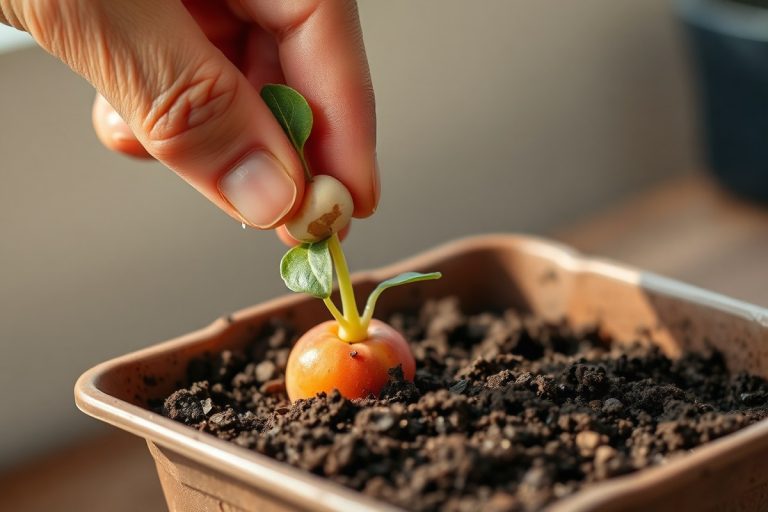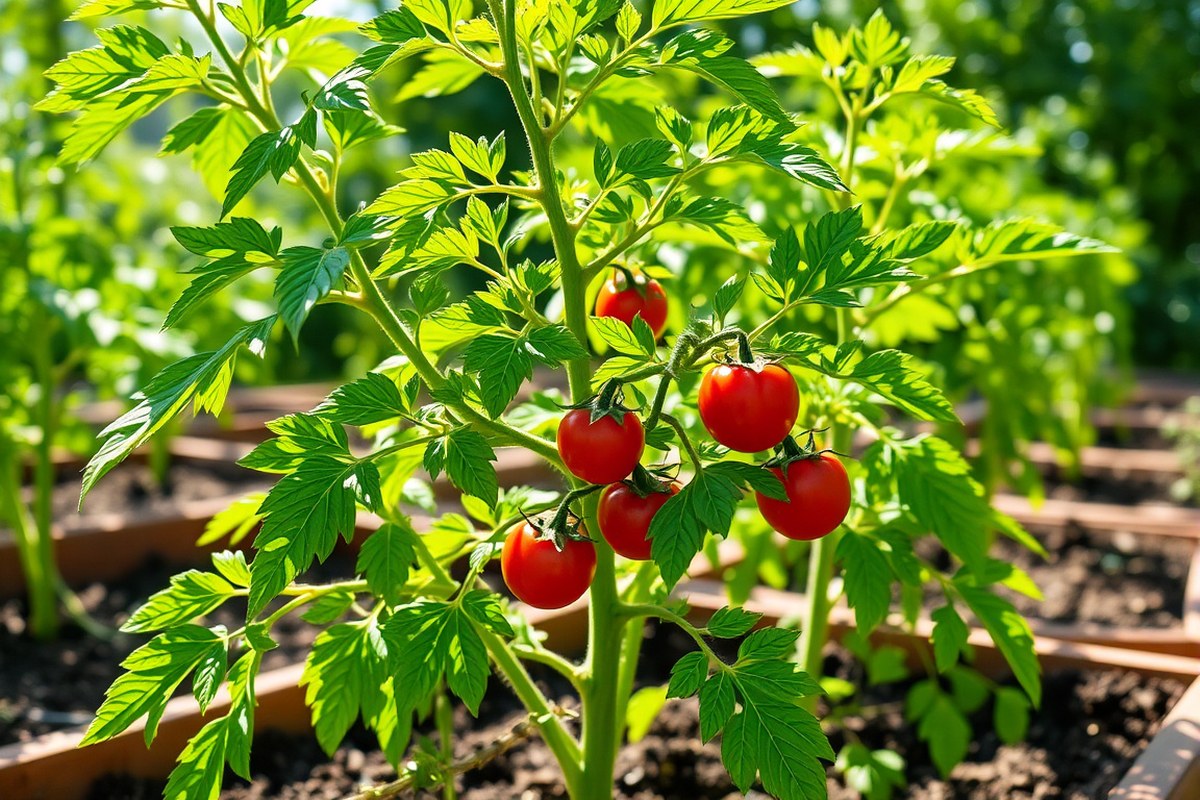
How to Make Tomato Plants Grow Faster: 8 Essential Steps for Early Harvest
Tomato plants grow faster with plenty of sunlight, warmth, and consistent water. They need 6 to 8 hours of direct sunlight each day. Place them where they get the most sun.
Ideal soil temperature is between 65 and 70 degrees Fahrenheit. Use quality soil that drains well but holds moisture. Avoid overwatering to prevent soggy soil and root problems.
Keep tomatoes warm, ideally between 65 and 85 degrees Fahrenheit during the day. Protect young plants from cold nights below 50 degrees. Balancing light, heat, water, and soil helps plants grow faster.
With good care, your tomatoes can reach harvest in about three months. This happens by helping plants use energy to grow fruit quickly and healthily.
Key Takeaways
- Give tomato plants at least 6 to 8 hours of direct sunlight daily.
- Keep soil temperature between 65 and 70 degrees Fahrenheit for best growth.
- Water consistently but avoid waterlogged soil to prevent root problems.
- Protect plants from cold nights below 50 degrees Fahrenheit to avoid stress.
- Use high-quality, well-draining soil that retains moisture but doesn’t stay soggy.
- Warmer temperatures, ideally 65 to 85 degrees, speed up tomato development.
1. How to Accelerate Tomato Plant Growth Quickly
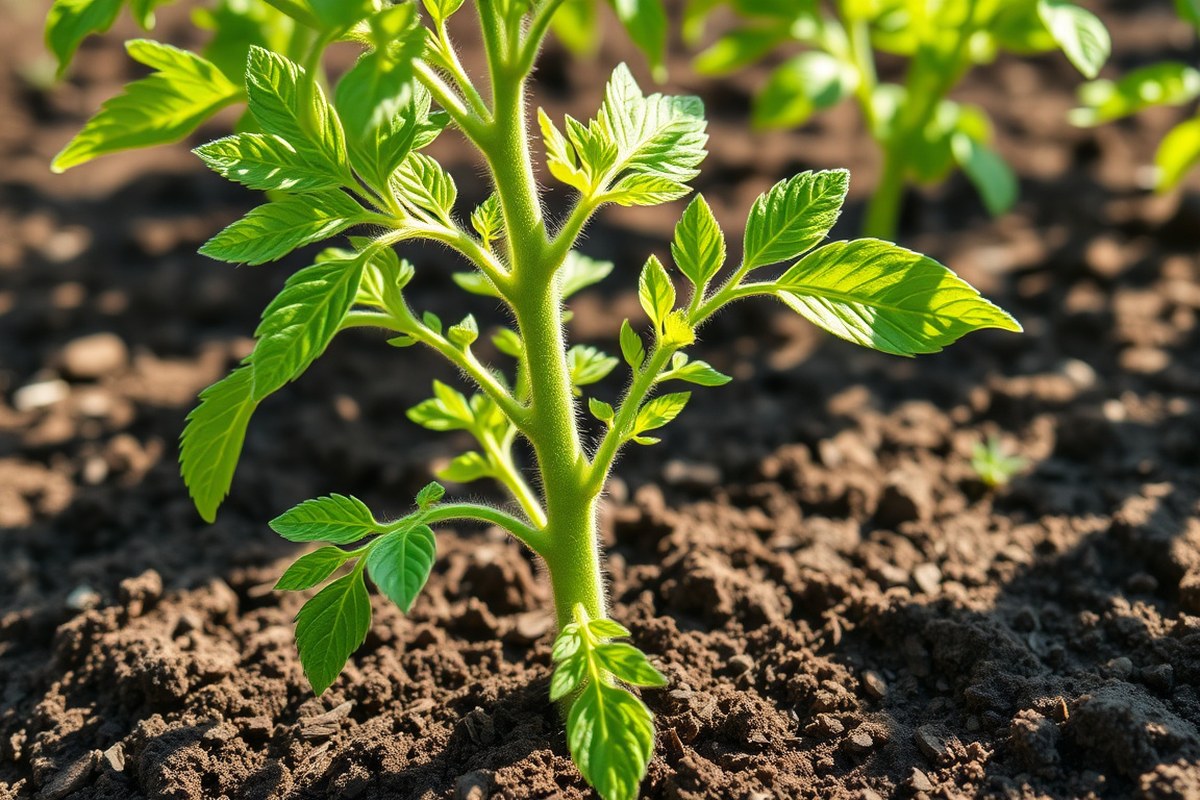
Start by planting tomato seedlings deeply in well-drained soil. Bury at least two-thirds of the stem to encourage strong root growth. This boosts nutrient uptake and speeds development from seedling to fruiting.
Make sure your plants get 6 to 8 hours of direct sunlight daily. Sunlight fuels photosynthesis, which powers fast, healthy growth. Without enough sun, tomatoes grow slowly and may fail to fruit.
Keep the soil moist but not soggy. Tomatoes need steady moisture for steady growth. Water deeply once or twice a week.
Adjust based on weather and soil. Deep watering encourages strong roots. Avoid overhead watering to reduce disease risk.
Fertilize young plants with balanced, slow-release fertilizer. Use fertilizer higher in phosphorus to help roots and flowers develop.
Follow package directions for amounts, usually about one tablespoon per plant every two weeks. Too much nitrogen can cause lots of leaves but few fruits.
When transplanting, lay seedlings sideways in a trench and cover most of the stem with soil. This encourages roots to form along the buried part. More roots help the plant take up water and nutrients faster, speeding up growth.
Prune small branches near the base once plants reach six inches tall. Removing suckers helps the plant focus energy on main stems and fruit production. This encourages faster growth and better yields.
Check plants regularly for pests or diseases that slow growth. Early detection and treatment help avoid stress and stunted plants. Use insecticidal soap or organic controls if needed, following instructions carefully.
For container tomatoes, use a high-quality potting mix and ensure your pot drains well. Containers dry out faster, so check soil moisture daily during hot weather. Place pots in the sunniest spot you have.
2. Choosing the Fastest-Maturing Tomato Varieties
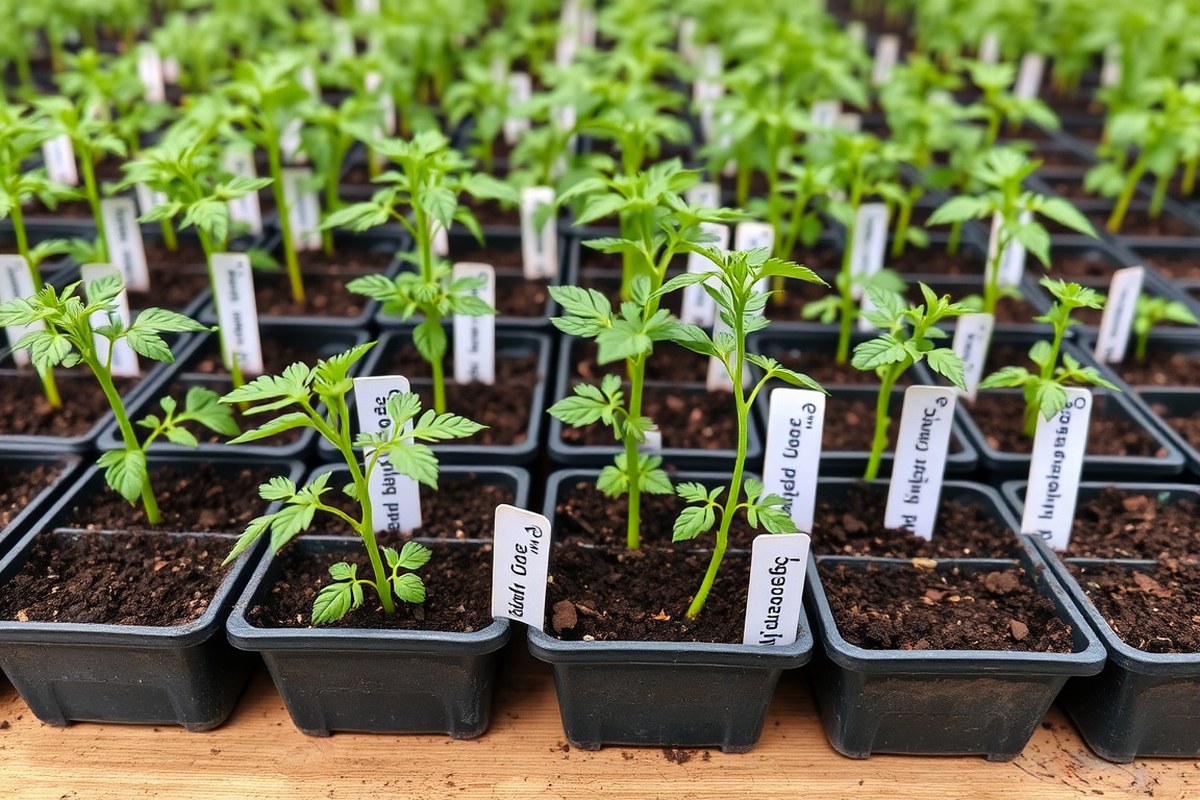
Picking the fastest-maturing tomato varieties helps you eat tomatoes sooner. Some tomatoes ripen in about 50 days after transplanting. Others need 80 to 90 days, which means waiting a whole month longer for ripe fruit.
Early-maturing tomatoes often grow well in shorter seasons. They usually produce fewer but still tasty tomatoes. You might see slightly smaller yields than big, traditional varieties.
But the payoff is quicker harvests. This suits gardeners who want to enjoy tomatoes early or live where frost comes quickly.
Here’s a table showing popular fast-maturing varieties and their days to maturity. It also lists taste and yield to help you decide:
| Tomato Variety | Days to Maturity | Taste | Yield | Best For |
|---|---|---|---|---|
| 4th of July | 49 | Balanced, mild | Moderate | Early harvest, short seasons |
| Early Girl | 50-55 | Classic, fresh | Good | Wide growing zones |
| Juliet (Cherry Tomato) | 60 | Sweet, flavorful | High | Snacking, containers |
| Stupice | 55-60 | Rich, tangy | Moderate | Cold climates |
| Celebrity | 70-75 | Strong, savory | High | All-around garden |
Choosing a faster variety means you trade some yield or size for early fruit. Taste differences exist but are often subtle.
Early varieties usually prefer warm but shorter summers. Traditional types need more time and warmth but often produce bigger harvests.
Plant these early varieties once the danger of frost is past. They will grow quickly, especially if soil is warm.
Getting a jumpstart with seeds indoors also helps reach harvest sooner. You can extend your tomato season in cooler places this way.
Pick tomatoes by your climate and season length to avoid plants stalling or late fruit.
3. Optimizing Soil, Watering, and Nutrients for Speed
Tomato plants need warm, loose soil with proper watering and nutrients to grow fast. Aim for soil pH between 6.0 and 6.8 with steady, deep watering. Use balanced fertilization alongside organic mulch for moisture and nutrient retention.
Preparing Well-Drained, Fertile Soil
Tight, clay-heavy soil slows tomato growth by restricting roots. Your soil should drain well and feel crumbly to the touch. Work in phosphorus-rich materials like bone meal to build strong roots early on.
Loosen soil to at least 8 inches deep, removing stones and debris. Raised beds or containers work great since they warm up faster and drain better. Check soil pH and aim for 6.0 to 6.8 by adding lime or sulfur if needed.
Correct Watering Frequency and Depth
Watering deeply but less often encourages roots to grow wide and strong. You want to soak the soil down about 8 inches each watering.
After a few days in the ground, change how you water. Stop shallow daily watering.
Start watering deeply but less often. The soil should feel moist, not soggy, before watering again.
Signs that your plants need water include slightly drooping leaves and dry topsoil. Avoid watering in the heat of the day to reduce evaporation.
Balanced Fertilizer Types and Timing
Choose a balanced fertilizer like 12-12-12 or 19-19-19 to fuel both roots and foliage. Apply fertilizer every 3 to 4 weeks during the growing season for steady nutrient supply.
Start with phosphorus-rich bone meal or fertilizer at planting time. This helps your roots grow strong to support faster top growth later.
Keep nitrogen levels moderate to avoid too many weak stems. Follow label instructions on amounts since overfeeding can stress the plants.
Using Organic Mulch to Retain Moisture
Cover soil with organic mulch like straw, shredded leaves, or grass clippings. Mulch holds moisture in and keeps soil warm.
It also suppresses weed growth, reducing competition for water and nutrients. As mulch breaks down, it adds nutrients back to your soil naturally.
- Apply 2 to 3 inches of mulch around tomato plants.
- Keep mulch a few inches away from plant stems to prevent rot.
- Replenish mulch as it decomposes, especially during hot weather.
- Mulch helps reduce watering frequency by retaining soil moisture.
4. Sunlight and Temperature Conditions That Speed Growth
Tomato plants need at least 6 to 8 hours of direct sunlight daily to grow faster. Sunlight fuels photosynthesis, which boosts their growth and fruit production. Choose a planting spot with full sun during peak daylight hours.
Avoid any shading. This helps your plants get the light they need.
Ideal daytime temperatures for fast tomato growth range between 70 and 85°F (21 to 29°C). Nighttime temperatures should stay above 50°F (10°C). Aim for 62 to 64°F (17 to 18°C).
This range helps your tomatoes grow well. Cooler nights slow growth. Temperatures below 50°F can stall development or damage the plants.
Use row covers or bring containers indoors to protect from cold nights. This helps keep temperatures steady for your tomatoes. Heat mats under seed trays help with early growth indoors.
When it’s over 85°F, provide shade during the hottest part of the day. This prevents heat stress on your tomatoes. You can use shade cloth or position taller plants nearby for partial protection.
Cold or heat stress can cause leaf curling, delayed flowering, or weak stems. Watch for wilting or discoloration as signs. In areas with unpredictable spring weather, wait until the soil warms consistently before transplanting outdoors.
Black plastic mulch warms soil faster, speeding growth in cooler months. This helps tomatoes start strong in chillier weather.
For fall growing, shorter daylight hours and cooler temps slow tomato growth naturally. To counter this, install reflective mulches to bounce light back onto plants.
Plastic tunnels or small greenhouses keep soil warm. They can extend your growing season by several weeks.
Pay attention to wind as well, since it dries plants and causes fragile stems to break. A simple windbreak like a fence or shrubs protects your tomato plants. It keeps them stable and helps retain moisture.
Follow these sunlight and temperature tips to keep your tomato plants healthy. They help your plants grow faster in most conditions.
5. Starting Seeds Early and Hardening Off for Fast Growth
Start tomato seeds indoors about 6 to 8 weeks before your last frost date. Then gradually harden off seedlings for 7 to 10 days before planting outside. This schedule helps your tomatoes grow faster and stronger when transplanted.
Seed Starting Timing and Setup
Begin tomato seeds indoors 6 to 8 weeks before the outdoor growing season. Use seed trays or small pots filled with seed-starting mix. Keep the soil warm, ideally between 70°F and 80°F, to speed germination.
Put containers under grow lights or by a sunny window. Give plants 12 to 16 hours of light every day. This helps them grow strong and healthy.
Keep the soil moist but not soggy and maintain good air circulation. Thin seedlings once they sprout to give each plant enough space.
- Fill containers with seed-starting soil, leaving ½ inch from the top.
- Plant seeds ¼ inch deep and cover lightly with soil.
- Water gently to moisten the soil without flooding.
- Set containers in a warm spot or use a heat mat to maintain 70°F to 80°F.
- Provide 12 to 16 hours of light daily using grow lights or sunlight.
- Keep soil moist but never waterlogged; mist if needed.
- Thin seedlings to one plant per container when true leaves appear.
Using a seed-starting mix instead of regular soil helps keep seedlings healthy.
Gradual Hardening Off Process
Seedlings grown indoors need time to adjust before going outside. Hardening off lasts 7 to 10 days. It helps plants handle sun, wind, and cooler air.
This prevents shock when moving outdoors. Start by placing seedlings outdoors in a protected spot for a few hours daily.
Bring plants indoors each night during hardening off. Over the week, increase their outdoor exposure by time and sun intensity. This process toughens the leaves and stems for outdoor growth.
Transplanting into Garden or Containers
Transplant tomatoes after hardening off and when the soil temperature reaches at least 60°F. Choose a sunny spot with loose, well-drained soil rich in organic matter. Space plants 18 to 24 inches apart to avoid overcrowding.
Plant seedlings deep, burying two-thirds of the stem to encourage strong roots. Water thoroughly right after planting to settle the soil. Early indoor starts mean plants hit the ground larger, speeding fruit development.
6. Pruning, Suckering, and Supporting Plants for Growth
Pruning, removing suckers, and supporting tomato plants help speed growth and improve fruit production. These steps focus the plant’s energy on growing strong stems and ripening fruit quickly. Properly done, they keep plants healthy and prevent damage from heavy fruit loads.
Benefits of Pruning for Faster Development
Pruning helps the tomato plant concentrate its energy on fruit instead of excess foliage. This is especially true for indeterminate varieties, which keep growing and producing fruit throughout the season. Cutting back some leaves and stems helps the plant grow taller.
This lets nutrients go straight to the tomatoes. It also keeps the plant healthy for more fruit.
Removing extra growth improves air circulation, which reduces disease risk. It also lets more sunlight reach the main stems and fruit, speeding ripening. Prune right when new shoots start to grow.
This sends fresh energy to the growing fruit. Timing helps the plant focus on producing tomatoes.
Step-by-Step Suckering Techniques
Suckers are small shoots that grow in the joint between a leaf and the main stem. Left alone, suckers weaken the plant by taking energy. They grow their own branches and leaves instead of fruit.
This slows down tomato production. Remove suckers when they are small, about 2-4 inches long, for best results.
Use sharp fingers or clean scissors to pinch or cut suckers. This stops extra branches from competing with the main stem. Remove the lower suckers first for best results.
They affect how the plant grows and moves energy. Taking them off helps fruits get more nutrients.
- Check plants regularly for new suckers every week.
- Pinch suckers off gently without damaging the main stem.
- Remove suckers in the morning after watering for easier cutting.
- Leave some top suckers if the plant is young or weakened.
- Dispose of removed suckers away from the garden to prevent disease spread.
Pruning and suckering usually take 10 to 15 minutes per plant, depending on size. Doing this early accelerates growth and leads to stronger fruit development.
Choosing and Installing Plant Supports
Tomato plants, especially indeterminate types, can grow tall and heavy with fruit. Strong support like stakes, cages, or trellises keeps plants upright and prevents stem breakage. Support also improves air circulation and sun exposure around the plant.
Install supports soon after planting, before plants reach 6-8 inches tall. Secure stems loosely with soft ties or strips of cloth every 6-12 inches as they grow. Avoid tight tying to prevent stem damage or strangling.
- Use sturdy wooden or metal stakes driven 12-18 inches deep.
- Choose tomato cages that are at least 5 feet tall for tall varieties.
- Trellises work well for espalier or vining tomatoes trained upward.
- Add extra ties after heavy rain or strong winds.
- Check ties weekly and adjust as plants grow.
Proper support lowers the risk of broken stems and fruit touching the ground. This helps plants focus energy on producing more and bigger tomatoes, speeding your harvest.
7. Preventing Stress: Pest, Disease, and Environmental Controls
Tomato growth often slows because of pests like aphids, whiteflies, and tomato hornworms. Diseases like early blight and powdery mildew also stunt growth by damaging leaves.
Faster-growing plants can avoid the worst pest damage. So keep your tomatoes healthy from the start.
Plant basil nearby to repel pests naturally. Basil grows well alongside tomatoes and helps keep bugs away. You can use neem oil every two weeks to control pests.
Insecticidal soap is another safe option for your tomatoes. Both help protect plants without harsh chemicals. These treatments cost about $10 to $15 per bottle and last through several applications.
Disease prevention starts with good air circulation. Space your tomato plants at least 24 inches apart to reduce humidity around leaves. Avoid overhead watering to keep foliage dry.
Water your tomato plants at soil level early in the morning. This gives leaves time to dry before night comes. Dry leaves reduce disease risks.
Keeping tomato plants free of stress means protecting them from harsh winds. High winds cause leaf damage and slow growth. Use windbreaks like fences or plant taller crops nearby to shield tomatoes, especially in open yards.
Open airflow around your plants in humid gardens with stakes and pruning. This helps keep fungal diseases away by reducing moisture. Good air circulation is key.
Check your plants every few days for early signs of pests or disease. Yellowing leaves or holes mean you need to act fast.
Remove damaged leaves and treat the whole plant if pests are widespread. Quick action avoids slowed growth and helps plants focus on fruit production.
Cool soil also delays tomato growth. Use black plastic mulch to warm soil in early spring. It raises soil temperature by 5°F to 10°F, encouraging roots to develop faster.
Plastic mulch costs around $20 for a 4×25 foot roll. Remove mulch only after plants start fruiting to avoid overheating in summer.
Controlling these stresses takes little work but pays off quickly. Healthy, unstressed plants grow faster and produce ripe fruit earlier. Make pest control, disease prevention, and environmental care part of your regular garden routine.
Taking this simple step gets your tomatoes ready to pick faster. It also lowers the risk of costly problems. This saves time and effort.
8. Seasonal and Situational Adjustments for Faster Growth
In spring, the biggest challenge is cooler soil and air temperatures. You can speed growth by using black plastic mulch to warm the soil. Lay down the plastic after planting seeds or seedlings, so the soil heats faster.
This method keeps soil around 50 to 70°F earlier in the season, which stimulates root growth. Start using row covers when nights fall below 50°F. They protect plants from chill damage. The covers allow air and moisture in without suffocating the plants.
In summer, heat and moisture stress can slow tomatoes down. Apply a 2-inch layer of straw or shredded bark mulch. Mulch helps keep the soil cool.
It also holds moisture in the soil. This reduces the need to water daily, especially on hot days over 85°F. You can prune indeterminate varieties during summer to redirect energy to fruit growth. Avoid pruning too late in the season because it may slow harvests.
Fall brings the risk of frost and shorter daylight hours. Use row covers or low tunnels to warm plants a few degrees. This extends the growing season for your tomatoes.
It helps your plants grow longer. Remove covers on sunny days to avoid overheating. Watch for signs of slowed growth, like yellowing leaves, as cold sets in.
Harvest tomatoes early if frost threatens, even if fruits are not fully ripe. They can ripen indoors if handled carefully.
Use row covers in spring and fall when nights drop below 50°F. Covers protect your tomato plants from cold damage. They can help speed tomato growth.
Step-by-Step Action Plan for Faster Growing Tomato Plants
Follow these clear steps to boost your tomato plants’ growth from seed to harvest fast. Each phase tells you what to do and how to check if it worked.
- Before You Start: Choose fast-maturing tomato seeds like Early Girl or Sun Gold. Healthy seeds grow into speedy plants.
- Day 1: Plant seeds indoors in rich seed-starting mix. Check daily that soil stays moist but not soggy.
- Week 2: When seedlings get their first true leaves, feed them. Use a half-strength liquid fertilizer to help them grow strong. Look for quick leaf growth.
- Week 4: Begin hardening off seedlings by moving them outside for a few hours each day. Strong stems mean successful adjustment.
- Week 5: Transplant seedlings to full sun in well-draining soil. Water deeply right after planting and watch for steady new growth.
- Week 6: Prune suckers to focus energy on fewer fruits. Plants should start showing lateral branch and flower growth.
- Week 7 and Onward: Keep soil evenly moist and monitor for pests or disease. Healthy leaf color and no wilting signal good care.
- From Flowering to Harvest: Support plants with cages or stakes to keep fruit off the ground. Check that fruits develop color steadily.
Frequently Asked Questions
Can Mulch Help Tomato Plants Grow Faster?
Yes, mulch keeps soil moist and warm, speeding root growth. It also reduces weeds, so plants use more energy for fruit.
Does CO2 Enrichment Speed Up Tomato Growth?
Slightly, higher CO2 can boost photosynthesis, making tomatoes grow faster. However, this requires controlled environments like a greenhouse.
Can Foliar Feeding Make Tomato Plants Grow Faster?
Yes, foliar feeding delivers nutrients quickly through leaves for faster growth. Use a balanced fertilizer sprayed early in the morning or late afternoon.
How Does Container Size Affect Tomato Growth Speed?
Larger containers hold more soil, helping roots grow quickly and plants develop faster. Small pots restrict roots and slow growth.
Is It Better to Grow Tomatoes Hydroponically for Speed?
Hydroponics often accelerates growth due to controlled nutrients and water. Yet, it demands more equipment and constant monitoring.
Can Companion Plants Help Tomatoes Grow Faster?
Some companions like basil may improve growth by repelling pests or improving soil. Benefits are subtle and not guaranteed for speed.
Key Points to Remember
You can speed up tomato growth by following focused care steps carefully. Start by picking fast-growing seeds and keep plants stress-free. Now, check your plants daily and adjust watering or light as needed to keep them thriving.