What Type of Animal Is a Worm? Complete Guide to Worm Species and Facts
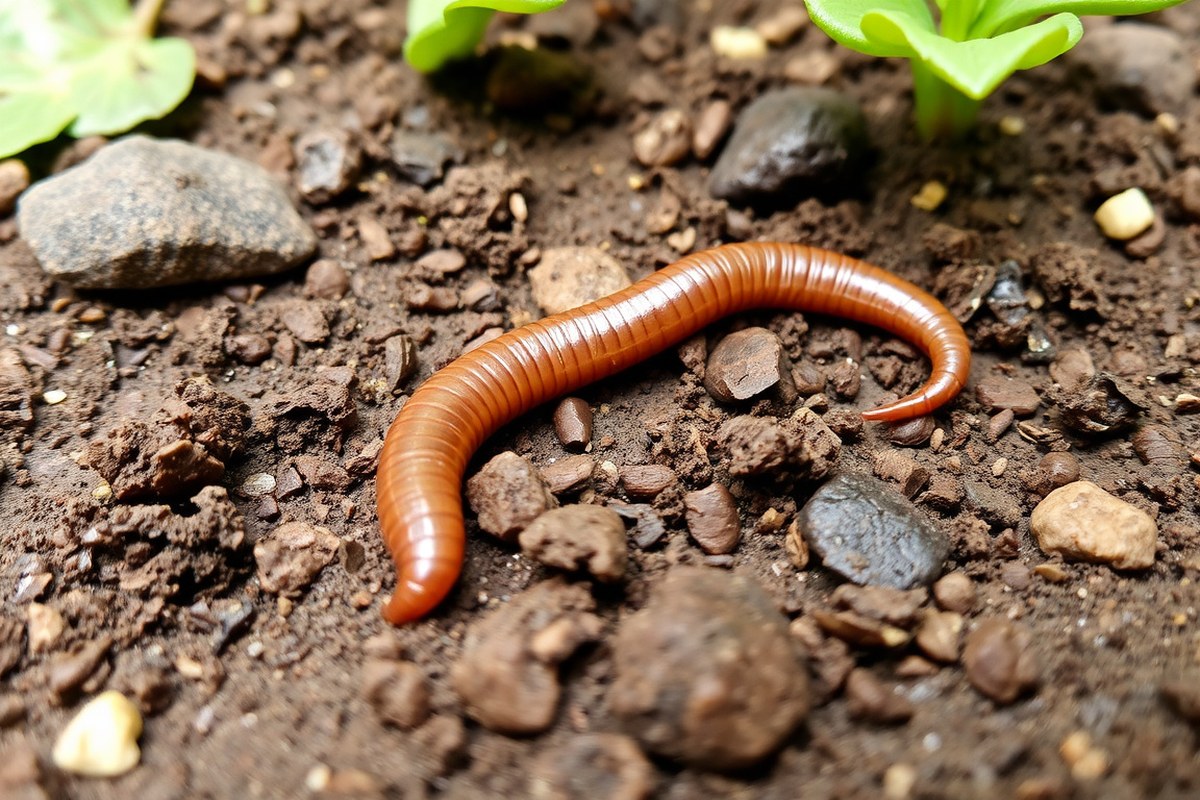
What type of animal is a worm? Worms are invertebrates, which means they do not have backbones. Biologically, many worms belong to the phylum Annelida, recognized by their segmented bodies and soft, flexible skin.
Thousands of worm species exist, including flatworms, roundworms, and segmented worms. Some live freely in soil or water, while others act as parasites inside animals. Their size and habitat vary a lot, affecting how they survive and interact with their surroundings.
Worms have important roles in nature, like recycling nutrients and influencing animal health. Their bodies mostly lack legs or wings but can be segmented or smooth. This body structure helps them move easily through soil or inside host tissues.
Some worms breathe through their skin, which requires moist environments to work properly. Others have simple digestive systems to process decayed matter or absorb nutrients directly. These adaptations suit their different lifestyles and habitats.
Key Takeaways
- Worms are invertebrates, mainly part of the Annelida phylum with segmented bodies.
- There are over 3,000 worm species ranging from tiny to very large.
- Worm habitats vary widely, from soil and water to living inside hosts.
- Flatworms, roundworms, and segmented worms differ in body structure and lifestyle.
- Many worms are free-living; others are parasites affecting humans and animals.
- Worm bodies usually don’t have limbs but are shaped for smooth movement.
What Type of Animal Is a Worm? Understanding Its Biological Classification
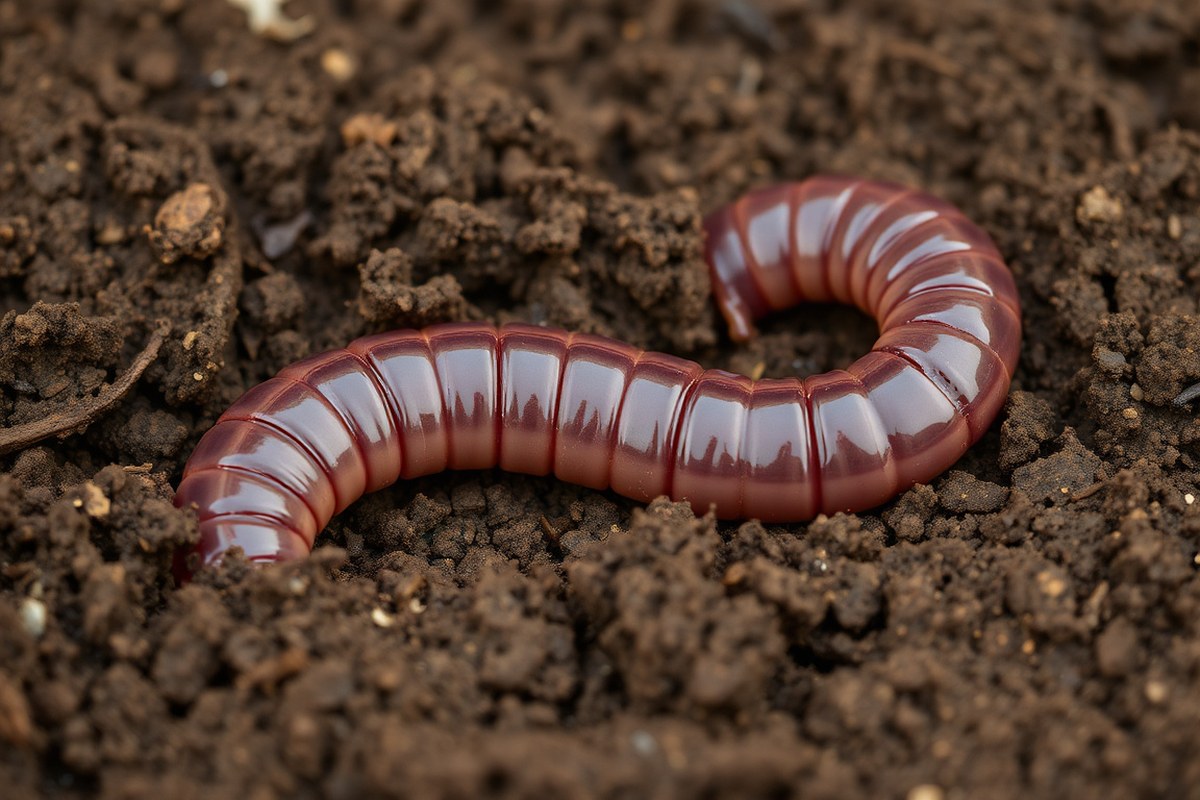
Worms are invertebrate animals, meaning they have no backbone. They are soft-bodied creatures with an elongated shape, lacking limbs or an external skeleton. This simple body shape is why they get called “worms.”
The name doesn’t refer to just one animal group. Many different creatures can be called worms.
The word “worm” refers to a variety of animals, not just one scientific class. It broadly describes any long, slimy, soft-bodied animal without legs. Many animals called worms belong to different scientific groups.
These groups differ based on body shape and genetics. So, worms aren’t all closely related.
For example, earthworms belong to the class Oligochaeta in the phylum Annelida, known as segmented worms. Roundworms, or nematodes, belong to a separate phylum called Nematoda.
Flatworms are from yet another phylum, Platyhelminthes. All these are types of worms, but they differ a lot biologically and evolutionary.
Not all “worms” are true worms in a strict scientific sense. Some insects’ larvae, shipworms, millipedes, and even some vertebrates with worm-like bodies are sometimes called worms. This shows that the term “worm” is more about shape than exact classification.
The variety of worms is huge. Over 3,000 species of worms have been described. Some are only visible under a microscope, while others can grow really long.
The African giant earthworm can reach 6.7 meters. Certain marine worms grow even longer.
Understanding worms’ classification matters because it helps with identifying species accurately. It also guides research, like with the nematode Caenorhabditis elegans, heavily studied for genetics. This worm’s simple body and quick life cycle make it a key example in biology.
Worms don’t form one strict scientific group. But all worms have soft bodies. Their bodies can be segmented or unsegmented, but have no hard parts.
When you hear “worm,” think about a general shape. It’s not a name for one specific family or group.
Worm is a broad term, not exact. This helps clear up confusion about whether worms are insects, mammals, or something else.
Key Physical Features and Body Types of Worms
Soft, Elongated, and Limbless Bodies
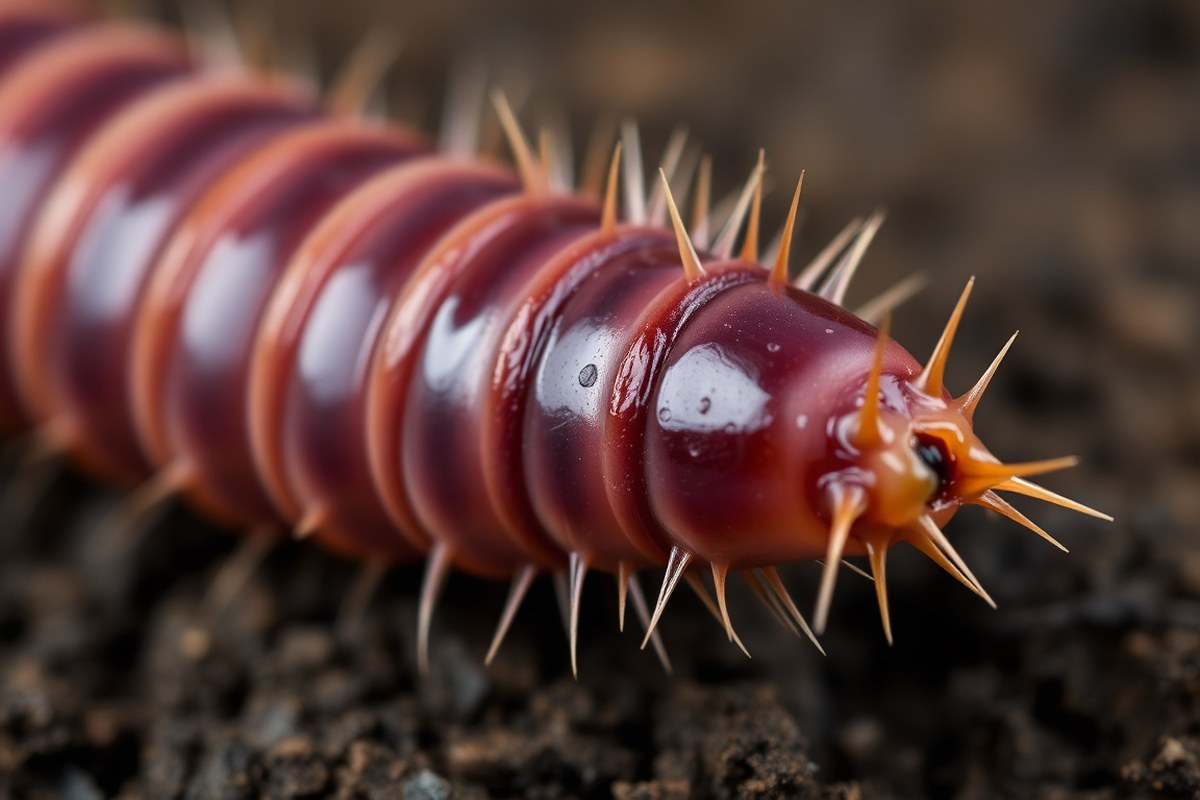
Worms all share a soft, elongated body without legs or bones. Their skin feels smooth or slightly moist and stretches along their length. This design helps them slip through soil or bodies where they live.
Since they lack limbs or hard bones, worms can move flexibly. Their bodies bend and stretch to travel, which keeps them from getting stuck in tight spaces. Some have tiny hairs or bristles to grip surfaces better.
Segmentation and Its Role
Many worms have segmented bodies, meaning their bodies are divided into rings or sections. Earthworms are the best-known segmented worms. These segments help them move more efficiently by contracting muscles in each ring independently.
Each segment often contains small bristles called setae. These setae dig into soil or surfaces to stop backsliding as the worm pushes forward. Without segmentation, worms would struggle to wriggle smoothly.
Movement Without Legs or Limbs
Worms move by bending their bodies and using muscles along their length to create waves. These waves push against soil or the surface, helping them crawl forward or backward. Some worms use tiny cilia, hairlike structures, to glide.
In segmented worms, muscles in each ring contract and relax in sequence. This creates a rippling effect that changes the worm’s length and circumference, letting it inch along. This method lets worms move through tight spaces without limbs.
Size Differences Among Worms
Worm sizes vary greatly from tiny to very long. Most common earthworms grow a few inches long, around 7 or 8 centimeters. Some species can reach 14 inches (35 centimeters) or more.
Parasitic worms inside animals can be even longer. Tapeworms within hosts may grow 2 to 3 feet long.
Heartworms inside dogs reach 12 inches on average, while smaller males measure less. Size depends on species and environment.
Adaptations in Body Shape
Not all worms have the same body shape. Flatworms are thin and flattened, helping them slip under surfaces or inside hosts. Roundworms have a smooth, cylindrical body that’s tougher and more resistant.
Leeches, a type of segmented worm, have suckers on either end. These let them attach to hosts firmly. Different shapes suit different lifestyles, from burrowing underground to living inside another animal.
Worms rely on their bristles or cilia to grip surfaces and avoid slipping backward.
The Major Worm Groups: Flatworms, Roundworms, and Segmented Worms
Worms are classified into three major phyla based on their body structure and way of life. These groups are flatworms, roundworms, and segmented worms. Each group has unique traits and can be either free-living or parasitic.
Flatworms (Phylum Platyhelminthes)
Flatworms have soft, flattened bodies without a true body cavity. They are called acoelomates because they lack this cavity.
Some flatworms are free-living, like planarians. Many others are parasitic, such as tapeworms and flukes.
These worms often live in wet environments or inside other animals. Parasitic flatworms depend on hosts for food and shelter. Free-living types usually crawl or swim in freshwater or marine habitats.
Roundworms (Phylum Nematoda)
Roundworms have long, cylindrical bodies that taper at both ends. Their bodies are covered by a tough outer layer called a cuticle. Nematodes live in many habitats, including soil, water, and inside plants or animals as parasites.
They are one of the most abundant animal groups on Earth, with diverse lifestyles. Parasitic roundworms can cause diseases in humans and animals. Free-living ones help break down organic matter in soil.
Segmented Worms (Phylum Annelida)
Segmented worms have bodies divided into repeating segments. These segments help with movement and flexibility. Examples include earthworms, leeches, and marine polychaetes.
Most segmented worms are free-living and prefer moist soil or aquatic environments. Some, like leeches, are parasitic and feed on blood from other animals. Earthworms play a big role in enriching soil by breaking down organic material.
Here is a table comparing three major worm groups. It shows differences in body shape, habitat, and lifestyle. It helps you see their differences at a glance.
| Worm Group | Body Shape | Habitat | Free-living or Parasitic | Examples |
|---|---|---|---|---|
| Flatworms (Platyhelminthes) |
Soft, flattened, no body cavity | Freshwater, marine, inside hosts | Both free-living and parasitic | Planarians, tapeworms, flukes |
| Roundworms (Nematoda) |
Cylindrical, tapered ends, cuticle-covered | Soil, water, inside plants and animals | Both free-living and parasitic | Hookworms, pinworms, soil nematodes |
| Segmented Worms (Annelida) |
Segmented, flexible | Soil, freshwater, marine environments | Mostly free-living, some parasitic | Earthworms, leeches, polychaetes |
Knowing these traits helps you identify worms and understand their roles. Parasitic worms rely on hosts to survive. Free-living worms often help break down organic material.
Where Do Worms Live? Habitats and Environmental Adaptations
Soil: The Common Worm Habitat
Many worms live in soil, where moisture and organic matter support them. Earthworms burrow through dirt, improving soil health by mixing nutrients and air. They avoid very dry places, frozen ground, or deserts that lack moisture for survival.
These worms prefer temperatures between 40 and 80 degrees Fahrenheit. Soil that becomes too dry or cold causes earthworms to go deeper underground.
They may also become inactive to survive these conditions. This helps them survive until conditions improve.
Freshwater Environments
Several types of worms thrive in freshwater habitats such as ponds, streams, and lakes. These worms float, crawl, or burrow in soft sediment at the bottom. Free-living freshwater worms stay near oxygen-rich areas to breathe.
Worms in freshwater eat dead plants. Fish or amphibians then eat these worms. They form an important part of the food chain.
These environments can change temperature and oxygen levels quickly. So worms have flexible survival strategies.
Marine Habitats
Many worm species live in oceans, from shallow coastal zones to deep sea floors. Peanut worms and acorn worms dig in sand or mud. Their bodies help them resist strong currents.
This keeps them safe in their habitat. Marine worms often serve as important food for crabs, fish, and other creatures.
The saltwater environment demands adaptations like tolerance to tides and salinity changes. These worms eat tiny organisms or detritus on the seabed.
They help form the base of the aquatic ecosystem. This supports other sea life.
Parasitic Worms Living in Hosts
Some worms live inside animals as parasites, including humans, dogs, and cats. These worms live on or inside hosts. They take nutrients and often cause tissue damage.
This can lead to health problems in the host. They are usually small, often less than 1 centimeter long.
Parasitic worms can survive the host’s body by resisting digestion and immune responses. Their eggs leave the host and enter soil or water.
There, eggs develop before infecting new hosts. This continues the worms’ life cycle.
Adaptations to Harsh Conditions
Worms have ways to survive tough conditions like drought, cold, or low oxygen. For example, many worms burrow deeper underground to avoid freezing or dry soil. Others slow their metabolism and enter resting states until the environment improves.
This ability lets worms persist in deserts, frozen soils, or fluctuating water habitats. Still, extreme heat or permanent ice makes survival impossible for most worm species.
What Do Worms Eat? Diets of Free-Living and Parasitic Species
Worms eat many types of food depending on their species. Free-living worms mostly consume organic matter like decomposing leaves, roots, and soil rich in nutrients. They feed on fungi and bacteria.
This breaks down dead plant material. It recycles nutrients back into the soil.
Parasitic worms have a very different diet. They feed on their host’s tissue or blood, causing diseases such as ascariasis and trichinosis. These worms enter hosts through contaminated food or water.
They start their life cycle inside. They depend only on the host for nutrition.
Digestion in worms varies by type but generally involves simple methods. Many worms swallow soil or organic debris, then digest the nutrients using enzymes in their gut. This process takes time.
Food moves slowly through their long digestive tract. This allows full nutrient absorption.
Some flatworms are parasitic and harmful. They prey on other worms and animal tissue, which disrupts the natural soil balance. Many segmented worms, like earthworms, are beneficial.
They improve soil by eating and aerating it. This helps plants grow.
Avoid touching or eating soil without washing your hands thoroughly. Parasitic worms can enter through contaminated contact.
Worm diets matter because they influence their role in ecosystems. Free-living worms improve soil health, while parasitic worms impact animal and human health negatively. Understanding what worms eat helps you tell which types are helpful or harmful.
Worm Reproduction and Life Cycles Explained
Most worms reproduce sexually, but some can reproduce without mating. Segmented worms like earthworms are hermaphrodites, meaning each worm has both male and female parts. They exchange sperm during mating, then lay eggs in cocoons over about two to four weeks.
Parasites such as tapeworms have more complex reproduction with multiple hosts. The life cycle often begins when an egg is swallowed unintentionally by an animal. Inside the host’s intestines, the egg hatches, grows, and produces larvae over several weeks.
Heartworms start their life cycle inside a mosquito’s body. When the mosquito bites an animal, it transmits larvae into the bloodstream. These larvae grow into adult worms over several months.
They live inside the host during this time. The adult worms lay eggs to keep the cycle going.
A worm’s lifespan varies by species and environment. Earthworms usually live up to four years in healthy soil. Parasitic worms often live shorter lives, limited by their host’s lifespan or immune response.
Some worms produce up to 20 eggs per cocoon, released over several weeks. The eggs hatch into larvae or juvenile worms, which then mature into adults capable of reproducing. This cycle can take weeks to months depending on temperature and species.
Understanding worm life cycles helps in controlling pests or protecting beneficial worms. Handling soil right encourages earthworms’ reproduction and soil health. Dealing with parasites needs breaking their cycle, often by treating the host animals.
Why Are Worms Important? Ecological and Human Benefits
Worms are essential for ecosystems because they break down dead plants and animals. This process returns nutrients to the soil, helping plants grow. Without worms cycling nutrients, soils would lose fertility and plants would struggle.
Earthworms improve soil health by making it loose and airy. They tunnel through the soil, creating channels that let air, water, and roots reach deeper layers. Their waste adds organic matter to the soil.
It also adds minerals. This helps plants grow strong roots and boosts crop yields.
You can encourage earthworms by keeping soil moist and avoiding chemicals. Adding compost and mulching helps feed them, which keeps the soil healthy. Good soil health leads to healthier gardens and better food production.
Worms also play a role in human health. Some parasitic worms cause diseases, but many are harmless or even useful for research.
Scientists study certain worms to understand how bodies fight infection and to develop treatments. For example, studying Trichinella spiralis helps doctors handle muscle infections.
Despite their small size, worms support entire food chains. Birds, fish, and amphibians rely on worms as food. Protecting worms means protecting animals that depend on them, maintaining balanced ecosystems.
Common Misconceptions About Worms and How to Identify Them
Lots of people think all worms look the same or live underground. In reality, worms vary a lot. But many share features like long, soft bodies without legs.
Not every worm is the common earthworm you see in your garden. Some live inside animals or humans as parasites.
To tell different worms apart, check their size, shape, and colour. Earthworms are usually pinkish and a few inches long, with clear body segments.
Flatworms look flat and ribbon-like, while roundworms are smooth and cylindrical with pointed ends. The way worms move or where you find them also helps identify them.
Parasitic worms often cause concern because they can infect people or pets. The CDC says the smallest parasitic worms in America are about the size of a paperclip. Yet they are common infections.
These worms live inside the body and can cause symptoms like stomach pain or itching. Wash your hands, cook meat properly, and avoid drinking unsafe water to reduce risk.
You can identify a worm by its body shape and length. Check its color and texture too. These features help spot what kind of worm it is.
Next, observe if it’s moving freely in soil or inside a host. Finally, consider the habitat, worms in soil mostly help plants.
Those inside animals might need careful treatment. This helps avoid confusion and keeps you safe.
Always wash your hands after handling soil or animals to avoid parasitic worm infections.
Step-by-Step Action Plan to Understand Worms Better
Follow these steps to explore worm types, habitats, and roles in nature. Each step builds your clear picture of worm biology and importance.
- Day 1: Learn the basic worm groups, flatworms, roundworms, segmented worms. Check if you can name an example from each group.
- Day 3: Study key worm features like body shape and segments. Confirm by drawing a simple worm and labeling parts.
- Week 1: Explore worm habitats in soil, water, and inside animals. Identify one worm species common near you.
- Week 2: Find out what different worms eat, plants, animals, or organic matter. Notice if your local worm is free-living or parasitic.
- Week 3: Review worm reproduction styles and life cycles. Recognize which worms lay eggs and which have live young.
- Week 4: Understand why worms matter to soil health and ecosystems. Test this by observing soil with and without worms.
- After 1 Month: Clear up common worm myths by comparing real facts. Share your new knowledge with a friend to solidify it.
Frequently Asked Questions
What Is the Scientific Classification of a Worm?
Worms belong to several phyla based on their body and biology. The main groups are Annelida, Nematoda, and Platyhelminthes.
Each group has distinct body structures. These groups help scientists organize different worm types more clearly for study and understanding.
How Do Worms Breathe Without Lungs?
Worms breathe through their skin, which must stay moist for oxygen to pass easily. This moisture allows gas exchange directly with the environment since worms lack lungs.
Are Worms Considered Insects?
No, worms are not insects. Insects have hard exoskeletons and jointed legs, unlike the soft, legless bodies of worms.
Can Worms Regenerate Lost Body Parts?
Some worms can regenerate missing parts. But the ability depends on the species and injury extent. This trait helps some worms survive injuries in their environment.
Why Do Some Worms Grow to Extreme Lengths?
Some worms, like marine nemerteans, can grow very long. Their soft, flexible bodies help them stretch a lot.
This ability allows for extreme length. This length helps them in hunting or avoiding predators.
Do All Worms Live Underground?
Not all worms live underground; some live in water or as parasites inside animals. Worms adapt to various environments beyond soil, depending on their species.
Wrapping Up
Worms are simple but important animals that support ecosystems. You can start observing local worms and their roles today. That hands-on look brings their biology to life in your own backyard.