Do Marigolds Grow in Shade? What Actually Works for Healthy Blooms
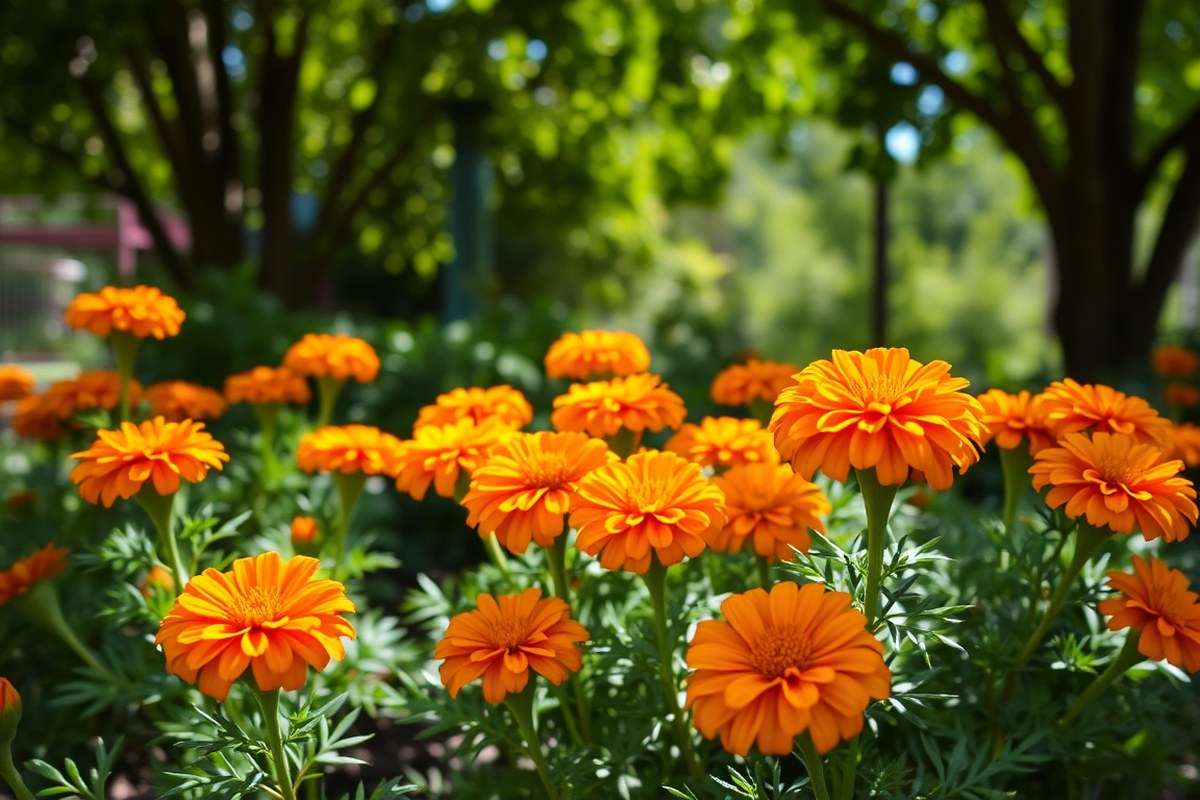
Do marigolds grow in shade? Yes, they can. But they need at least 4 to 6 hours of indirect sunlight daily.
Without enough light, their growth slows and blooms drop. You want a spot with morning sun or dappled light.
This helps keep your marigolds healthy. Choose a place that isn’t too dark.
Marigolds don’t do well in full shade, which means less than 3 hours of direct sun. Partial shade, defined as 3 to 6 hours of sun, works better. Just know they might not bloom as heavily as they would in full sun.
Make sure to space marigold plants properly to avoid extra shading among them. Larger African marigolds need more room, about 10 to 12 inches apart.
So they get enough light. Keeping taller plants on the north side helps avoid blocking sunlight.
Key Takeaways
- Marigolds need at least 4 hours of direct or strong indirect sunlight daily.
- Partial shade (3, 6 hours of sun) supports growth but reduces flower production.
- Full shade (under 3 hours sun) causes weak stems and few blooms.
- Space African marigolds 10, 12 inches apart to prevent mutual shading.
- Place taller plants north to avoid blocking sunlight from marigolds.
- Morning sun with afternoon shade suits marigolds better than the reverse.
Can Marigolds Grow in Shade or Partial Shade?
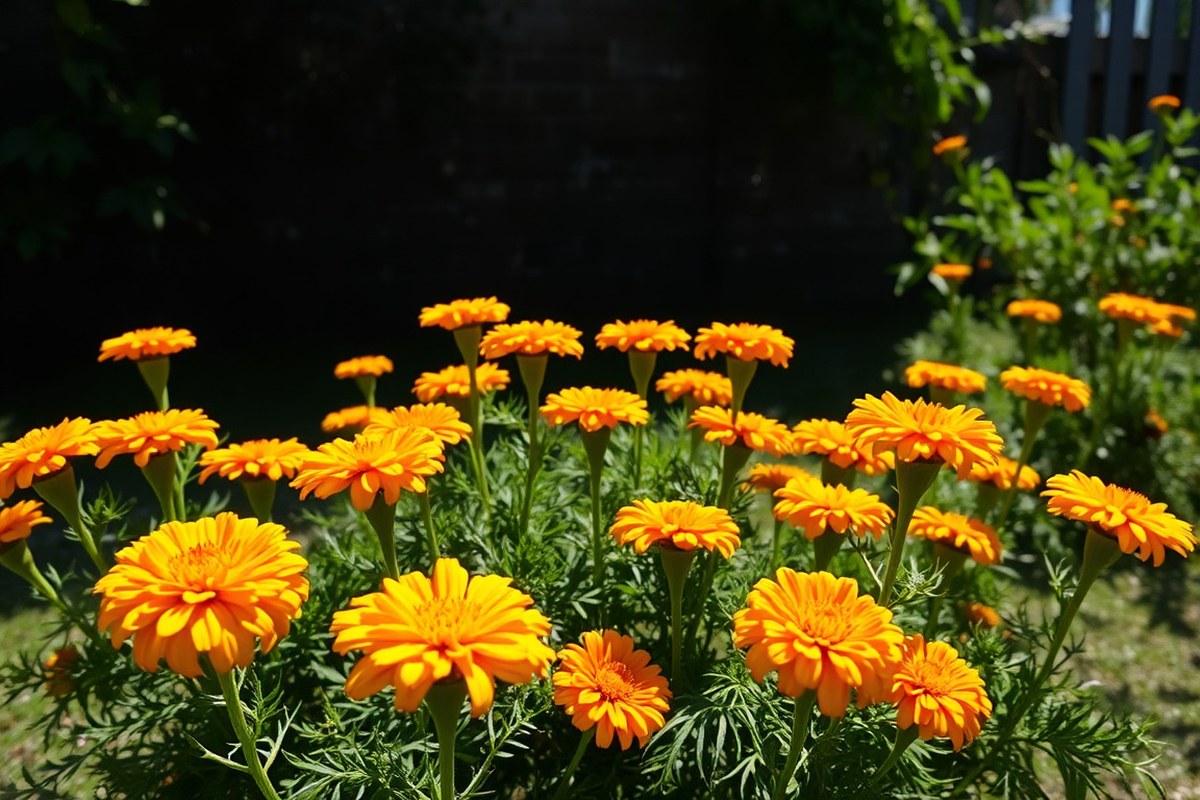
Marigolds can grow in partial shade, but they still need some sunlight to thrive. They need 4 to 6 hours of indirect sun each day. This helps them grow well.
It also helps them flower. Without this sunlight, marigolds won’t bloom as much, and their growth may become weak or leggy.
Full shade is generally too dark for marigolds. They can survive a short time in full shade.
But they won’t develop strong stems or many blooms. Marigolds need sunlight for photosynthesis, which fuels their growth and keeps flowers coming.
Partial shade means three to six hours of direct or indirect sun, often morning sunlight. Marigolds grow better in partial shade than full shade. They bloom less than in full sun.
Partial shade is still a good option. Some varieties, like French marigolds, handle partial shade better and stay bushy with moderate blooms.
In warmer climates, partial shade can actually help protect marigolds from scorching and overly dry soil. Shade keeps soil cooler and retains moisture, which benefits the plants. However, too much shade limits flowering, and the plants may stretch toward light, becoming weak.
To help marigolds grow in partial shade, plant them where they receive morning or filtered sunlight. Avoid dense shade like under thick tree canopies. Keep soil moist but not soggy for marigolds.
They like well-drained soil even in shade. Watch the soil’s wetness carefully.
For many blooms, full sun works best. Marigolds thrive with 6 or more hours of direct sun. This promotes strong flowering.
Partial shade is an option if your garden area is limited. But expect less compact growth and fewer flowers compared to full sun spots.
How to Define Full Sun, Partial Shade, and Full Shade for Marigolds
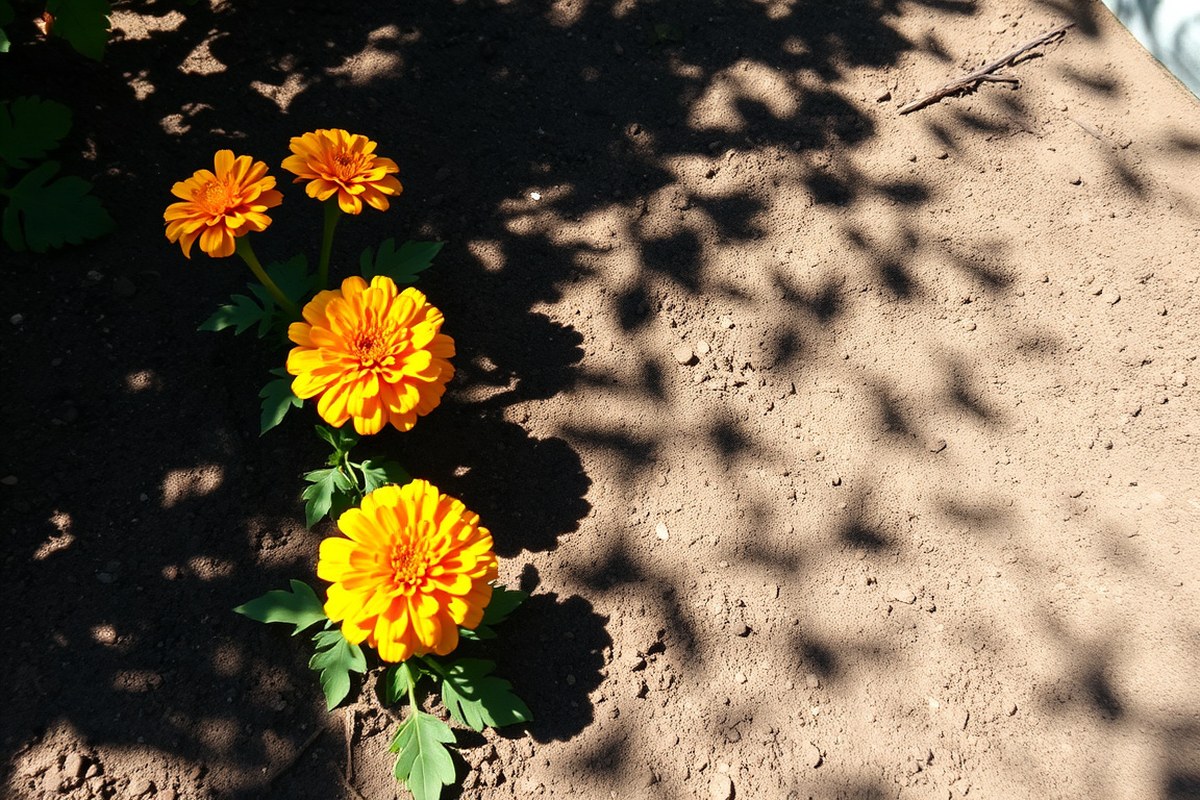
Marigolds need the right amount of sun to grow well. You can measure full sun, partial shade, and full shade by sunlight hours. Full sun means 6 or more hours of direct sun each day.
Partial shade means about 3 to 6 hours of sun daily. Knowing these categories helps you plant marigolds exactly where they’ll thrive.
What Counts as Full Sun for Marigolds?
Full sun means at least 6 hours of direct sunlight daily. Marigolds grown in full sun develop strong stems and plenty of blooms. This exposure lets them photosynthesize enough to produce energy for growth and flowering.
Look for full sun spots by watching sunlight from 10 a.m. To 4 p.m. Note where the sun shines directly for several hours on your garden. These spots get the most sun during the day.m. And 4 p.m. Most marigolds grow best in full sun, especially in cool areas.
The extra sunlight helps marigolds bloom and stay healthy. Cooler climates need this bright light for better growth.
Identifying Partial Shade Areas
Partial shade means 3 to 6 hours of direct sunlight each day. It’s good to think of places that get morning sun but afternoon shade. Marigolds in partial shade might grow a little slower but can stay healthier in hot weather.
Plant marigolds in raised beds or near walls if sun is limited. Spots with around 5 hours of sun can still support marigolds this way. Raised beds can help plants get more light and warmth.
That can boost their light exposure without extra work or cost. Partial shade also helps marigolds retain moisture better.
Spotting Full Shade Corners in Your Garden
Full shade means less than 3 hours of direct sun or just dappled light. Marigolds often fail to bloom with so little sunlight because they can’t photosynthesize enough. Choose plants that like shade in these darker spots.
Things blocking light might cause full shade: tall fences, dense tree canopies, or walls. Mark these areas to avoid planting marigolds where they won’t thrive. This step saves you time and stops plants from struggling.
How to Measure Sunlight Hours Accurately
Use a simple notebook to track where and when sunlight hits your garden. Check the spot at least hourly from morning to evening on a clear day. Write down the times when direct sun reaches the location.
Alternatively, buy a handheld sunlight meter online or from garden centers. They cost about $15 to $30. This tool provides exact sunlight readings, helpful if your garden has mixed light areas.
Steps to Choose the Best Planting Spot
List your garden areas by how much sun they get. Match marigolds needing full sun to areas with 6+ hours of direct light. Reserve spots with 3 to 6 hours for marigolds that tolerate partial shade better.
Mark any full shade zones clearly and avoid planting marigolds there. Use these zones for plants that prefer shade and moisture. Pay close attention in hot seasons, since more shade might protect marigolds from heat stress.
- Observe sunlight on a clear day between 10 a.m. And 4 p.m.
- Count direct sun hours carefully for each garden bed.
- Note which parts receive morning sun vs. Afternoon sun.
- Consider temporary tools like trellises to raise plants
- Use a light meter to quantify sun exposure if unsure.
- Mark full shade areas caused by trees or buildings.
- Match marigold varieties to your garden’s light profile.
Don’t guess your garden’s light conditions, accurate sun tracking improves marigold growth and bloom quality.
Which Marigold Varieties Tolerate Shade Best?
Signet and French marigolds tolerate shade better than African types. You can grow them with four to six hours of light each day. They still produce decent blooms in these areas.
This amount of light works well for many marigolds. Dwarf marigolds sometimes do better in shade too.
African Marigolds: Large and Sun-Loving
African marigolds grow tall and produce big, bright flowers. They prefer full sun and need at least six hours of direct sunlight daily. They usually grow 10 to 12 inches apart because of their size.
These marigolds do not handle shade well and may show fewer blooms in low light. You can try planting them in east-facing spots with morning sun but avoid dense shade. They are best reserved for sunny garden beds or open spaces.
French Marigolds: More Shade-Tolerant Options
French marigolds tolerate lower light better than African types. They can bloom well with four to six hours of morning or dappled sunlight. Gardeners often choose varieties like ‘Bonanza’ or ‘Durango’ for partial shade spots.
They need less space than African marigolds, around 8 to 10 inches between plants. French marigolds also resist some diseases better in shadier gardens if you prepare the soil well. They adjust more easily to different light levels, making them flexible for mixed sun spots.
Signet and Dwarf Marigolds: Shade Adaptations
Signet marigolds have smaller leaves and flowers but tolerate shade best among the marigold types. They can survive with less direct sun, even in lightly shaded spots. Their airy foliage still looks attractive in lower light gardens.
Dwarf marigolds sometimes show slightly better shade tolerance than tall varieties. They work well in spaces where sun is limited to five or six hours daily. Plant signet or dwarf marigolds 8 to 10 inches apart for healthy growth and airflow.
Here is a table showing shade tolerance and typical spacing for each marigold type:
| Marigold Type | Shade Tolerance | Recommended Spacing | Typical Sun Hours Needed |
|---|---|---|---|
| African | Low (needs full sun) | 10 to 12 inches | 6+ hours direct sun |
| French | Medium (tolerates partial shade) | 8 to 10 inches | 4 to 6 hours sun |
| Signet | High (best with some shade) | 8 to 10 inches | 4 to 6 hours sun preferred |
| Dwarf (various types) | Medium to High | 8 to 10 inches | 4 to 6 hours sun |
Choosing your marigold variety based on shade improves flower production. Smaller varieties that like partial shade save space and need less sun. They help fill garden spots where African marigolds struggle to bloom well.
How Shade Affects Marigold Growth and Flowering
Marigolds grown in too much shade often develop long, spindly stems. This happens because the plants try to reach for more light, causing a leggy, weak structure. The lack of sunlight reduces their ability to produce strong, healthy foliage.
Flowering also suffers in shaded marigolds. With less than six hours of direct sun, marigolds bloom less. They also flower later than those in full sun.
This means you get fewer blooms overall. This happens because sunlight powers the energy plants use to form flowers. So less light means fewer and smaller flowers overall.
The overall plant vigor drops in shaded areas. Marigolds need at least six hours of direct sun daily. This keeps their shape compact.
It also helps them flower strongly. When sunlight is under four hours, marigolds grow slowly.
Their blooms get smaller, too. The plant can look weak and dull.
Preparing Soil and Planting Tips for Marigolds in Partial Shade
Marigolds need well-drained, fertile soil to grow well, especially in shaded areas. Their roots can rot in soggy soil, which is a common issue in shade. The soil must be loose.
It should have lots of organic matter. This helps marigolds get nutrients and air.
Proper spacing helps each marigold get as much light as possible. Crowding plants limits airflow and sunlight, making them weaker.
Space your plants so they don’t shade each other. Fit them into the sunny spots available.
Marigolds grow best in soil with a pH between 6.0 and 7.0. This pH helps plants take in nutrients well. You can test your soil with a simple kit from garden stores.
- Clear the planting area of weeds and grass to reduce competition.
- Loosen soil to about 8 inches deep using a garden fork or tiller.
- Mix in 2 to 3 inches of compost or well-rotted organic matter to improve fertility.
- Check your soil’s pH level first. Use lime to raise the pH if needed. Add sulfur to lower the pH if it’s too high.
- Space marigold plants about 8 to 12 inches apart to ensure good airflow and light reach.
- Plant marigolds so they receive morning sun with afternoon shade if full sun isn’t available.
- Water freshly planted marigolds gently but thoroughly and avoid soaking the soil.
- Apply a thin mulch layer to help keep the soil moisture steady without causing dampness.
Overcrowding marigolds in shaded areas can increase disease risks and reduce flowering.
Care Strategies to Help Marigolds Thrive with Less Sunlight
Marigolds growing in shade need tailored care to stay healthy and bloom well. Water less often but consistently, and use gentle fertilizing to support weaker blooms. Prune and deadhead regularly to boost growth and flower production.
Adjusting Watering Frequency in Shady Areas
Shade keeps soil moist longer. So you should water marigolds less often than in full sun. Check soil moisture by sticking your finger about two inches deep.
Water only when it feels dry. Overwatering can cause root rot. So watch for yellowing leaves, which signal too much water.
Water early in the day to prevent fungal problems, which shade can encourage. Use a drip system or water at the base to keep leaves dry. These steps help avoid common moisture-related diseases.
Fertilization Practices for Weaker Blooming
Marigolds in shade bloom less vigorously. So give them a mild fertilizer boost every four to six weeks during the growing season.
Use a balanced, slow-release fertilizer, such as 10-10-10, or a liquid fertilizer diluted to half strength. Avoid too much nitrogen, which causes leaf growth but few flowers.
Balanced nutrition helps compensate for low sunlight, supporting healthier, longer-lasting blooms. Keep soil loose and well-draining to aid nutrient uptake. A mulch layer can also hold moisture and slowly add nutrients when you water.
Pruning and Deadheading to Encourage Growth
Pinch growing tips in early summer to make marigolds bushier and produce more buds. This simple step offsets slower growth in shade by encouraging branching. Use clean fingers or sharp scissors for pinching just above a leaf joint.
Deadhead faded flowers frequently to keep energy focused on new blooms. Removing spent flowers prevents seed production, which slows flowering. You can pinch or snip with small garden shears.
Shade cloth is often unnecessary with the right light balance. You need morning or late afternoon sun and shaded areas. This helps your plants get enough light without burning.
- Water only when the top 2 inches of soil feels dry.
- Use a balanced fertilizer every 4 to 6 weeks, diluted if liquid.
- Pinch growing tips in early summer to encourage bushy plants.
- Deadhead faded blooms regularly to support continuous flowering.
- Water early in the day to avoid moisture buildup on leaves.
- Maintain well-drained soil to prevent root rot in shaded areas.
- Adjust care based on local climate and shade intensity.
Common Problems When Growing Marigolds in Shade and How to Solve Them
Marigolds grown in shade often face root rot because the soil stays wet longer. This moisture encourages fungal diseases like powdery mildew and botrytis blight. These diseases harm leaves and flowers, causing spots or fuzzy gray mold to appear.
To fix moisture problems, water marigolds less frequently in shaded areas. Let the top inch of soil dry between waterings to avoid soggy roots. Improving soil drainage by adding compost or sand helps water flow away from roots more easily.
Marigolds in shade also tend to grow leggy. They stretch out with thin, weak stems while reaching for light. This makes plants fragile and lowers flower production.
Prevent leggy growth by placing marigold seedlings under a grow light indoors before planting outdoors. For shaded garden beds, choose spots with dappled or morning light to reduce stem stretching. You can also trim back long stems to encourage bushier growth.
Shade increases the risk of fungal infections because damp, cool conditions allow spores to thrive. Watch for white powdery spots on leaves and gray mold on flowers and stems. Removing affected parts swiftly limits spread.
Adding good air circulation reduces disease risks. Space plants about 8 to 12 inches apart so air flows easily. Avoid overhead watering, which keeps leaves wet longer, favoring fungal growth.
Pests like aphids and spider mites may also bother marigolds in lower light. Check leaves often under the shade canopy. Spray with insecticidal soap or water jets to knock off pests without chemicals.
Indoors, marigolds rarely flower without extra light and become more prone to disease. Use a grow light for 10 to 12 hours each day. This helps your plants bloom well.
It also keeps them healthy and strong. Without sufficient light, marigolds look weak and struggle to thrive.
When to Choose Alternative Plants for Full Shade Areas
Choose other plants if your garden space gets less than two hours of direct sunlight daily. Marigolds need strong light because they are obligate sun plants. In deep shade, they won’t bloom well and grow thin, leggy stems instead of full flowers.
Watch for signs like sparse blooms, thin leaves, and stretched-out stems. When these appear after a few weeks, your marigolds likely lack enough light.
Don’t waste time and money trying to fix deep shade. Switch to plants bred for low light instead.
Use a simple decision rule: measure your garden’s sunlight with a watch or phone app. Track how long key spots get direct sun during the day.
Anything under two hours means marigolds won’t thrive well. Seeing this means you should choose shade-tolerant plants instead.
Some shade-friendly plants provide color year-round like marigolds. For bright summer color, consider begonias, impatiens, or coleus.
These grow strong in full shade with ambient or filtered light. They also handle cooler temperatures shade brings well.
Planting neighbors matter too. Taller plants should sit north of marigolds.
This keeps them from blocking needed light. Space marigolds 12 to 18 inches apart to avoid them shading each other as they grow.
Before planting marigolds, check your soil and add compost. Good soil supports healthy roots and stronger plants.
In cloudy or shaded areas, this helps. But it won’t replace the need for sun.
Track light exposure for a week to understand your garden’s sun map before planting marigolds.
Step-by-Step Action Plan for Growing Marigolds in Partial Shade
Follow this plan to help your marigolds grow well even with less sunlight. Check progress to adjust care as needed.
- Before planting: Choose marigold varieties known for shade tolerance, like ‘French Dwarf’ types. You’ll see better growth compared to sun-only types.
- Day 1: Prepare soil by mixing in compost to brighten up poor shade soil. Healthy soil will drain well but hold moisture.
- Week 1: Plant marigold seedlings in spots with at least 4 hours of filtered sunlight. Look for firm stems and green leaves after planting.
- Week 2: Water deeply but let soil dry slightly between waterings. Watch for wilting or yellowing leaves as a sign of over or under watering.
- Week 3: Apply a balanced, water-soluble fertilizer once every two weeks. Healthy new growth and vibrant leaf color indicate success.
- Month 2: Monitor for pests like aphids or spider mites common in shady spots. Treat early with insecticidal soap if you spot damage or sticky residue.
- Ongoing: Deadhead spent flowers to encourage more blooms. You’ll notice more flowers and less wilting with this regular care.
Frequently Asked Questions
Can Marigolds Survive in Full Shade Without Any Sunlight?
Marigolds do not survive well in full shade. They need at least some indirect sunlight to grow properly. No sunlight means poor growth and few flowers for marigolds.
Can I Grow Marigolds Under Tree Canopies with Dappled Shade?
Yes, marigolds can grow under trees with dappled shade. The filtered sunlight is enough for photosynthesis. Just avoid thick, dense shade that blocks most light.
Are Marigolds Prone to Pests More in Shaded Areas?
Marigolds in shade may attract more pests because damp conditions breed insects. Good air circulation helps reduce risk. Watch for spider mites and aphids more often in shade.
Does Watering Frequency Change for Marigolds in Shade?
Marigolds in shade usually need less water than those in full sun. Shade reduces evaporation, so soil stays moist longer. Adjust watering based on soil dryness, not just a set schedule.
Can Marigolds Bloom Well If Shaded During Afternoon Heat?
Yes, marigolds bloom better with afternoon shade. Morning sun provides cool light, and shade protects from midday heat. This combo supports flowers while preventing wilting.
Are Dwarf Marigold Varieties Better for Shaded Spots?
Dwarf marigolds can handle partial shade but still need good light. They stay smaller but bloom less without full sun. Choose dwarf types if space is tight but expect fewer flowers.
Final Thoughts
Marigolds can grow in partial shade but need extra care and the right variety. Give them filtered sunlight and watch for signs of stress. Start by planting shade-tolerant types in well-prepared soil today to see your first blooms soon.