How to Transplant a Money Tree: 8 Essential Steps for Healthy Growth
Knowing how to transplant a money tree keeps it healthy and growing strong. The key is to pick the right new pot and use fresh soil that drains well. Water your tree lightly a day before moving it to keep the roots moist and soil intact.
Choose a pot about 1 to 2 inches wider across. Set the root ball 1 to 2 inches below the top edge.
This space helps roots grow and prevents soil from spilling out. Expect a few weeks of adjustment after transplanting.
Place your money tree in a warm spot, around 60°F to 75°F. Water it every 7 to 10 days, keeping a steady schedule. This routine helps reduce stress and supports strong growth as your tree settles in.
Key Takeaways
- Give your money tree a light watering a day before you transplant it. This keeps the roots moist but not wet. It helps the plant handle the move better.
- Pick a new pot 1 to 2 inches larger across than the one you have. This gives the roots room to spread out and grow. Check the size before you buy or reuse a container.
- Set the root ball 1-2 inches below the new pot’s rim for space.
- Expect 3-4 weeks of transplant shock after repotting the money tree.
- Maintain indoor temperature between 60°F and 75°F to support recovery.
- Water the transplanted tree every 7 to 10 days to keep soil moist.
1. How to Transplant a Money Tree Step-by-Step
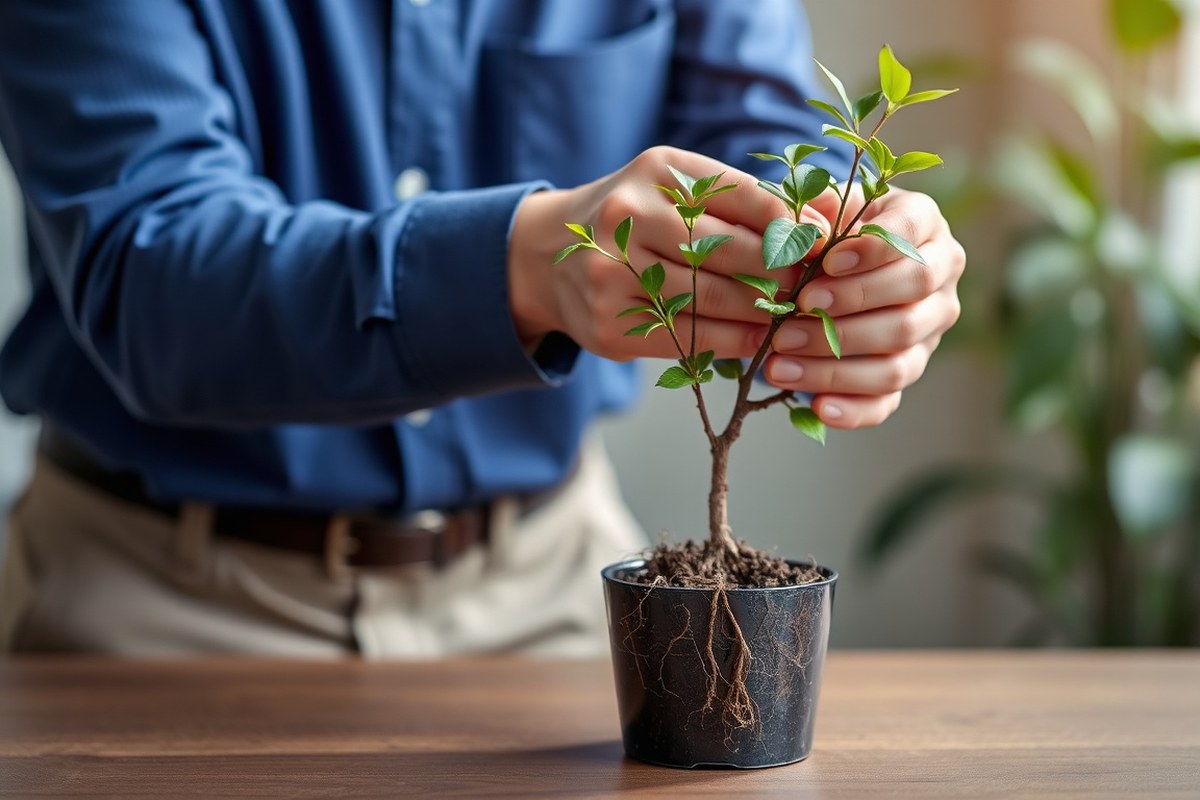
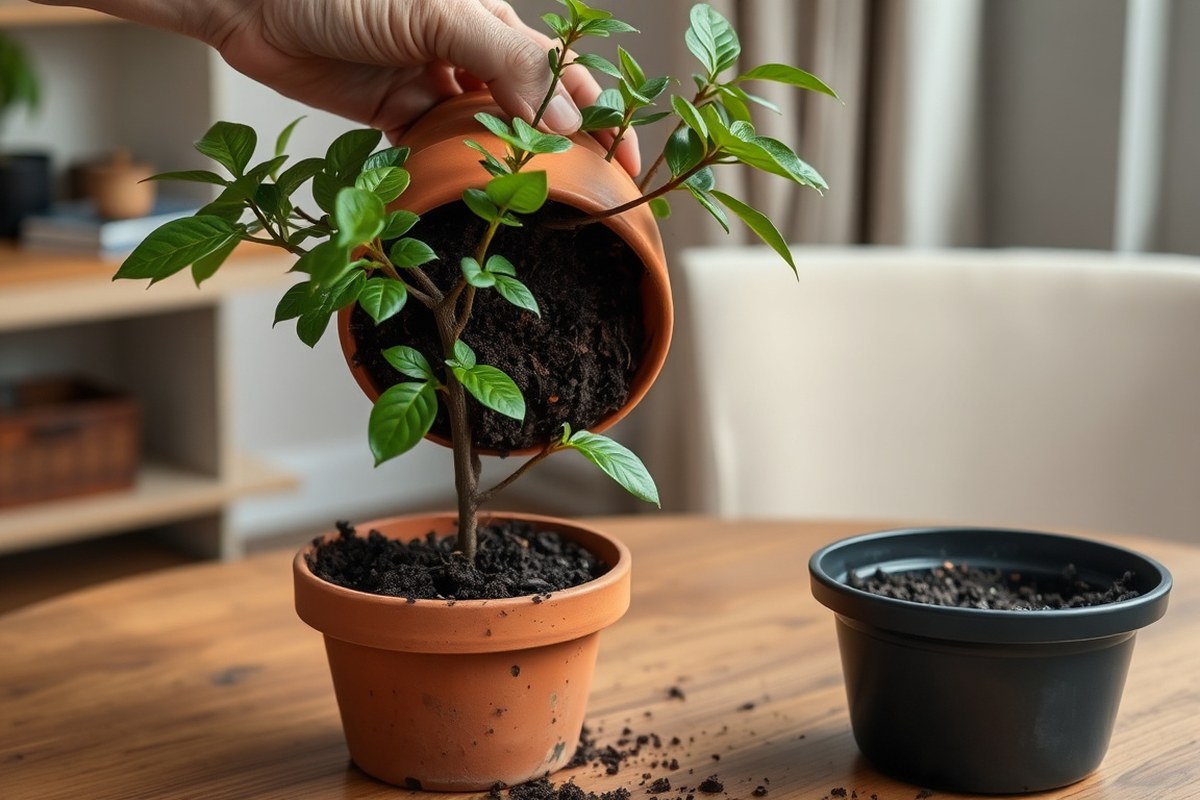
Transplanting a money tree starts with choosing a slightly bigger pot that drains well. Then, gently take the tree out without harming its roots.
Finally, place the tree upright in fresh soil. Make sure the root ball sits just below the pot’s rim.
Selecting the Right Pot and Soil
Pick a pot 1 to 2 inches wider than your money tree’s current one. It must have drainage holes to avoid water buildup, which can rot roots. A plastic or ceramic pot both work if they let water drain well.
Use a high-quality potting mix designed for indoor plants, which holds nutrients and drains well. Adding perlite or orchid bark improves aeration.
Coconut coir or pumice helps keep the soil light. This mix keeps roots healthy, making your money tree thrive.
Removing the Money Tree from the Current Pot
Tap the pot’s sides gently to loosen the soil and roots without breaking them. Then, grab the base near the soil line and carefully slide the root ball out.
When the tree is big or stuck, dig around the edges. Avoid pulling hard on the roots.
Check for root-bound signs like roots growing through drainage holes or circling the bottom. When roots are root-bound, gently untangle or trim circling roots.
This helps prevent future issues after transplanting. Always be gentle to avoid shocking the plant.
Positioning and Filling the New Pot
Add fresh potting mix to the new pot’s bottom. Put in about 2 to 3 inches of soil. Center the money tree in the pot carefully.
Keep the root ball top 1 to 2 inches below the rim. This space helps you water without overflow and lets roots grow.
Fill around the root ball with more soil, pressing lightly to remove air pockets. Avoid packing soil too tight as roots need room to breathe.
Water the tree well after filling the pot. Then, gently tap the pot from about 2 inches high.
- Choose a pot 1 to 2 inches wider than the old pot. Make sure it has drainage holes.
- Prepare fresh potting soil with good drainage and aeration agents.
- Loosen the money tree’s soil by tapping the current pot’s sides gently.
- Slide out the money tree by holding its base carefully.
- Place 2 to 3 inches of fresh soil at the bottom of the new pot.
- Center the money tree with its root ball 1 to 2 inches below pot rim.
- Add soil around the roots, pressing gently to remove air pockets.
- Water the tree well and gently tap the pot to help soil settle.
2. When Is the Best Time to Transplant a Money Tree?
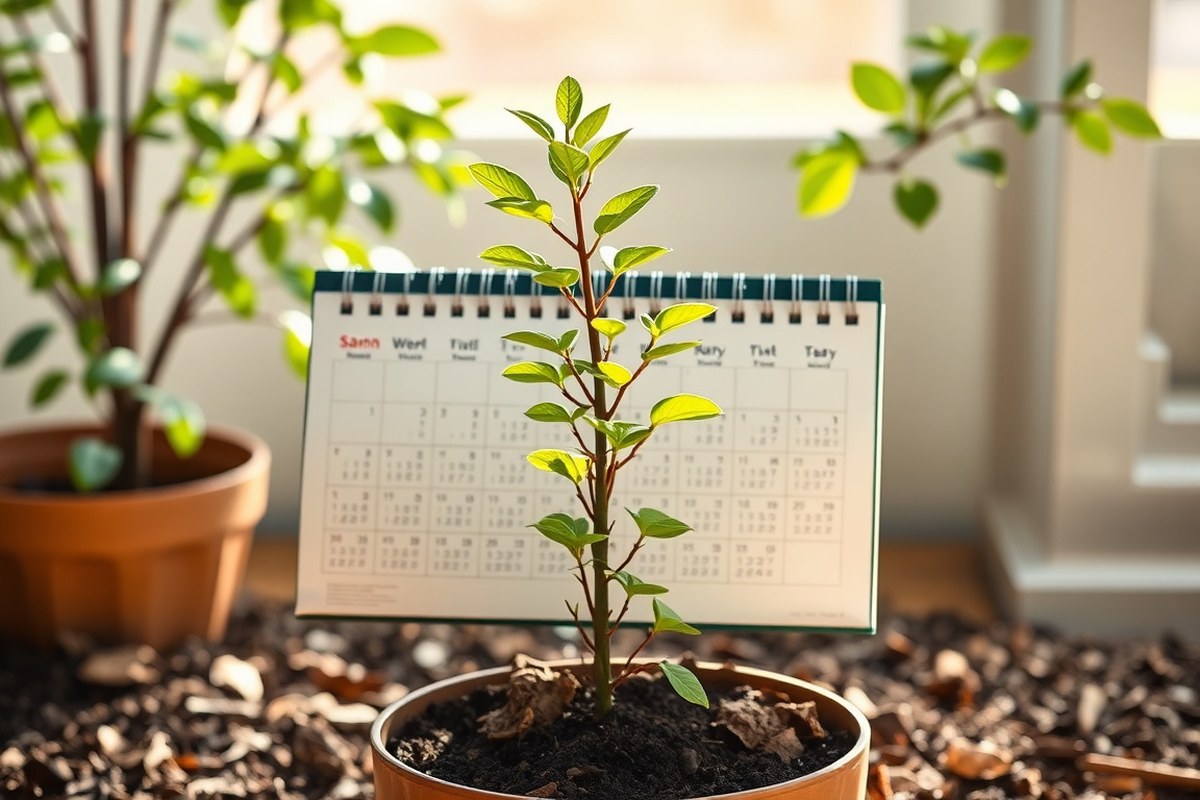
Transplant your money tree during its active growth phase for the best results. Late March through early summer is ideal because the plant is waking up. This timing helps your money tree recover faster and grow strong roots.
Transplanting in the fall can work but needs extra care. Outdoor humidity drops then, and your plant might dry out quickly.
Avoid late fall and winter because the plant enters dormancy and won’t bounce back easily. Extreme heat or cold stress makes transplant shock worse.
Here is a quick table with the best transplant times. It also shows signs to watch for on your money tree. Keep this guide handy to know when to act.
| Season | Ideal Timing | Why It Works Best | Things to Watch Out For |
|---|---|---|---|
| Spring | Late March, May | Plant wakes from dormancy and starts strong growth | Sudden temperature swings and hard winds can cause shock |
| Early Fall | September, October | Cooler temps, plant is still somewhat active | Lower humidity outdoors means extra watering needed |
| Summer/Winter | Avoid | Plant is stressed by heat or dormant | High chance of transplant shock and slow recovery |
Your money tree will show transplant shock for 3 to 4 weeks after moving it. You might see droopy or yellow leaves, wilting, or soil pulling away from the pot. Giving it water and fertilizer during spring helps it settle in quicker.
Don’t repot your money tree during cold snaps or heat waves. Stress will double recovery time.
Keep an eye on your money tree’s roots every couple years. Roots circling the pot means it’s time to transplant your money tree. Fast-drying soil is another clear sign to move the plant.
Don’t wait too long to avoid stress. Transplant during the right season to avoid extra problems.
This keeps your money tree healthy and thriving indoors. Avoid transplanting at the wrong time for best results.
3. Choosing the Right Pot and Soil Mix for Your Money Tree
Pick a new pot just 2 inches larger in diameter than the old one. Choose a pot with drainage holes to keep water flowing out. Use a soil mix that drains well and holds some moisture for nutrients.
Pot Size Guidelines
Moving up only 1 to 2 inches bigger prevents root stress and overwatering. A much larger pot lets the soil hold too much water, which can cause root rot. Root-bound plants need a bigger pot to spread roots and soak nutrients better.
Pick a pot with good drainage holes. Unglazed ceramic or plastic pots both work if water escapes well. Avoid deep pots since money trees prefer wider pots to spread roots horizontally.
| Pot Size | When to Use It | Why It Matters |
|---|---|---|
| Same size or 1 inch bigger | Minor root growth, no root bound | Prevents overwatering issues |
| 2 inches bigger diameter | Root-bound or fast growing tree | Encourages spreading roots and growth |
| More than 2 inches bigger | Rarely recommended | Soil stays too wet, risk of rot |
| Wide vs. Deep pot | Money trees root horizontally | Wide pots prevent crowding and rot |
Choose the right pot size to match your money tree’s root health. Proper drainage and room keep roots happy and growth steady.
Ideal Soil Components
Good money tree soil mixes drain fast but keep some water. Use a mix of 60% peat moss or coco coir and 40% perlite or sand. This mix holds moisture yet avoids soggy roots.
Adding perlite or sand creates air pockets. These pockets help oxygen reach roots which stops rot. Peat moss or coco coir hold nutrients and moisture evenly.
Regular potting soil is too dense and holds water for too long. It can cause overwatering problems unless amended with sand or perlite.
Avoiding Common Soil Mistakes
Too much water sitting at the bottom invites root rot and fungus. Always check your pot has drainage holes and never use a saucer without drainage. Overwatered soil looks soggy and smells musty.
Using heavy garden soil or pure peat makes poor mix choices. They trap water and suffocate roots. Avoid using unamended garden soil or store-bought soil that isn’t labeled for indoor tropical plants.
Refresh soil every 1-2 years for nutrients and structure. Old soil crusts over and loses drainage ability. Don’t forget to loosen compacted roots before you plant in fresh mix.
4. Preparing Your Money Tree for Transplanting
Water your money tree lightly about 24 hours before transplanting. This watering helps keep the root ball intact when you take the plant from its pot. Avoid soaking the soil too much; the goal is damp, not wet.
Check the braided stems gently. You can loosen braid sections that feel tight. Pull the stems lightly to separate them.
Work gently to avoid damage. Be careful not to break or snap a stem, especially near the base.
Inspect the roots by removing the plant carefully from its current pot. Look for roots circling the pot’s edge, this shows a root bound condition that needs attention.
Roots that form a tight mass need gentle teasing. Use your fingers to separate them carefully.
- Water the plant the night before to moisten roots.
- Handle braided stems by loosening tight sections cautiously.
- Remove the plant from the pot without yanking.
- Inspect roots and untangle circling roots carefully.
- Prune roots only if they are dead, damaged, or overly tight.
- Use clean, sharp scissors or pruning shears for root trimming.
- Keep root pruning minimal to avoid stress.
Gently ease apart the roots if your money tree is root bound. Take care not to hurt the roots. Avoid pulling too hard, or you risk breaking important feeder roots.
Prune roots only if they look brown, mushy, or rotten with clean, sharp scissors. Cut back no more than 10 to 20 percent of the root mass.
You don’t usually need to prune stems before transplanting unless they are damaged or wilting. Address damaged stems after transplanting, not before.
Water your money tree well right after moving it. This helps settle the soil and reduces transplant shock.
5. Caring for Your Money Tree After Transplanting
Water your money tree about once every 7 to 10 days after transplanting. Let the top 1 to 2 inches of soil dry out before watering again. This helps prevent root rot while the plant recovers from transplant shock.
Place your money tree where it gets bright, indirect sunlight. Avoid direct sun, which can stress the plant and dry out roots. This kind of light supports new root growth without causing damage.
Keep the indoor temperature steady between 65°F and 75°F (18°C to 24°C). Avoid cold drafts or sudden temperature changes, as they can shock the plant.
A humidity level of at least 50% helps too. So mist the leaves or use a humidifier if your home is dry.
Hold off on fertilizing for about 4 to 6 weeks after transplanting. Fertilizers can overwhelm stressed roots. After this period, a monthly balanced liquid fertilizer during the growing season supports steady growth.
Make sure the soil drains well. Soggy soil can cause transplant shock and root rot.
6. Signs Your Money Tree Needs Transplanting Now
Look for roots growing out of drainage holes or circling inside the pot. This means the money tree is root-bound and needs more space. A tight root ball usually causes stunted growth because roots have no room to spread.
Check the soil surface for water that quickly runs out or dries too fast. This points to soil exhaustion, where nutrients are gone. Low nutrient levels slow your tree’s growth and make leaves yellow or wilt.
Cracked or damaged pots are a clear transplant sign. They often crack because the roots push against the container.
Broken pots risk root injury and poor support. So upgrade to a sturdier, bigger planter.
Slow growth or drooping leaves also hint at needing repotting. If new leaves stop forming or your tree looks floppy, it could mean root stress or compacted soil. Repotting can refresh its home and boost health.
- Inspect roots through drainage holes or by gently sliding out the plant.
- Look for tight root circling or roots spilling outside the pot.
- Observe soil moisture and how fast water drains after watering.
- Notice leaf color changes like yellowing or drooping.
- Check the pot for cracks, chips, or instability.
- Watch for slowed growth or no new off-shoots forming.
Don’t rush to repot too often. Every transplant stresses your tree, so wait until these signs clearly appear.
Usually, a money tree needs repotting every 1 to 2 years. Picking the right time helps it grow healthy and strong.
7. Common Transplanting Mistakes and How to Fix Them
Transplant shock happens when your money tree’s roots get stressed or damaged. It slows growth and may cause yellow leaves or wilting. Handle roots gently to avoid shock.
Keep the tree in stable light. Maintain stable temperature after transplanting.
Overwatering after transplant can drown roots and cause root rot. New soil should dry out a bit between waterings.
Check soil moisture with your finger about an inch down before adding water. Good drainage is key, so a pot with holes helps a lot.
Root-bound trees have roots tightly tangled around each other. You must loosen these roots gently to give them room to grow.
Should roots break, trim damaged parts cleanly using sterilized scissors. This helps the tree focus energy on healthy growth.
Soil compaction makes it hard for roots to get air and water. Use fresh, loose soil with good drainage for your money tree.
When planting, avoid pressing soil too hard; it should be firm but crumbly. This keeps water flowing around roots and prevents soggy spots.
- Choose a pot 1 to 3 inches larger than the old one to avoid crowding roots
- Use soil with good drainage, like a mix with peat and perlite
- Water only when the top inch of soil feels dry to touch
- Loosen root-bound roots softly with your fingers or a small tool
- Trim broken or damaged roots with clean, sharp scissors
- Keep the tree in bright, indirect light to help recovery
- Avoid fertilising for about a month to reduce stress on roots
Following these fixes helps your money tree settle into its new home. The tree will start growing steadily with no wilted leaves or soggy soil. You’ll notice more new shoots and stronger stems as the roots recover well.
8. Optional: Pruning and Propagating During Transplant
You can prune some roots safely during transplanting to keep your money tree’s size manageable. Stem cuttings work well for propagation, especially during transplant or spring growth. Caring for the cuttings right away helps them root strong and healthy.
Root Pruning Best Practices
Only prune roots if you want to control the size of your money tree. Trim no more than a quarter of the healthy roots to avoid stressing the plant. Use clean, sterilized scissors or garden shears to prevent infections.
Trim tangled or very long roots carefully. Smaller roots with damage or rot are ok to cut away. Leave the thick, healthy roots mostly intact for best support and nutrient absorption.
- Wear gardening gloves and remove the money tree from its pot.
- Gently loosen soil from the roots without breaking them.
- Inspect roots for damage or crowding.
- Cut back no more than 25% of healthy roots, focusing on tangled ones.
- Use sterilized shears and cut cleanly to reduce trauma.
- Place the plant in its new pot with fresh, well-draining soil.
- Water moderately and return to indirect light.
Only prune roots if you want to keep your plant smaller. Don’t overdo it or risk shock.
Taking Stem Cuttings
Pick a healthy stem section with several leaves for propagation. The stem should be firm and free of damage. Cutting about 4 to 6 inches long works well for new growth.
Use clean, sharp scissors or a knife to cut just below a leaf node. Remove the lower leaves so you have a few at the top. This helps roots form better from the bare stem base.
- Choose a strong, healthy stem at least 4 inches long.
- Cut below a leaf node with sterilized scissors or a knife.
- Remove leaves from the bottom 2 inches of the cutting.
- Dip the cut end in rooting hormone powder (optional).
- Plant the cutting in moist potting soil or water.
- Keep the cutting in bright, indirect light and maintain humidity.
Take cuttings during your transplant or spring for the best chance of rooting.
Caring for New Cuttings
Keep cuttings in moist soil but not soggy to avoid rot. A small pot or propagation tray helps control moisture. Place the cuttings where they get bright, indirect light but no direct sun.
Maintain humidity by covering cuttings with a clear plastic bag or using a humidity dome. Open it daily for fresh air. Roots usually develop within 3 to 6 weeks.
- Place cuttings in a small pot with well-draining, moist soil.
- Keep the pot in bright, indirect light away from harsh sun.
- Cover with a plastic bag or humidity dome to keep moisture up.
- Open the cover briefly each day to prevent mold buildup.
- Check soil moisture regularly and water lightly if it dries out.
- Look for new root growth after 3 to 6 weeks before transplanting.
Too much water or lack of air circulation can cause cuttings to rot quickly.
Your Step-by-Step Action Plan for Transplanting Your Money Tree
Follow these clear steps to transplant your money tree successfully. Check each step to make sure your plant feels right and looks healthy.
- Before you start: Choose a pot that’s 1, 2 inches larger in diameter. Pick well-draining soil made for tropical houseplants.
- Day 1: Water your money tree a few hours before transplanting. The soil should be moist but not soggy to ease root removal.
- Day 1: Carefully take your money tree out of its pot. Inspect the roots to find firm white ones with no dark or soft areas.
- Day 1: Place the plant in the new pot with fresh soil. Fill in around the roots and press lightly to remove air pockets.
- Day 1: Water the plant well after transplanting. The soil should be damp but not waterlogged.
- Week 1: Keep the money tree in bright, indirect light. Avoid direct sun to reduce transplant shock.
- Week 2: Watch for new growth and check the soil moisture. Water only when the top inch of soil feels dry.
- Month 1: Resume normal fertilising schedule with a diluted houseplant fertiliser. Stop if the plant shows stress signs.
Frequently Asked Questions
How Do I Know If My Money Tree’s Roots Are Root-Bound?
You’ll see roots circling tightly at the pot’s edges or growing through drainage holes. This means the plant has outgrown its pot and needs transplanting soon for healthy growth.
Can I Use Regular Potting Soil When Transplanting a Money Tree?
Regular potting soil works, but a mix with peat, perlite, and sand drains best. This helps prevent root rot and keeps your money tree happy after transplant.
How Deep Should I Plant the Money Tree in the New Pot?
Place the root ball 1 to 2 inches below the pot rim. This depth allows room for watering and prevents water from sitting on the soil surface.
Should I Water My Money Tree Before or After Transplanting It?
Water your money tree a day before transplanting to reduce stress. After transplant, water it gently to settle the soil without flooding.
How Long Does Transplant Shock Last for a Money Tree?
Transplant shock usually lasts 3 to 4 weeks. Keep the soil moist and avoid direct sun to help your money tree recover smoothly.
Can I Prune My Money Tree During Transplanting to Help It Grow?
Yes, pruning at transplant helps balance root loss and encourages new growth. Trim any dead or crowded branches carefully to avoid stressing the plant.
Wrapping Up
Transplanting your money tree is key for its health and growth. Take care during and after the move to avoid stress. Start by picking the right pot and soil today to set your tree up for success.