How Much Sunlight Does Marigold Need? Complete Guide with Expert Tips
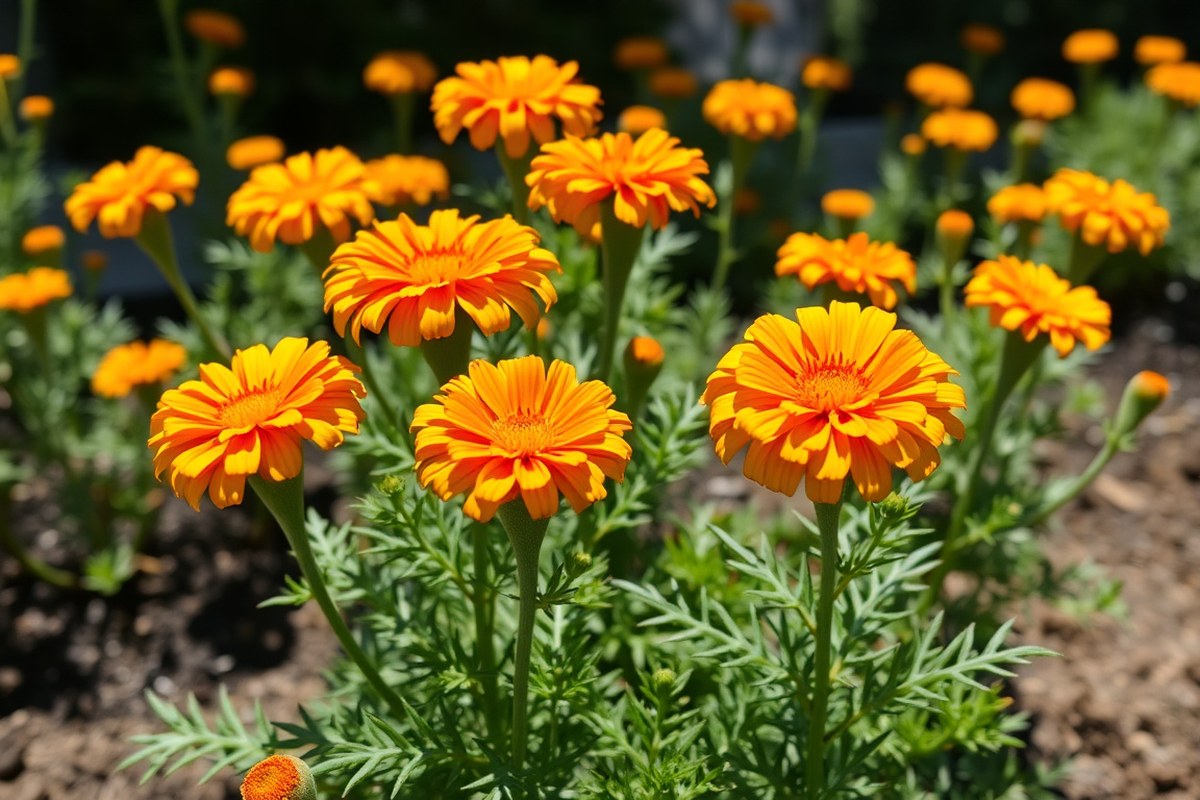
How much sunlight does marigold need to grow well? Marigolds need full sun for the best growth and flowers. That means at least 6 hours of direct sunlight daily, with more sunlight being even better.
Giving your marigolds full sun helps them stay healthy and bloom bright. The morning sun is great, but try to give them some afternoon light too. Avoid shady spots that block the sunlight for long hours.
Start by putting your marigolds in the sun outdoors. You can also keep them by a south-facing window inside. They need plenty of light to grow well.
Watch for any signs of weak growth, they often mean they need more light. Keeping a good daily sunlight routine is key for marigolds to thrive.
Key Takeaways
- Marigolds need a good amount of sunlight, about 6 hours each day. This helps them bloom fully and stay healthy. More sun means better flowers overall.
- More than 6 hours of sunlight usually improves marigold flowering.
- Morning and afternoon sun together support stronger plant growth.
- Place marigolds where shadows won’t block sunlight for long periods.
- Potted marigolds need the same sunlight as those planted in soil.
- Watch for pale leaves as a sign your marigold needs more light.
How Many Hours of Sunlight Do Marigolds Need Daily?
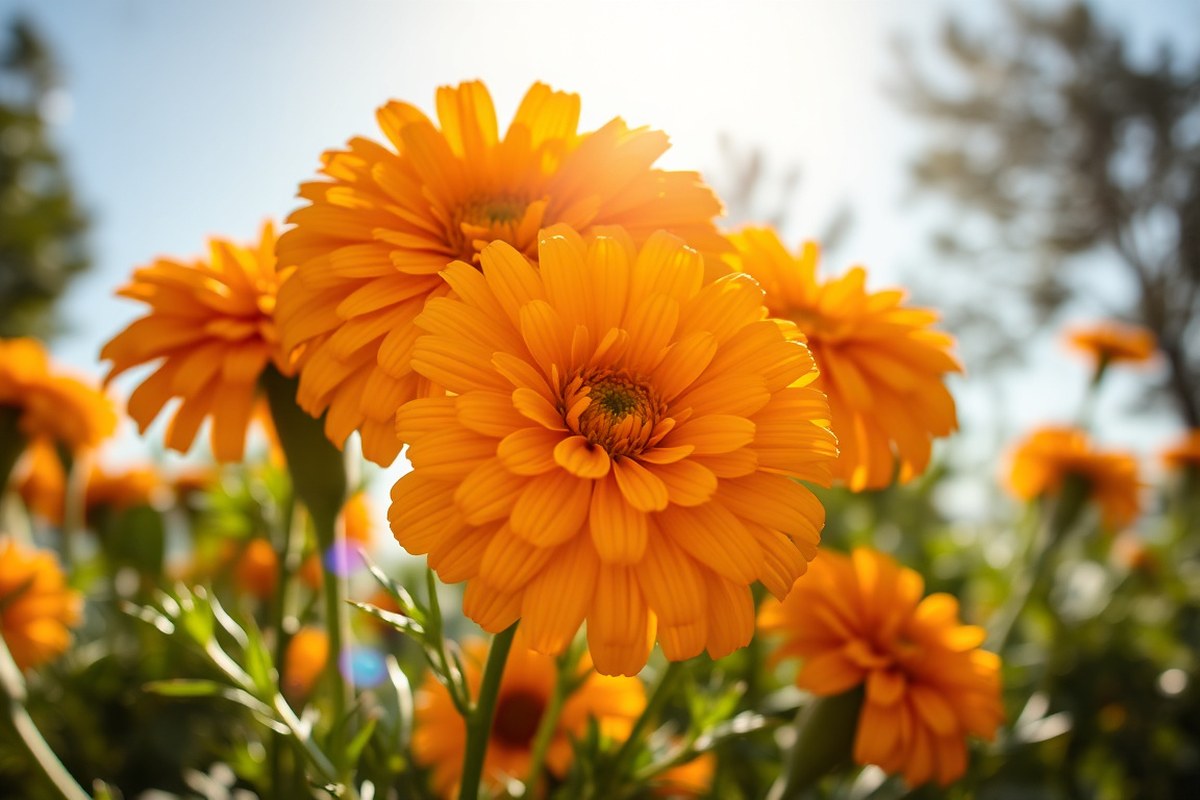
Marigolds must get at least 6 hours of direct sunlight every day. More sun, around 8 hours, helps them stay small and bloom a lot. This sun amount makes them grow strongly and show bright colors.
Less than 6 hours of sunlight often results in fewer blooms and leggier plants. Marigolds can survive with some shade but won’t reach their full flowering potential. Your spot needs more sun if marigolds bloom less.
Try moving pots or planting in a brighter place to fix this. More sun boosts flower numbers.
Put marigolds where they get most of the sun daily. Morning to early afternoon sun works best for them. This timing helps flowers grow well.
In hot climates, giving them some afternoon shade helps prevent overheating without cutting too much sun. Choose a place with fresh air and soil that drains well.
Good air and soil help plants use sunlight better. This keeps marigolds healthy overall.
Differences in Sunlight Needs Among Marigold Types
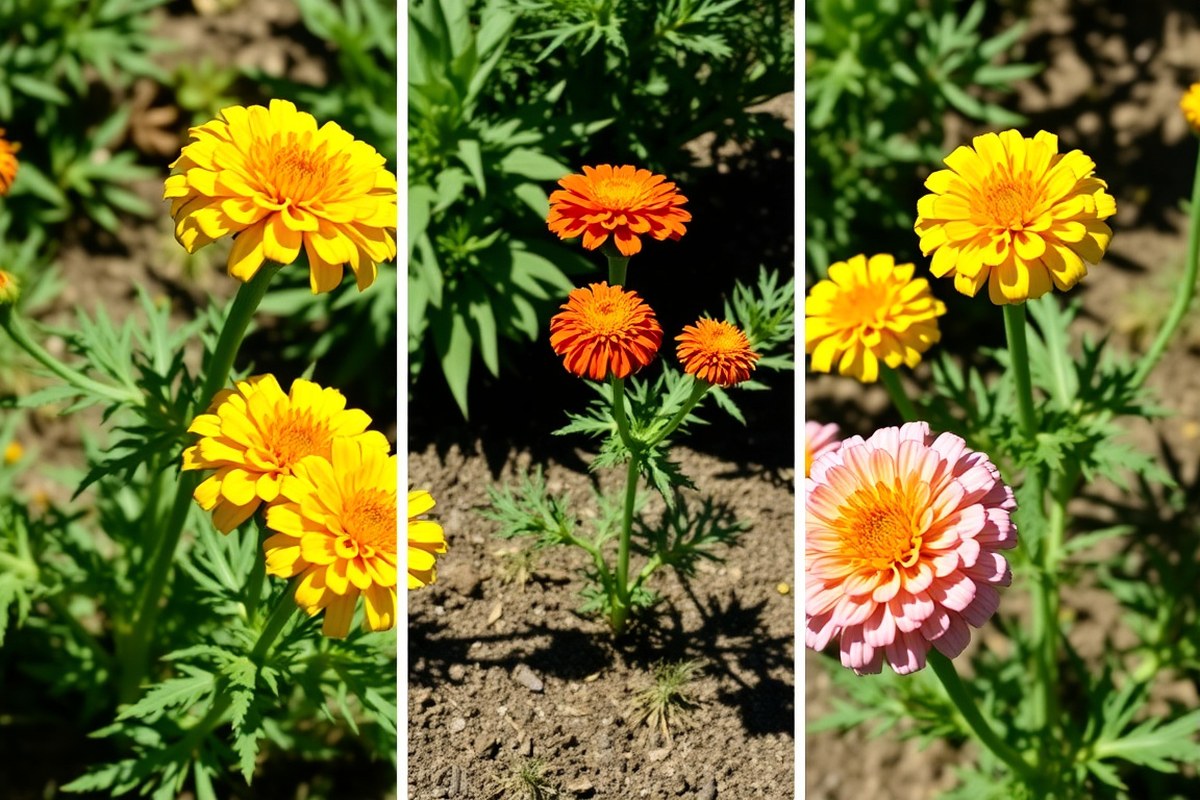
Marigold types differ in their sunlight needs, bloom size, and growth habits. African marigolds want more sun and grow taller with large blooms. French and Signet marigolds tolerate some shade and have smaller flowers.
French Marigolds Sunlight Preferences
French marigolds need about 6 to 8 hours of sunlight daily. They will still grow with 4 to 6 hours but bloom less. These plants are compact and bushy, with small to medium flowers up to 2 inches wide.
Their bushy habit suits borders, containers, and companion planting. French marigolds grow 6 to 12 inches tall.
They need 8 to 10 inches of space. Too little sun causes leggy growth and fewer blooms.
African Marigolds Sunlight Preferences
African marigolds prefer full sun with 8 to 10 hours daily for best growth. They have large pom-pom blooms and can reach 12 to 36 inches tall. These tall plants do well at the back of beds or as focal points.
Give them 10 to 14 inches of spacing to avoid overcrowding. A pot at least 10 inches across helps when container planting. Without enough sun, African marigolds bloom less and stretch out looking weak.
Signet Marigolds and Pot Marigolds Light Needs
Signet marigolds handle 6 to 8 hours of sun but also tolerate some shade. They have tiny single flowers and a delicate, mounding habit. These plants do well at edges, in containers, or as edible garnishes.
Pot marigolds (Calendula) prefer 6 to 8 hours but can grow with only 4 hours. They have medium daisy-like blooms and need cooler temperatures for the best color. Their upright habit fits herb gardens and cool-season spots.
| Marigold Type | Bloom Size | Growth Habit | Best Use |
|---|---|---|---|
| French (Tagetes patula) | Small to medium | Compact, bushy | Borders, containers, companion planting |
| African (Tagetes erecta) | Large pom-pom blooms | Tall, upright | Back of beds, cut flowers, focal points |
| Signet (Tagetes tenuifolia) | Tiny single flowers | Mounding, delicate | Edging, edible garnish, containers |
| Pot Marigold (Calendula) | Medium daisy-like | Upright, branching | Herb gardens, medicinal, cool-season color |
| Marigold Type | Min Sun (hrs) | Ideal Sun (hrs) | Height (in) | Spacing (in) |
|---|---|---|---|---|
| French (Tagetes patula) | 6 | 6, 8 | 6, 12 | 8, 10 |
| African (Tagetes erecta) | 6 | 8, 10 | 12, 36 | 10, 14 |
| Signet (Tagetes tenuifolia) | 6 | 6, 8 | 10, 12 | 6, 8 |
| Pot Marigold (Calendula) | 4 | 6, 8 | 12, 24 | 10, 12 |
Never plant marigolds where they get less than 5 to 6 hours of sun daily. Less sun often leads to weak, stretched plants and fewer flowers.
Best Outdoor Placement to Maximize Marigold Sun Exposure
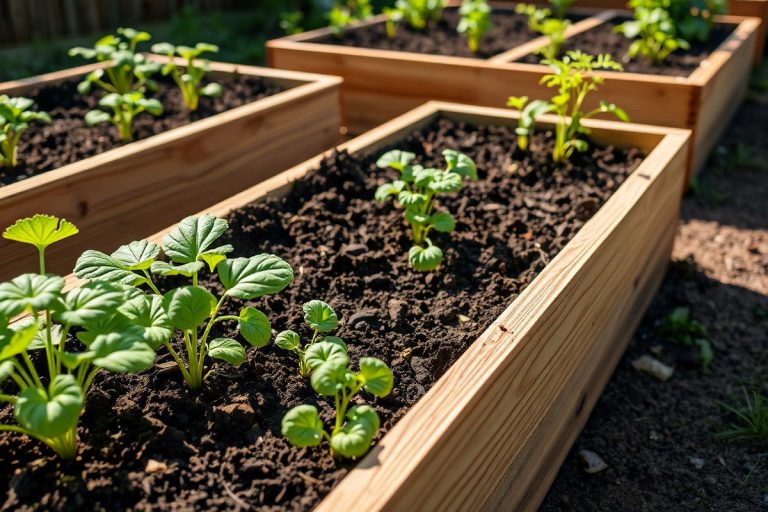
Place marigolds where they get full sun, ideally 6 to 8 hours daily. Put them on the south side of your house. Choose a garden spot that gets early morning sun.
This helps marigolds grow healthy and strong. Take care to prepare the soil well and consider local climate factors for best results.
Choosing the Right Sunlit Garden Spot
Pick a location that receives direct sunlight most of the day. Marigolds prefer at least 6 hours of full sun, which helps leaves and flowers thrive. A south-facing border or near a sunny wall works well.
Avoid places with heavy shade from trees or structures. Reflected sunlight from light-coloured surfaces adds extra light without causing heat stress. Use a sun meter to check if your spot gets steady, strong sunlight all day long.
Preparing Soil for Healthy, Sun-Ready Marigolds
Marigolds need good soil to soak up sunlight well. Add 3 inches of Miracle-Gro® Garden Soil for Flowers to the top 6-8 inches of your soil. This makes the soil drain better and adds nutrients.
Keep the soil moist but well-drained to prevent wilting in full sun. Applying a mulch layer helps retain moisture and blocks weed growth, which can shade the plants. Check that soil temperature is above 65°F before planting seeds or seedlings outdoors.
Adjusting Planting for Local Climate and Shade
Partial shade suits marigold seedlings, which don’t tolerate full sun early on. Start seedlings where they get morning sun but afternoon shade. Mature marigolds need full sun but pick varieties suited for your climate zone.
In hotter zones, plant near reflective surfaces to provide steady light without overheating. Cooler regions may need south-facing spots with full sun all day.
Watch for dry or sandy soil. Amend it to hold moisture but still drain well.
Follow these steps to set up your marigold bed for maximum sun exposure:
- Choose a garden spot with at least 6 hours of full sun daily.
- Check sunlight patterns using a sun meter during different times of day.
- Mix 3 inches of Miracle-Gro® Garden Soil for Flowers into the top 6 to 8 inches of your soil. This combination improves the drainage and overall soil quality. It gives your plants a better growing environment.
- Ensure soil temperature is above 65°F before planting marigold seeds or seedlings.
- Plant seedlings in partial shade at first, then move them into full sun once stronger.
- Apply a layer of mulch to keep soil moist and prevent weeds.
- In hotter climates, position marigolds near reflective surfaces to avoid heat stress.
- In cooler climates, pick south-facing spots for best sun exposure all day.
How Much Sunlight Do Potted Marigolds Need?
Potted marigolds require the same sunlight as those planted outside. They thrive with a minimum of 6 hours of direct sunlight daily. More sun encourages fuller blooms and bushier growth.
Containers let you move the plants to catch the best sunlight. Put pots on a south-facing porch or patio. They should get lots of morning and afternoon sun.
This spot gives them enough light to grow well. Move pots during the day to catch more sun when light is low. This helps marigolds get the sun they need to thrive.
Watch out for too much afternoon heat in pots. Pots can get hotter than garden soil, which might stress marigolds. Move pots to lighter shade during very hot afternoons to protect leaves and blooms.
Use pots at least 6 to 12 inches wide to give roots space. One marigold fits comfortably in a 6-inch pot.
But bigger pots hold multiple plants well. Make sure containers have drainage holes to avoid soggy soil.
For indoor starts, put seed trays near a south-facing window or use a grow light. Provide 12 to 14 hours of light daily until seedlings grow strong. This mimics outdoor sun and stops seedlings from getting leggy.
You don’t need special soil. But a good potting mix helps retain moisture without staying wet.
Check pots regularly because container soil dries out faster than garden beds. Water when the top inch feels dry to keep plants healthy.
Tall, spindly marigolds usually mean they are not getting enough sun. Try moving pots to a brighter spot or add a grow light. Adjusting light improves flowering and keeps plants sturdy and bushy.
Providing Ideal Light for Indoor Marigolds
Indoor marigolds need at least 6 hours of direct light each day. A bright, south-facing window works well for natural sunlight. When natural light falls short, use grow lights to match full sun conditions indoors.
Choosing the Best Window Location
Find a south-facing window that gets sunlight most of the day. Windows with direct light on the sill or within a few feet are the best spot. Avoid north or east windows, which usually provide too little light.
Keep marigolds away from drafts or heating vents near windows. Consistent light helps plants stay compact and bloom well. Plants in weaker light tend to stretch and look leggy.
Using Grow Lights for Supplemental Lighting
Grow lights can replace or boost sunlight for indoor marigolds. Choose full-spectrum LED lights that mimic natural sun. Position the light 6 to 12 inches above the plants for even coverage.
Run grow lights for 10 to 12 hours daily to simulate outdoor sun. Use a timer to keep timing consistent. Avoid too much heat from the light by choosing LEDs or keeping distance.
- Select a full-spectrum LED grow light designed for flowering plants.
- Place the light about 6 to 12 inches above your marigolds.
- Set a timer for 10 to 12 hours of light each day.
- Check your plants daily for signs of stretching or leaf burn.
- Adjust light height if leaves get bleached or the plants stretch.
- Keep a watering and feeding schedule to support growth under artificial light.
Keep grow lights on a timer to avoid giving marigolds too much or too little light.
Indoor Marigold Seed Starting Light Requirements
Start marigold seeds indoors 6 to 8 weeks before your last frost date. Use a seedling soil mix in a shallow tray or individual pots. Bright light is essential for strong seedlings.
Place seedlings near a sunny, south-facing window or under grow lights immediately. Provide at least 6 hours of light daily to avoid tall, weak plants. Using a grow light is often the only way to ensure enough light at this stage.
- Fill seed trays or pots with well-draining seedling soil mix.
- Sow marigold seeds about ¼ inch deep in the soil.
- Place trays by a bright, south-facing window with direct sunlight.
- If light is weak, set up a grow light 6 to 12 inches above seedlings.
- Keep light on for around 12 hours daily with a timer.
- Maintain soil moisture without overwatering while seedlings grow.
- Transplant seedlings outdoors after the last frost to full sun.
Seedlings left in low light will grow tall, weak, and may fail outdoors.
Managing Sunlight Intensity and Heat Stress on Marigolds
Marigolds can handle full sun, but too much intense heat causes stress. They may start wilting or look dry, especially if in pots or freshly planted. High heat speeds water loss, leading to dehydration even if you water regularly.
Giving marigolds some afternoon shade helps when temperatures reach above 85°F. You can use a shade cloth or move potted marigolds to a spot with filtered light. Morning sun is gentler. So letting marigolds soak up light before noon avoids harsh afternoon rays that burn leaves.
Place your marigolds where they get sun until midday. After 1 or 2 p, give them some shade. This helps protect them from harsh afternoon sun.m.
You can use a lightweight shade cover if you can’t move them. It should block about 30% of sunlight. Avoid heavy shading that blocks too much light and slows blooming.
Water marigolds on a regular schedule, not just when they wilt from heat. Wilting is a sign the plant lost water faster than it took in.
But sudden heavy watering risks root problems. For containers, check soil moisture daily and water deeply when the top inch feels dry.
In hot spells, trim some spent flowers from your marigolds. This reduces the plant’s stress. It also encourages new blooms to grow.
Choose pots that are at least 12 inches wide for marigolds. Make sure they have drainage holes. This prevents the roots from overheating.
Space your marigolds far enough apart for good air flow. This cools the leaves. It helps the plants handle sun better.
Signs of overexposure include leaves turning pale, brown edges, or drooping by late afternoon. Check your marigolds in mid-afternoon on hot days. See if they need shade for a few hours.
Use a quick shade cover if needed. Adjusting sun exposure this way keeps marigolds healthy without hurting their blooming.
Signs Marigolds Aren’t Getting Enough Sunlight and How to Fix It
Marigolds without enough sunlight often show pale leaves or lean toward the light source. Their stems may grow long and thin, which means they’re stretching to find more sun. You might also notice few or no flowers, since marigolds need enough light to bloom well.
Wilting is another sign. But it usually means something else like underwatering or heat stress.
Still, lack of sun can weaken them, making them droop more than usual. Checking your plant’s location is key if you see these symptoms.
To fix sunlight problems, move marigolds to a sunnier spot. They need at least 6 hours of direct sun each day. South or west-facing spots often work best.
Can’t move marigolds outside? Use grow lights instead.
Place them 12 to 18 inches above the plants. Use a timer to give them 12 to 16 hours of light daily.
- Move plants gradually to avoid sunburn when increasing sunlight.
- Trim back leggy stems to encourage bushier growth.
- Add reflective surfaces to bounce more light onto the marigolds.
- Use full-spectrum LED grow lights for indoor marigolds.
- Check light duration weekly, especially during cloudy seasons.
For potted marigolds, rotate the pot every few days so all sides get sunlight evenly. Avoid overcrowding pots, which blocks light. Outside, keep an eye on nearby plants or objects that could cast shadows during the day.
Sunlight is important for marigolds to make energy and strong flowers. Without enough, their growth slows and flowers stay shy.
You fixed the problem when stems look strong and firm. Leaves become bold green, and flowers appear often.
How Sunlight Influences Marigold Blooming Time and Flower Abundance
Marigolds bloom faster and produce more flowers when they get plenty of direct sunlight. A typical marigold starts flowering about 6 to 8 weeks after planting in full sun. Less sunlight slows blooming and leads to fewer and smaller flowers.
Sunlight also affects how much water and fertilizer your marigolds need. More sun means faster growth and water use.
You might need to water daily in hot, sunny weather, especially for potted plants. Feeding with a flower booster food every couple of weeks helps keep blooms coming.
A good technique to boost blooming is to deadhead spent flowers regularly. This encourages the plant to grow new buds instead of seed. Place marigolds where they get strong morning sun.
Afternoon shade helps protect them from heat. This works well in hot states like Florida.
Your soil temperature below 60°F slows marigold growth. It also delays blooming. Wait to plant until after the last frost when ground warms up.
African marigolds take longer to bloom. Start their seeds indoors early. This gives them a head start.
Check soil temperature before planting; cold soil delays blooming and can shock your marigolds.
Plant marigolds outdoors in full sun at 65°F soil. You can expect blooms in about 6 weeks. Plants with less than 4 hours of sun take longer.
Expect 8 weeks or more to bloom. Their flowers may be smaller. Adjust watering to the sun exposure, increasing frequency as needed.
Step-by-Step Action Plan for Marigold Sunlight Care
Follow these steps to give your marigolds the perfect amount of sunlight daily. Watch how they react to adjust and keep them thriving.
- Before planting: Choose a sunny spot with at least 6 hours of direct sunlight. Healthy buds show you made the right choice.
- Week 1: Plant potted or garden marigolds outdoors in your chosen spot. Check daily for sun exposure of about 6 to 8 hours.
- Week 2: Monitor leaves for color and firmness. Bright green leaves and upright stems mean enough light.
- Week 3: Adjust placement if leaves look pale or stems stretch out. Move plants to areas with more sun.
- After 4 weeks: Watch for blooming. Healthy, abundant flowers show your sunlight level supports good growth.
- For indoor marigolds: Place pots by a south or west-facing window. Supplement with grow lights if needed. Check daily for signs of stretching or dull leaves.
- During hot spells: Provide afternoon shade to reduce heat stress. Leaves should stay vibrant without wilting.
- Ongoing: Rotate plants weekly for even sun exposure. Balanced light keeps blooms uniform and stops leaning.
Frequently Asked Questions
Do Marigolds Need to Be Watered Every Day?
Marigolds do not need daily watering unless the soil dries out fast. Water them when the top inch of soil feels dry to keep roots healthy.
Are Marigolds Better in Pots or Ground?
Marigolds grow well in both pots and ground if they get full sun and good drainage. Pots may dry out faster, so watch watering closely when they’re in containers.
Can Marigold Survive in Shade?
Marigolds can live in light shade. They grow best with six hours of sun.
Direct sunlight helps them bloom well. Too much shade will reduce blooming and make plants leggy.
How Long Will Potted Marigolds Last?
Potted marigolds usually last one growing season, about 3 to 4 months with proper care. They may not survive indoors through winter unless given special conditions.
Do Marigolds Need Fertilizer to Bloom Well?
Adding fertilizer every 2-3 weeks helps marigolds bloom more abundantly. Use a balanced, slow-release fertilizer to avoid excess leafy growth.
Is Morning Sun Better Than Afternoon Sun for Marigolds?
Morning sun is gentler and helps marigolds dry off dew, preventing disease. Afternoon sun is hotter but still good if plants get some shade during peak heat.
Before You Go
Marigolds grow best with at least 6 hours of direct sun each day. You can help them bloom fully by watching their leaves and flowers closely.
Try adjusting their spot if they look off. Your garden will reward you with bright, healthy marigolds.