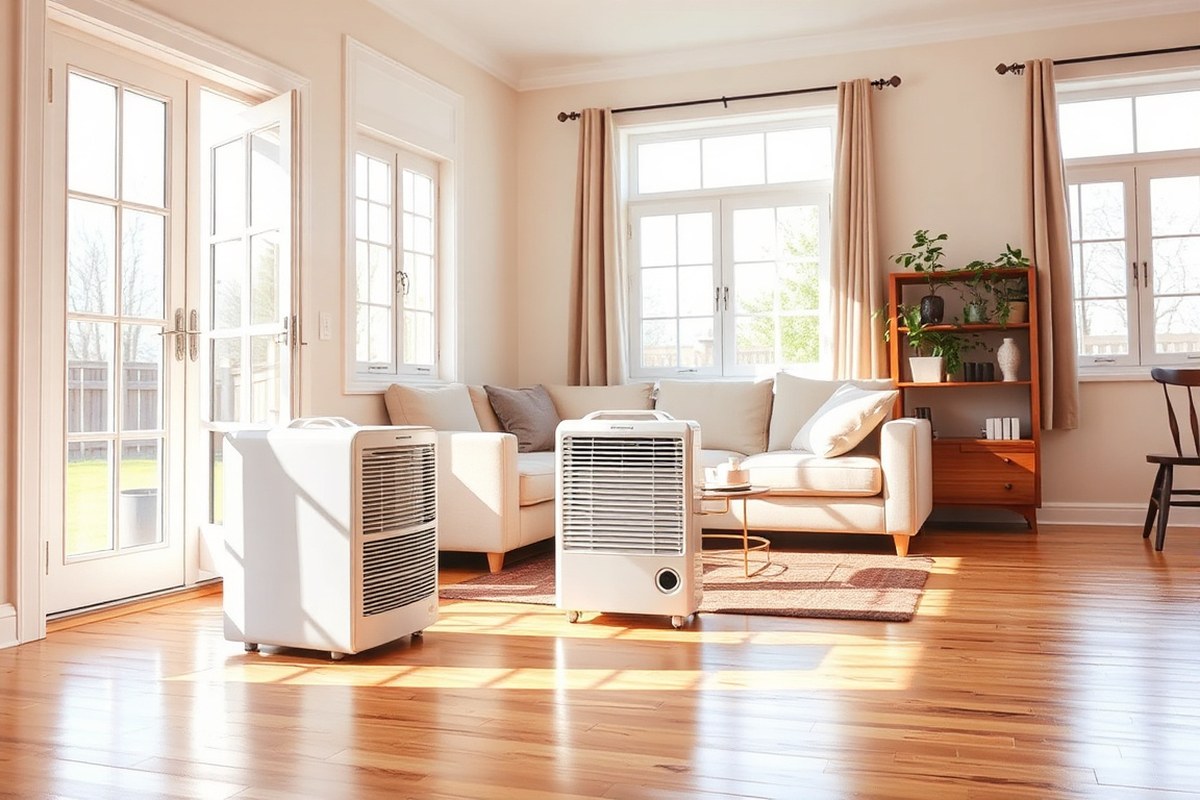
How to Get Humidity Out of House: 8 Proven Ways for Fast Results
How to get humidity out of house fast means removing excess moisture quickly. The best way is to start with good ventilation and dehumidifiers. Open windows for 15 to 20 minutes if outdoor air feels drier.
Close them after that. Then run a dehumidifier inside.
Run exhaust fans during and after showers and cooking to reduce moisture. Check for leaks or poor drainage around your foundation and fix them first. These simple steps lower humidity without costing much or needing heavy equipment.
Keeping indoor humidity below 50% stops sticky air and prevents mold growth. Use a hygrometer to monitor levels and adjust your efforts as needed. Doing this helps air feel cooler and improves your home’s comfort and health.
Key Takeaways
- Use cross-ventilation for 15 to 20 minutes when outdoor humidity is lower.
- Run bathroom and kitchen exhaust fans during and after moisture-producing activities.
- Vent your clothes dryer outdoors to prevent indoor moisture buildup.
- Fix any drainage problems around your foundation to stop water entry.
- Keep indoor humidity between 30% and 50% for comfort and health.
- Use a hygrometer to track indoor humidity and know when to act.
1. How to Get Humidity Out of Your House Fast
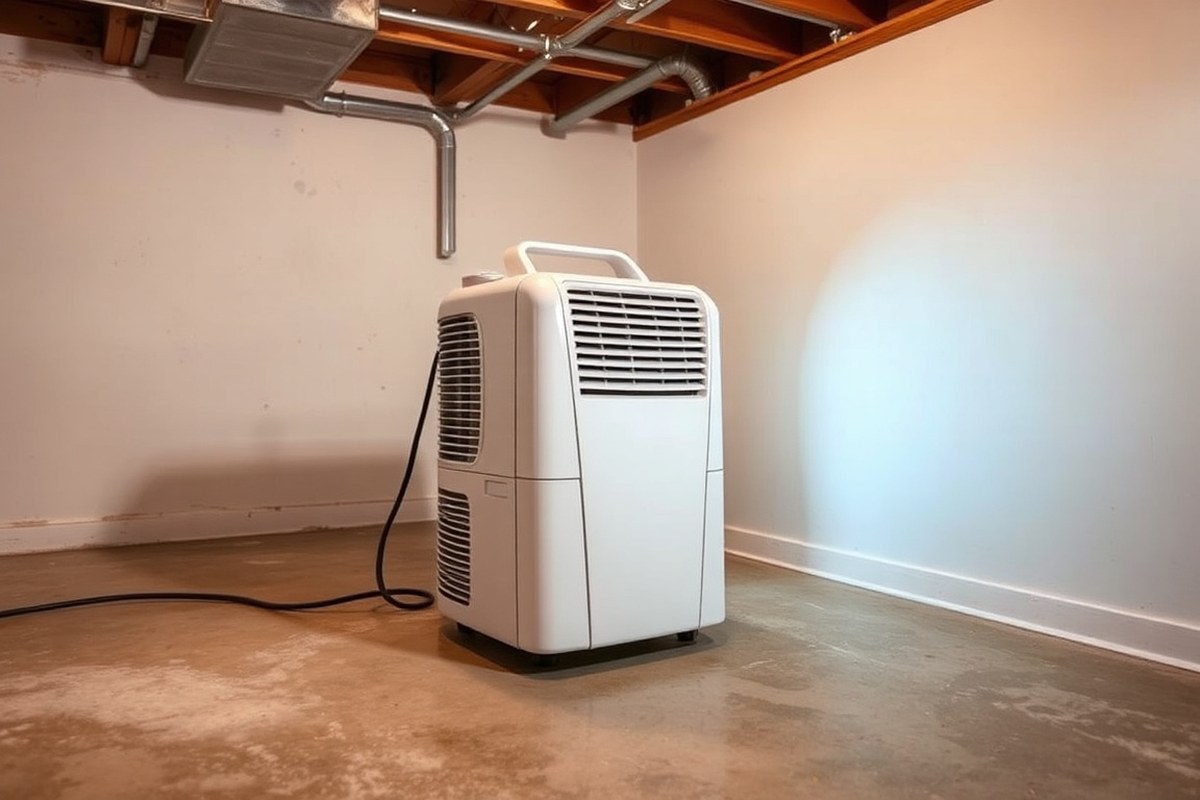
To get humidity out of your house fast, move moist air outside. Stop new moisture from coming in.
The fastest results come from opening windows and using exhaust fans. You can also plug in a portable dehumidifier to speed up moisture removal.
Expect to see noticeable drops in humidity within 15 to 30 minutes with good ventilation. A dehumidifier can reduce indoor moisture over several hours, depending on room size and humidity level. Using both ventilation and a dehumidifier together works best for quick results.
Here’s a simple step-by-step you can follow right now. Each step removes moisture.
It helps bring indoor humidity closer to the EPA’s range. This range is 30% to 50%.
- Check indoor humidity with a hygrometer or your phone’s weather app. This shows how high moisture is and if outdoor air can help.
- Open windows on opposite sides of the house for 15 to 20 minutes to create cross-ventilation. This moves moist indoor air outside quickly.
- Turn on exhaust fans in the kitchen and bathrooms during and for 20 minutes after use. They vent steam from cooking and showering.
- Use a portable dehumidifier in the rooms with the most humidity. Set it to 40% to 50%. Expect noticeable improvement in 2 to 4 hours.
- Dry clothes outside or use a vented dryer to keep moisture from adding to indoor air.
- Lower shower temperature slightly and shorten shower time to reduce steam production.
- Fix leaks and drainage around your home’s foundation to prevent moisture seeping inside.
Each action offers immediate benefits, especially ventilation and exhaust fans, which pull moisture outside fast. Dehumidifiers take longer but work continuously to pull water from the air. Closing windows after ventilation keeps dry air in and moist air out.
In very humid climates, run ventilation again on dry days. Or use the dehumidifier more often. Watch your humidity levels.
Humidity above 60% means you need more dehumidifying steps. Check your home for leaks too.
2. Why Indoor Humidity Rises and Where It Comes From

Common Indoor Activities That Add Moisture
Cooking with uncovered pots releases steam that raises indoor humidity. Doing laundry and drying clothes inside also adds a lot of moisture. Taking long hot showers without running the exhaust fan pumps steam into your home air.
These everyday actions gradually increase moisture until the air feels damp or stuffy. You might not notice the humidity until it causes condensation or mildew. Running bathroom and kitchen fans during these activities helps keep moisture down.
How Leaks and Moisture Entry Raise Humidity
Leaks from plumbing under sinks or around toilets introduce water that evaporates into the air. Even slow drips can keep humidity levels high unless fixed quickly. Basement water seepage or leaks at windows and doors let in dampness from outside.
Gaps in your house’s seal let moist outdoor air sneak in and raise indoor humidity. Crushed or disconnected dryer ducts are a common hidden source of moisture buildup. Fixing leaks and sealing air leaks cuts down this continuous moisture source.
Ventilation’s Role in Managing Moisture
Poor airflow traps moisture inside and causes humidity to build up fast. Homes without working exhaust fans or mechanical ventilation struggle to clear out damp air. Opening windows and using fans let fresh air circulate and help dry out rooms.
Ventilating for at least 20 minutes after showers or cooking makes a big difference. Mechanical ventilation systems are especially helpful in tight or modern homes that don’t breathe well. Without good airflow, even small moisture sources can cause big humidity problems.
Rooms Most Prone to High Humidity
Bathrooms and kitchens usually have the highest humidity because of steam and water use. Laundry rooms get damp quickly with wet clothes and running dryers. Basements and crawl spaces often stay damp due to poor drainage and cooler temperatures.
These spots need special attention like exhaust fans, dehumidifiers, or waterproofing. Keeping humidity below 50% in these rooms prevents mold growth and structural damage. Check these key areas first when tracking down high indoor humidity.
Outdoor Factors That Affect Indoor Moisture
Rainwater that pools near your house can seep inside and raise humidity indoors. Gutters that clog or downspouts that don’t carry water away add to basement dampness. In cold weather, high outdoor humidity combined with warm indoor air can lead to window condensation.
Proper drainage around your home and adjusting indoor humidity levels depending on season help. The EPA advises keeping humidity between 30% and 50% to control moisture properly. Managing outdoor water flow and sealing your home help limit moisture entry.
Check under your dryer and pipes for leaks regularly, hidden water causes constant humidity.
3. How to Use Ventilation and Air Circulation Effectively
Ventilation and air circulation reduce humidity by bringing in dry air. They replace moist indoor air with drier outside air. This helps keep your home more comfortable.
Opening windows usually helps only when outdoor air feels less humid. Running exhaust fans or whole-house fans speeds up air movement and pulls moisture out faster.
Cross-Ventilation Basics and Setup
Cross-ventilation means opening windows or vents on opposite sides of your home. This creates a breeze that pushes humid air outside. You want to do this during cooler, drier parts of the day for best results.
Opening windows on just one side usually won’t move enough humid air out. Check your outdoor humidity with a weather app before opening windows. Avoid opening windows on rainy or muggy days, because it adds humidity inside.
Use this step-by-step method to set up cross-ventilation:
- Check outdoor humidity to pick the right time.
- Open windows or vents on one side of the house.
- Open windows or vents directly across on the opposite side.
- Keep interior doors open to let air flow through rooms.
- Use ceiling or floor fans to guide the airflow if needed.
- Ventilate for at least 30 minutes to one hour.
- Close windows when outdoor humidity rises or temperature gets too hot or cold.
Using Exhaust Fans in Bathrooms and Kitchens
Bathrooms and kitchens generate a lot of moisture from showers and cooking. Exhaust fans push this humid air outside without letting it linger in your home. Use them whenever you shower, cook, or run dishwashers.
Keep the fans clean and check they vent outside properly, not into attic or crawl spaces. Run the fans at least 20 minutes after finishing your tasks to clear extra moisture. Fans that are noisy or weak might need replacing.
Choose quiet and energy-efficient fans. These usually cost between $30 and $100.
Supplementing with Whole-House Fans
Whole-house fans pull air from windows and push it through your attic. This replaces warm, moist indoor air with cooler, drier outside air fast. It’s a lower-cost way to reduce indoor humidity in spring and fall.
Run the whole-house fan only when outdoor air is cooler and less humid than inside. Close interior doors so the air flows through main living areas and then out the attic. Fans usually cost $300 to $700 installed; professional installation ensures safety and balance.
4. Choosing and Using Dehumidifiers for Best Effect
Choosing the right dehumidifier depends on your home’s size and how much moisture it holds. Portable units work well for single rooms.
Whole-house systems help with persistent, house-wide humidity. Proper sizing and regular maintenance keep these devices working efficiently.
Portable vs. Whole-House Dehumidifiers
Portable dehumidifiers suit rooms like bedrooms or nurseries where humidity feels high. They are easy to move and usually cost less upfront. Whole-house units connect to your HVAC system and handle humidity throughout the entire home.
Whole-house dehumidifiers work best for humidity above 60% everywhere. They also help if you notice musty odors in your home. These units control moisture across the entire house.
Portable units can lower humidity 10 to 20 points fast. They work best when you close off the room.
You can see changes in just a few hours. Both types have roles depending on your needs.
| Feature | Portable Dehumidifier | Whole-House Dehumidifier |
|---|---|---|
| Coverage | Single rooms or small areas | Entire house through HVAC |
| Installation | Plug and play, no setup | Installed within HVAC ductwork |
| Cost | $200 to $400 typical | $1,000 to $3,000 or more |
| Effectiveness | Quick for spot problems | Consistent whole-home control |
| Maintenance | Empty water tanks, clean filters | Integrated with HVAC system upkeep |
| Run Time | Continuous or as needed | Runs as part of HVAC cycles |
Whole-home units often cost more upfront but solve persistent humidity better. Portable ones work fast and cost less but only help parts of your home. Choose based on how widespread your humidity problem is.
Sizing Dehumidifiers by Room or Whole Home
Matching dehumidifier size to your room or house size matters. A unit too small won’t lower humidity enough. Too large, and you waste energy and money.
For a single room: a 30-pint dehumidifier covers about 300 to 400 square feet. Larger rooms or damp basements need 50-pint or 70-pint units. Whole-house systems are sized by the home’s total square footage and humidity level.
Check the label or manual for recommended coverage. Running the dehumidifier with all doors and windows closed helps it work within half a day. The goal is to get indoor humidity between 30% and 50%.
Common Maintenance and Filter Cleaning
Regular upkeep keeps a dehumidifier running well. Dirt and dust clog filters and lower performance quickly. Check and clean or replace filters every 2 to 3 months or as the manual advises.
Empty water tanks daily or as needed to prevent spills and bacteria growth. Wipe down coils and surfaces yearly to avoid mold buildup. Whole-house systems require HVAC professional service schedules and filter changes.
- Check and clean or replace filter every 2-3 months.
- Empty water collection bucket daily or when full.
- Vacuum air intake vents to remove dust monthly.
- Clean coils and unit surfaces once per year.
- For whole-house systems, schedule professional HVAC service annually.
Neglect can cause smells, less humidity removal, and broken parts. Regular cleaning prevents costly repairs and keeps your home comfortable longer.
5. Sealing and Preventing Moisture Entry Indoors
Cracks and gaps in your home’s walls, windows, and doors let humid outdoor air sneak inside. This moisture raises indoor humidity and makes your air conditioner work harder. Sealing these leaks stops humid air from entering and lowers indoor moisture.
Materials like silicone caulk, weatherstripping, and spray foam work well for sealing gaps. Use caulk on small cracks around windows and doors.
Apply weatherstripping to door frames and movable window parts. Spray foam fills bigger holes, especially in crawlspaces or basements.
Fixing gutters and ensuring proper drainage outside also reduces indoor moisture. Clogged gutters cause water to spill or leak near your home’s foundation. This water seeps indoors and spurs humidity.
Make sure downspouts direct water away from your house. Clean gutters regularly, especially before rainy seasons.
- Caulk around window and door frames where you see cracks
- Replace or add weatherstripping to all exterior doors
- Use spray foam for gaps over 1/4 inch wide, like crawlspace vents
- Clean gutters twice a year and check for clogs or leaks
- Extend downspouts at least 4 to 6 feet away from the foundation
- Fill or cover cracks in crawlspace walls to prevent humid air entry
- Repair leaking pipes and fix any visible indoor water damage
A few days after sealing your home, humidity will drop. It should reach about 30-50% relative humidity. This level feels comfortable indoors.
Dry materials like drywall or carpets may take extra time to release trapped moisture. Keeping humidity low saves your AC energy too because it won’t fight outside moisture.
Seal cracks before installing dehumidifiers to get faster, better humidity control results.
Outdoor drainage maintenance matters year-round. Standing water near your foundation can push moisture inside your basement or crawlspace.
Check your lot’s slope; it should angle away from the house to avoid flooding. Use gravel or soil grading to improve drainage if needed.
Sealing and drainage fixes might cost between $100 and $500 for materials and minor repairs. Larger gaps or foundation work could cost more and require a contractor.
Do not ignore musty smells or visible water stains. They signal leaks that worsen humidity.
6. How Seasonal Changes Affect Indoor Humidity Control
Indoor humidity levels should change with the seasons to keep your home safe. Lower humidity in winter prevents moisture problems. Aim for about 35% at 20°F, 25-30% near 0 to 10°F, and 20% at −10°F to avoid mold and rot.
Heating dries the air inside your home. As cold air inside warms up, its relative humidity drops, making the air feel dry. You might notice dry skin or cracking wood.
Using a humidifier sparingly in winter can relieve dryness. But keep it under control to avoid excess moisture.
Switch to higher humidity targets in summer, around 40, 50%. Outdoor air is warmer and often moist, raising your indoor levels naturally. Use air conditioning to keep humidity around 50%.
Dehumidifiers help keep moisture in check. This stops mold and keeps your home fresh.
Adjust your ventilation seasonally. In winter, limit opening windows to avoid letting in cold, moist air. Instead, use exhaust fans in kitchens and bathrooms to expel moist air quickly.
Open windows in summer to improve airflow. Only do this when outdoor humidity is lower than inside. This helps lower dampness and freshens the air.
Heating systems impact humidity by speeding up air circulation and drying indoor air. Lower thermostat settings slightly during winter nights if you notice too much dryness. Adding moisture absorbers like DampRid can also help balance humidity without extra heat or ventilation.
Your seasonal humidity targets can look like this: winter around 20, 35%, and summer 40, 50%. Check humidity with a $10 hygrometer for accurate control. Adjust ventilation and heating based on these readings.
If indoor humidity reaches 60% in winter, act fast. Reduce moisture sources inside your home. Increase exhaust ventilation to prevent condensation.
Seasonal habits matter too. In winter, drying clothes outside or using a vented dryer helps.
Moving houseplants outdoors in summer reduces indoor moisture because plants release water through leaves. Small bowls of cat litter near moisture sources can absorb extra humidity year-round at little cost.
Getting your humidity levels right takes some watching and tweaking. It costs time but little money beyond simple tools like a hygrometer or moisture absorbers. Good control means fewer condensation spots, fresher air, and more comfort through every season.
7. Common Humidity Control Myths and Mistakes to Avoid
Opening windows on a humid day often backfires. Instead of reducing moisture, it lets muggy air inside, pushing indoor humidity higher. This can make your home feel sticky and worsen mold growth.
People sometimes turn to baking soda or charcoal, hoping to dry out the air. Baking soda does absorb some moisture and odors in small spaces. Place a bowl of it in a musty closet or bathroom for minor relief.
Charcoal also pulls moisture but on a very limited scale. These items don’t replace proper ventilation or dehumidifiers in larger rooms.
Some routine habits unknowingly boost indoor moisture. Keeping your clothes to dry inside or overfilling houseplants both add water vapor to your air.
Cooking without kitchen fans raises indoor humidity quickly. Taking long hot showers without bathroom vents also raises it fast.
- Myth: Baking soda cures high humidity. Reality: It only helps small areas and minor dampness.
- Myth: Opening windows always lowers indoor humidity. Reality: On moist days, it worsens it.
- Mistake: Drying laundry indoors adds excess moisture to your home air.
- Mistake: Not using exhaust fans while cooking or bathing lets humidity build up fast.
- Myth: Charcoal or rock salt replaces a dehumidifier. Reality: Their effects are minimal and slow.
To keep humidity in check, avoid habits that push moisture inside. Use exhaust fans for cooking and showers for at least 20 minutes. Dry clothes outside or in a well-ventilated area.
For constant high humidity over 60%, small absorbers only delay the problem. Getting better ventilation or a dehumidifier works best.
It helps lower humidity and cuts health risks from mold and dust mites. According to the EPA, this is the safer choice.
8. When to Call a Professional for Persistent Humidity Issues
Signs like mold growth, wood rot, or paint bubbling can hint at a serious humidity issue. Moisture pooling near your foundation or crawlspace shows a structural issue.
These conditions don’t just raise humidity. They damage your home and need quick expert attention.
Professionals bring tools and skills that you usually won’t have. They check hidden spots like walls, floors, and pipes. They use moisture meters and cameras to find moisture.
Experts handle crawlspace sealing, drainage, and leak repairs. These go beyond simple DIY work.
Common fixes include putting a vapor barrier on crawlspace soil. They also seal vents and add sump pumps. Costs generally run from $3,000 to $8,000, depending on scope and location.
Drainage work costs more because it needs digging and new pipes. These move water away from your home.
Call a pro if your fixes don’t stop moisture. Also call if you see mold or wood decay.
Delaying can worsen damage, forcing costly repairs later. Structural issues can cause high humidity that no dehumidifier or fan can fix well without repair.
Don’t wait to hire a pro if you find mold or damp spots. Acting early saves money and health.
Step-by-Step Action Plan for Lowering Indoor Humidity
Follow this simple plan to reduce moisture quickly and keep it low. Check progress by feeling less dampness and noticing fewer musty smells.
- Day 1: Run a dehumidifier in the most humid room for at least 8 hours. You’ll see the digital display drop in percentage.
- Day 2: Open windows or run exhaust fans during cooking and showering to clear moisture fast. Notice less fog on mirrors and windows.
- Week 1: Seal leaks around doors and windows with weather stripping or caulk. Feel less cold drafts and moisture creeping inside.
- Week 2: Use ceiling or portable fans daily for better airflow. Run them for a few hours each day to improve air movement. This helps reduce indoor humidity effectively. The air should feel fresher and less sticky.
- Week 3: Check gutters and downspouts to ensure water drains away from your house foundation. You should see no pooling water near the base.
- Week 4: Schedule a professional inspection if indoor humidity stays above 60% after these steps. They can find hidden moisture sources or system problems.
Frequently Asked Questions
What Household Items Can Help Absorb Humidity Quickly?
Silica gel packets and moisture-absorbing crystals are quick solutions. Place them in small, humid areas to draw moisture out without power.
Can Plants Increase or Reduce Indoor Humidity?
Most houseplants release moisture through transpiration, raising humidity. Choose plants like snake plants to limit humidity if you want to avoid it.
Is Running the Air Conditioner Always Good for Lowering Humidity?
Air conditioners remove moisture as they cool air, reducing humidity. However, very old or poorly maintained units may be less effective.
How Does Cooking Affect Indoor Humidity, and How to Manage It?
Cooking releases steam, increasing indoor humidity quickly. Use exhaust fans or open a window to vent moist air when cooking.
Can Using a Bathroom Fan Alone Prevent Humidity Buildup?
Bathroom fans alone help if used during and after showers. Run them for 20 minutes post-shower for best results.
Does Basement Humidity Impact the Rest of the House?
Yes, moist basements can raise whole-house humidity. Fix any leaks and use a dehumidifier in the basement to control it.
Final Thoughts
Removing excess humidity makes your home more comfortable and healthier. Start by using a dehumidifier and ventilation right away. Then keep fresh air moving and seal moisture sources for long-term results.