How to Cut Back Bushes: Expert Steps and Safety Tips for Healthy Shrubs
Knowing how to cut back bushes helps keep them healthy and looking good. Start by removing dead or diseased branches to stop problems from spreading. Then, shape the bush and cut back any overgrown parts to encourage new growth.
Use proper cuts angled at 45 degrees just above a healthy bud to avoid water buildup. Sanitize your tools between plants to prevent disease transfer. Taking these steps gives your bushes room to breathe and stay vibrant.
Trim back branches that cross or rub against each other, which can cause damage. Remove any weak or thin growth that won’t support healthy new shoots. This keeps the bush strong and well-structured.
Be careful not to cut back too hard, as this can stress your shrub. Focus instead on pruning smartly to promote strong, healthy branches. This method helps your bushes thrive through all seasons.
Key Takeaways
- Remove dead or diseased branches first to protect the bush.
- Make pruning cuts at a 45-degree angle above healthy buds.
- Use loppers for woody branches up to 2 inches thick.
- Sanitize pruning tools with rubbing alcohol or diluted bleach.
- Avoid cutting back bushes too hard; prune moderately.
- Spot branches growing toward each other and prune to prevent rubbing.
How to Cut Back Bushes Step-by-Step
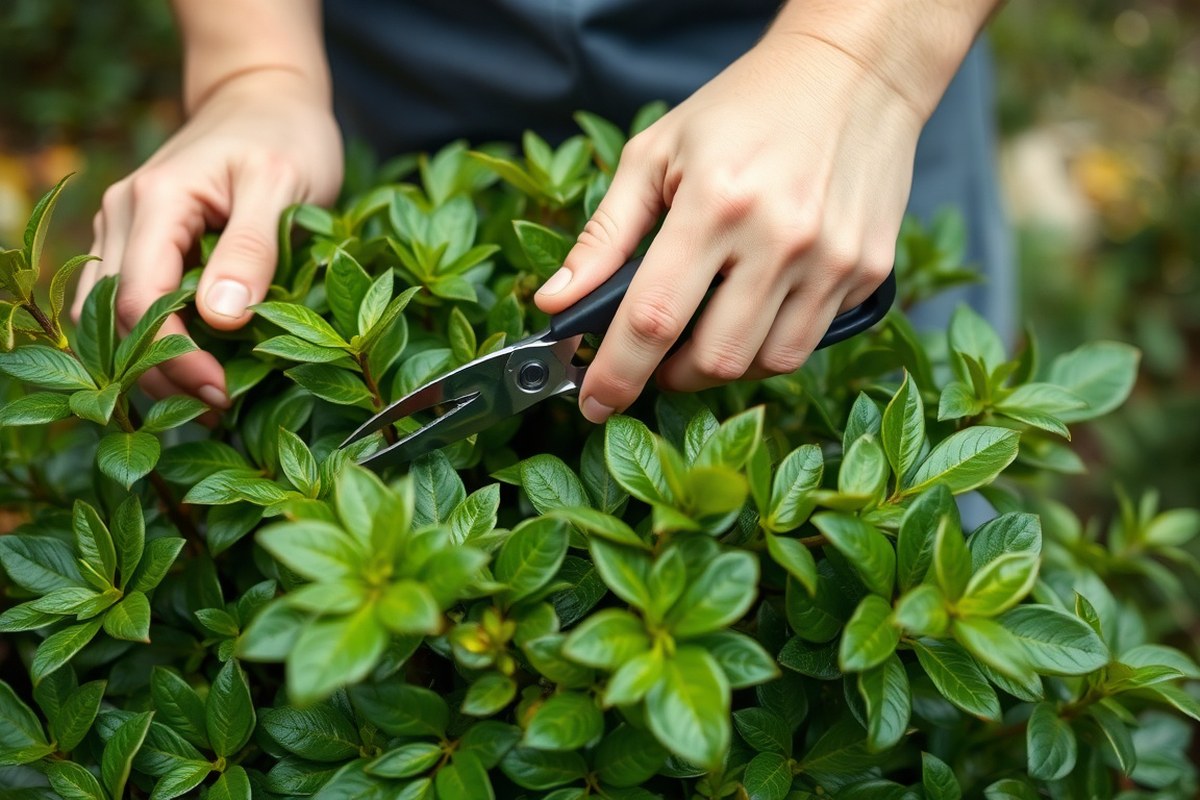
Cutting back bushes helps keep them healthy and neat. You’ll want to start by removing any dead or sick branches. Then, shape the bush to your liking, and finally trim back any overgrown branches.
Doing these steps carefully helps the bush grow stronger without causing damage. Follow these clear steps to handle most common bushes safely and effectively.
- Remove dead or diseased branches. Use pruning shears or loppers to cut these branches off at the base. Cut just above a growth node. That’s where a bud meets the stem. This helps new growth start. Removing these branches prevents decay and pests from spreading.
- Shape the bush gently. Look for stems growing unevenly or out of place. Cut branches to create the natural shape you want, whether rounded or more formal. Work slowly and check your progress as you cut. Don’t trim more than one-third of the bush at once. This keeps the plant healthy.
- Trim overgrown branches. For branches longer than the rest, use loppers or a pruning saw for thicker limbs. Cut back to just above a strong growth node or side branch. This keeps the bush balanced and encourages healthy new stems.
- Thin crowded areas.When branches crowd each other, remove the weaker ones. This improves air flow and growth. This improves air circulation and lets sunlight reach inner parts of the bush. You’ll see better leaf color and fewer problems with mold or insects.
- Cut back wayward or crossing branches. Remove branches that grow in the wrong direction or rub against others. This stops wounds and stress on the bush. Proper branch placement keeps the shape tidy and the plant healthier.
- Check your work from different angles. Walk around the bush and look for uneven cuts or spots that need more shaping. Small adjustments can make a big difference in appearance. Remember, pruning isn’t about perfection in one pass, regular care helps.
- Clean up debris and tools. Remove cut branches and leaves from around the shrub. Clean your tools with rubbing alcohol to prevent spreading disease. Proper cleanup keeps your garden healthy and ready for the next pruning session.
Cutting back over one-third at once can stress the bush. It may slow down growth. Take smaller steps to protect the plant.
Prune in the dormant season or after flowering for best recovery. Avoid cutting into very old wood unless you want a big reshape.
This process can take several years to finish. Proper cuts and timing lead to bushes that look well-kept and thrive season after season.
Choosing and Using the Right Tools for Pruning
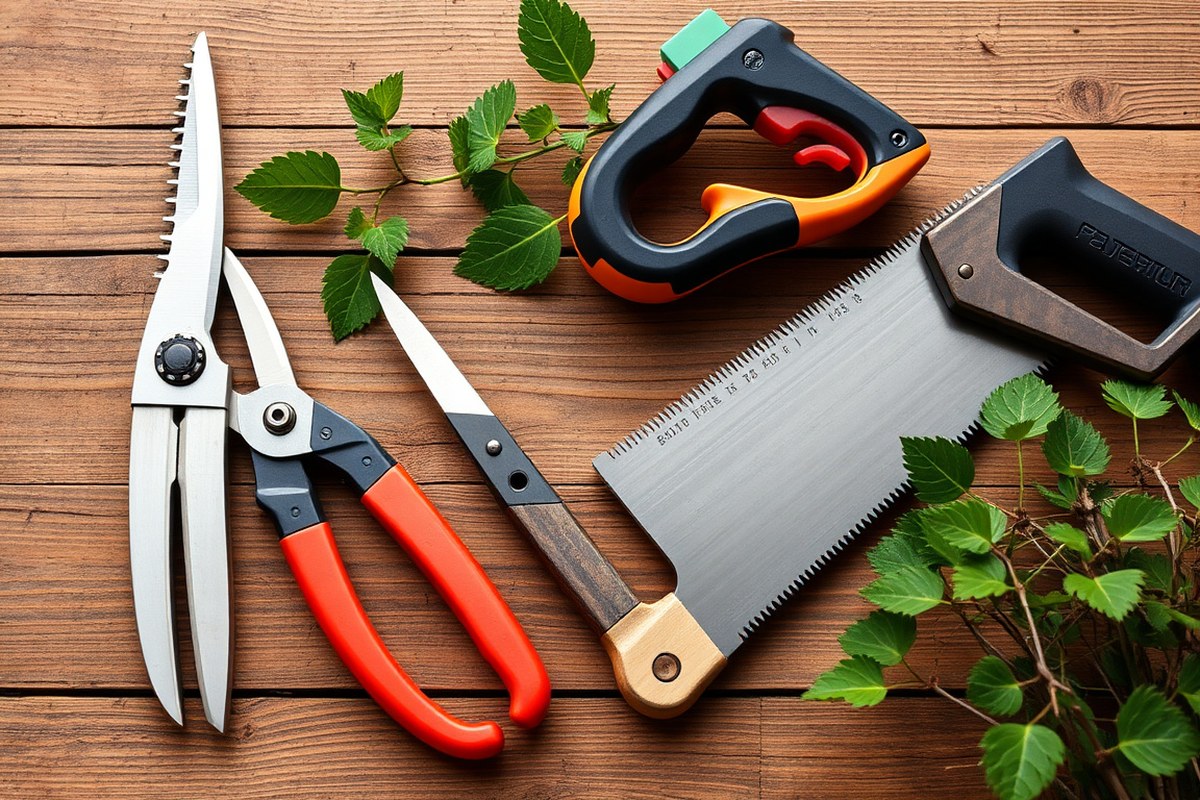
Using the right tools makes cutting back bushes easier and safer. Different tools work best for different branch sizes and bush types. Keeping tools clean and sharp prevents disease and helps your bushes heal properly.
Secateurs for Small Branches
Secateurs, also called pruning shears, are best for cutting branches under ¾ inch thick. They feel light in your hand and let you make precise cuts on small stems. Sharp, clean secateurs make clean cuts that help bushes grow back healthy.
Look for secateurs with a comfortable grip and a sharp blade. Use them for light trimming, like shaping small bushes or removing dead tips. After use, wipe the blades with rubbing alcohol or a 10% bleach solution to kill germs.
Loppers for Medium-Sized Stems
Loppers have long handles to give you extra use. They easily cut branches up to 2 inches thick without much effort. Use these for woody stems too thick for secateurs.
They aren’t good for really heavy stems. For those, you’ll need a saw instead.
Choose loppers with sharp, replaceable blades and spring-loaded handles to reduce hand strain. Cut stems slowly, just above a healthy leaf bud or node to encourage strong growth. Clean the blades with alcohol after pruning each bush.
Pruning Saws for Thick Branches
Pruning saws cut older, thicker branches more than 2 inches wide. Use them for bushes that need heavy trimming or regeneration. These saws have small, sharp teeth that cut accurately without damaging the wood.
Choose a pruning saw with a comfortable handle. Its blade should be about 6 to 12 inches long. This size works well for most cuts.
Saw slowly using smooth strokes, following the grain to avoid tearing the bark. Sanitize the saw blade after each use to prevent spreading diseases.
Using sharp, clean tools keeps your bushes healthy and cuts down on damage. Old or blunt tools crush branches, making them vulnerable to disease. Cleaning tools between cuts protects all your plants from infections.
| Tool | Branch Size | Best For | Handle Type | Cleaning Method |
|---|---|---|---|---|
| Secateurs | Under ¾ inch | Small bushes, light trimming | Short, ergonomic | Rubbing alcohol or 10% bleach wipe |
| Loppers | Up to 2 inches | Woody medium branches | Long handles for use | Alcohol or bleach between plants |
| Pruning saw | Over 2 inches | Thick, old branches | Comfort grip, 6-12 inch blade | Sanitize after each cut |
Always disinfect your pruning tools between plants to stop disease spread.
When Is the Best Time to Cut Back Your Bushes?
The best time to prune bushes depends on their type and flowering cycle. Deciduous shrubs do best with pruning in late winter. Prune them in early spring too.
This is when the plants are dormant. This timing prevents cutting off flower buds on old wood.
It also helps new growth start strong. Warm temperatures help the new growth.
For spring-flowering bushes, such as lilacs, prune right after they bloom. Doing this prevents removing buds that produce flowers next season. Summer-flowering bushes like crepe myrtle need pruning in late winter.
Do this before new growth begins. It helps flowers bloom well. This encourages healthy branches and abundant summer blooms.
Evergreens like holly and boxwood can be trimmed anytime. Spring or fall is the best time. These seasons give the best response.
Pruning during these milder seasons puts less stress on the plants. Avoid pruning during extreme cold or heat.
This protects the bush’s health for the long term. It lowers the chance of damage.
Fall pruning can be good for tidying the yard but use caution. You should not prune spring bloomers in fall because you’ll remove next year’s flower buds.
It also helps to start pruning these bushes at the same time annually. Consistency promotes steadier growth and healthier bushes overall.
How often you prune depends on your bush’s growth and shape. Most shrubs benefit from annual pruning. Some may need it twice a year for best form and flowering.
Thin inner stems early to let air and light in. This reduces disease risk for the bush. It also keeps bushes stronger overall.
Making Proper Pruning Cuts for Bush Health
Make pruning cuts at a 45-degree angle to help water run off. Position the cut about a quarter inch above a healthy bud that faces outward. This angle and location speed up healing and reduce rot risk.
A clean, sharp cut prevents damage to the bush’s tissue. Use sharp pruning shears that make precise cuts without crushing branches. Dull blades cause ragged cuts that take longer to heal and invite disease.
Flowering bushes need you to be careful about where you cut. Avoid cutting too close to buds or pruning too much, or you reduce blooms. Leave enough growth to ensure the bush can keep flowering next season.
Evergreens respond best to thinning cuts on older branches. Cut back to the main stem or lateral branch to keep the shape. Make the same angled cut one-quarter inch above a strong bud or side shoot.
For bushes with dense growth, trim small branches individually to keep the bush healthy. Avoid tearing or ripping larger branches. Clean cuts close to the main stem let the plant heal quickly and maintain strength.
Sharp cuts at the right angle also keep pests away, as smooth surfaces close faster. Pruning right on the bud can harm growth points. This damage slows down how fast your plant recovers.
Always cut carefully to help your plant grow well. Be patient and precise for the best results.
Essential Safety Gear and Practices When Pruning Bushes
Wearing the right protective gear protects you from injuries. Always follow safe practices when cutting back bushes. This helps you stay safe.
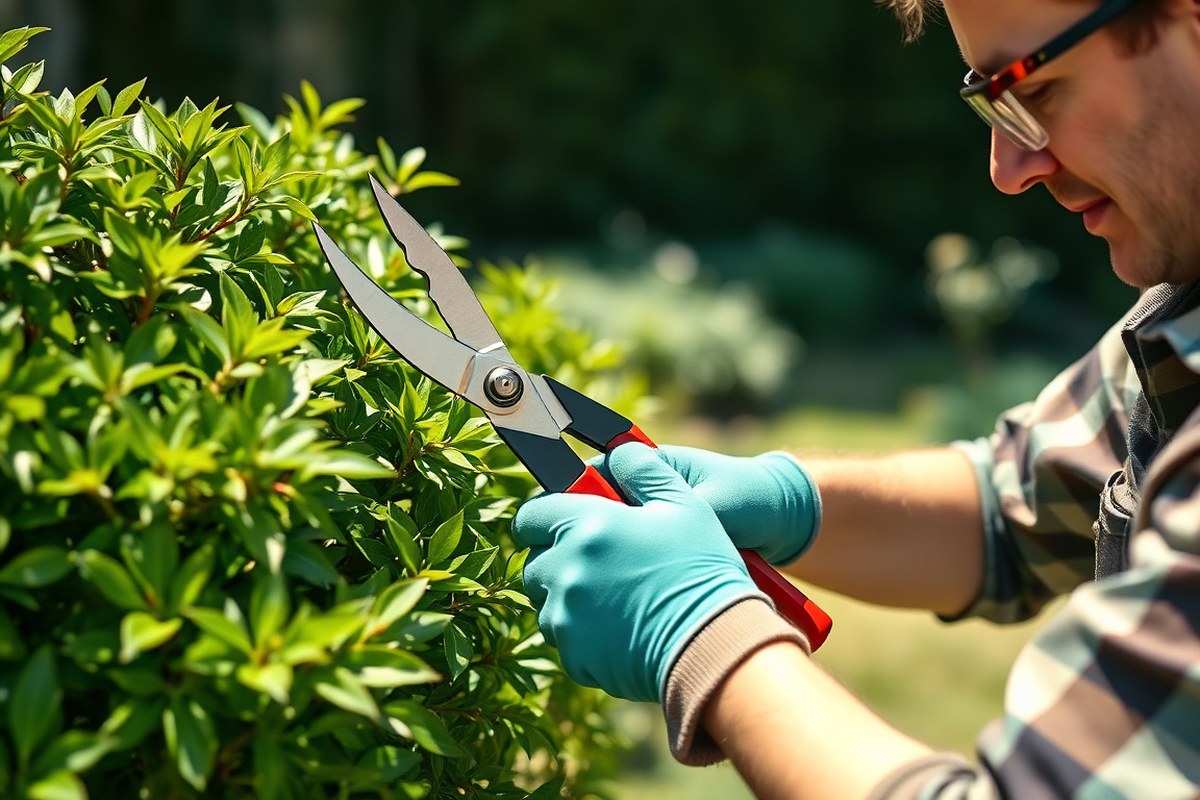
Wear gloves and eye protection to shield yourself. Right clothes stop thorns and flying debris.
Tools can be sharp, so dress properly. Being alert and using tools correctly lowers the chance of accidents.
Protective Clothing and Eye Protection
Thorns and branches can scratch skin or cause cuts, so gloves are essential. Choose thick, durable gardening gloves that cover your wrists.
Safety glasses shield your eyes from flying wood chips, leaves, and dust. Use glasses that fit snugly and won’t fog up easily.
Wear long sleeves and pants to protect your arms and legs from scratches. Avoid loose clothing that can get caught in tools.
Safe Handling of Tools
Use sharp tools to make clean cuts and reduce slipping hazards. Dull blades need more force and increase injury risk.
When working, hold tools firmly with both hands if possible. Keep your hands away from the cutting edges at all times.
- Inspect tools for damage before use
- Cut branches at a comfortable height to avoid overreaching
- Work during daylight for better visibility
- Keep a safe distance from power lines and avoid metal tools near them
- Store tools safely after use
Maintaining your loppers and pruning saws makes tasks easier and safer. Lubricate moving parts and clean blades frequently to prevent rust.
Always start pruning with sharp tools and clear your work area of debris to prevent trips.
Knowing When to Call a Professional
Large bushes with thick or high branches may need a professional’s care. Professionals have equipment to reach safely and cut large limbs.
Pruning near power lines is dangerous and requires trained experts. Call utility services or licensed arborists to avoid electric shocks.
Check your comfort level and confidence before pruning. Feeling unsure about tools or plant size is common.
Hiring a pro lowers your risk of injury. They know how to handle it safely.
Common Mistakes to Avoid When Cutting Back Bushes
Cutting back bushes too much is a common error. Avoid removing more than one-third of a bush’s branches at once.
Pruning too heavily can shock the plant and slow its growth. Instead, prune a little each season to keep the bush healthy and growing steadily.
Check plants for branches that rub or show fungal spots. Remove those parts by cutting back to a strong bud or main stem.
This helps air move better and stops disease. Crowded bushes or those with lost shape should also get pruned.
Some bushes require gentle pruning because they bloom on old wood. Cutting back too hard on those can remove flowering branches. Learn the type of bush you have and wait for the right season to cut.
- Don’t cut into thick, woody trunks unless absolutely necessary.
- Use sharp, clean tools to make smooth cuts and reduce damage.
- Trim close to a bud angled away from the center to direct growth outward.
- Avoid pruning during extreme heat or frost to reduce stress on bushes.
- Remove crossing branches to prevent wounds and disease.
- Prune regularly but lightly rather than waiting for heavy cuts.
- Wear gloves and eye protection to prevent injuries from sharp branches.
Thin, repeated pruning costs less in effort than a big cut later. It also keeps bushes more attractive and packed with healthy leaves and flowers.
Watch for small improvements after pruning signs like new growth and fewer dead branches. That’s how you tell pruning worked well.
Pruning Different Types of Bushes: Tailored Tips
You need to adjust your pruning methods based on the type of bush you have. Flowering, evergreen, and woody shrubs each respond differently to pruning. Knowing when and how to prune helps keep bushes healthy and looking good.
Flowering Bushes and Timing
Flowering bushes require careful timing because pruning affects their blooms. Those that bloom in spring set flowers on last year’s growth.
So prune right after they flower. Cutting these bushes in fall or winter risks removing buds for the next spring.
For summer-flowering bushes, prune in late winter or early spring before new growth starts. Avoid heavy cutting in fall since it can reduce flower production next year. Light thinning improves air flow without sacrificing blooms.
Evergreen Bush Maintenance
Evergreens keep their leaves year-round. So prune to maintain shape and size without cutting too hard.
Trim lightly during growing season to keep bushes dense but avoid cutting back to bare branches. This helps them avoid stress and disease.
Thin out evergreens by removing a few older branches near the base. This opens the center and lets light and air reach inside. Do this in early spring before new growth begins for the best results.
Woody and Rejuvenation Pruning
Woody bushes benefit from thinning to improve air circulation and reduce disease risks. Start by removing dead or damaged stems first. Then cut some older branches near the ground to let new shoots grow faster.
Rejuvenation pruning means cutting a bush back by about one-third or more to restore growth. You only want to do this with mature bushes that have thick, overgrown branches. This often happens in early spring before leaf growth starts.
Aftercare and Maintaining Healthy Bushes Post-Pruning
After pruning, mulching helps keep the soil moist and protects new roots. Spread a layer about 2 to 3 inches thick around the base of the bush. Keep mulch 2 inches away from the stem to avoid rot.
Watering is key during recovery. Give your bushes a deep drink right after pruning, about 1 inch of water. Continue watering every few days for at least two weeks or when soil feels dry.
Fertilizing supports fresh growth by adding nutrients. Use a balanced fertilizer with equal parts nitrogen, phosphorus, and potassium. Apply it following the package directions, usually once, two to three weeks after pruning.
Watching the bushes regularly helps spot problems early. Look for pests, diseases, or dried-out branches. Catching issues on time can stop damage from spreading and save your bush.
- Remove and compost trimmed branches to keep the area clean
- Use sharp tools to avoid damaging healthy stems
- Check soil moisture weekly, adjust watering if rainy or dry
- Avoid fertilizing too soon to prevent burning roots
- Mulch with organic material like shredded bark or leaves
- Inspect bushes for signs of stress or disease every 7-10 days
- Provide extra water in hot or windy weather conditions
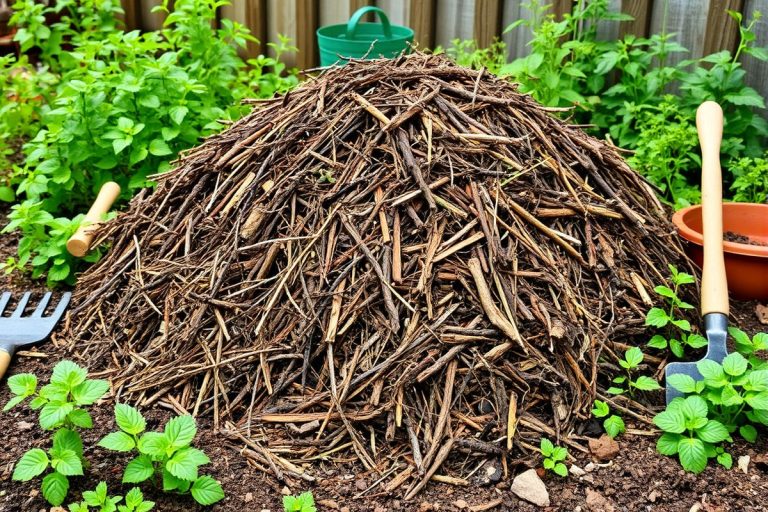
Your trimmed branches don’t belong near the bush. Collect them and either compost or dispose of them. Leaving cuttings near your plant invites pests and diseases to settle in.
Aftercare needs change with the seasons. In warmer months, bushes dry out faster, so water more often. In cooler times, watering less and holding off fertilizer can prevent stress.
Treat your bushes gently after pruning. Too much water or fertilizer can harm new growth. Be careful with the amount you use.
Step-by-Step Action Plan for Cutting Back Bushes
Follow this easy plan to prune your bushes safely and keep them healthy. You’ll see your bushes looking neat and growing well after these steps.
- Before you start: Gather your pruning tools and safety gear. Sharp tools and gloves will keep you safe and make clean cuts.
- Day 1: Identify the bushes that need cutting based on their type and health. Focus on those with dead or overgrown branches.
- Day 2: Make pruning cuts following your bush type’s rules. Cut just above a bud or branch joint to help the bush heal well.
- Day 2: Remove all cut branches from the area. This helps keep the space clean and reduces pest risks.
- Within a week: Check your bushes for any signs of stress or disease. Healthy bushes will show new buds or leaves starting to grow.
- After 2 weeks: Water your bushes deeply if rainfall was light. This helps them recover after pruning.
- Monthly after pruning: Keep an eye on the shape and health of your bushes. Trim lightly if needed to keep the shape tidy.
Frequently Asked Questions
How Do I Know If a Bush Needs Cutting Back?
Check for dead, damaged, or overcrowded branches. Also, bush shape can signal when to prune. Regularly trimming keeps bushes healthy and neat.
Can Cutting Back Bushes Too Hard Damage Them?
Yes, cutting too hard may harm the bush and slow growth. Cutting just above a growth node helps it recover faster. Always prune with care to avoid stress.
Can I Use Hedge Trimmers Instead of Pruning Shears?
Hedge trimmers work for shaping but not for thick branches. Use loppers or a pruning saw for overgrown or woody stems. Choosing the right tool protects the bush and you.
How Do I Cut Back Bushes to Encourage Flowers?
Prune after flowering for many flowering bushes to protect buds. Some bushes bloom on new wood, so cut back for more blooms. Knowing your bush type guides the right timing.
What Should I Do with the Branches After Cutting?
Remove cut branches from the garden to prevent disease spread. You can compost healthy clippings, but diseased ones should go to trash. Proper cleanup keeps your garden healthy.
Is It Okay to Prune Bushes During Winter?
Most bushes should be pruned in late winter or early spring. Avoid cutting when plants are frozen or overly wet. Timing helps avoid damage and promotes growth.
Wrapping Up
Cutting back your bushes correctly helps them stay healthy and look good. Start with the right tools and timing for your bush types. Now, grab your pruners and get started on that first cut.