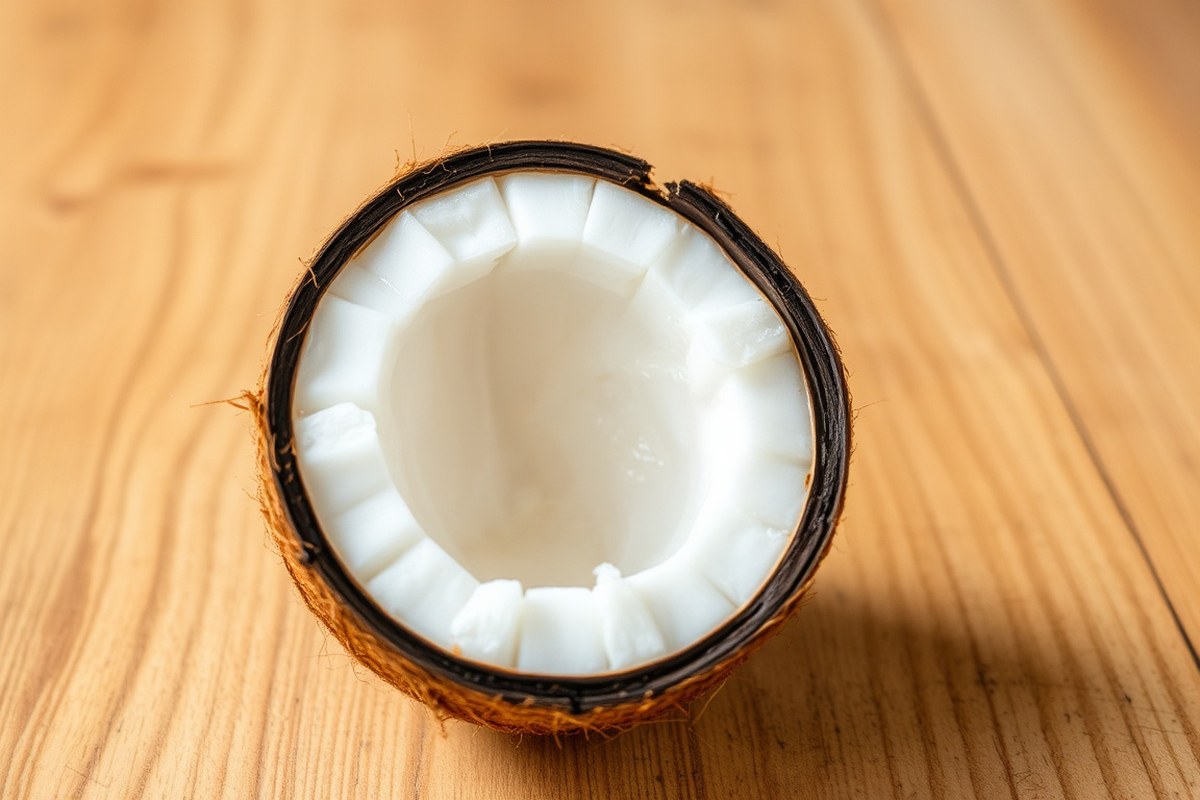
Is the Coconut a Nut or Fruit? A Complete Guide with Clear Answers
Is the coconut a nut or fruit? The simple answer is it’s a fruit, more specifically, a drupe. This means it has a hard outer shell, like a nut.
It forms differently from true nuts. So, it’s not just a nut, and that’s why the name can be confusing.
A coconut is also a seed. It has the embryo of a new plant inside.
Its structure has layers like other drupes such as peaches or cherries. Knowing this helps you understand why coconuts behave differently from common nuts.
For people with nut allergies, it’s good to know coconuts are usually safe to eat. The FDA updated its rules recently.
It no longer calls coconut a tree nut for allergen labels. Still, watch out if your doctor advises avoiding it for allergy reasons.
Key Takeaways
- A coconut is botanically a fibrous drupe, not a true nut.
- True nuts have a hard shell that doesn’t open to release seeds.
- A coconut contains a seed inside its hard shell layer.
- The FDA stopped classifying coconut as a tree nut allergen in 2025.
- Most people allergic to tree nuts can safely eat coconut.
- Coconuts grow in clusters weighing 2 to 7 pounds each.
Is a Coconut Botanically a Fruit or a Nut?
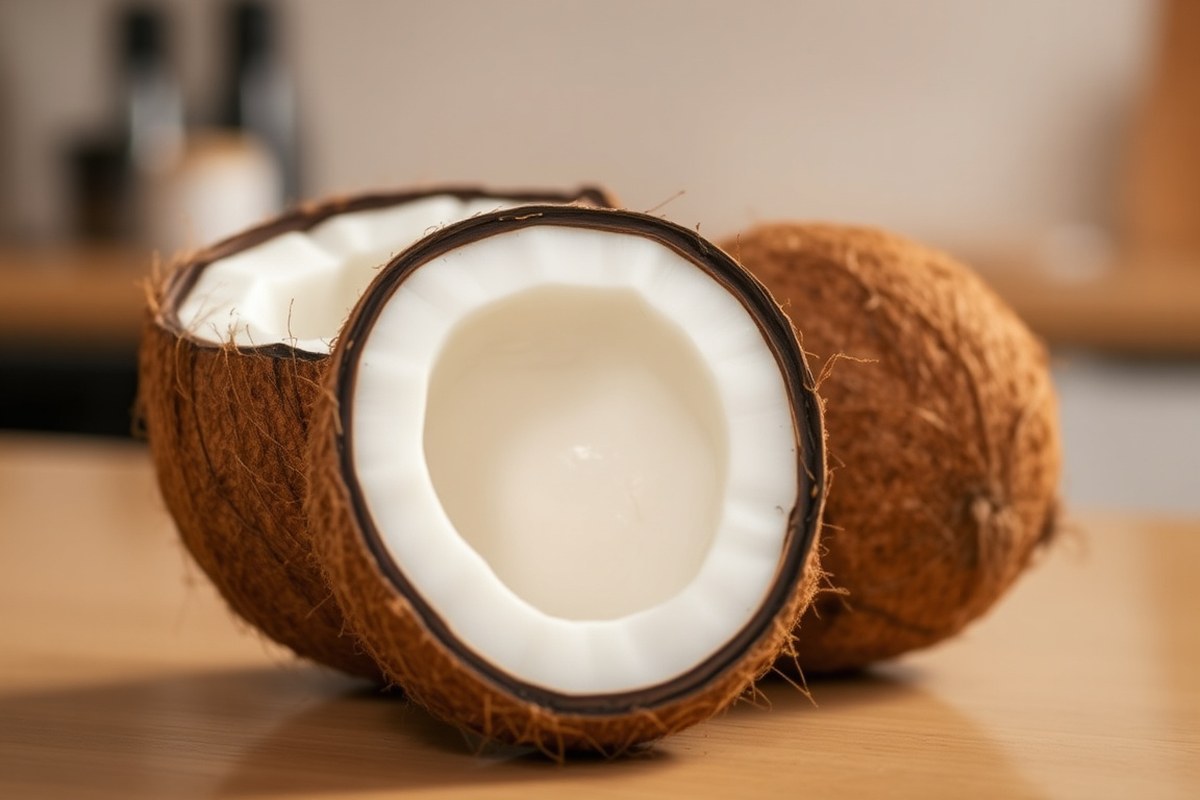
A coconut is botanically classified as a fruit, not a true nut. It develops from a ripened ovary, making it a fruit by definition. A coconut is a drupe, a fruit with three layers.
It has an outer skin and a fibrous husk. Inside is a hard shell around the seed.
This classification matters because true nuts differ from drupes in how they form and open. True nuts have a single hard shell that forms from the ovary wall. This shell does not open on its own.
The coconut’s hard shell is only one part of the fruit. It is surrounded by a fibrous husk. This makes it different from simple nuts.
Botanically, coconuts share more traits with fruits like peaches or cherries. They differ from nuts such as acorns or hazelnuts. The USDA classifies coconut as a tree nut.
This is because it grows on a tree and has one seed. This dual identity explains why the coconut fits both fruit and nut categories depending on perspective.
What Defines Fruits, Nuts, and Drupes in Botany?
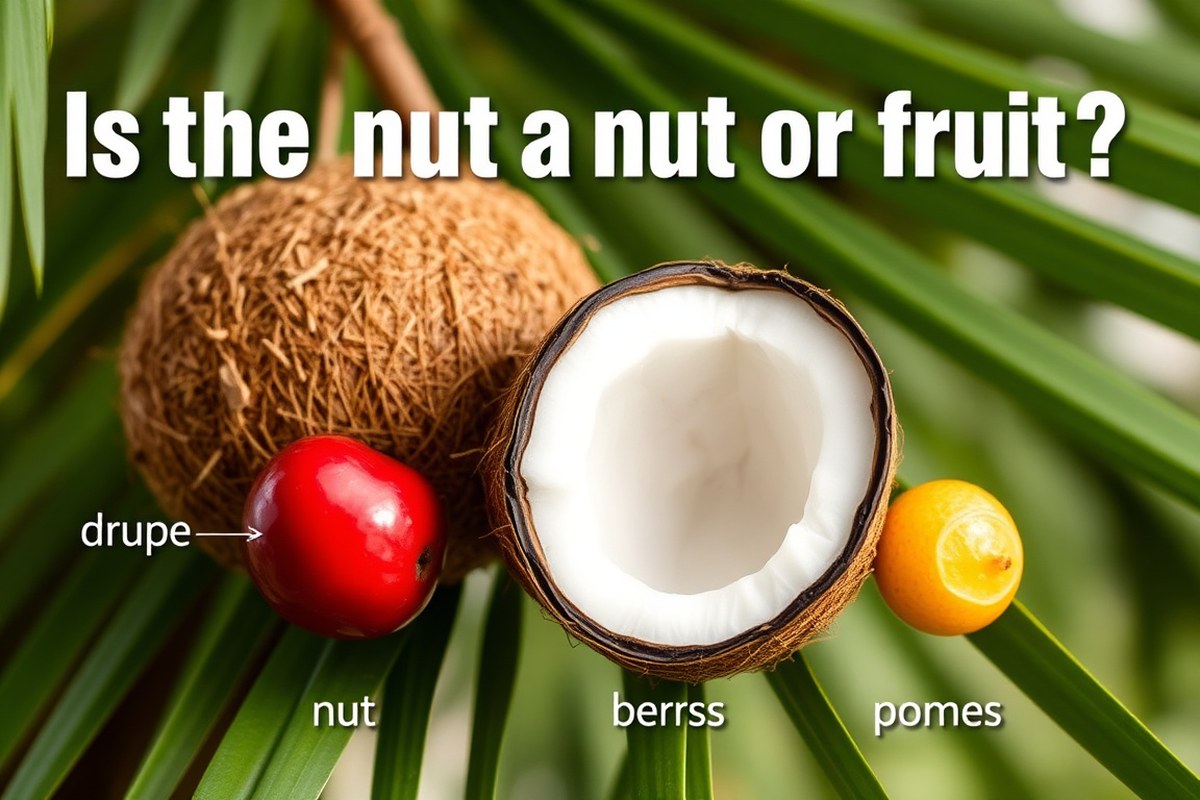
Fruits develop from the flower’s ovary and usually contain seeds inside. Nuts, botanically, are hard-shelled fruits that do not open to release seeds when ripe. Drupes are fruits with three layers.
They have a fleshy outer skin, a fibrous middle, and a hard shell inside. The seed is protected by this shell.
The peach is a classic example of a fleshy drupe. It has soft skin and juicy flesh around a hard pit. The walnut looks like a nut but is technically a drupe too.
The coconut has a green outer covering. This dries and splits away. Inside is a hard shell with the edible seed.
| Category | Key Feature | Example |
|---|---|---|
| Fruit | Develops from flower and contains seeds | Apple |
| Nut | Hard, indehiscent shell that doesn’t open | Acorn |
| Drupe | Three layers: skin, fibrous husk, hard pit | Peach, Coconut |
A coconut is a drupe. It has a fibrous husk outside and a hard inner shell. This fits the drupe category well.
Its outer layer is rough and fibrous, unlike the smooth skin of peaches. This structure holds the seed inside, which people often call the “nut.”
Understanding these terms helps explain why the coconut is a fruit but not a true nut. The coconut’s three-layer design matches drupes more than nuts. Almonds and cashews are drupes, not nuts.
They have similar layers inside. This is why chefs call them nuts but they are not.
Always check if a product labels coconut under tree nut allergens, especially if you have allergies.
How Is a Coconut Structured? Inside the Drupe Layers
The coconut’s structure follows the typical drupe pattern with three layers. These layers are the exocarp, mesocarp, and endocarp. Each layer has a role that fits the coconut into the drupe category.
Exocarp: The Coconut’s Outer Skin
The exocarp is the coconut’s thin, smooth outer skin. It starts green and changes to brown as the fruit matures. This layer protects the inner parts from direct damage and helps retain moisture.
Compared to other drupes, the coconut’s exocarp is less fleshy and more skin-like. This difference helps coconuts travel across oceans.
It keeps the outer surface waterproof. The shell stays tough during the journey.
Mesocarp: The Fibrous Husky Middle Layer
The mesocarp is the coconut’s thick, fibrous husk between the exocarp and endocarp. This husk is rough and stringy, and it helps the coconut float in water. Because of this fibrous layer, coconuts can travel long distances on ocean currents.
Unlike drupes with soft, fleshy mesocarps, the coconut’s husk is dry and tough. The fibers can be harvested to make ropes and mats. This shows the mesocarp’s important role in protecting the seed and supporting seed dispersal.
Endocarp: The Hard, Protective Shell
The endocarp is the hard, woody shell inside the mesocarp. This layer surrounds the seed tightly, protecting it from physical damage and drying out. The brown shell we crack open to get the coconut meat is the endocarp.
Its hard texture matches other drupes’ stony shells, like peaches or cherries but thicker. Inside the endocarp, you find the edible white flesh and the seed’s water. This strong layer keeps the seed safe until it can grow.
Why Is Coconut Also Considered a Seed and What Does That Mean?
The coconut is considered a seed because it contains the embryo of a future plant. Inside the hard shell is the living part of the seed. This part can grow into a new coconut palm.
It contains the embryo needed for growth. The embryo is inside the white flesh and coconut water.
These parts feed the seed as it starts to sprout. They provide nutrients to the growing embryo.
When a coconut seed germinates, the embryo absorbs nutrients from the white meat and liquid inside. This process powers initial growth until the young plant develops roots and leaves. Plant a whole coconut with the seed inside while moist.
It can grow into a new tree over several months. Keep the coconut moist for successful growth.
Being a seed does not change the coconut’s classification as a fruit or nut. The coconut fruit holds one seed inside its shell. This makes it both a fruit and a seed.
They exist together in the same fruit. The seed’s role is simply to reproduce the plant. The fruit protects and carries that seed until it’s ready to grow.
How Does the Culinary Definition of Nut Differ from Botanical Terms?
In cooking and nutrition, a nut means any edible seed with a hard shell. This definition is less strict than botanical terms.
Chefs call coconuts nuts because they have a tough shell and a rich, oily inside. This fatty texture fits the culinary idea of nuts, which are often oily and crunchy.
Coconuts show up in grocery stores with almonds and walnuts in the nut aisle. This grouping helps shoppers find ingredients easily. Recipes name coconut there because its texture and flavor resemble nuts.
It works well in baked goods and snacks. This similarity often causes its inclusion. Coconut milk and oil come from the white flesh inside.
They’re used like nut butters or oils in cooking. People add them to recipes for flavor and texture. They add richness and mouthfeel similar to those nut products.
The high fat content, especially saturated fat, changes how coconut acts in recipes. Coconut oil or butter makes cakes moist and smooth. It also adds creaminess to smoothies.
This helps give the right texture to many dishes. This culinary use hides the botanical fact that coconuts aren’t true nuts but drupes.
Chefs focus on how the ingredient performs and tastes, not its strict botanical class. This practical approach keeps recipes familiar and easy to use.
Coconuts have a lot of saturated fat inside them. Eating too much can affect your heart health. Keep your consumption moderate to stay safe.
What Is the FDA’s Current Stance on Coconut as a Tree Nut Allergen?
The FDA updated allergen rules on January 6, 2025, excluding coconut as a tree nut allergen. This change matches how coconuts grow and improves label accuracy. People allergic to tree nuts may no longer find coconut listed on labels.
Previous FDA Classification of Coconut
Before 2025, the FDA listed coconut as a major tree nut allergen on food labels. This rule aimed to protect people allergic to tree nuts.
Still, coconut is botanically a fruit, not a nut. Many people with nut allergies were cautious about eating coconut products.
Coconut allergy is very rare and does not often overlap with tree nut allergy. The FDA treated coconut like tree nuts because of some reported cross-reactions, but this was uncommon. Most people with nut allergies could safely consume coconut without any problem.
2025 FDA Labeling Update
The FDA gave new allergen label rules in January 2025. Coconut is no longer on the main tree nut allergen list. This update helps clarify allergen information.
This update aligns U.S. Food law with botanical facts about coconut as a fruit. The change also dropped nine other tree nuts from the major allergen list.
This relabeling helps clear up confusion around coconut’s status for allergy sufferers. This does not mean coconut is safe for everyone with nut allergies.
Some people might still react to coconut. The FDA advises caution because some rare cases of allergic cross-reaction still exist.
Impact on Tree Nut Allergy Patients
People with tree nut allergies can often eat coconut safely following the 2025 update. Coconut contains fewer allergy-causing proteins than tree nuts. This makes allergic reactions less likely.
Many people with tree nut allergies tolerate coconut well. Still, some individuals with specific nut allergies, like macadamia nut, may react to coconut rarely.
You should read labels carefully when products contain coconut. Checking helps avoid allergic reactions from hidden ingredients. Be cautious with foods and toiletries containing coconut.
Speak with your allergist before adding coconut products to your diet. This helps prevent unexpected allergic reactions and manages your personal risk responsibly.
How Does Coconut Allergy Risk Compare to Other Tree Nuts?
Most people allergic to tree nuts can safely eat coconut. Coconuts do not share the proteins that trigger common tree nut allergies. Still, coconut allergy does exist but is much rarer than other nut allergies.
Common Allergenic Proteins in Tree Nuts
Tree nuts like almonds, cashews, and walnuts contain proteins called vicilins, legumins, and albumins. These proteins often cause allergic reactions by triggering the immune system. Most allergic responses to tree nuts involve these storage proteins.
People allergic to tree nuts usually react to these specific proteins, which are absent in coconuts. Coconut lacks certain proteins found in tree nuts. This absence lowers allergy risk.
People with tree nut allergies usually tolerate coconut well. Reactions to common tree nuts are far more frequent due to these proteins.
Coconut Protein Profile
Coconut contains different proteins than those found in tree nuts. Proteins called globulins and albumins in coconut flesh sometimes cause reactions. However, these allergens are not the same as the proteins in tree nuts.
Coconut contains different proteins than tree nuts do. That makes coconut allergies rare. When coconut allergies happen, they are usually mild.
Testing shows fewer people react to coconut proteins than the major tree nut allergens. People with tree nut allergies usually tolerate coconut well.
Cross-Reactivity and Allergy Studies
Research indicates little cross-reactivity between coconut and tree nuts. This means the immune system usually does not confuse coconut proteins for tree nut allergens. Most people with tree nut allergies can eat coconut without allergic symptoms.
Some people with tree nut allergies might react to coconut. This is more likely with severe or multiple allergies. Take care if you fit this group.
Those reactions are uncommon and tend to affect a small group. Anyone unsure about tolerance should see an allergist for testing.
Why Does the Coconut’s Unique Structure Allow It to Float and Spread?
The coconut’s fibrous husk is thick and full of air pockets. These pockets trap air, making the coconut buoyant enough to float on ocean water. This natural flotation allows the coconut to travel long distances across seas.
Its hard shell protects the inner seed from saltwater damage during this floating journey. Because of this tough barrier, the seed inside does not get harmed by salt or moisture. This protection is essential for the seed’s survival until it washes ashore.
Wild coconuts have thicker husks with more air pockets. These husks help them float for 60 to 220 days.
The long float time increases their chance to reach distant islands. But it also delays germination.
Domesticated coconuts have thinner husks to support quicker germination. They sprout between 30 and 140 days.
But they sink sooner and cannot spread as far by ocean. This trait helps farmers grow coconuts near inhabited areas rather than relying on ocean dispersal.
Buoyancy strongly affects when germination starts. While floating, the seed remains dormant to avoid sprouting in the ocean.
After the coconut lands on soil and absorbs freshwater, it breaks dormancy and begins to grow. This delay ensures seedlings develop in a better environment.
When you see coconuts on a beach, you’re witnessing their ocean dispersal strategy in action. Husk thickness affects how far coconuts spread and when they sprout. The air inside the coconut helps it float and travel far.
The shell’s toughness also plays a part in this balance. Each coconut type’s structure matches its role either in the wild or on farms.
Keep coconuts moist but not submerged if you want to sprout them. Too much water can rot the seed inside before germination.
How to Understand and Use Your Coconut Knowledge
Learn to identify coconuts and manage allergy risks confidently.
- Start Today: Check the label on coconut products for allergen warnings. If it says “tree nut,” proceed with caution if you have allergies.
- This Week: Examine fresh coconuts. Notice the hard shell and fibrous outer layer. This helps you recognize a drupe, not a true nut.
- Next Week: Taste a coconut product like coconut water or oil. Recognize the taste difference from other nuts to understand culinary use.
- After Two Weeks: If you have nut allergies, consult your doctor about coconut exposure. Learn if coconut is safe for you.
- One Month In: Share your coconut knowledge. Explain to friends that coconut is a fruit called a drupe, not a nut in botany.
- Continuous Learning: Watch for new allergy guidelines on coconut. Stay updated as regulations and research evolve.
Frequently Asked Questions
Is Coconut a Nut in Culinary Terms?
Yes, cooking often treats coconut like a nut because of its taste. It feels like a nut too.
But botanically, coconut is actually a fruit. This helps explain why recipes call for coconut as a nut ingredient despite its real classification.
Can You Eat the Coconut Seed Directly?
No, the coconut seed needs to germinate first before growing into a coconut palm. You can eat the white flesh and drink the water inside a mature coconut instead.
Why Is Coconut Called a Drupe Rather Than a Nut?
A coconut is called a drupe. It has layers like outer skin and fibrous husk.
Inside are a hard shell and seed. True nuts do not have this multi-layered structure.
Does the FDA Require Coconut Allergy Warnings?
The FDA classifies coconut as a tree nut for allergen labels. It exempts coconut from some nut rules.
This is due to its lower allergy risk. Check product labels carefully if you have allergies.
Can Coconuts Grow Without Human Planting?
Coconuts can spread naturally by floating on water. They start to grow on shorelines.
This happens without any human help. This helps coconuts travel to different tropical areas.
Is Coconut Water the Same as the Seed?
Coconut water is the liquid inside a green coconut’s seed, which nourishes the embryo before sprouting. This water is different from coconut milk, made by processing the flesh.
The Bottom Line
A coconut is botanically a drupe fruit, not a true nut. Its unique structure and allergen status set it apart from typical tree nuts. Keep learning and use this info to navigate your food choices safely.