How Far Apart to Plant Tomatoes: A Complete Guide for Optimal Growth
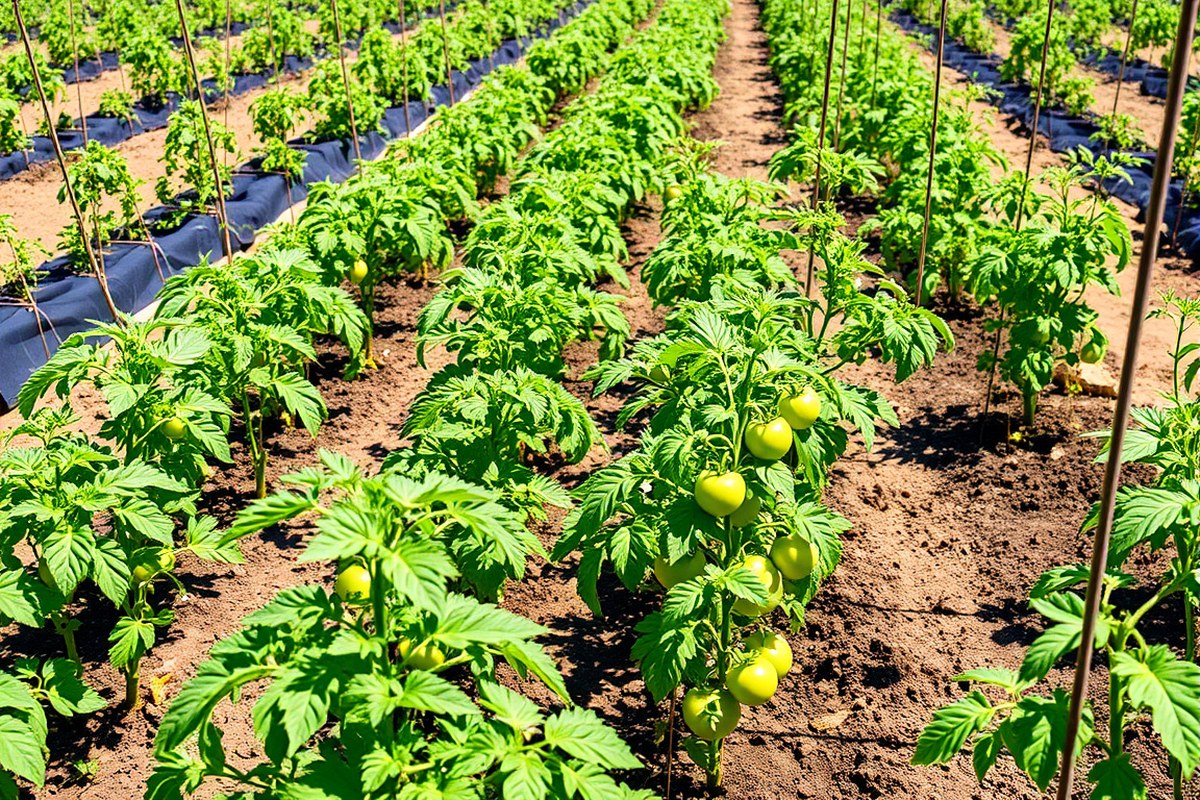
How far apart to plant tomatoes depends on the type you grow and the support used. For staked tomatoes, plant them about 1.5 to 2 feet apart. This space helps them grow upward without overcrowding, giving good airflow and light exposure.
If you use cages, give them more room, around 2.5 to 3 feet apart is best. Wider spacing prevents leaves from brushing against each other and lowers disease risks. Remember, compact determinate varieties need less space, around 12 to 18 inches apart in raised beds.
Planting tomatoes too close can stunt growth and reduce yields. Start by measuring your garden area and check your plant labels for specific needs. Proper spacing improves plant health and makes care tasks easier.
Key Takeaways
- Space staked tomatoes at least 18-24 inches apart for upward growth.
- Use 2.5-3 feet spacing when growing tomatoes in wire cages.
- Plant compact determinate tomatoes 12-18 inches apart in raised beds.
- Leave 3-4 feet between rows when planting directly in the ground.
- Give larger, vine-producing tomatoes 36 inches between plants and rows.
- Measure your garden area and plan spacing before planting.
Recommended Distances for Planting Tomato Varieties
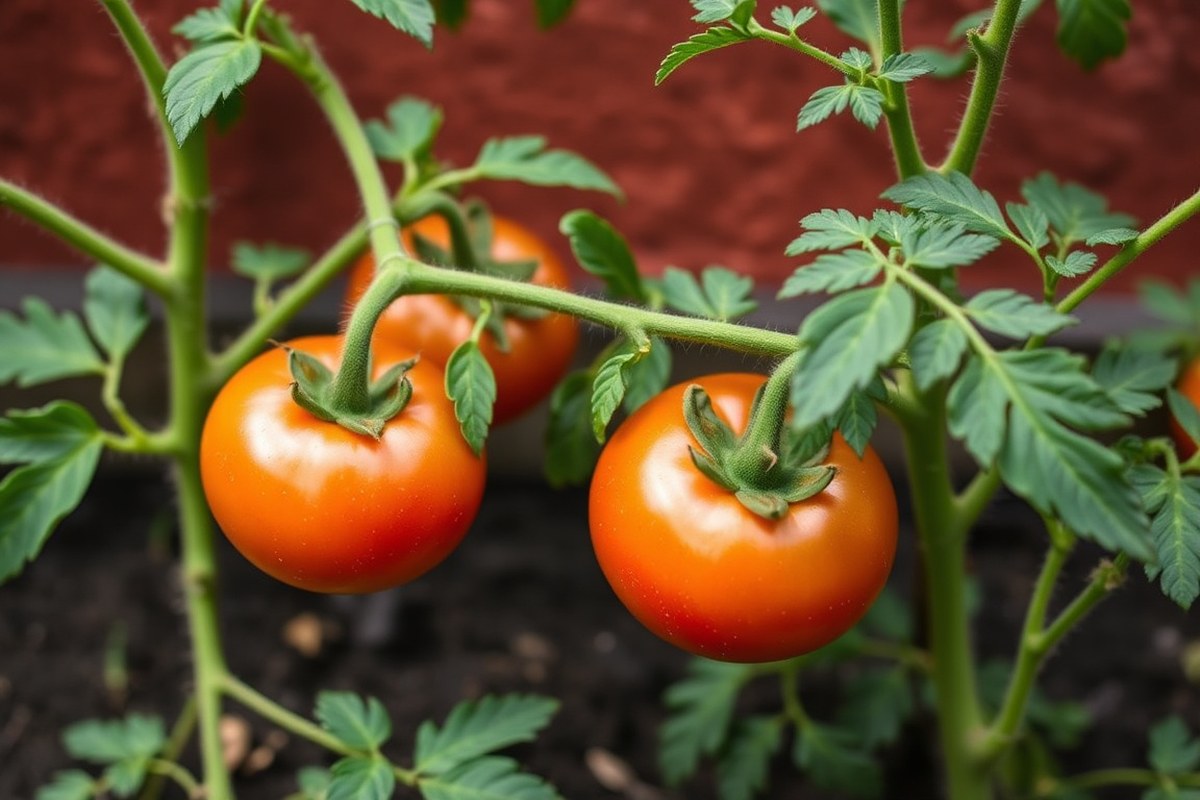
Plant tomatoes according to their variety to fit their growth habits. Determinate types need more space side-to-side.
Indeterminate grow taller and need room to spread upward. Dwarf tomatoes stay small, so you can plant them closer together without crowding.
Spacing for Determinate Tomatoes
Determinate or bush tomatoes reach 2 to 4 feet in height. They tend to grow wider instead of taller. Plant them 2 to 3 feet apart, with rows spaced 3 to 4 feet to allow good airflow and even fruit ripening.
Using cages for determinate varieties works well since these plants don’t get as tall as indeterminates. Cages also help keep branches off the soil, which reduces disease risk. Make sure the cage size matches your plant’s expected size.
Spacing for Indeterminate Tomatoes
Indeterminate tomatoes keep growing taller, often 4 to 6 feet or more. Space plants 24 to 36 inches apart. Give each one room to grow tall.
Allow space for the branches to spread, too. Rows should be spaced 4 to 5 feet apart for walking and maintenance.
Staked indeterminate tomatoes can be planted closer. Keep them about 24 inches apart for support.
Staking helps support the tall vines and keeps fruit off the ground. This setup also improves air circulation and sunlight.
Spacing for Dwarf Tomato Varieties
Dwarf or compact tomatoes generally reach 8 to 18 inches tall. You can plant these close, about 10 to 18 inches apart. These tomatoes stay compact and don’t need much room.
You can fit more in a small garden. They also work well in containers.
Varieties like these do well in raised beds. You can space rows closer, about 2 to 2.5 feet.
This works for small garden plots, too.5 feet. Their smaller size reduces leaf overlap, which lowers disease risks from poor airflow.
The table below offers clear spacing guidelines based on tomato type:
| Variety Type | Plant Spacing | Row Spacing | Square Feet per Plant | Plants per 100 sq ft |
|---|---|---|---|---|
| Indeterminate (Beefsteak) | 36, 48 in (90, 120 cm) | 48, 60 in | 12, 20 | 5, 8 |
| Determinate (Bush) | 24, 36 in (60, 90 cm) | 36, 48 in | 6, 12 | 8, 16 |
| Cherry Tomatoes | 24, 30 in (60, 76 cm) | 36, 48 in | 6, 10 | 10, 16 |
| Patio / Dwarf | 18, 24 in (45, 60 cm) | 24, 30 in | 3, 5 | 20, 33 |
Spacing affects how well your plants grow and the size of your harvest. Giving each tomato enough space lets leaves get sunlight and air, which keeps plants healthy.
Crowded plants struggle. So sticking to these distances pays off in better fruit and less disease.
How Garden Type Influences Tomato Plant Spacing
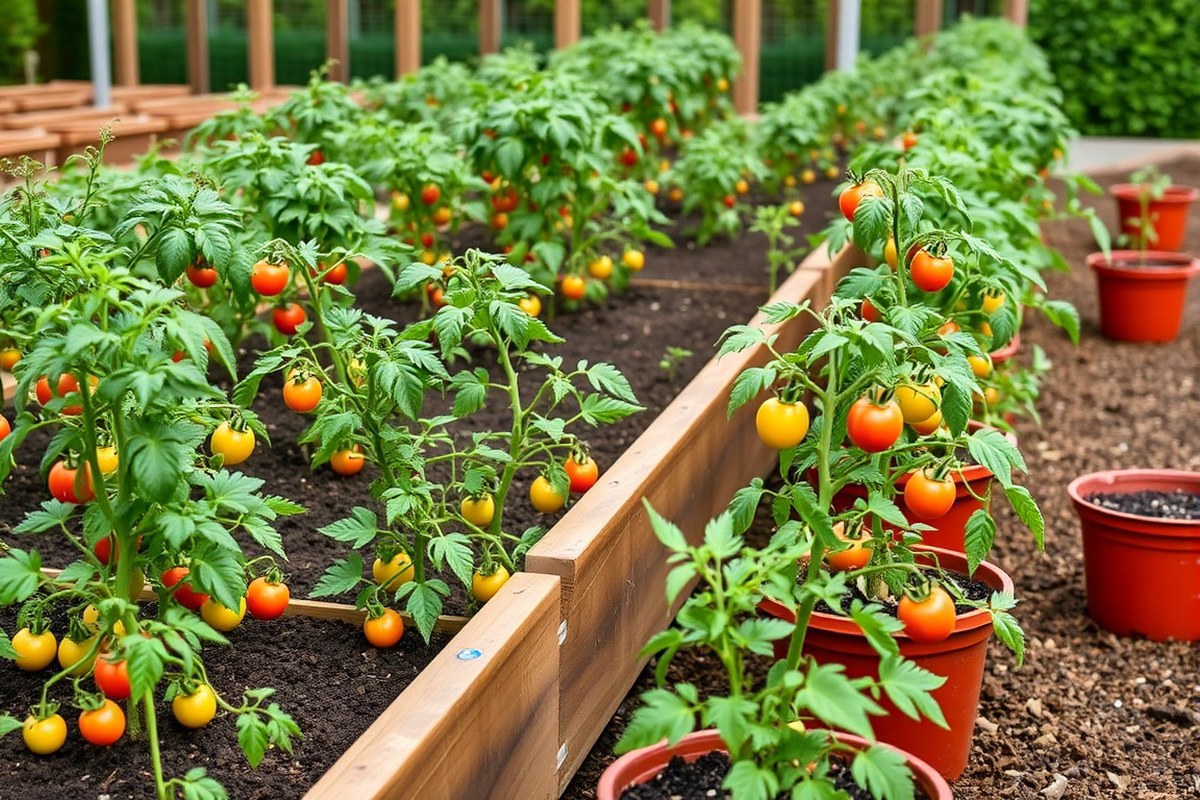
Tomato spacing changes depending on whether you plant in the ground, raised beds, or containers. Ground planting asks for wider spacing than raised beds. Containers need the closest spacing because space is limited and plants grow smaller.
Spacing Tomatoes in Ground or Open Rows
In large open gardens, space tomato plants 3 to 4 feet apart in rows. Rows need to be 3 to 4 feet apart for good airflow. This spacing helps stop diseases from spreading between plants.
Proper air flow keeps your tomatoes healthier. Staking or caging the plants supports growth and keeps fruit off the soil.
Too close planting in the ground can cause crowded leaves and poor fruit development. Planting too far apart wastes garden space and lowers total yield. Unsure about spacing?
Four feet apart usually works well. This distance suits most tomato varieties in home gardens. It gives plants enough room to grow.
Spacing Tomato Plants in Raised Beds
Tomatoes in raised beds do well planted about 18 to 24 inches apart. Raised beds allow denser planting because soil warms faster and drains well. Treat spacing like you would in the ground but tighten distances slightly to maximize bed use.
Raised beds often use grid or staggered planting patterns. Staggered rows can fit 15 to 20 percent more plants per space. This helps if you want more tomatoes but remember to keep air circulation open.
| Method | Description | Efficiency vs Grid | Best For |
|---|---|---|---|
| Grid / Square | Rows and columns aligned | 100% (baseline) | Small raised beds |
| Staggered / Hex | Every other row offset by half | +15, 20% more plants | Maximizing yield |
| Row Planting | Plants in rows with walkway spacing | 80, 90% | Large in-ground gardens |
Raised bed spacing is a balance. Too tight reduces airflow. Too wide wastes space in raised bed gardens.
Never crowd tomato plants in raised beds; good air circulation avoids mildew.
Planting Tomatoes in Containers
Containers need special spacing rules depending on pot size and tomato type. Small pots require one plant each to prevent root crowding. Large pots of at least 5 gallons can support one healthy tomato plant comfortably.
Space container tomatoes at least 12 to 18 inches apart if grouped together outdoors. Determinate varieties stay smaller and fit better in containers. Indeterminate tomatoes need larger pots and a string or cage for support.
Use large pots with fresh soil and good drainage for container tomatoes to thrive.
Effect of Plant Support on Tomato Spacing Needs
Staking or trellising tomato plants lets you plant them closer. When tomatoes are staked, you can space them about 18 to 24 inches apart. This tighter spacing works because plants grow upward with less sprawling, which saves ground space.
Caging tomatoes usually means you’ll need more space than staking allows. Tomato cages, especially for determinate varieties, require about 24 to 36 inches between plants.
Cages let plants spread out more. So crowding can cause poor air circulation and increase disease risks.
Treillage, like staking, supports indeterminate tomatoes to grow vertically. You can space trellised plants roughly 18 to 24 inches apart within rows.
This keeps plants easy to reach for pruning and harvesting. It also reduces shade and helps prevent problems like blight.
Use staking methods like the Florida weave for your tomatoes. This supports the plants well as they grow.5 to 3 feet between plants might be best.
This wider gap suits vigorous plants or gardeners who don’t prune heavily. Less pruning means more leaf growth, so plants need more space to avoid crowding.
In greenhouses or hoop houses, prune tomatoes closely and stake or trellis them. Then you can safely reduce spacing to 12 to 18 inches. Consistent pruning keeps plants from sprawling, improving light exposure and airflow.
Choosing wrong spacing for your support type can cause issues. Plants may crowd or flop over without enough room.
Plants planted too close without support can tangle, making disease and harvest harder. Without staking or caging, plan at least 3 feet between plants to allow room for growth.
Spacing for Disease Prevention and Plant Health
Spacing tomato plants properly limits leaf diseases by improving airflow and drying. Air movement reduces dampness on leaves, lowering fungal issues like Early blight and Septoria leaf spot. Without enough space, disease spreads faster.
Leaves stay wet longer. Bugs move easily between plants.
Good airflow also supports strong tomato plants. It helps cool the plants during hot days and dries moisture after watering or rain.
This environment discourages mold growth and pests that thrive in tight, humid spots. You can control pest and disease risks by keeping a healthy distance between plants.
Closer tomato spacing encourages pest build-up and disease spread. Crowded plants give pests a quick way to jump from one plant to another.
Plus, tight spaces block sunlight and create shade, slowing growth and fruit ripening. Spacing affects not just health but your garden’s total harvest.
- Space tomato plants at least 18 to 24 inches apart for small varieties
- For larger indeterminate types, use 3 to 5 feet between each plant
- Leave 3 to 4 feet between rows to allow easy airflow and garden access
- Plant based on mature size, not seedling size, to avoid crowding later
- Regularly prune lower leaves to improve airflow around each plant
- Avoid watering overhead; water at the base to keep leaves dry
Following these spacing tips takes some planning and space but prevents costly problems later. It cuts down on disease treatments and keeps your plants healthier through the season. Healthy spacing means better roots, leaf growth, and more fruit with less hassle.
Adjusting Spacing Based on Climate and Soil Conditions
Tomatoes in humid climates need more space to prevent fungal diseases. Airflow helps dry leaves and lowers disease risk. Plant tomatoes at least 2.5 to 3 feet apart if you use cages in such areas.
Soil type affects spacing too. Poor, dry, or sandy soil offers fewer nutrients and moisture. You should space those plants wider than normal to reduce competition and help roots spread.
Clay or hard soil also calls for wider spacing. Compact soil can restrict root growth. For staked tomatoes, space plants at least 2 feet apart.
This gives them the room they need to grow well. Good spacing helps avoid overcrowding and disease.
Space tomatoes more in humid or poor soil areas to keep plants healthy and productive.
In dry or sandy soil, give tomatoes extra room, around 2.5 to 3 feet apart, to find moisture. Close spacing leads to weaker plants struggling for water and nutrients. Wider spacing helps their roots grow better.
In fertile, well-draining soil with moderate weather, spacing can be closer. Staked tomatoes usually need 18 to 24 inches between plants. These conditions let tomatoes grow fine with less space.
This close spacing supports more plants per space but only if the soil feeds them well. Otherwise, yield and plant health may drop.
Common Spacing Mistakes and How to Fix Them
Planting tomatoes too close leads to poor airflow and crowded roots. This makes plants weaker and more likely to get diseases like blight. Overcrowding also blocks sunlight, which slows down growth and cuts fruit production.
Placing tomato plants too far apart wastes garden space and reduces yield. You end up growing fewer plants than the space allows. Over-spacing also means you may spend more time watering and caring for empty areas.
When plants are cramped, thin them out carefully during early growth. Remove the smallest or weakest plants to give others room. Use scissors to cut off extra shoots or suckers, which makes the main plant stronger.
- Check plant spacing every few weeks and adjust if needed
- Stick to about 18 to 24 inches apart for standard tomatoes
- Use stakes or cages to support plants and save space
- Trim dense foliage to improve airflow and light access
- Move smaller plants to new spots or containers when possible
Too close spacing often means tangled vines and stunted growth. Plants take longer to mature and may produce fewer tomatoes. Fixing this early prevents major yield loss and keeps plants healthier.
On the other hand, having too much space between plants slows your harvest. It also lets weeds take over empty spots, increasing garden work. You want a balance that supports both good growth and efficient use of your garden area.
Planning Your Tomato Garden Space Efficiently
Figure out your total garden space by measuring the area and planning around your tomato types. Different varieties need different spacing, so combine their needs to use your space well. Leave room for walking paths to reach your plants easily for watering and harvesting.
Measuring Individual Plant and Row Spacing
Start by identifying the type of tomatoes you want to plant. Smaller varieties like Tiny Tim only need about 12 inches between plants. Larger varieties will require about 18 to 24 inches apart within rows.
Row spacing should give plants room to spread and let you move between them. Leave at least 3 feet between rows to fit a garden cart and walk comfortably. This space also helps air circulate, reducing disease risks.
Calculating Total Garden Area for Tomatoes
Calculate your garden’s total space by multiplying plant spacing by plants. Do the same for the number of rows. Then multiply these two numbers for total space.
For example, you have 6 big tomato plants spaced 24 inches apart. These plants grow in two rows, with rows 3 feet apart. Here’s how you calculate space for that.
- Convert row spacing and plant spacing to feet: 24 inches = 2 feet
- Length of each row: 2 feet × 6 plants = 12 feet
- Width of garden: 3 feet (between rows) × 2 rows = 6 feet
- Total area: 12 feet × 6 feet = 72 square feet
This example means you need about 72 square feet for these tomatoes. Mix smaller types by adjusting their space. But keep row distances consistent for easy access.
Tips for Layout Planning and Accessibility
Plan your tomato garden with access in mind. Arrange rows so you can walk between them without stepping on plants or compacting soil. Paths of 3 feet wide work well for moving tools and picking fruit.
Group tomatoes by their growth habits and space needs. Put smaller or determinate types together and larger or indeterminate plants together. This makes care easier and saves space.
Use a garden planner or sketch to map your layout before planting. Mark paths, rows, and individual plant spots. This prevents overcrowding and leaves enough room for pollinators and harvest.
How to Recognize Proper or Improper Tomato Spacing
Tomato plants spaced well show good airflow and even leaf growth. Each plant gets enough sunlight without shading neighbors. Leaves aren’t overly crowded or yellowing, and fruits develop evenly along stems.
Poor spacing signs include leaf wilting, yellowing, and slower growth. Plants may lean toward the sun, stretching taller to compete for light. Lower leaves turning yellow or falling off means roots may compete for nutrients or water.
Check if plants compete for nutrients or light by watching stem strength. Look at leaf color closely.
Weak, thin stems and pale leaves often mean competition. Also, crowded plants tend to have fewer flowers or smaller fruit, signaling stress.
Spot these problems mid-season? Trim some lower leaves to help airflow.
Water deeply but less often to encourage roots to spread outward. Adding a balanced fertilizer can help if the soil feels poor or dry.
You can also carefully thin the area by removing the smallest or weakest plants. Space plants about 18 to 24 inches apart.
This works well for most tomato types. This gives roots room and helps air circulate better.
Keep watching plant spacing as the season progresses. New leaves leaning or crowded?
Prune crowded growth to stop fungal diseases. Using stakes or cages to lift plants off the ground also helps, especially in tight rows.
Don’t wait too long to fix spacing issues. Crowded plants spend energy fighting each other instead of growing healthy fruit.
Step-by-Step Action Plan for Planting Tomatoes
Follow these steps to space your tomatoes properly and watch your garden thrive. Each phase helps you check if your plants are growing well.
- Before planting: Choose your tomato variety carefully. Plan for spacing about 18 to 24 inches apart. Proper spacing prevents crowding and boosts airflow.
- Planting day: Dig holes according to your spacing plan. Plant seedlings deep for strong root growth. Check if each plant fits comfortably with space around.
- First two weeks: Water newly planted tomatoes gently and watch for signs of wilting or crowding. Healthy leaves and upright stems mean good spacing.
- Week 3 to 4: Set up cages or stakes. This helps the plants grow tall and stay sturdy. Proper support keeps tomatoes off the ground and reduces disease risk.
- Month 2: Trim lower leaves if they touch the soil. Make sure airflow between plants is good. This reduces fungal risks and helps fruit ripen.
- Mid-season: Monitor growth and adjust by pruning or adding supports if plants get too dense. Well-spaced plants use sunlight better and produce more fruit.
- Harvest time: Pick ripe tomatoes regularly to keep plants productive and avoid overcrowding. Healthy spacing helps fruits mature evenly and makes picking easier.
Frequently Asked Questions
Can I Plant Tomatoes Closer Together If I Prune Regularly?
Yes, pruning helps by reducing leaf bulk and air blockage. This technique lets you plant tomatoes a little closer without risking disease spread.
Does Tomato Plant Spacing Affect How Much Water They Need?
Yes, closely spaced plants compete harder for water. Giving them the right space helps each get enough moisture without extra watering.
Are Tomatoes Better Planted in Rows or Clusters for Spacing?
Rows usually allow better airflow and easier care. Clusters can crowd plants, raising disease risk and reducing fruit size.
Can I Use Spacing Tips the Same Way in Containers?
No, containers limit root space, so keep tomatoes somewhat further apart. This prevents roots from becoming cramped and stunts growth.
Will Spacing Change If I Grow Tomato Seedlings Indoors First?
Seedlings grow closer indoors, but transplant tomatoes with proper spacing outside. That avoids crowding and supports strong growth in the garden.
How Does Spacing Affect Pollination of Tomato Plants?
Good spacing lets bees and insects move among plants easily. That improves pollination and often results in better fruit yields.
Before You Go
Spacing tomatoes about 18 to 24 inches apart helps you grow healthy, productive plants. Pay attention to their growth early and adjust support as needed. Start by choosing a variety and mapping your garden space today.