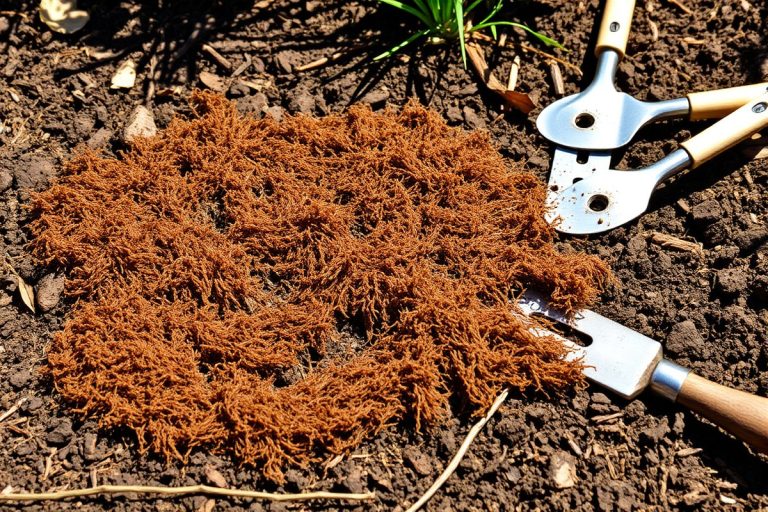
What Is Cattle Manure? Complete Guide to Nutrients, Uses & Safe Handling
What is cattle manure? It’s the natural waste produced by cows, packed with nutrients. Farmers use it as a fertilizer to enrich soil and help plants grow strong.
Cattle manure mainly includes undigested feed, bedding material, and microbes from the cow’s gut. The mixture varies depending on the cow’s diet and where the manure is stored.
Fresh manure has a strong ammonia smell and can burn plants if used directly. Composting or aging manure helps reduce this risk and makes nutrients more available to soil.
Start by storing manure on a gentle slope, not steeper than 3%, to prevent runoff. Proper handling avoids pollution and keeps nutrients where crops need them. ===
Key Takeaways
- Cattle manure contains nitrogen, phosphorus, potassium, and minor elements like calcium.
- Fresh manure should be mixed into soil within 12 hours to avoid ammonia loss.
- Composted manure is safer and provides longer-lasting nutrients to plants.
- Apply 2 to 4 inches of composted manure for best results in gardens.
- Store manure properly to prevent runoff, especially on slopes over 3% grade.
- Manure nutrients can improve soil water retention and overall fertility.
What Is Cattle Manure Made Of?
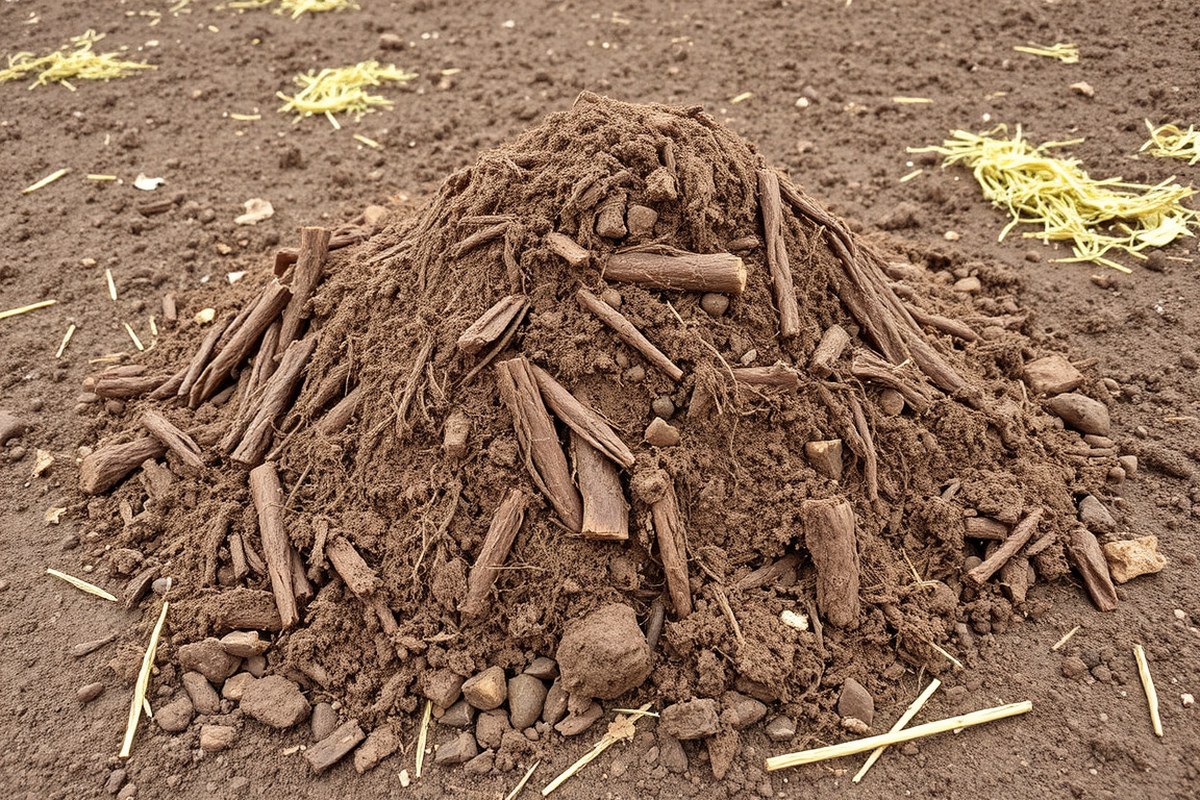
Cattle manure is the waste material produced by cows after they digest their food. It mainly consists of organic matter, water, and nutrients. This organic matter has bits of plants cows ate.
It also holds undigested fibers mixed with microbes. These microbes come from the cow’s digestive system.
The manure contains key nutrients like nitrogen, phosphorus, and potassium, essential for plant growth. On average, beef cattle manure has about 12 pounds of nitrogen per ton. The rest includes micronutrients such as sulfur, magnesium, and calcium that also support healthy crops.
A cow’s diet affects what ends up in its manure. Grass-fed cows produce manure richer in fibrous material.
Meanwhile, cattle on grain-based diets tend to have manure with higher nutrient concentrations. Digestion also breaks down much of the food, changing manure’s nutrient form and availability.
Which Nutrients Are Found in Cattle Manure?
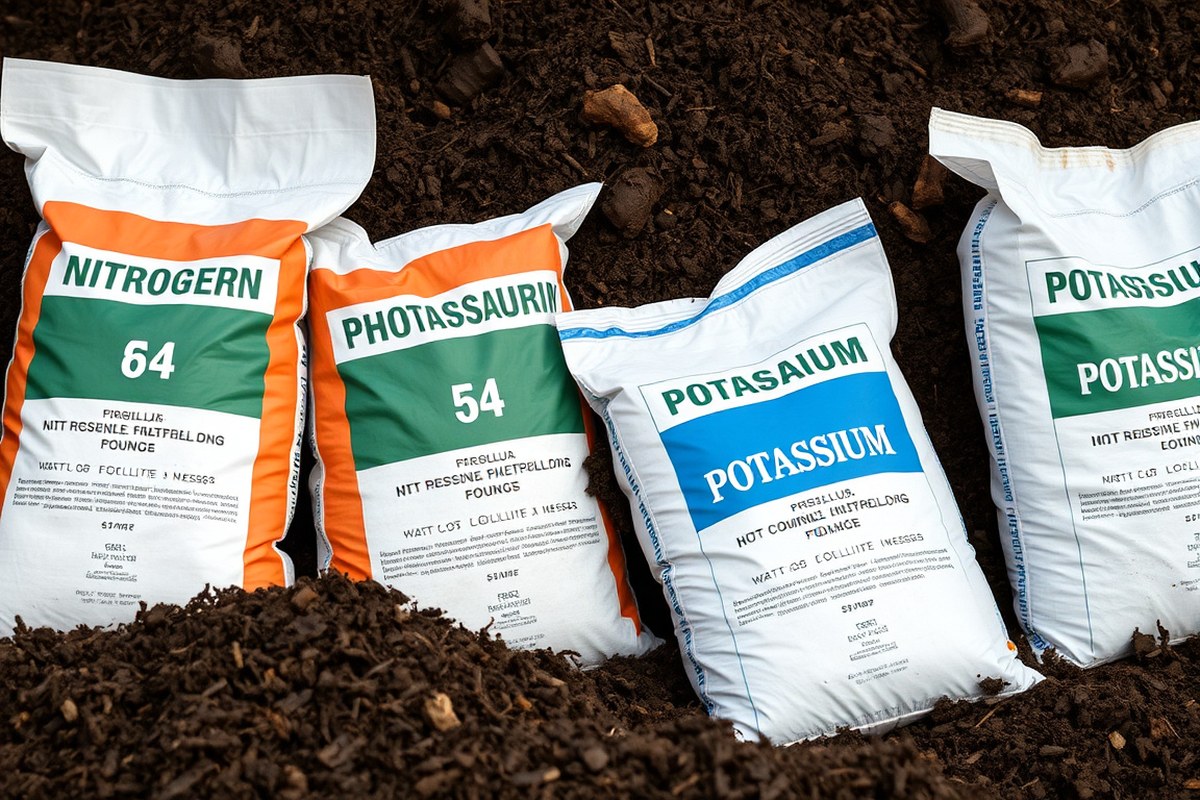
Cattle manure provides several key nutrients that support plant growth. It contains macronutrients such as nitrogen, phosphorus, and potassium in varying amounts. This natural mix helps improve soil fertility and crop nutrition while supplying essential micronutrients.
Nitrogen Content and Plant Uptake
Manure contains about 3% nitrogen, which plants need for leaf and stem growth. Nitrogen from manure releases slowly as microbes break down organic matter, feeding plants over time. This steady supply helps avoid nitrogen burn but requires proper timing to match crop needs.
Applying manure too late or with poor soil conditions reduces nitrogen availability. You might see less vigorous plant growth or yellowing leaves if nitrogen is low. Matching manure application with planting schedules helps plants take up nitrogen effectively.
Phosphorus and Potassium Roles
Cattle manure typically has around 2% phosphorus and 1% potassium. Phosphorus supports root development and flower formation.
Potassium strengthens stems and improves drought resistance. Both nutrients improve crop yield and quality.
Manure has more phosphorus than nitrogen in its makeup. Using only manure can add too much phosphorus to your soil. This can cause problems for your plants and environment.
Excess phosphorus causes environmental risks, like water pollution. Testing soil phosphorus levels before applying manure helps balance nutrient inputs.
Trace Elements and Micronutrients
Besides macronutrients, cattle manure contains micronutrients like calcium, magnesium, sulfur, and iron. These elements support various plant functions such as chlorophyll production and enzyme activity. Micronutrients in manure also contribute to healthier, more resilient plants.
Manure’s organic matter promotes soil microbes that release these nutrients slowly. This living nutrient source improves long-term soil health beyond immediate plant needs. Consistent manure use can reduce the need for synthetic micronutrient fertilizers.
| Nutrient | Typical Content in Cattle Manure (%) | Role in Plant Growth |
|---|---|---|
| Nitrogen (N) | 3% | Promotes leafy growth and protein synthesis |
| Phosphorus (P) | 2% | Supports root and flower development |
| Potassium (K) | 1% | Strengthens stems, improves drought tolerance |
| Calcium (Ca) | Varies | Important for cell wall strength and growth |
| Magnesium (Mg) | Varies | Key for chlorophyll and photosynthesis |
| Sulfur (S) | Varies | Needed for protein formation and enzyme function |
| Iron (Fe) | Varies | Essential for chlorophyll and respiration |
Test your soil before you apply manure. This stops nutrient problems and protects your crops. It also prevents runoff that harms nearby areas.
How Cattle Manure Improves Soil Health and Structure
Adding cattle manure boosts soil organic matter by introducing carbon and microbial biomass. This increase improves soil texture. Sandy soil holds water better.
Clay soil drains more efficiently. It also improves soil structure, which lowers compaction and lets roots grow easily.
The manure stimulates biological activity by feeding beneficial microbes and enzymes in the soil. These organisms help break down nutrients slowly, providing steady plant food over time. Manure’s gentle nutrition supports soil fertility without harsh chemical spikes.
Manure’s pH tends to be near neutral, usually around 7.0, balancing soil acidity or alkalinity. This more neutral pH encourages healthy root development and nutrient availability. Manure reduces soil compaction when applied properly.
It also increases aeration. This helps oxygen reach roots and microbes.
Applying fresh manure quickly after spreading helps keep ammonia from escaping. Bury manure 6 to 8 inches deep within 12 hours. This keeps nutrients in the soil.
It also protects plant roots. This method also reduces the risk of losing nitrogen to the air or surface runoff.
Manure raises organic matter in corn or forage fields. It boosts soil enzymes too. This helps water hold and nutrient cycling.
These benefits support stable crop yields over seasons, even in tougher soil conditions. Using composted manure increases these effects by stabilizing nutrients and further improving soil structure.
Regular manure applications cost money. You need labor and equipment to spread it. Incorporating manure into soil also takes effort.
But over time, improved soil health can lower the need for synthetic fertilizers and irrigation. Avoid over-applying manure to prevent nutrient buildup and potential water contamination.
What Are the Differences Between Fresh, Composted, and Aged Manure?
Cattle manure changes as it decomposes, affecting nutrient levels and safety. Fresh manure has a stronger odour and carries more risk of pathogens. Composting lowers these risks and keeps more nutrients in the manure for plants.
Characteristics of Fresh Manure
Fresh manure is high in moisture and rich in nitrogen available for plants. However, it can smell bad and might contain bacteria harmful to people and plants. Using it without treatment risks burning plant roots and spreading disease.
Because it decomposes quickly, fresh manure needs to be worked into the soil right away. Leaving it on the surface wastes nitrogen by letting it evaporate. This form works best for crops that handle nutrient flushes well.
You must handle it carefully to avoid problems. It needs attention during use.
Benefits of Composting Manure
Composting manure stabilizes nutrients and greatly reduces odour. During composting, manure heats up and kills many harmful pathogens and weed seeds. This makes it safer to handle and apply.
Research from Agriculture and Agri-Food Canada found key differences. Composted manure holds 56% more nitrogen than fresh manure.
It also keeps 84% more phosphorus. Compost also holds onto zinc and copper better, making it a more balanced fertilizer.
| Nutrient | Retention Compared to Fresh |
|---|---|
| Nitrogen (N) | 56% more retained |
| Phosphorus (P) | 84% more retained |
| Zinc (Zn) | 91% more retained |
| Copper (Cu) | 76% more retained |
Compost holds nutrients better during storage and transport. You can apply a 2-4 inch thick layer to garden beds or fields. Compost’s lower moisture cuts down hauling costs too.
Timing and Safety of Aged Manure
Composting takes several weeks to complete properly. Usually, it lasts between 3 and 12 weeks.
Time depends on temperature and moisture levels. The heap should reach at least 131°F for several days to kill pathogens.
Aged manure is much safer to apply without worry of spreading disease. It doesn’t need to be incorporated immediately.
But mixing it 6 to 8 inches deep maximizes nutrient use. This delays nutrient loss and prevents runoff.
Keep in mind that manure storage and breakdown release greenhouse gases like methane and nitrous oxide. Managing manure carefully benefits your soil and the environment.
How to Store and Treat Cattle Manure Safely
Storing cattle manure properly stops nutrient loss and avoids pollution. Use a well-planned site that keeps manure away from streams and wells. Solid manure needs to stay on a surface that won’t soak through.
This stops nutrients from leaking into the soil below. Preventing seepage helps keep the ground clean. Covering stored manure with tarps or using roofed structures reduces odor and rainwater contamination.
Preventing runoff means controlling water flow around the storage area. Build berms or ditches to divert rain away. Avoid storing manure on slopes or near water bodies.
For liquid manure, storage in covered lagoons helps reduce nutrient leaching and emissions. Composting manure before spreading kills pathogens and stabilizes nutrients, improving its value as a fertilizer.
- Choose a flat site with no risk of nearby water pollution.
- Store solid manure on concrete or compacted clay pads.
- Cover manure piles to keep out rain and reduce smell.
- Use berms and ditches to control rainwater runoff.
- Compost manure for 60 to 90 days, keeping it moist and aerated.
- Regularly inspect storage facilities for leaks or overflow risks.
- Follow state and local regulations for manure storage and treatment.
Turning manure during composting speeds decay and cuts odor. Compost piles should reach 130°F to 150°F for several days to kill weed seeds and pathogens. In colder weather, this might take longer or need extra insulation.
Covering stored manure also helps retain nutrients for your crops. Proper storage and treatment protect your farm’s soil and water quality while making manure more useful.
Don’t let runoff carry manure nutrients into nearby streams. It harms water quality and wastes your fertilizer.
Recommended Methods for Applying Cattle Manure to Fields
Applying cattle manure the right way saves nutrients and protects the soil. You want to match the manure amount to your crop’s needs and soil nutrients.
This method cuts down runoff and nutrient loss. Runoff can harm water and air nearby.
The best time to put manure down is before planting or early in the growing season. Mix it into the soil fast, within 24 to 48 hours. This stops nitrogen loss.
It also helps prevent bad smells. For gardens, apply manure every 45 to 60 days. Fields usually get manure once per crop cycle.
Here is a step-by-step guide to applying cattle manure effectively:
- Test your soil to find out nutrient levels before applying manure.
- Check the manure’s nutrient content if it’s composted or bagged, following package rates.
- Calculate the amount of manure needed per acre based on crop nutrient requirements.
- Spread manure evenly using a broadcast spreader or injection method.
- Incorporate manure into the soil within 48 hours after spreading.
- Apply manure before planting or early in the growing season for best results.
- Avoid applying manure when heavy rain is expected to reduce runoff risk.
- Record all applications with amounts and dates to track soil nutrient changes.
Rates vary widely. For example, cornfields typically receive 5 to 10 tons per acre every one to three years. Applying manure too often or too much at once can cause nutrient runoff and pollution.
Spreading once every two or three years allows higher rates. But you risk nutrient loss in the application year.
Incorporating manure into the soil quickly is important. It limits nitrogen losses from ammonia gas and helps nutrients reach plant roots. Injection or tilling shortly after spreading also cuts down odors and runoff.
For smaller garden plots, composted cattle manure is safer and easier to use. Apply about ¼ to ½ inch layer every 45 to 60 days during the growing season. Always wear gloves and wash hands after handling manure to avoid pathogens.
Managing Environmental Risks of Cattle Manure
Cattle manure releases greenhouse gases like methane and nitrous oxide during decomposition. These gases contribute to climate change and come mostly from manure left on the surface.
You can reduce emissions by composting manure or injecting it directly under the soil surface. This limits gas release and keeps nutrients in the soil.
Runoff from manure can contaminate water sources with nutrients and pathogens. Avoid this by applying manure away from streams, lakes, and wells.
Timing matters too, spread manure when heavy rain isn’t forecasted to lower runoff risk. Incorporating manure into the soil soon after spreading reduces nutrient loss and odor problems.
Odor is a common complaint near feeding sites and manure piles. Moving corrals and feeding areas away from sensitive zones keeps smells from bothering neighbors and wildlife. You can control odors by cleaning manure piles often.
Cover the piles to reduce air exposure and smell. This helps keep odors down on your farm. Quick work after spreading manure helps lessen smells that can cause complaints.
Keeping track of weather and soil conditions helps control environmental impacts. Dry, calm days are best for spreading manure to avoid runoff and odors.
Protective gear is key when handling fresh manure because it can carry harmful pathogens. Following local rules about manure management protects your land, water, and health.
Common Mistakes and How to Fix Them When Using Manure
Many people use too much cattle manure or apply it at the wrong time. They also often don’t mix it properly into the soil.
These mistakes can harm plants, pollute water, or create health risks. Fixing these issues means applying manure carefully, allowing proper waiting times, and monitoring plant responses.
Over-Application and Nutrient Imbalance
Using too much manure often leads to nutrient burn and soil imbalance. Manure contains nitrogen, phosphorus, and potassium that crops need. But excess nutrients can damage roots and stunt growth.
Test your soil and manure before applying. This helps you use the right amount for your crops. Testing prevents harm from over-application.
A calibrated spreader ensures even and targeted application. Applying manure at large rates repeatedly increases nutrient buildup and runoff risks.
Over half of beef cattle manure stays on the surface or mixes into soil after a week. This can cause uneven nutrient release.
- Test soil and manure nutrient levels before application
- Use a calibrated spreader for precise manure amounts
- Apply manure based on crop nutrient needs and soil tests
- Avoid frequent heavy applications that can overload soil nutrients
- Incorporate manure into soil to prevent nutrient loss
- Watch plants for signs of nutrient burn, like leaf scorch
- Remove excess manure promptly if applied too heavily
Applying manure correctly takes extra time and supplies for testing. However, it prevents poor crop growth and fines for pollution.
Watch your plants’ response and adjust next time. Reducing over-application helps protect water quality too.
Using Manure on Edible Plants Safely
Crops that touch soil, like carrots and potatoes, need extra care when you use manure. Improper use can harm these crops.
Fresh manure can contain pathogens that cause foodborne illness if applied too close to harvest. You should apply fresh manure at least four months before harvesting these crops to reduce risk.
Composted manure lowers pathogen risks and is safer to use at shorter intervals. Even with composted manure, avoid direct contact with edible plant parts to keep produce safe. Applying a thin 1-inch layer over poor soil improves plant growth without harming edible crops.
Avoid using fresh manure within four months of harvesting root or leafy vegetables.
Following these timing rules keeps your crops healthy and your customers safe. Setting up a manure application schedule ensures you don’t apply it too late in the season. For home gardens, consider purchasing composted manure instead of fresh.
Timing and Incorporation Errors
Applying manure at the wrong time or leaving it on the surface causes nutrient loss. Mixing it into the soil helps prevent this. For example, spreading manure near winter or before heavy rain can wash nutrients into water.
This harms both crops and the environment. Mixing manure into the soil within a week after spreading helps plants absorb nutrients. It also lowers the chances of runoff.
Late or irregular applications can disrupt crop nitrogen availability. Adjust manure timing with your crop growth stage for the best effect. Combining soil and manure analysis helps pick correct application rates and moments for your goals.
- Apply manure well before expected heavy rain or freezes
- Incorporate manure into soil within seven days
- Match application timing to crop growth and nutrient demand
- Use soil and manure tests to plan timing and rates
- Delay manure application on frozen or saturated soils
Paying attention to these details lowers nutrient runoff and boosts plant health. Keep a log of manure applications and weather for better planning. When problems arise, soil testing can help identify if timing or incorporation caused issues.
Step-by-Step Action Plan for Using Cattle Manure
Start improving your soil with cattle manure by following this simple timeline.
- Before planting: Collect aged or composted manure. It should smell earthy, not ammonia-like, showing it’s safe to use.
- One week before planting: Apply manure evenly across your field or garden area. Work it into the top 4 to 6 inches of soil for better nutrient contact.
- After application: Water the soil lightly to help nutrients soak in. Check for any odor; a mild earthy smell is normal.
- During growing season: Monitor plant health and soil moisture. If leaves yellow early, consider a nitrogen supplement since manure releases nutrients slowly.
- After harvest: Gather fresh manure for composting. Keep it in a covered pile to reduce runoff and odors.
- Every 3 to 6 months: Turn compost piles to speed breakdown. Heat and moisture levels should stay steady to kill pathogens.
- Year-round: Store fresh manure away from water sources and use proper protective gear when handling it.
Frequently Asked Questions
What Is Cattle Manure Made of Besides Animal Waste?
Cattle manure contains digested grass, feed residues, and bedding materials. These components depend on the cattle’s diet and housing, affecting manure quality and nutrient value.
How Is Cattle Manure Different from Other Livestock Manures?
Cattle manure generally has higher nitrogen and organic matter levels than poultry or swine manure. This makes it effective for soil fertility but requires careful management to avoid nutrient loss.
Can Cattle Manure Be Toxic to Plants If Applied Incorrectly?
Yes, fresh cattle manure can burn plants due to high ammonia levels. Always compost or age manure before application to reduce this risk and improve nutrient availability.
How Does the Moisture Content in Cattle Manure Affect Storage and Use?
Moisture impacts how manure decomposes and releases gases like methane. Manure that is too wet causes odor problems.
Dry manure breaks down slower. This affects when you can apply it in the field.
Are There Risks of Spreading Cattle Manure Near Water Sources?
Spreading manure near water can lead to nutrient runoff and pollution. Keep buffer zones to protect water quality.
Never apply manure before heavy rains. This helps you follow rules.
What Role Does Cattle Manure Play in Greenhouse Gas Emissions?
Decomposing manure releases methane and nitrous oxide, potent greenhouse gases. Proper storage and handling reduce emissions and help minimize manure’s environmental impact.
Final Thoughts
Cattle manure is a reliable way to boost your soil’s fertility and structure. Start by using composted manure to avoid risks. Keep your supply safe and ready, so your plants grow stronger every season.