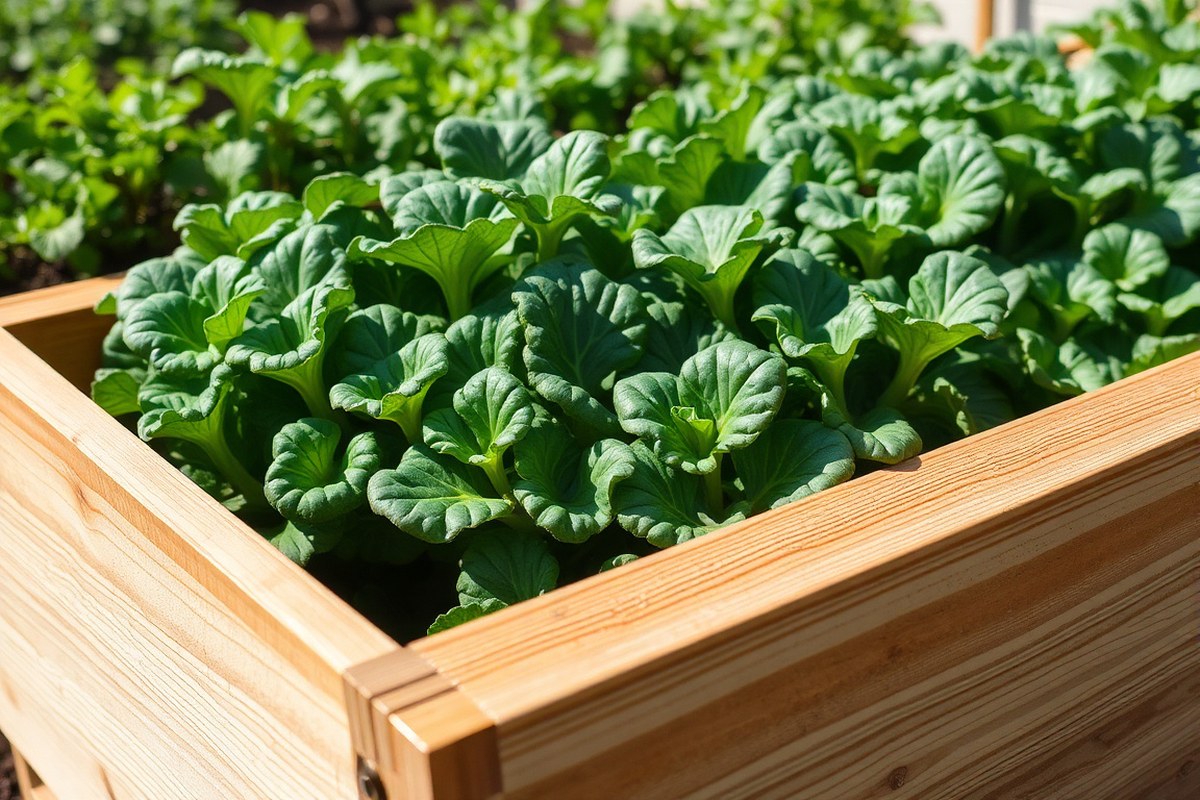
Is Treated Lumber Safe for Garden Beds? A Complete Guide with Best Practices
Is treated lumber safe for garden beds? Yes, modern treated lumber is generally safe. It uses chemicals that don’t classify as hazardous.
That means you can grow vegetables or fruits with little worry. The treatment prevents rot and insect damage without harmful toxins leaching into the soil.
First, make sure the lumber is labeled as pressure treated after 2003. Older wood might still contain harmful arsenic-based chemicals.
Avoid using old or salvaged wood unless you verify it’s safe. Checking the label or asking the supplier can help you avoid unsafe materials.
Modern treated wood lasts much longer than untreated wood. It resists rot and insects for 20 to 40 years. That makes it a good choice for raised garden beds.
It builds beds that last long outside. You get strong, durable garden beds that hold up well.
Key Takeaways
- Check for a label confirming treatment after 2003 to ensure safer chemicals.
- Avoid reusing or salvaging lumber older than 20 years to skip arsenic risks.
- Use ground-contact rated treated wood for beds touching soil to increase lifespan.
- Modern treatments like ACQ or copper azole are not classified as hazardous.
- Untreated wood rots faster and lasts about 3 to 7 years outside.
- Treated wood can last up to 40 years if properly maintained.
Is Treated Lumber Safe for Raised Garden Beds?
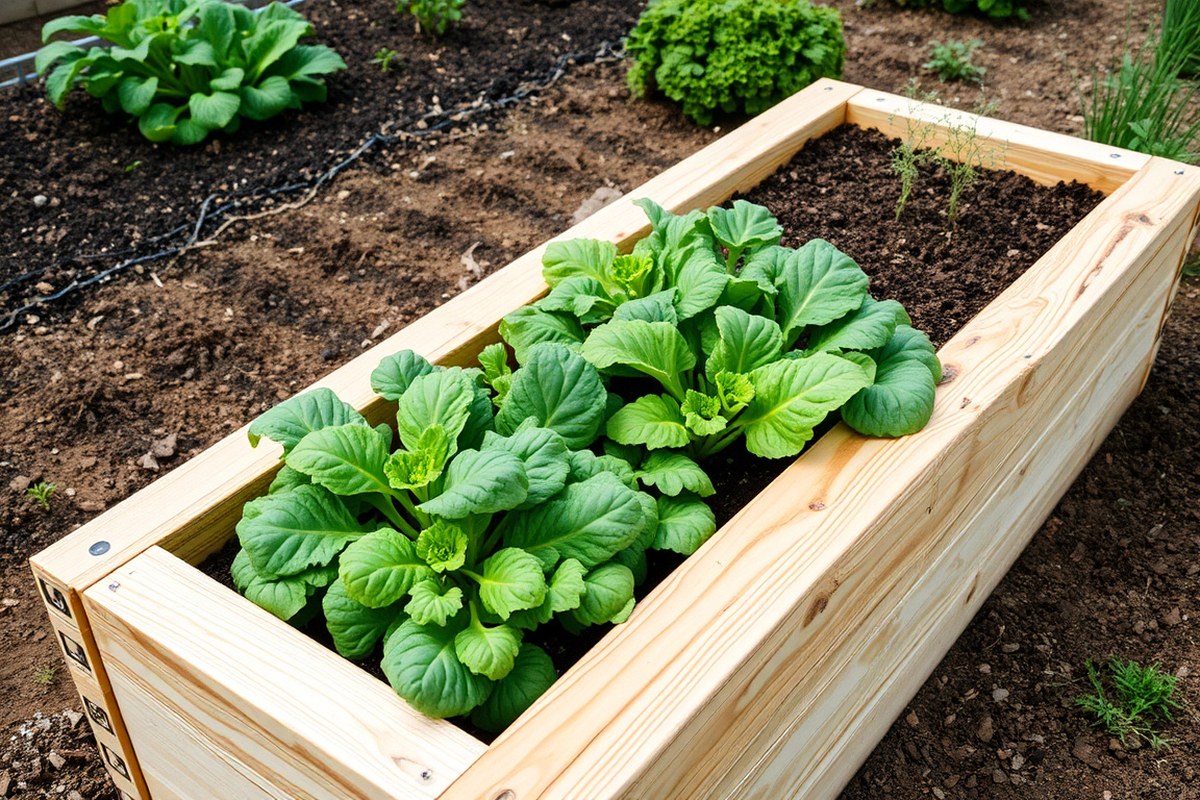
Modern pressure-treated lumber is generally safe for raised garden beds. The EPA banned arsenic-based CCA treatments in 2003.
They replaced them with copper-based options like ACQ and copper azole. These newer treatments do not pose the same chemical risks and are approved for ground contact.
Choosing lumber labeled “arsenic-free” or rated safe for garden use helps reduce concerns about chemical leaching. Research from Oregon State University showed a small copper increase in soil.
Treated wood did not cause harmful uptake in vegetables or herbs. This means you can safely grow edible plants if you pick the right wood.
Adding a soil barrier can reduce chemical exposure. Use heavy plastic or landscape fabric between treated wood and soil.
Also, seal the inside surfaces of the lumber with a plant-safe sealant before filling beds. These steps help keep your garden safe without sacrificing wood durability or lifespan.
What Chemicals Are Used in Modern Treated Lumber?
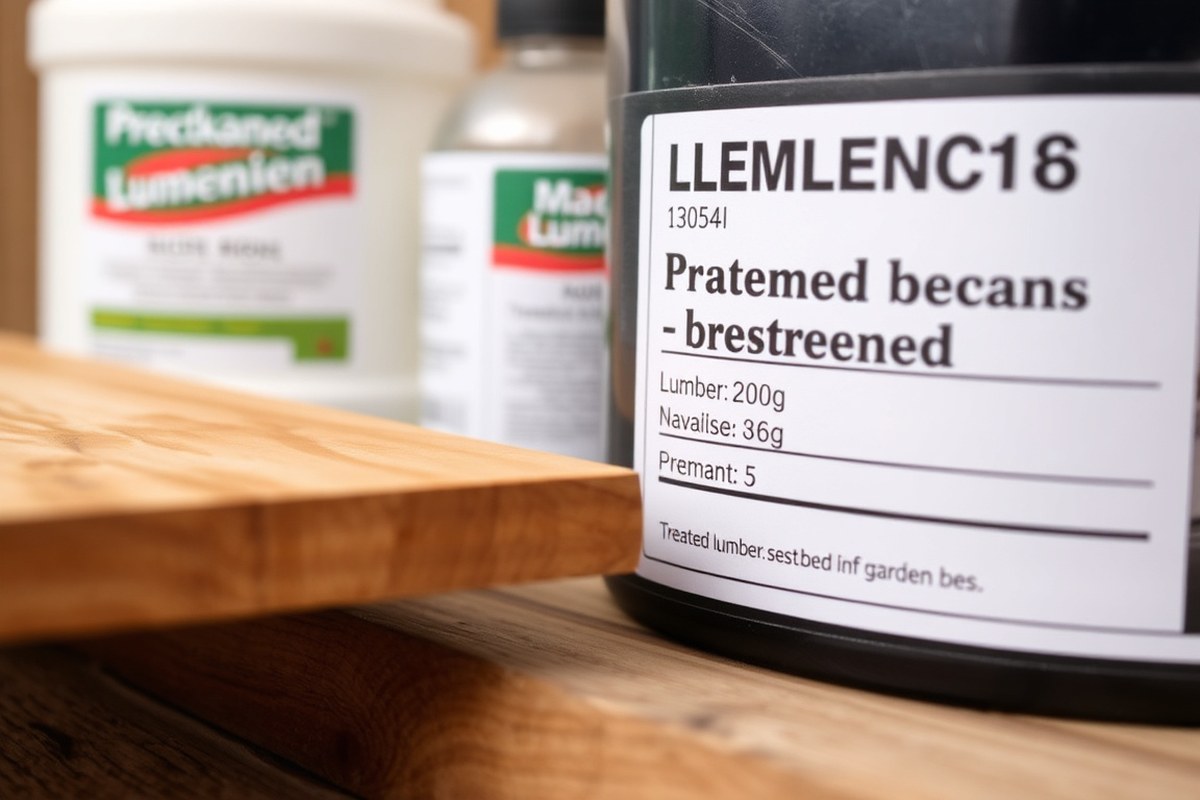
Modern treated lumber uses chemicals like Alkaline Copper Quaternary (ACQ) and Copper Azole (CA). Both treatments rely on copper to fight fungi and insects. These do not contain arsenic, making them safer for vegetable garden beds than older types.
Chromated Copper Arsenate (CCA) was common before 2004 but contains arsenic, a toxic element. Arsenic can leach into soil and cause health issues. That risk led to banning its use in homes.
You should avoid lumber with arsenic in your garden beds. Since then, CCA wood is unsuitable for food gardens and raised beds.
ACQ works by combining copper with quaternary ammonium compounds. This mix protects the wood from decay and insects but has much less toxicity to humans. Copper Azole combines copper with azole chemicals to resist decay.
It has low toxicity if you seal it well. This makes it safer for garden use than some other treatments.
Both ACQ and CA treatments allow pressure-treated wood to last decades outdoors. They cost slightly more than untreated wood but avoid harmful chemicals. Many choose lumber marked safe for gardens or food use.
This helps avoid risks from chemicals reaching the soil. Always check for these labels when buying wood for raised beds.
Treated wood with modern copper-based preservatives can still leach small amounts of copper. Lining garden beds with plastic or wood sealant helps limit soil contact. Proper sealing of cut ends also reduces leaching and extends the wood’s life.
Use wood labeled “safe for garden use” to protect soil. Seal any fresh cuts to stop chemicals from leaking. This keeps your garden soil cleaner and healthier.
How Treated Lumber Can Affect Soil and Plant Health
Treated lumber can slowly release chemicals into the soil, a process called leaching. Chemicals like copper, used to protect the wood, may build up in soil over time. This buildup depends on the type of treatment, age of the wood, and local soil conditions.
Plants can absorb small amounts of these chemicals. This happens especially near the wood edges. Be careful when planting close to treated wood.
Vegetables grown in the middle of raised beds usually face less risk. Older treated lumber, especially pre-2003 CCA wood, has higher risks because it contained arsenic. Modern lumber uses safer copper-based treatments.
Put a plastic or heavy fabric barrier between the soil and wood. This stops chemicals from touching the soil. It greatly lowers the chance of contamination.
Lining the bed walls before filling soil stops the wood’s chemicals from seeping in. Adding this barrier takes only a few minutes.
The materials cost less than $20. You can use landscape fabric or plastic sheeting for this.
Keep in mind chemicals on freshly treated wood can leach more at first. Weathering the wood outdoors for a few months before building garden beds lowers this risk. Avoid using old or damaged wood, including railroad ties.
They often contain industrial preservatives harmful to soil and plants. These preservatives can damage garden soil.
The risk to plants is usually low with modern treated wood. But it depends on the wood type and soil acidity. Some woods or acidic soil raise the risk.
Copper moves more easily in acidic soils, which raises the chance of uptake by plants. Test your soil’s pH level before planting.
Aim for neutral or slightly alkaline soil. This reduces chemical movement and how much plants absorb.
Types of Treated Lumber and How to Identify Them
Different types of treated lumber use various chemicals to resist rot and insects. Copper azole and ACQ are common now and safer for garden beds than older types. CCA-treated wood contains arsenic, so avoid it for any food-growing areas.
You can often tell safe lumber by its stamp or label. Look for terms like copper azole (CA-B) or ACQ on the wood. These usually show if they are rated for ground contact.
That means they can handle soil moisture. They won’t break down easily.
| Treatment | Type | Key Details |
|---|---|---|
| Copper Azole (CA-B) | Pressure-treated wood | Ground-contact rated; safe for food gardens; replaces arsenic |
| ACQ (Alkaline Copper Quaternary) | Pressure-treated wood | Water-based; no arsenic; approved for ground contact |
| Micronized Copper | Pressure-treated wood | Uses tiny copper particles; less leaching; ground contact safe |
| CCA (Chromated Copper Arsenate) | Older pressure-treated wood | Contains arsenic; avoid in garden beds especially food areas |
Older treated wood, especially CCA, risks arsenic leaching into soil. You should avoid using it for vegetable beds. Newer options like copper azole and ACQ don’t contain arsenic and are generally safe.
Avoid using lumber without clear labeling in food areas. Buying lumber from a reputable supplier helps ensure you get certified safe wood. Using newer pressure-treated wood with a ground-contact rating is best for lasting garden beds.
Best Practices for Using Treated Lumber in Garden Beds
Using treated lumber safely means stopping chemicals from reaching your soil. Take steps to protect your garden beds. This keeps plants healthy and safe to eat.
Prepare the wood before use. Add barriers between wood and soil.
Seal the cut ends and watch soil health. These tips help protect plants, soil, and people while letting your raised bed last.
Pre-Installation Preparation and Curing
Let new treated lumber air out outside for at least one week. This helps reduce chemical exposure. Then start building your garden bed.
This drying time helps some chemicals off-gas and makes the wood more stable. Avoid installing wet lumber because it can warp or rot faster, shortening your bed’s life.
Cut lumber with a saw. Then clean off sawdust to avoid introducing chemicals to your soil early. Wear gloves when handling lumber.
Use them especially when cutting or sanding wood. This limits skin contact with chemicals. Store treated wood away from bare soil and rain until you’re ready to use it.
Lining and Barriers to Protect Soil
Place a barrier between the treated lumber and soil to reduce chemical leaching. Heavy plastic sheeting or pond liner is a strong option. Punch drainage holes every 6 to 12 inches in the lumber.
This lets water flow freely. It also prevents roots from drowning.
Landscape fabric works too if you want something more breathable but less tough. Use it on the soil side of the lumber for splash protection and less wear. Paint the outside face of the wood with exterior latex paint.
This adds an extra washable safety layer. It helps protect your garden soil.
- Use heavy plastic or pond liner inside the bed walls
- Make drainage holes to avoid water buildup
- Landscape fabric can reduce soil splash but isn’t waterproof
- Use exterior latex paint on outside faces only
- Wear gloves when handling liners to avoid contamination
- Replace worn liners every few years for best results
Don’t forget to protect liner edges from sun damage by covering or trimming carefully.
Sealing and Maintenance of Cut Ends
Seal all cut, drilled, or sanded lumber ends with end-grain sealer. Use a preservative made for treated wood. This stops chemical leaks from wood edges.
This step slows moisture entry and chemical leaching at exposed spots. Reapply sealant whenever you refresh or rebuild your bed frame.
Use a brush to apply sealant evenly, covering every raw wood surface. Let it dry completely before assembly. Avoid using sealers that contain harmful solvents which could worsen soil contamination.
Monitoring Soil pH and Plant Health
Check your soil pH every season with a home test kit to catch any acidity changes. Treated wood can sometimes raise or lower soil pH, affecting plant growth. Aim for a pH around 6.0 to 7.0 for most vegetables.
Watch how your plants respond, especially new beds with treated wood. Yellowing leaves or poor growth may signal soil stress. Add organic matter like compost if problems occur.
Lime can also balance your soil chemistry. These flush out toxins safely over time.
Safe Alternatives to Treated Lumber for Raised Garden Beds
Several safer materials can replace treated lumber for raised garden beds. Cedar and redwood resist rot well and don’t need liners.
So they’re good for vegetables. Composite lumber lasts longer and also avoids chemical issues.
Concrete is another solid choice. It won’t rot or leach chemicals, making it safe for food plants.
It costs more upfront and takes more work to set up. But it can last for decades.
| Material | Rot Resistance | Safe for Vegetables? | Lifespan (Years) |
|---|---|---|---|
| ACQ Pressure Treated | Excellent | Yes (use liner for veg) | 20, 40 |
| Cedar | Very Good | Yes, no liner needed | 10, 20 |
| Redwood | Very Good | Yes, no liner needed | 10, 20 |
| Black Locust | Excellent | Yes, no liner needed | 20, 30 |
| Composite Lumber | Excellent | Yes, no liner needed | 25, 50 |
Cedar and redwood cost more than treated pine but provide a natural barrier against decay. Composite boards cost the most but last far longer and need little upkeep. Black locust is less common but stands up well without chemicals or liners.
Concrete blocks and natural stone require more effort and skills to build with. They don’t rot or break down and never leach.
They are very safe around edible plants. However, they are not as warm as wood in cold months.
Choose untreated wood from sustainable sources for a balance of safety and cost. Composite and stone materials suit long-term projects where durability and chemical safety matter most.
Avoid treated lumber if you grow food without using a liner. This will keep your soil free from chemicals.
How to Identify and Avoid Risks from Old or Salvaged Treated Wood
Reusing old treated lumber can be risky. Wood from before 2004 may contain arsenic. This chemical is harmful.
Avoid using treated wood in garden beds. It can leak harmful chemicals into soil.
This risks your plants’ health. Knowing how to spot and handle old treated wood protects your plants and family health.
Visual Clues of CCA or Unsafe Wood
Old treated lumber often has a greenish tint caused by copper-chromated-arsenate (CCA) chemicals used before 2004. You might also see a patchy or uneven color on the wood surface. Don’t use wood with a green color or black spots.
If it smells like chemicals, avoid it. That wood may be unsafe.
Railroad ties often look very dark, almost black. They may have a sticky, tar-like residue. This wood is treated with creosote.
These types of wood have strong chemical smells and are unsafe for garden use. Look for stamped markings on wood. Check for dates before 2004 or names like “CCA.””
Testing and Identifying Old Treated Lumber
You can test for arsenic-treated wood with a simple chemical test kit from hardware stores. The kit shows whether arsenic is present by changing color on the wood surface.
For precise identification, sending a wood sample to a lab for chemical analysis is an option. But it costs around $50 to $100.
Check the wood for tags or stamps indicating treatment dates or chemicals used. Most treated lumber made after 2004 will say “ACQ” or “CA,” which are safer preservatives. When in doubt, treat old lumber as hazardous and don’t use it in soil contact.
Safe Disposal Methods
Never throw old treated wood in the regular trash. Burning it releases toxic fumes. Handle it carefully.
Instead, contact your local waste management or hazardous waste facility to learn about accepted disposal methods. Many places require you to drop off chemically treated wood at special collection points.
Store treated wood away from children and pets. Keep it far from your garden too. This keeps everyone safe.
Always wear gloves and a dust mask when handling old treated wood. Wash your hands afterward to avoid chemical exposure.
Recommendations for Reuse or Repurposing
Reusing old treated wood in direct food gardening is not safe due to chemical risks. You can reuse treated wood for projects that don’t touch soil. Make outdoor furniture or fences.
Avoid using it near edible plants. Always seal cut ends and exposed wood surfaces with a non-toxic wood sealant to reduce leaching.
Avoid using old treated lumber in compost bins or animal enclosures where the chemicals might accumulate. Instead, use newer treated lumber labeled for ground contact or safer untreated woods. Proper reuse saves money without risking plant or human health.
- Look for green tint or “CCA” markings on old lumber
- Test for arsenic with chemical test kits
- Check dates: wood treated before 2004 likely contains arsenic
- Do not burn or throw old treated wood in regular trash
- Take old wood to hazardous waste facilities
- Wear gloves and masks when handling old treated lumber
- Use old treated wood only for projects away from soil and food
Maintenance Tips to Extend Treated Lumber Life and Safety
Maintaining treated lumber garden beds helps keep them strong and safe. Check your wood often for damage. Apply sealants once every year or two.
Replace any wood that shows signs of decay. Using the right fasteners and watching your soil also extends the bed’s life.
Regular Inspections for Damage or Rot
Look closely at your garden bed frame every few months. Check for cracks, splinters, or soft wood spots that feel spongy. These signs warn the wood might be failing and need replacing soon.
Inspect corners and joints where water gathers or soil presses against wood the most. Early detection lets you fix small issues before pest or rot damage spreads. Take notes during your inspection to track changes over time.
Applying Sealants and Protective Coatings
Use a water-repellent sealant made for outdoor wood to protect treated lumber. Apply it every 1 to 2 years for plants that don’t eat the soil directly. Avoid paint or thick finishes that trap moisture inside the wood.
Here’s how to seal your garden bed:
- Clean the wood surface with a brush and mild soap, then let it dry fully.
- Use a paintbrush or sprayer to apply a thin, even layer of sealant.
- Let the first coat dry, then apply a second coat for better coverage.
- Seal the top edges and ends of boards well, they soak up water fastest.
Check the sealant’s label for drying time and wear resistance. Good sealants also reduce wood cracking and splitting during hot summers.
Using Compatible Fasteners
Pick galvanized or stainless steel screws and nails to keep your bed frame steady and rust-free. Using plain steel fasteners can cause rust stains and weaken joints over time. Choose fasteners sized for the lumber thickness, usually 2 to 3 inches long.
Replace any fasteners that show rust or bending when you spot them during inspections. Tight parts stop the wood from shifting and getting gaps where moisture could enter. Avoid mixing different metals to reduce corrosion risks.
Monitoring Soil and Plant Health over Time
Keep a thick layer of organic mulch between the wood and soil to reduce moisture contact. Watch your plants for unusual growth or leaf colour changes that may suggest soil issues. Test soil pH and nutrient levels once a year to detect problems early.
Healthy plants also mean the soil isn’t picking up harmful chemicals from treated wood. Notice weak growth or chemical smells? Think about replacing wood or adding a liner.
Seal treated lumber every year or two to keep moisture out and wood strong.
Step-by-Step Action Plan for Using Treated Lumber Safely in Garden Beds
Follow these steps to start your garden bed project safely using treated lumber or its alternatives.
- Before you start: Choose the right wood type. Look for newer treated lumber with safe labels or opt for untreated cedar or redwood.
- Day 1: Prepare the site. Clear the area and lay a barrier like heavy plastic under the bed to protect soil.
- Day 2: Build the frame. Wear gloves and use untreated screws or nails for assembly.
- Day 3: Line the inside of treated lumber beds with plastic sheeting. Secure it to prevent soil contact with the wood.
- Week 1: Fill the bed with high-quality soil and compost. Avoid soils treated with chemicals that could interact with the wood.
- Week 2: Plant your garden. Pick plants that grow well in raised beds. Check soil moisture often. Too much water can cause wood to rot faster.
- Monthly: Look over the wood for signs of wear. Notice any color changes or odd smells in the soil. These could mean chemicals are leaching out. Replace plastic lining if cracked.
- Yearly: Refresh soil or add a new layer to dilute any minor chemical buildup. Consider replacing the lumber after 5 to 7 years for safety and durability.
Frequently Asked Questions
Can I Use Treated Lumber Directly in Soil Without a Liner?
It’s best to use a plastic or landscape fabric liner. This prevents chemicals from leaching into the soil and protects your plants.
Does Treated Lumber Affect Earthworms in Garden Beds?
Modern treated lumber has little impact on earthworms if used properly. Avoid old arsenic-treated wood to keep soil life healthy.
How Long Does Treated Lumber Last in a Raised Garden Bed?
Treated lumber can last 15 to 20 years in soil when rated for ground contact. Regular maintenance helps extend its life longer.
Can I Compost Soil from a Bed with Treated Lumber?
Compost soil from treated lumber beds cautiously and avoid using it in food gardens. Chemicals might accumulate, affecting compost safety.
Is Sealant Needed on the Inside of Treated Lumber Beds?
Applying sealant inside helps reduce chemical leaching and wood decay. Use a non-toxic, water-based sealant for best results.
Can Treated Lumber Release Chemicals into Rainwater Runoff?
Rainwater runoff may carry small amounts of chemicals if no barrier exists. Use liners or avoid collecting runoff for drinking water.
Wrapping Up
Treated lumber can be safe for garden beds with the right precautions. Use liners and pick newer wood types to reduce risks. Start by checking your wood’s label and setting up barriers before planting.