What Does a Peace Lily Plant Look Like? A Complete Visual Guide
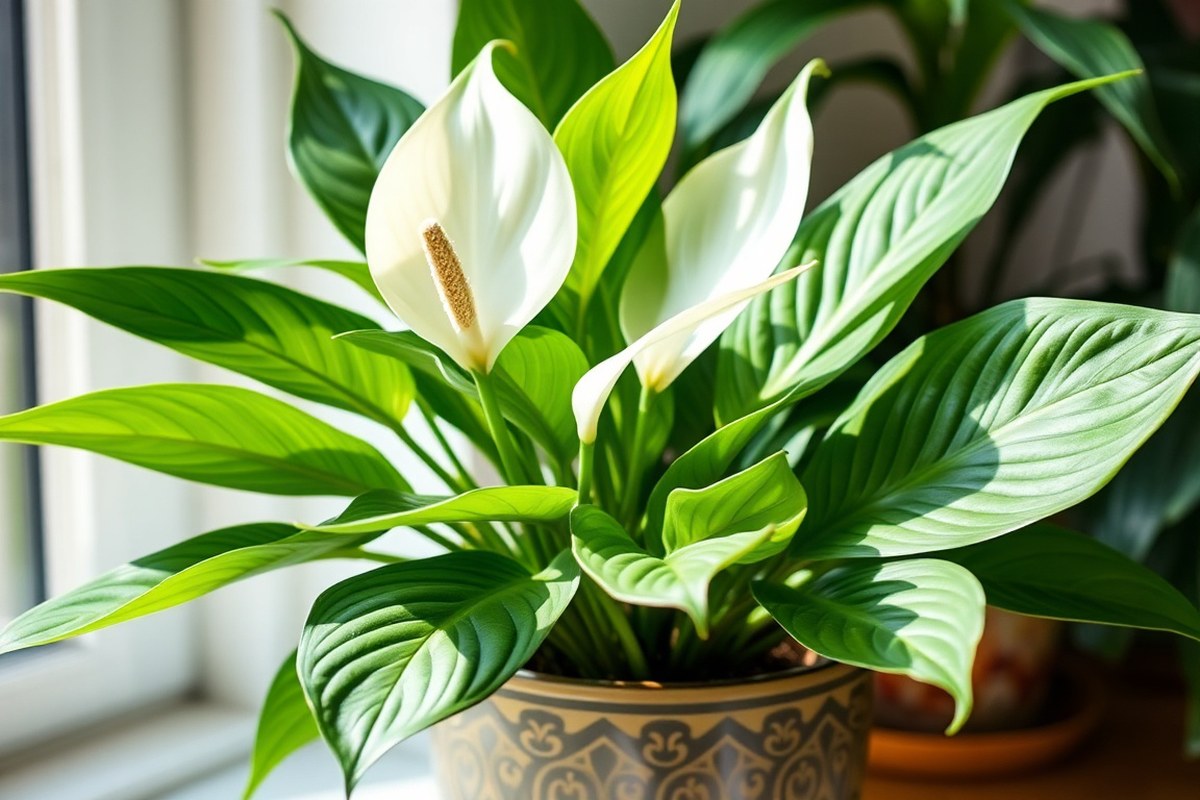
What does a peace lily plant look like? It has shiny, dark green leaves and smooth white flowers.
The leaves can be large and glossy, curling slightly at their edges. Its flowers look like white flags with a finger-like center called a spadix.
Peace lilies come in many sizes. Some grow just one foot tall. Others can reach up to six feet.
Indoor peace lilies usually stay between 1 and 4 feet tall. You should watch where you place your plant to prevent root rot and encourage straight growth.
Leaves often lean toward light sources, so rotate your peace lily regularly. These plants like stable temperatures between 68 and 85 degrees Fahrenheit. Getting basic care right helps your peace lily keep its lush, fresh look.
Key Takeaways
- Peace lily leaves are glossy and dark green, often 9-12 inches wide.
- Flower spathes look like white shields around a yellowish spadix.
- Most indoor peace lilies grow 1, 4 feet tall. But some varieties reach 6 feet.
- Dwarf varieties grow around 10 to 15 inches tall and stay compact.
- Rotate the plant 180 degrees if leaves lean heavily to one side.
- Keep peace lilies away from cold drafts and hot radiators to avoid damage.
What Does a Peace Lily Look Like? Key Physical Features
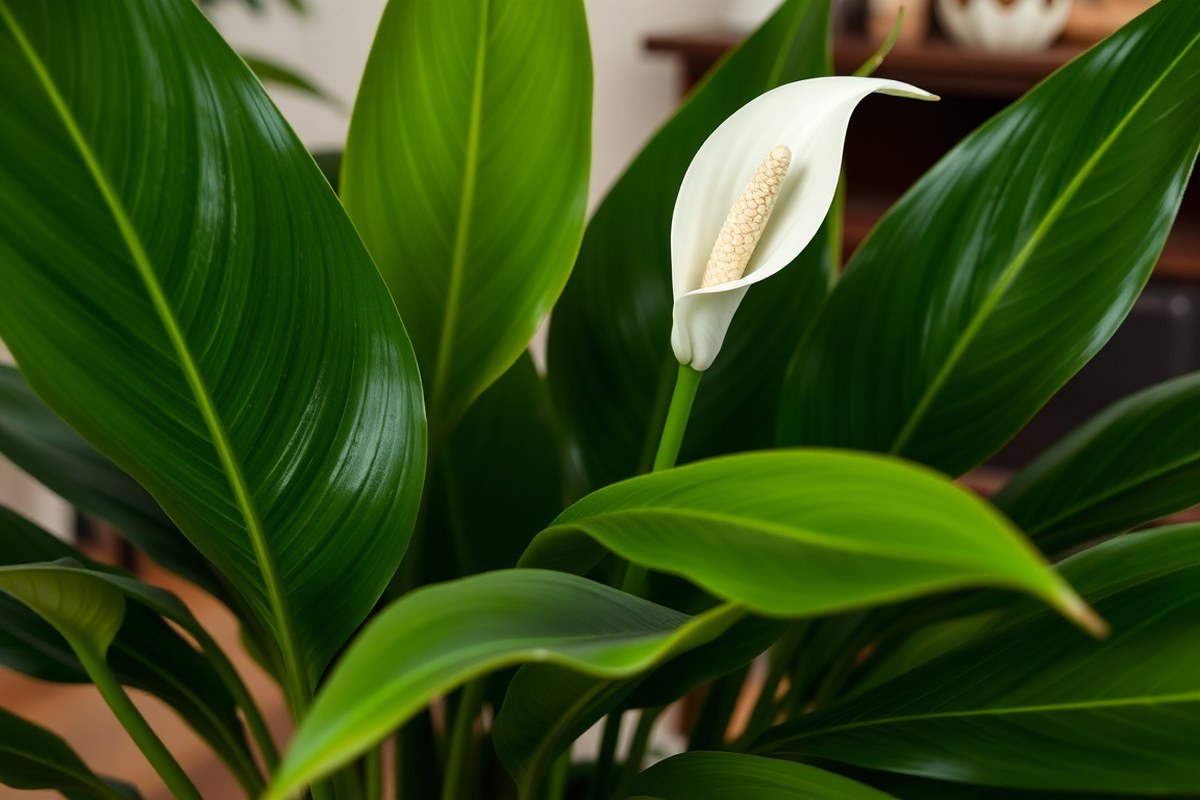
A typical peace lily has rich green leaves and bright white flowers. Its leaves grow directly from the soil, forming a tight clump. The plant usually looks shiny and fresh when healthy and well cared for.
Its leaves are lance-shaped with pointed tips and smooth edges. They have a glossy, waxy surface that stays clean and repels dust.
Leaf color ranges from medium to very dark green. Larger varieties have leaves over 2 feet long and almost a foot wide.
The flowers, called spathes, look like white sails or hoods that curve gently at the edges. Inside these spathes is a pale yellow spadix, a narrow spike covered in tiny flowers. The white spathes contrast with the plant’s dark leaves.
This contrast makes the plant look neat and elegant. You can easily spot it from a distance.
Peace lilies generally stay small indoors, growing up to about 16 inches tall. Their size changes a lot depending on the variety. Some stay small enough for desks.
Others grow big enough to sit on the floor. They grow in clumps with new leaves coming up.
Flowers also appear regularly with enough light. Proper care helps this growth continue well.
How Do Peace Lily Leaves Differ Across Varieties?
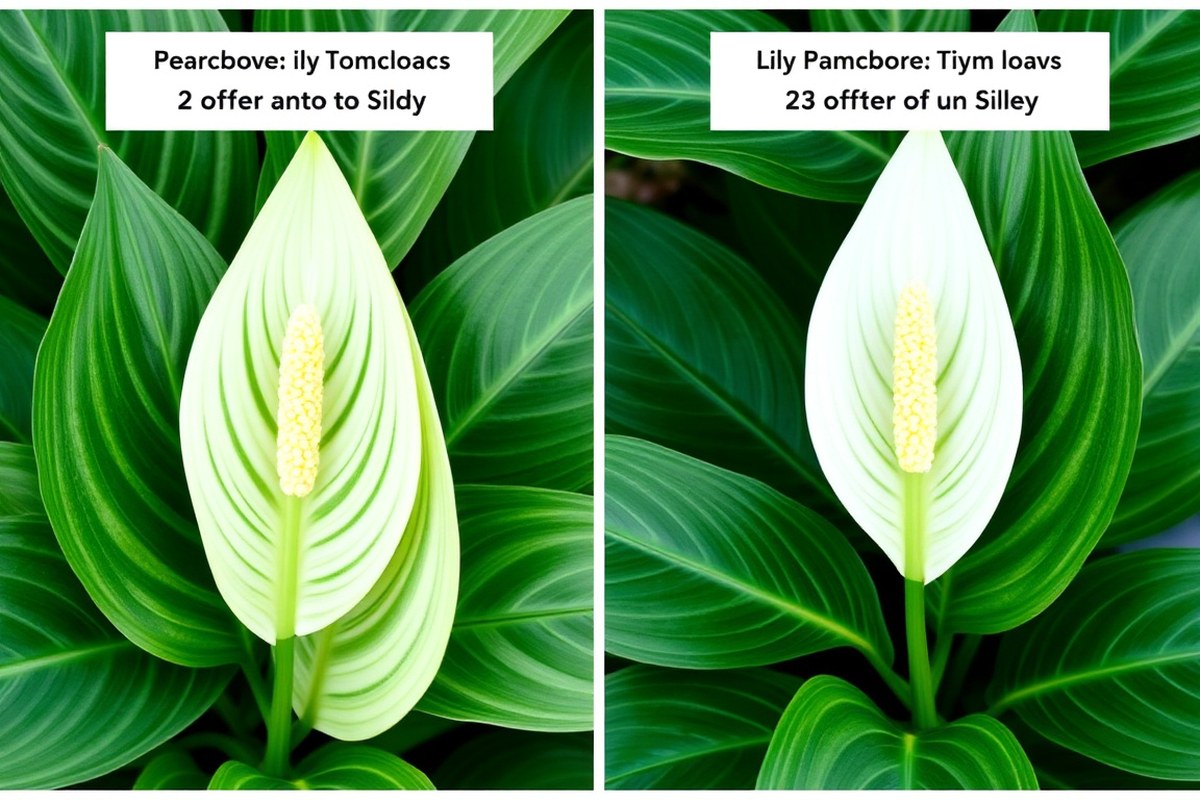
Peace lily leaves vary widely among cultivars. Some have broad leaves while others show narrower shapes. Leaf size ranges from small to over 20 inches long depending on the type.
Color patterns include solid green and variegated leaves. For example, the ‘Picasso’ cultivar features cream and deep green variegation. Leaf texture also differs, often slightly ribbed or with pronounced veins for a tropical look.
| Variety | Average Height | Leaf Length | Flower Frequency | Common Use |
|---|---|---|---|---|
| Spathiphyllum wallisii | 12, 18 in | 6, 8 in | Spring, occasional rebloom | Tabletop, office |
| ‘Mauna Loa’ | 24, 36 in | 10, 14 in | Spring to early summer | Floor plant, living room |
| ‘Sensation’ | 4, 6 ft | 18, 24 in | Rare indoors | Large interior spaces |
| ‘Domino’ | 15, 20 in | 7, 10 in | Seasonal | Decorative potting |
| ‘Petite’ | 6, 10 in | 4, 6 in | Occasional | Desk, small space |
Leaf texture is mostly glossy with variations in ribbing and vein impression. Some cultivars like ‘Sensation’ have large, thick leaves with a leathery feel. Others maintain a softer, more flexible texture.
Care affects leaf appearance vividly. Wiping leaves keeps them glossy and helps the plant look healthy. Monitor growth and prune older leaves to maintain leaf quality and overall shape.
Prune old or damaged leaves at the base to keep your plant tidy and healthy.
Anatomy of Peace Lily Flowers: Spathes and Spadix Explained
The flowers of a peace lily have two main parts: the spathe and the spadix. The spathe looks like a white petal.
The spadix is a narrow spike inside it. Together, they create the plant’s unique bloom.
Visual Description of the White Spathe
The spathe is a modified leaf that wraps around the flower cluster. It is usually bright white, appearing almost like a single large petal. The smooth, slightly curved spathe gives the plant its signature look.
Its shape resembles a broad, lance-like leaf and measures several inches long. Some varieties, like the ‘Mauna Loa,’ can have spathes about 4 inches (10 cm) in length. Occasionally, the spathe may have a faint green tint, especially when it first appears.
Characteristics of the Central Spadix
The spadix is a fleshy, upright spike in the center of the spathe. It contains many tiny true flowers packed tightly along its surface. Usually, the spadix starts out creamy white or pale yellowish-green in color.
It contrasts with the smooth spathe by feeling rough and bumpy. This part is usually around 1 to 2 inches (2.5 to 5 cm) long, standing erect and adding height to the bloom. You can spot the individual flowers if you look closely at the spadix.
Bloom Duration and Color Changes
Peace lily flowers typically last about 7 to 10 days once they open fully. Over time, the bright white spathe may turn a dull green or yellow as it ages. This color shift signals the bloom is nearing the end of its life.
After the spathe fades, it gradually withers and drops off. Frequent watering and indirect light help the plant produce more flowers over several months.
Different varieties can have slightly smaller or larger blooms. But the general shape and color stay pretty consistent.
How Tall and Wide Do Peace Lilies Grow? Size and Growth Habit
Peace lilies come in different sizes, from tiny dwarfs to large tropical types. Smaller types usually stay under 18 inches tall and work well on desks or countertops. Larger varieties can reach 6 feet tall, filling floor spaces with lush leaves.
How wide a peace lily grows depends on its variety and care. Most dwarf and standard types spread about a foot to two feet across. Bigger ones can grow 2 to 4 feet wide, creating an expansive, leafy display.
| Variety Type | Average Height | Average Width | Growth Style |
|---|---|---|---|
| Compact/Dwarf | 6″, 12″ | 6″, 12″ | Dense, low-profile, ideal for desks |
| Standard | 12″, 36″ | 12″, 24″ | Upright and arching, great for side tables |
| Large/Tropical | 3′, 6′ | 2′, 4′ | Expansive and lush, perfect for floor corners |
Growth habit varies, with dwarf types staying tight and upright. Standard varieties tend to arch their leaves upward and outward. Larger types have a spreading shape, often with broad leaves that fill corners.
Plant size depends on your care and location too. A peace lily in good light with steady warmth will grow faster and taller. When cramped in a small pot or low light, it stays smaller and denser.
Repot your plant to a container 2 to 5 cm bigger. This helps keep growth steady. It won’t stress the plant.
How to Identify a Peace Lily Compared to Similar Indoor Plants
Key Differences in Leaves and Flowers
Peace lilies have broad, glossy green leaves shaped like lance tips. Their “flower” is really a white spathe, a modified leaf wrapped around a central spadix spike. Calla lilies have spathes too.
They come in colors like yellow or pink. This is unlike the peace lily’s classic white.
Philodendrons show heart-shaped leaves without any spathe or spadix structure. Peace lily leaves stay smooth and shiny. Their flowers rise above the leaves on stalks.
Calla lilies grow flowers closer to the ground. Philodendron leaves often have a matte texture.
Growth Habit and Size Differences
Most indoor peace lilies grow between 1 and 4 feet tall. Their leaves form clusters from the base. Calla lilies tend to grow taller, sometimes over 4 feet, with stems more spaced out.
Philodendrons spread out wide and climb or trail. They look bushier or vine-like. This differs from the peace lily’s compact shape.
Peace lilies prefer consistent, indirect light and moist soil. So they keep dense, neat growth.
Callas like brighter light but need careful watering or their roots may rot. Philodendrons can tolerate lower light and drier soil, which helps them thrive in varied indoor spots.
Identifying Peace Lilies Using a Checklist
Use this checklist to identify a peace lily. It helps avoid confusing it with similar plants.
- Leaves: Broad, lance-shaped, glossy dark green
- Flower: White spathe around a cylindrical spadix
- Height: Usually 1-4 feet indoors
- Growth: Clumping, compact base with upright stalks
- Leaf texture: Smooth and shiny, no heart shape
- Flower color: Typically white, no pink or yellow
- Light: Prefers bright, indirect sun
Check each feature carefully. Some varieties, like the ‘White Stripe’ peace lily, have a white line down the leaf middle. That can help with tricky IDs.
Color and Texture Clues Unique to Peace Lilies
Peace lily leaves are deep green with a natural shine. Unlike philodendrons’ matte paper-like leaves, peace lily leaves feel waxy to touch. Their white spathes can brighten rooms and signal a healthy plant.
Look for flowers that stand upright above the leaves, with spathes curving softly. Calla lily spathes appear more open and trumpet-shaped, which is a clear difference. Pay attention to leaf veins too; peace lilies have less pronounced veins than philodendrons.
Don’t rely on flowers alone to ID your peace lily. Look closely at leaf shape and texture first for the best clue.
Visual Signs of Peace Lily Health and Common Leaf Symptoms
Yellowing leaves on a peace lily usually mean a nutrient problem or too much water. Roots that stay wet too long begin to rot and cause yellow leaves. A lack of nitrogen in soil can also cause this yellow shade.
Brown tips show up when indoor air is dry. Tap water with chlorine or fluoride can cause this too.
Pruning those brown tips will help your plant look fresh again. Brown leaf tips might also mean the plant faced cold temperatures or got too much fertilizer.
Pale or washed-out leaf color is a sign of light stress. Too much direct sun can cause sunburn, washing out the green. On the other hand, not enough light makes leaves pale because they can’t photosynthesize well.
Small brown or black spots on leaves suggest fungal or bacterial infections. These spots happen when air circulation is poor or water sits on the leaves too long. Keep leaves dry and give your plant space for airflow to prevent this.
| Visual Symptom | Possible Meaning | The Likely Culprit |
|---|---|---|
| Yellowing Leaves | Nutrient deficiency or overwatering | Root rot or lack of nitrogen |
| Brown, Crispy Tips | Low humidity or chemical buildup | Dry indoor air and chemicals like fluoride or chlorine in tap water can harm your peace lily. |
| Pale/Washed-out Green | Light stress | Direct sunlight (sunburn) or insufficient light |
| Small Brown/Black Spots | Fungal or bacterial infection | Bad air flow and water left on leaves can cause plant problems. |
Overwatering often causes yellow or brown leaves and root issues. Your peace lily might need repotting if it droops even after watering. Underwatering shows through dry, crispy leaf edges and slow growth.
Check for leaf spots by looking carefully. Fungal spots look small, round, and may spread but bacterial spots often have irregular shapes. Use a soft towel to keep leaves dry and remove affected leaves fast.
How Blooming Changes a Peace Lily’s Appearance over Time
Peace lily blooms start as bright white spathes that stand out above the leaves. Over time, they change color and eventually fade to green. This lifecycle shapes how the plant looks as it goes through different stages.
Flower Emergence and Peak Bloom
When a peace lily bloom shows up, you see a white spathe. The spathe looks crisp and clean. Inside, there is a pale spadix.
The bloom grows upright on a stalk above the leafy base. At its peak, the flower looks fresh and clean against the dark green foliage.
The spathe unfolds gradually, revealing the spadix where tiny flowers develop. You will notice the bloom shining white and firm during this early stage.
Color Shifts During Bloom Aging
As the bloom ages, the white spathe slowly changes color. It usually fades to a soft light green.
Low light speeds this fading, making the spathe turn green sooner. This change signals the bloom is past its peak and starting to age.
Bloom Duration and Fading Process
Peace lily blooms can last several weeks indoors. Their presence brightens the indoor space for about 4 to 6 weeks under good care.
After that, the spathe loses its white color and becomes green before it drops. It then withers or falls off naturally, making room for new growth. To care for blooms during this time:
- Check soil moisture regularly to avoid overwatering, which harms blooms.
- Turn the pot a quarter each watering to keep blooms evenly exposed to light.
- Keep the plant in moderate indirect light for longer bloom life.
- Remove faded blooms gently by cutting the stalk near the base.
- Clean off fallen blooms to avoid mold or pests around the plant.
- Feed the plant with balanced fertilizer monthly to support new blooms.
- Keep temperatures steady around 65 to 80°F to maintain bloom health.
How Light and Care Affect the Appearance of Peace Lily Plants
Peace lilies do best in medium to bright indirect light. Too little light makes their leaves look dull and smaller.
Direct sunlight can burn the leaves, leaving brown patches. When leaves stretch or lean toward light, rotate the plant 180 degrees weekly to balance growth.
Watering plays a big role in leaf health. Overwatering causes droopy, yellow leaves and soggy soil. Underwatering leads to dry, crispy leaf edges and slow growth.
Check soil moisture before watering. The top inch of soil should be slightly dry. Water well until it drains from the bottom, then wait to water again.
Peace lilies prefer steady temperatures between 65 and 85°F. Cold drafts or temperatures below 55°F cause leaf spots and slow blooming. High heat above 85°F can make leaves droop quickly, even with enough water. Avoid placing your plant near heaters or open windows in winter to prevent temperature stress.
Healthy peace lily leaves are shiny, deep green, and upright, with no brown tips. Brown or yellow leaf edges suggest too much sun or irregular watering.
A plant that blooms regularly with white spathes receives enough light and care. Move your plant closer to indirect light to encourage flowers to appear.
Rotate your peace lily regularly to prevent uneven leaf growth and keep it looking full.
Step-by-Step Action Plan to Recognize and Care for Your Peace Lily
Use these steps to spot key peace lily features and keep your plant healthy. Follow them and watch your peace lily thrive.
- Day 1: Check if your plant has shiny, dark green leaves. See if the leaves have smooth edges. These signs show it’s a peace lily.
- Week 1: Look for a white spathe around the flower stem. This wraps the spadix, the flower’s spike. This shows the peace lily is blooming.
- Week 2: Measure the plant’s height to confirm its size. It should be between 1 and 4 feet tall. This matches peace lily size.
- After 3 Weeks: Inspect leaf shape, pointed tips and elliptical forms indicate true peace lily varieties.
- Month 1: Observe leaf colour; uniform deep green shows good health. Watch for yellow or browning tips as signs of stress.
- Month 2: Adjust light to indirect bright. Leaves should appear vibrant and flowers develop well under proper lighting.
- Month 3: Cut off old flowers and damaged leaves regularly. This keeps the plant looking neat. It matches the peace lily look.
- Ongoing: Compare your plant with pictures of similar plants often. This helps avoid confusion with lookalikes. Keep your peace lily distinct.
Frequently Asked Questions
What Is the Difference Between Peace Lily Leaves and Other Common Indoor Plants?
Peace lily leaves are glossy, dark green, and smooth-edged. They differ from plants like philodendrons, which have heart-shaped or lobed leaves with less shine. This makes peace lilies stand out in a mixed indoor garden.
Can Peace Lily Flowers Change Color as They Age?
Yes, peace lily flowers start bright white and then turn greenish as they age. This aging shows which blooms are fully grown. You can prune them then.
This helps your plant look better. Dead flowers should be snipped off at the base.
How Does Humidity Affect the Peace Lily’s Overall Look?
Peace lilies prefer moderate to high humidity for glossy leaves and strong growth. Dry air can cause leaf edges to brown and curl, spoiling their fresh look. Using a humidity tray or misting helps keep them looking healthy.
Are Peace Lily Leaves Ever Variegated or Patterned?
Some varieties, like ‘Domino,’ have white streaks or ruffled patterns on their green leaves. This adds visual interest beyond the usual solid green. Variegation may be less common but can brighten your living space.
How Often Should Peace Lily Leaves Be Cleaned to Keep Them Shiny?
Wiping leaves gently every couple of weeks removes dust and keeps their waxy shine. Clean leaves can photosynthesize better and look great on your shelf or desk. Avoid harsh chemicals; a damp cloth is best.
Can Peace Lilies Survive in Low-Light Spots and Still Look Good?
Yes, but their leaves may grow larger and flowers fewer in low light. They adapt but won’t look as lush or bloom as often as in bright, indirect light. Try moving them near a window for best results.
Final Thoughts
Peace lilies stand out with their glossy leaves and elegant white flowers. Spot these key features to identify your plant easily. Next, try adjusting light and watering to see your peace lily flourish.