What’s the Difference Between Annual and Perennial Flowers: A Complete Guide for Gardeners
What’s the difference between annual and perennial flowers? Annuals live only one growing season.
They sprout, bloom, set seed, then die within a year. Perennials live for several years, returning to bloom season after season.
Annual flowers grow quickly and often have vibrant, nonstop blooms. They’re great for adding color to your garden fast. Perennials take longer to mature but come back every year, sometimes for a decade or more.
Perennials develop strong root systems, helping them survive winter and drought better. This makes them lower-maintenance in the long run. Annuals usually need to be replanted yearly but let you try new colors or styles each season.
Choose based on your garden goals and local climate. Check your hardiness zone to see which perennials will survive where you live. This info helps you create a garden that looks great year after year.
Key Takeaways
- Annual flowers complete their life cycle in one season; perennials live multiple years.
- Choose annuals for fast blooms and seasonal garden color.
- Pick perennials for long-term plants that return each year.
- Check your local hardiness zone before planting perennials.
- Perennials need pruning and offseason care to last many years.
- Annuals usually bloom nonstop until frost.
What Defines Annual and Perennial Flowers?
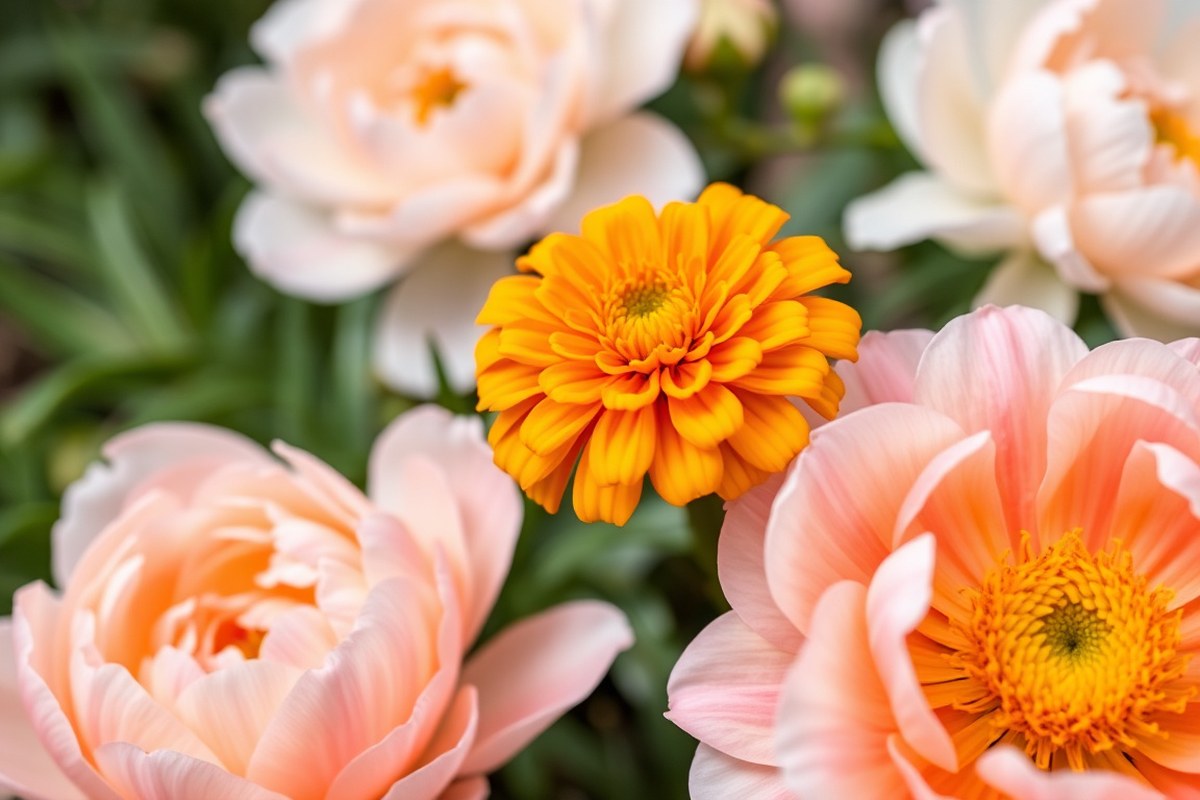
Annual and perennial flowers differ mainly in how long they live and complete their life cycles. Annual flowers live through their cycle in one growing season. They start from seed, then bloom.
Finally, they produce seeds before dying. They sprout in spring and bloom all summer long.
They die after the first frost. Or they may last until the end of fall.
Perennials live for more than two years and bloom many times over their lifespan. Perennial plants do not die after one season. Their roots and shoots survive winter cold.
They grow back again the next year. They may go dormant in winter, but their root systems stay alive.
Here is a simple comparison of their life cycles and basic features:
| Feature | Annuals | Perennials |
|---|---|---|
| Life Span | One growing season (few months) | Multiple years, often many seasons |
| Life Cycle | Germinate, flower, set seed, then die | Grow roots and shoots; produce flowers yearly |
| Growth Pattern | Complete growth in months; must reseed yearly | Perennial root systems survive winter; regrow |
Understanding this helps you decide what to plant. Annuals give you quick, abundant blooms but need replanting every year. Perennials take longer to establish but provide lasting garden structure and flowers for several years.
Biologically, the difference ties to each plant’s genetic programming. Annuals focus energy on fast seed production to survive one season. Perennials invest in strong roots and structures to live through multiple cycles.
In colder zones, annuals often die outright with frost, while perennials retreat underground. In mild climates, some perennials behave almost like annuals but still return year after year.
How Blooming Time and Growth Patterns Differ
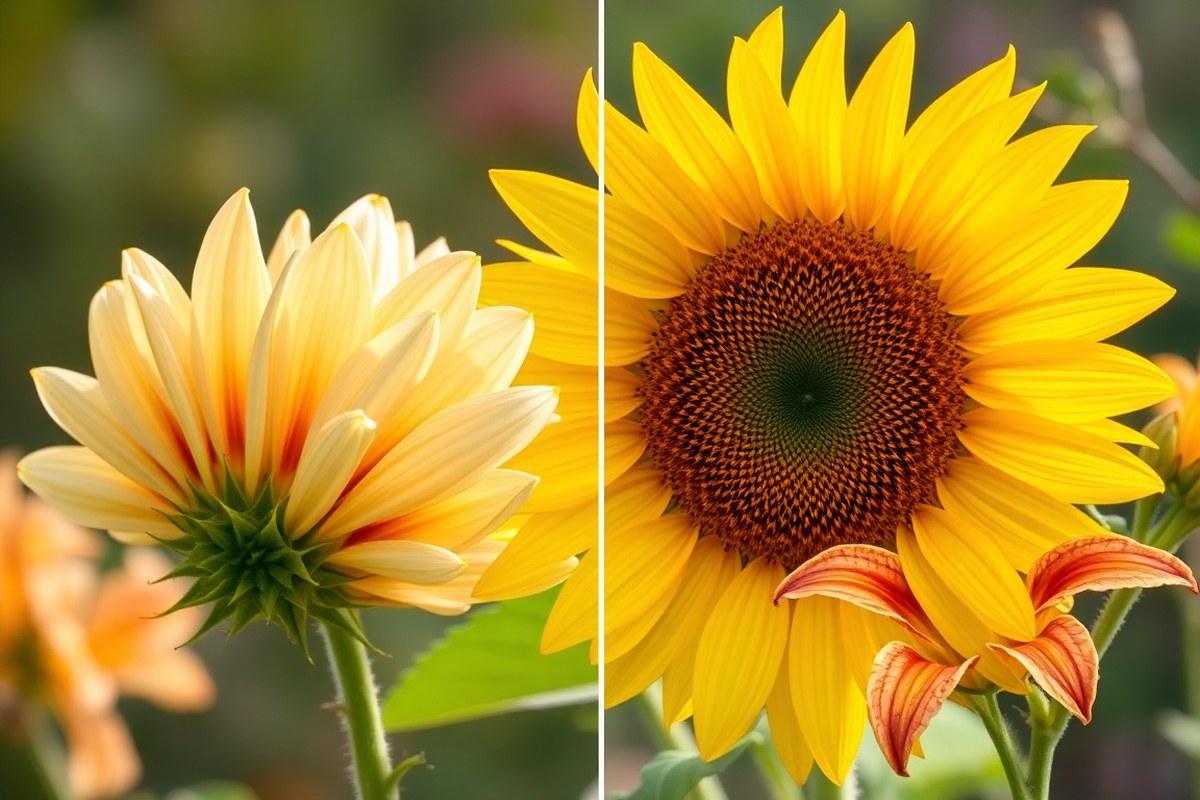
Blooming Duration: Longer with Annuals
Annual flowers often bloom for several months, typically from spring or early summer until frost. Their blooming period is longer than most perennials. So they fill your garden with color for a continuous stretch.
Perennial flowers usually bloom for a shorter time, often between two to six weeks each year. They usually bloom in a certain season, like early spring.
They do not provide flowers all year. The bloom period is focused and specific.
Growth Speed and Development
Annuals grow quickly from seed to flower, sometimes flowering within just a few weeks of planting. They complete their full life cycle, from germination to seed production, in a single growing season.
Perennials grow more slowly. They spend early years building roots and foliage before flowering. After they grow, these plants bloom every year.
They flower at about the same time each year. The blooming period is often short.
Flowering Cycles and Longevity
Annual plants live only one season. They put all their energy into producing flowers and seeds before dying after the first frost. This pattern allows gardeners to change plant varieties each year.
Perennials can live several years, sometimes 10 or more, with proper care. These plants bloom once a year in roughly the same season.
They die back in winter if their top growth dies. Each spring, they grow back again.
Seasonal Bloom Variations in Perennials
Perennials flower at different times depending on the species. Some bloom in early spring, others in summer or fall. Some even offer colorful berries or foliage outside of bloom time.
This helps you plan a garden with flowers all year. Each plant blooms for a shorter time. Combined, they provide color across many months.
Balancing Color and Effort
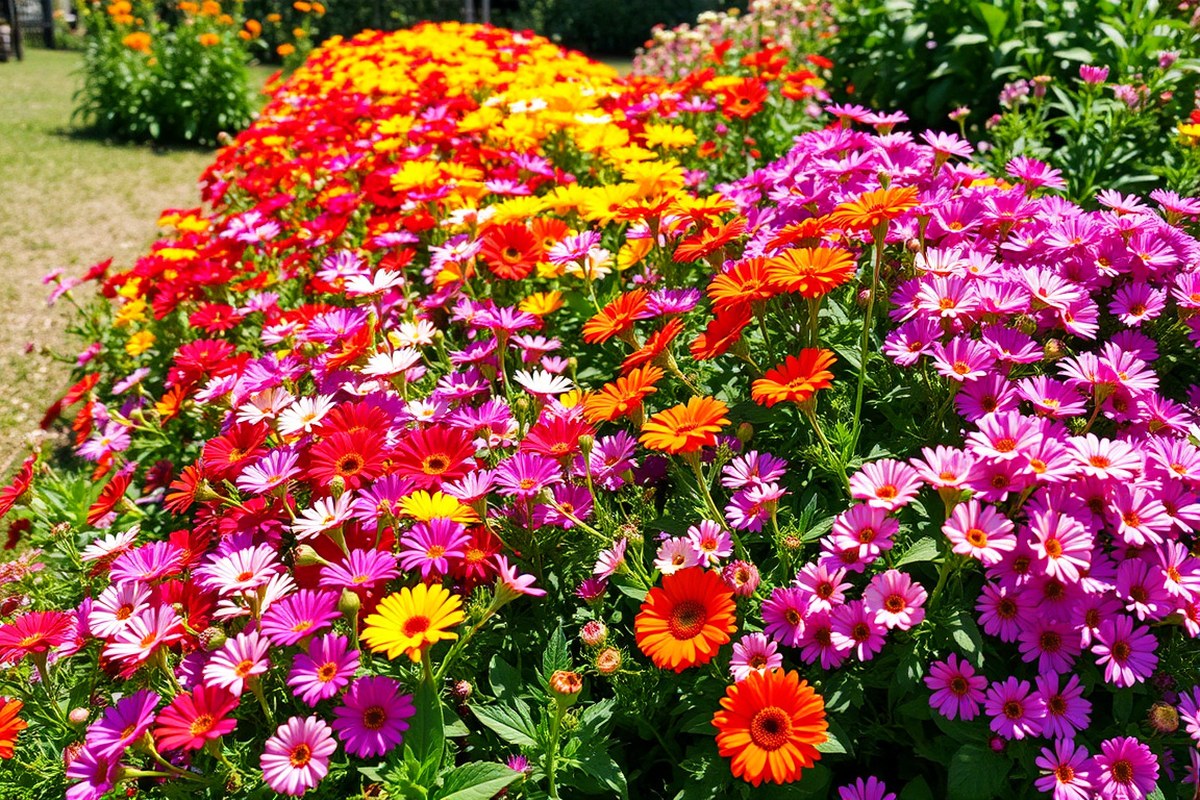
Annuals give prolonged color for a single season but must be replanted each year. They are ideal if you want quick, steady blooms and frequent changes in your garden.
Perennials take more time to settle in your garden. They come back every year after the first season.
This saves money and effort later on. Their shorter bloom times may be less eye-catching over several months.
Choose annuals if you want long, steady blooms fast. Pick perennials if you prefer reliable flowers with less yearly work.
How Climate and Hardiness Zones Affect Plants’ Behavior
Plants may act as perennials in one climate but behave like annuals in colder areas. This happens because the USDA Hardiness Zone shows the lowest temperatures plants can survive outdoors. For example, zinnias are annuals everywhere since frost kills them.
Peonies can grow back every year in zones 3 to 8. These zones have winters mild enough for peonies. They do best where it’s not too cold.
Hardiness zones give you a temperature range to decide if a plant returns next spring. Your plant won’t survive winter if it gets too cold. For some tender plants, below zero Fahrenheit is deadly.
Hardiness depends on the lowest winter temperature. The plant grows just one season in colder zones.
It behaves like an annual then. This happens even if it lives longer in warmer places.
Other climate factors matter, too. Too hot summers or dry spells can stress perennials and shorten their lifespans. You must also consider soil conditions, snow cover, and how early frost arrives.
A plant like salvia can survive under snow in zone 5. But it may die in zone 4 due to colder weather. Less snow cover means less protection in zone 4.
Check the USDA Hardiness Zone for your area before buying perennials. Choose plants rated for your zone or lower numbers to reduce winter kill risk. Check the plant’s zone range before planting.
Compare it to your local zone. Use official websites from the government or nurseries for this info. This helps avoid surprises when plants don’t return in spring as expected.
When you pick plants rated for your zone, you spend less time replacing dead plants. Perennials hardy to your zone keep coming back without replanting. You can add winter protection for borderline hardy plants.
Use mulch or cover them during freezing weather. This helps plants survive colder spells. This might help it behave more like a perennial where it usually wouldn’t survive.
Popular Annual Flowers and Their Characteristics
Annual flowers grow quickly, bloom brightly, and live only one season. They start from seed and complete their life cycle in months. Knowing their habits helps you pick and care for them right.
Top Easy-to-Grow Annuals
Many annuals sprout fast and don’t need fancy care. Marigolds and nasturtiums are popular for their bright blooms and simple growing needs. These plants thrive in full sun and well-drained soil.
Starting annuals from seed saves money and is easy. Sow seeds indoors 6 to 8 weeks before the last frost. You can plant seeds outside after the frost ends.
Choose the method that suits your plant type and climate. Keep soil moist and warm for fast germination.
- Marigolds: Bright orange or yellow, heat and drought tolerant
- Nasturtiums: Edible flowers, prefer poor soil and full sun
- Morning glories: Climbing vines with trumpet-shaped flowers
- Zinnias: Tolerant to heat and drought, lots of color options
- Sunflowers: Grow tall with large blooms, need full sun
These annuals grow fast and flower by summer. They need regular watering but don’t like soggy soil. Deadhead spent blooms to keep flowers coming and stop seed formation.
Annuals Best for Continuous Color
Some annuals flower non-stop if you care for them right. Petunias and impatiens are favorites for long-lasting color. They like consistent moisture and fertilizer every 2 to 3 weeks.
Place these shade-loving or part-shade annuals in spots protected from hot afternoon sun. Remove wilted blooms to encourage more flowers and avoid early seeding. Fertilize with a balanced liquid feed for best results.
- Petunias: Wide color range, good in full sun to part shade
- Impatiens: Best in shade, need regular watering to thrive
- Begonias: Shade-tolerant, prefer evenly moist soil
- Calibrachoa: Small petunia look-alikes, great trailing habit
These annuals reward your effort with a colorful garden all season. Avoid letting soil dry out completely to prevent stress. Keep deadheading routine to maintain blooms through frost.
Annuals Suitable for Containers
Container annuals let you move color where it’s needed most. Marigolds, petunias, and zinnias all work well in pots with good drainage.
Use a quality potting mix like Miracle-Gro Organic™ Raised Bed &. Garden Soil for best growth.
Water container plants daily during warm weather as pots dry out quickly. Use slow-release fertilizer or liquid feeds every two weeks. Moving containers helps protect tender annuals from cold winds or too much sun.
- Marigolds: Compact varieties fit small pots, heat tolerant
- Petunias: Trailing types spill over edges beautifully
- Zinnias: Bushy growth good for medium to large containers
- Verbena: Spreads nicely, great for hanging baskets
- Sweet Alyssum: Fragrant, low-growing filler around bigger plants
Containered annuals bloom well with regular watering and feeding. Avoid puddles by ensuring drainage holes remain clear. You can refresh containers yearly with new seeds or plants.
Popular Perennial Flowers and How to Care for Them
Perennial flowers come back year after year, making them great for low-effort gardens. Some popular perennials are easy for beginners and live for many seasons. Their care includes watering, pruning, and seasonal maintenance to keep them healthy and blooming.
Long-Lasting Perennials
Peonies and coneflowers are perennials that can live 10 years or more. Daylilies also last many seasons and need little care once established. Lavender is known for its longevity and only needs minimal pruning to keep its shape.
Beginners usually find coreopsis and black-eyed Susan easier since they require less attention. These plants tolerate varying conditions and return each spring strong. Expect perennials to live 3 to 10 years depending on care and climate.
Perennials for Shade and Sun
Hostas thrive in shady spots and add lush green foliage to your garden. In full sun, consider planting sedum or yarrow, which handle heat well. Matching your flowers to sun and shade zones cuts down on stress for plants.
You can group sun-loving perennials like coneflowers with lavender for a colorful display. In shady areas, hostas pair well with bleeding hearts or ferns. Check your garden’s sun exposure during the day to pick the right plant.
Seasonal Care Tips for Perennials
Proper care keeps perennials healthy and extends their blooming time each year. In early spring, remove old stems and leaves before growth starts. This clears space and prevents pests from hiding in dead plant parts.
Dormant perennials usually need pruning after flowering or in fall. Deadhead spent flowers to encourage new buds. Mulch around the base to keep moisture in and weeds out.
- Water deeply once a week, more in hot weather
- Use a balanced fertilizer in early spring
- Cut back dead or weak stems in late fall
- Apply mulch 2 to 3 inches thick around roots
- Divide crowded plants every 3 to 4 years for vigor
- Check for pests or diseases monthly during growing season
Don’t overwater perennials; soggy soil can rot roots.
Special Cases: Plants That Defy Annual or Perennial Rules
Tender perennials grow like perennials but can’t handle cold winters. They often survive only in frost-free zones or indoor pots. You can treat them like annuals by replanting yearly or bring them indoors before frost arrives.
Some common tender perennials include fuchsia, mandevilla, and hibiscus. Keep these plants in temperatures above 50°F to avoid damage. Cut back dead growth in early spring and feed them with balanced fertilizer for new blooms.
Other perennials live only a few years, called short-lived perennials. They may die after two or three seasons despite good care. Examples include astilbe and coral bells.
They give lovely blooms. These plants need replacing sooner than long-lived types.
Many annuals reseed themselves and come back next year like perennials. These are called reseeding annuals. Examples include calendula, poppies, and sweet peas.
You can let seed pods dry on the plant. Then scatter seeds to grow new plants.
Reseeding annuals save money and effort since you don’t have to buy new plants each year. Still, you need to control where they spread if you don’t want them taking over. Thin seedlings early to avoid overcrowding and provide enough water to help them grow strong.
Biennials have a two-year life cycle. They grow leaves and roots the first year, then bloom and die in the second. Common biennials are foxgloves, hollyhocks, and sweet William.
To keep biennials blooming continuously, sow seeds every year. Make sure to mulch biennials well before winter, especially in colder zones, to protect the roots. You can also transplant seedlings from nearby biennials to fill gaps.
Planting and Care Tips: Optimizing Growth for Annuals vs Perennials
Planting annuals and perennials right sets you up for success. Annuals need fresh soil each year because they live just one season. Perennials return yearly, so their roots must establish deeply at planting.
Annuals usually demand more watering and feeding throughout their life. You’ll want to fertilize them every 3 to 4 weeks during growing. Perennials often need less feeding but benefit from early spring fertilizing.
Deadheading spent flowers keeps both types blooming longer. Perennials need pruning to remove old growth.
You usually prune in spring or after bloom. Pruning also helps shape the plant.
Follow these steps for planting and care that encourage healthy growth and vibrant blooms:
- Prepare your soil. Work compost or fertilizer into the bed before planting. Annuals thrive in nutrient-rich soil yearly. Perennials appreciate good drainage and loose soil to spread roots.
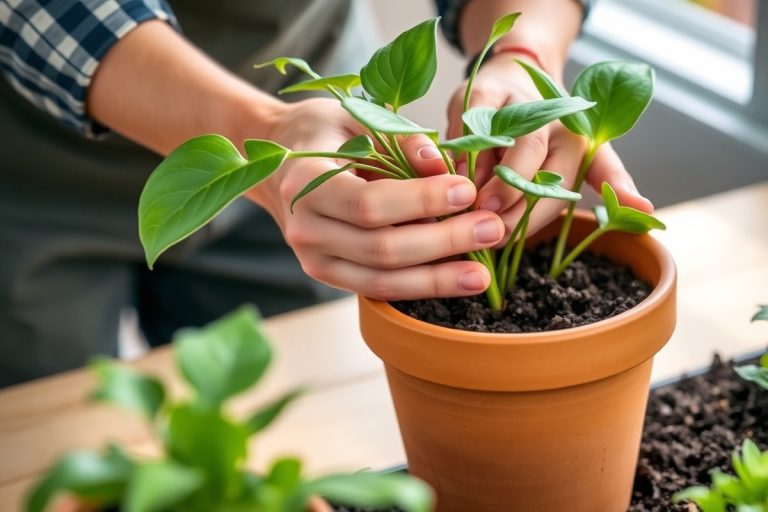
- Plant at the right depth. For annuals, follow seed packet or tag depth exactly. Perennials should be planted so their crown sits just above soil.
- Water deeply after planting. Give a thorough soaking to settle soil. Annuals may need watering daily during hot weeks, especially in containers. Perennials prefer deep water once or twice weekly.
- Fertilize monthly through the growing season. Use a balanced 10-10-10 or bloom-boosting fertilizer for annuals. Feed perennials early in spring and again after flowering, if needed.
- Deadhead old blooms. Pinch or snip off faded flowers to encourage new buds. Do this every week or two for annuals and as you see spent flowers on perennials.
- Prune perennials yearly. Cut back dead stems in early spring to help new shoots grow strong. Trim them again lightly after blooming to keep tidy shapes.
- Watch for pests and disease. Check leaves weekly and remove any damaged parts. Catching problems early helps avoid costly damage.
Healthy plants show steady new growth. You’ll see fresh green leaves and many flowers. Annuals dropping buds or leaves may need more water or feeding.
Prune perennials if they get leggy or thin. Divide them every few years to stay strong. Both pruning and dividing keep plants vigorous.
Common Mistakes and How to Avoid Them When Choosing Flowers
One common mistake is ignoring your garden’s hardiness zone when picking perennials. These plants may look tough but can die if your zone is too cold for them. Check the USDA hardiness zone for your area and match plants accordingly.
It pays to remember that some perennials, called “temperennials,” survive winters only in warmer zones. In colder areas, growing temperennials as annuals or houseplants works better.
Another error is overlooking the specific care needs of annuals and perennials. For example, some perennials need full sun and well-drained soil to do well. Planting them in shade or soggy ground can lead to poor blooms or dying plants.
Take time to read care labels or seed packets. This helps you know the watering, light, and soil each flower needs.
When one flower type doesn’t do well, change your approach instead of quitting. Test soil drainage first. Move the plant to a sunnier spot.
Change watering times too. Sometimes a plant just needs time to settle in before it grows well.
Check your plants regularly for pests or disease too. Early treatment saves your flowers in most cases.
- Check your USDA hardiness zone online before buying plants
- Read the care label for sun, water, and soil needs
- Use temperennials as annuals in colder climates or bring indoors
- Test soil drainage with a simple hole test before planting
- Place new plants in an area matching their preferred sun exposure
- Adjust watering based on weather and plant growth stage
- Inspect flowers weekly for pests or signs of stress
Don’t plant tender perennials without confirming their hardiness zone suitability first.
Ignoring your zone can kill a plant that seems perfect elsewhere. Lavender grows well in zones 5 to 9 as a perennial. It may die in colder zones.
Add winter protection to keep it alive there. Matching plants to your care ability also matters. Struggling to water often?
Choose tough or drought-tolerant plants for better success. Being honest about your time and skills will save money and frustration in the long run.
When a plant falters, try small fixes first rather than replacing it right away. Moving plants to more sun helps growth. Fixing soil drainage also helps.
You’ll see results in weeks. Keeping garden notes to track what works or fails helps you learn for future choices.
Over time, you’ll find flowers that suit your climate. You’ll learn which match your care style too.
Step-by-Step Action Plan for Choosing and Caring for Your Flowers
Follow these steps to pick the right flowers and help them grow well. You’ll see healthy blooms and less hassle in your garden.
- Before You Plant: Check your hardiness zone to pick suitable annuals or perennials. This ensures they survive your climate.
- Day 1: Prepare your soil by loosening it and adding compost. Your flowers will grow stronger in healthy soil.
- Week 1: Plant your flowers at the right depth and space. Watch for firm, upright stems as a good sign.
- Week 2: Water regularly but avoid soggy soil. Soil should feel moist, not wet, to support roots.
- Month 1: Apply a balanced fertilizer every 4 weeks. Healthy leaf color and steady growth show it’s working.
- Mid-Season: Deadhead spent flowers on annuals to boost blooming. Perennials benefit from light pruning.
- End of Season: Remove annuals when blooms fade; compost them if disease-free. Cut back perennials to prepare for winter.
- Next Spring: Reassess your garden needs. Add new annuals or enjoy returning perennials based on what worked.
Frequently Asked Questions
What’s the Main Difference Between Annual and Perennial Flowers?
The main difference is their life cycle length. Annuals live for one growing season. Perennials live for several years and bloom repeatedly.
Can Annual Flowers Ever Act Like Perennials?
Yes, some annuals can reseed and come back next year. They won’t live like true perennials but may give that effect.
Do Perennial Flowers Require Less Care Than Annuals?
Perennials often need less planting each year. However, they may still need pruning and dividing to stay healthy.
Can Climate Change Whether a Plant Acts Like an Annual or Perennial?
Yes, a plant might be perennial in warm zones but annual in cold ones. Gardeners should check hardiness zones first.
Is It Possible to Change an Annual into a Perennial Genetically?
Scientists can alter certain plant genes to change life span. This is experimental and not common in home gardening.
What Are the Risks of Planting Only Annuals or Only Perennials?
Planting only annuals means replanting yearly, which can be costly. Only perennials might limit flowering variety in some seasons.
Before You Go
Annuals and perennials grow and behave differently. So picking the right ones saves time and effort.
Start your garden by checking what suits your area best. Begin planting with the right care for lively, lasting flowers.