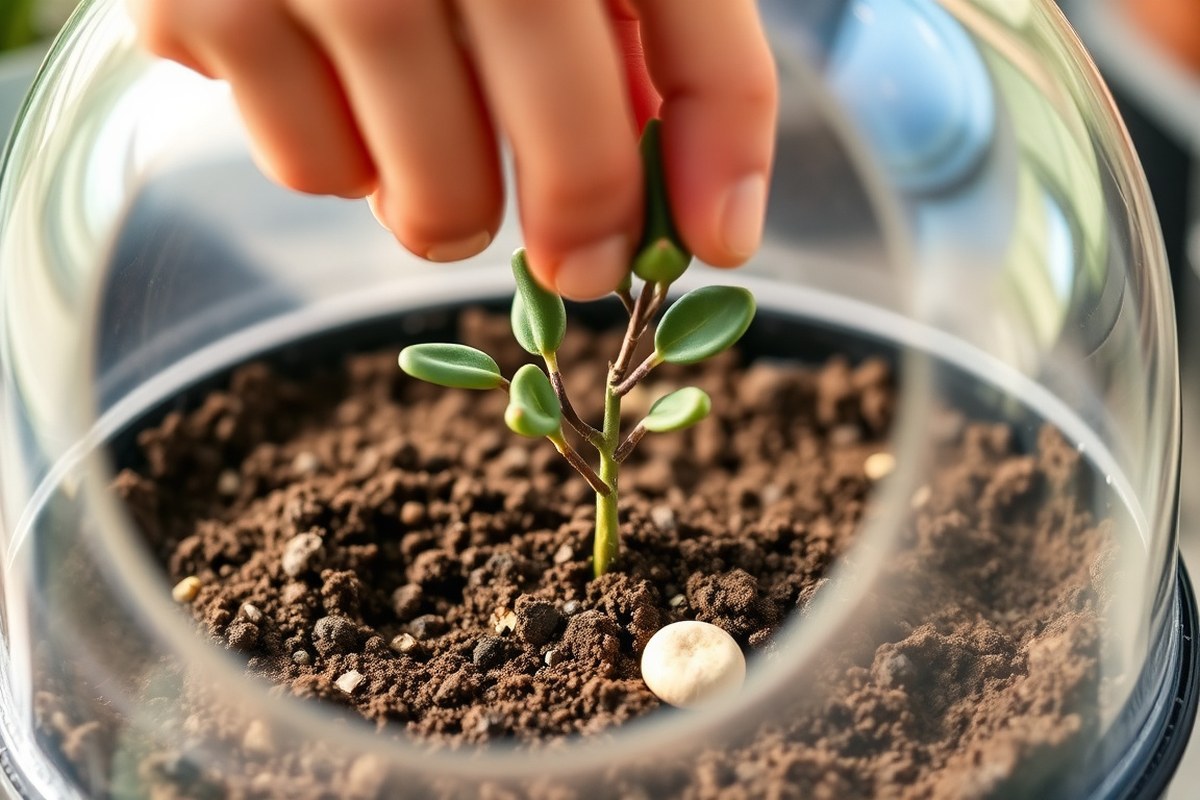
Can You Propagate Eucalyptus? Methods, Tips, and What Actually Works
Can you propagate eucalyptus? Yes, you can grow new eucalyptus plants from seeds or cuttings.
Both methods work well, but cuttings give faster results. Seeds take more time but let you grow many plants at once.
Start with healthy stems for cuttings, about 6 inches long and semi-hardwood. Use a clean, sharp knife to avoid damaging the stem.
For seeds, soak them in near-boiling water for 24 hours to encourage germination. This helps break their natural dormancy and improves your chances.
Keep your cuttings moist and in a warm spot with bright, indirect light. Mist them regularly or cover with plastic to keep humidity high.
Seeds need to be sown indoors 10 to 12 weeks before the last frost. This timing helps young plants survive when you move them outside.
Key Takeaways
- Choose semi-hardwood eucalyptus stems 6 to 8 inches long for cuttings.
- Soak seeds in near-boiling water for 12 to 24 hours before sowing.
- Sow eucalyptus seeds indoors 10 to 12 weeks before the final frost.
- Keep cuttings in a humid, warm area with bright indirect sunlight.
- Plant cuttings 2 to 3 inches deep to provide stability for roots.
- Supplement natural light with a fluorescent tube if daylight is limited.
Can You Propagate Eucalyptus from Seeds and Cuttings?
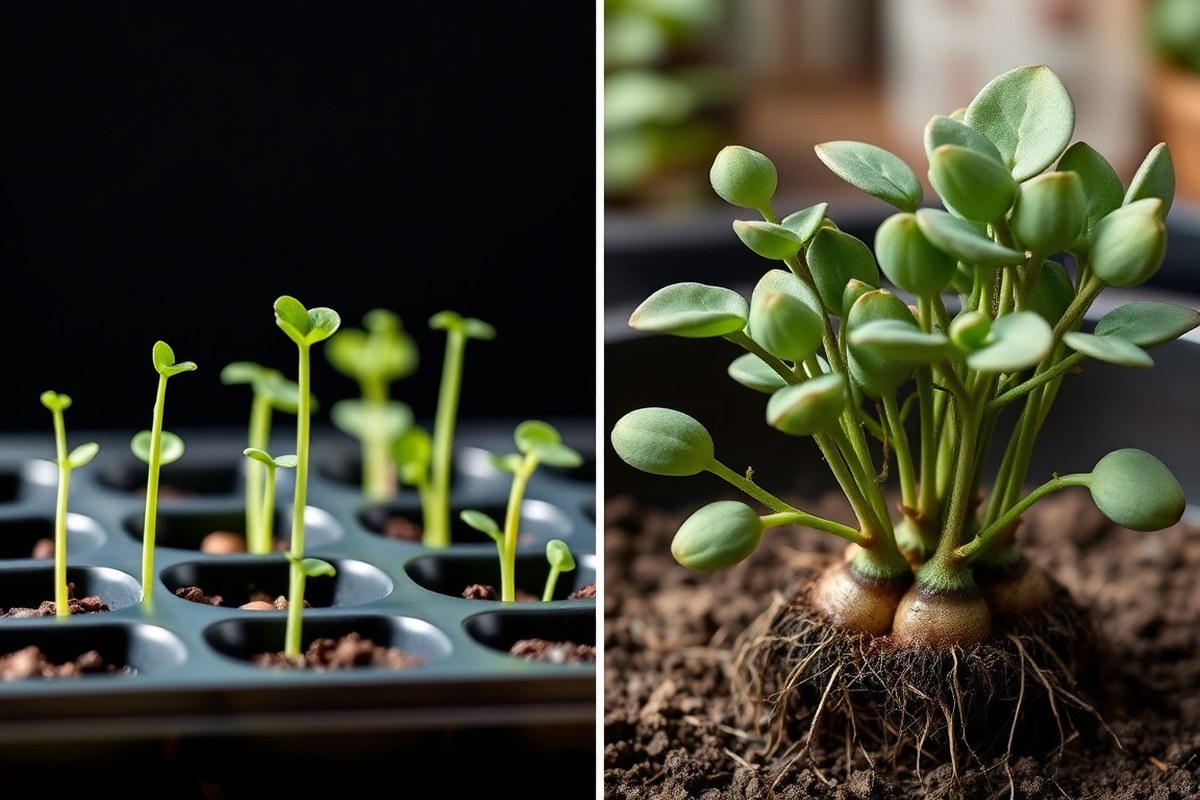
You can propagate eucalyptus by seeds or cuttings, but the method you choose matters. Seed propagation is the most common and reliable for many eucalyptus species. Seeds need about 30 days of cold stratification to improve germination.
Germination usually happens one to two weeks after sowing. This process helps the seeds sprout better.
Cuttings offer a faster way to grow new eucalyptus plants. But they are more challenging and work better with some species. Semi-hardwood cuttings are best in late summer.
They root in six to eight weeks. Keep them warm and humid for good results. This method keeps the new plant genetically identical to the parent.
| Species | Propagation Strength | Notes |
|---|---|---|
| Eucalyptus globulus (blue gum) | Excellent from semi-hardwood cuttings | Seeds also germinate well |
| Eucalyptus polybractea (silver leaf) | Very strong cutting rooter | Seed germination less reliable |
| Eucalyptus camaldulensis (river red gum) | Good from seed | Cuttings root but slower |
| Eucalyptus citriodora (lemon-scented gum) | Poor cutting rooter | Best propagated by grafting |
| Eucalyptus regnans (mountain ash) | Seed-only propagation | Cuttings rarely succeed |
Seeds cost less but take longer to grow. They need several weeks to sprout and about a year to mature for transplanting. Growing from seed requires more patience.
Cuttings require special care but let you skip genetic variation, which seeds can’t avoid. Some species root in cuttings easily, others do not and need grafting instead.
Both methods need soil pH between 6.0 and 7.0, moist but well-drained. Cuttings don’t root well in water.
So use a rooting hormone and a sterile, sandy mix for best results. Seeds should be cleaned and stratified before planting.
You should pick the method based on your eucalyptus species and your patience level. Seeds give you a reliable start but wait longer for growth. Cuttings work faster but need the right timing and species.
Choosing the Right Eucalyptus Species for Propagation
Eucalyptus species vary widely in how easily they grow from cuttings or seeds. Eucalyptus globulus and Eucalyptus polybractea root easily from semi-hardwood cuttings taken in summer. They respond well to warm, humid conditions and usually start rooting within weeks.
Species like Eucalyptus regnans and Eucalyptus citriodora are tougher to grow from cuttings. These often need seed propagation or grafting since their cuttings rarely root well. Seeds need cold stratification to germinate, and grafting requires skill but improves survival.
Eucalyptus cinerea makes a good shrub or small tree for gardens. It grows up to 30 feet tall and fits well in limited spaces. This plant roots pretty well from cuttings.
It also grows reliably from seed. Cooler climates improve seed success.
Growth habits affect your propagation success a lot. Tall, fast-growing trees with woody stems usually resist rooting from cuttings.
In contrast, smaller or shrubby species with flexible shoots are easier to root. Knowing which category your eucalyptus falls into saves time and effort.
Place cuttings about 2-3 feet apart in warm, humid conditions. Use a heated propagation mat to keep soil between 65-75°F. It speeds root growth and lowers failure risk. Cuttings should be 4-6 inches long and cut at a 45-degree angle below a node.
Use semi-hardwood cuttings taken in summer for best rooting results; avoid mature, woody stems.
Seed propagation is usually simpler but slower. Seeds have to be well stratified to break dormancy.
For difficult species, planting seed is the recommended method, especially if you lack grafting experience. Germination rates improve with seed soaking and moderate warmth.
Picking the right eucalyptus species first makes propagation easier. You can get quick, reliable results by sticking with E. Globulus or E. Polybractea for cuttings.
For larger or more exotic species, prepare for seed starting or grafting. Shrubby eucalyptus like E. Cinerea suits smaller spaces and eases care.
Preparing and Taking Healthy Cuttings
Start by choosing healthy, semi-hardwood stems about 6 to 8 inches long. Cuttings should come from pest-free, vigorous eucalyptus branches. Sterilizing your tools prevents infections that can ruin your cuttings.
Selecting Semi-Hardwood Stems
Pick stems that are neither too young nor fully mature. Semi-hardwood stems feel firm but still bend slightly without breaking. Look for branches roughly 0.25 inches thick with at least two leaf nodes visible.
Choose shoots from the mid-section of the tree for best results. Avoid soft new growth or old woody stems, as both root poorly. Check the plant for pests or diseases before cutting stops.
Cleaning Tools and Preparing Cuttings
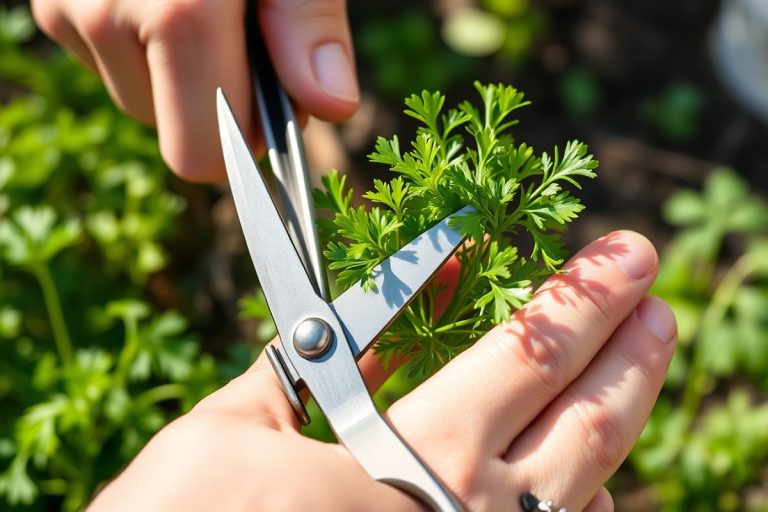
Use sharp, clean secateurs or a knife to take your eucalyptus cuttings. Sterilize the tools by wiping with rubbing alcohol or dipping in a bleach solution. This step cuts the risk of fungal infections entering the cut surfaces.
Cut each stem cleanly at a slight angle, making a 6 to 8-inch piece. Remove leaves from the lower half, leaving a few sets of leaves on top. Trimming leaves reduces moisture loss and focuses growth energy on roots.
Applying Rooting Hormone Properly
Prepare a small plate with rooting hormone powder before you start. Dip the bottom inch of each cutting into water first, then into the hormone powder. Shake off excess powder gently to avoid clumps that slow rooting.
Use a high-strength rooting hormone to boost success rates significantly. Plant the treated cutting in moist, well-draining soil immediately after applying the hormone. Keep the cut ends buried at least 2 inches deep in the potting mix.
- Identify healthy semi-hardwood stems 6 to 8 inches long and 0.25 inches thick.
- Sterilize your cutting tools using rubbing alcohol or a diluted bleach mix.
- Make a clean angled cut on the stem to take the cutting.
- Remove leaves from the lower half, keeping some leaves on the top portion.
- Dip the base of the cutting in water, then into rooting hormone powder.
- Shake off excess powder to prevent clumping on the cut end.
- Plant cuttings in moist, well-draining soil with at least 2 inches buried.
Germinating Eucalyptus Seeds Successfully
Start by soaking eucalyptus seeds or using cold stratification first. This helps them germinate successfully. Prepare seeds correctly before planting.
Sow seeds shallow in warm, indirect light spots. Use well-draining soil.
Keep the soil moist but not wet. Seedlings need gentle care after they sprout to grow strong.
Pre-Soaking and Cold Stratification
Many eucalyptus seeds need special treatment before planting to improve germination. Some species require soaking in hot water briefly to soften the seed coat. Some species like Eucalyptus pauciflora must stay cool and moist.
Cold stratify these seeds for four to six weeks. This process helps them sprout.
Cold stratification simulates winter conditions and helps break seed dormancy. Seal seeds in a damp bag or container. Store it in your fridge.
Aim for 35 to 40°F (2 to 4°C) temperatures. Avoid freezing the seeds, which can kill them.
Sowing Seeds Indoors
Choose a well-draining soil mix with garden soil, perlite, and coarse sand in a 3:1:1 ratio. This mix keeps water from pooling, which reduces seed rot risk. Fill seed trays or small pots with soil.
Spread seeds across the surface evenly. Cover with a thin layer of soil or sand.
Seeds need warmth to sprout. Use a heat mat or mini greenhouse to keep soil around 70°F (21°C). Keep sunlight indirect and mist daily to stay moist.
Caring for Seedlings After Germination
Seeds usually take 3 to 4 weeks to sprout. After germination, continue providing bright indirect light and warmth. Keep the soil evenly moist but reduce watering slightly as seedlings grow.
Space seedlings to avoid overcrowding and prevent diseases. Transplant seedlings to bigger pots about two months before frost. Timing depends on your area’s last frost date.
Handle young plants carefully. Gradually adjust seedlings to outdoor conditions before moving them outside.
- Test seed viability by checking for firmness and soaking some in water; discard floating seeds.
- Choose seed treatment by eucalyptus type. You can soak seeds in 80°C water for five minutes. Or use cold stratification at 4°C for four to six weeks.
- Prepare a well-draining soil mix (3 parts garden soil, 1 part perlite, 1 part coarse sand).
- Fill shallow trays or small pots with the soil mix and scatter seeds on top.
- Lightly cover seeds with a thin layer of soil or coarse sand.
- Place containers on a heat mat or in a warm spot with indirect light (around 70°F).
- Keep the soil moist by misting daily but do not overwater.
- Thin seedlings as they grow to prevent crowding and reduce disease risk.
Rooting Cuttings: Environment and Care Best Practices
Rooting eucalyptus cuttings works best between 68°F and 77°F. Keep the temperature steady in this range. This helps the cuttings grow roots faster. This range helps the roots develop steadily without stressing the plant.
The air below 65°F slows root growth a lot. This makes rooting take longer and less likely to work.
Keep humidity near the cuttings high, around 80 percent. This stops them from drying out. High moisture helps cuttings stay healthy.
Use a mist chamber or a clear plastic dome. Both keep moisture close to the cuttings. This helps maintain the needed humidity.
Open the dome or remove the cover sometimes. This stops mold or fungi from growing. Air flow helps keep cuttings healthy.
It’s important to know eucalyptus cuttings won’t root well if you keep them in water alone. Instead, plant the cuttings in well-draining soil after dipping their ends in rooting hormone. This hormone encourages root growth and reduces rot risks.
Water the soil gently right after planting the cutting. Water the cuttings once the top inch of soil feels dry. That usually means watering about once a week.
Don’t let the soil stay wet all the time. Mist the cutting lightly every few days.
This keeps humidity around 40 percent for home gardeners. It helps the cutting stay moist but not soaking wet.
Keep the cuttings in bright, indirect light. Direct sunlight can dry out the leaves and soil too quickly, causing stress.
A spot near a window with filtered sun or a shaded porch works well. Avoid harsh afternoon sun to prevent scorching.
Check soil moisture daily at first. Too little water dries the cutting, too much causes rot.
In colder climates, you might need a small heat mat to keep the temperature stable. This can make root development faster and more consistent. Avoid old or woody stems for cuttings.
Use young, healthy shoots instead. They root faster and make stronger plants.
Keep a steady warm temperature for rooting eucalyptus. Maintain high humidity using covers or misting. Plant cuttings in well-draining soil with rooting hormone.
Water them moderately afterward. These steps give eucalyptus cuttings the best chance at growing healthy roots in your home garden.
Transplanting and Hardening Off Young Plants
Transplant eucalyptus plants once their roots fill the pot or their growth looks steady. Start moving them outdoors gradually to avoid shock. Follow these steps carefully to help young eucalyptus thrive in new spots.
Choosing the Right Pot or Garden Site
Pick a pot slightly bigger than the current one with drainage holes. Use peat-free soil mix that drains well to avoid root rot. When planting outside, choose a sunny spot with room to grow, keeping mature size in mind.
Make sure the garden space stays free of weeds around young eucalyptus. Clear at least a 3⅓-foot circle around each plant to reduce competition. Avoid tight spaces near structures to prevent damage as they grow tall.
Gradual Exposure to Outdoor Conditions
Start hardening off your eucalyptus by placing it outdoors for a few hours a day. Begin in a shaded area and slowly increase sunlight and time outside. Continue this for 7 to 14 days to help plants adjust without stress.
Watch for signs of leaf burn or wilting and reduce direct sun if needed. This process helps eucalyptus switch from indoor warmth to natural weather safely. Don’t rush or move plants fully outdoors before this step.
Planting Depth and Spacing Guidelines
Transplant eucalyptus so the soil line matches the old pot’s soil line exactly. Planting too deep or shallow can cause health problems. Space garden plants at least 5 feet apart.
Some need 10 feet. This depends on the plant’s size and root spread.
This spacing reduces competition for nutrients and air circulation, cutting disease risks. Use fresh, well-drained soil for planting to encourage root growth. Keep watering after transplanting but let soil dry out slightly between sessions.
Follow this transplant timeline for eucalyptus:
- Check roots for fullness or healthy new growth.
- Move plant to a bigger pot or prepared garden hole.
- Set outside in shade for 2 to 3 hours on the first day.
- Add 1 hour of sun daily, moving gradually to full sun over 1-2 weeks.
- Plant in garden with 5-10 feet between plants after hardening off.
- Keep soil consistently damp but not wet for the first month.
- Remove weeds within a 3⅓-foot radius around each eucalyptus.
Troubleshooting Common Propagation Problems
Propagation problems often show as leaf drop, no roots, or soggy soil. Spotting trouble early prevents bigger losses to your eucalyptus cuttings or seeds. Rooting usually takes about a month, so expect patience during this stage.
Fungal infections happen when water sits too long around roots or cuttings. Poor air circulation and too much moisture create the perfect conditions for rot. Stop this by using well-draining soil mix.
Use soil with sand added. This works well for eucalyptus that prefers drier soil.
| Problem | Symptom | How to Fix |
|---|---|---|
| Fungal Infection | Soft, brown roots; mold on soil surface | Improve drainage; increase airflow; remove infected parts |
| Failure to Root | No new roots after 4 weeks; cuttings wilt | Try a rooting hormone; keep cuttings moist but not wet; ensure indirect light |
| Leaf Drop | Leaves turn yellow or brown, then fall off | Avoid overwatering; reduce direct sun; check for pests |
| Overwatering | Soil stays wet; cuttings rot; leaves wilt | Use coarse, sandy soil; water less often; let soil dry between waterings |
Watch soil moisture carefully. You want it damp but not soaked. Too much water swells the soil and starves roots of air, inviting rot.
Proper air circulation clears humidity and dries the surface. Try small fans or opening nearby windows to keep air moving. Avoid crowded trays.
Failure to see root growth by four weeks means you must tweak your setup. Check for a rooting hormone application and indirect lighting conditions.
Choosing Between Seed and Cutting Propagation
Seed propagation works best if you want to grow many eucalyptus trees from scratch. Seeds let you handle a larger scale and save money on buying cuttings or grafted plants.
However, seeds need warm, stable conditions to germinate well. Use a temperature near 70°F to 75°F and keep the soil moist but not waterlogged.
Cuttings work well for copying a tree’s traits fast. Best time to root them is late summer from trees 2 to 12 months old.
Use a mix of peat moss, vermiculite, and perlite for balanced moisture. Rooting cuttings takes four to eight weeks, which is faster than seeds.
Climate can change which method works best. Seed germination fails more often in cold or very dry areas. Cuttings might struggle too if humidity is too low.
Grafting works well in cold areas to keep plant traits. It helps when seeds or cuttings don’t grow. Consider grafting to protect your eucalyptus in tough climates.
Think about your goals and environment first. Pick seeds for planting many trees or saving money. Seeds suit warm climates with ready soil.
Cuttings work better for fewer plants or when you want a plant exactly like the parent. Grafting is a fallback plan if neither seeds nor cuttings give reliable results.
Cuttings take some care but produce a clone quickly. Seeds cost less upfront but take longer and might not keep desired traits.
A larger planting often leans toward seeds because of scale. Home gardeners growing a few trees usually pick cuttings for a faster, predictable start.
Handle cuttings carefully; avoid letting stems dry out before planting, or rooting will fail.
Your Step-by-Step Action Plan for Propagating Eucalyptus
Follow these clear steps to start growing eucalyptus from seeds or cuttings. Each phase shows what to do and how to tell if it’s going as planned.
- Day 1: Choose healthy cuttings or fresh seeds from the right species. Look for firm stems and vibrant seed coats.
- Week 1: Prepare cuttings by trimming below a leaf node and remove lower leaves. For seeds, soak them overnight in warm water. Success means cuttings feel fresh and seeds stay intact.
- Week 2: Plant your cuttings in moist, well-draining soil or sow seeds shallowly. Keep soil damp but not soggy. Watch for new shoots or seed swelling.
- Weeks 3-4: Provide consistent warmth around 70°F and indirect sunlight. Use a plastic cover for humidity on cuttings. Check for root growth by gentle tugging after four weeks.
- Week 6: Roots should be about an inch long by now. Move seedlings or rooted cuttings into larger pots. Make sure pots have good drainage. Avoid direct sun to prevent shock; leaves should look firm and green.
- Weeks 7-8: Begin hardening off plants slowly. Let them spend a few hours daily outside. Increase outdoor time each day carefully. Stronger stems and leaves show they adapt well.
- After 2 Months: Move young eucalyptus outdoors fully. Keep watering regularly and spot for pests or drying leaves to catch problems early.
Frequently Asked Questions
What Type of Soil Works Best for Eucalyptus Cuttings?
Eucalyptus cuttings root well in well-draining, sandy soil. Avoid heavy clay, which holds too much water and may cause rot. Adding perlite helps improve drainage and air circulation around roots.
How Long Should Eucalyptus Seeds Be Cold Stratified?
Seeds need about 2 to 4 weeks of cold stratification. This process mimics winter and improves germination rates. Keep seeds moist and in the fridge during this time for best results.
Can Eucalyptus Be Propagated Year-Round?
Propagation is easiest in spring or early summer. Warmer weather encourages faster rooting and growth. Avoid winter, as cold slows seed germination and cutting root development.
Does Eucalyptus Require Pruning After Propagation?
Light pruning helps shape young eucalyptus plants after transplanting. It encourages bushier growth and removes damaged parts. Prune carefully to avoid stressing the new plants.
Is It Better to Propagate Eucalyptus Indoors or Outdoors?
Starting cuttings indoors offers controlled warmth and humidity. This environment boosts rooting success. Transplant outdoors once cuttings develop strong roots and weather is mild.
How Much Sunlight Do Eucalyptus Cuttings Need?
Cuttings do best with bright, indirect light, not full sun. Too much sun can dry out the cuttings and slow rooting. Once transplanted, eucalyptus trees can handle full sun easily.
Before You Go
Yes, you can successfully propagate eucalyptus with some patience and care. Start by picking the right method for your situation. Try one step today to see your eucalyptus start growing.