Is Hose Pipe Water Safe to Drink? A Complete Guide to Risks and Safe Use
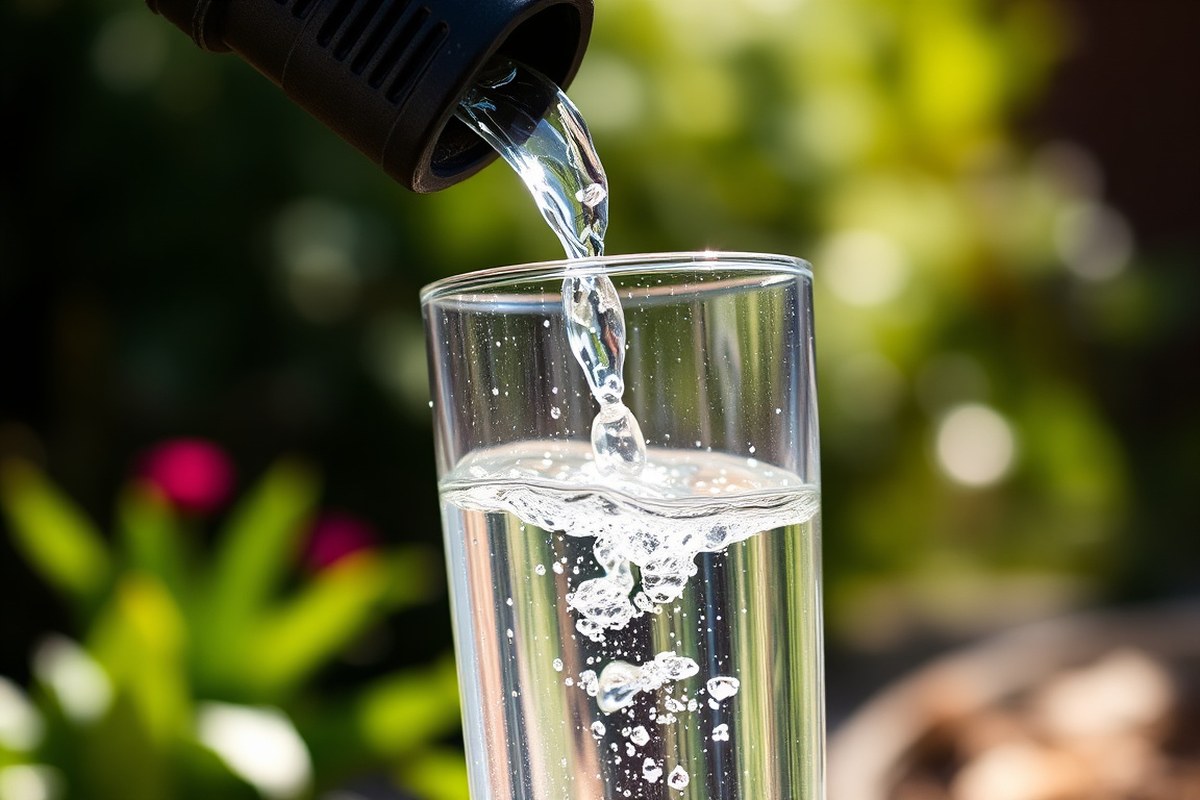
Hose pipe water is usually not safe to drink without caution. Garden hoses can release chemicals into the water from their materials.
So, even when connected to treated tap water, the hose may add contaminants. Some hoses contain harmful substances like phthalates, BPA, and lead, which can leach over time.
Choose a hose certified for drinking water to reduce risks. Look for NSF/ANSI 61 or 372 labels, which limit harmful chemicals like lead.
Non-certified hoses can expose you to health problems over time. Using safe hoses protects kids, pets, and adults from chemical exposure.
Always flush the hose for a few seconds before drinking to clear stagnant water. Flushing only removes old water, not chemicals from the hose material.
Replace older hoses made before 2014 since they often fail safety tests. Storing hoses indoors and avoiding direct sunlight helps keep water safer too.
Key Takeaways
- Only use hoses labeled NSF/ANSI 61 or 372 for drinking water safety.
- Flush the hose for several seconds to clear stagnant water before use.
- Do not rely on running water alone to remove chemical contaminants.
- Avoid older hoses made before 2014 for drinking or food-related use.
- Rubber hoses need certification to be considered safe for drinking water.
- Sunlight and heat increase harmful chemical leaching from hose materials.
Is Hose Pipe Water Safe to Drink?
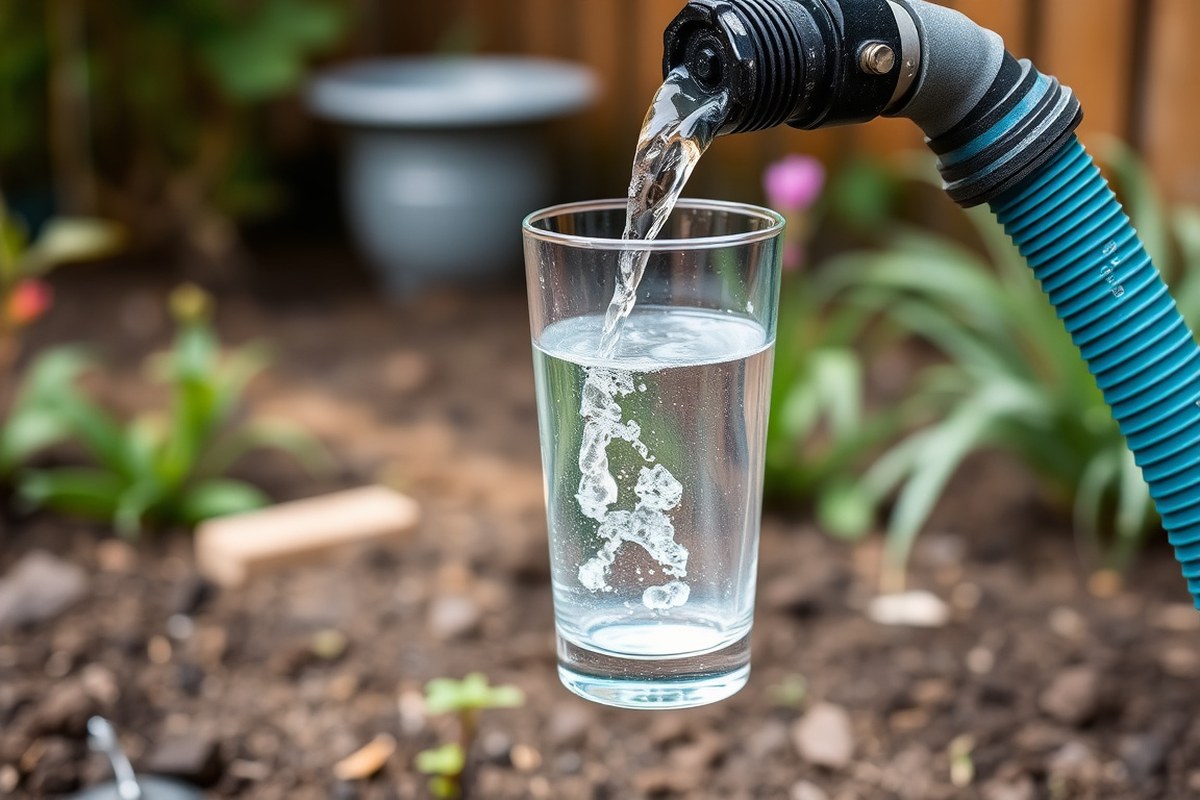
Garden hose water is usually unsafe to drink. Only use hoses made for drinking water. These hoses avoid harmful chemicals and metals.
These hoses are labeled potable or NSF/ANSI certified for drinking water use. They avoid harmful chemicals that standard garden hoses often leach, like phthalates and lead.
Your tap water can be safe, but the hose might not be. Normal hoses may release chemicals or metals, especially in heat. These toxins could harm your family, pets, or food plants.
Drinking water safely from a hose means choosing the right product and taking care of it. Use only potable water hoses that cost more but protect your health.
Connect them directly to faucets known to supply clean water. Flush the hose for a few seconds before drinking.
You can carry bottled water instead of using a regular garden hose. Another way is using a portable water filter for safety.
Filters attached to hoses sold online don’t guarantee safety. They may not remove all chemicals or bacteria that build up within the hose walls.
The temperature matters, too. Water sitting inside a hose on a hot day can absorb chemicals faster and taste unpleasant. Always let the water run until it feels cold before drinking.
Don’t drink water from hoses used for cars or chemicals. Switching to a new hose doesn’t remove the risk. Those toxins can stay in your system.
Pets should avoid garden hose water unless it comes through a drinking water hose. Their health is affected by chemical and bacterial contamination just like humans. Regular water use for kids’ pools needs a safe hose.
Buy a hose certified for drinking water to avoid poison risks. It’s worth the investment for outdoor drinks and play.
How Hose Materials Affect Water Safety
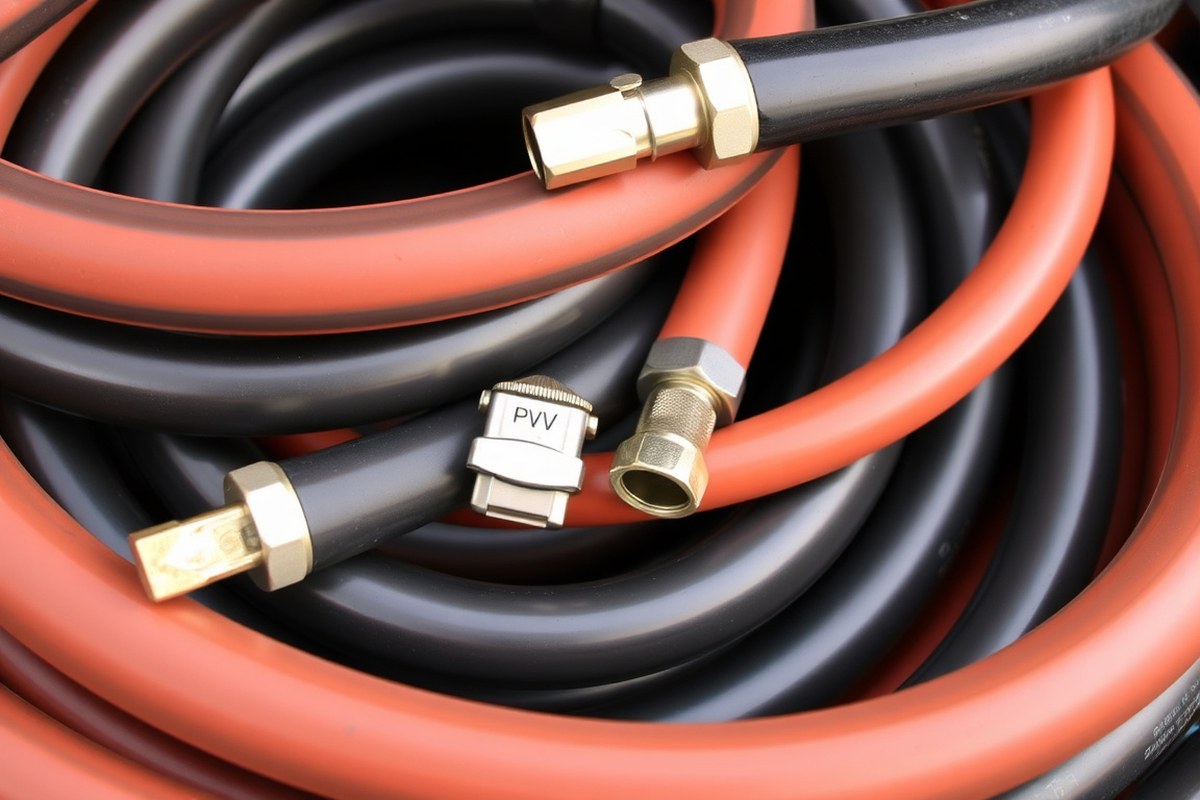
Most garden hoses are made from materials like PVC, rubber, or combinations of plastics. PVC hoses often contain chemicals such as lead, phthalates, and BPA. These chemicals can leach into the water during use.
Heat from sunlight makes this worse. Also, water left sitting too long can absorb chemicals.
Rubber hoses generally release fewer chemicals than PVC hoses. But not all rubber hoses are equal. Some cheap rubber hoses might still contain harmful additives.
Hoses labeled as “food-grade” or “drinking water safe” usually have no lead, BPA, or phthalates. These hoses meet NSF or FDA safety standards.
They cost about $20 to $50 more than standard hoses. This extra cost helps ensure safer water.
| Feature | Standard Garden Hose | Food-Grade Hose |
|---|---|---|
| Materials | May contain PVC, Lead, Phthalates | Lead-free, BPA-free, Phthalate-free |
| Certification | Generally none for drinking | Often NSF/ANSI 61 or FDA certified |
| Chemical Leaching | High, especially when heated | Negligible to None |
| Temperature Exposure | Heats in sun; raises leaching | Usually heat-resistant, less leaching |
| Typical Cost | $10 to $25 | $30 to $75 |
Standard hoses often show chemical leaching under warm conditions. Lead was detected in 7 of 24 PVC hoses tested in one study.
Phthalates appeared in 75% of the tested PVC hoses. Certified drinking-water-safe hoses are made from safer materials like polyurethane or natural rubber without those chemicals.
Choose hoses marked “drinking water safe” to reduce risks. These hoses are ideal for filling your camper or watering edible plants.
Avoid using your garden hose for drinking unless it has proper certification. Heat and sunlight make chemical leaching worse over time.
Keep your hose in the shade and drain it after use to lower chemical exposure.
What Risks Do Heat, Sunlight, and Stagnant Water Pose?
Heat and sunlight make a hose a perfect spot for bacteria. Stagnant water inside adds to the problem. Chemicals can build up too in these conditions.
Warm temperatures speed up chemical leaching from the hose material. Stagnant water is where harmful bacteria grow fast.
This makes hose water unsafe to drink. You need to take precautions first.
Effects of Heat on Chemical Leaching
Heat makes some chemicals in the hose material break down and seep into the water. The warmer the hose gets, the faster this happens. Direct sunlight can heat hoses over 100°F, especially dark-colored ones, which increases chemical contamination risks.
The type of hose material matters because some release more chemicals when warm. Soft plastics tend to leach more additives than hoses made for drinking water. High heat also weakens flexible hose parts, raising the chance of chemicals mixing with stored water.
To limit chemical leaching, keep hoses shaded and avoid leaving water inside them on hot days. Using hoses labeled for potable water reduces potential chemical risks.
Bacterial Growth in Warm and Stagnant Water
Warm and still water inside a hose is a perfect place. Bacteria grow easily there. Algae can grow too in these conditions.
Temperatures between 70°F and 100°F are especially risky for microbial development. The longer water sits, the more bacteria multiply.
Common harmful bacteria like Legionella thrive in stagnant hose water, increasing health risks. Microbial growth happens more quickly in hoses kept in the sun or warm garages. Even small amounts of leftover water can encourage this growth.
Rinsing the hose before use flushes out stagnant water and lowers bacteria levels. Drinking water hoses reduce these risks by using materials less likely to host bacterial growth.
Risks of Leaving Water in a Hose Too Long
Staying water inside a hose over time can collect bacteria, mold, and parasites. These contaminants raise the chance of sickness if you drink the water. The risk grows the longer the stagnant water sits, especially on warm days.
Leaving hose water overnight or for multiple days increases bacteria and chemical levels. Older hoses or those not meant for drinking water pose bigger risks. Small amounts of water can still harbor dangerous germs and chemicals.
Flushing hoses before filling containers or drinking water reduces exposure to these risks. Avoid drinking directly from water that has sat in the hose more than a few minutes.
Practical Storage Tips to Reduce Risks
Storage methods can help keep hose water cleaner and safer. Keeping the hose cool, dry, and free of stagnant water lowers both bacteria and chemical hazards. Proper storage also extends the hose’s life.
- Store the hose in a shaded area or indoors away from sunlight
- Drain water from the hose after each use
- Flush the hose by running water through it before each new use
- Use hoses rated safe for drinking water where consumption is expected
- Inspect the hose regularly for damage or wear that could affect safety
- Avoid leaving water sitting in the hose longer than a day, especially in summer
Following these simple steps helps reduce the buildup of harmful bacteria and chemical leaching. It also keeps your hose water safer for outdoor activities that may require drinking water.
Comparing Hose Water and Tap Water Quality
Hose water usually comes from the same treated city supply as your tap. That means it starts off as clean as the water inside your house. The risk comes after the water leaves your indoor plumbing.
The hose material often contains chemicals or metals like lead. The Ecology Center in Ann Arbor tested garden hoses for lead. They found lead levels higher than Safe Water Drinking Act limits.
All the hoses they tested had too much lead. Dirt, sunlight, and heat sitting inside the hose can also change water quality. These problems don’t affect indoor tap water the same way.
Risks from contamination depend on how water travels and the environment. Hose water passes through materials and stays outside. Tap water travels inside your plumbing and pipes.
Tap water flows through pipes designed for drinking water. Garden hoses are exposed to weather, chemicals, and dirt. These can all leach into the water if it’s been sitting in the hose.
| Factor | Hose Water | Indoor Tap Water |
|---|---|---|
| Water Source | Usually municipal treated water | Municipal treated water |
| Delivery Materials | Plastic or rubber hoses, can leach chemicals and metals | Copper or plastic pipes made for drinking water |
| Exposure to Environment | Exposed to sunlight, heat, dirt, and chemicals | Protected inside home plumbing system |
| Contamination Risks | Lead, chemical leaching, bacterial growth in stagnant water | Regularly treated and monitored for safe consumption |
| Water Stagnation | Water sits in hose and heats up, increasing risk | Flows directly with little to no stagnation |
The hose holds water between uses, often heating it up under the sun. This allows metals and chemicals to leach quicker. Tap water doesn’t stay still long enough to pick up contaminants inside the pipes.
For safe drinking outside, use water from your indoor tap. You can also fill water bottles that have filters. Avoid drinking water directly from garden hoses.
Some hoses are labelled safe for drinking. But they still pose risks if water sits in them. You can reduce risks by running water for a few seconds before use.
Avoid drinking water that’s been sitting in a hose, especially during hot days. Water safety depends on the pipes and materials used, not where water starts.
Exposure to outside elements affects hose water quality. Plumbing inside your home protects tap water better.
How to Safely Use Hose Water for Drinking or Outdoor Activities
Using hose water for drinking or outdoor activities needs care to reduce contamination risks. Flushing the hose before use and choosing the right hose can make a difference. Following safety steps helps protect your family and pets from harmful chemicals or germs.
Selecting a Drinking-Water-Safe Hose
Pick a hose labeled “drinking water safe” or “food-grade” for the best protection. These hoses are made from materials that won’t leach toxins or chemicals into the water. Polyurethane and special rubber hoses often meet safety standards.
They cost more but give you peace of mind. These hoses are a safer choice for water use.
Keep in mind that older hoses or standard garden hoses usually don’t have these certifications. Their materials can contain lead, BPA, or other harmful chemicals. Use a certified hose for pet bowls and kiddie pools.
It’s safer for washing produce too. Investing in one prevents unsafe water contact.
Flushing the Hose Properly Before Use
Flush the hose every time before drinking or using its water closely. Running water through the hose for a few minutes clears out contaminants that settle inside it. This helps remove bacteria, chemicals, or stagnant water that collect when the hose isn’t in use.
To flush the hose properly, follow these steps:
- Attach the hose securely to the outdoor faucet.
- Turn on the water at full pressure.
- Let the water run for at least 1 to 3 minutes or until clear and cool.
- Check the water temperature; warm water may indicate bacteria growth inside the hose.
- Use only the water that flows after the flush for drinking or cooking.
Flush your hose for at least 1 minute to reduce risks before drinking.
Maintaining and Storing Your Hose Safely
Store the hose away from direct sunlight to prevent heat damage and chemical buildup. Sunlight and heat can break down hose materials, releasing toxins into the water. Drain water from the hose after use to stop stagnant water from causing bacteria growth.
Regularly inspect the hose for cracks, leaks, or mildew. Replace it if damage appears or if the hose is over five years old. Clean your hose now and then with mild soap and water.
This removes dirt without hurting the inside lining. Avoid harsh cleaners that can damage the hose.
Practical Tips for Kids, Pets, and Garden Use
Teach kids not to drink from hoses unless they are certified safe. Also, the hose should be flushed well before use. This helps keep them safe from harmful chemicals.
Avoid letting pets drink directly from garden hoses that aren’t rated for drinking water. For watering plants or washing hands, standard hoses are usually fine.
Just don’t drink the water from these hoses. Avoid ingestion to stay safe with regular hoses.
Filters made for garden hoses can reduce germs in the water. Use them together with a hose that’s safe for drinking water. This combination improves water safety outside.
These filters cost between $20 and $60 and are worth it for health-sensitive situations. Always check that filters fit your hose size and replace cartridges regularly.
Common Myths About Drinking Water from Garden Hoses
Running water through a garden hose does not remove all chemicals or contaminants. It may flush out some stale water.
But residues inside the hose can still leach. That means you can’t rely just on letting it run before drinking.
Not all rubber hoses are safe for drinking water. Only hoses labeled “drinking water safe” meet health standards. Many rubber hoses contain lead or harmful plastics that you don’t want in your glass.
Filters can improve hose water but don’t guarantee it’s safe to drink. Most garden hoses don’t meet potable water rules. So even filtered water could catch contaminants from the hose material itself.
- Choose hoses labeled “drinking water safe” or “certified potable water.”
- Flush the hose for several minutes before using. But don’t assume it’s safe to drink.
- Use a faucet designed for potable water for regular drinking needs.
- Check if the hose is lead-free and made from safe plastics or braided PVC.
- Use basic hose water for plants and cleaning, not for direct drinking without treatment.
Awareness of these myths helps you avoid unsafe habits. Many people grew up drinking from hoses without issues.
Yet that water often isn’t free from risks. Knowing what your hose is made of and how to use it keeps you healthier outside.
Health Risks Linked to Contaminants in Hose Water
Bacteria can grow in garden hoses, especially when water sits still for hours. These bacteria form biofilms, which stick inside the hose and cause stomach problems if swallowed. Legionnaires’ disease comes from Legionella bacteria in warm hose water.
These bacteria like water that doesn’t move. That makes garden hoses a risky place for them. Drinking or breathing in mist from this water can cause lung infections.
Older people or those with weak immune systems are more at risk. It’s best to avoid using hoses for drinking water.
Lead exposure from garden hoses is a serious risk even at low levels. Lead often comes from older hoses with metal fittings or stabilizers. The EPA and CDC say no amount of lead in drinking water is safe.
This is especially true for kids. Even small lead levels can cause health problems. It can harm brain development, cause learning problems, and affect behavior.
You need to drink a lot for serious effects to show fast. But small exposures add up over time. That can cause health risks later.
Phthalates, chemicals used to soften PVC plastic hoses, can also end up in hose water. These chemicals disrupt hormones and can affect reproductive health. Certified drinking water safe hoses pass tests to limit chemical leaks.
Many regular garden hoses do not meet these safety rules. It’s safer to use certified hoses for drinking or cooking water. Sun and heat break down hoses over time.
This raises chances of chemicals getting into your water. Keep hoses out of direct sun to help them last. Flushing a hose briefly won’t get rid of chemical leaks.
The chemicals come from the hose material itself. They’re not just in the water that stays inside the hose.
Some hose pigments may contain metals like cadmium. Cadmium can harm kidneys or bones over time. Using safe hoses helps reduce this risk.
These risks are partly why experts recommend not using typical garden hoses for drinking or cooking. Instead, choose hoses certified NSF/ANSI 61 for safe water use.
These cost more but are made from materials tested not to release harmful chemicals. Using a proper drinking water safe hose helps reduce these health hazards over the long term.
Choosing and Maintaining the Right Hose for Safe Water
Choosing the right hose for safe drinking water starts with checking for proper certifications. Regular cleaning and smart storage keep contaminants out. Replace your hose regularly to avoid water quality problems.
Old hoses wear down and their materials break apart. This breakdown can affect your water’s safety.
Certification and Label Checks
Look for hoses labeled “drinking water safe” or “potable water hose.” These labels mean the hose materials won’t contaminate your water. Look at the packaging to see if the hose meets safety certifications.
Check for NSF/ANSI 61 or FDA food-grade labels. These show the hose is safe for water use.
Not all hoses claim safe drinking water use. Some use confusing terms or fail to list certifications. Without clear labels, assume the hose isn’t fit for direct drinking water use.
Cleaning and Flushing Routines
Flush your hose for a few minutes before use, especially if it’s been idle for days. This clears stagnant water, which may hold bacteria or chemicals. Rinsing helps remove dust, dirt, and any contaminants inside the hose walls.
Clean hoses monthly with a mild soap solution or vinegar mix. Run clean water through to rinse. Avoid harsh chemicals or bleach that can damage hose tubing and leave harmful residues.
Storage and Handling Best Practices
Store your hose in the shade or a cool spot away from direct sunlight. Heat breaks down plastic and rubber, which can leach into the water. Keeping the hose off the ground also prevents dirt and insects from contaminating the inside.
Drain water completely before storing to stop mold and bacteria growth. Coil the hose loosely to avoid kinks and cracking. Frequent checking for damage reduces risks of leaks or contamination.
- Use NSF/ANSI 61 or FDA-certified hoses
- Flush hoses for 2, 3 minutes before drinking
- Clean hoses monthly with mild soap or vinegar
- Store hoses in shade, off the ground
- Drain completely after use to avoid bacteria
- Inspect hoses quarterly for cracks or discoloration
- Replace hoses damaged or older than 5 years
Never use a hose left in hot sun for drinking without thorough flushing.
Signs Your Hose Should Be Replaced
Replace your hose if it cracks, bulges, or shows discoloration. These signs mean materials are breaking down and might contaminate water. A hose older than five years is also a risk, even without visible damage.
Leaks or a strange smell during use mean contamination or bacteria build-up may be present. Continuing to use such hoses risks drinking unsafe water. It’s better to spend $20, $40 on a new food-grade hose than risk your health.
Step-by-Step Action Plan to Use Hose Water Safely
Follow these steps to check if your hose water is safe to drink or use outside. Each step helps reduce risks and keeps you healthy.
- Before you use the hose: Buy a hose marked “drinking water safe.” Check the label for approval. This lowers chemicals in your water.
- Day 1: Flush the hose for at least two minutes before drinking or using the water. The water should run clear without strange smells.
- Week 1: Store the hose in a shaded, cool place to avoid heat damage. Check water temperature; it should feel cool or lukewarm, not hot.
- Every week: Rinse the hose inside by running clean tap water through it. Run until the water tastes neutral, without plastic or chemical hints.
- Month 1: Inspect your hose for cracks, mold, or discolouration. Replace it if any damage could let bacteria grow.
- As needed: Avoid leaving water stagnant inside the hose longer than one day. Drain it after each use to prevent germs.
- Before outdoor events: Test hose water quality if you plan to drink it. Use a water testing kit to check for common contaminants.
- After heavy sun or heat exposure: Flush the hose again before use. This removes heat-broken plastics that may leach chemicals.
Frequently Asked Questions
Can Hose Water Cause Stomach Problems?
Yes, chemicals and bacteria in hose water can upset your stomach. It’s safer to avoid drinking it directly.
Is It Safe to Use Hose Water for Pets to Drink?
Not really, hose water can contain harmful chemicals and bacteria. Use fresh tap water instead for your pets.
How Long Does Water Stay Safe in a Garden Hose?
Water can become unsafe after sitting for a few hours to days. Flush hoses before using water for anything drinking related.
Can Washing Fruits with Hose Water Transfer Chemicals?
Yes, harmful chemicals from the hose can stick to produce surfaces. Consider washing fruits with clean tap water instead.
Do All Hoses Leach Harmful Chemicals into Water?
No, only many common hoses do, especially non-drinking water hoses. Drinking water hoses are made with safer materials.
Does Boiling Hose Water Make It Safe to Drink?
Boiling removes bacteria but won’t get rid of chemicals. It’s best to avoid drinking hose water altogether.
Wrapping Up
Hose pipe water is usually not safe to drink without precautions. Use a safe hose and flush it well before drinking. Check your water often, so you don’t risk your health.