What Is Sphagnum Peat Moss Used for: A Complete Guide for Gardeners
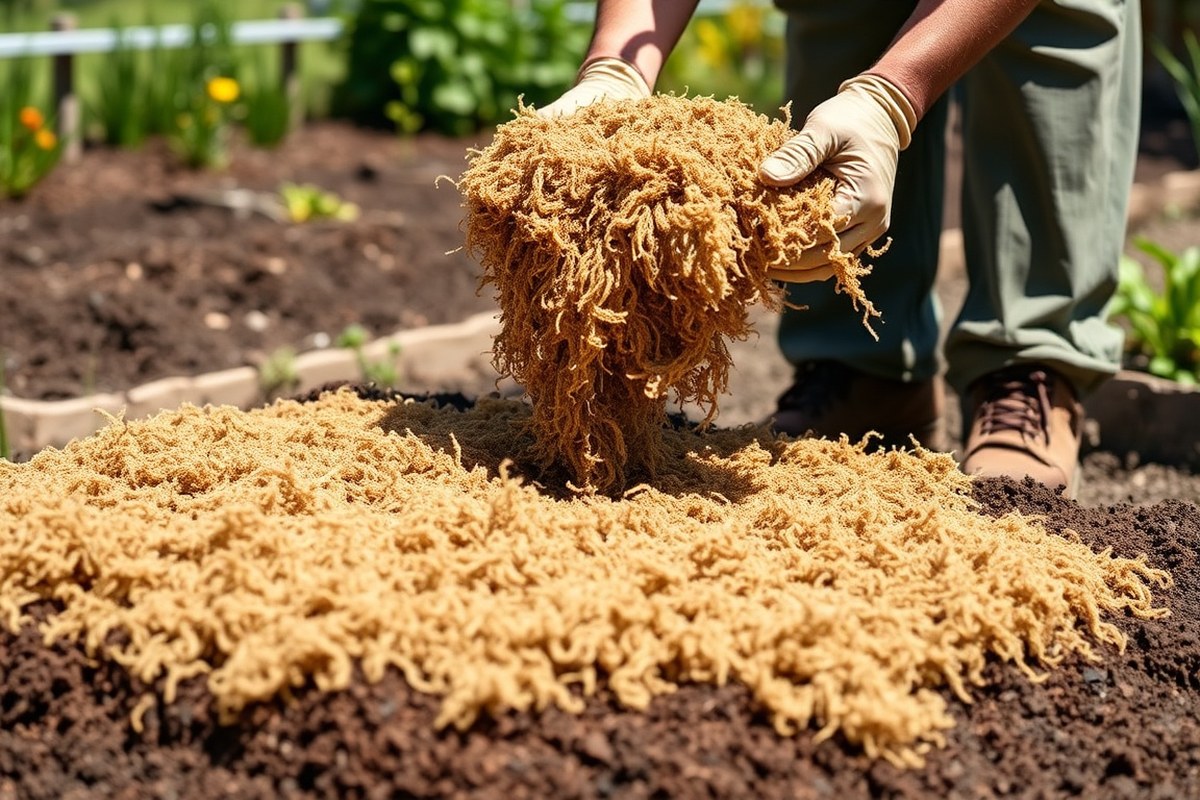
What is sphagnum peat moss used for in gardening? It’s mainly a soil amendment that helps improve soil texture and water retention. Gardeners use it to make heavy soils lighter and sandy soils hold moisture better.
You mix sphagnum peat moss into your garden soil to boost plant growth. It helps roots get air and stay moist without being soggy. Most gardeners dig it into the soil about a foot deep.
They use a shovel or a garden fork to mix it in. This helps the soil absorb the amendment better.
Peat moss is naturally acidic, which suits acid-loving plants like blueberries and azaleas. Before adding it, check your soil’s pH to see if peat moss will help. Adding about 2 to 4 inches at the surface usually works well for most plants.
Key Takeaways
- Mix sphagnum peat moss evenly into soil up to 12 inches deep for best effect.
- Apply 2 to 4 inches of peat moss based on your soil type. Sandy soils need more, heavier soils require less. This improves moisture and nutrient retention.
- Loosen soil first with a garden fork or rototiller before adding peat moss.
- Peat moss holds water well, improving moisture retention in sandy or dry soil.
- Its acidity makes it ideal for plants that prefer lower pH levels.
- Don’t add too much peat moss; it can make soil overly acidic and dense.
What Is Sphagnum Peat Moss Used for in Gardening?
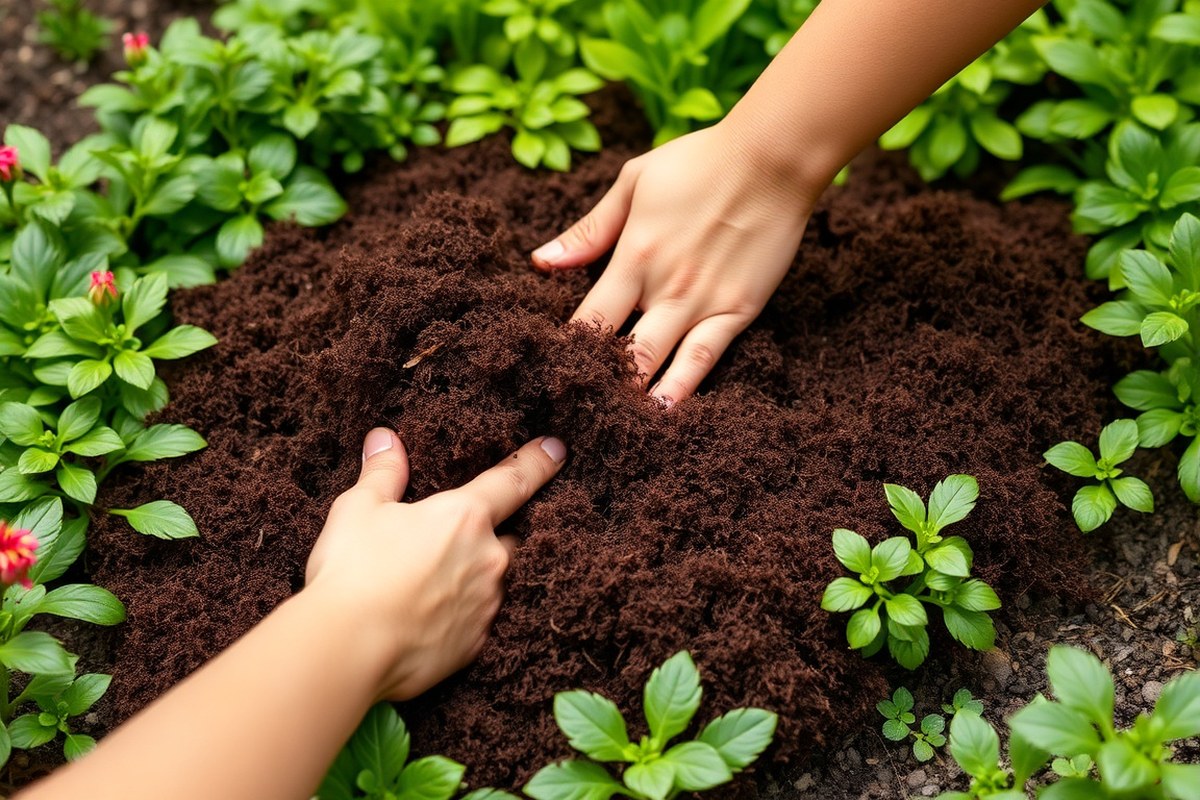
Sphagnum peat moss is mainly used in gardening as a soil amendment. It loosens compacted soil, helping roots grow easier and improving airflow. It works well mixed into clay soil.
It also improves sandy soil. Both types become better for plant roots.
One big reason gardeners add peat moss is because it holds a lot of water. It can store up to 20 times its weight in moisture.
Mix 2 to 4 inches of peat moss in the top 12 inches of soil. This helps keep moisture near plant roots longer.
Besides water retention, peat moss has a slightly acidic pH. This makes it great for acid-loving plants like blueberries, azaleas, and rhododendrons. Adding peat moss lowers the soil pH, creating better conditions for these plants to absorb nutrients.
Peat moss also helps keep nutrients in place. It prevents important minerals from washing away during watering or rain.
You usually mix about one part peat moss with two parts soil. This ratio balances moisture retention and soil aeration without making the soil too dense.
Gardeners often use peat moss in potting mixes and seed starting too. It provides a clean, disease-free base that holds moisture well while letting air circulate. Combine peat moss with perlite or vermiculite.
This improves drainage. It also aerates soil for healthy roots.
Using too much peat moss can make soil too acidic. It can also hold too much water. This can stress some plants.
Test your soil’s pH before adding peat moss. This is important if your garden already has acidic soil.
How Sphagnum Peat Moss Improves Soil and Plant Growth
Changing Soil Physical Structure
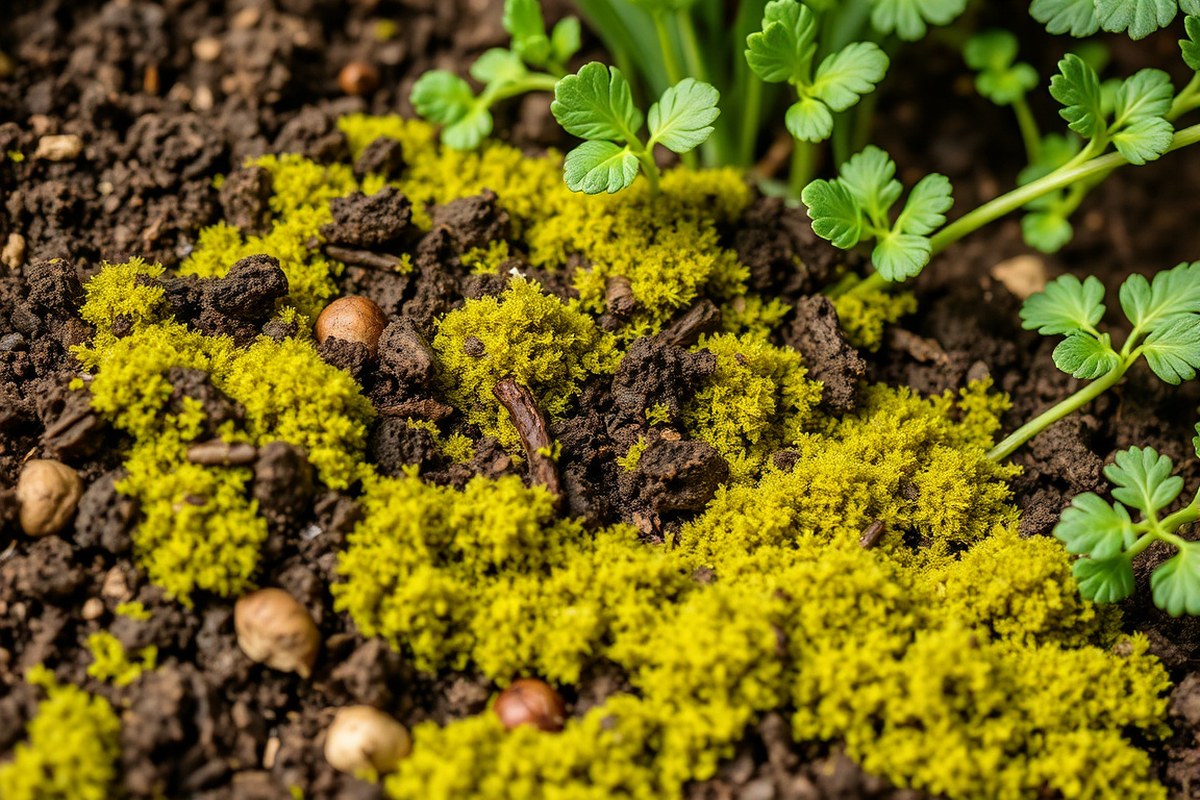
Sphagnum peat moss improves soil by loosening compacted or dense soils. It breaks up clay and heavy soils, making garden beds easier to work. Spread a 2- to 3-inch layer of peat moss over the soil.
Mix it into the top few inches. This helps change the soil texture.
By mixing peat moss well, soil gains crumbly structure that roots prefer. This also helps sandy soils hold together better without turning into mud. A good mix ratio keeps soil airy but still firm, perfect for flowers and shrubs.
Increasing Water Retention
Peat moss holds a lot of water because its cells trap moisture well. When you add it to soil, it increases water retention significantly. This effect helps during dry spells by keeping soil moist longer for plant roots.
You only need a moderate amount mixed into soil to see this benefit. About 1 part peat moss to 4 or 5 parts soil is common for beds. This balance stops water from draining too fast while avoiding soggy conditions.
Boosting Soil Aeration
Peat moss creates tiny air pockets in the soil that improve aeration. This helps roots get oxygen needed for healthy growth. Better aeration also stops waterlogging and root rot, especially in heavy soils.
Mix peat moss lightly into soil or potting mix to keep spaces open. Avoid using too much or it can hold too much water and reduce airflow. The right amount feeds oxygen flow to roots without making soil dry quickly.
Helping Nutrient Uptake
Peat moss improves the soil’s ability to hold nutrients rather than supply them directly. It reduces nutrient runoff by trapping minerals in its structure. This slow release helps plants absorb nutrients steadily instead of losing them fast.
To ensure plants get enough nutrients, add compost along with peat moss. Compost provides essential food for plants, while peat moss improves nutrient holding. This combination builds healthy, fertile soil over time.
Use peat moss with compost for water retention and nutrients, not alone.
Differences Between Sphagnum Peat Moss and Live Sphagnum Moss
Sphagnum peat moss forms from sphagnum moss that partly decomposes. It develops over thousands of years in cold, wet bogs with low oxygen. The living sphagnum moss grows above, while old peat lies below.
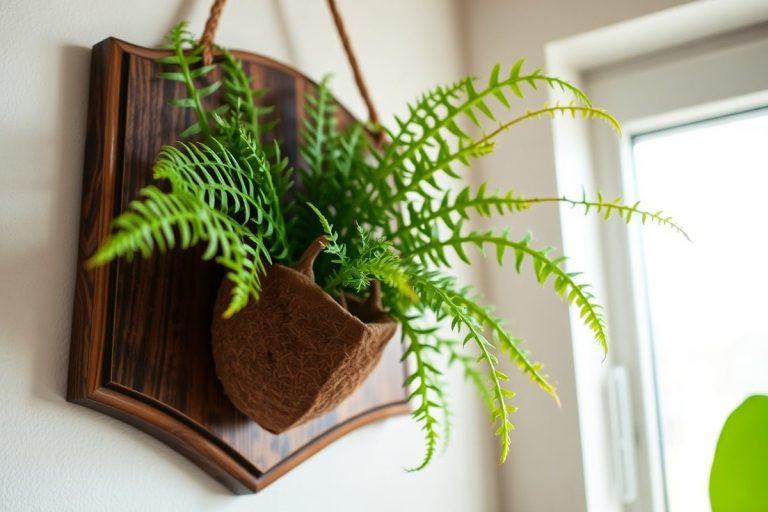
Living sphagnum moss looks fresh and green. It has neutral pH and can hold a lot of water. Gardeners use peat moss to line hanging baskets.
It also wraps plant roots because it holds moisture well. Plus, it lets air through easily.
In contrast, peat moss is brown, light, and fibrous. It is acidic and stabilizes soil by improving aeration and water retention.
Sphagnum peat moss helps soil mixes last longer. It breaks down slowly and stays stable. Roots grow well in this steady environment.
The degree of decomposition varies, measured by the Von Post Scale. Peat that’s less decomposed (H2) is fluffy and light. More decomposed peat (H8) feels dense and putty-like.
Both types differ in texture and weight. Pick the grade based on your soil needs.
Live sphagnum moss is best for moisture retention around plants, keeping roots cool and damp. Peat moss works better for improving soil texture and acidity. Live moss breaks down fast, so it’s not fit for pots.
It can also harbor pests. That’s why it’s avoided in potting soil. On the other hand, peat moss doesn’t contain living tissue and won’t grow or spread.
Cost also differs. Fresh sphagnum moss usually costs more because it must be harvested carefully to keep it alive.
Peat moss is cheaper, widely available, and used in large quantities for soils and garden beds. Both are lightweight but peat moss covers more soil volume when applied.
Knowing the difference matters because each serves a unique purpose. Use live sphagnum moss for rainforest-style terrariums or moisture wraps.
Use peat moss when you want lasting soil amendment to adjust pH or improve drainage. Mistaking one for the other often leads to poor plant growth or wasted material.
How to Use Sphagnum Peat Moss in Soil and Potting Mixes
How to Use Sphagnum Peat Moss in Soil and Potting Mixes
Mix sphagnum peat moss at about one-third with two parts garden soil for beds. Use equal parts peat moss and potting soil for container plants. These ratios improve moisture retention and soil texture.
Incorporating Peat Moss into Garden Soil
Peat moss works well to loosen compacted garden soil. It helps sandy soil hold water and adds organic matter to clay soil.
Before mixing, remove weeds and loosen the soil with a garden fork or tiller. Add peat moss evenly across the bed.
- Clear the garden bed of weeds and debris.
- Loosen soil to a depth of 6 to 8 inches.
- Spread peat moss evenly over the soil surface.
- Use about 1 part peat moss to 2 parts soil (a 1:3 ratio total).
- Mix peat moss thoroughly into the top 6 to 8 inches of soil.
- Water the area to help the peat moss settle.
Mixing Peat Moss for Container Gardening
For pots, peat moss should be blended with potting soil or compost. This avoids overly dense or dry soil mixes. Mix equal parts peat moss and potting mix or compost to balance moisture retention and drainage.
- Choose clean, sterile potting soil or compost.
- Measure equal volumes of peat moss and potting soil.
- Combine them in a clean container or wheelbarrow.
- Mix well until consistent and fluffy.
- Fill pots, leaving 1 to 2 inches below the rim for watering.
- Water the filled containers lightly before planting seeds or transplants.
Adjusting Ratios by Soil Type and Plant Needs
Use more peat moss in heavy clay soil, up to half the mix. This improves drainage and aeration.
For sandy soil, one-quarter peat moss can help the soil hold moisture. Some plants prefer less peat moss if they need dryer roots.
Adjust the mix based on whether a plant likes moist or well-drained soil. Avoid using pure peat moss alone; it holds moisture but lacks nutrients.
Tips for Even Distribution and Depth
Spread peat moss evenly before mixing to avoid patches that stay soggy or dry. Work it into the top 6 to 8 inches of soil for garden beds and pots.
Water the soil after mixing to settle the peat moss and reduce air pockets. This also helps study how the soil retains moisture.
Use a rake or hoe to break up clumps during mixing. Clumps can create dry zones that hurt seed germination or root growth.
Storing Peat Moss for Later Use
Keep peat moss in a dry, covered space to avoid moisture and mold. A breathable bag or container with a lid works well.
Store peat moss off the ground, on a pallet or shelf, to prevent dampness. Use within a year for best results.
Do not compact peat moss during storage. Keep it fluffy to maintain its water-holding ability.
Using Peat Moss to Adjust Soil pH and Conditions
Sphagnum peat moss is naturally acidic with a pH between 3.5 and 5.0. When added to soil, it lowers the pH, making the soil more acidic. This change helps acid-loving plants thrive in environments that suit them best.
Blueberries, camellias, and azaleas prefer soil that is acidic. Applying 2 to 3 inches (5 to 7.5 cm) of peat moss can reduce the soil pH. Blend the peat moss into the top several inches of soil for fast, uniform acidifying.
Using peat moss to acidify soil is not ideal for all plants. Your soil might already be acidic or neutral. Adding peat moss could make it more acidic than needed.
Avoid peat moss if your soil’s acidity is already right for your plants. This can cause yellow leaves and slow growth in plants that prefer neutral or alkaline soil.
Peat moss doesn’t work well to correct alkaline soil completely. It lowers pH but only to a limited extent. Very alkaline soils need special care.
You could try sulfur additives. There are also soil mixes made for alkaline soils.
Too much peat moss can harm plants that don’t like acidic conditions. So test soil pH before adding it.
Common Mistakes and How to Fix Them When Using Peat Moss
Using too much peat moss is a common mistake that can cause problems. Peat moss is highly acidic, with a pH between 3.8 and 5.5. Adding large amounts can make soil too acidic, stressing plants that prefer neutral or alkaline soil.
Another error is poor mixing. Peat moss must blend well into the top 6 to 12 inches of soil.
Uneven soil surfaces can harm water drainage and root growth. Use a garden fork or rototiller to loosen the soil before mixing peat moss in thoroughly.
Some gardeners expect peat moss to fix all problems and over-rely on it. Remember, peat moss mainly improves acidity and water retention.
You still need to add fertilizers and organic matter for nutrients and structure. Balancing your soil means using peat moss wisely, not as the only amendment.
- Apply peat moss at about 2 to 3 inches thick before mixing in
- Loosen soil 6 to 12 inches deep for better incorporation
- Test soil pH before and after adding peat moss
- Add lime to raise pH if soil becomes too acidic
- Mix peat moss evenly to avoid clumps and dry spots
- Use other amendments like compost for nutrients
Compacted or acidic soil from peat moss needs tilling and lime. Lime raises soil pH, balancing peat’s acidity.
Use 5 to 10 pounds of ground lime per 100 square feet for moderate acid soils. Add compost or aged manure to help loosen soil and improve fertility.
Balancing peat moss with these steps leads to healthy, well-structured soil. Over time, monitor pH and soil texture so you can adjust your care as plants grow. That way, you avoid peat moss mishaps and get better garden results.
Sustainable Use and Environmental Considerations for Peat Moss
Harvesting peat moss raises real concerns about sustainability. Peat forms over thousands of years in bogs, slowly storing carbon. Removing peat moss destroys carbon stores.
This releases greenhouse gases. It worsens global warming.
Many regions now regulate peat extraction. This harms wildlife habitats and water quality. It also affects local flood control.
Some countries have banned peat harvesting altogether to protect these fragile bog ecosystems. When peat is dug up, it also damages the land and disrupts natural water flow.
For responsible gardening, choose peat moss from certified sustainable sources. These operations limit extraction rates and protect peatlands to allow regrowth over time. Check labels and ask your suppliers for details about their sourcing practices.
Coconut coir is a popular, eco-friendlier alternative to peat moss. It is a byproduct of coconut husks, renewable each year without damaging ecosystems. Coir holds water well but may need extra nutrients since it has none naturally.
Using peat moss sparingly also helps reduce its environmental impact. Blend it with compost or other organic matter to stretch the supply.
Keep in mind that composting peat moss is not needed. But mixing improves soil health.
Besides alternatives, practice good watering habits with peat moss. It can hold up to 20 times its dry weight in water, so avoid overwatering. This helps conserve water and reduces runoff, protecting surrounding soils and waterways.
Use responsibly sourced peat or sustainable substitutes. Use them wisely.
This helps protect sensitive peatlands. Sustainable gardening means balancing your soil needs with care for the environment and future peat supplies.
Comparing Sphagnum Peat Moss and Its Alternatives for Gardeners
Sphagnum peat moss holds water well and stays acidic. Coconut coir and compost also keep moisture but change soil pH less.
Bark is dryer and more neutral. Your choice depends on water needs, soil type, and how eco-friendly you want to be.
Coconut Coir vs. Peat Moss: Water Retention
Both peat moss and coconut coir absorb and hold water efficiently. Peat moss tends to hold water slightly better, which helps plants during dry spells. Coir still locks in moisture well but drains faster, reducing overwatering risks.
Coir feels lighter and fluffier, making it easier to mix into soil or potting media. Use peat moss if you want maximum moisture retention for containers or seed starting. Coir is good if you want better airflow and quicker drying.
PH and Nutrient Differences
Peat moss lowers soil pH, making it more acidic. This suits acid-loving plants like blueberries or azaleas.
Coconut coir has a neutral to slightly acidic pH. So it rarely changes soil acidity much.
Compost adds nutrients and raises pH slightly, improving fertility. Bark chips also have neutral to slightly alkaline pH and don’t add many nutrients. Adjust pH with lime or sulfur if your mix changes acidity too much.
Sustainability and Environmental Impact
Peat moss harvesting damages peat bogs and releases stored carbon, which harms the environment. Coconut coir is a byproduct of coconut farming and regrows quickly, making it more eco-friendly. Compost uses recycled organic waste, which helps reduce landfill waste and closes nutrient loops.
Bark depends on forestry practices but is generally renewable. Put coconut coir or compost first for a garden that lasts. Use peat moss sparingly and consider local regulations or alternatives.
Cost and Availability
Peat moss usually costs between $10 and $15 per bale (around 3 to 5 cubic feet). Coconut coir costs about the same but can be harder to find locally.
Compost can cost less or come free from city programs. You can make your own compost at home.
Bark chips cost less but vary widely by source and size. Prices and availability change with your location and season. Buying in bulk lowers prices for any option.
When to Choose Each Option
Pick peat moss for plants needing acid soil or very high water retention. Choose coconut coir to hold moisture while allowing good airflow and for a greener choice. Compost fits well when you want to add nutrients and improve fertility naturally.
Bark works better for mulch or soil aeration but less in potting mixes alone. Use one part peat or coir for potting soil mix. Add the same amount of compost.
Then mix with perlite or vermiculite. Adjust ingredients to fit your plants’ water and pH needs.
| Material | Water Retention | PH Effect | Sustainability | Common Use | Cost (per bale/bag) |
|---|---|---|---|---|---|
| Sphagnum Peat Moss | Very High | Acidifies soil | Low (bog damage) | Seed starting, acid-loving plants | $10, $15 |
| Coconut Coir | High | Neutral to slight acid | High (renewable) | Potting mixes, moisture retention | $10, $15 |
| Compost | Moderate | Raises pH slightly | High (recycles waste) | Soil amendment, nutrients | Low to free |
| Bark Chips | Low | Neutral to slight alkaline | Moderate (depends on forestry) | Mulch, aeration | Low |
Balance water retention, acidity, and sustainability for healthy plants and soil. Combining materials often yields the best overall mix.
Don’t rely on peat moss alone in potting soil. Mix it with compost and perlite for balanced moisture and aeration.
Step-by-Step Action Plan for Using Sphagnum Peat Moss in Your Garden
Follow these steps to add sphagnum peat moss to your soil or potting mix efficiently. This plan helps you improve soil texture and plant health without overdoing it.
- Before planting: Add 1 to 2 inches of peat moss. Mix it into the top 6 to 8 inches of garden soil. Check to see the soil feels loose and crumbly, not clumpy.
- At potting time: Combine peat moss with garden soil and perlite or vermiculite in equal parts. You’ll know it’s right if the mix feels light and holds moisture without being soggy.
- After planting: Water the plants lightly to settle the soil and peat moss. Roots should stay moist without being waterlogged, indicating good drainage.
- Week 2: Monitor soil moisture daily, especially in pots. Soil should stay damp but not wet; adjust watering if too dry or soggy.
- Month 1: Test soil pH with a kit. In case the pH is below 6.0 and you used peat moss to lower pH, you’re on track. Adjust if soil doesn’t show slight acidity.
- Every 3 months: Add a thin layer of fresh peat moss around plants as mulch. The soil should look darker and be less compacted.
- Every season: Evaluate plant growth. Healthy leaves and strong stems mean your peat moss use is effective. Yellowing or wilting signals a need to adjust soil amendments.
Frequently Asked Questions
Can Sphagnum Peat Moss Be Used for Seed Starting?
Yes, it provides a fine, moisture-retentive base. It helps delicate seedlings grow by holding water without flooding.
Is Sphagnum Peat Moss Safe for Edible Gardens?
Yes, it’s safe when used as a soil additive. Avoid overusing it to keep soil balanced for vegetables.
How Long Does Sphagnum Peat Moss Last in Soil?
It breaks down slowly, lasting several years. Its slow decay helps improve soil structure over time.
Does Sphagnum Peat Moss Repel Pests or Insects?
No, it doesn’t repel pests directly. Use it for soil health, not as a pest control method.
Can Sphagnum Peat Moss Be Composted?
It decomposes very slowly in compost bins. Mix it with green materials to speed up breakdown.
Is Sphagnum Peat Moss Useful for Moisture-Loving Plants?
Yes, it holds moisture well for plants needing wet soil. Use it cautiously in well-draining mixes to avoid rot.
The Bottom Line
Sphagnum peat moss helps improve your soil’s texture and moisture control. Using it carefully supports healthy plant growth and soil balance. Start by mixing it into your soil or potting mix and watch your garden respond.