How Long Does It Take for Tomatoes to Grow: A Complete Guide with Timelines and Tips
Tomatoes generally take 60 to 85 days from transplant to harvest. Some kinds grow faster.
Others need 100 days or more. The type of tomato and growing conditions change this timing.
Tomatoes start as seeds, then seedlings, followed by flowering and fruit development. Each stage lasts from one to several weeks.
The fruit takes about 20 to 30 days to ripen. Knowing these stages helps you plan your garden and expect ripe tomatoes on time.
Start tomato seeds indoors 6 to 8 weeks before the last frost. This helps you get a jump on the season. Your plants will be stronger when moved outside.
Watch for temperature and sunlight because these impact growth speed. Warmer days and consistent watering speed things up. But extreme heat can delay fruit ripening.
Key Takeaways
- Tomatoes generally take between 60 to 85 days from transplant to harvest.
- Determinate tomatoes grow to about 3 feet and have a set fruiting period.
- Indeterminate tomatoes keep growing and producing fruit throughout the season.
- Fruit development after flowering takes around 3 to 4 weeks.
- Tomato fruits usually ripen 20 to 30 days after reaching full size.
- Starting seeds indoors 6 to 8 weeks before frost boosts growth speed.
How Long Do Tomatoes Take to Grow from Seed to Harvest?
Tomatoes usually take between 60 and 120 days to grow from seed to harvest. This total time depends on the variety and the growing conditions. Most garden tomatoes mature around 70 to 100 days after planting the seed.
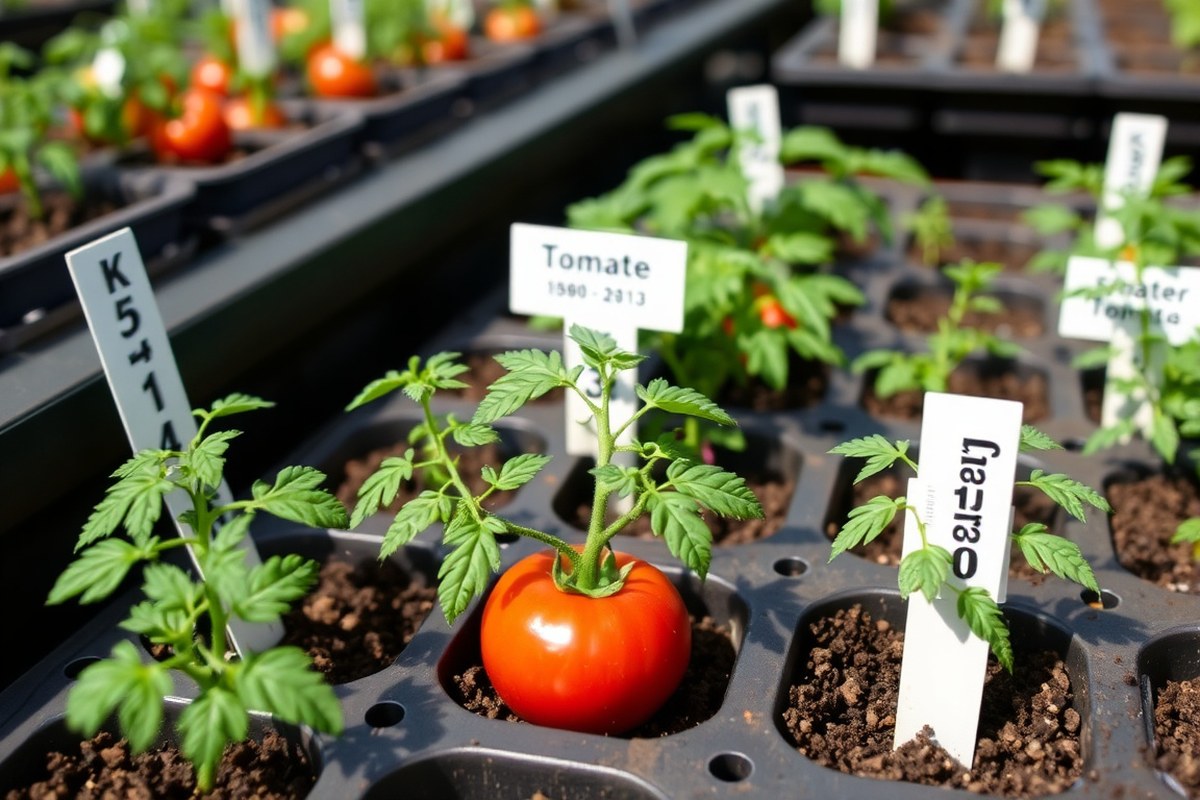
The first step is seed germination, which often takes 5 to 10 days under good conditions. After that, the seedlings need about 6 to 8 weeks to develop before transplanting outdoors.
After planting in the garden, wait 60 to 85 days. The fruit needs this time to mature and ripen fully.
Growing conditions like temperature, light, and soil quality affect the timeline a lot. Warm weather speeds up growth, while cold or shady spots slow it down.
Add 30 to 40 days to the seed packet’s days to maturity. This helps you better estimate the total time to harvest from seed.
What Are the Main Tomato Growth Stages and How Long Do They Each Take?
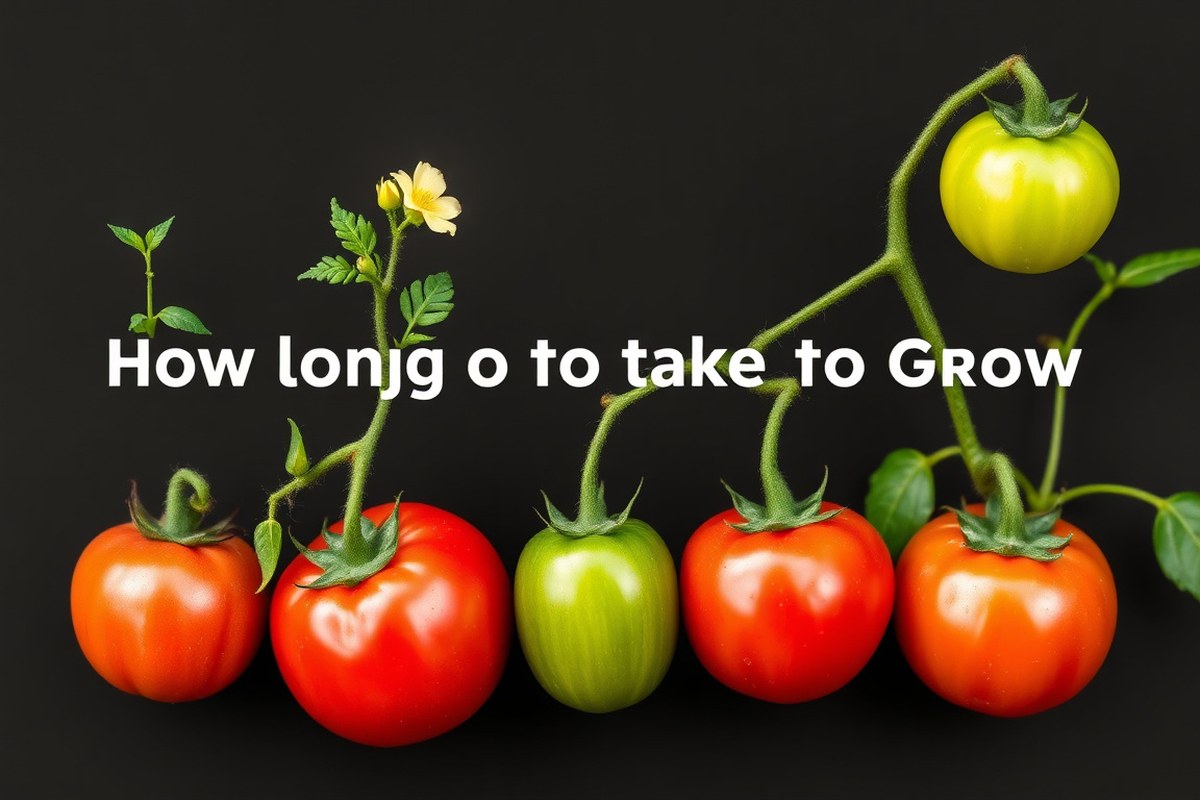
Tomatoes develop in six main stages: germination, seedling, vegetative growth, flowering, fruit growth, and ripening. Each stage lasts a certain number of days and needs special care. Understanding these stages helps you plan your harvest and care for your plants well.
Germination and Seedling Development Timing
Seed germination happens first and usually takes 5 to 10 days. This stage starts when you plant the seeds in warm, moist soil. The tiny seedlings then grow for about 2 to 3 weeks, developing their first true leaves.
During this time, the seedling needs plenty of light and warmth, around 70 to 75°F. Take care by not overwatering your tomato plants. Avoid letting the soil completely dry out.
Both can harm the delicate young roots. Once seedlings show several true leaves, they’re strong enough to move to the next stage.
Provide seedlings with bright light for 12 to 16 hours a day. This keeps them from growing too tall and weak. Good light helps seedlings stay strong and healthy.
Vegetative and Flowering Phase Duration
The vegetative stage lasts about 20 to 25 days after seedlings establish. In this phase, the plant focuses on growing stems, leaves, and roots. Healthy, strong plants need space and nutrients mainly nitrogen for leaf growth.
Flowering begins after vegetative growth and lasts 1 to 3 weeks. You’ll see clusters of yellow flowers appear, signaling the plant is ready to set fruit.
Pollination during this time is important for fruit development. So outdoor plants rely on bees or breeze.
- Check plants daily for signs of flower buds forming.
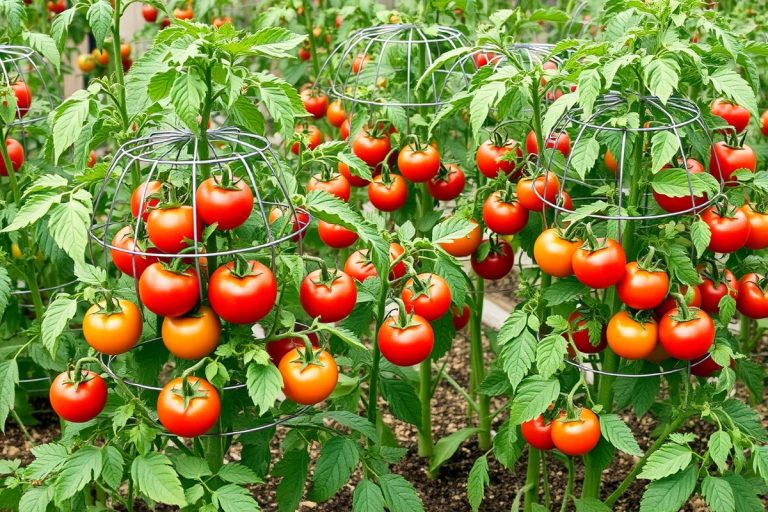
- Support taller stems with stakes or cages.
- Water consistently without wetting leaves to avoid disease.
- Fertilize with a balanced tomato fertilizer to encourage flowering.
- Protect flowers from extreme heat or cold to ensure fruit set.
Fruit Set, Growth, and Ripening Periods
After flowers pollinate, fruit development begins and lasts 3 to 4 weeks. Small green tomatoes grow quickly before entering the ripening stage. During this time, tomatoes change color and soften as sugars build up.
The ripening stage usually lasts 25 to 35 days, but it varies by variety. Early tomatoes may take 45 days from flowering to harvest.
Larger types can take up to 60 days or more. Keep fruits evenly watered and harvest tomatoes when fully colored for best taste.
How Do Determinate and Indeterminate Tomatoes Differ in Growth Duration?
Determinate tomatoes, or bush types, usually mature faster than indeterminate, or vining, tomatoes. Determinate varieties finish growing and fruiting within 60 to 75 days.
Indeterminate types take longer to grow, usually 70 to 85 days or more. They keep producing fruit throughout the whole season.
Characteristics of Determinate Tomato Varieties
Determinate tomatoes grow to a set height then stop, forming a bushy plant. They produce all their fruit in a short period.
So you get one big harvest. This makes them easier to manage if you need a batch of tomatoes all at once.
Because they finish fruiting faster, determinate types fit shorter growing seasons or container gardens. Their compact size usually makes them good for small spaces or patio gardening. Expect fruit maturity at around 60 to 75 days after transplant.
Growth and Harvest Patterns of Indeterminate Tomatoes
Indeterminate tomatoes keep growing taller and producing flowers and fruit all season long. They don’t stop at a fixed height.
So you will need to stake or cage these vining plants. Fruit ripens continuously, giving you fresh tomatoes over many weeks.
These plants usually take longer to reach maturity, often 70 to 85 days after transplant. Indeterminate varieties work well if you want tomatoes all season long.
You can pick a few at a time, not one big harvest. They work best in gardens where space and support are available.
Choosing the Right Type for Your Garden and Timeline
Pick determinate tomatoes if your space is small or you want an early, concentrated harvest. They’re perfect for canning or making sauces all at once. Indeterminate tomatoes suit you if you prefer fresh tomatoes through summer and fall.
Think about your available space and your growing season length. Also, decide when you want to harvest your tomatoes. Planting indeterminate types means you need to stake plants and care longer.
They require more attention than other tomato types. Determinate plants cut down harvest time and need less vertical space.
This table shows popular tomato varieties with their growth type and days to maturity. Use it to match a tomato to your garden goals.
| Variety Name | Type | Days to Maturity | Average Fruit Weight (oz) | Yield Per Plant (lbs) |
|---|---|---|---|---|
| Early Girl | Indeterminate | 59 | 7 | 10, 12 |
| Stupice | Determinate | 60 | 4 | 8, 10 |
| Sub-Arctic Plenty | Determinate | 48 | 3 | 6, 8 |
| Beefsteak | Indeterminate | 80 | 12 | 10+ |
| Cherokee Purple | Indeterminate | 82 | 10 | 8, 10 |
| Roma | Determinate | 75 | 3 | 8, 10 |
Looking at this table, choose Sub-Arctic Plenty or Stupice for quicker harvests under 60 days. Beefsteak or Cherokee Purple take longer but give bigger fruit and more extended picking. Early Girl offers a balance with reasonable days and good yield, grown as an indeterminate type.
Which Environmental Factors Impact Tomato Growth Time the Most?
Tomato plants grow fastest when temperatures stay between 70 and 80 degrees Fahrenheit. Soil should feel warm, about 70 to 80°F. This warmth helps seeds sprout fast.
It also encourages roots to grow well. Cold soil or air below 60°F can slow growth or stop it completely.
Sunlight matters a lot. Tomatoes need at least 8 hours of strong, direct sunlight daily.
They grow slowly with less light. You get fewer flowers and delayed fruit.
Soil moisture must be steady but not soggy. Tomato roots like moist soil that drains well.
Overwatering causes root problems and slows growth. Let the top inch of soil dry before watering again to avoid this.
- Keep daytime air temperatures between 70-80°F for best growth
- Provide at least 8 hours of direct sunlight every day
- Use well-drained soil that stays evenly moist but not wet
- Maintain soil temperature around 70-80°F, especially for seedlings
- Allow space between plants for good air circulation
- Avoid excessive humidity; good airflow prevents disease and stress
Humidity affects tomato growth too. High humidity slows the plant’s ability to breathe and increases disease risk. Aim for moderate humidity and place tomato pots where air moves freely.
Plant one tomato per pot. This lets air flow well and sunlight reach leaves.
Monitor these factors with simple tools. A soil thermometer costs about $10 and helps track soil warmth. A sunlight meter or a smartphone app can confirm you have enough sun.
Check soil moisture daily by feeling it or using a moisture meter. Adjust watering and location based on these readings to keep conditions ideal.
When and How Should I Start Tomato Seeds Indoors to Optimize Growth Time?
Start tomato seeds indoors about six weeks before your area’s last spring frost. Keep them in warm spots around 70-75°F (21-24°C) for best germination. Proper light after sprouting and gradual outdoor exposure prepare strong plants.
Ideal Seed Starting Timeframe Based on Frost Dates
Start seeds four to six weeks before the average last frost day. For example, if yours falls on April 15, sow seeds indoors around March 1 to 15. This gives seedlings 4-6 weeks to grow before setting them outside.
Plan your planting with local frost schedules since they vary widely. Using a local extension office or gardening website can give you exact dates. Starting too early can make seedlings leggy and weak.
Creating Optimal Temperature and Light for Germination
Keep seed trays in a warm place with 70-75°F (21-24°C) to help seeds sprout fast. Tomato seeds don’t need light to start but will grow better with it once they sprout. Use a south-facing window or a grow light on a 12-16 hour daily schedule.
A seed starter tray with drainage and a light potting mix works best. Water gently to keep soil moist but not wet. Wait for seedlings’ first true leaves, which appear after 7-10 days.
Move them to brighter light. This helps stop them from stretching.
Hardening Off Seedlings Before Transplanting
Before planting seedlings outdoors, toughen them off by slowly introducing them to outdoor conditions. Begin by placing seedlings outside for a few hours in mild sun or shade.
Increase the time outdoors over 7-10 days gradually. This helps seedlings adjust to wind, sun, and cooler temps.
A sheltered spot works well the first few days. Avoid transplanting on windy or cold days. This transition reduces stress and supports faster growth once planted in the garden.
- Choose a quality seed starter tray and seed starting mix.
- Sow seeds ¼ inch deep in moist soil.
- Place tray in a warm spot (70-75°F) until seeds sprout.
- Keep soil moist with gentle watering.
- Once seedlings appear, provide 12-16 hours of light daily.
- When seedlings have 2-3 sets of true leaves, thin weaker ones.
- About 1-2 weeks before last frost, start hardening off outdoors.
- Transplant seedlings to garden after they are hardened off.
Don’t skip hardening off; seedlings can shock and stop growing if moved suddenly.
How Long Does It Take Tomato Fruits to Develop and Ripen After Flowering?
Tomato fruits start growing about 7 to 10 days after the flowers get pollinated. At this stage, you’ll see small green tomatoes forming where the flowers were. These early fruits are tiny but show your plant is working on the next harvest.
The ripening period after fruits reach their full green size usually takes 20 to 30 days. Smaller tomatoes like cherry types grow fast. They take 60 to 70 days from seed to harvest.
Bigger tomatoes like beefsteak take longer. They need 80 to 90 days or more. Warm seasons help them ripen fully.
Tomatoes signal they’re ready to pick when their color is vibrant and consistent with the variety. For example, you’ll see deep red on most common types or orange-yellow on some heirlooms.
The fruit should feel slightly soft to the touch but not mushy. Tomatoes that feel hard or pale need more time on the plant.
Ripening depends on temperature too; warm weather speeds it up. Cooler days slow the process.
Determinate tomatoes ripen all their fruit within a few weeks, creating a big harvest time. Indeterminate types keep producing fruit gradually, extending harvest over several months.
Watching your plants closely helps catch the best harvest window. You can gently squeeze the fruit to check firmness. The stem near the tomato also loosens slightly when the fruit is ripe.
Pick ripe tomatoes once a day to keep them fresh. This also stops overripe fruit from falling off.
What Are the Fastest Tomato Varieties and How Do They Differ in Growth Time?
Tomato varieties fall into early, mid-, and late-season categories based on their days to maturity. Early-season tomatoes ripen faster, which helps if you have a short growing season. Late-season types need more time but often produce larger fruits.
Cherry tomatoes usually mature quicker than large beefsteak types. They tend to be early or mid-season and mature in about 55 to 65 days. Beefsteaks, which are larger and slower to ripen, often need 80 days or more.
| Variety | Days to Maturity | Type | Key Traits |
|---|---|---|---|
| Sub-Arctic Plenty | 55 | Early | Determinate, small fruits, ideal for short seasons |
| Sweet 100 (Cherry) | 60 | Early-Mid | Indeterminate, small cherry tomatoes, fast ripening |
| Better Boy | 75 | Mid | Indeterminate, larger fruits, popular with home gardeners |
| Brandywine | 85 | Late | Indeterminate, large beefsteak, rich flavor |
| Mortgage Lifter | 80 | Late | Indeterminate, very large fruits, longer season |
Choose early varieties like Sub-Arctic Plenty if your growing season is short. They mature quickly, so you’ll get fruit before frost arrives.
When you have more time, mid- and late-season types bring bigger fruits. They usually taste better too.
Cherry tomatoes often fit well into short to medium seasons because they mature quickly. Larger beefsteaks like Brandywine need a long season of 80 days. These tomatoes do best with plenty of sun.
You should plan your garden around this timing. This lets their bigger fruits fully develop.
Planting multiple varieties can stretch your harvest. Start with an early type for quick harvests. Then add mid-season choices.
Finish with late-season varieties to keep tomatoes coming all summer. This approach uses your climate and space efficiently.
How to Avoid Common Growth Delays and Speed Up Tomato Harvests
Tomatoes grow slower when they don’t get enough light or warmth. They need 6 to 8 hours of direct sunlight a day. Without it, seedlings lag behind, and fruit takes much longer to appear.
Soil that’s too cool keeps roots from growing fast, slowing fruit development. Aim for soil at least 65°F to keep plants moving quickly.
Poor air circulation can also stunt tomato growth and cause problems like disease. Setting up a fan near your tomato plants helps keep air moving.
This strengthens stems and lowers the risk of fungal issues that block growth. Small adjustments like these add up fast.
- Start seeds indoors in a warm spot around 70°F for faster germination.
- Use grow lights if sunlight is weak, providing 12, 16 hours of light daily.
- Space plants at least 18 inches apart to prevent crowding and increase airflow.
- Water evenly but avoid soggy soil; soggy roots slow growth and invite rot.
- Use balanced fertilizer every 2 weeks, especially with phosphorus and potassium.
- Pinch off the first few flower clusters to encourage strong vegetative growth.
- Keep soil warm with black plastic mulch or row covers early in the season.
Slow germination often means the soil is too cold or seeds are old. Check soil temperature with a cheap thermometer. Warming soil might require waiting or using a heat mat.
Healthy seedlings should grow quickly after sprouting. Weak, skinny seedlings show they need more light or fertilizer.
Don’t rush watering. Overwatering delays tomatoes from settling roots and fruiting well.
Regular maintenance helps tomatoes mature faster. Watch for pests and diseases, since they steal energy from plants. Remove suckers below the first flower cluster to direct energy into fruiting.
Consistent feeding with a tomato fertilizer helps keep plants fueled. These steps can cut fruit time by several weeks compared to plants that don’t get it.
Step-by-Step Action Plan to Grow Tomatoes Fast
Follow these steps to help your tomatoes grow strong. You’ll get them ready to harvest as soon as possible. Just take it one step at a time.
- 6-8 weeks before last frost: Start tomato seeds indoors using seed trays or small pots. Keep soil moist and at 70-75°F to ensure quick germination.
- After seedlings sprout (7-14 days): Move plants to a bright window or under grow lights. Give them 12-16 hours of light daily. This avoids leggy growth.
- Before transplanting (2 weeks before last frost): Start hardening off seedlings by putting them outside for a few hours. Increase this time a little each day.
- Last frost date: Plant seedlings outdoors in full sun with fertile, well-drained soil. Space determinate tomatoes 18-24 inches apart, indeterminate 24-36 inches.
- 2-3 weeks after transplant: Feed plants with balanced fertilizer every 1-2 weeks. This helps fast growth and better fruit.
- From flowering to fruit set (1-2 weeks): Check tomato flowers daily. Hand-pollinate gently if pollinators are scarce to speed fruit formation.
- Fruit ripening phase (20-30 days): Water plants consistently and pull any yellow leaves. This makes plants stronger and fruits ripen faster.
- At harvest readiness: Pick tomatoes when fully colored but firm. Frequent harvesting encourages more fruit production and faster crop turnover.
Frequently Asked Questions
How Long After Transplanting Do Tomatoes Usually Start to Flower?
Tomatoes often begin flowering about 5 to 7 weeks after transplanting. This timing depends on the variety and growing conditions like sunlight and temperature.
Can Tomato Plants Keep Producing After the First Harvest?
Indeterminate tomatoes will keep producing fruit until frost or disease stops them. Determinate types usually stop after the first big harvest.
Do Tomatoes Grow Faster in Containers or Garden Beds?
Tomatoes often grow a bit slower in containers due to limited soil and water. Garden beds typically offer better root space and nutrients for faster growth.
How Does Pruning Affect the Growth Time of Tomato Plants?
Pruning can help tomatoes grow healthier and produce fruit faster by focusing energy on fewer branches. Poor pruning might slow growth or reduce yield.
What Temperature Range Is Best for Speeding Up Tomato Growth?
Tomatoes grow fastest between 70°F and 85°F during the day and above 55°F at night. Cooler or hotter temps slow flower and fruit development.
Is It Faster to Buy Seedlings or Grow Tomatoes from Seed?
Buying seedlings shaves off about 6 to 8 weeks compared to starting from seed. This approach speeds up harvest for impatient gardeners.
Before You Go
Tomatoes take 60 to 85 days from seed to harvest. This depends on the variety and how you care for them.
Starting seeds indoors and keeping plants healthy will help you harvest earlier. Now pick your seeds and get growing to enjoy fresh tomatoes soon.