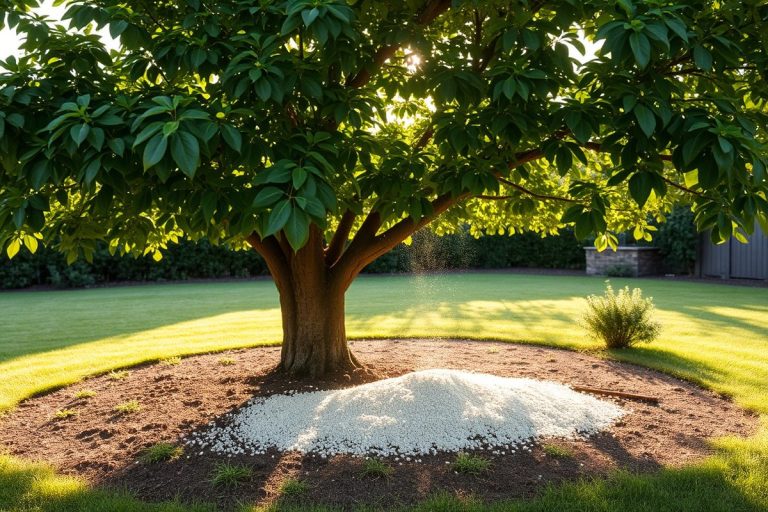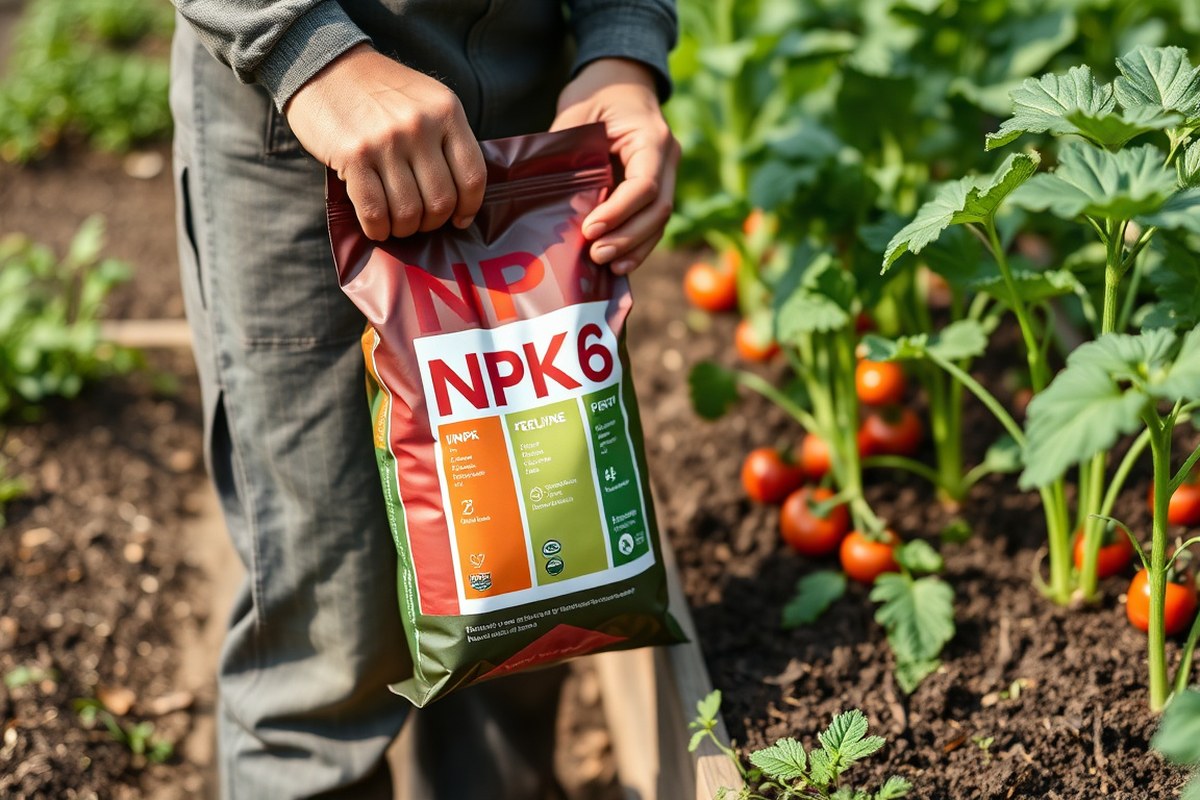
What Is NPK Fertilizer? A Complete Guide with Practical Tips
What is NPK fertilizer? It’s a mix of three main nutrients plants need.
N stands for nitrogen, P for phosphorus, and K for potassium. These nutrients support healthy leaves, strong roots, and good fruit or flower development.
The numbers on the fertilizer label show the percentage of each nutrient by weight. For example, a 10-5-5 fertilizer contains 10% nitrogen, 5% phosphorus, and 5% potassium. Choosing the right balance helps your plants grow well without wasting fertilizer or causing harm.
Your soil type and plant needs affect the ideal NPK ratio. Leafy vegetables usually need more nitrogen to grow lush leaves. Root crops often benefit from extra phosphorus to develop strong roots.
Applying NPK fertilizer properly improves plant health and yield. Overusing it can burn roots or leaves and harm soil life. Test your soil if possible to pick the best formula for your garden.
Key Takeaways
- NPK stands for nitrogen, phosphorus, and potassium in fertilizer.
- The numbers on fertilizer show the nutrient percentages by weight.
- A 10-5-5 fertilizer means 10% nitrogen, 5% phosphorus, and 5% potassium.
- Choose fertilizer based on your plants’ nutrient needs for best growth.
- Use the right amount to avoid fertilizer burn and nutrient waste.
- Work balanced fertilizer into soil 2, 3 weeks before planting.
What Is NPK Fertilizer and What Do the Numbers Mean?
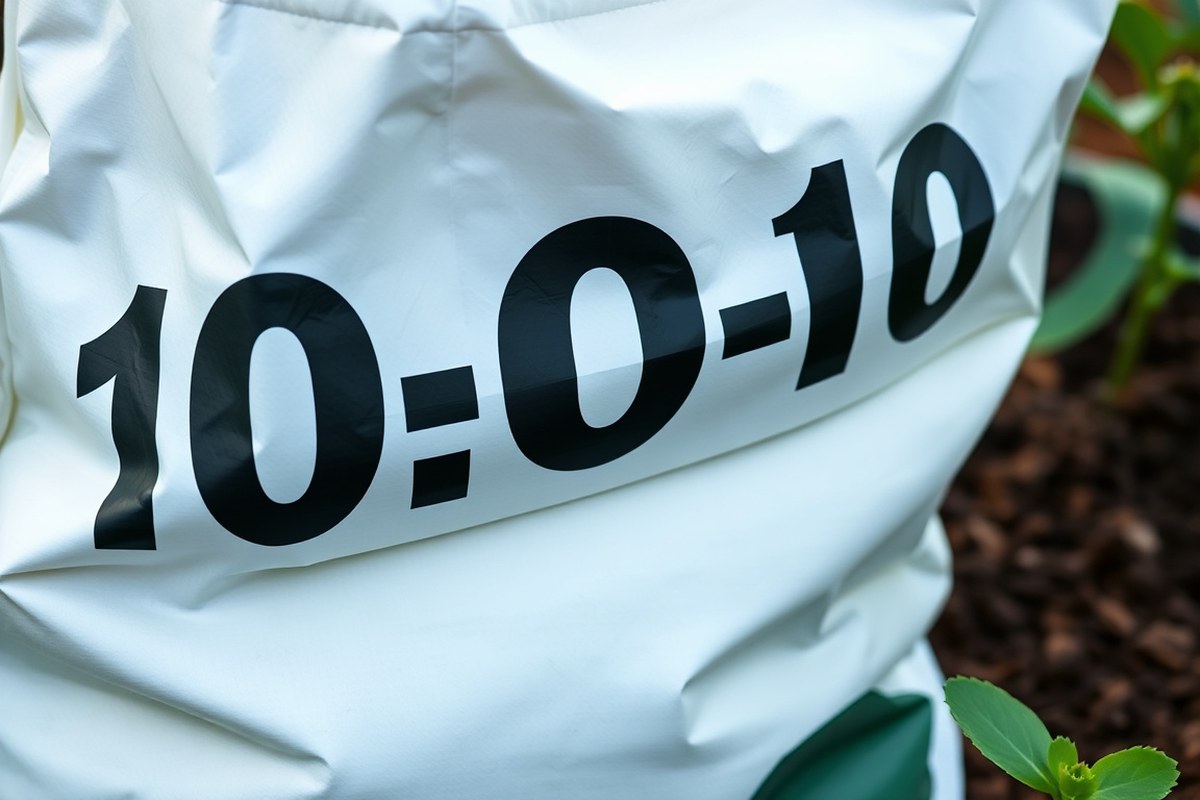
NPK fertilizer contains three key nutrients essential for plants: nitrogen, phosphorus, and potassium. N, P, and K stand for nitrogen, phosphorus, and potassium. These are their chemical symbols.
These three nutrients support different parts of plant growth. Fertilizer packages show three numbers in a row, like 10-5-5. These numbers tell the amounts of nutrients.
Each number on the label represents the nutrient’s percentage by weight in the fertilizer. For example, a 10-5-5 fertilizer means it contains 10% nitrogen, 5% phosphorus, and 5% potassium. The numbers show how much of each nutrient you add when using the fertilizer.
If you spread 10 pounds of 10-5-5 fertilizer, you add 1 pound nitrogen. You also add half a pound phosphorus and half a pound potassium.
These percentages matter because plants need different amounts of each nutrient. Nitrogen promotes green leaves and rapid growth. Phosphorus helps roots grow strong and supports young plants.
Potassium improves plants’ stress resistance to things like cold or disease. Look at the numbers on the fertilizer bag. This helps you choose the right mix for your plants.
How Each Nutrient in NPK Fertilizer Supports Plant Growth
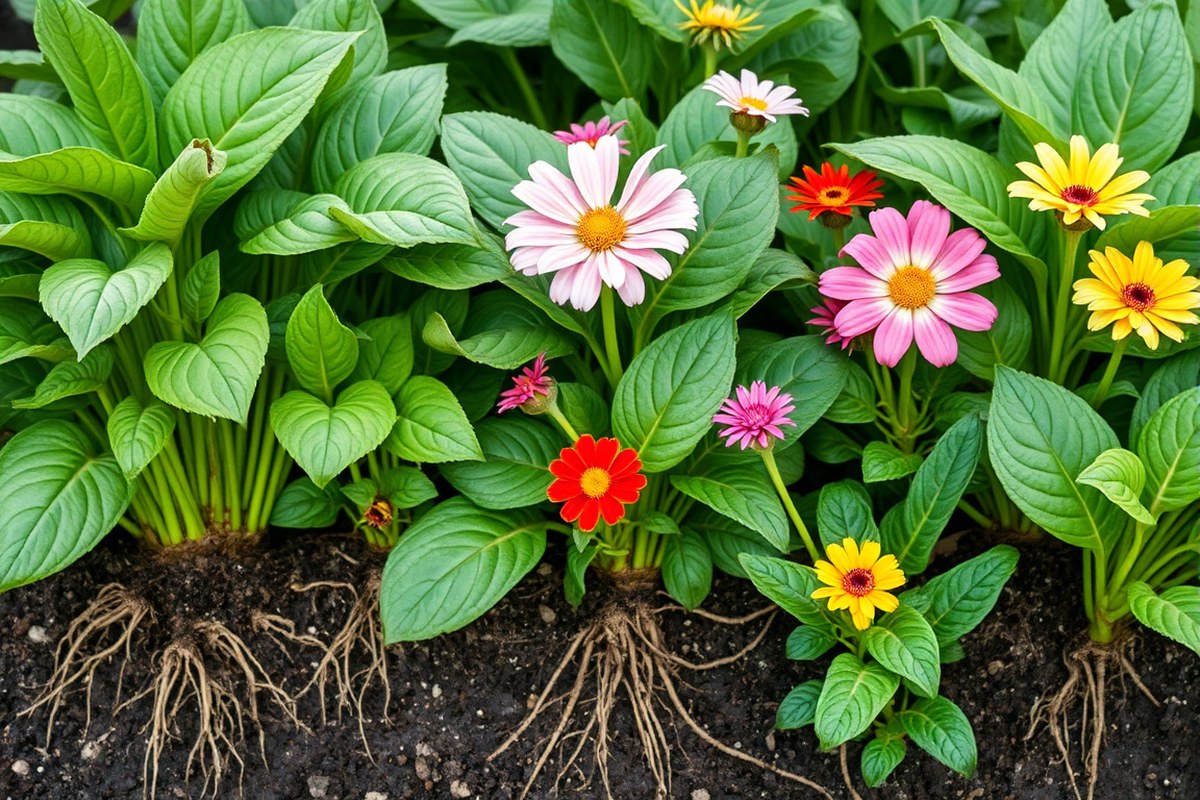
Nitrogen, phosphorus, and potassium each play a distinct role in plant growth. Nitrogen mainly promotes leafy and stem growth.
Phosphorus supports root growth and helps plants bloom and fruit. Potassium strengthens overall plant health and stress resistance.
How Nitrogen Drives Leaf and Stem Growth
Nitrogen makes plants grow green leaves and sturdy stems faster. It is a key part of chlorophyll, which plants use to make food. For leafy vegetables or houseplants, use fertilizers high in nitrogen.
A 20-10-10 mix works well for lush leaves. It stops extra flowers or fruit from growing.
Without enough nitrogen, leaves turn yellow and growth slows. Overdoing nitrogen leads to lots of leaves but weak flowers or fruits. That’s why flowering plants need a balanced nitrogen level that shifts lower as they bloom.
Phosphorus Builds Strong Roots and Supports Flowers
Phosphorus encourages plants to develop strong root systems. This nutrient helps roots absorb water and nutrients better. Phosphorus also triggers flowering, fruiting, and seed formation by directing plant energy toward reproduction.
Choose fertilizers with more phosphorus like 10-30-20 for bigger flowers or fruits. Root crops like carrots and beets need phosphorus to grow well. This helps build stronger roots.
Better phosphorus improves root growth and quality a lot. Plants with poor roots struggle and yield less.
Potassium Boosts Plant Health and Stress Resistance
Potassium improves a plant’s overall vigor and helps it survive stress. This includes drought, pests, and disease. Potassium regulates water use and nutrient movement within the plant.
Vegetables like tomatoes or peppers need potassium for better fruit quality and shelf life. Fertilizers higher in potassium, like a 5-10-10 mix, help flowers and fruit. They don’t cause too much leafy growth.
Adjusting Nutrient Ratios for Growth Stages
Plants need different nutrient blends depending on their life stage. During early growth, more nitrogen pushes leafy greens and stems. Later, phosphorus and potassium should increase to help roots, flowers, and fruits develop well.
For example, switch from a 24-8-16 fertilizer for seedlings to a 10-30-20 blend during blooming. Balancing these nutrients prevents too much soft leaf growth on plants. Soft leaves can make plants weak or more likely to get sick.
Use a fertilizer with balanced nutrients for all-purpose gardens. But tailor the mix when growing fruits or root crops.
Common NPK Ratios and How to Choose Them for Different Plants
NPK fertilizer ratios vary depending on plant type and growth stage. Balanced formulas suit general use.
Specific ratios target leafy growth or root and flower development. Choosing the right ratio helps plants grow stronger and healthier.
Balanced Fertilizers for General Use
Balanced NPK fertilizers have equal or close numbers for nitrogen, phosphorus, and potassium. A common ratio is 10-10-10 or 4-4-4. These work well for mixed gardens and houseplants.
They provide steady nutrients for overall growth without pushing one phase too hard. Use them when you want an all-around boost or don’t know your plants’ exact needs.
High Nitrogen Formulas for Leafy Growth
Nitrogen supports leaf and stem growth. High nitrogen ratios like 10-5-5 promote lush, green leaves. This suits lawns, spinach, cabbage, and other leafy vegetables.
Use nitrogen-heavy fertilizer early in the growing phase to encourage shoots. Avoid overusing it later to prevent poor flowering or fruiting.
High Phosphorus Fertilizers for Root and Flower Development
Phosphorus encourages strong roots, flowers, and fruits. Ratios like 5-15-10 are great for root crops, flowering plants, and fruiting vegetables. They help plants develop deeper roots and better blooms.
Switch to higher phosphorus and potassium once plants establish, especially during blooming or fruiting stages. This shift supports energy for fruit and flower production.
Ratios Tailored for Lawns and Houseplants
Lawns benefit from high nitrogen for quick green growth. Fertilizers like 20-5-5 work well to keep grass dense and healthy. Houseplants often prefer balanced or slightly lower nitrogen formulas to avoid excess leafy growth.
A fertilizer with equal parts fits many indoor plants well. Options like 10-10-10 or 4-4-4 work fine.
Mild nitrogen boosts can also help some plants grow. Adjust based on plant type and growth phase.
Here’s a table of typical NPK ratios and their recommended uses:
| NPK Ratio | Primary Use | Plant Type or Stage |
|---|---|---|
| 10-10-10 / 4-4-4 | Balanced feeding | General vegetables, houseplants, mixed gardens |
| 20-5-5 | High nitrogen for green growth | Lawns, leafy greens like spinach and cabbage |
| 5-15-10 | High phosphorus for roots and flowers | Root crops, flowering and fruiting plants |
| 10-0-0 | Nitrogen only | Quick green growth, lawn top dressing |
Choose your fertilizer ratio by thinking about what the plant needs most. Use nitrogen-heavy mixes for leafy growth and high phosphorus for roots and flowers.
Change fertilizer ratios during different growth phases. Vegetables first need food for leaves.
Later, give more for fruit development. Houseplants tend to do well with balanced or slightly lower nitrogen formulas.
Differences Between Organic and Synthetic NPK Fertilizers
Organic NPK fertilizers come from natural sources like compost, bone meal, and kelp meal. Synthetic fertilizers get nutrients from industrial methods using natural gas. They also use mining to get phosphorus and potassium.
This process feeds the plants quickly. Organic options typically have lower N-P-K ratios, such as 3-2-2. Synthetic fertilizers offer precise ratios like 10-10-10 or 32-0-5.
The nutrient release rate differs a lot between the two. Organic fertilizers release nutrients slowly as microbes break them down over weeks or months. This slow release helps build soil life but means plants get nutrients gradually.
Synthetic fertilizers provide nutrients quickly as they dissolve readily in soil water. This fast availability supports rapid plant growth but can risk burning if over-applied.
Organic fertilizers improve soil health by feeding soil microbes and boosting organic matter. This helps soil hold nutrients and moisture better over time.
Synthetic fertilizers do not improve soil structure or microbial life. They can leach quickly, especially nitrogen, causing environmental issues like water pollution.
Using synthetic NPK fertilizers saves time because nutrients become available almost immediately. For gardeners needing fast results, like during active growth phases, synthetic options work well. However, they require careful application to avoid burning plants and nutrient runoff.
Organic fertilizers suit long-term soil health and steady growth. But they need patience and regular applications.
Choosing between organic and synthetic depends on your garden goals. Choose organic fertilizer to build your soil for future seasons. It works slowly but improves soil over time.
Apply fertilizer about 2 to 3 weeks before planting. Mix it into the top 6 to 8 inches of soil. This helps nutrients reach roots better.
Use synthetic fertilizer to speed up growth or fix nutrient problems fast. It works quicker during the growing season.
Mixing approaches also works well. Begin with organic fertilizer to boost soil health. Add small amounts of synthetic fertilizer later if plants need it.
Always follow soil test recommendations to avoid over- or under-fertilizing. Remember, organic fertilizers cost more per pound of nutrients, but they feed your soil.
Synthetic fertilizers usually cost less but need careful use. Misuse can waste nutrients and harm the environment.
How to Calculate and Apply NPK Fertilizer Correctly
The three numbers on an NPK bag show nutrient percentages. They tell you how much nitrogen, phosphorus, and potassium the fertilizer has by weight. To get pounds of each nutrient, multiply the bag’s weight by each percent and divide by 100.
A 50-pound bag labeled 20-10-5 has 10 pounds of nitrogen. It also contains 5 pounds of phosphorus and 2.5 pounds of potassium.5 pounds of potassium. Knowing this helps you match the nutrient amount to your soil test or plant needs.
Applying fertilizer with care avoids waste and protects plants and soil. The timing and amount vary by plant type, growth stage, and fertilizer form.
Usually, a single pound of nitrogen per 1,000 square feet is enough for lawns. But vegetables and flowers might require less or more.
Sprinkle granular fertilizer evenly and rake it into the top 1 to 2 inches of soil. For liquid fertilizer, mix according to package directions and water it in around the roots. Keep fertilizer a few inches away from plant stems or crowns to avoid burn.
Below is a step-by-step way to calculate and apply NPK fertilizer safely and effectively:
- Measure your area or count plants to know how much ground you cover.
- Check the fertilizer bag’s NPK ratio, noting the percentages.
- Multiply the fertilizer weight by each nutrient percent. Then divide by 100 to find pounds of each nutrient per bag.
- Use soil test results or your plants’ nutrient needs. This helps decide how many pounds of nutrients to add.
- Take the nutrient pounds you need and divide by pounds per bag. This gives the pounds of fertilizer to apply.
- Apply fertilizer evenly across soil, keeping it at least 3 inches from plant bases.
- Put granular fertilizer 1 to 2 inches into the soil. For liquid fertilizer, water it in thoroughly for good absorption.
- Repeat applications every 4 to 6 weeks if plants show need and package instructions recommend it.
Always apply fertilizer slowly and watch plants for stress; too much causes leaf burn.
Choosing the Right NPK Fertilizer Form for Your Garden Needs
Choosing the right NPK fertilizer depends on the form you prefer and your garden’s needs. Granular, liquid, and slow-release fertilizers each have unique traits. They differ in how often you apply them, their cost, and how fast plants absorb nutrients.
Granular Fertilizers: Uses and Application Frequency
Granular fertilizers are dry, solid particles you spread on soil. Water helps break them down so plants can absorb the nutrients. They usually need to be applied 2 to 3 times per growing season.
This type suits large garden beds and lawns well. You should work it lightly into the soil and water it in. Careful application is key since too much can burn your plants.
Liquid Fertilizers: Fast Acting Benefits and Limits
Liquid fertilizers dissolve in water and feed plants quickly. You can apply them by watering or spraying on leaves. Foliar feeding shows results within 24 to 48 hours by spraying diluted fertilizer on leaves.
These need to be applied weekly or every two weeks during active growth. They work well for potted plants or to quickly address nutrient deficiencies. However, they may not improve soil health long-term.
Slow-Release Fertilizers: Long-Term Nutrient Supply
Slow-release fertilizers release nutrients gradually over 6 to 12 weeks. This steady supply supports consistent growth without frequent reapplication. They are less likely to burn plants and reduce nutrient loss from rain or watering.
You only need to apply slow-release fertilizer 2 to 3 times per growing season. It often costs more upfront but saves time and reduces risk. This type works great for busy gardeners and large landscapes.
Matching Fertilizer Types to Garden Settings
Granular fertilizers are best for big lawns or garden beds where you want long-term feeding. Liquid fertilizers suit potted plants or quick nutrient boosts. Slow-release varieties fit both and reduce work in large or mixed-size gardens.
Cost-wise, granular options are usually cheaper but require handling and tools. Liquid fertilizers might cost more but are easy to measure and apply. Slow-release fertilizers come with higher prices but fewer applications and good results.
Choose the form that fits your gardening style and plant needs. Some gardeners use a mix depending on the season or plant type. For example, applying slow-release in spring and liquid for mid-season quick fixes.
Here’s a simple comparison table to help you choose:
| Fertilizer Type | Application Frequency | Speed of Nutrient Uptake | Best For | Cost Consideration |
|---|---|---|---|---|
| Granular | 2-3 times per season | Slow to Moderate (needs water and time) | Large gardens, lawns | Lowest upfront cost |
| Liquid | Weekly to bi-weekly | Fast (within 24-48 hours for foliar) | Potted plants, quick fixes | Moderate cost, easy application |
| Slow-Release | 2-3 times per season | Slow, steady over 6-12 weeks | Busy gardeners, long-term feeding | Higher upfront cost, fewer applications |
Granular fertilizer needs watering in to activate, while liquid gives almost instant feeding. Slow-release feeds consistently, trimming down your labor. Knowing how and when to apply keeps your plants thriving without waste.
Why Soil Testing Matters Before Using NPK Fertilizer
Testing your soil every 2 to 3 years helps track nutrient levels. It shows you exactly how much nitrogen, phosphorus, and potassium your soil has.
That helps you avoid adding too much of one nutrient. Too much nutrient can harm your plants and waste money.
Collect soil samples from different spots in your garden. Use a clean trowel to dig 6 to 8 inches deep for vegetable beds. Mix the samples in a clean bucket.
Then dry the mix before you send it to a lab or extension service. This gives you a more accurate reading.
The test report says if your soil lacks any nutrients or has too many. Choose a fertilizer with zero in the middle number if phosphorus is high.
For nitrogen, choose an NPK ratio with more nitrogen if your plants need lush leaves. These results guide how much and what type of fertilizer to apply.
Adjust fertilizer rates based on test results to prevent over-fertilizing. Excess nutrients can run off your garden and pollute nearby water.
Using the right NPK ratio helps plants grow healthy. It also stops pollution or nutrient buildup in soil.
Keep a notebook of your soil test data and fertilizer applied each season. This helps you see how your garden responds and lets you tweak fertilizer choices next time. Following this practice keeps soil healthy and plants thriving long term.
Common NPK Fertilizer Mistakes and How to Avoid Them
Overusing nitrogen can cause serious problems like quick, weak growth and shallow roots. It also raises the risk of disease. It can burn plants too.
This happens especially if plants aren’t firmly rooted. A single heavy dose of nitrogen may leave your plants damaged for weeks.
Plants that still look unhealthy after fertilizer use might have other issues. Look for yellowing leaves, stunted growth, or spots, which could signal nutrient shortages or poor soil. Ignoring the specific nutrient needs of your plants can waste fertilizer and cause unbalanced growth.
Timing your NPK fertilizer applications is key. Apply it just before or during the plant’s active growth phase to get the most benefit. Avoid fertilizing during drought or extreme heat because plants struggle to absorb nutrients then.
- Use a soil test to match fertilizer to plant needs
- Follow label instructions for amounts and timing
- Apply fertilizer evenly to avoid hot spots
- Water plants well after fertilizing to prevent burns
- Split fertilizer doses to reduce overfeeding risks
- Watch plants closely for signs of nutrient problems
- Avoid fertilizing late in the growing season
Never guess nutrient needs. A soil test saves time and money in the long run.
Fertilizer burn happens when salt levels build up in soil, harming roots. Staying within recommended rates and watering after feeding helps prevent this. Overuse can also wash away nutrients, polluting waterways and wasting your fertilizer investment.
Recognize misuse by spotting burnt leaf edges, patchy brown spots, or weak growth. Adjust how often and how much you feed to keep plants healthy and soil balanced. Trust your plants’ appearance as a guide, not just the fertilizer bag instructions.
Step-by-Step Action Plan for Using NPK Fertilizer
Follow these steps to pick and use NPK fertilizer the right way. Check results along the way to avoid wasting time and money.
- Before planting: Get a soil test kit to check nutrient levels. Use results to pick the right NPK ratio.
- Day 1: Choose the correct fertilizer form, granular for slow feeding, liquid for fast response. See quick plant changes after using liquid.
- Week 1: Apply the fertilizer at the recommended rate from the package. Watch for steady plant growth and deeper green leaves.
- Week 3: Check soil moisture and signs of overfeeding like yellow leaves or burnt tips. Adjust watering or reduce fertilizer if needed.
- Month 2: Check your plants for signs of nutrient shortage. Look for slow growth or pale leaves. Reapply fertilizer if you spot these signs.
- Ongoing: Keep monitoring plants and soil. Avoid adding fertilizer when plants don’t need it to prevent damage.
Frequently Asked Questions
What Does Each Number in an NPK Fertilizer Label Stand For?
Each number shows the percentage of nitrogen, phosphorus, and potassium. They tell you how much of each nutrient the fertilizer contains.
Can NPK Fertilizers Be Used for All Types of Plants?
Most plants benefit from NPK fertilizer, but ratios vary by plant type. Using the right ratio helps plants grow better.
Is It Necessary to Apply NPK Fertilizers Multiple Times in a Season?
Some plants may need several applications, while others require just one. Follow specific plant care guidelines to avoid over-fertilizing.
How Quickly Do Plants Respond to NPK Fertilizer Application?
Plants usually show growth improvement within a few weeks after fertilizing. This depends on the type of fertilizer and plant species.
Can NPK Fertilizers Harm the Environment?
Overusing NPK fertilizer can cause runoff, polluting water nearby. Always follow recommended amounts and local guidelines to protect the environment.
Do Homemade Composts Replace the Need for NPK Fertilizer?
Compost adds nutrients but often lacks balanced NPK ratios. You might still need NPK fertilizer for optimum plant growth.
Key Points to Remember
NPK fertilizer nutrients support your plants with what they need most. Using it wisely means healthier plants and better yields. Start with a soil test today to find the best fertilizer for your garden.