Is Lavender Evergreen? Complete Guide to Varieties, Climate & Care
Is lavender evergreen? It depends on the type and your climate. Most lavender plants hold their leaves through mild winters, giving a semi-evergreen look.
English lavender is the best bet for keeping green, even in colder zones. It usually keeps its foliage except in the coldest conditions.
French and Spanish lavenders lose more leaves in winter or die back almost fully. Cold, wet soil and freezing temperatures cause leaf drop and damage.
To keep lavender green, plant in well-drained soil and spot it in a sunny, protected location. Avoid low spots where water collects and freezes.
Pruning helps lavender stay compact and healthy, which supports its evergreen nature. Light trimming after flowering encourages new growth and leaf retention. That prevents the woody bases from getting too bare and losing their leaves, especially during winter.
Key Takeaways
- English lavender stays mostly evergreen down to -10°F (-12°C).
- French lavender is semi-evergreen and less cold-hardy, hardy around 28°F (-2°C).
- Lavender needs full sun and well-draining soil to keep its foliage.
- Space plants 18, 24 inches apart for good air circulation and health.
- Prune lightly after bloom to maintain leaf growth and shape.
- In very cold areas, grow lavender as an annual or indoors.
Is Lavender Evergreen or Semi-Evergreen?
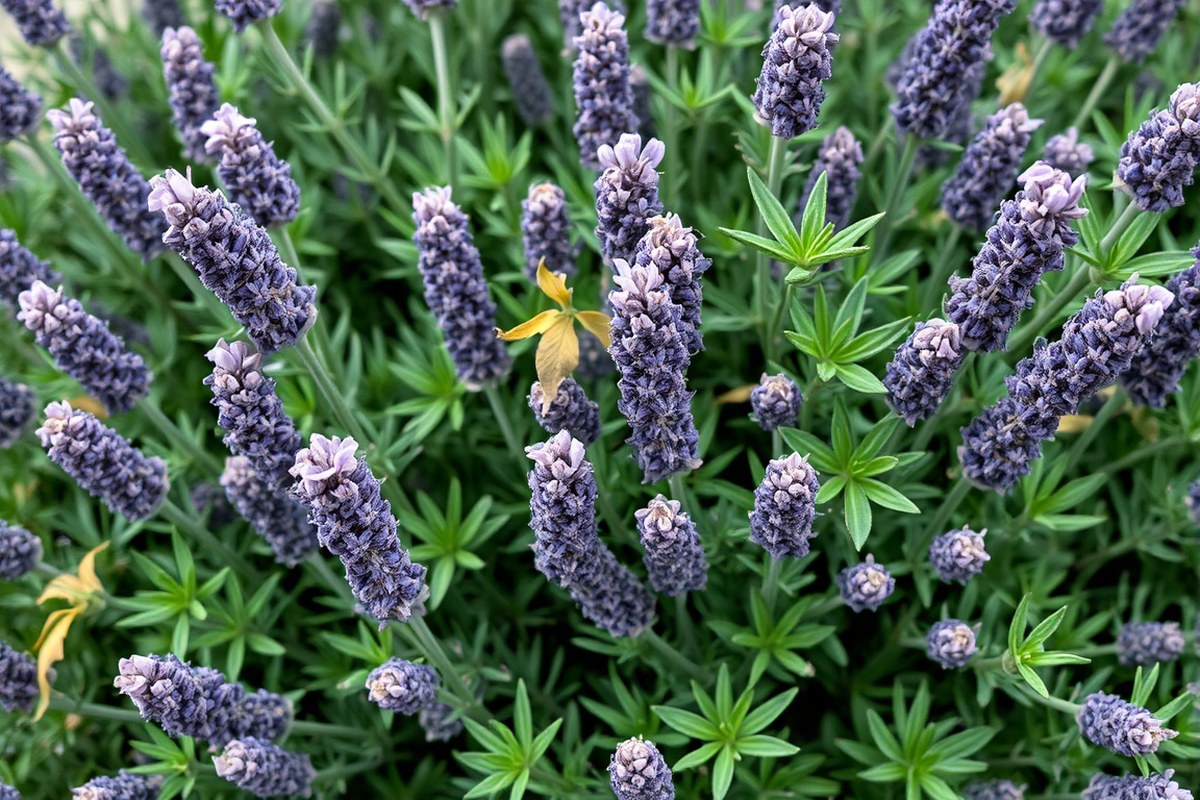
Lavender is generally considered semi-evergreen rather than fully evergreen. Lavender keeps most of its narrow leaves in winter. Some leaves may fall if the conditions are cold or harsh.
This gives the plant a mostly green look during winter. You can expect green foliage for most of the year.
The cover will not always be thick or full. Some parts may thin out depending on conditions.
Semi-evergreen means the plant drops some leaves during cold seasons. It never loses all its leaves completely. You will see partial leaf loss but not total bare branches.
For lavender, leaf retention depends heavily on the climate. In mild winters above 40°F (5°C), lavender stays mostly green. Below freezing or in harsh conditions, expect partial leaf drop or browning.
Lavender holds onto its leaves year-round in USDA zones 7 to 10. These zones have mild winters. This allows the plant to stay leafy all year long.
Cooler zones cause it to act more semi-evergreen, with some leaves falling off. This way, the plant conserves energy while still providing some green growth during colder months.
How Climate and USDA Zones Affect Lavender’s Leaf Retention
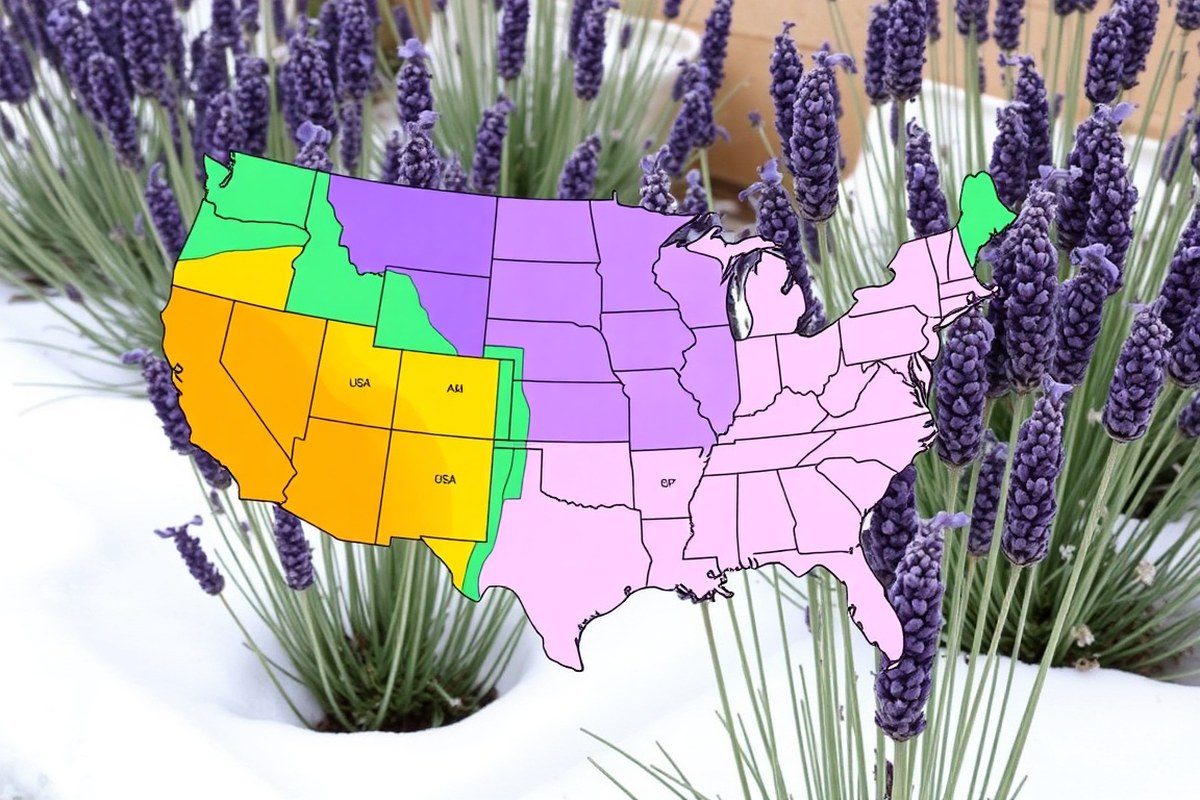
Lavender keeps its leaves all year in mild climates. These include USDA zones 7 through 10. These areas typically have winters that rarely dip below 20°F (-6°C), which helps lavender stay evergreen.
In moderate winter zones, lavender holds its leaves well. This includes many Mediterranean-like climates.
Lavender loses some leaves or goes dormant below freezing often. That means temperatures under 0°F (-18°C). Zones 5 and 6 have cold winters that hurt lavender.
They usually lose leaves or have dieback. English lavender is more cold-hardy here; it can survive down to roughly -20°F (-29°C). But you might still see leaf loss during long cold stretches.
French and Spanish lavenders like warmer zones 7 to 10. They lose leaves or die in colder spots.
Their delicate foliage and softer structure make them vulnerable to frost and freezing temperatures. In zone 6 or lower, these types might not survive winter outdoors without protection like mulching.
In cold zones, mulch protects lavender roots and leaves. Use straw or evergreen branches to shield from freeze. This cover keeps the soil temperature more stable and reduces frost stress, improving leaf survival.
Apply mulch when temperatures drop below 20°F (-6°C). Take it off in early spring when it warms up.
Thin winter mulching is key below zone 7. Too much can trap moisture and cause rot. Use dry materials and air circulation.
Knowing your USDA zone helps you pick good lavender. It also guides how to handle winter care. Zones 7 to 10 offer the best chance for lavender to remain evergreen without extra help.
In zones 5 and 6, expect partial leaf loss, especially with tender varieties. Hardy lavenders like English types stay green with some winter help. They need protection to survive the cold.
Comparing Lavender Species and Their Evergreen Characteristics
Popular lavender species vary in their evergreen nature and cold hardiness. English lavender (Lavandula angustifolia) is the hardiest type of lavender. It can survive winter temperatures as low as -10°F (-23°C).
Mulching properly helps it survive cold winters. It keeps green leaves all year in zones 5 through 8.
This makes it mostly evergreen in those climates. You can expect year-round foliage in suitable spots.
French lavender (Lavandula dentata) stays evergreen in warmer zones 7 to 10. Spanish lavender (Lavandula stoechas) stays evergreen in zones 8 to 10. Both types need warm zones to thrive.
These lavenders grow well in hot, humid places. They may lose leaves or die back in colder winters. This happens below their ideal zone range.
| Type of Lavender | Perennial in Zones | Evergreen Traits | Cold Hardiness |
|---|---|---|---|
| English Lavender (Lavandula angustifolia) | 5-8 | Mostly evergreen with semi-evergreen tendencies in colder parts | Down to -10°F (-23°C) with mulch and good drainage |
| Lavandin Hybrids (Lavandula x intermedia) | 5-10 | Semi-evergreen to evergreen, combining traits of parents | Moderately hardy, tolerates a broader range including warmer zones |
| Spanish Lavender (Lavandula stoechas) | 8-10 | Fully evergreen, prefers mild winters | Less tolerant of freezing temperatures |
| Portuguese Lavender (Lavandula latifolia) | 6-8 | Evergreen in mild climates | Moderate hardiness, less cold tolerant than English lavender |
| French Lavender (Lavandula dentata) | 7-10 | Fully evergreen under warm conditions | Not frost hardy, vulnerable below freezing |
English lavender grows with a compact, shrubby habit and usually keeps leaves through most winters. Choose cultivars like ‘Munstead’ or ‘Hidcote’ for colder areas. Lavandin hybrids bloom later and have more essential oil but share moderate evergreen habits.
Spanish and French lavenders offer lush, butterfly-like flower heads and evergreen leaves in warmer climates. Use them in southern gardens where winters remain above freezing. These species may lose leaves or die back in cool or wet winters.
How Pruning Supports Lavender’s Evergreen Appearance
Pruning lavender right and on time keeps its leaves green and healthy. You should prune after flowering to avoid leaf drop and help winter growth. Proper pruning shapes the plant and stops it from becoming woody and leggy.
Best Time to Prune Lavender
Late summer, right after lavender blooms, is the best time to prune. This varies a bit by type.
Mediterranean lavender gets the best cut back before fall rain. Temperate types need pruning late summer to harden new growth before frost.
Pruning too early can shock your lavender plant badly. Pruning too late leaves stems too soft for winter cold. Both can harm your plant’s health during winter months.
Good timing helps lavender store energy in roots and wood. This energy storage helps the plant stay green in cold weather. Pruning at the right time makes a big difference.
Proper Pruning Techniques
Use sharp, clean shears to avoid crushing stems. Cut stems down to about one-third of total length to keep shape and encourage new growth.
Avoid cutting into old wood that looks dry and brown. Focus on green, flexible stems.
Keeping a rounded shape lets air flow through and stops disease. After trimming, remove cuttings from the area to prevent pests and mildew. This simple routine supports your lavender’s evergreen look and strong growth year after year.
Avoiding Over-Pruning
Pruning too deep into old wood can kill parts of your lavender. This damage causes bare spots in your plant. Avoid cutting into old stems to keep your lavender full.
This is why you should never cut into hard, woody stems. Also, don’t cut too late in fall, or new shoots won’t toughen for winter.
Over-pruning weakens the plant and causes leaf drop, especially before winter. It’s better to prune less than too much. So your lavender stays full and green through frost and snow.
Pruning After Flowering
Trim lavender as soon as flowers fade, usually by late July or August. Cut back about one-third of the plant’s height. This keeps it compact and stops flopping branches.
Regular yearly pruning keeps your lavender healthy for 10 years or more. It also stops leggy branches and boosts fresh, green foliage. Late summer cuts help your plant get ready for winter without losing leaves or strength.
Here’s a quick step-by-step guide to pruning lavender after flowering:
- Wait until flowers have fully faded, usually late July to August.
- Use sharp, clean garden shears to avoid damaging stems.
- Cut back stems to remove about one-third of their length.
- Focus cuts just above the green, leafy growth, not woody base.
- Shape the plant evenly into a rounded form for good airflow.
- Clear away cut branches and leaves from around the base.
- Check for any damaged or dead parts and remove them carefully.
- Apply mulch to roots if winters are cold but avoid wet soil.
Soil, Drainage, and Location Factors Influencing Lavender’s Winter Hardiness
Lavender thrives in well-draining soil because wet roots can cause root rot. Before planting, mix sand, gravel, peat moss, or vermiculite in soil. Work this mix into the top 6 to 12 inches of soil.
This blend helps water drain fast. It cuts chances of soggy soil. Especially important during winter rains.
Planting lavender in full sun and on a slope or raised bed improves drainage naturally. Choose a spot where the soil dries out between rains or watering sessions. Grow lavender in pots with drainage holes.
This stops water from pooling by roots. It keeps roots healthy.
Sandy or gravelly soils are best for lavender because they mimic its native environment. Add coarse organic matter or horticultural sand if soil is heavy clay. These materials help loosen the soil.
They improve drainage. This loosens soil and lets water flow well.
Good drainage helps roots stay healthy through damp winters. Roots breathe better in lighter soil.
Many gardeners avoid rich compost or fertilizers since lavender prefers “lean” soil with low fertility. Enriching soil with organic matter can hold moisture and promote fungal infections. Instead, focus on improving texture and drainage without adding too much nutrition.
Lavender’s winter survival depends a lot on soil and location. Soil that drains well keeps roots from getting soggy. Wet roots can injure or kill your plants.
Lean soil avoids these problems. Plant lavender where water won’t collect.
Pick sunny spots so soil dries quickly. This helps prevent root issues.
Check soil drainage by digging a hole and filling it with water. It should drain within 30 minutes to be suitable for lavender.
English lavender is among the hardiest types. It does better in cold zones with careful planting. Proper siting improves winter survival.
Still, even tough varieties fail if their roots sit in water over winter. Taking time to amend your soil with sand or gravel pays off with strong, evergreen foliage.
Adjust soil amendments based on your garden’s existing conditions. Sandy soils may just need a little peat moss for moisture balance. Clay soils need extra sand or gravel to lighten them.
This helps water drain fast during freeze and thaw. It stops soil from staying heavy.
Choosing Lavender Varieties Based on Growing Zone and Evergreen Needs
Choose lavender varieties that fit your USDA zone to keep leaves longer and healthier. In colder zones, expect less evergreen growth.
But proper variety choice helps maximize leaf retention. Match your garden’s climate and goals to lavender types that thrive there.
Best Lavenders for Zone 5-7
Zones 5 to 7 often bring cold winters that cause leaf loss in many lavenders. English lavender (Lavandula angustifolia) grows well here. It often has some winter dieback.
Woody stems usually stay alive. Choose hardy cultivars like ‘Munstead’ or ‘Hidcote’ for better survival and semi-evergreen foliage.
Plant lavender in well-drained soil to prevent root rot during freeze-thaw cycles. Mulching helps protect roots. But expect some leaf drop when temperatures fall below 20°F. These lavenders usually survive 8 to 15 years with care.
Varieties Ideal for Zones 8-10
Mild winters in zones 8 to 10 allow lavender to stay evergreen year-round. English lavender and Lavandula x intermedia types like ‘Grosso’ are good choices here. They tolerate occasional heat and will keep green, fragrant leaves most of the time.
Lavender enjoys full sun and dry soil in these zones. It rarely loses leaves unless winter rains cause root issues.
You can plant directly in the ground or grow lavender in containers with fast-draining soil. Evergreen growth supports garden design that needs steady green color.
Recommendations for Hot Humid Climates
Hot, humid conditions make it tough for most traditional lavender types to stay evergreen. Lavandula dentata, known as French lavender, tolerates humidity better.
But it may not keep leaves perfectly green all winter. It also requires excellent airflow to prevent fungal problems.
For gardens in humid zones, avoid ground planting if drainage is poor. Containers with fast-draining soil and full sun spots reduce humidity issues. Regular pruning helps maintain air circulation and promotes healthy leaf growth in these tougher environments.
Winter Care Tips to Maintain Lavender’s Green Foliage
Use dry mulch like straw to protect lavender roots in cold zones. This helps keep roots warm without trapping moisture, which can cause rot. Put 2 to 3 inches of mulch around the base of lavender.
Do this in late fall before the first frost arrives. Mulching helps protect the roots from cold weather.
Watering depends on soil moisture and weather. Established lavender usually stays fine with natural rainfall. Skip watering if soil feels moist.
But add water during dry spells lasting over two weeks. Avoid wet soil to prevent root problems.
Watch for winter stress signs on leaves. Brown or black spots, drooping, or excessive leaf drop show the plant struggles. Early action, such as adding mulch or moving potted lavender to sheltered spots, helps stop damage.
- Spread 2-3 inches of dry straw mulch around the plant base.
- Keep watering minimal; only water if no rain for 14+ days.
- Move potted lavender indoors or to a protected porch during frost.
- Check leaves weekly for droopiness, discolored spots, or drop.
- Remove wet mulch or debris to avoid trapped moisture.
- Cut back dead stems in early spring after threat of frost passes.
- Ensure good air flow to reduce fungal risks under mulch.
Lavender may lose leaves or partly go dormant in harsh winters. This happens often in zone 5 or colder areas. Cold can stress the plant but it can recover.
Mulch and light covers reduce stress and help preserve green foliage. After the cold, prune carefully to encourage healthy new growth.
Identifying Dormancy Versus Damage: Is My Lavender Dead or Just Dormant?
Lavender often looks sad in winter but can still be alive beneath the surface. Dormancy can make leaves drop and stems look dry.
But the plant may bounce back in spring. Damage or death shows different signs like blackened stems or no growth by spring’s end.
Signs of Dormancy in Lavender
Dormant lavender loses some leaves, especially after frost or cold snaps. You might see pale or yellow leaves at the base.
But stems stay firm and green inside. This dormancy helps lavender survive freezing temperatures by resting until warmer weather returns.
In milder climates like Oregon or Texas, leaf drop might be less obvious. Leaves can stay green, though growth pauses during winter months. Shrubs often look scruffy but have healthy buds under bark ready to sprout when spring arrives.
Leaf and Stem Damage Indicators
Dark brown or black stems that snap easily usually mean damage or death. Leaves that stay dry and crispy or turn fully brown show cold damage. These plants do not grow new shoots.
This suggests severe harm from the cold. Temperatures below 20°F (−7°C) put tender types like Spanish lavender at risk. Spanish lavender is especially vulnerable to killing cold.
Some damage appears as leaf scorch or sudden browning when winter thaws quickly. These spots might not kill the plant but warn to protect lavender better next year.
Check stem bases by gently scraping bark. Green tissue beneath signals life, while brown means dead tissue.
When to Prune Back Dead Material
Only cut back lavender after you see fresh green shoots in late winter or early spring. Pruning too soon leaves stems exposed to cold and delays recovery. Remove dry, brittle branches that don’t have any buds at the base when new growth starts.
You can prune lightly to remove damaged parts in early spring. But wait for most spring growth before heavy shaping.
This approach saves energy for the plant to leaf out and flower fully. Avoid harsh trimming right before winter, which can weaken lavender’s chances to bounce back.
Steps to Help Recovery in Spring
Lightly fertilize lavender after new shoots emerge to support fresh growth. Use a balanced, slow-release fertilizer or organic compost. Resume normal watering, keeping soil moist but not soggy, to avoid root rot.
Mulch with 2, 3 inches of organic material after pruning for extra warmth and moisture retention. Remove burlap or covers when days are mild and above 50°F (10°C).
Leaving them on longer can harm the plants. Good air circulation helps prevent fungal problems as the plant wakes up.
Check stems by bending them gently. Flexible and green underneath means your lavender is still alive.
Step-by-Step Action Plan for Keeping Lavender Evergreen
Follow these steps to help your lavender keep its leaves year-round and stay healthy through winter.
- Before planting: Choose a lavender variety suited to your USDA zone and climate. Check the plant label or nursery tags to confirm.
- Planting time: Plant lavender in well-drained soil with full sun exposure. Healthy roots mean better leaf retention.
- Growing season: Prune lavender lightly after blooms fade to encourage bushy, evergreen growth. Look for new green shoots as a sign it’s working.
- Late summer: Avoid heavy pruning this late. Instead, prepare plants for winter by watering well and adding mulch. Mulch should dry out before winter sets in.
- Early fall: Stop fertilizing to prevent tender growth that cold will damage. Healthy, hardened foliage resists leaf drop better.
- Winter months: Monitor for lost leaves but don’t panic. Check for firm stems and green buds to spot dormancy, not damage.
- Early spring: Prune dead wood away to revive growth and keep plants full. New leaves usually follow pruning within a couple of weeks.
Frequently Asked Questions
Is Lavender Evergreen in Zone 6?
Lavender usually remains evergreen in zone 6. But leaf loss can happen in harsh winter. The right care keeps it greener longer.
Does Lavender Lose Leaves in Winter?
Lavender may lose some leaves in cold winters, especially below zone 7. Partial leaf drop is normal, not always damage.
Can Pruning Make Lavender More Evergreen?
Pruning helps maintain a bushy, evergreen shape by removing old wood. Prune after flowering to encourage new growth.
Do Soil and Drainage Affect Lavender’s Evergreen Nature?
Good drainage prevents root rot, helping lavender stay evergreen. Poor soil can stress plants and cause leaf drop.
Which Lavender Species Stays Evergreen Longest?
French and Spanish lavenders tend to stay evergreen longer, especially in warmer zones. English lavender is semi-evergreen in colder areas.
How Can I Protect Lavender to Keep It Evergreen?
Mulching and planting in a sunny spot with good drainage help lavender keep leaves through winter. Avoid wet soil.
Before You Go
Lavender’s evergreen nature depends mostly on variety and your local climate. Proper planting and pruning will help keep its leaves green longer. Start by picking the right variety for your zone today.