How Much Dirt for Raised Bed: Accurate Soil Calculations & Mix Guide
How much dirt you need for a raised bed depends on its size and depth. Calculate cubic feet by multiplying length, width, and depth. Then convert this to bags or bulk volume for buying soil.
A 4×8-foot bed filled 1 foot deep holds 32 cubic feet of soil. This equals about 18 to 32 bags, depending on bag size. Always measure your raised bed before purchasing soil.
Soil depth is important. Poor native soil needs 18 inches or more for healthy roots. Healthy native soil requires only 10 to 12 inches of extra soil, enough for most beds.
Leave a couple of inches free at the top. This space stops soil from spilling and keeps the bed neat.
Key Takeaways
- Measure your raised bed length, width, and depth in feet first.
- Calculate soil volume by multiplying length × width × depth in feet.
- Convert soil volume cubic feet to bags by dividing by bag size cubic feet.
- Use 10-12 inches soil depth on good native soil for most vegetables.
- Go for 18 inches or deeper soil if native soil is poor or unusable.
- Leave 1-2 inches of space below the bed rim to avoid soil overfill.
How to Calculate Dirt Volume for Your Raised Bed
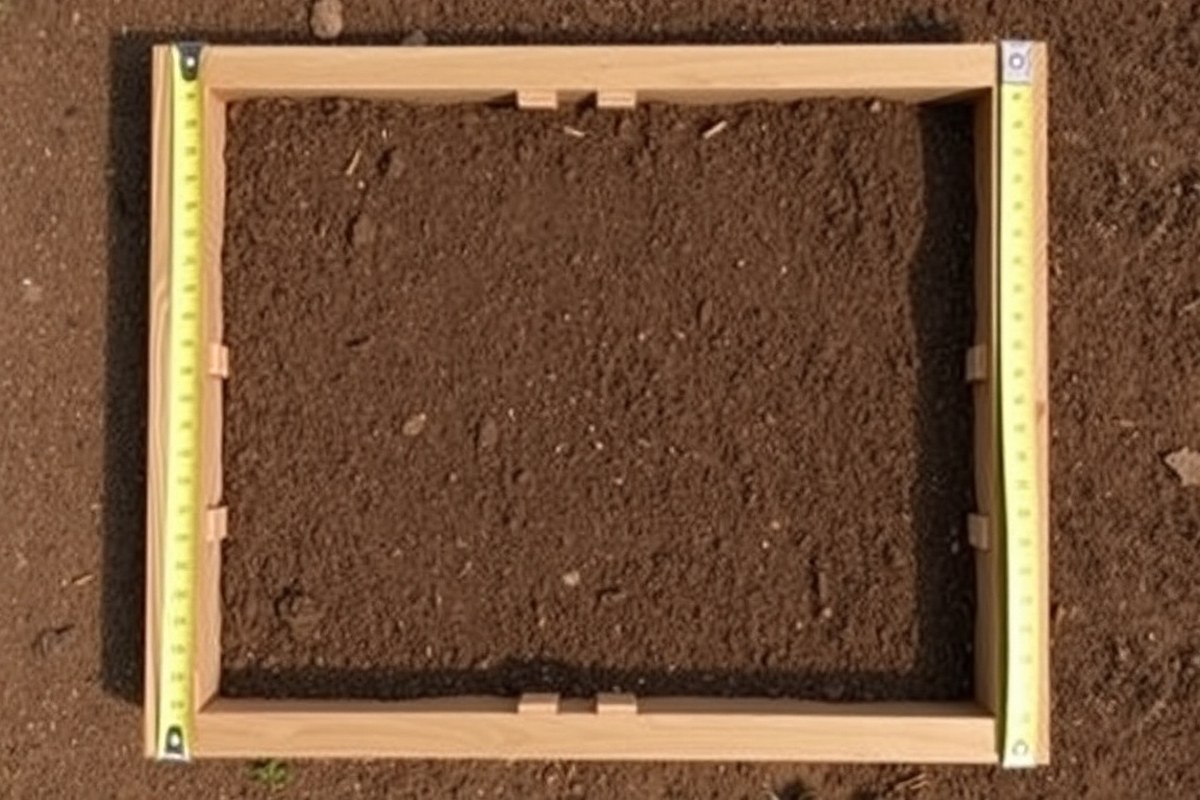
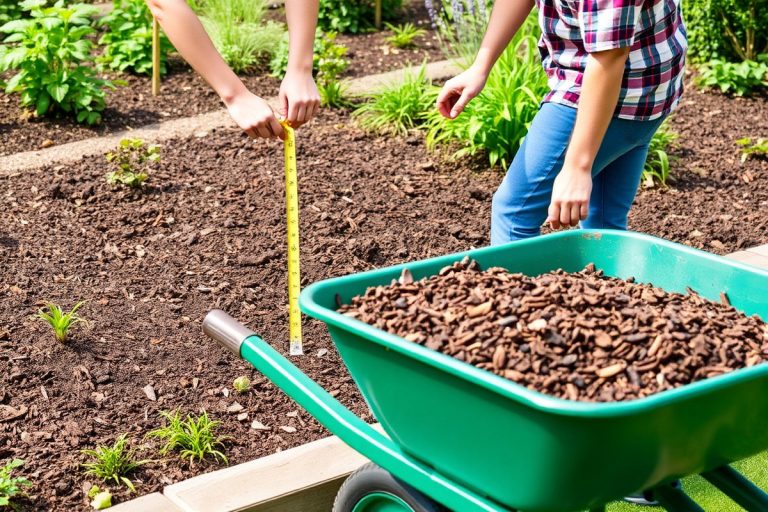
Start by measuring the inside dimensions of your raised bed: length, width, and depth. Use the inside size if your bed has thick walls. Soil fills only the space inside the walls.
Measure the inner area, not the outer edges. Depth should be converted from inches to feet for easier volume calculation.
Use the simple formula for volume: multiply length × width × depth (in feet). This will give you cubic feet of soil needed. You can change this volume into cubic yards.
Divide the cubic feet by 27. One cubic yard equals 27 cubic feet.
- Measure the length and width of the inside of your raised bed in feet.
- Measure the desired soil depth in inches, then divide by 12 to convert to feet.
- Multiply length × width × converted depth to get cubic feet of soil required.
- Divide the cubic feet number by 27 to convert to cubic yards if needed.
- Decide if you will buy soil by the bag or in bulk based on the volume.
- Adjust calculations if your bed shape is irregular by breaking it into rectangles.
- Double-check measurements to include any internal wall thickness and avoid ordering too little.
For example, a 4-foot by 8-foot bed is 32 cubic feet. Multiply 4 by 8 and then by 1 (foot). This equals 32 cubic feet of soil.
That’s about 1.19 cubic yards of soil to fill it completely. You would need roughly 18 to 32 bags of soil if each bag holds 0.75 to 1.75 cubic feet.
Count only the soil space inside your bed walls. Thick wood or stone walls take up space. Don’t include the wall thickness in soil volume.
Avoid adding depth from the bed material itself to prevent underestimating soil volume. Using this method will help you buy just the right amount of soil without waste.
Ideal Soil Depth: How Deep Should Raised Beds Be?
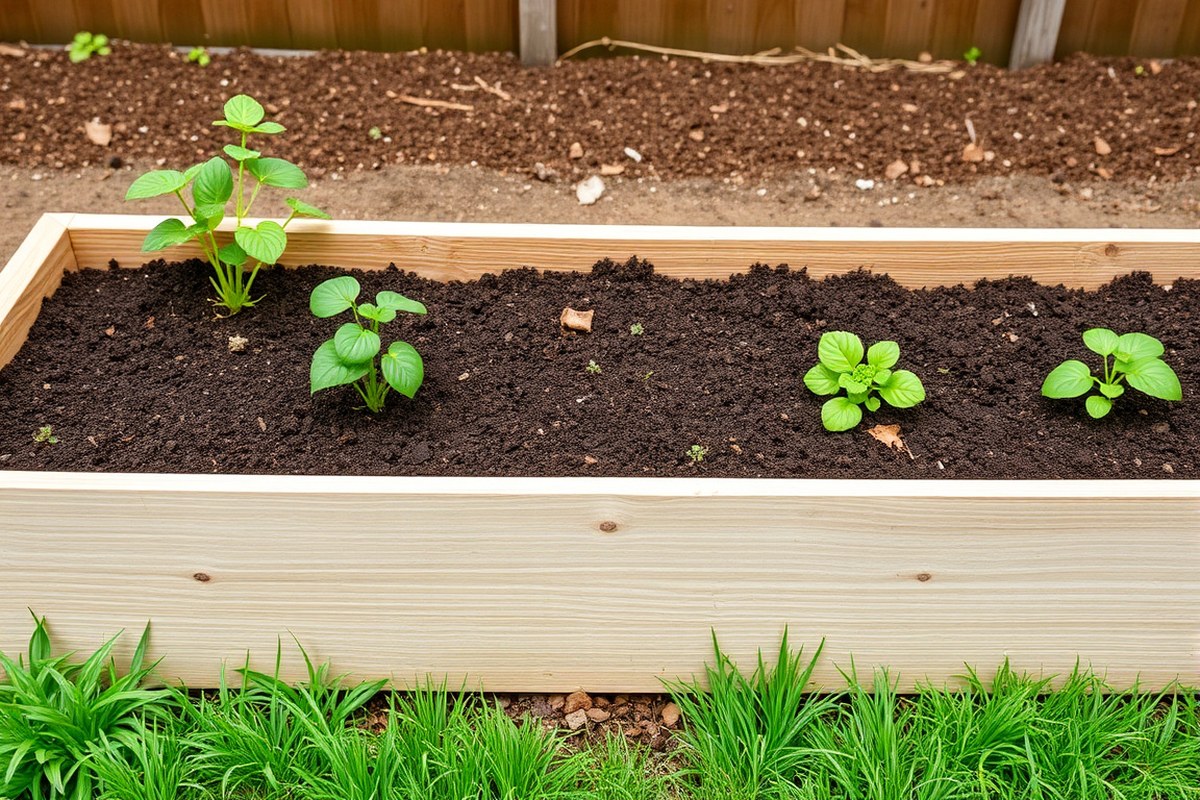
Most vegetables grow well in soil that’s 10 to 12 inches deep. This depth lets roots spread easily and access water and nutrients. You’ll find tomatoes, peppers, and beans do just fine with this amount of soil.
Deeper beds are needed for root vegetables like carrots and parsnips. These crops need 18 to 24 inches of soil depth. This gives roots space to grow straight.
They grow long roots that need room. Use 24 inches of soil for clay-heavy soil.
This helps roots avoid getting stunted. Clay soil makes root growth harder.
Some plants can get by with just 6 inches of soil. Quick-growing herbs or lettuces often need less depth.
However, shallow soil might dry out faster. So extra watering often helps when using thin layers.
Use shallower beds when good soil lies below. Native soil can support roots well. This cuts down how deep beds must be.
Add 10 to 12 inches of good soil on top. Roots will grow down into the ground.
Native soil below helps plant growth naturally. This setup offers steady fertility and drainage without filling the entire bed deeply.
Plan for thicker soil layers if your native soil is poor or compacted. When native soil is poor, use deeper beds. Beds at least 18 inches give loose soil.
This keeps roots well-supported for better growth. Commercial growers typically use this depth for best results.
Overfilling a raised bed by an inch or two can help soil settle without exposing roots.
Calculating Soil Needs for Popular Raised Bed Sizes
Understanding how much soil volume your raised bed requires helps you buy the right amount. This prevents overspending on extra soil or running short on what you need. For example, a 4×8 raised bed holds about 27 to 32 cubic feet, depending on how deep it is.
Smaller beds such as 4×4 or 3×6 use fewer cubic feet of soil. So fewer bags are needed.
Soil Volume and Bag Count for 4×8 Beds
A 4×8 bed with 10-inch deep sides equals 26.6 cubic feet of soil. At 0.75 cubic feet per 40-lb bag, that’s about 36 bags of soil. Increasing depth to 12 inches raises volume to 32 cubic feet, needing 43 bags.
Buying soil in bulk for larger beds often saves money compared to bags. For 18-inch soil depth, a 4×8 bed holds about 48 cubic feet, or 64 bags. So bulk is usually better.
| Bed Size | Fill Depth | Cu Ft Needed | Bags (1.5 cu ft) | Bulk Cost Advantage? |
|---|---|---|---|---|
| 4×8 | 8 inches | 21.3 | 14 | No |
| 4×8 | 10 inches | 26.6 | 18 | Borderline |
| 4×8 | 12 inches | 32 | 22 | Yes |
| 4×8 | 18 inches | 48 | 32 | Yes |
The table shows more soil is needed as you increase depth. You can also see when bulk soil saves money over bags. Choose a depth based on your plants’ root needs.
Calculations for 4×4 and 3×6 Beds
A 4×4 raised bed at 12 inches deep requires about 16 cubic feet of soil. This equals roughly 11 bags of 1.5 cubic foot size. For smaller 3×6 beds at similar depth, expect around 12 cubic feet or 8 bags.
Smaller beds save on soil but must still be deep enough for healthy roots. Measuring length, width, and height in feet and inches helps you calculate correctly.
Scaling Soil Needs for Multiple Raised Beds
Multiply soil volume or bag count by your total number of beds. This gives you the total soil needed for all beds. It makes shopping easier and more accurate.
Two 4×8 beds at 12 inches use about 64 cubic feet or 43 bags. Bulk buying is better for multiple beds.
Keep in mind soil settling may require ordering extra. Overfilling by 10% to 15% can cover this. Organize delivery and storage space before the soil arrives.
Best Soil Mix for Raised Beds and Volume Implications
The ideal soil mix in raised beds is 60% topsoil. Add 30% compost and 10% perlite or potting mix. This mix helps plants grow well.
This ratio balances bulk, nutrients, and drainage to create healthy garden soil. Changing the soil mix changes how much volume you need.
It also affects the weight of the soil you fill. You must adjust your materials accordingly.
Typical Soil Mix Ratios by Volume
Most gardeners fill raised beds with 60% topsoil. They add 30% compost and 10% perlite or potting mix by volume. This is a common standard.
These soil percentages keep the mix loose and nutrient-rich. They also give enough bulk to fill your bed. This balance supports healthy plant growth.
Potting soil can substitute for perlite when you want better moisture retention and aeration. Purely using potting soil or perlite is not advised because topsoil adds essential minerals and structure.
Mixes with more compost increase nutrients but reduce total volume slightly because compost is less dense. Expect the mix to weigh more as compost increases.
Nutrient and Drainage Benefits of Each Component
Topsoil makes up the mix’s bulk and supplies essential minerals for plant growth. It also affects the mix’s weight and volume since it’s heavier than compost or perlite.
Compost adds nutrients and improves soil texture by increasing microbial life and water retention. It can make the soil lighter but also more prone to settling over time.
Adding 10% perlite or potting mix keeps soil airy and improves drainage. This prevents waterlogging and root rot, which slow plant growth and damage roots.
Adjusting Mix for Specific Vegetables
Leafy greens like lettuce grow best with 30% to 40% compost. They need plenty of nutrients and moisture to thrive.
Keep the mix rich but balanced. Root crops like carrots need better drainage, so add more perlite up to 15%.
Tomatoes like more compost for nutrients in the soil mix. But good airflow around roots is still important.
Aim for a balanced compost level for best results. You can drop perlite to 5% if you water carefully.
For drought-tolerant plants, use less compost and more perlite or sand. This improves drainage and keeps soil light.
It helps plants survive dry conditions. This helps prevent root rot if you water less frequently.
Bags vs. Bulk Soil: Choosing the Right Option
Bulk soil is usually cheaper per cubic foot than bagged soil. Your raised bed needs more than one cubic yard, bulk soil can help save money. Smaller beds or multiple small beds work well with bagged soil, which is easier to handle.
You’ll need tools like a shovel, wheelbarrow, and gloves for bulk soil delivery. Bulk soil arrives by truck and can be dumped near the bed. Using bags means carrying and placing each one, which can take longer for large volumes.
| Soil Type | Cost per Cubic Foot | Total Cost for 1 Cubic Yard (27 cu ft) | Common Handling Tools |
|---|---|---|---|
| Bagged Soil (0.75 to 2 cu ft bags) | $3 – $5 | $80 – $120 | Hands, wheelbarrow (optional) |
| Bulk Soil Delivery | $1 – $2 | $35 – $60 | Shovel, wheelbarrow, gloves |
A 4×8 raised bed with 10-inch sides holds about 26 cubic feet of soil. You’ll need to buy that much soil to fill it. That equals about 36 bags if each bag holds 0.75 cubic foot.
Buying bulk soil means ordering about 1 cubic yard. It can cut your cost by up to half.
Bulk soil suits large projects because it arrives in one load, cutting trips to the store. For a small number of beds, bags are easier to buy.
They don’t need special tools or minimum amounts. Bulk soil needs shoveling and moving, which can get tiring.
Order a little extra soil to cover settling and avoid a shortfall later.
Save money by mixing your own soil. Use 60% topsoil and 30% compost, especially if buying bulk. This mix improves soil quality without extra bags of expensive amendments.
Figure out how much soil your bed needs first. Then pick bags or bulk based on your project size and comfort with tools.
Accounting for Soil Settling and Overfill Recommendations
Soil in raised beds usually settles about 10 to 20 percent after filling. This happens as air pockets shrink and organic matter breaks down. Add about 10 to 15 percent extra soil when you fill the bed.
This helps avoid low soil levels. Low soils can hurt your plants’ roots.
Don’t fill the raised bed flush with the top edge. Leave about 1 to 2 inches of space below the rim. This gap helps prevent soil from spilling out when it rains and makes watering easier.
After the initial filling, give the soil a good soak. Water helps soil settle faster and reduces the risk of air pockets.
Wait a few days after filling and watering the bed. Then you can plant seeds or transplants. This helps soil settle nicely.
This wait gives the soil time to settle and compact slightly. Planting right away may leave seedlings too shallow or uneven. This can slow down their growth.
After the soil settles, add a thin layer of mulch or compost. This keeps moisture in and improves fertility.
Keep some bagged soil or compost on hand to top off your bed over time. Add 1 to 2 inches of fresh compost each spring. This restores nutrients and fixes soil that has settled.
This regular maintenance keeps the soil level steady and supports healthy plants. Check soil height once or twice a year. Catch dips early to avoid shallow planting spots.
Not planning for settling means buying soil twice or weak plants. It’s best to plan for soil settling. Planning the extra soil upfront costs a bit more but saves money and time later.
Good soil mix and moderate watering help soil settle faster. This reduces how much extra soil you need. Always measure your bed’s volume and multiply by 1.1 or 1.15 for the final soil amount.
Avoiding Common Soil Ordering Mistakes for Raised Beds
Many gardeners mess up soil orders by skipping exact measurements. Length, width, and depth must be accurate for your raised bed.
Measure twice with a tape measure, not just guess the size. Skipping this step causes you to buy too little or too much soil.
Soil settles after filling, which means you should add extra. Around 10% more prevents the soil from shrinking below your bed’s top edge. Without extra soil, you’ll need another trip to get more, which costs time and money.
Checking bag sizes matters too. Bags vary in size, so don’t assume they all hold the same amount.
Know how many cubic feet or liters each bag contains before deciding how many to buy. This helps you match the total soil volume your raised bed needs.
- Measure bed dimensions carefully with a tape measure.
- Add 10% extra soil to allow for soil settling.
- Confirm the volume listed on soil bags before ordering.
- Calculate soil volume by multiplying length, width, and depth.
- Consider the soil mix ratio, like 10% potting soil for blends.
- Ask the supplier about delivery minimums or extra fees upfront.
Expect your soil to be lighter and well-draining in raised beds. You may need to adjust your soil mix if it feels too dense or heavy. Add more potting mix or compost to improve texture and drainage until it feels right.
Always double-check your numbers and mix needs before ordering. This prevents surprise costs and soil shortages during planting. Taking these few steps saves time and keeps your raised bed growing strong from the start.
Calculating Soil for Multi-Level or Irregular Raised Beds
To figure out the soil needed for multi-level or irregular raised beds, treat each section separately. Calculate each area’s volume, then add them up. This way, it’s easier to manage different shapes or heights without mixing the numbers.
Breaking Down Complex Bed Shapes
Start by dividing your raised bed into simpler shapes, like rectangles or squares. For example, an L-shaped bed can be split into two rectangular parts. Measure the length and width of each section separately.
For tiered beds, treat each level as its own rectangular volume. This approach lets you handle different heights or shapes one step at a time. Always write down each section’s measurements before doing any math.
Converting All Depths to Feet
Soil volume calculations use feet, so convert all depths into feet first. For example, 20 inches equals 1.67 feet (20 ÷ 12 = 1.67). This makes multiplying easier and prevents errors when adding volumes later.
Keep in mind that some areas might differ in height. Record each section’s height in feet to keep your math consistent. Accuracy here saves you from ordering too much or too little soil.
Summing Volumes and Adjusting Soil Orders
Calculate each section’s volume by multiplying length × width × height in feet. Then add all volumes to get the total soil needed. An L-shaped bed has one section that measures 10 ft by 3 ft.
Another section of the bed measures 4 ft by 3 ft. Both sections share a 1 ft overlap.67 ft high, do this:
- Calculate volume of long section: 10 ft × 3 ft × 1.67 ft = 50.1 cubic feet.
- Calculate volume of short section: 4 ft × 3 ft × 1.67 ft = 20.04 cubic feet.
- Add the volumes: 50.1 + 20.04 = 70.14 cubic feet of soil.
After that, convert cubic feet to cubic yards by dividing by 27. For 70.14 cubic feet, that’s about 2.6 cubic yards (70.14 ÷ 27 = 2.6). That helps when ordering bulk soil.
Always add about 10% extra soil for settling and slight overfill. This prevents running short once soil compacts after watering. Order bulk soil if your total volume is over 2 cubic yards to save money.
Measure every section carefully and convert all dimensions before calculating volume to avoid mistakes.
Step-by-Step Action Plan for Filling Your Raised Bed
Use this plan to get the exact amount of soil your raised bed needs. Follow these steps to avoid ordering too much or too little dirt.
- Before You Buy: Measure your raised bed’s length, width, and soil depth. Calculate volume by multiplying these numbers. Check your math by measuring twice.
- Choose Your Soil Mix: Pick a mix with good drainage and nutrients. Use equal parts compost, peat moss, and vermiculite. This mix helps plants grow well in raised beds. Look for lightweight soil if your bed is on a deck.
- Day of Purchase: Decide between bulk soil or bags. Order a bit extra to account for settling, about 10% more than your calculated volume.
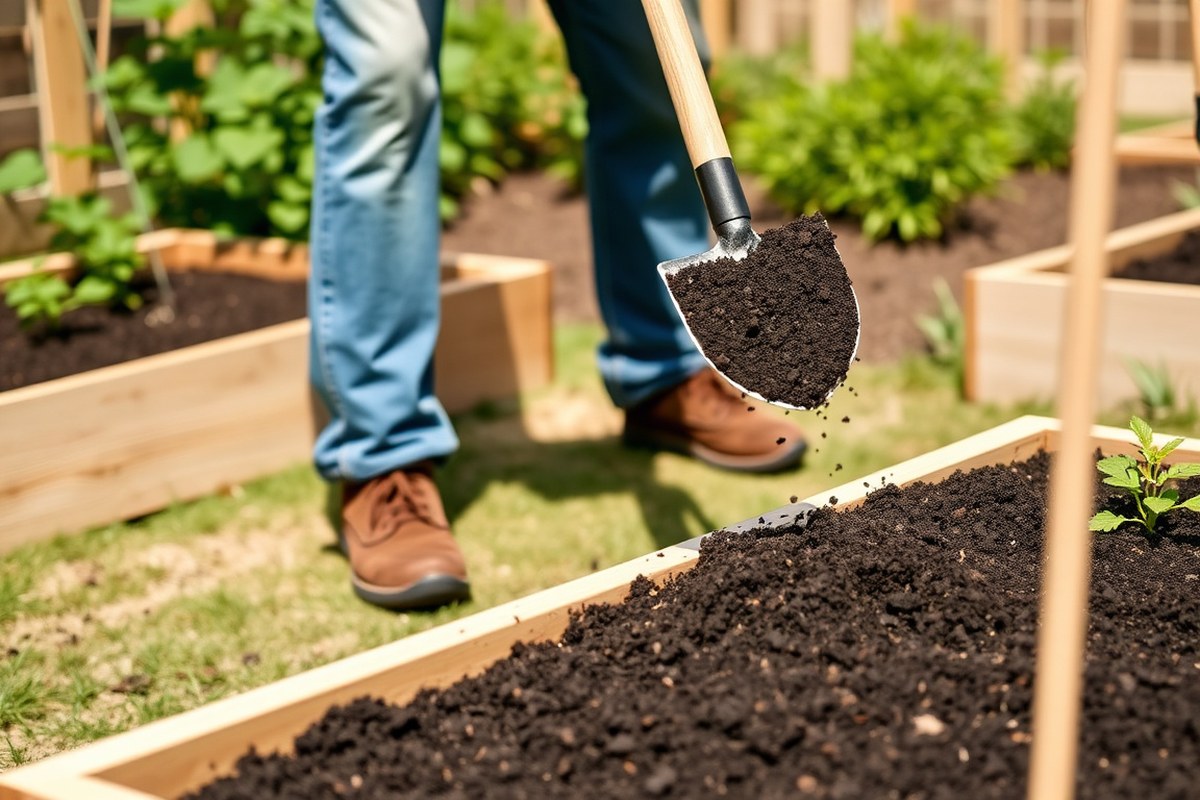
- Filling Day: Pour the soil into the bed evenly. Stop filling a few inches below the bed’s top edge. This gap prevents water from running off. It keeps soil and water inside your bed.
- After Filling: Water the soil thoroughly to help it settle. Add more soil after a day or two if the level drops too low.
- One Week Later: Check for any soil compaction or low spots. Fluff the soil surface gently to improve air flow.
- Planting Time: Plant your seeds or seedlings once the soil has settled completely. Use this stage to top off soil if needed.
Frequently Asked Questions
How Much Dirt Do I Need for a 3×6 Raised Bed?
For a 3×6 foot raised bed, calculate volume by multiplying length, width, and depth. If it’s 10 inches deep, you need 15 cubic feet of dirt. Adjust for the actual depth and add extra for settling.
Can I Use Regular Garden Soil to Fill a Raised Bed?
Regular garden soil can work if it drains well. Raised beds often mix topsoil, compost, and perlite for better growth. Avoid heavy clay soil that can compact and hurt plants.
How Often Should I Replace or Add Dirt in My Raised Bed?
Adding fresh dirt or compost every year keeps soil healthy. It prevents nutrient depletion and improves soil structure for plants. Top off the soil each spring for the best results.
Can I Fill a Raised Bed Directly on Grass or Weeds?
It’s better to clear grass and weeds before filling your bed. They can grow through and compete with your plants. Use a weed barrier under the bed for a clean start.
Is It Okay to Fill a Raised Bed with Less Than 8 Inches of Soil?
Less than 8 inches may limit root growth for many vegetables. Most plants need at least 8 to 12 inches for good roots. Shallow soil suits shallow-rooted plants like lettuce or herbs.
Will the Weight of the Soil Require Extra Support for Tall Raised Beds?
Taller raised beds hold more soil, adding weight. Reinforce the frame with stronger materials or bracing to prevent bowing. Always consider soil weight when building more than 12 inches high.
Final Thoughts
Knowing how much soil to use keeps your raised bed healthy and productive. Start by measuring your bed and calculating the volume needed today. This simple step saves you time and money while creating a happy garden space.