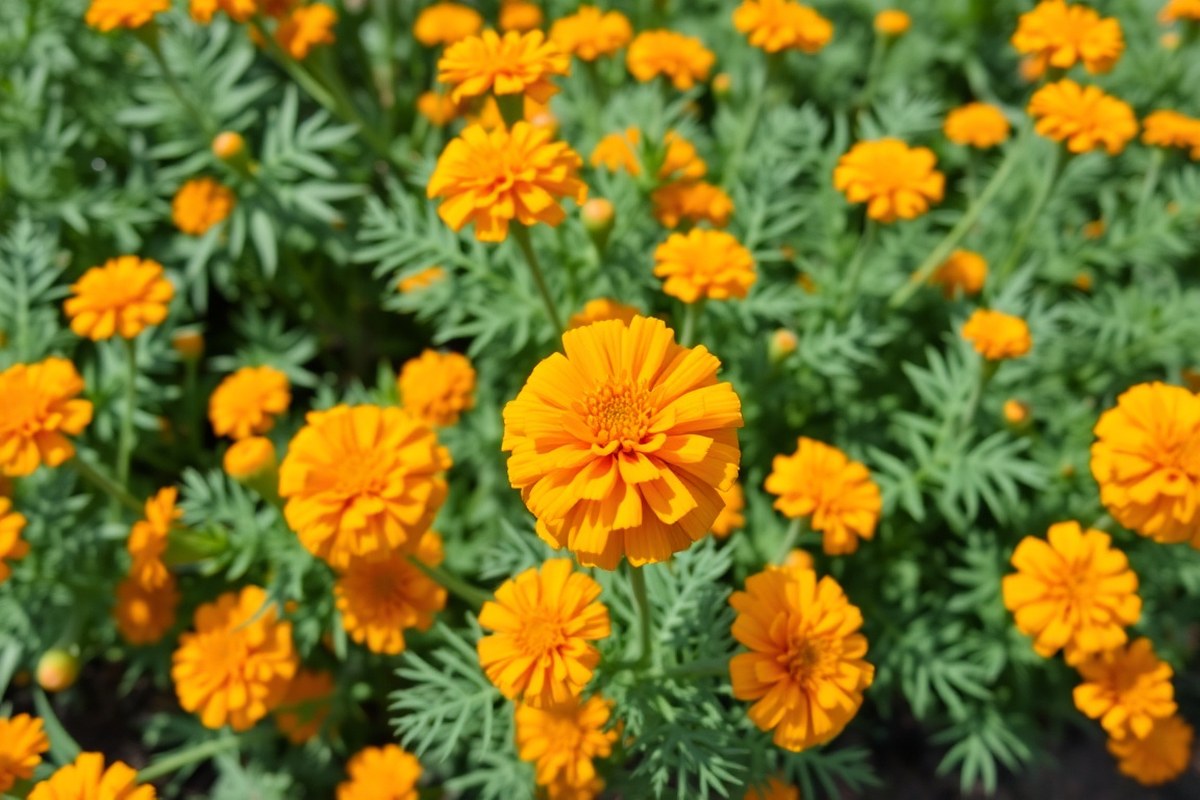
What Do Marigolds Symbolize? Complete Meanings and Cultural Insights
What do marigolds symbolize is a question with many answers. These bright flowers often stand for warmth, creativity, and remembrance. Their meanings can change depending on culture, color, and history.
Marigolds link deeply to protection and transformation. They are famous in Mexican Day of the Dead celebrations as symbols of life and death. People also use marigolds in healing traditions to ward off negative energy.
Choosing the right marigold color matters since each shade carries different meanings. Yellow marigolds suggest joy, orange hints at passion, and red shows courage. White marigolds sometimes represent purity or mourning in other cultures.
Keep marigolds fresh because their symbolic power fades with time. Fresh blooms last around a week, so replace wilting flowers quickly. Using fresh marigolds in gifts or ceremonies keeps their energy strong and clear.
Key Takeaways
- Marigolds commonly symbolize warmth, creativity, and remembrance.
- In Mexican culture, marigolds represent life and death.
- Yellow marigolds convey joy, orange shows passion, and red signals courage.
- Choose fresh, vibrant blooms to maintain strong symbolic meaning.
- Marigolds also stand for protection and transformation.
- Consider the cultural context when giving or using marigolds.
What Do Marigolds Symbolize Across Cultures?
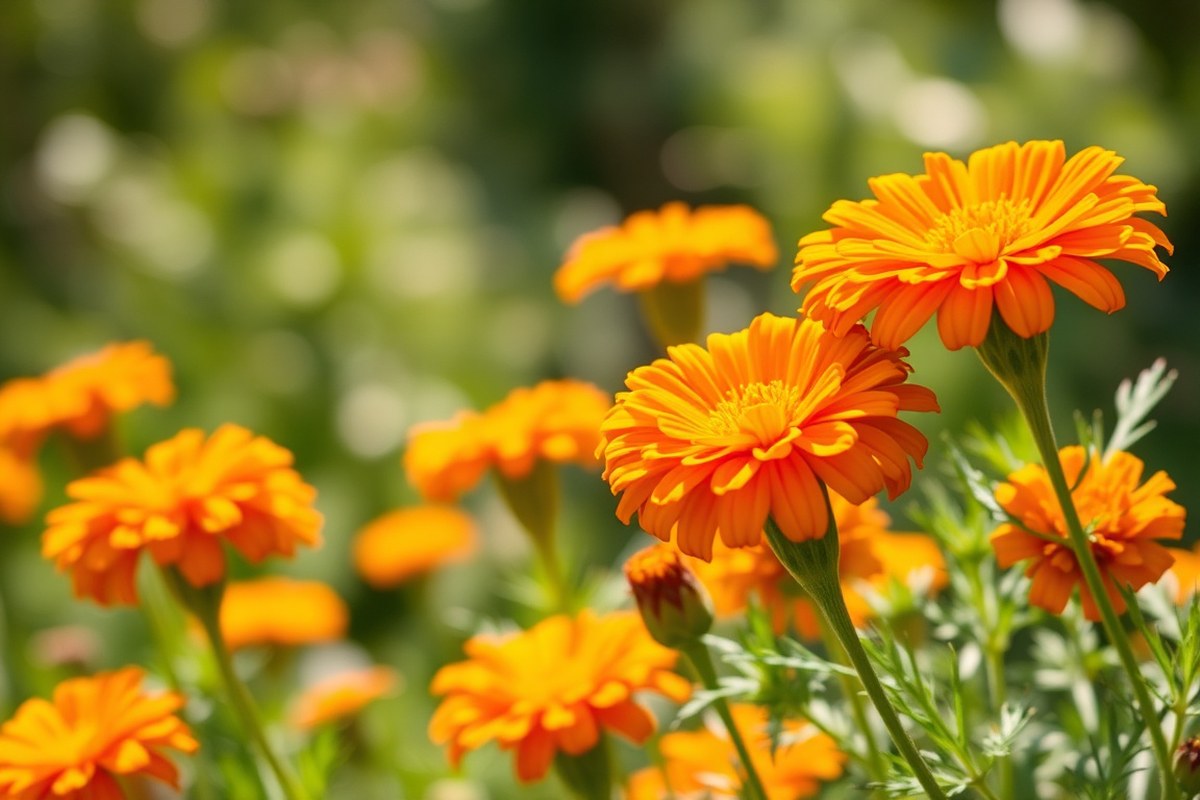
Marigolds symbolize a wide range of meanings including love, devotion, and protection across many cultures. They also represent healing and restoration, reflecting their use in traditional medicine. The flower’s bright colors make it a strong symbol of the sun.
Its strong scent adds to this meaning. It represents life’s natural cycles.
Different cultures see marigolds in unique ways. In Aztec culture, marigolds, called cempasúchil, were sacred and linked to magical powers. The Greeks and Romans used marigolds in marriage ceremonies, showing their connection to love and fertility.
They symbolize both grief and remembrance in many traditions. These flowers honor change and memory. Their meaning is bittersweet.
A shared theme in marigold symbolism is their link to the sun. These flowers open when the sun rises and close at night. This behavior makes them symbols of daily renewal.
They stand for the cycle of a day. They grow easily and show warm colors like gold, orange, and red.
These traits make them symbols of hope and strong love. Using marigolds can offer a mix of celebration and reflection depending on the context.
How Do Marigold Colors Influence Their Meanings?
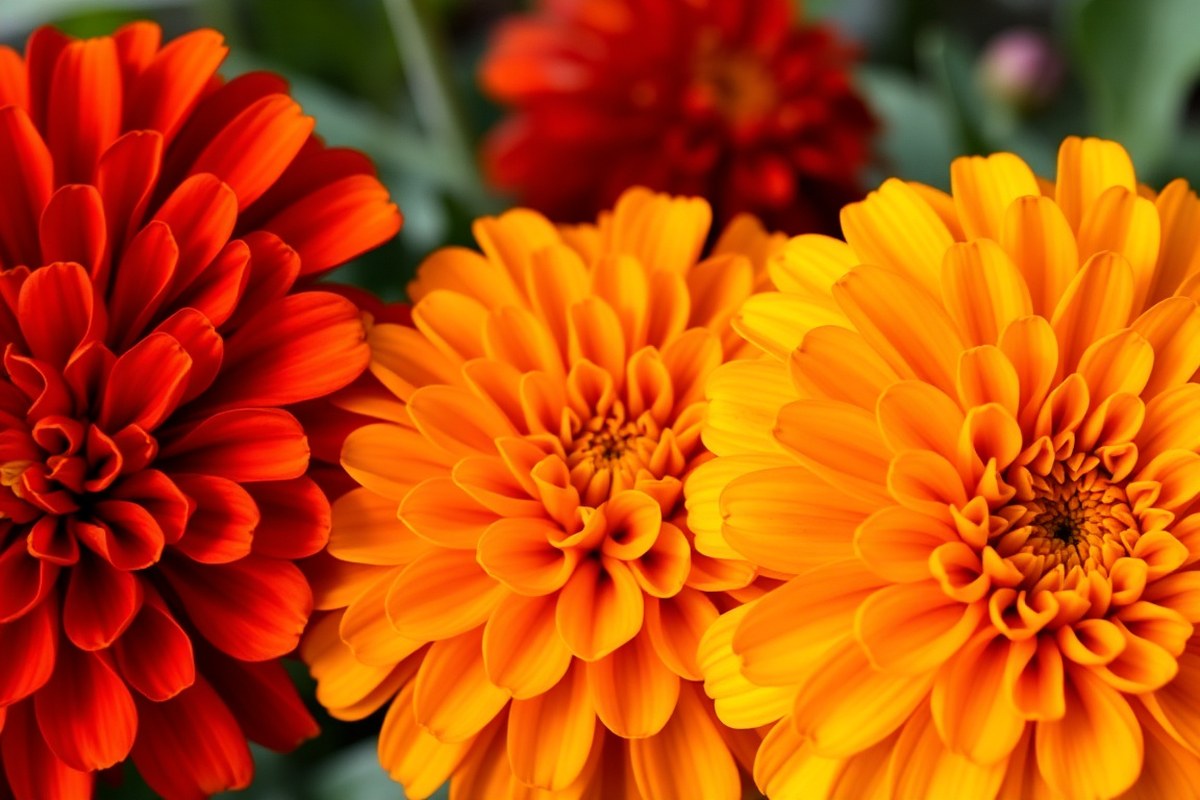
Marigold colors change how they express feelings and ideas. Red marigolds often stand for deep love and sacrifice. This red tone links to strong spiritual devotion and passion.
Orange marigolds carry warmth and energy. They symbolize courage, creativity, and the life-giving power of the sun. These colors suit celebrations where passion and boldness matter.
Yellow marigolds bring brightness and clarity. They represent wisdom, optimism, and good communication. Yellow tones also connect to friendship but can suggest jealousy in certain traditions.
| Color | Primary Meaning | Best Occasion |
|---|---|---|
| Deep Red | Deep devotion, sacrifice, intense spiritual commitment | Anniversaries, Valentine’s Day |
| Orange | Passion, courage, creativity, solar energy | Graduations, promotions, Thanksgiving |
| Yellow | Wisdom, clarity, communication, optimism | Friendship gestures, garden gifts |
| White/Cream | Purity, peaceful transition, grief healing | Funerals, memorial tributes |
White or cream marigolds differ from the bright triad. These softer shades mean purity and peaceful change. They often appear in moments of remembrance or healing after loss.
Choosing marigold colors matters when sending messages or decorating. Red flowers fit romantic or intense spiritual themes. Orange blooms light up creative or warm social settings.
Yellow adds hope and friendliness, brightening any garden or gift. White and cream marigolds bring calmness and help with grief. Use white marigolds gently in sympathy arrangements.
Remember, red marigolds can also represent jealousy in some old traditions.
What Is the Historical Origin of Marigold Symbolism?
Marigolds got their meaning from ancient groups like the Aztecs. They also gained importance in Europe through Christian customs. These traditions shaped how we see marigolds today.
The name “marigold” comes from its link to the Virgin Mary. This shows the flower’s role in rituals and medicine.
People have valued marigolds for thousands of years. These layers shaped how people still see marigolds today.
Name Origins: Mary’s Gold
The name “marigold” comes from “Mary’s Gold,” a medieval English term. Christians used the golden flower as an offering to the Virgin Mary instead of gold coins. This connection gave the flower symbolic meaning tied to purity and divine radiance.
This symbolic use began in medieval times and linked marigolds to religious festivals. People placed marigolds on altars for saints’ days and All Souls’ Day. The flower became a way to show devotion without money, blending faith and flower symbolism.
Aztec Use and Symbolism
Marigolds were important to the Aztecs over 3,000 years ago. They grew a variety called cempasúchil and used it in sacred rituals and herbal remedies. The flower represented the sun god Tonatiuh and symbolized life, death, and renewal.
Aztec healers used marigolds in medicine, showing how the flower had practical and spiritual value. Ancient uses of marigolds still happen in Mexico today. They play a big role during Día de Muertos.
Marigolds honor loved ones who have passed away. The flower’s bright color and scent helped guide spirits in those ceremonies.
Medieval European Associations
In Europe, marigolds symbolized the sun and magic during pagan times. Later, Christians dedicated common marigolds, especially Calendula officinalis, to the Virgin Mary. This gave them religious significance tied to purity and protection.
Europeans also used marigolds in folk medicine and witchcraft. Marigolds symbolize the sun because of their bright colors. This made them signs of joy across many cultures.
People often use them to celebrate happy times. Planting or harvesting marigolds was woven into people’s lives through yearly rituals and calendars.
How Are Marigolds Used in Religious and Spiritual Ceremonies?
Marigolds play key practical and spiritual roles in many ceremonies worldwide. People use them to honor gods, ancestors, and the dead by offering bright, fragrant flowers. Their colors and scent carry deep meanings of devotion, guidance, and remembrance.
Marigolds in Hindu Worship
In Hinduism, marigolds signify purity, love, and devotion. You’ll often see garlands made from them hung on gods’ statues or worn in weddings. Their petals stay firm and bright for hours.
This makes them easy to string. They are perfect for decorating temples or home altars.
To create a marigold garland, use about 50 to 100 flowers depending on size. Thread a needle with cotton or nylon string. Gently pierce each flower’s base, pushing it close to the last.
Hang these garlands during festivals, prayers, and rituals. Use them on deities or sacred spaces.
They help show respect and seek blessings. Fresh marigolds cost around $5 to $10 per bunch in many markets.
In Buddhist practices across Southeast Asia and Tibet, marigolds are part of altar offerings. They symbolize light and clarity on the spiritual path. People place marigolds with candles and incense.
This honors Buddha and spiritual teachers. It happens during daily or special ceremonies.
Role in Mexican Day of the Dead
Marigolds are called cempasúchil or “flower of the dead.” They guide spirits back during Día de los Muertos. This is a key tradition.
Families scatter petals as paths on altars, helping souls find their way. The flowers’ bright orange color and scent are believed to attract and comfort the dead.
You’ll see graves and home altars covered with marigolds on November 1 and 2. Families blend marigolds with other flowers like chrysanthemums and baby’s breath to decorate ofrendas (offerings). These altars include photos, food, and personal items, creating a festive space for remembering loved ones.
Using Tagetes marigolds is traditional because these closely resemble the Aztec cempasúchil. To prepare, buy fresh marigolds for $10 to $20 per dozen. This price is for a full altar setup.
Fresh flowers work best. Spread petals on the ground or around photos in thick layers. Failure to use fresh flowers might weaken the intended spiritual connection and color impact.
Other Spiritual and Religious Uses
Marigolds also appear in other indigenous and folk ceremonies as offerings to ancestors and spirits. Placing them on altars expresses respect and requests protection. Red marigolds specifically symbolize love and commitment in many rituals.
Gardens, homes, and temples plant marigolds in many countries. They invite good energy and guard against evil. This is a common practice.
Their fragrance and presence are thought to clear negative forces. People commonly wear marigolds during processions and celebrations to carry their blessings with them.
The flowers’ affordability and vigorous growth make them easy to keep available year-round for such ceremonies. Plant marigold seeds in spring. Expect blooms in eight weeks.
Provide enough sun and water for best growth. Using fresh flowers rather than artificial ones keeps the spiritual symbolism strong and respected.
What Emotions and Messages Do Marigolds Communicate?
Marigolds often send mixed messages when gifted. Their bright gold and orange hues can express warmth, success, and courage. Yet, Victorian flower language links marigolds to grief, despair, and even jealousy, especially yellow ones.
In Victorian England, marigolds symbolized sorrow or deep emotional pain. They were seen as flowers for mourning or expressing despair after loss. Giving yellow marigolds back then might accidentally convey jealousy, making them poor choices for romantic gifting.
Today, many see marigolds as symbols of optimism and happiness. Their fiery colors inspire feelings of passion and confidence. You can use marigolds to cheer someone up or celebrate a new success.
- Gift gold marigolds to convey warmth and congratulations.
- Avoid yellow marigolds in romantic settings to prevent jealousy messages.
- Use red marigolds to express strong passion and courage.
- Place marigolds near photos of loved ones during mourning to symbolize remembrance.
- Meditate with marigolds to help integrate and release difficult emotions.
- Decorate with marigolds to brighten spaces and boost friendly feelings.
Marigold flower essences are used in emotional healing therapies. They support opening spiritual communication and softening emotional blocks. This spiritual role matches their tradition of carrying sunlight into places of grief.
Be careful gifting marigolds around All Saints’ Day since they often serve as funeral flowers.
Understanding these emotions helps you gift marigolds with intention. Choose colors and contexts thoughtfully to match your message. Marigolds can then carry meaning from deep sorrow to sunny joy and heartfelt courage.
How Do Marigolds Symbolize Transformation and Protection?
Marigolds symbolize transformation mainly because they represent rebirth and new beginnings. They capture sunlight’s warmth and channel it into growth and healing. This link to the sun explains why marigolds often embody change in nature and spirit.
People have valued marigolds for protection throughout history. In the 16th century, European herbalists believed marigolds shielded against bad luck. They thought marigolds also kept harmful spirits away.
These flowers were considered protective charms back then. These flowers were thought to guard people during risky journeys or difficult times.
Marigolds’ healing properties also tie into their symbolism. They aren’t just pretty flowers; marigolds offer physical and emotional healing. Marigolds are used in aromatherapy to reduce stress.
They help calm the mind. This creates a feeling of safety and recovery.
- Plant marigolds around your home for a gentle protective barrier.
- Use marigold essential oil in diffusers to reduce anxiety and promote emotional healing.
- Add marigold petals to herbal baths to refresh the mind and body.
- Place marigolds on altars or sacred spaces to invite transformation energy.
- Burn dried marigold bundles lightly to cleanse negative energy in a room.
- Include marigolds in rituals to mark personal rebirths or new life stages.
- Wear marigold-inspired colors or jewelry to carry their protective symbolism daily.
Marigolds also possess a soothing effect on emotions. Their bright color and scent support emotional protection by lifting the mood. Using marigolds regularly can feel like giving yourself a small daily dose of light and healing.
Because marigolds symbolize transformation and protection together, they are ideal for both spiritual and practical purposes. Using marigolds daily can help protect you from negativity. They support your personal growth.
They bring a sense of being guarded. This combination has made marigolds beloved across many cultures for centuries.
When and How Are Marigolds Used in Memorial and Mourning Traditions?
Marigolds symbolize death and mourning in several cultures due to their strong connection with remembrance. They are often used in memorial ceremonies to honor ancestors and guide spirits. Their bright petals and scent make them a powerful symbol for celebrating and mourning the dead.
Marigold Use in Mexican Day of the Dead
Marigolds, especially the bright orange cempasúchil, are central to Día de los Muertos traditions. Families place marigolds on ofrendas, or altars, to honor deceased loved ones. The petals are spread to make paths from cemeteries to homes.
They guide spirits back to the living. This practice helps connect the dead and the living.
This tradition dates back centuries to Aztec times, linking marigolds with the spirit world and remembrance. Bold marigold blooms bridge the space between life and death.
They stand as symbols of memory and connection. People use them to honor those who have passed.
Traditional Mourning Practices in Europe and Asia
In Europe, marigolds often symbolize grief and mourning. The Victorian era linked marigolds strongly to sorrow and grief. This is similar to Mexican traditions using the flower in death ceremonies.
Both cultures see it as a symbol of mourning. This meaning mostly applies to Calendula, a plant like marigold.
Calendula is often found at funerals and gravesites. It shares similar associations with death and remembrance.
Asian cultures use marigolds as spiritual shields against evil spirits during memorials. They are woven into rituals to protect the living and honor the dead. The flower’s vibrant color and scent are believed to ward off harm.
Ancestral Connection via Marigold Symbolism
Marigolds represent a bridge to ancestors worldwide. Their use in cemeteries and offerings shows respect and remembrance. The flower’s strong fragrance is seen as a guide for souls returning to the family.
Folk traditions emphasize marigolds as protectors and reminders of heritage. Their presence in memorial ceremonies supports emotional healing through connection to those who have passed. These flowers carry messages of love and continued family bonds.
To use marigolds effectively for memorial or mourning ceremonies, follow these steps:
- Pick the brightest orange marigold blooms to symbolize remembrance.
- Prepare a clean altar or space where the flowers can be displayed.
- Arrange marigolds on altars, graves, or memorial tables.
- Scatter petals along paths leading to the home or ceremony area.
- Light candles near marigold arrangements to strengthen spiritual connection.
- Invite family and friends to share memories while placing petals and flowers.
- Refresh the flower arrangements regularly during the memorial period.
- Respect local customs and personal family traditions when adding other elements.
How to Choose and Use Marigolds Based on Their Symbolism?
Choose marigold colors based on what you want to express. Bright orange suits celebrations and energy. Darker orange or rust colors show warmth and protection.
Yellow marigolds can represent jealousy. So avoid these when gifting to friends or loved ones. Use deep orange or gold marigolds for spiritual or healing intentions.
Cultural respect matters when using marigolds in ceremonies. In Indian traditions, garlands of marigolds are common and symbolize purity and devotion. If you use marigolds in rituals, follow the local customs.
That means offering or placing marigolds respectfully on altars or around sacred objects. Avoid mixing marigolds with flowers that have conflicting meanings in the community you’re in.
- Pick orange marigolds to celebrate joy, energy, and positivity
- Choose golden marigolds to symbolize remembrance and warmth
- Avoid yellow marigolds when giving gifts to prevent mixed messages
- Use marigold garlands in spiritual ceremonies following cultural practices
- Eat or brew marigold petals only if confirmed edible and safe
- Decorate with marigolds where their bright color welcomes good energy
Place marigolds in well-lit spaces for the best visual effect. Their bold colors light up any room or altar in just minutes. For gifts, wrap the stems with natural twine or ribbon in a color matching the occasion.
This small detail shows care and awareness of symbolism. Healing practices that use marigolds often combine them with meditation or mindful breathing for stronger effects.
Check local traditions about marigolds to avoid cultural mistakes or offense.
Step-by-Step Action Plan for Using Marigolds with Their Symbolism
Use this plan to choose marigolds based on their meanings. Think about how their meaning fits your life and culture.
Use this to pick and display marigolds carefully. Follow each step to make sure the flowers match your intent.
- Before you buy: Decide why you want marigolds, protection, remembrance, or celebration. Knowing this ensures you pick the right color and type.
- Day 1: Choose marigolds by color. For example, orange shows warmth and creativity, while yellow signals friendship and joy.
- Day 2: Prepare the space where you’ll place the marigolds. Clean and clear the area to respect their spiritual use.
- Week 1: Arrange the marigolds thoughtfully. Try circle shapes for protection or straight lines for honoring memory. Notice how the vibe changes.
- After 2 weeks: Replace wilted marigolds to keep energy fresh. Use marigolds during ceremonies and swap them in rituals. Swap them at different times for special parts of the ceremony.
- Ongoing: Reflect on the emotions marigolds bring you. Change marigold types or placement to boost calm or positivity. Use different colors or spots to suit your mood needs.
- Seasonal: Use marigolds in cultural or religious celebrations relevant to your background to connect meaningfully.
- When honoring: Choose marigolds for memorials that symbolize respect and remembrance, honoring traditions you trust.
Frequently Asked Questions
What Do Marigolds Symbolize in Romantic Contexts?
Marigolds, especially red ones, symbolize love and commitment. They often appear in gifts and celebrations to express romantic feelings clearly and warmly.
Can Marigolds Symbolize Health or Healing?
Marigolds symbolize healing and restoration in many cultures. They have been used historically in natural remedies and to promote physical and emotional wellness.
Are Marigolds Linked to Any Particular Season or Time of Year?
Yes, marigolds are linked to Midsummer or Litha, symbolizing solar power at its peak. They represent warmth and growth during this sunny season.
Why Are Marigolds Used in Memorial Ceremonies?
Marigolds symbolize remembrance, grief, and transformation in many memorial traditions. Their bright colors also express warmth and respect for loved ones lost.
Do Marigolds Convey Any Messages in Friendship or Social Settings?
Marigolds show warmth, friendliness, and creativity in social contexts. Giving them can express optimism and support, especially for friends facing challenges.
How Do Marigolds Represent Protection in Spiritual Beliefs?
Marigolds symbolize protection by warding off negativity and fostering spiritual safety. They are often used in rituals or placed in homes for this purpose.
Wrapping Up
Marigolds carry rich meanings that vary by culture and color. Choosing and using them thoughtfully helps you connect with these traditions. Start by picking your marigolds today with their meaning in mind.