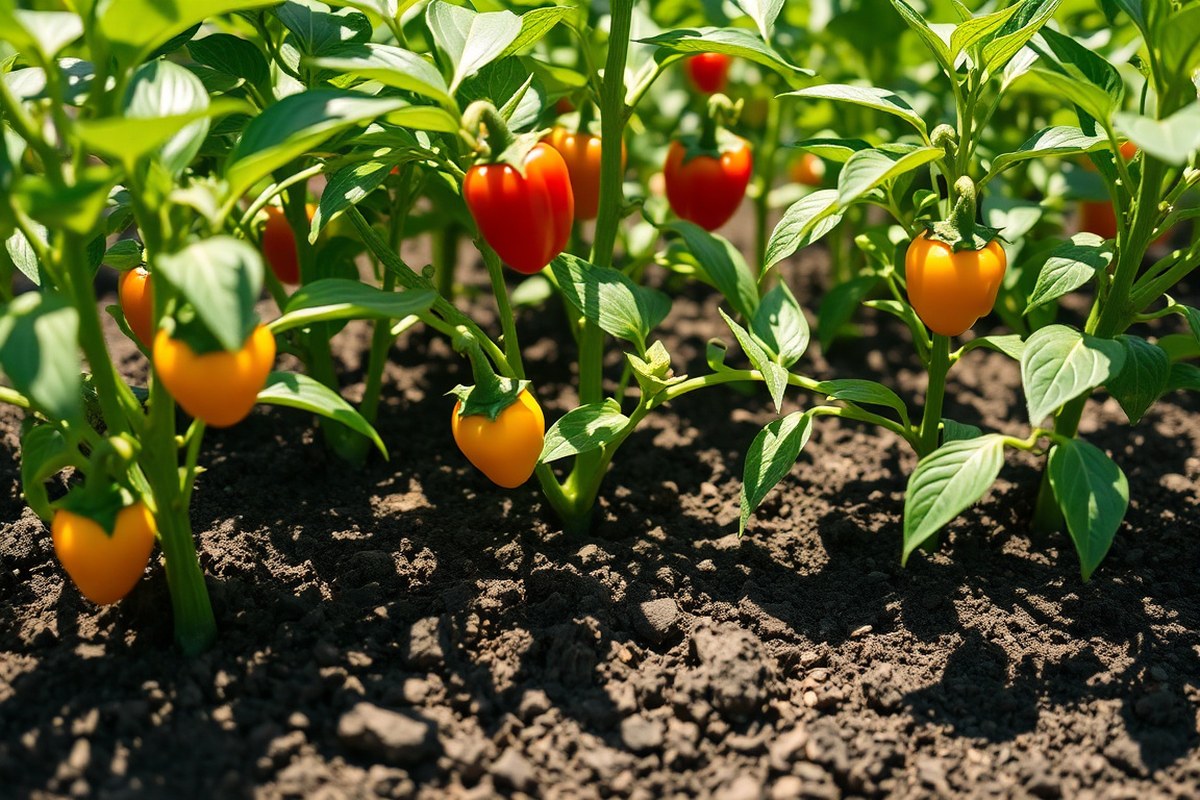
How to Plant Peppers: Simple Steps for Healthy, Productive Plants
Learning how to plant peppers starts with picking a sunny, warm spot. Peppers grow best when spaced 18 to 24 inches apart in soil that drains well. Giving them 8 to 10 hours of sunlight daily helps peppers thrive and produce well.
Start pepper seeds indoors about 8 to 10 weeks before the last frost date. Keep seedlings warm, around 70 to 80 degrees during the day and cooler at night. Harden off plants by slowly exposing them to outdoor conditions before moving them to your garden.
Space pepper plants 18 inches apart with rows 2 to 3 feet apart, or stagger rows 12 to 18 inches apart. Peppers thrive in warmth and need 1 to 2 inches of water each week, but don’t overwater. Protect plants from frost by moving them indoors where temperatures stay between 65 and 75 degrees.
Key Takeaways
- Plant peppers in full sun with at least 8 to 10 hours of light.
- Space pepper plants 18 to 24 inches apart to allow good air flow.
- Start seeds indoors 8 to 10 weeks before the last frost.
- Keep seedlings warm but cool them at night for healthier growth.
- Harden off seedlings by gradually exposing them to outdoor conditions.
- Water peppers with 1 to 2 inches per week and avoid overwatering.
When and Where to Plant Peppers for Best Growth
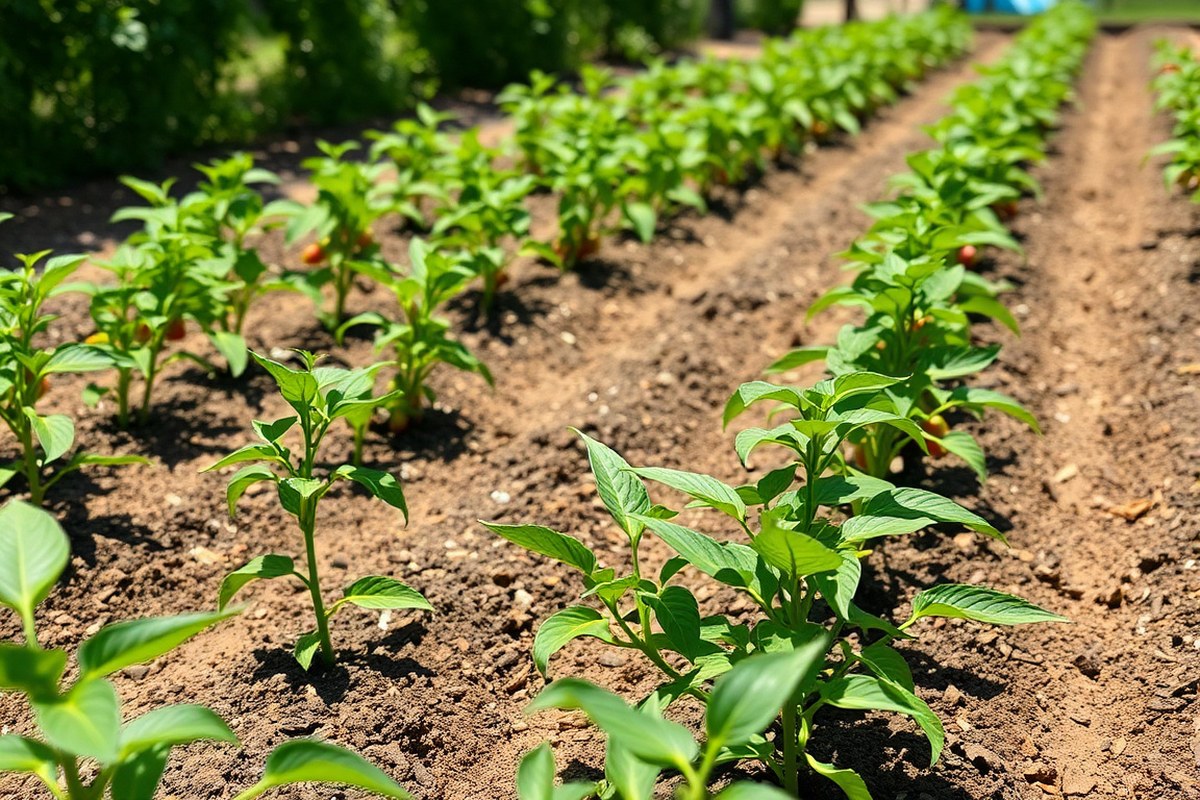
Plant peppers outdoors after the last frost date in your area. They grow best when soil temperatures reach about 65°F. For many gardens, May is the right month to start planting seedlings outside.
Choose a spot that gets full sunlight, at least 6 to 8 hours daily. Peppers need warmth and light to thrive and produce fruit. Avoid areas near taller plants that can shade them and stunt growth.
Before planting, prepare your soil to give peppers a good start. Check that the soil drains well to keep roots healthy. Mix in compost or aged manure to add nutrients and improve texture.
Start by clearing weeds from your planting area. Loosen soil to about 12 inches deep.
Add organic matter and then test the soil pH. Aim for a pH between 6.0 and 7.0 because peppers grow best in slightly acidic to neutral soil.
Plant peppers 18 to 24 inches apart to give them space to spread. Space helps air flow and reduces disease risk. After planting, keep soil warm and moist but not soggy.
Night temperatures below 55°F can slow or stop peppers from growing. They tolerate daytime heat up to 90°F but usually set fruit best between 70 and 80°F. Watch weather forecasts and protect plants if cold snaps threaten.
How to Start Pepper Seeds Indoors and Hardening Off
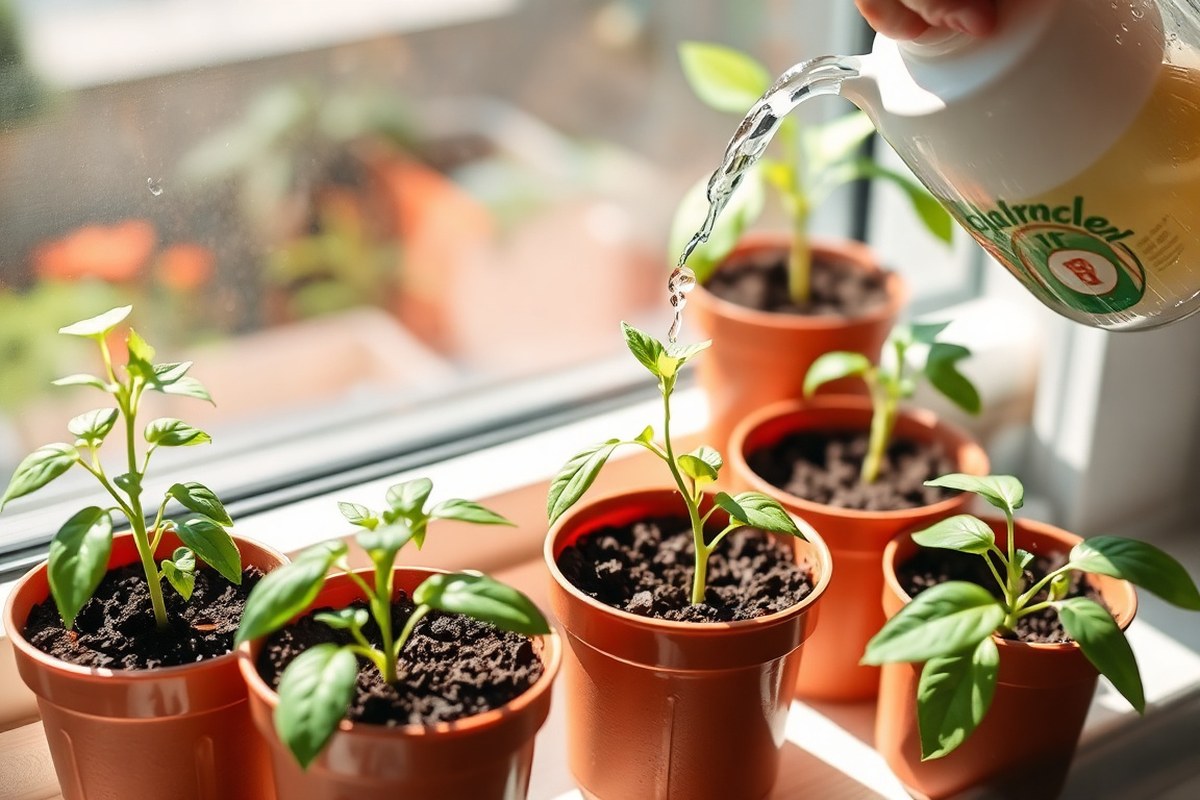
Start pepper seeds indoors around 8 to 10 weeks before frost. Plant seeds ¼ inch deep in warm soil to help them sprout. After 4 to 6 weeks, prepare seedlings for the outdoors by hardening them off.
Seed Germination Requirements
Keep the soil temperature between 80 and 85 degrees Fahrenheit. Pepper seeds need warmth to sprout, usually within 7 to 14 days. Plant seeds about ¼ inch deep in seed-starting mix.
Use a tray or small containers and place them in a warm spot. Avoid planting seeds deeper than ½ inch to prevent slow germination. Most pepper seeds won’t sprout below 75 degrees Fahrenheit.
Seedling Care Basics
Provide bright, indirect light or use grow lights for 12 to 16 hours daily. Water seedlings when the top of the soil feels dry.
But don’t let the soil soak. Overwatering can cause root rot and slow growth.
Apply a half-strength, balanced liquid fertilizer after seedlings develop their second set of true leaves. Keep seedlings in a room between 70 and 80 degrees Fahrenheit for steady growth. Thin seedlings to keep the strongest one per container.
Hardening Off Schedule
Begin hardening off seedlings 4 to 6 weeks after sowing indoors. Gradually expose plants to outdoor sun, wind, and cooler temperatures over 7 to 10 days. Start with 1-2 hours outside and increase daily.
Bring plants indoors each night at first to protect from cold. After a week, leave seedlings out all day if temperatures stay above 50 degrees Fahrenheit. This hardening period helps reduce transplant shock.
- Plant 4 to 6 seeds in individual containers or seed trays about ¼ inch deep.
- Keep soil moist but not soggy, watering from below or lightly misting.
- Maintain soil temperature near 80 to 85°F using a heat mat if needed.
- Provide 12 to 16 hours of bright light daily under a grow lamp or sunny window.
- Thin seedlings by trimming weaker plants so one remains per cell or pot.
- At 4 to 6 weeks, start hardening seedlings outside. Give them more sun each day. Do this for 7 to 10 days before planting.
- Transplant seedlings outdoors only after all danger of frost and the soil is warm.
Tip: Avoid watering seedlings from above to prevent damping-off disease that kills young plants.
Planting Peppers: Proper Spacing, Depth, and Soil Needs
Space pepper plants 18 to 24 inches apart. Keep rows 24 to 36 inches wide. This gives each plant enough room to grow.
Plant seedlings at the same depth they grew in their pots. Peppers thrive in well-drained, loamy soil with a pH between 6.0 and 6.8 for best growth.
Spacing Recommendations
Plant bell peppers roughly 18 to 24 inches apart in rows spaced 24 to 36 inches. Hot peppers do well with closer spacing. Plant them 12 to 18 inches apart in rows.
This helps save space when growing. Rows can be staggered for better airflow and easier harvesting.
| Type | Spacing Between Plants | Row Spacing |
|---|---|---|
| Bell Peppers | 18 to 24 inches | 24 to 36 inches |
| Sweet Frying Peppers | 18 inches | 24 to 36 inches |
| Mild Heat Peppers (Anaheim, Poblano) | 18 inches | 24 to 36 inches |
| Medium Heat Peppers (Jalapeño, Serrano) | 12 to 18 inches | 24 to 36 inches |
| Hot Peppers (Habanero, Thai Hot) | 12 to 18 inches | 24 to 36 inches |
Spacing peppers correctly avoids overcrowding, which can stunt growth. It also helps you make the most of your gardening space.
Soil Type and pH
Peppers grow best in loamy, well-drained soils. Clay or heavy soils should be improved before planting to prevent waterlogging and root problems. You can add organic matter like compost or peat moss to help with drainage.
The ideal soil pH for peppers is between 6.0 and 6.8. Add lime to your soil to raise the pH. This helps when soil is too acidic.
Aim for a balanced pH for peppers. For alkaline soil, sulfur or organic mulches can lower pH over time.
- Check soil drainage by digging a small hole and filling it with water. Soil drains well if water soaks in under 30 minutes. This speed keeps roots healthy and prevents rot. Check your soil with a simple test.
- Add 2-3 inches of compost or peat moss to heavy soil before planting.
- Test soil pH with a kit to decide on lime or sulfur amendments.
Planting Depth Guidelines
Plant pepper seedlings at the same depth they grew in pots. Cover only the root ball lightly. This helps avoid stem rot and supports growth.
Avoid burying stems deeper because this can lead to rot. Seeds can be sown about ¼ to ½ inch deep into the soil.
Planting seeds too deep can delay or prevent sprouting. Seedlings planted too shallow may dry out easily. So keep the soil moist but not soggy after planting for good results.
Watering and Fertilizing for Healthy Pepper Growth
Peppers require around 1 to 2 inches of water weekly. Give them a good soak, then let the soil dry a bit before watering again. This prevents root rot, which peppers are prone to.
Watering in the morning is better. It gives leaves time to dry and reduces diseases. Evening watering leaves moisture overnight and can cause fungal problems.
Peppers tolerate some drought once established. Mild water stress during fruit growth makes hot peppers spicier. But don’t let plants wilt badly or fruit quality will drop.
- Watch leaves: droopy, yellowing, or wilting means underwatered
- Soft, mushy stems or constant wet soil means overwatered
- Apply 1, 2 inches of water weekly, adjusting for heat
- Use mulch to keep soil moist and reduce watering needs
- Water deeply about once or twice a week rather than daily
- Place fertilizer about 6 inches from the plant base
- Fertilize every 2 to 3 weeks during fruiting season
Use a balanced fertilizer with low nitrogen to avoid too much leafy growth. Phosphorus and potassium help fruits develop better. Feed plants every 2 to 3 weeks after their initial growth phase.
Fertilizer goes into the soil about 6 inches from the stem. Then water it in to avoid burning roots. Overfeeding with nitrogen often means fewer peppers and more leaves.
Protecting Pepper Plants from Temperature Stress and Pests
Pepper plants do not tolerate frost well and start to struggle below 50°F at night. Wait until after the last frost date before planting outdoors. Make sure nighttime temperatures stay above this level.
Plant only when it’s safe from frost. Cover your peppers with frost cloth on cold nights.
Use old sheets if frost is forecasted. This protects from sudden cold snaps.
Extreme heat above 90°F can stress peppers and cause sunscald on fruits. Use a 30% shade cloth during heat waves. It blocks harsh sun but lets in some light.
This keeps peppers from getting scorched. Stake plants to keep them upright.
This improves air flow around peppers. It also helps reduce heat stress and disease risk.
Common pests include aphids, flea beetles, leaf miners, and hornworms. Check plants often for signs of pest damage. Remove pests by hand when you find them.
This helps prevent infestations early. Introduce natural predators or use insecticidal soap for organic control. Avoid broad-spectrum pesticides that may harm beneficial insects.
Blossom end rot appears as dark, sunken spots on pepper bottoms. It happens due to calcium deficiency linked to irregular watering or poor soil.
Keep soil evenly moist, and mulch around plants to maintain steady moisture levels. Balance fertilizing to avoid excess nitrogen, which can worsen this disorder.
Decide on frost protection by checking local weather and soil warmth over 60°F. For late frost risk, cover plants at night and uncover by morning to avoid overheating. Shade cloth is best on hot days above 85°F. It stops sunscald and leaf scorch.
It doesn’t reduce photosynthesis too much. Organic pest controls work best early, before populations grow.
Keep soil moisture steady to avoid blossom end rot. Don’t let soil dry out or stay soggy. This balance gives the best results.
Growing Peppers in Containers: Choosing the Right Pot and Soil
Choose containers of the right size to support pepper plants well. Bell peppers need at least a 5-gallon pot to grow big and healthy.
Hot peppers, which are often smaller, do fine in pots starting at 3 gallons. Deep pots help roots spread easily, which improves growth and fruit quality.
Here’s a quick look at container sizes for different pepper types and their typical use:
| Type | Container Size | Shape | Wall Thickness | Pungency | Use |
|---|---|---|---|---|---|
| Bell | 5+ gallons | Blocky | Thick | Sweet | Fresh, cooked |
| Anaheim | 5+ gallons | Long, thin tapering | Thin | Sweet to mild | Fresh |
| Habanero | 3 gallons | Small, tapering | Thin | Hot | Fresh, processed |
| Cayenne | 3-5 gallons | Very thin, tapering | Thin | Very hot | Fresh, dried, processed |
Use a potting mix made for containers to give peppers the best start. Mix equal parts organic potting soil, compost, and perlite or vermiculite for drainage.
Avoid garden soil in containers. That can hold too much water and cause root rot.
Drainage holes let excess water escape. Drill extra holes if your container doesn’t have enough. Proper drainage prevents soggy soil, which damages roots quickly.
Water container peppers more often than garden peppers because pots dry faster. Check soil every day in warm weather.
Water when the top inch of soil feels dry. Usually, containers need watering every day or every other day in summer.
Feed pepper plants in pots with a liquid fertilizer diluted to 1/4 strength. Apply fertilizer every 2 weeks during the growing season. Peppers in containers use nutrients faster than those in garden beds.
Container peppers on patios or balconies need full sun, at least 6 hours a day. Morning sun works best to avoid afternoon heat stress.
If it gets very hot, move pots to a cooler spot or provide some shade. Keep an eye on the soil drying out faster in direct sun and wind.
When and How to Harvest Peppers for Optimal Flavor
Peppers are ready to pick when they reach the right size and color. You can harvest them green or wait until they fully ripen for better flavor. Cut peppers carefully to avoid hurting the plant.
Store them in a cool, damp place. This keeps them fresh longer.
Maturity Indicators
Peppers usually start green and change color as they mature. The color change means peppers are fully ripe. They turn red, yellow, orange, or purple.
It depends on the pepper type. Pick peppers at their mature size.
Do this before they shrivel or get soft. Size tells you when they’re ready.
Check firmness by gently squeezing the fruit. A ripe pepper feels firm and heavy for its size.
Avoid harvesting any that have soft spots or wrinkles. Those peppers are past their prime.
The age of your plant helps, too. Most peppers are ready to harvest about 60 to 70 days after transplanting. At maturity, the plants often have leaves touching neighbors and dark green stems without blooms.
Harvesting Technique
Using clean scissors or garden shears is the safest way to harvest peppers. Cutting avoids pulling and damaging stems and branches. Use scissors to cut peppers if you can.
Don’t pull or yank the peppers off. This stops damage to the plant.
Keep a basket or container handy to collect your harvest without bruising the peppers. Handle peppers with clean hands to reduce disease risk. Avoid leaving cut stems open to insects by making clean cuts close to the fruit.
The following steps help you pick peppers without harming your plants or fruit:
- Look for peppers that have the right size and color for your variety.
- Use clean scissors or pruners to cut the pepper’s stem about ¼ inch above the fruit.
- No tools? Gently twist the pepper off by hand. Avoid pulling hard to protect the plant.
- Place harvested peppers carefully in a shallow basket or box.
- Inspect the plant for any damaged peppers and remove them.
- Discard any pests gently from plants to keep them healthy.
Storage Guidelines
Keep fresh peppers in cool, humid storage to last up to three weeks. Aim for temperatures between 45 and 50 degrees F with 85 to 90 percent relative humidity. Avoid storing peppers near fruits like apples or bananas, which release ethylene gas and speed spoilage.
Peppers just changing color should go indoors. Keep them in a warm room for a few days. This helps ripen them better.
Usually, they will continue to ripen for up to three days this way. Afterward, move them to cooler storage to extend freshness.
| Storage Condition | Duration | Temperature | Humidity |
|---|---|---|---|
| Cool, humid fridge or cellar | Up to 3 weeks | 45, 50°F | 85, 90% |
| Warm indoor to ripen | Up to 3 days | Room temp (68, 75°F) | Normal indoor humidity |
Common Pepper Growing Mistakes and How to Fix Them
Beginners often make a few key mistakes when growing peppers. Overwatering is common and leads to yellow leaves and root rot. Water deeply but less often.
Let soil dry 1 to 2 inches between. This helps roots grow stronger and prevents overwatering. Underwatering causes drooping and slow growth; water when the top inch feels dry.
Leggy pepper plants happen when light is too weak or far away. Place plants near bright windows. Or use a grow light 2 inches above leaves.
Keep light on for 14 to 16 hours each day. This will help the stems strengthen and stay compact.
Poor fruiting often links to nutrient imbalance, especially too much nitrogen. Stop feeding with high-nitrogen fertilizer once plants flower.
Use a balanced fertilizer with equal parts nitrogen, phosphorus, and potassium. This encourages better blooms and fruit growth.
Late pest or disease problems can still be tackled. Remove affected leaves or stems immediately. Use gentle insecticidal soap for pests like aphids or mites.
Prune the plant when disease spreads. Avoid watering leaves from above. Keep leaves dry to lower mold risk.
- Water only when topsoil is dry 1-2 inches deep
- Shift weak plants toward stronger light or add a grow lamp
- Switch to balanced fertilizer after flowering starts
- Prune damaged foliage to stop disease spread
- Apply insecticidal soap for late pest infestations
- Avoid wetting leaves to prevent fungal diseases
- Use resistant pepper varieties when possible
It’s normal for peppers to turn colors only after long plant exposure. Keep an eye on watering and light to protect fruits from stress. Support plants as they grow.
This keeps fruit off damp soil. It also lowers risk of disease.
Don’t ignore early warning signs like wilting or droopy leaves, check soil moisture right away.
Step-by-Step Action Plan for Growing Peppers
Follow these simple steps to start planting and growing healthy pepper plants. Each step shows when to do something and how to tell it worked.
- Before you start: Choose a sunny spot with well-draining soil. Healthy soil feels crumbly and moist, not sticky or dry.
- Week 1: Start seeds indoors 8 to 10 weeks before the last frost date. You’ll see tiny sprouts in 7 to 14 days if the seeds are good.
- Week 3: Harden off seedlings by placing them outside for a few hours daily. Leaves stay upright and green, showing they handle the outdoor air.
- Week 4: Plant peppers in the garden after frost risk fades. Space plants 18 to 24 inches apart in the soil. Plant them 1 to 2 inches below the first leaves. Plants stand firm and start growing fast.
- Weeks 5 to 10: Water deeply once or twice a week when soil starts to dry. Fertilize every 3 weeks with a balanced feed. Leaves stay dark green, and flowers appear.
- Week 6: Watch for pests like aphids or spider mites. Spray insecticidal soap if you see sticky leaves or tiny bugs. Healthy plants grow without holes or sticky spots.
- Weeks 9 to 12: Harvest peppers when they reach full size and color. Pick by gently twisting or cutting the fruit off. The plants keep producing after the first harvest.
Frequently Asked Questions
What Are Common Pepper Growing Mistakes?
Common mistakes include planting too early, overwatering, and poor spacing. Peppers need warm soil and 18-24 inches between plants for good air flow.
What Month Should You Plant Peppers?
Plant peppers outdoor after frost, usually late spring. Wait until soil is above 60°F and night temperatures stay above 50°F.
What Should You Not Plant Next to Peppers?
Avoid planting peppers near beans or fennel. Beans can invite pests, and fennel may compete for nutrients, hurting pepper growth.
How Many Years Does It Take for Pepper to Grow?
Peppers mature within one season, usually 65-90 days. They don’t take years; you’ll harvest the first crop after a few months.
How Do You Support Pepper Plants as They Grow?
Use a 2-3 foot stake near young pepper plants to support stems. This keeps plants upright and prevents root damage during growth.
Can You Grow Peppers Indoors Year-Round?
Yes, with strong grow lights and warmth, peppers can grow indoors year-round. Make sure they get 12-16 hours of light daily.
Before You Go
Peppers need routine care to give you a great harvest. Start with healthy seeds and good soil for the best results. Check your plants often and pick peppers as soon as they turn ripe.
One Comment