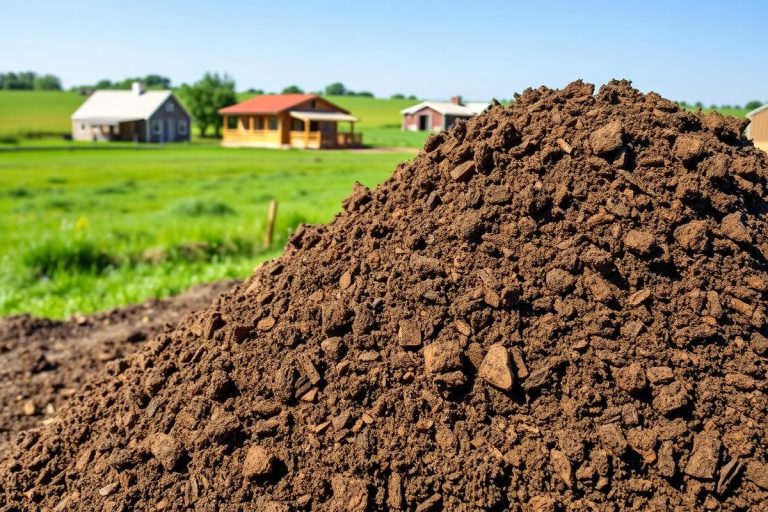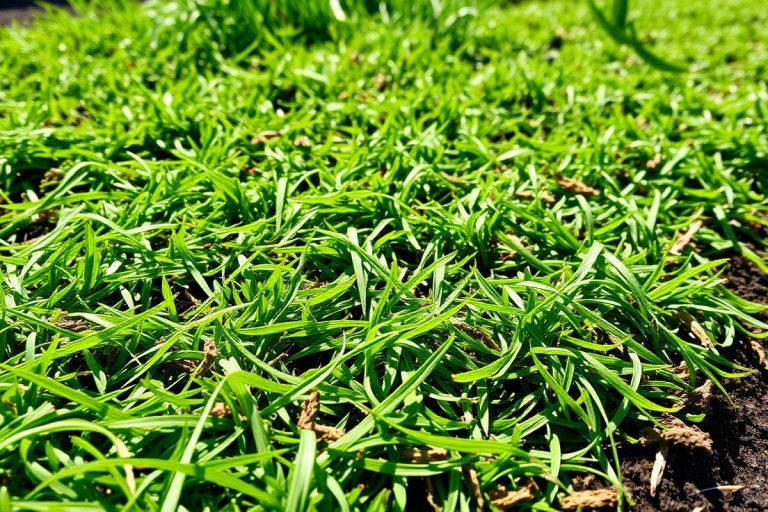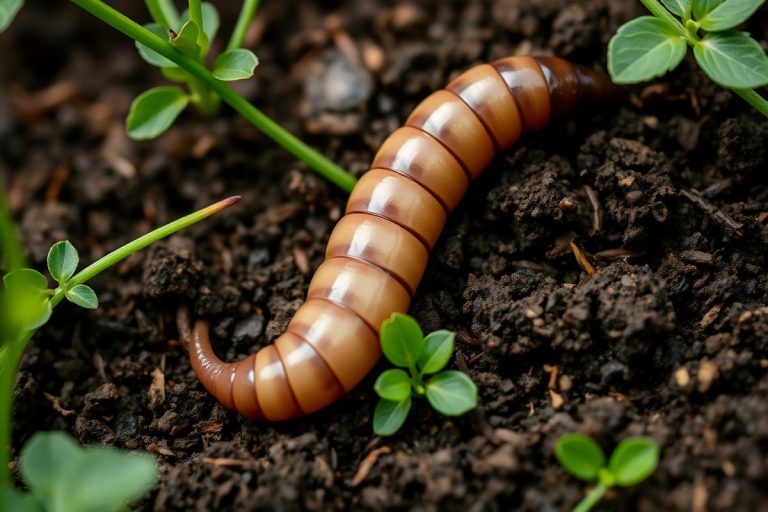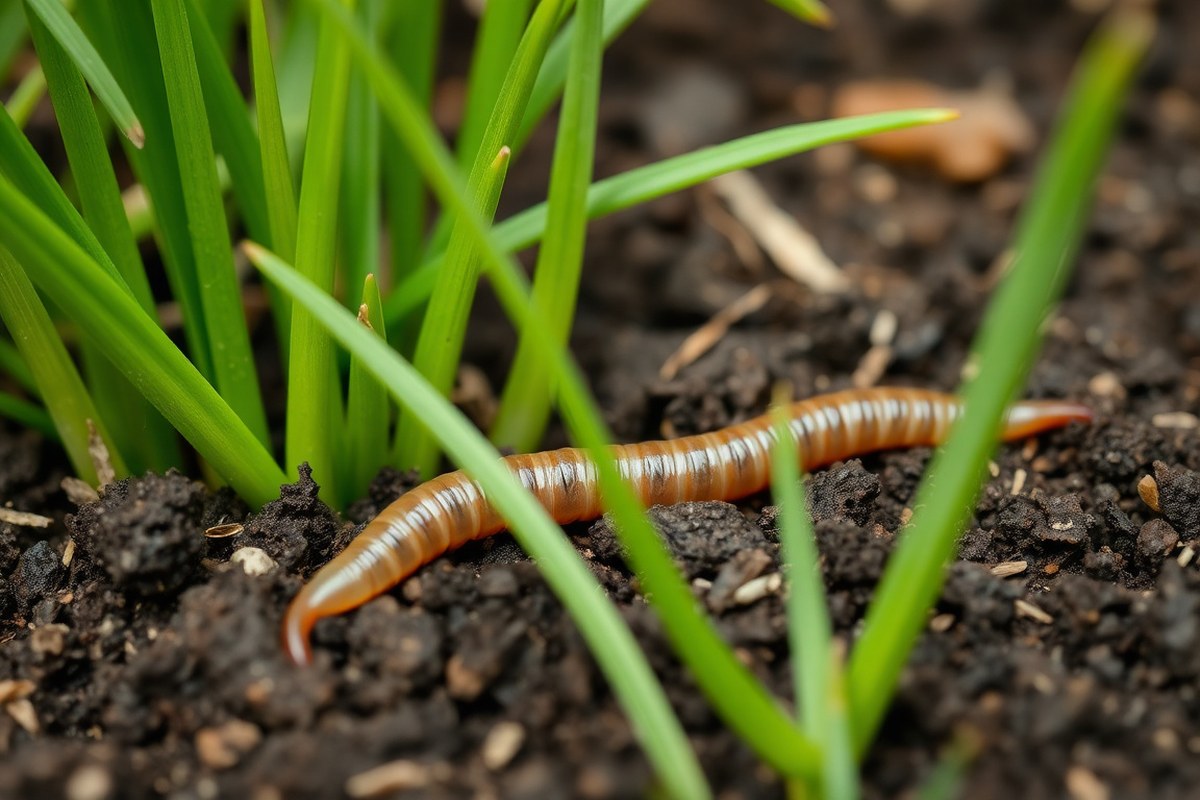
Do Earthworms Eat Grass? What They Actually Consume and Lawn Benefits
Do earthworms eat grass? Actually, earthworms do not eat living grass or its roots.
They mostly feed on dead plant material, like fallen leaves and grass clippings. This is good news because earthworms won’t damage your lawn by eating live grass.
Instead, earthworms break down organic matter, turning it into nutrient-rich soil. Their digestion helps release nutrients that grass needs to grow well.
You might see earthworms on your lawn after rain. But they are just moving around, not eating your grass.
To support earthworms, add grass clippings to your soil and keep it moist. Avoid using harsh chemicals that can harm these helpful creatures. Healthy earthworm activity means better soil and a greener lawn for you to enjoy.
Key Takeaways
- Earthworms feed on dead plant material and organic matter in soil.
- They consume dead organic matter like leaves and grass clippings.
- Earthworm digestion improves soil nutrient availability for lawn growth.
- They are most active in spring and fall with moist, cool soil.
- Adding grass clippings supports earthworm populations naturally.
- Avoid pesticides and chemicals that harm earthworms in your lawn.
Do Earthworms Eat Living Grass or Grass Roots?
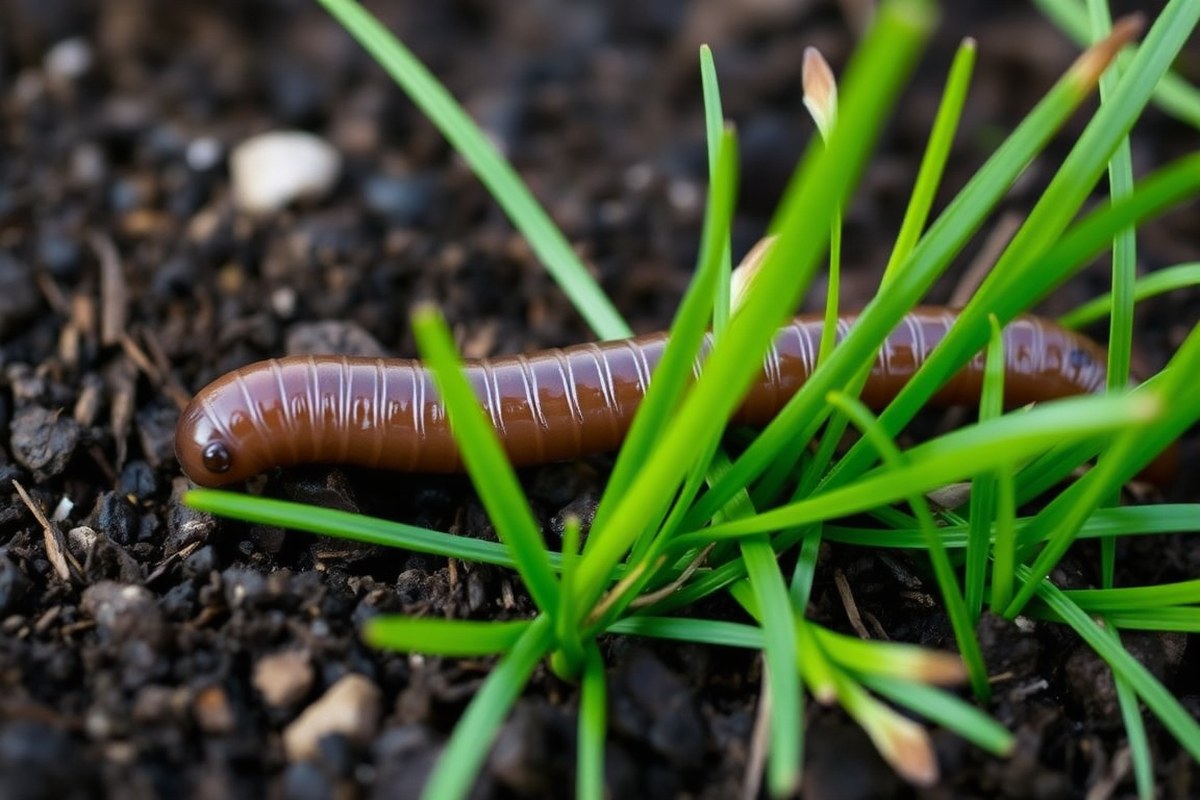
Earthworms do not chew or digest live grass leaves or roots. Their mouths and enzymes cannot break down living grass tissue. Instead, worms eat dead leaves, thatch, and tiny soil microbes.
Many people think earthworms damage grass because of visible signs on their lawn. These include small mounds of soil called castings and vertical burrows earthworms create when moving underground.
These signs can look like damage. But earthworms actually improve soil health instead of harming live grass.
Damage to grass is usually caused by pests like white grubs or mole crickets. White grubs feed on living grass roots, causing brown patches and spongy turf that peels easily. Earthworms don’t cause these symptoms because they don’t consume living roots or blades.
To tell whether worms or pests caused lawn damage, check for the following. Look for spongy, irregular brown patches or peeling sod, that points to grubs. Worms leave no root or blade damage but do create small soil mounds.
Seeing grub damage means you must control grubs specifically. Treating worms will not stop grub problems.
Earthworm presence usually signals healthy soil and strong turf growth. Lots of worm castings without root or leaf damage means worms are helping. They improve soil health, not harm your lawn.
Too much water or thick thatch can make castings pile up. These piles can block grass crowns and hurt growth. Use drag mats or add sand to fix this.
Identifying the real cause of lawn issues saves time, effort, and money. Treat pests that feed on live grass roots. But leave earthworms alone since they support soil biology.
To diagnose, check root damage and soil changes carefully. Look for signs of grubs or insects, not just worms. This helps you pick the right treatment.
What Do Earthworms Actually Eat in Lawns?
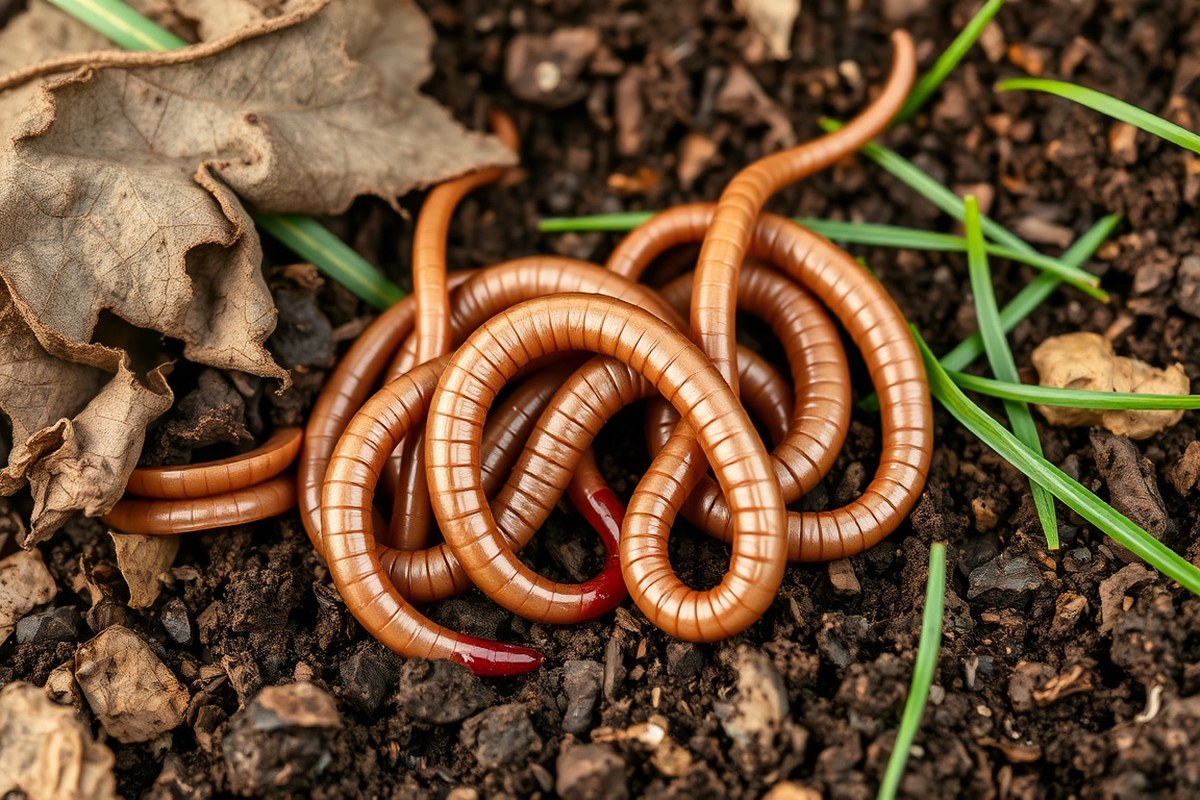
Earthworms feed mainly on dead and decomposing material in your lawn. They eat decaying grass clippings, fallen leaves, old roots, and soft thatch just below the turf. These materials provide the organic matter earthworms need to thrive and help recycle into nutrient-rich castings.
Grass clippings work well in their diet. They break down fast. Earthworms like that they stay moist.
This decaying matter breaks down slowly in soil. Earthworms digest it with microbes it has. They eat tiny fungi and bacteria in organic matter.
This helps their digestion. It also helps soil health.
Besides plant debris, earthworms eat microbes that live in the soil and organic layers. They grind soil and decomposed plant bits together. It enriches the lawn soil.
Their burrows help soil breathe. Their diet needs soil rich in organic matter. The soil pH should be balanced around 6.0 and 7.0.
- Decaying grass clippings left on the lawn
- Fallen leaves mixed into the soil
- Decomposing thatch layers below turf
- Old, dead grass roots
- Microscopic fungi, bacteria, and other soil microbes
- Rotting plant fragments and wood bits
Keep grass clippings on your lawn to support earthworms and cut down on fertilizers.
To encourage earthworms, maintain moderate organic matter of 2 to 5 percent in your soil. Avoid excessive use of chemicals and keep soil pH near neutral.
These conditions bring decomposing materials for earthworms. That keeps your lawn healthy and strong.
How Earthworms Benefit Lawn and Soil Health
Earthworms create tiny burrows as they move through the soil. These tunnels let air flow deep into the ground, which helps grass roots breathe. Better air supply encourages roots to grow strong and healthy.
The burrows help water soak into the soil. Rain does not run off the surface. This keeps the soil healthier.
This means moisture reaches the grass roots more quickly and stays longer. In dry weather, this water storage helps keep your lawn green.
When earthworms eat dead grass and organic matter, they make castings, which are their nutrient-rich droppings. Worm castings act as a natural fertilizer, slowly releasing nutrients like nitrogen and phosphorus. Grass can then absorb these over time, boosting growth without harsh chemicals.
These castings also improve soil texture, making it soft and crumbly. Good soil structure means water drains well but also holds enough moisture. This balance keeps roots happy and helps lawn grass resist drought stress.
Earthworms pull grass pieces into their burrows. They break the debris down faster than on the surface. This speeds up soil nutrient recycling.
This speeds up nutrient cycling and feeds tiny soil microbes that support healthy turf. More microbial activity means healthier soil food for grass roots.
Dig a small patch to check for earthworms. Count the worms you find in this area. This shows how earthworms affect your soil.
Finding about 10 worms per square foot means strong soil health. This is according to Sustainable Agriculture Research and Education. It shows good biological activity in your lawn.
Also watch for soft soil near the surface. Look for worm castings on top of the soil. These signs show earthworm activity nearby.
Earthworm activity depends on soil conditions like moisture. Your lawn drying out makes worms move deeper or die. Fewer worms mean less benefit to your soil.
You need to keep soil moist for worms. Water your lawn regularly during hot weather.
This supports earthworm activity and soil aeration. It helps keep your lawn healthy in the heat.
Common Earthworm Species in Lawns and Their Characteristics
Lawns usually host a few main earthworm types: anecic, endogeic, and epigeic. Each has unique habits, sizes, and benefits that affect soil health differently. Knowing these types helps you encourage the right worms for your lawn’s needs.
Anecic Earthworms and Deep Burrowing
Anecic worms are large and build deep vertical burrows in the soil. Nightcrawlers (Lumbricus terrestris) are the best-known example in North American lawns. These big worms pull organic matter deep into the soil, which improves aeration and drainage.
Earthworms build permanent tunnels that improve air and water flow to roots. Their castings add nutrients deep below the soil surface. They are most active during spring and fall when soil temperatures are between 50 and 70°F.
Endogeic Earthworms and Surface Soil Dwelling
Endogeic worms live near the soil surface, just a few inches deep. They mix organic matter into these top soil layers. This helps improve soil quality.
They don’t build permanent burrows but move horizontally through soil. Most earthworms in lawns belong to this type.
They eat soil mixed with organic debris, breaking it down and producing nutrient-rich castings. Endogeic worms help loosen compacted soil and support grass root growth. You can expect 25 to 50 of these worms per square foot in healthy lawn soil.
Epigeic Earthworms and Organic Matter Feeding
Epigeic worms live close to the surface in leaf litter or mulch. They are smaller and feed directly on decomposing organic matter. These worms speed up the breakdown of surface debris into nutrients plants can use.
They rarely burrow deeply but improve soil surface quality and nutrient cycling. You’re likely to find epigeic worms where organic matter or compost is applied on lawns. They thrive in moist, cool conditions and degrade thatch and organic layers.
Common Non-Native vs Native Worm Species
Most earthworms you find in lawns were introduced from Europe. Native species tend to be smaller and less common in heavily managed soils. Non-native worms like nightcrawlers often dominate because they burrow deep and survive well in lawns.
Using store-bought worms from compost or fishing shops rarely works long-term in lawns. To boost earthworm populations sustainably, focus on improving soil organic matter and moisture. Local compost suppliers sometimes offer native or well-adapted worms for inoculation if needed.
Here is a table to compare these earthworm groups by size, habitat, diet, and lawn benefits:
| Earthworm Type | Size | Habitat | Diet | Lawn Benefits |
|---|---|---|---|---|
| Anecic | Large (3-8 inches) | Deep vertical burrows into soil | Pulls surface organic matter underground | Improves aeration, drainage, permanent channels |
| Endogeic | Medium (2-5 inches) | Top few inches of soil, horizontal tunnels | Eats soil with organic matter | Loosens soil, mixes nutrients, supports roots |
| Epigeic | Small (1-2 inches) | Surface leaf litter and organic debris | Feeds on decomposing organic matter | Speeds decomposition, improves nutrient cycling |
Choosing the right earthworm type depends on your lawn’s soil and organic matter levels. A mix of anecic and endogeic worms usually provides the best overall soil health. Adding compost or organic mulch can encourage epigeic worms to thrive at the surface.
Why Earthworms Appear After Rain and Their Movement Patterns
Earthworms come to the surface after rain because soil pores fill with water. This flooded soil limits the air underground, so worms seek oxygen near the surface.
They don’t just leave the soil. They move up temporarily to breathe and avoid drowning.
Worms come out on the surface during or right after heavy rain. This lasts only a few hours until the soil drains well. When soil moisture drops to normal, worms burrow back down.
They stay within the top 2 to 12 inches of soil. This pattern repeats anytime the soil becomes waterlogged or compacted.
Earthworms dig tunnels vertically and horizontally in your soil. These tunnels let oxygen reach grass roots, improving aeration.
These tunnels also let water drain effectively and allow microbes to break down organic matter faster. This ecological role improves your lawn’s health by delivering nutrients directly where grass roots need them.
Besides aeration, earthworms help convert dead leaves and grass into nutrient-rich forms your lawn can absorb. Their movement gradually tills the soil, mixing organic debris deeper while leaving the grass surface undisturbed.
People have known about this process for over 100 years. Charles Darwin showed how earthworms improve soil fertility.
Heavy rain events trigger earthworms to temporarily emerge, but they don’t cause grass damage. They need healthy soil with easy access to the surface. So thick thatch can block their movement.
Lawns that are compacted or waterlogged often have more worms on the surface. The worms are searching for air in these conditions.
Don’t mistake earthworms on wet grass for lawn pests. You’re seeing natural behavior, not damage.
How to Naturally Attract and Support Earthworms in Your Lawn
Earthworms thrive in lawns with moist, well-aerated soil and plenty of organic matter. You can support earthworm populations by watering smartly, adding compost, and avoiding harmful chemicals. Making these changes helps worms stay active and boost your lawn’s health.
Maintain Proper Soil Moisture and pH
Earthworms need evenly moist soil to survive well. Dry or waterlogged soil will drive them away.
Keep your lawn watered enough to keep soil damp but not soaked. Early morning watering once or twice a week during dry spells works best.
Soil pH between 6 and 7 is ideal for earthworms. Use a soil test kit to check your lawn’s pH level.
Add lime or sulfur only if your test shows it’s needed. This keeps soil balanced and healthy.
Add Organic Matter and Leave Clippings
Earthworm numbers grow when soil has 2 to 5 percent organic matter. Grass clippings and leaves add valuable food.
Leave grass clippings on your lawn after mowing when you can. They help return nutrients to the soil.
This improves lawn health naturally. Earthworms break them down, improving soil naturally.
Apply a thin layer of organic compost about 1/4 inch thick twice a year. This enriches your soil and feeds earthworms. It boosts lawn health and soil life.
Avoid Chemical Pesticides and Over-Liming
Many pesticides harm earthworms. Avoid using chemicals unless absolutely necessary.
Over-liming the soil changes pH too much, which can stress worms. Follow soil test advice closely before adding lime. Stick to natural lawn pest control methods to keep worms safe and active in your yard.
Use Mulches and Reduce Soil Compaction
Mulches like shredded leaves keep soil moist and provide food for earthworms. Heavy foot or vehicle traffic compacts soil. Compacted soil stops worms from moving and breathing properly.
Limit foot traffic on your lawn to protect it. Use pathways or stepping stones to avoid soil damage. This helps keep the soil structure intact.
Here’s a step-by-step plan to increase earthworms naturally in your lawn:
- Test your lawn soil’s moisture and pH with simple kits from garden centers.
- Water early in the day about 1 inch per week, split into two sessions.
- Leave grass clippings on the lawn after mowing to feed earthworms.
- Apply a thin layer of organic compost in spring and fall.
- Scatter shredded leaves or mulch to keep soil cool and moist.
- Avoid pesticides or switch to organic alternatives for pest control.
- Minimize heavy foot or vehicle traffic on the lawn to prevent compaction.
- Use lime only if soil test shows pH below 6, and apply as directed.
When Can Earthworm Activity Cause Lawn Problems?
Too many earthworms will not harm grass by eating it. Problems arise when their castings cover the grass surface too much. These small, crumbly pellets can smother fine turf, especially putting greens or golf courses.
Worm castings pile up when earthworms are very active. This happens after heavy rain or in soil rich in organic matter. You will notice more castings during these times.
The soil conditions that attract worms might also stress grass at the same time. Bumpy lawns can mean a lot of worm activity. But usually it won’t hurt the grass roots.
You can control too many worm castings with easy steps. These steps help keep your lawn tidy and healthy. Managing castings makes your yard look neat.
Let castings dry completely before taking action. Next, rake or drag your lawn to spread the castings.
This stops casting piles from smothering grass. Raising your mower height can protect grass from damage, especially on delicate turf.
- Rake or drag dry castings to break them up and distribute soil
- Raise mower height to avoid stressing grass blades on bumpy spots
- Water deeply but less frequently to avoid overly wet soil
- Add sand to dilute castings on putting greens or sensitive areas
- Use a lightweight roller after raking to smooth bumps gently
- Monitor worm activity over 2-3 seasons instead of immediate intervention
Actions like adding sand take more time and money but improve surface smoothness. Rolling helps restore even ground without killing worms.
Dig into a small patch if you suspect too many worms. 10 or more per square foot is lively but usually fine.
Avoid using pesticides or harsh chemicals to reduce worm numbers. They’re beneficial and do not cause root damage. Look for white grubs if you see brown patches and peeling sod.
Don’t automatically blame earthworms for these problems. Grubs cause more damage than worms do. Maintaining balanced soil and proper mowing lets earthworms help your lawn naturally.
How to Differentiate Earthworm Effects from Other Lawn Pest Damage
Earthworms don’t eat living grass or cause root damage. Their activity often looks like small bumps or castings on your lawn’s surface. Lawn pests, like grubs, cause brown patches and chewing damage to grass blades or roots.
Visual Signs of Earthworm Activity
Earthworm castings are small, round piles of soil on the lawn. They make the lawn feel bumpy but don’t kill grass roots or blades. You may notice worms near the soil surface after rain or watering.
These castings look like tiny mounds or pellets, usually about 1 to 3 inches wide. The grass above earthworm tunnels often looks healthy and green. You will not see tunnels collapsing or large dead patches from earthworms.
Indicators of White Grub and Other Pest Damage
White grubs and other pests chew grass roots, causing brown, thinning patches on your lawn. The grass blades may wilt or die because roots fail. You might also spot grub larvae or other insects by digging around damaged spots.
Grub damage usually forms irregular patches about several square feet or more. The grass can be pulled up easily because the roots are eaten. Insects like chinch bugs cause yellow or brown spots with dying grass blades, not soil mounds.
Recommended Management for Each Problem
For earthworm bumps, simply rake the castings flat or mow regularly to even out your lawn. Avoid pesticides that harm earthworms since they help soil health and grass growth. Their activity alone needs no pest treatment.
To control grubs, treat your lawn only if you find more than 8 to 10 grubs per square foot. Treating less is unnecessary and wastes money. Checking carefully helps you decide if treatment is needed.
Use targeted, natural grub controls or integrated pest management to avoid harming earthworms. Check soil and roots before deciding on insecticides.
| Feature | Earthworms | Lawn Pests (e.g., Grubs) |
|---|---|---|
| Diet | Decaying organic matter, not live grass | Grass roots and blades |
| Signs | Soil castings, small mounds, healthy grass | Brown or yellow patches, weakened grass |
| Damage Type | Cosmetic soil bumps, no plant injury | Root chewing, grass blade damage, dead spots |
| Management | Rake or mow to smooth; no pesticides | Targeted grub treatments if over threshold |
| When to Treat | Rarely needed | At above 8, 10 grubs per sq. Ft. |
Knowing these differences helps avoid unnecessary pesticide use. Earthworms support your lawn’s soil health and nutrient cycling. Kill pests thoughtfully to protect these beneficial creatures.
Test your soil and inspect roots before applying grub control to avoid harming earthworms.
Step-by-Step Action Plan for Managing Earthworms in Your Lawn
Follow these steps to encourage earthworms while keeping your grass healthy. Track progress by changes in soil texture and grass condition.
- Before you start: Test your soil pH and texture. Healthy earthworm activity happens in balanced, loose soil.
- Week 1: Add organic mulch or compost to your lawn. Look for improved soil moisture and a nice crumbly feel.
- Week 2: Reduce pesticide and fertilizer use. Check for increased worm casts as a sign of less chemical impact.
- Month 1: Water your lawn deeply but infrequently. You should see fewer worms on the surface after rain ups, indicating good soil moisture.
- Month 2: Aerate the lawn to help worms move freely. Notice better grass growth and fewer compacted spots.
- Month 3: Add a thin layer of grass clippings to feed the worms naturally. Watch for more worm tunnels and softer soil.
- Ongoing: Keep mowing at a moderate height to protect grass roots. A healthy lawn supports worm activity without damage.
Frequently Asked Questions
Do Earthworms Eat Grass?
Earthworms do not feed on live grass or its roots. They mostly eat organic stuff in soil, such as decaying leaves and old grass.
Can Earthworms Damage My Lawn?
Earthworms do not damage healthy grass or roots. Visible soil mounds come from their castings, which actually improve soil quality.
Why Do Earthworms Appear After Rain?
Earthworms emerge after rain because moist soil conditions make it easier to move and breathe. They avoid drying out above ground.
Are Earthworms Harmful to New Grass Seed?
Earthworms do not eat viable grass seed. Seedlings that don’t grow usually suffer from pests or disease, not earthworms.
Does Earthworm Activity Vary by Season?
Earthworm activity peaks in spring and fall when soil temperatures are 50 to 70 degrees Fahrenheit. Moisture levels also affect their movements.
How Do Earthworms Improve Lawn Soil?
Earthworms break down organic matter, aerate the soil, and add nutrients with their castings. This helps grass grow stronger roots.
Wrapping Up
Earthworms don’t eat living grass but improve soil that helps grass grow. Start adding organic matter to feed earthworms today. You’ll soon see your lawn become healthier and more resilient.