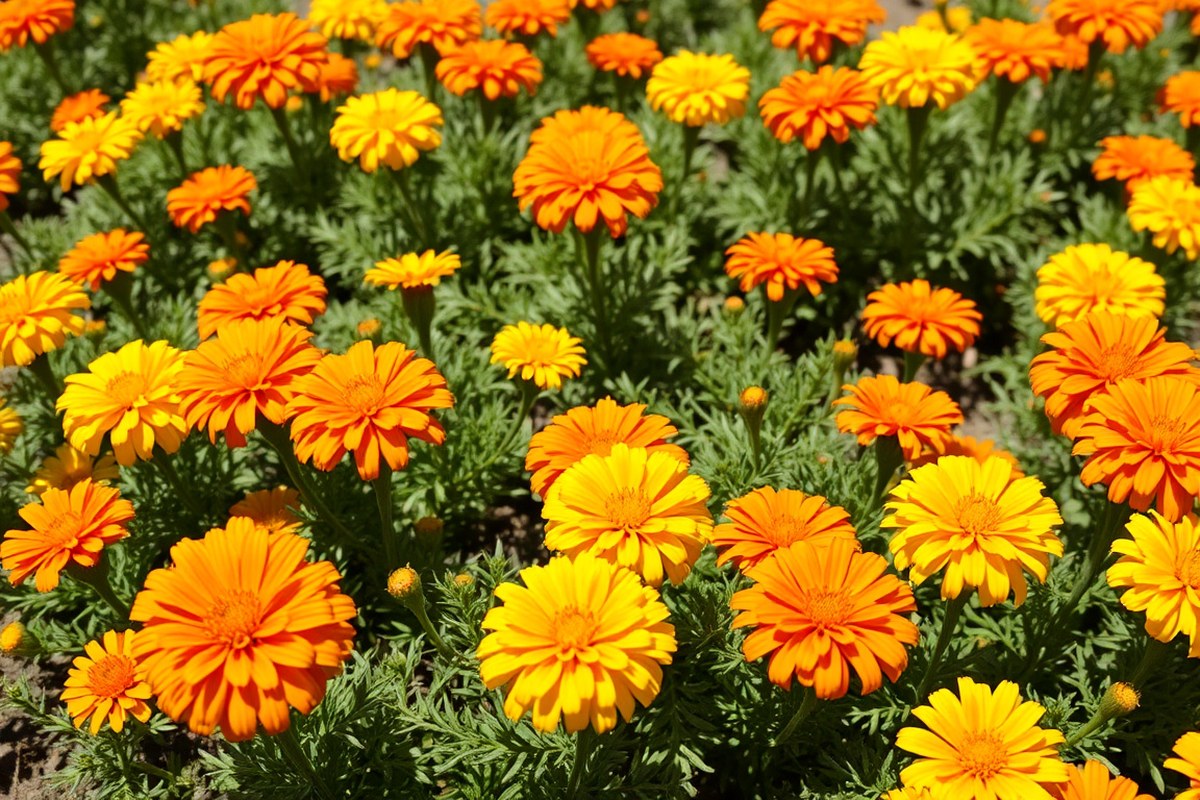
Are Marigolds Annuals or Perennials? Clear Answers and Growth Tips
Marigolds mostly grow as annuals, finishing their life cycle in one season. They sprout, flower, and die within that year. Some types might behave differently but most die after one season.
Certain marigold species, such as the Mexican marigold, can survive as perennials. They thrive in warmer climates and often return year after year. In USDA zones 8 to 11, marigolds rarely freeze and continue growing.
Marigolds need temperatures above freezing to survive the winter. You might see perennials in mild areas, but frost kills them in colder zones. Gardeners in cold regions usually treat marigolds as annuals and replant yearly.
Besides climate, marigold varieties differ in size and blooming habits. Some types grow tall with large flowers, while others stay compact. Knowing your variety helps manage care and expectations for your garden.
Key Takeaways
- Most marigolds are annuals that finish their life cycle within one season.
- Mexican marigolds grow as perennials in warm zones 8 through 11 with mild winters.
- Use USDA zones to guide whether your marigolds will survive winter outdoors.
- French marigolds stay compact and are easy annuals for small spaces.
- African marigolds grow tall with big flowers and make strong garden accents.
- Plant marigolds in full sun to get the best blooms each season.
Are Marigolds Annuals or Perennials by Species?
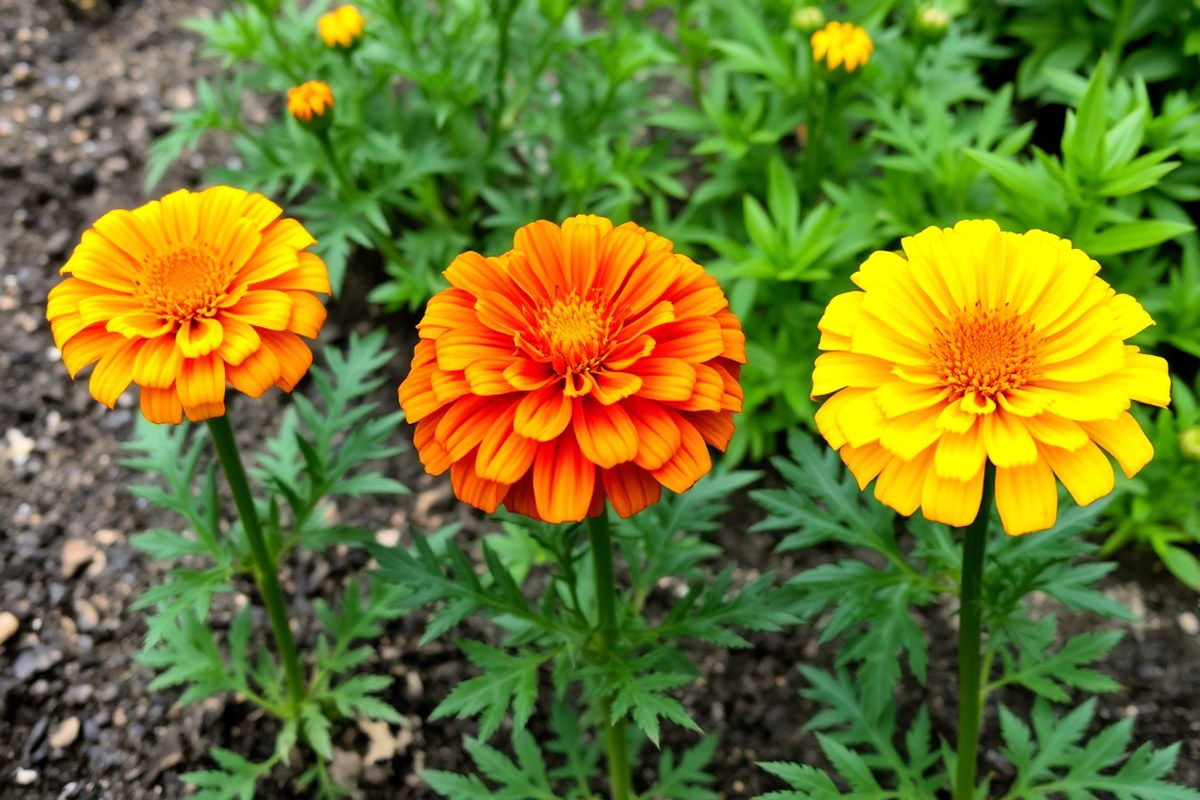
Most marigold types gardeners plant last only one season. These plants don’t survive frost or cold weather. You have to replant them yearly for bright spring and summer flowers.
Some marigold species are perennials and live multiple years in warm climates. Perennial marigolds die back in winter but regrow from the same roots when spring returns. These varieties prefer USDA zones 8 to 11 where winters stay mild enough for root survival.
| Marigold Type | Life Cycle | Hardiness Zone | Typical Height | Grows Back Yearly? |
|---|---|---|---|---|
| French Marigold (Tagetes patula) |
Annual | All zones (grown as annual) | 6 to 12 inches | No, reseeds only |
| African Marigold (Tagetes erecta) |
Annual | All zones (grown as annual) | 12 to 36 inches | No, reseeds only |
| Signet Marigold (Tagetes tenuifolia) |
Annual | All zones (grown as annual) | 8 to 12 inches | No, reseeds only |
| Mexican Marigold (Tagetes lucida) |
Perennial | Zones 8 to 11 | 4 to 6 feet | Yes, regrows from roots |
| Mexican Mint Marigold (Tagetes lucida) |
Perennial | Zones 8 to 11 | 2 to 3 feet | Yes, regrows from roots |
| Mountain Marigold (Tagetes lemmonii) |
Perennial | Zones 8 to 11 | 3 to 6 feet | Yes, regrows from roots |
Knowing the marigold species helps you tell if it’s annual or perennial. Your climate zone also changes how it grows. This info helps you plan your garden better.
Most common garden marigolds, like French and African types, act as annuals regardless of climate. Mexican marigolds, though, can come back year after year if you garden where winters are mild.
Remember, annual marigolds usually self-seed but won’t regrow from roots. Perennials survive underground through winter and sprout again without replanting. This difference shows how much work you’ll do each year.
Annuals need replanting every season. Perennials can come back by themselves next year. Cooler climates mean treating more marigolds as annuals to avoid losses to cold.
How USDA Zones Affect Marigold Perennial Growth
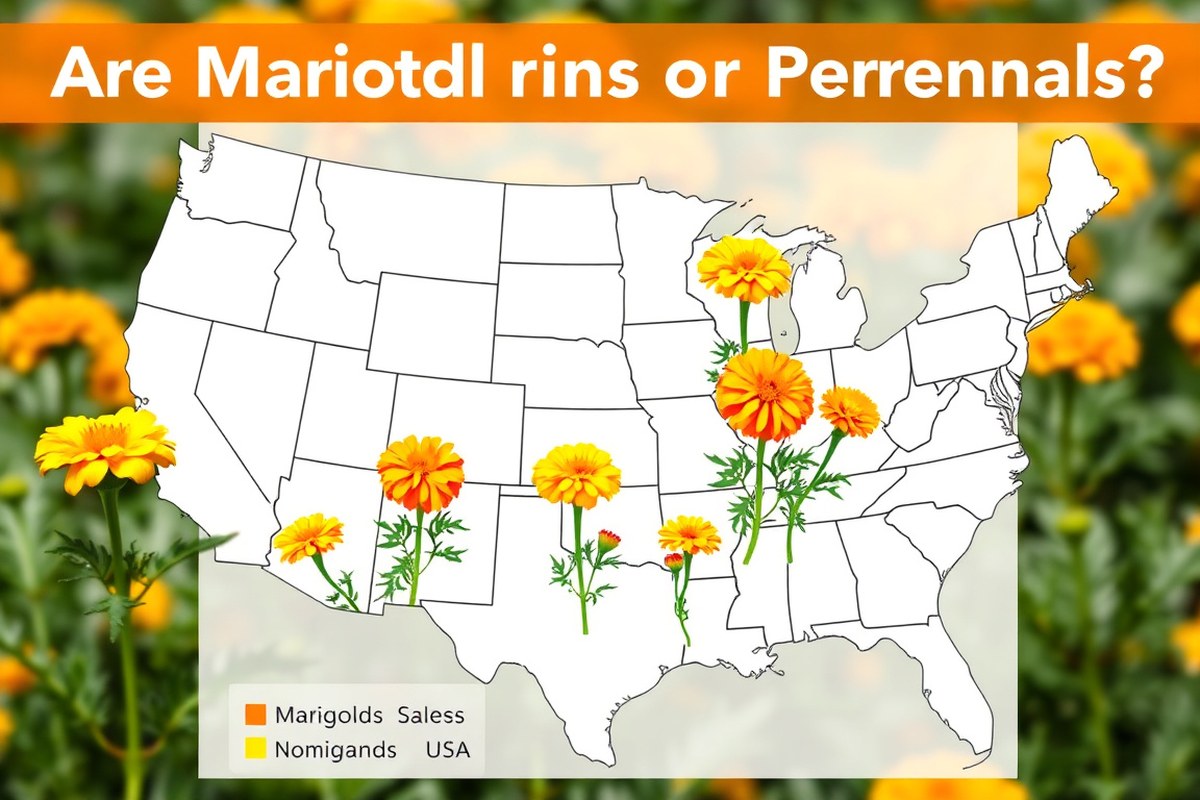
Marigolds behave differently depending on the USDA zone you live in. Mexican marigolds (Tagetes lemmonii) and Mexican tarragon (Tagetes lucida) are the only common perennial types.
They survive winters in USDA Zones 8 through 11, where frost is rare or mild. In colder zones, these plants won’t make it through the winter.
French and African marigolds are annuals that only live one season in all zones. They can reseed in Zones 9 to 11, so they may look like perennials.
However, those are new plants growing from seed, not the original plant coming back. Frost kills these annual marigolds in colder areas, ending their life cycle.
| USDA Zone | Marigold Type | Growth Habit | Winter Survival |
|---|---|---|---|
| 6 and below | French, African Marigolds | Annual | Do not survive frost |
| 7 | French, African Marigolds | Annual | Do not survive heavy frost |
| 8 | Mexican Marigold (Tagetes lemmonii) | Perennial | Survives mild winters |
| 8 | French, African Marigolds | Annual | Frost sensitive, treated as annuals |
| 9 to 11 | Mexican Marigold, Mexican Tarragon | Perennial | Survives mild winters easily |
| 9 to 11 | French, African Marigolds | Annual but may reseed | Can appear perennial by reseeding |
Deciding if you can grow marigolds as perennials depends on your zone. In Zones 8 and above, you can plant Mexican marigolds as perennials.
They grow 4 to 6 feet tall with woody stems and survive winters without extra protection. Below Zone 8, treat French and African marigolds as annuals.
Keep an eye on your area’s last frost date to protect tender plants. In Zones 6 and colder, frost arrives early and kills marigolds each year.
This means you’ll need to start fresh annually, either from seed or young plants. In warm zones where frost is uncommon, perennials will thrive with less fuss.
Don’t try to overwinter French or African marigolds outdoors below Zone 8. They won’t survive frost and will die.
Key Marigold Varieties: French, African, Mexican, and Signet
French, African, Mexican, and Signet marigolds all have unique traits. French and African marigolds grow as annuals, while Mexican marigolds are perennials. Signet marigolds are smaller annuals with delicate leaves and flowers.
French Marigolds: Compact and Color-Rich
French marigolds grow to about 6 to 12 inches tall. They have small, ruffled flowers that come in yellow, orange, and red shades. These plants bloom heavily and stay compact in the garden.
French marigolds are annuals that die when frost hits. Their color variety brightens up beds and containers. You’ll find French marigolds easy to grow with consistent watering and sunlight.
African Marigolds: Tall and Showy Flowers
African marigolds are the tallest common variety, growing 3 to 4 feet high. They produce big, double-layered flowers that stand out in yellows and oranges. This height makes them great for the back of beds or borders.
These marigolds are annuals, so they won’t survive freezing temperatures. Their bold flowers can fill space quickly and add strong color contrast. Regular deadheading helps keep African marigolds blooming longer.
Mexican Marigolds: Woody Perennials with Fragrance
Mexican marigolds grow as woody shrubs that can reach 3 to 5 feet tall. They have slender leaves and small yellow flowers that give off a strong fragrance. These are true perennials in frost-free areas.
They tolerate heat and drought better than other marigolds. You can expect Mexican marigolds to return year after year in zones without hard freezes. Their open growth habit also makes them good for mixed borders.
Signet Marigolds: Small with Delicate Blooms
Signet marigolds grow between 6 inches and 2 feet tall depending on the cultivar. They feature lacy, delicate foliage and small, single-layer flowers in yellow or orange. These plants are also annuals.
Signet marigolds have a graceful look due to their slender stems and fine leaves. They bloom steadily throughout summer and attract pollinators. Their small flower size makes them ideal for edging or smaller garden spots.
Planting Marigolds for Annual and Perennial Success
Planting marigolds successfully means timing the process well and preparing your soil. You can start seeds indoors or plant directly outdoors depending on your zone. Warm zones allow fall planting, while colder areas need spring planting after frost.
When to Plant Marigolds by Zone
In cooler areas, sow marigold seeds outside after the last frost date. This usually falls in mid to late spring. In USDA zones 9 to 11, planting in early fall brings color through winter and spring.
Start marigold seeds indoors four to six weeks before your frost date. This gives you a good head start on the growing season. This indoor start is especially useful in zones with a short growing season.
Starting Marigold Seeds Indoors
Begin by filling trays with a light seed-starting mix, which drains well and supports root growth. Plant seeds about a quarter-inch deep.
Keep the soil temperature between 65 and 80 °F for good germination. Seeds should sprout within 7 to 21 days in this range.
Put seed trays near a bright window or use a grow light. Provide 12 to 16 hours of light each day for best growth.
Keep the soil moist but not soaked. Once seedlings have two sets of true leaves, they can be hardened off and transplanted outside.
Soil Preparation for Planting
Marigolds do best in well-drained soil that’s moderately fertile. You don’t need super-rich soil as too much nitrogen causes fewer flowers and more leaves.
Loosen the soil by tilling 4 to 6 inches deep. Mix in compost to improve soil texture and add nutrients.
Check that the planting site receives full sun, at least six hours a day. Poor drainage or heavy shade can stunt marigold growth and reduce bloom size.
Fall Planting for Warm Zones
In USDA zones 9 to 11, plant marigold seeds or seedlings late summer to early fall. This timing gives plants time to establish before cooler but frost-free winters. They’ll bloom longer and often return the next spring in mild climates.
Keep the soil moist during fall planting and watch for pests that multiply in warm weather. Fall-planted marigolds will need occasional watering if rains are sparse.
Steps to Plant Marigolds Successfully
Follow these steps whether you start seeds indoors or plant outdoors directly.
- Choose the right marigold variety for your climate and preferences.
- Start seeds indoors 4 to 6 weeks before the last frost date in your area.
- Use a light seed-starting mix and plant seeds 1/4 inch deep.
- Keep soil temperature between 65 and 80 °F for germination.
- Move seedlings to a sunny window or under grow lights.
- Prepare outdoor soil by tilling and mixing in compost for better drainage and nutrients.
- Transplant seedlings outside after the last frost or direct sow seeds when soil warms.
- In warm zones, plant again in early fall for winter and spring blooms.
Care Differences Between Annual and Perennial Marigolds
Marigold annuals and perennials need similar basics, like watering and sunlight. Water plants when the top inch of soil feels dry. Usually, water once or twice a week.
Check soil moisture regularly to avoid overwatering. Perennials may benefit from less frequent watering once established, as their roots go deeper.
Fertilize marigolds about once a month during the growing season. Use a balanced, water-soluble fertilizer with equal parts nitrogen, phosphorus, and potassium. Avoid over-fertilizing annuals since it can cause more leaf growth but fewer flowers.
Pruning differs between annuals and perennials. Deadhead spent flowers on both types to encourage more blooms. Cut back perennials by about one-third after their first bloom.
This encourages fresh, healthy growth. Do this to keep plants thriving. Annuals don’t need hard pruning since they live one season.
Overwintering is the biggest difference in care. Annual marigolds die off with frost. So remove the dead plants after the first hard freeze.
Perennials survive if you protect their roots. Mulch the base with 2 to 3 inches of straw or leaves to insulate during winter. In very cold zones, dig up perennials before frost arrives.
Keep them potted indoors to protect from freezing. This helps them survive winter safely.
Deadheading marigolds regularly can double your blooming period. So don’t skip it even for perennials.
Both types thrive in well-drained soil with good airflow. Avoid wet soil in winter to prevent rot in perennials.
Watch for wilting during dry spells, that’s your cue to water deeply. With one cutback and some mulch, perennials come back stronger the next spring.
Costs for care come mainly in time and supplies like fertilizer and mulch. Annual maintenance happens during growing months. You’ll also prep perennials to protect them in winter.
Both steps keep plants healthy year-round. Done right, you’ll enjoy bright, healthy blooms all season.
This applies whether plants come back yearly or not. Proper care suits any garden style.
How Marigolds Reseed and Self-Sow in Gardens
Most marigolds are annuals, but they often reseed themselves the next year. This means you may see new plants pop up near the old ones without replanting. Reseeding depends on the variety and the garden conditions, like soil, moisture, and where you live.
French and African marigolds, the most common types, usually finish their life cycle in one season. They die after a hard frost but leave seeds behind. These seeds can sprout in spring once the weather warms up.
Avoid disturbing the soil too much for better growth. The seeds need stable conditions to start growing well.
Some marigold varieties self-sow more reliably than others. Mexican marigolds are known for spreading easily, sometimes growing wild by themselves.
Signet marigolds also drop seeds that grow into new plants each year. Encouraging this can save you money and effort on buying new plants.
- Let some flowers go to seed before cutting them back.
- Leave the seed heads on the plants until they dry and turn brown.
- Lightly rake the soil to help seeds settle but avoid deep digging.
- Keep the soil moist in early spring to help seed germination.
- Thin seedlings to avoid overcrowding young plants.
- Collect seeds if you want to control where marigolds grow.
- Remove seedlings in unwanted areas to prevent spreading.
Controlling self-sowing means balancing how many seeds stay in the garden and where they grow. You can encourage reseeding by letting flowers mature fully and avoid heavy mulching too early. You can keep seeds for next year if you want.
Storing seeds helps you start plants inside early. You can also plant them in a different location later.
Some gardeners treat marigolds like annuals, replanting every year for steady blooms. Others enjoy the surprise of new seedlings appearing where old plants grew. Knowing your local climate helps.
For example, in colder zones, seeds might not survive winter. So reseeding fails more often.
Common Growing Mistakes with Perennials and Their Fixes
One common mistake is planting perennial marigolds too early, before the last spring frost. Cold damage happens quickly to these tender seedlings. Wait until nighttime temperatures stay above 50°F for several days before planting outside.
Overwatering is another big problem. These marigolds don’t like soggy soil. Check the soil moisture by sticking your finger about two inches deep.
Skip watering that day when the soil feels wet to touch. Let the soil dry out between waterings to avoid root rot and yellow leaves.
Marigolds need full sun for at least 6 hours daily. Without enough light, they grow leggy and produce fewer flowers. Move them to a sunnier spot or trim plants blocking light.
- Wait to plant after the last frost to avoid cold damage.
- Check soil moisture before watering to prevent overwatering.
- Give plants at least 6 hours of direct sun daily.
- Remove dead stems and flowers to encourage new growth.
- Trim plants carefully, cutting just above a leaf node.
- Use mulch in winter to protect roots in colder zones.
Pruning mistakes hurt perennial marigolds by slowing regrowth or inviting disease. Always use clean, sharp tools to snip away dead or spent flowers. Cut just above a leaf node to encourage bushier growth and more blooms.
Mulching around the base of perennial marigolds helps protect their roots during cold months. Use about 2 inches of organic mulch such as shredded leaves or bark. This keeps the soil warmer and moist, reducing winter die-back in zones colder than southern Florida.
Starting Marigold Seeds Indoors: Step-By-Step Guide
Begin marigold seeds inside about 6 to 8 weeks before frost. Use a good potting soil and water enough to keep it damp. Give seedlings bright light and move them outside after two real leaf sets appear.
Choosing Seed Trays and Soil Mix
Select shallow seed trays with drainage holes for good water control. Use a well-draining, sterile potting mix made for seed starting. Avoid garden soil since it holds too much water and may contain pests or diseases.
Fill the trays with potting mix and water thoroughly about an hour before sowing seeds. The soil should feel moist but not wet when you touch it. This preparation helps the seeds absorb water evenly.
Sowing Seeds and Watering Correctly
Place one or two marigold seeds per cell or section in the tray. Lightly cover them with about 1/4 inch of dry potting mix. Press down gently so seeds make good contact with soil.
- Water the soil from below by setting trays in a shallow dish of water.
- Let the soil soak up water for 10 to 15 minutes and then remove trays.
- Keep the soil moist but let the top dry out slightly between watering.
- Water at the base instead of overhead to avoid fungal problems.
Start watering from below to avoid washing seeds away or causing damping-off.
Providing Proper Light Conditions
Place seed trays in a bright window or under fluorescent grow lights. Marigolds need 6 to 8 hours of bright light daily for strong seedlings. Avoid dim light, which causes leggy, weak plants.
Keep the temperature around 70°F to 75°F to speed germination. Seedlings usually emerge within 5 to 10 days under these conditions.
Preparing Seedlings for Transplant
Wait until seedlings have two sets of true leaves before transplanting outdoors. This usually takes 4 to 6 weeks after sowing. Harden off seedlings by gradually exposing them to outdoor sun and wind over a week.
Plant seedlings in well-prepared garden soil, spacing them 8 to 12 inches apart. Water thoroughly after transplanting and watch for signs of shock like drooping leaves.
Step-by-Step Action Plan for Growing Marigolds Successfully
Use this plan to decide if marigolds will thrive as perennials or annuals in your area. Follow each step to grow healthy marigolds all season.
- Before planting: Check your USDA zone to see if marigolds survive winters as perennials. Cold weather means you should grow annuals or reseed each year.
- Week 1: Pick marigold types that match your growing zone. French and African marigolds work well as annuals. Mexican marigolds suit perennial growing. Confirm with seed packets.
- Week 2: Start seeds inside six to eight weeks before the last frost. You can also sow seeds outdoors right after frost ends. Healthy sprouts mean you timed it right.
- Week 4: Transplant seedlings outside after frost risk ends. Look for strong stems and healthy leaves as signs it’s working.
- Month 2: Water marigolds regularly but don’t soak soil. Check leaves for wilt or yellowing to adjust watering.
- Month 3: Deadhead spent flowers weekly to promote more blooms and prevent unwanted seedlings.
- After first frost: If in a warmer zone, protect perennials with mulch. Watch for new growth in spring to confirm survival.
- Ongoing: Allow some flowers to produce seed if you want natural reseeding. Check for seedlings around your garden in spring.
Frequently Asked Questions
Can I Keep Marigolds Alive Indoors to Treat Them as Perennials?
Yes, you can keep marigolds indoors to extend their life as perennials. They need bright light and regular watering to thrive inside your home.
Do Marigold Perennials Need Different Soil Than Annuals?
Marigold perennials usually prefer well-draining, fertile soil, similar to annuals. Adding compost helps improve soil quality for both types.
How Does Pruning Affect Marigolds Grown as Perennials?
Pruning helps marigold perennials stay bushy and bloom longer. Trim dead flowers to encourage new growth throughout the season.
Are Marigolds Resistant to Common Garden Pests Year-Round?
Marigolds resist many pests but this varies by type and climate. Perennials may face more long-term pest risks than annuals.
Do Marigolds Need Winter Protection in Warmer Zones to Stay Perennial?
In warmer zones, marigolds often don’t need winter protection to survive. Frost can damage perennials in colder areas, though.
Can I Divide Marigold Perennials to Propagate More Plants Easily?
Dividing marigold perennials is not common but possible for some types. Usually, growers prefer seeds or cuttings for propagation.
Final Thoughts
Marigolds can be annual or perennial, depending on your climate and care. Check your local zone and pick the right varieties for best results.
Plant and care for marigolds as instructed above. This ensures blooms either yearly or each season.