Do Peace Lilies Need Sun? Complete Guide to Light Care That Works
Do peace lilies need sun to grow well or just enough to survive? They don’t need direct sun but do require bright, indirect light to thrive.
Too much direct sunlight can burn their leaves. Too little light slows their growth and dulls their green color.
Place your peace lily 6 to 8 feet away from a bright window with filtered sunlight. East-facing or north-facing windows work best because they offer gentle light without harsh rays. These spots mimic a peace lily’s natural shaded environment in tropical forests.
Make sure your peace lily gets at least 8 to 10 hours of indirect sunlight daily. This amount keeps the leaves healthy and encourages those classic white blooms. Avoid dark corners where your plant might limp or lose vigor over time.
Key Takeaways
- Set peace lilies 6-8 feet from east or north-facing windows for gentle light.
- Provide 8-10 hours of indirect sunlight daily to keep your peace lily healthy.
- Keep peace lilies out of direct sunlight to prevent leaf burn and damage.
- Rotate the pot 180 degrees every few weeks to ensure even light exposure.
- If sunlight is scarce, use grow lights for 14-16 hours to supplement natural light.
- Maintain room temperatures between 65-75°F to support peace lily growth.
Do Peace Lilies Need Sunlight to Thrive or Just to Survive?
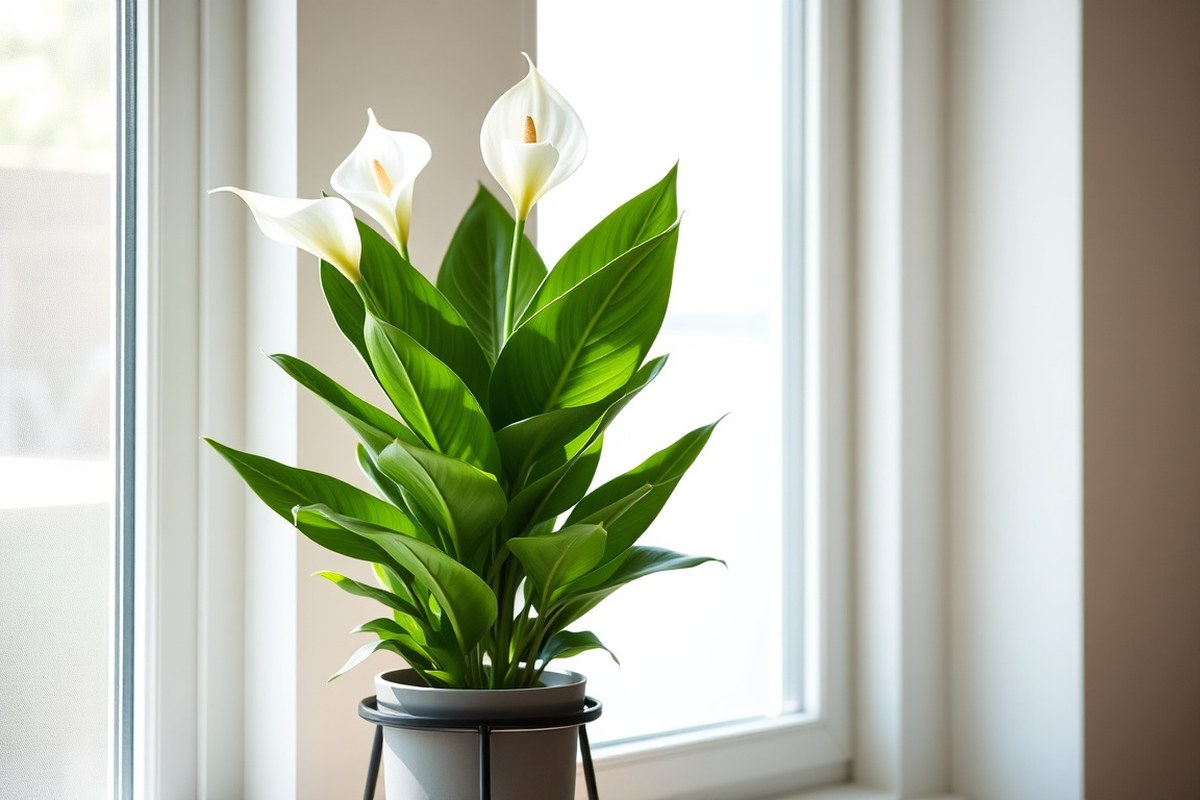
Peace lilies need sunlight to survive, but they don’t thrive in direct sun. They grow best in bright, indirect light for about 8 to 16 hours a day.
Low light is okay. But too little light stops them from blooming and weakens their growth.
Direct sunlight can burn their leaves and cause yellow spots or brown edges. Bright, filtered light helps peace lilies produce healthy, shiny leaves and occasional white blooms. An east-facing or north-facing window works well for peace lilies.
Light should be softened by a sheer curtain. This helps protect the plant from strong sunlight.
They can survive in low light, like bathrooms or basements with some indirect sunlight. However, without any natural light, they won’t survive long. Your home may lack enough sunlight for your peace lily.
Use a grow light for 10 to 12 hours per day. Place it a few feet above the plant for best results.
Ideal Placement and Window Orientation for Peace Lilies
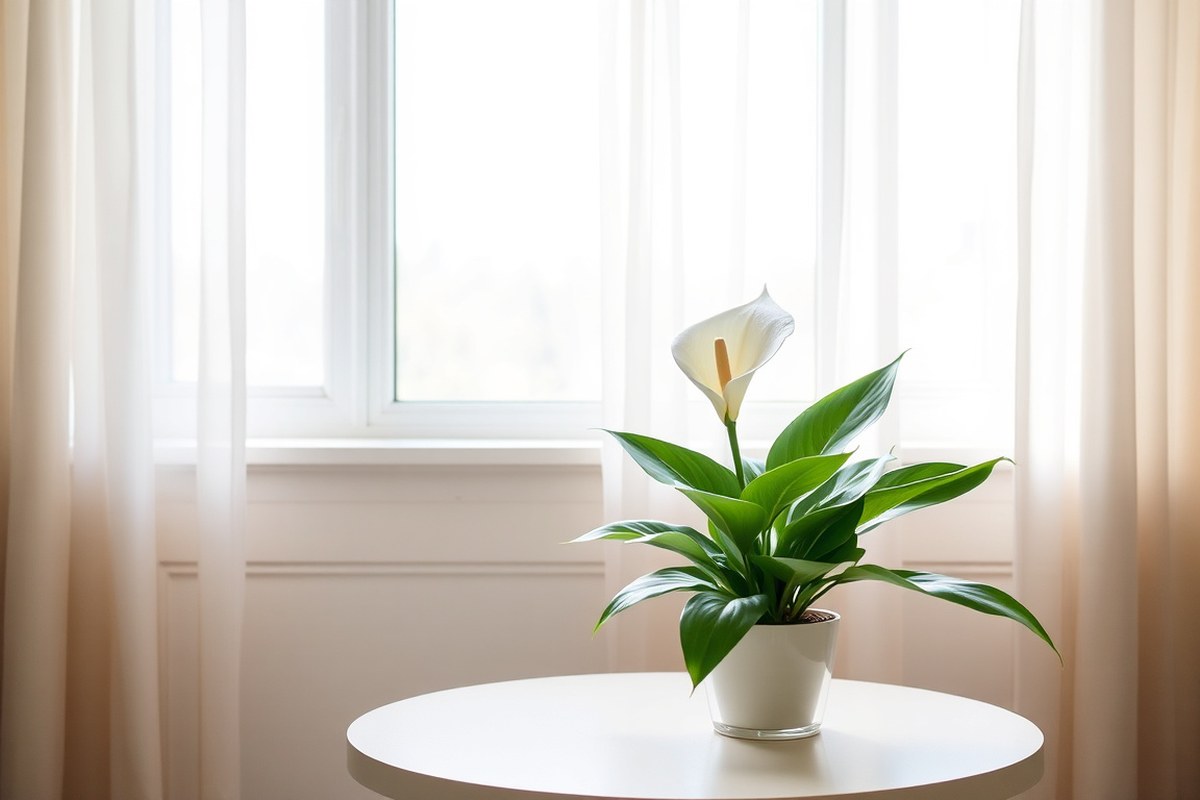
Place your peace lily where it can get bright, indirect light. The distance from windows depends on their direction and how much sun they bring. Proper placement stops leaf burn and keeps your plant healthy.
North-Facing Windows
North-facing windows offer the dimmest light among all directions. Your peace lily does well about 3 to 4 feet away from these windows. Here, it receives consistent, indirect light without any direct sun that could harm it.
This spot works well when you don’t want strong sunlight on the plant. It stays safe without extra protection.
You can relax knowing the light won’t harm it. It keeps the leaves green and encourages steady growth without sun scorch.
Don’t put the plant right on the windowsill if it faces north. It gets too little light there.
East-Facing Windows
East-facing windows give gentle morning sun, which is safe for peace lilies. Keep the plant 2 to 3 feet from the light source. It gets bright, indirect light plus some soft direct rays.
This helps keep the plant healthy. This spot mimics natural conditions where the morning sun is less harsh.
Morning sunlight boosts your peace lily’s health without risking leaf burn. Use sheer curtains if the sun feels too strong on warm days.
South-Facing Windows
South-facing windows shine the brightest and strongest sunlight in the afternoon. Put your peace lily about 4 to 5 feet from the window. Another option is to place it behind a thin curtain.
This softens the sunlight reaching the plant. Direct afternoon sun can dry and scorch leaves quickly.
Use this setup when you want plenty of light but need to prevent damage. Adjust placement seasonally to follow the sun’s intensity changes throughout the year.
West-Facing Windows
West-facing windows bring intense late-day sun, warmer than morning light. Set your peace lily 3 to 4 feet from the window. Shield it from the brightest rays to avoid damage.
This balance helps the plant grow well. Sheer curtains or a spot behind furniture help protect the plant.
This direction suits peace lilies when filtered sunlight is available. Avoid placing it in direct late afternoon sun or the leaves can brown and curl.
| Window Orientation | Recommended Placement |
|---|---|
| North-facing | Place the plant a few steps away, about 3 to 4 feet from the window. It doesn’t need direct sunlight to thrive. A spot with gentle light works best. |
| East-facing | Position the plant 2 to 3 feet from the window. Early morning sunlight is mild and safe for the leaves. This spot offers gentle natural light. |
| South-facing | Keep the plant 4 to 5 feet away or behind a light curtain. Avoid the strong afternoon sun to prevent leaf burn. The filtered light suits peace lilies well. |
| West-facing | 3, 4 ft away; shield from late-day intensity |
The table shows how far to place your peace lily from different window types. Correct distance helps it soak up enough light without sun damage. You can use sheer curtains for south and west windows to keep light gentle.
Never put your peace lily too close to a window with strong afternoon sun. It risks leaf burn.
How to Recognize and Fix Light-Related Problems in Peace Lilies
Peace lilies show clear signs when they get too much or too little light. Yellow or brown leaf edges mean too much sun.
Droopy, pale leaves tell you they need more light. Adjusting their light exposure quickly helps fix these problems.
Symptoms of Excessive Light Exposure
Too much direct sun causes leaves to bleach or turn pale on top. You might see brown, crispy tips forming around the edges. The plant can also wilt or dry out faster because bright sun speeds up moisture loss.
Other common signs include:
- Yellowing or brown spots on leaves
- Leaf scorch or crisp edges
- Leaves curling or feeling dry and brittle
- Sudden leaf drop or wilting
These signs often appear when a peace lily moves suddenly from shade to bright sun. They can happen indoors near south-facing windows during winter.
Signs of Insufficient Light
Pale, droopy leaves are a major clue that your peace lily needs more light. The plant may stop growing or developing new leaves. It often struggles to bloom and looks leggy as it stretches to find light.
Other signs to watch for include:
- Slow growth or no new leaf production
- Long, thin stems reaching toward light
- Lack of flower buds or blooms
- Leaves turning a dull green or yellowish shade
Peace lilies tolerate low light but need steady indirect light to stay healthy and bloom well. Too little light weakens them over weeks or months.
Steps to Revive a Sun-Damaged Peace Lily
Move your peace lily away from direct sun immediately to a shaded spot with filtered light. This prevents more leaf burn and stress. Water more often, as the plant will dry faster after sun exposure.
Trim off any brown or crispy leaf tips using clean scissors to keep the plant tidy. Avoid fertilizing until the plant starts growing new healthy leaves again. Increase humidity around the plant to reduce stress through leaf misting or a humidity tray.
- Relocate to filtered light within hours
- Cut damaged leaf tips cleanly
- Water more frequently but do not overwater
- Keep humidity around 40-60%
- Avoid fertilizing until recovery shows
Recovery can take a few weeks. New, undamaged leaves signal your peace lily is healing after sun damage.
Encouraging Blooms Through Light Adjustment
To help your peace lily bloom again, give it light. It needs about 10 hours of indirect sunlight every day. Find a bright spot, but avoid direct sun.
A bright north or east-facing window usually works well. Rotate the plant weekly so all sides get equal light.
Light might be the issue if it stopped blooming. Raise the light levels slowly to prevent sunburn.
Leggy stems and no flowers often improve in a few weeks with better lighting. Combine this with regular watering and humidity control to support flower production.
- Provide 10 hours of indirect sunlight daily
- Place near a bright north or east window
- Rotate the plant weekly for even light
- Increase humidity to 40-60%
- Avoid sudden exposure to direct sun
Good blooms return as the plant grows stronger in optimal light. Consistency matters to keep flowering steady.
Using Artificial Light and Grow Lights for Peace Lily Care
You can use grow lights to replace or add to natural sunlight for peace lilies. They work well in rooms with little sunlight or during darker months. Knowing which lights to pick and how to set them up helps your plant stay healthy.
Types of Artificial Lights Suitable for Peace Lilies
Fluorescent lights are the easiest and best choice for peace lilies. They provide enough brightness without harsh rays.
LED lights may not cover all the light your peace lily needs. So avoid relying on only LEDs.
Fluorescent bulbs mimic the dappled sunlight peace lilies get in nature. They create a soft, indirect glow similar to filtered light in a rainforest. That gentle light helps the plant grow without burning leaves.
Recommended Daily Duration and Timing
Keep artificial lights on for 12 to 14 hours each day. This matches the peace lily’s natural light needs, especially in winter or dim rooms. Turn lights off at night to give the plant a proper rest period.
If your room gets some natural light, shorten artificial light to fill gaps only. Use a timer to stick to a daily schedule. Consistent lighting helps peace lilies grow steadily and avoid stress.
Proper Placement and Distance from the Plant
Place grow lights about 1 to 3 feet away from your peace lily. This distance provides enough brightness while preventing leaf burn. Adjust the height depending on your light’s strength and size.
Use a plant stand or an adjustable lamp to easily change light distance. Move the light closer if the plant shows slow growth or droopy leaves. Move it back if you see brown or scorched leaf edges.
Seasonal Lighting Adjustments for Consistent Peace Lily Health
Light changes with the seasons, so you need to move your peace lily accordingly. In winter, shorter days and weaker sunlight mean bringing your plant closer to the window helps. Put your peace lily near a bright window.
Avoid direct afternoon sun. South-facing spots can burn the leaves.
During summer, protect your peace lily from harsh rays by moving it away from direct sunlight. Bright indirect light is best.
Use curtains or blinds to filter strong light if needed. This reduces leaf scorch and keeps your plant looking healthy without changing its spot too much.
Artificial light can help when natural light is not strong enough. In late fall and winter, moving the plant may not help. Use a grow light for 10 to 12 hours daily.
This supports your plant’s light needs. Choose a bulb that mimics daylight to keep your peace lily growing and flowering well.
| Season | Light Adjustment | Location Tip | Protection Advice |
|---|---|---|---|
| Winter | Move closer to windows | Near south-facing window, avoid direct sun | Keep indoors away from cold drafts |
| Spring | Gradually move back from windows | Bright indirect light near east or west windows | Use sheer curtains to soften sunlight |
| Summer | Place farther from windows | Avoid direct afternoon sun from south-facing windows | Filter strong rays with curtains or blinds |
| Fall | Move closer to windows | West or south-facing window with indirect light | Watch for early morning sun burn |
Regularly shift your peace lily’s position through the year to match natural light patterns. This helps avoid leaf damage and keeps its blooms strong. Watching how the sun moves across your windows daily can show you the best spots.
Keep peace lilies out of direct afternoon sun all year to prevent brown leaf edges.
Remember, the plant’s needs can vary by your specific window type and home layout. Using a timer for artificial lights and monitoring leaf color lets you tweak care. Soon, your peace lily will stay vibrant season after season.
How Light Affects Watering and Humidity Needs of Peace Lilies
Light exposure affects how much water peace lilies need. In brighter spots, peace lilies lose moisture faster through leaves. They need watering about once a week when placed in light shade or indirect bright light.
In lower light, peace lilies use less water and dry out slower. You should water every ten to fourteen days in low light. This helps stop root rot.
Don’t water too often. Always check soil moisture by sticking a finger an inch deep. Water only if dry.
Humidity matters too. Peace lilies like humidity between 40% and 60%, which helps balance their water use. Dry indoor air, especially in winter, affects peace lilies.
Mist the leaves or use a humidifier. This keeps leaves healthy.
Balancing light and water means avoiding common mistakes. Overwatering is the main risk in shade since slow soil drying causes root rot. Dry soil and curling leaf tips warn about underwatering in bright spots.
Seasonal light shifts also affect watering. When days shorten and light fades, water less often, about every ten days to two weeks. Spring and summer bring stronger light and more warmth.
Check soil moisture twice a week. Water if the soil feels dry.
Keep a simple routine to care for your peace lily. Check soil weekly and adjust watering with light changes. Add extra humidity when air is dry.
This keeps plants vibrant and avoids dead roots or crispy leaves. Size and pot type also affect watering speed. Smaller pots dry quicker and need more attention.
Light Requirements for Different Peace Lily Varieties
Not all peace lilies share the same light needs. Most prefer medium, indirect light to grow well and bloom.
Some varieties tolerate lower light better, but none like full direct sun. Too much sun will burn their leaves and spoil their glossy look.
Here’s a quick comparison of popular peace lily types and their light preferences. This can help pick the right one based on your available light:
| Variety | Light Tolerance | Preferred Conditions | Sun Sensitivity |
|---|---|---|---|
| Classic Peace Lily | Medium to low light | Bright, indirect light | High sensitivity to direct sunlight |
| Sweet Pablo | Medium light | Bright, indirect light for best blooms | Avoid direct sun to prevent leaf burn |
| Compact Varieties | Lower light tolerance | Bright to medium indirect light | More sensitive to direct sun than large-leaf types |
| Large-Leaf Cultivars | Medium light preferred | Bright, filtered light to thrive | Leaf edges burn easily under direct sun |
Choosing a peace lily variety depends on how much light you get. If your spot is shady, pick a compact or classic variety with good low-light tolerance. Bright but indirect light spots suit most types, including Sweet Pablo.
Protect your peace lily from direct sun, especially midday. A window with sheer curtains works well.
Also, dust the broad leaves every few weeks. Clean leaves absorb light better and keep your plant healthy.
Common Mistakes with Peace Lily Lighting and How to Avoid Them
Too much direct sun is a common mistake with peace lilies. Its leaves can burn quickly, turning brown and crispy at the edges. Place the plant where it gets bright, indirect light instead of harsh rays.
Lack of enough light is another problem. Peace lilies grow slowly and rarely bloom without enough brightness. Move your plant closer to a window with filtered light for growth.
A third issue is inconsistent lighting. Moving the plant often or placing it in spots with shifting light confuses its growth cycle. This can cause uneven leaf size and patchy colouring, making the plant look unhealthy.
Rotating your peace lily helps it get even light exposure. Turn the pot about a quarter turn every week. This prevents the plant from leaning toward the light and encourages balanced growth on all sides.
- Keep peace lilies away from direct afternoon sun to avoid leaf burn.
- Use sheer curtains to soften the light near sunny windows.
- Maintain a stable spot, avoiding frequent moves or drafts by windows.
- Rotate the plant 90 degrees every 7 days for even growth.
- Check leaves weekly for signs of browning or fading.
- Increase indirect light slowly if your plant seems leggy.
- During winter, supplement with a grow light if natural light drops.
Too much or too little light stunts your peace lily. Steady care with proper placement keeps it thriving without stress.
Reduce direct light right away if you see crispy leaf edges. Brown spots mean your plant needs a gentler sun filter or a shadier spot.
Keep an eye on new leaf growth. Healthy leaves should be bright green and firm.
Moving your peace lily near a north-facing window during winter helps avoid low light stress. Rooms without bright windows need a small LED grow light.
Use it 8 to 12 hours daily for good growth. This costs about $15 to $25 for a basic setup and lasts through the season.
Rotating the plant takes just seconds each week but makes a big difference. Avoid sudden changes like moving it between very bright and dim spots. Consistency will prevent shock and give you a fuller, healthier peace lily.
Step-by-Step Action Plan for Peace Lily Light Care
Follow these steps to give your peace lily the right light and spot issues early. Watch how your plant responds to adjust care as you go.
- Day 1: Place your peace lily in bright, indirect light near east or north windows. Check leaf color; they should look rich green, not pale.
- Week 1: Check for leaf burn or droop daily. Move plant farther from direct sun if leaves brown or curl.
- Week 2: If natural light is low, use a grow light. Place it over your plant for 12 to 14 hours each day. Look for new healthy growth.
- Month 1: Rotate your plant a quarter turn every week. Leaves should grow evenly on all sides.
- Every season: Adjust placement as sunlight shifts. Move the plant closer to the window in winter.
- Regularly: Check soil moisture; light affects watering needs. Water when the top inch feels dry.
- After spotting issues: Reduce light intensity or switch to artificial lighting if yellowing or wilting appears.
- Ongoing: Avoid low-light spots for long stretches to keep blooms healthy and leaves vibrant.
Frequently Asked Questions
Can Peace Lilies Survive in Low Light Areas?
Yes, peace lilies can survive in low light but won’t bloom well. They prefer bright, indirect light for flowers to appear.
How Much Direct Sunlight Is Harmful to Peace Lilies?
Any amount of direct sun can harm peace lilies by burning leaves. Even short exposure can cause leaf scorch and yellowing.
Do Peace Lilies Get Stressed from Sudden Changes in Light?
Yes, sudden light changes can stress peace lilies, leading to leaf damage. Move them gradually to avoid shock and adjust to new lighting slowly.
Can Peace Lilies Adapt to Artificial Lighting Only?
Peace lilies can live under artificial lighting but need enough hours daily. Aim for 16-18 hours of bright, indirect artificial light for good growth.
What’s the Best Window Direction for Peace Lilies in Winter?
A north or east-facing window is best in winter for gentle light. These spots offer bright but filtered light, avoiding harsh rays during low sun angles.
Are Peace Lilies Prone to Pests Due to Light Issues?
Poor lighting weakens peace lilies, making pest problems more likely. Proper indirect light helps keep the plant healthy and more resistant to pests.
The Bottom Line
Peace lilies grow best in bright, indirect light but avoid direct sun. Adjust light by watching leaf health and moving your plant as needed. Start by placing it in a spot with filtered daylight today.