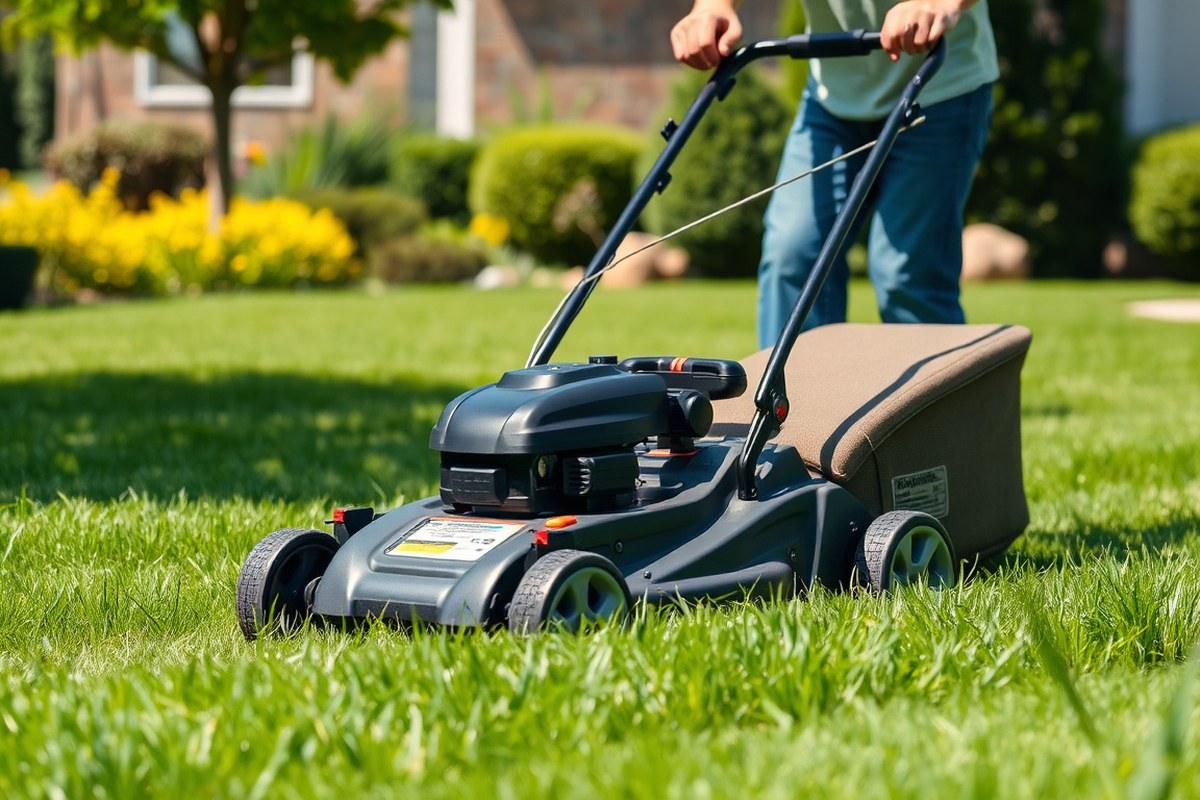
What’s a Good Lawn Mower: A Complete Guide to Choosing the Best Model
What’s a good lawn mower depends mostly on your yard’s size and shape. A solid choice matches your lawn’s needs without wasting money or effort. Picking the right mower means checking that it’s easy to push, cuts well, and lasts long.
Start by thinking about how much grass you need to cut and the terrain’s steepness. For small, flat lawns, lighter electric mowers work well and save you money. Bigger, hillier yards call for self-propelled or riding mowers that reduce physical strain.
Don’t overlook mower weight, battery life on cordless models, and storage space. These factors can make mowing easier or harder. The right mower should make lawn care quicker, not more work than the grass itself.
Key Takeaways
- Choose mower type based on lawn size and terrain to reduce effort.
- Electric mowers suit small yards and offer quiet, low upkeep cutting.
- Self-propelled mowers ease pushing on slopes or larger lawns.
- Battery life matters, look for at least 60 minutes runtime on cordless models.
- Consider mower weight if you have limited strength to avoid fatigue.
- Larger riding mowers carry 2 to 4 gallons of gas, plan fueling accordingly.
What Makes a Good Lawn Mower for Your Yard
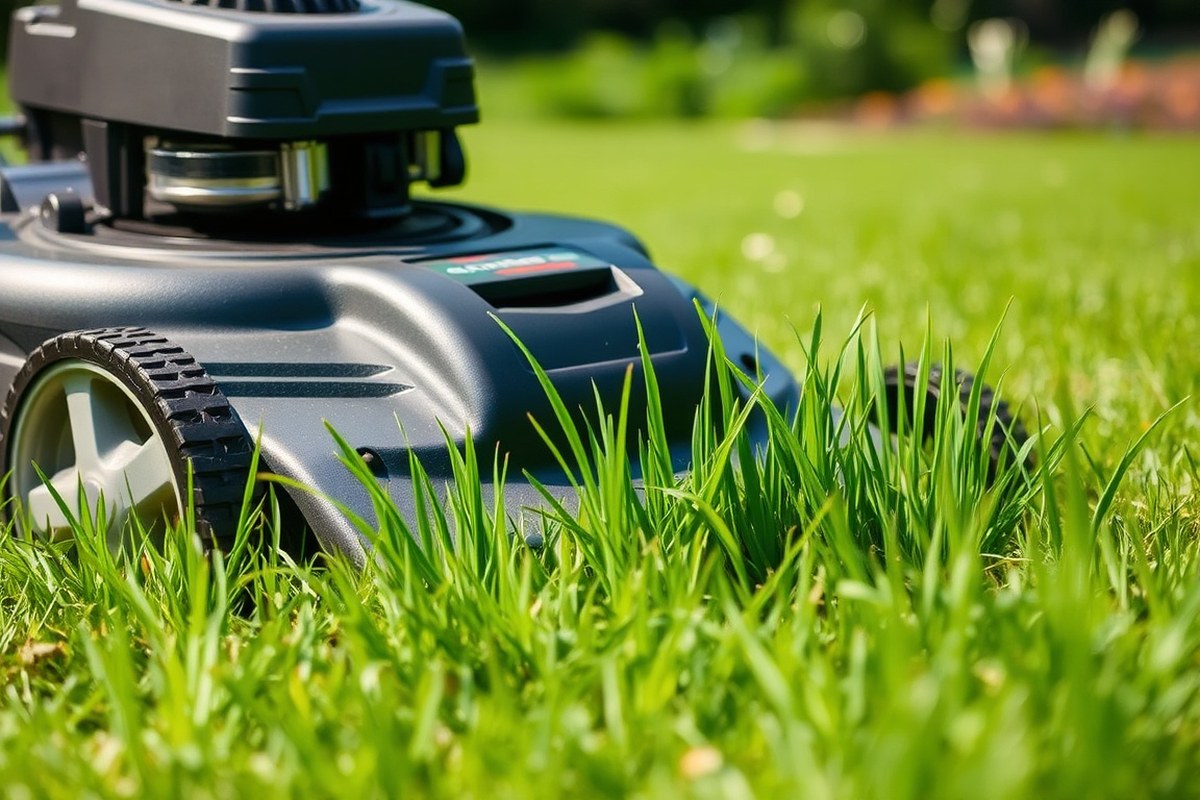
A good lawn mower fits your yard size and makes mowing easier for you. Small yards under 0.15 acres benefit from a lightweight push mower like the Sun Joe Cordless Electric Push. It’s simple to handle and stores easily.
Medium yards up to half an acre get work done faster. Use a self-propelled mower like the Ego Power+ LM2135SP. It has a 21-inch deck and cuts your effort in half.
Larger yards, especially those above one acre, need mowers with bigger decks and more power. Riding mowers with 42- to 50-inch decks cover big lawns quickly. Models like the John Deere S130 or Cub Cadet XT1 LT50 make mowing easier.
They help save time on large yards. They use gas engines producing over 20 horsepower.
So they handle thick grass and uneven terrain without trouble. The mower’s size should match the lawn’s area to avoid too many passes or wasted time.
Power matters for performance and durability. Gas mowers offer strong, steady power but need more maintenance. Battery mowers work well on small to medium lawns.
Make sure to charge them properly for best performance. They might slow down on thick, tough grass. Wheel size and cutting height adjustment also affect quality.
Taller wheels and adjustable decks help move over bumps and keep an even cut. Pick a mower that balances power, size, and ease of use.
This saves time and effort when mowing. It also keeps your yard healthy and neat.
Comparing Lawn Mower Types: Push, Self-Propelled, Riding, and Robotic
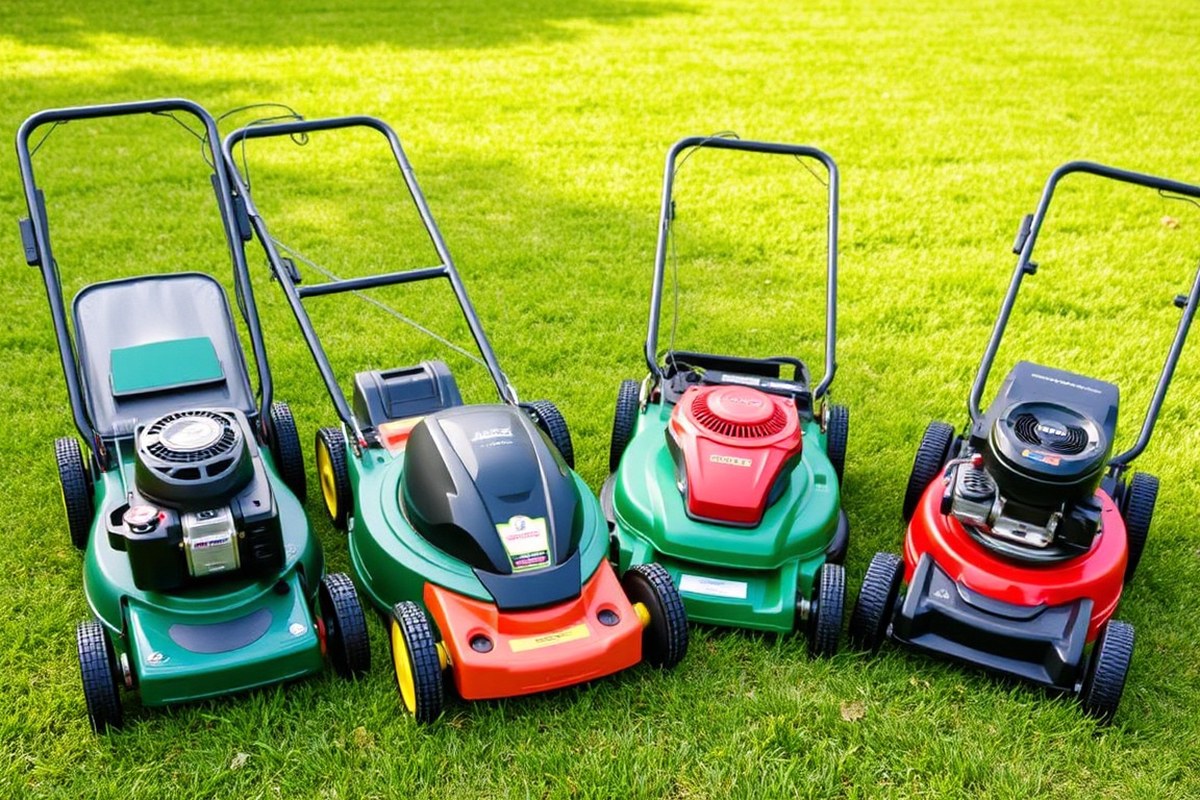
Lawn mowers come in four main types: push, self-propelled, riding, and robotic. Each has its perks and downsides based on lawn size and terrain. Picking the right type helps you mow easier and faster.
Push Mowers: Simplicity and Control
Push mowers are the simplest option, where you walk behind and push the mower. They usually weigh between 25 and 55 pounds, depending on the power source. These mowers are best for small, flat lawns.
You control their speed by walking. That makes them easy to use.
They cost less upfront and have fewer parts to maintain. However, pushing can get tiring on larger or uneven lawns. Also, they take longer to mow big areas because you don’t have engine-assisted movement.
Use proper posture while pushing to avoid back strain, especially on uneven ground.
Self-Propelled Mowers: Ease and Power
Self-propelled mowers use the engine or motor to move forward, reducing the effort you put in. They come as gas, electric, or battery models. These mowers save time on medium or large lawns.
Choose one that fits your needs. The extra power helps on slopes or thicker grass.
They are heavier and pricier than push mowers, often adding $100 or more to the cost. Some models, like the Ego Power+ 21-inch mower, offer quiet operation with strong cutting power. You still walk behind these but at an easier pace.
Check for variable speed controls to match your walking comfort and lawn conditions.
Riding and Zero-Turn Mowers: Large Area Efficiency
Riding mowers let you sit while you steer. You use a wheel or levers to drive. They work well for big lawns.
Rear-engine models cost less but cover less ground quickly. Zero-turn mowers are more expensive but handle twists and turns really well.
A typical riding mower holds 2 gallons of gas, enough for longer mowing times without stops. They weigh much more but finish large lawns fast and reduce physical work. Riding mowers work best on flat or gently sloped yards.
Don’t forget to wear hearing protection; these mowers are loud during use.
Robotic Mowers: Automation and Convenience
Robotic mowers cut grass without you pushing or riding. They use GPS navigation to map your lawn and work mostly on smaller areas. Their batteries last only so long, so they are not suited for large lawns.
These mowers are quiet and save you time but come at a higher price. You don’t need cables around your yard anymore, thanks to newer GPS technology. They do best on flat, obstacle-free lawns.
Program your robotic mower carefully to avoid obstacles and protect flower beds.
Power Sources Explained: Gas, Electric, and Battery Lawn Mowers
Gas, electric corded, and battery-powered lawn mowers differ in power, upkeep, and how long they run. Gas mowers pack the most punch and tackle bigger yards well.
Batttery mowers offer a handy balance of power and flexibility. Corded electric mowers limit your range but need less upkeep and cost less upfront.
Gas-Powered: Performance and Longevity
Gas mowers handle thick, tall grass and large areas well because of their strong engines. They usually have wider cutting decks. About 20 to 22 inches wide.
This means fewer passes on big lawns. You’ll spend more time doing maintenance like changing oil and spark plugs every season.
Gas models run as long as you have fuel. So there is no battery runtime worry.
That makes them better for big yards or uneven terrain. However, gas engines produce more emissions and tend to be louder outside your home.
Electric Corded: Consistency and Limitations
Corded electric mowers offer steady power without gas or battery swaps. They have smaller cutting decks, about 13 to 21 inches. Best for small yards.
Works well if you have easy access to outlets. You don’t need to charge them.
But you must stay near a power source. Also, manage the cord carefully.
These mowers require less maintenance than gas models because they have fewer moving parts. They produce no direct emissions. So they’re quieter and greener for lawn care on small properties.
Cord length and yard layout limit where you can mow. So they aren’t great for large or complex lawns.
Battery-Powered: Flexibility and Runtime
Battery mowers almost match gas power. They suit medium lawns up to 4,000 square feet. Run times typically last 30 to 60 minutes depending on battery size.
For example, the Greenworks model has a 5Ah battery. It runs about 60 minutes before recharge.
Swapping or charging batteries lets you manage longer sessions, but you must plan ahead. These mowers are quieter and cleaner than gas versions. They need less maintenance.
No oil changes or fuel storage required. They cost more upfront, around $250 to $465. But save on fuel and upkeep over time.
Key Lawn Mower Features That Affect Performance and Use
Cutting width affects how fast you mow. A 20 to 21-inch deck suits most home lawns. Smaller yards work well with a 16-inch deck for better maneuvering.
Larger areas may benefit from decks 22 inches or wider to save time. Choose a size that fits your walkways and obstacles to avoid extra trimming.
Height adjustment changes your grass length and lawn look. Most mowers offer height settings from 1 to 4 inches. Use higher cuts during summer for healthier grass and lower cuts for neat edges in spring.
Single-lever adjustments let you change heights quickly. For dense, thick lawns, go for mowers with multiple height positions for precise control.
Mulching, bagging, and side discharge handle grass clippings differently. Mulching chops clippings finely, returning nutrients to your soil. Bagging collects clippings for easy removal, ideal if you want a tidy lawn.
Side discharge ejects clippings out the side, good for frequent mowing. Many mowers have a 3-in-1 system to switch modes based on your needs.
- Check cutting width: 16-inch for small lawns, 20-21 inches for medium, 22+ inches for large
- Use height adjustment between 1-4 inches for seasonal grass health
- Choose mulching to feed grass, bagging to collect, or side discharge for quick cuts
- Look for a single-lever or quick-snap height adjustment for easy changes
- Pick mowers with 3-in-1 cutting options for flexibility
- Consider decks with turbo buttons or faster blade speeds for tougher turf
- Self-propulsion helps on slopes and reduces push effort
Self-propelled mowers save effort and boost control on hills or uneven ground. They use variable-speed rear-wheel drive to match your walking pace. You’ll push less and focus more on steering.
This feature costs more but suits bigger or rougher lawns. Without it, mowing can become tiring, especially on slopes or thick grass.
How Lawn Size and Terrain Influence Your Mower Choice
Yard size matters a lot when picking a lawn mower. For big lawns, choose a cutting deck wider than 30 inches. It covers more ground with each pass.
This helps you save time. On smaller yards, decks between 16 to 22 inches fit better through tight spaces and gates. A larger deck cuts faster but can be harder to maneuver around obstacles like trees.
Slopes and uneven ground need special mower features to keep control and avoid damage. Self-propelled mowers with good traction or all-wheel drive work better on hills and bumpy spots. Riding mowers with front engines handle slopes up to 15 degrees.
They make sharper turns. This helps them move more smoothly. Push mowers on hills can be tough, requiring more effort and risking uneven cuts.
Lawns with many trees, flower beds, or fences benefit from mowers that turn sharply. Zero-turn riders work best here. They have a tight turning radius.
Mower decks include multiple cutting blades for good coverage. Robotic mowers can mow complex lawns alone and adjust to uneven ground with dual cutting plates. But they cost more and need a defined boundary area.
Stick with a mower size that matches your yard’s space and terrain. Try a deck 2 to 6 inches wider if your mower is slow. This helps cut your lawn faster.
Riding mowers and zero-turns cost more upfront but handle complex layouts better and reduce physical effort. These can cost around $1,000 to $3,000.
Smaller push or robotic mowers cost a few hundred dollars. The bigger price reflects size and features.
For steep or uneven ground, pick a mower with strong traction. It handles slopes well. This helps prevent accidents and uneven cuts.
Maintenance Essentials for Long-Lasting Lawn Mowers
Keeping your lawn mower in top shape means regular maintenance. Gas mowers need oil, filters, and carburetor care.
Electric mowers focus on batteries and blades. Routine tasks help avoid costly problems and extend your mower’s life.
Basic Cleaning and Blade Care
Cleaning the mower after each use stops grass buildup. Use a brush or hose to clear clippings from the deck and around the blades. Don’t let wet grass stay on the mower, as it can cause rust or clogging.
Sharpen blades at least once a year or more if you mow often. Dull blades tear grass, leading to brown edges and poor lawns. Replace blades if they get too thin or bent.
- Clean mower deck and blade area after each use
- Sharpen blades every 12-25 hours of mowing
- Replace blades every 1-3 years depending on wear
- Check blade tightness before mowing
- Use a blade balancing tool after sharpening
Well-maintained blades cut grass evenly and improve mower efficiency. Blades that vibrate or leave ragged cuts need attention fast.
Engine and Battery Maintenance
Gas mower engines require oil changes every 25-50 hours, depending on use. Check the air filter every season. Replace it if it looks dirty.
This helps the engine breathe well. Clean or replace the spark plug yearly to help with easy starts. A dirty carburetor can cause idling and cutting problems; clean it occasionally.
Electric mower batteries should be charged after each use and stored in a cool, dry place. Using the mower until the battery is almost empty helps extend battery life.
Replace batteries usually every 3-5 years or sooner if run time drops significantly. Brushless motors need little upkeep but keep vents clean to avoid overheating.
- Change gas mower oil every 25-50 hours
- Replace air filters once a season or as needed
- Inspect and clean spark plugs yearly
- Charge electric mower batteries fully after use
- Store batteries away from extreme temperatures
- Clean brushless motor vents on electric mowers
Keeping up with engine and battery care ensures your mower starts easily and runs smoothly. Neglecting these can cause breakdowns and costly repairs.
Storage and Seasonal Prep
Before winter storage, drain the fuel or add stabilizer. This stops clogs in the tank and carburetor.
Empty the gas, run the engine until it stops, then store in a dry spot. Remove and charge batteries from electric mowers during long storage times.
Clean the mower thoroughly before storing it to prevent rust. Cover it to keep dirt and moisture out. Check all fasteners and cables so nothing loosens or rusts while stored.
- Drain or stabilize gas before storing for winter
- Clean mower and blades before storage
- Charge or remove batteries from electric mowers
- Store mower in a dry, sheltered place
- Inspect tires and cables before storage
Storing your mower correctly protects it during colder months. This prep helps it start right away when mowing season returns.
Troubleshooting Common Lawn Mower Problems and Fixes
Your mower won’t start most often because of stale fuel or a dirty air filter. Drain old gas, refill with fresh fuel, and replace or clean the air filter. For electric mowers, check the battery charge or power connection.
A quick spark plug inspection helps too. Replace it if it looks worn or fouled.
Uneven cuts usually come from dull blades or incorrect blade height. Remove the blade safely by disconnecting the spark plug or battery first. Use a sharpening stone or a blade sharpener to restore a crisp edge.
Set your mower deck to the right height for your grass type. Don’t set it too low. This helps avoid scalping your lawn.
Poor grass discharge or clogging happens when the mower deck clogs with wet or long grass. Raise the cutting height and mow when the grass is dry to reduce clogs.
Clear the discharge chute by removing debris with a stick or brush, not your hands. Periodically clean the underside of the deck after mowing to keep grass from building up.
The mower might be hard to push or control. Check if the wheels or blades cause the problem. Check if the wheels spin freely; clean and lubricate their axles if needed.
For self-propelled mowers, verify the drive system engages properly. Overgrown grass or thick patches may slow you down. So adjust your pace and the blade height.
- Check spark plug and fuel for starting issues
- Sharpen or replace dull blades for even cutting
- Raise blade height to prevent clogging in long grass
- Clean the mower deck regularly to keep discharge clear
- Lubricate wheels and check drive system for pushing problems
Dull steel blades usually last a mowing season before sharpening is necessary. Taking 30 minutes every few weeks to sharpen blades improves cut quality. Blade sharpening tools cost about $10 to $20, saving you from buying new blades early.
Look for clean, smooth grass edges after mowing. Jagged or torn grass tips mean it’s time to sharpen again.
Understanding Lawn Mower Lifespan and Warranty Options
| Type of Lawn Mower | Typical Lifespan | Hours of Use | What Affects Lifespan |
|---|---|---|---|
| Gas Push Mower | 8 to 10 years | 200 to 300 hours | Maintenance, storage, fuel quality |
| Electric/Battery Mower | 5 to 7 years | Up to 200 hours | Battery care, motor quality, weather exposure |
| Riding Mower | 10 to 15 years | 500 to 1000 hours | Engine maintenance, terrain, storage |
| Reel Mower | 15+ years | N/A (manual) | Blade sharpening, rust prevention |
Gas push mowers often last about 8 to 10 years with good care. They generally handle 200 to 300 hours of use before wear takes its toll. Proper storage away from moisture and using fresh fuel helps extend their life.
Electric and battery-powered mowers usually last 5 to 7 years because batteries lose capacity over time. Treat the battery carefully by charging it fully and storing it indoors in winter. Weather exposure can damage motors and casings, cutting life short.
Riding mowers last the longest, often 10 to 15 years. They usually work for 500 to 1,000 hours.
Regular engine tune-ups and checking belts and blades keep them running longer. Riding mowers work harder on hilly or rough terrain, which can reduce life if not maintained.
Reel mowers can last beyond 15 years since they have no engine. Keeping the blades sharp and avoiding rust is key. They are simple machines with fewer parts that wear out.
Warranties cover parts that break from defects. They don’t cover wear or damage from misuse.
Look for warranties of at least two years on motor and frame. Some brands offer longer warranties on batteries and decks, which can save money on repairs.
Service plans can include regular maintenance visits or discounted repairs. These cost about $100 to $300 a year but help keep a mower running smoothly. Always register your mower and use authorized service centers to keep warranties valid.
Store your mower indoors and clean it after each use to prevent rust and engine problems.
What to Know About Safety When Using Lawn Mowers
Wear sturdy closed-toe shoes and long pants while mowing. Safety glasses protect your eyes from flying debris. Earplugs or earmuffs help reduce noise, especially with gas mowers that run louder.
Gas mowers need more careful handling than electric ones. Always fill the gas tank outdoors and when the engine is cold.
Never smoke or use an open flame nearby. For electric and battery mowers, avoid mowing wet grass to prevent slipping and electric shocks.
Steep slopes and obstacles cause common accidents. Mow across slopes, not up and down, to keep better balance.
Clear sticks, rocks, and toys from the yard before mowing. Avoid sudden turns or backing up too often.
- Check fuel levels and battery charge before starting
- Keep hands and feet away from blades at all times
- Use a push mower if balance is an issue on slopes
- Disconnect spark plug or remove battery before clearing clogs
- Store mowers in a dry place to prevent rust and damage
- Follow manufacturer’s instructions for safe maintenance and use
- Stay alert for small children or pets nearby while mowing
Removing clogs or debris safely prevents injuries. Turn off the mower and wait for blades to stop completely.
Use a stick or tool to clear grass, not your hands. Regular cleaning extends mower life and keeps it running well.
Budgeting and Brands: Finding Quality Within Your Price Range
Expect to spend between $200 and $400 for a good push mower. Prices as low as $85 can get a basic model.
But quality and durability often suffer. High-end push mowers can cost up to $640 but usually include better features and sturdier construction.
Electric walk-behind mowers usually cost within this price range. They often give good balance between price and performance. The Greenworks Pro 60V 25-inch mower offers strong value.
It has dual blades and a reliable battery. Models like the Worx WG779E earned Best Buy ratings thanks to their features and low price.
Self-propelled mowers and robotic options tend to cost more. The Segway i110N offers advanced GPS navigation for under $800. But many robotic mowers require boundary wire installation.
These add to your upfront cost and setup time. Riding mowers are heavier and pricier, ranging from several hundred to over a thousand dollars.
Brands like Greenworks, Worx, and Segway maintain good reputations for quality and customer satisfaction. Sticking to well-known brands usually means better parts availability and warranty support. Lesser-known brands might save money upfront but risk more repairs and shorter mower life.
To avoid overspending, match features to your lawn size and needs. Include these steps in your decision:
First, set your maximum budget based on what type suits your yard. For small yards, a basic push mower around $250 works well. Bigger or uneven lawns might need a self-propelled mower.
These mowers often cost $600 to $800. Robotic mowers also fall in this range.
Next, check the mower’s cutting width and adjustability features. Wider decks save time but cost more. Look for multiple height settings so you can fine-tune your cut.
Then, consider weight and ease of use. A mower heavier than 100 pounds might strain you during lawn care. You should spend more for self-propelled models if pushing is hard.
Finally, examine warranties and customer reviews. Good brands usually back their mowers with at least a two-year warranty. Read buyer feedback on reliability and parts availability to avoid surprises.
Buying within your budget means balancing these factors. Avoid overpaying for features you won’t use.
Avoid the cheapest mower if it means more repairs. A poor cut may harm your grass type.
Step-by-Step Action Plan for Choosing and Using Your Lawn Mower
This plan helps you pick the right lawn mower and get started quickly. Follow each step to make sure your mower fits your yard and runs well.
- Day 1: Measure your lawn size and note terrain features. This tells you what mower type suits your yard best.
- Day 2: Decide on power source based on noise, maintenance, and fuel preferences. Check if electric outlets or gas stations are easy nearby.
- Day 3: Compare key features like cutting width, height adjustments, and bagging options. See which ones match your mowing habits.
- Day 4: Set a budget including mower price, fuel, and maintenance costs. Choose a brand known for quality within your price range.
- Week 1: Buy your mower and read the user manual carefully. Follow safety tips and understand maintenance schedules.
- Week 2: Test your mower on a small patch to check performance and comfort. Adjust settings like blade height if needed.
- After 1 Month: Perform basic maintenance: cleaning, blade sharpening, and checking fuel or battery. Regular upkeep keeps it running well.
- Every Season: Inspect mower for wear and get repairs if needed. This boosts mower life and safety.
Frequently Asked Questions
How Do I Know If a Lawn Mower Blade Needs Sharpening?
Check if your grass looks ragged or torn after mowing. Blades that tear instead of cut can damage your lawn and cause disease. Sharpen blades every season or after about 20 hours of use for best results.
Can I Use a Lawn Mower on Wet Grass?
It is best to avoid mowing wet grass because it clumps and can clog the mower. Wet grass also causes uneven cuts and can damage your lawn by spreading disease. Wait until the lawn is dry for easier, cleaner mowing.
What’s the Easiest Lawn Mower to Start for Beginners?
Battery-powered electric mowers are the easiest to start because they use a simple push-button. They have less maintenance than gas mowers and produce no emissions. They are great for small to medium yards with flat terrain.
Can a Lawn Mower Be Used to Mulch Leaves?
Yes, many lawn mowers can mulch leaves. They need a mulch plug or blade for this. Without these, mulching won’t work properly.
Mulching leaves adds nutrients to your lawn when finely chopped. Check your mower’s manual to see if mulching is supported.
How Much Noise Does a Typical Gas Lawn Mower Make?
Gas mowers usually run at 85 to 90 decibels. This level is quite loud. It might bother your neighbors.
Electric and battery mowers tend to be quieter around 60 to 75 decibels. Consider noise levels if you have close neighbors.
Is It Better to Mow the Lawn More Often or Let Grass Grow Longer?
Mowing more often keeps the grass healthier and prevents scalping. Cutting no more than one-third of the grass blade at once reduces stress on your lawn. Regular mowing encourages denser growth and fewer weeds.
Final Thoughts
A good lawn mower fits your yard size, terrain, and budget. Take time to learn how it works well for you. Next, pick your mower and start mowing confidently.