How to Take Care of Indoor Plants: A Complete Guide to Healthy Greenery
Taking care of indoor plants means giving them what they need. Plants need water, light, and proper soil to stay healthy. Knowing this helps your plants grow well.
Water them regularly but not too much. Place them where they get the right light for their type. It’s simple to keep them happy when you know these basics.
Start by finding out how much and how often to water each plant. Overwatering is a common mistake that can harm roots. Pick a spot with enough light for your plants.
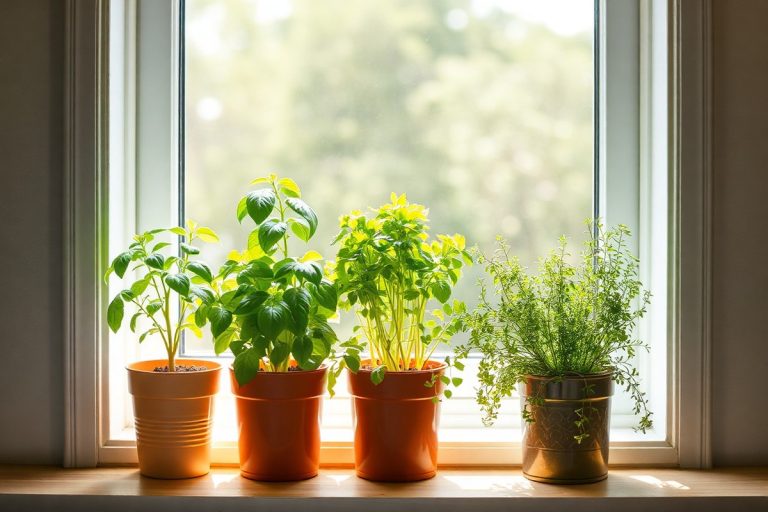
Put them near a window or use a good grow light. This helps plants when natural light is low.
Keep your home’s temperature steady between 65 and 75°F since most indoor plants like it there. Watch humidity too; many tropical plants prefer it around 40 to 50 percent. Matching these conditions keeps your plants thriving and looking fresh.
Key Takeaways
- Water indoor plants every 1 to 2 weeks, depending on species and soil dryness.
- Place medium-light plants near east-facing windows or a few feet from bright windows.
- Maintain room temperature between 65 and 75°F for optimal plant growth.
- Keep humidity at 40 to 50 percent, especially for tropical houseplants.
- Check the top 2 inches of soil to decide when to water next.
- Use potting soil designed for indoor plants to support root health.
How to Take Care of Indoor Plants for Healthy Growth
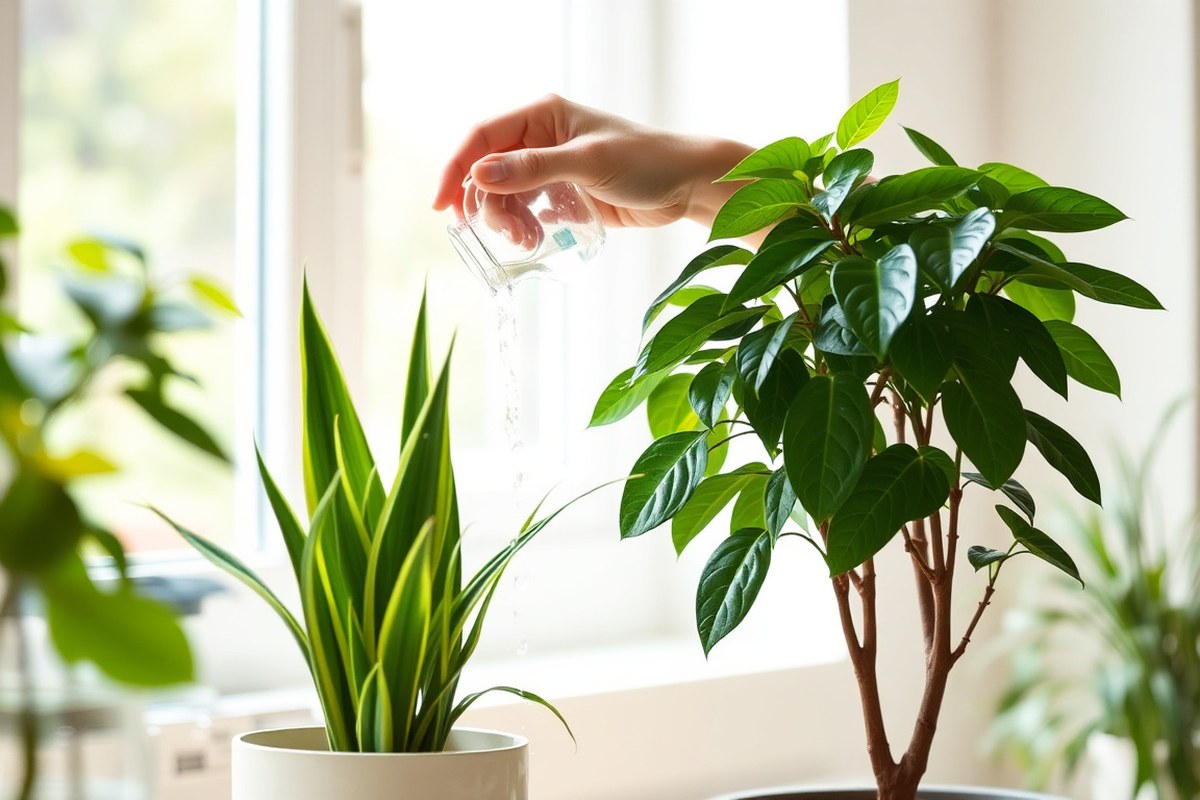
Start by identifying your plant to match care with its needs. Different plants require different light amounts, watering schedules, and soil types.
Use a pot with good drainage and a soil mix suited to your plant’s category. For example, cacti need fast-draining soil to avoid root rot.
Water only when the root zone feels dry to avoid overwatering. You can check soil moisture by sticking your finger about an inch deep. You can also use a terracotta moisture sensor to check moisture.
This sensor darkens when the soil is moist and turns light tan as it dries. Keeping soil too wet invites root rot, which will cause leaves to yellow and drop.
Combine watering with proper light and soil for best results. Most indoor plants grow well in 65 to 75°F temperatures. They like humidity levels around 40 to 50%.
Tropical plants especially need higher humidity. So consider a humidity tray or mist them occasionally. Make sure the chosen potting soil matches your plant’s water and drainage needs.
Watch for new growth on your plants every week. Check them for pests like spider mites or scale. Inspect leaves and stems closely.
Spotting issues early means you can fix problems before they cause major damage. Avoid moving plants to new conditions abruptly. Sudden changes in light or humidity can stress them and stunt growth.
Don’t water your plant on a strict schedule. Let the soil moisture tell you when to water. Avoid using regular garden soil since it might compact and hold too much water indoors.
Avoid sitting the pot in water. Standing water at the pot’s base causes root rot quickly. Lastly, avoid overfeeding.
Use fertilizer only as directed. Overfertilizing can burn roots.
How Often and How Much to Water Indoor Plants
Only water indoor plants when the top 1 to 2 inches of soil are dry. Pour enough water to soak all soil and let extra drain away.
Don’t follow strict watering times. Change how you water based on the plant, pot size, and season to stop root damage.
Checking Soil Moisture Correctly
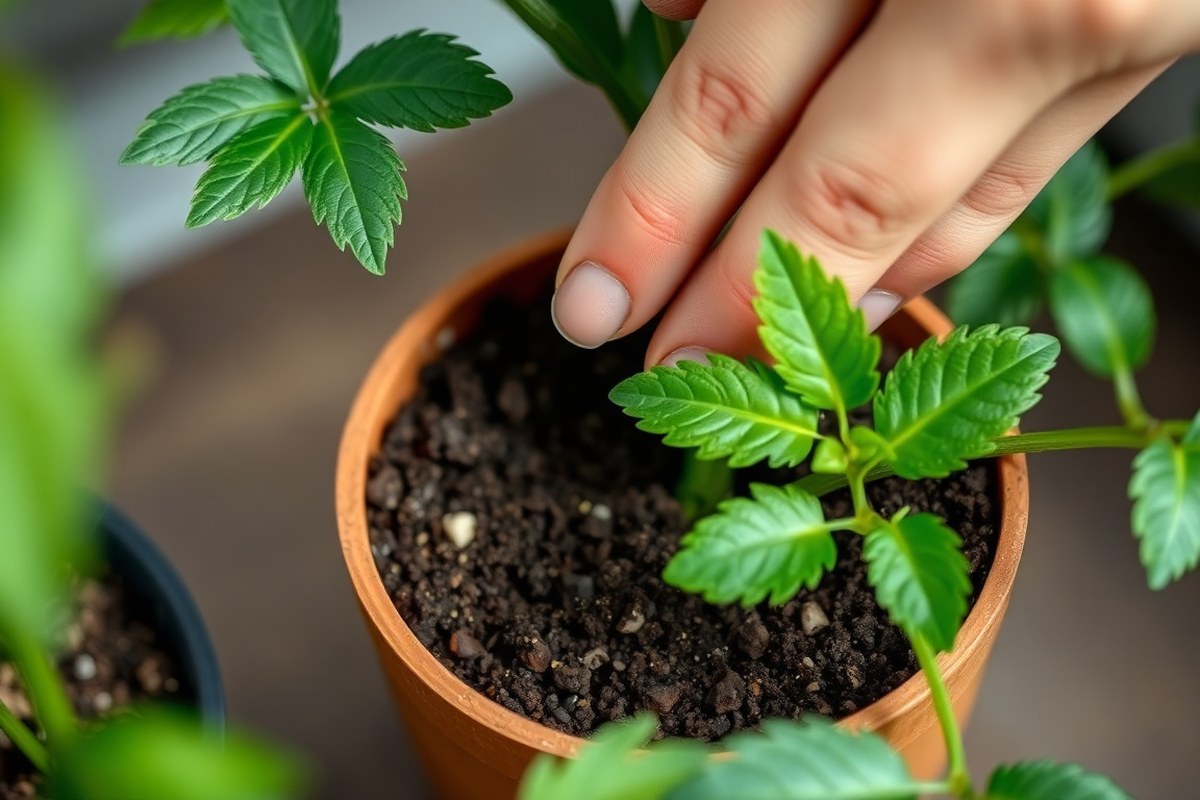
The best way to decide when to water is by checking soil moisture regularly. Stick your finger about 1, 2 inches into the soil near the plant base.
Soil dryness shows when plants need water. If the soil still holds moisture, wait several days before checking again.
Using a moisture meter helps, but finger testing works fine for most plants. Some plants in heavy or non-draining containers dry slower.
So test near the root zone. Avoid letting soil stay soggy, which leads to root rot.
- Insert your finger 1, 2 inches into the soil.
- Feel for moisture; soil should feel dry at this depth before watering.
- Check different spots if soil looks unevenly dry or wet.
- Lift lightweight pots to feel if the volume has noticeably decreased since last watering.
- Observe your plant for signs like drooping leaves, which can signal thirst.
- Avoid watering if the topsoil is still damp or cool.
Use your finger to test soil rather than watering by schedule to avoid overwatering.
Using Different Water Types Safely
Most indoor plants tolerate tap water, but some specialists prefer filtered or rainwater. Avoid water with high fluoride or salts, which can harm sensitive species like peace lilies. Let tap water sit out for 24 hours before use to reduce chlorine.
Leftover cooking water is not safe because it often contains salt and oils. Stick to fresh, clean water for all indoor plants. Room-temperature water reduces shock and keeps roots healthier than cold water.
Softened water contains salts that can damage plant roots over time. Use bottled or distilled water for plants sensitive to tap water.
Very hard or soft tap water can harm some plants. These water types help keep them healthy and safe.
Watering Frequency for Common Plant Types
Watering needs vary by species, light, pot type, and season. Most houseplants do well with watering every 1, 2 weeks. Succulents and cacti need watering less often than other houseplants.
Usually, water every 2 to 3 weeks or when soil feels dry. They store water well, so don’t overwater.
Foliage plants like snake plants and pothos thrive with less frequent watering. Flowering plants usually need more moisture to support blooms. During winter, indoor plants often enter dormancy and require less water.
| Plant Type | Watering Frequency | Soil Condition to Check |
|---|---|---|
| Succulents and cacti | 2, 3 weeks | Soil fully dry 1, 2 inches deep |
| Foliage plants (e.g., spider, pothos) | 1, 2 weeks | Top 1, 2 inches dry |
| Flowering plants (e.g., African violets) | 1 week | Keep soil lightly moist but not soggy |
Letting water drain fully protects roots from soggy conditions and root rot.
Choosing the Right Light and Using Artificial Lighting
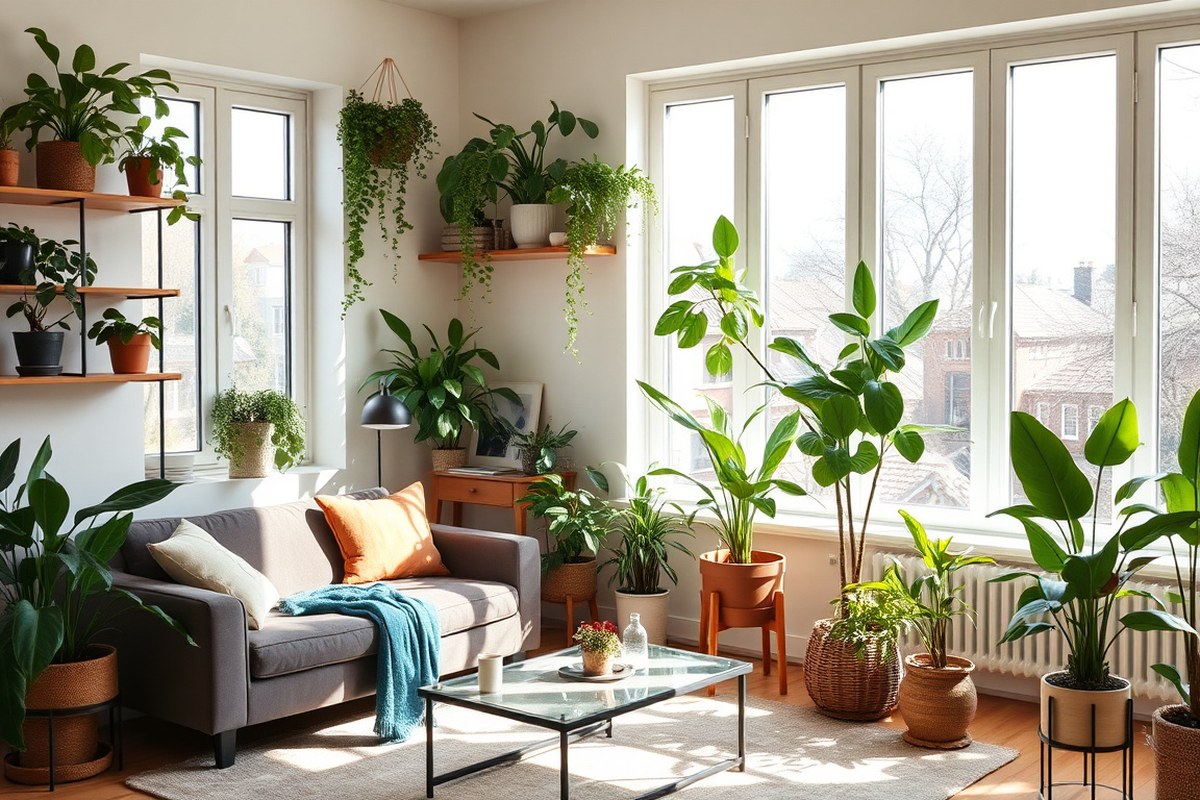
Your indoor plants need the right light to stay healthy and grow well. Assess the natural light where you keep plants and pick types that match it. Use artificial grow lights when natural light is too low.
Run them 8 to 12 hours a day. This is especially helpful during winter months.
Evaluating Natural Light in Your Home
Check which windows receive direct, indirect, or low light to know your home’s light levels. South-facing windows get the most direct sun, great for succulents and cacti. East and west windows offer moderate light for plants like African violets and Boston ferns.
North-facing windows often give low light, perfect for snake plants, pothos, or peace lilies. Watch your plants for pale leaves or leggy growth as signs they need more light. Using a simple light meter can help measure brightness and choose the right plants.
Types of Artificial Grow Lights Explained
Full-spectrum LEDs mimic natural sunlight and work well indoors. A daylight or full-spectrum LED bulb rated around 60 watts gives enough light for most plants. Fluorescent tubes also work but may use more energy and need a fixture.
Choose bulbs labeled “daylight” with a color temperature near 5000 to 6500 Kelvin. Avoid regular household bulbs because their light spectrum doesn’t support plant growth well. LED grow lights last longer than other types.
They produce less heat, saving energy. This also reduces the risk of burning plant leaves.
Best Placement and Duration for Grow Lights
Keep grow lights 6 to 12 inches above plants. This prevents overheating. It also helps plants grow strong and healthy.
Move the light higher as plants grow taller to keep the right distance. Rotate your plants regularly to prevent lopsided growth and make sure all sides get light.
Use a timer to keep light consistent every day. Set it for 8 to 12 hours, like natural daylight. This helps your plants grow better.
Turn off grow lights at night so plants can rest properly and avoid stress. Adjust light duration seasonally; longer in winter, shorter in summer if natural light increases.
Selecting and Using Potting Soil and Containers
Choosing the right potting soil depends on the type of indoor plant you have. Most indoor plants do well in all-purpose potting soil designed for indoor use. Orchids and succulents, though, need special mixes that drain faster and hold less moisture.
Some drought-tolerant plants prefer a specific soil mix. Use half regular potting soil and half cactus mix. Many succulents grow best this way.
These mixes keep water from sitting too long around the roots, helping prevent rot. Feel the soil by pushing your finger about 2 inches deep in a 6-inch pot. It should dry out between waterings without staying wet too long.
| Plant Type | Recommended Soil Mix | Pot Drainage |
|---|---|---|
| Most indoor plants | All-purpose indoor potting soil | Pot with drainage holes |
| Succulents, cacti | Half all-purpose, half cactus mix | Pot with drainage, often unglazed terra cotta |
| Orchids | Special orchid bark mix | Pot with large drainage holes |
Pots should always have drainage holes to avoid water buildup. The size matters too. Pick a pot about 1 to 2 inches bigger in diameter.
This size helps your plant grow better. Avoid pots that are too large. Too big, and the soil stays wetter longer, risking root problems.
You need to repot when your plant looks top-heavy or its growth slows down. Also, repot if the soil dries out right after watering.
This shows roots might be crowded or soil structure is bad. Repotting often means moving to a slightly bigger pot with fresh soil.
To repot, follow these steps. First, water your plant a day before. This softens the soil and roots.
Then, gently remove the plant from its pot, loosening any tightly packed roots. Place the plant in the new pot and add fresh, appropriate potting mix around the roots. Water lightly after repotting to settle the soil.
Spend about $10 to $20 on quality potting mix and pots. Getting the correct soil and pot saves time and helps plants stay healthier. Poor drainage or the wrong soil causes problems in plants.
Wilting, stunted growth, and root rot are common issues. Good soil and pots help avoid these problems.
Maintaining Optimal Humidity and Temperature for Houseplants
Most houseplants grow best with a humidity level between 40 and 60 percent. Tropical plants like pothos, philodendron, and arrowhead vine need humidity.
They do best when air moisture is above 40 percent. Succulents and cacti are more flexible and can live fine with lower humidity.
Temperatures should usually stay between 65 and 85 degrees Fahrenheit. Avoid placing plants near heaters, air conditioners, or vents. These spotty drafts can shock plants by creating sudden hot or cold swings in temperature.
To raise humidity for tropical plants, try misting their leaves daily using room-temperature water. Another easy method is placing a tray filled with water and pebbles under the pot.
As the water evaporates, it raises the moisture close to the plant. You can also use a humidifier set to keep humidity steady in the room.
For drought-tolerant plants, dryness is less of a worry. Keep their soil dry between waterings and avoid spaces that feel overly damp. These plants do well in average home humidity and tolerate swings better than tropical types.
Your home’s air feels dry in winter? Group several tropical plants together. They create a mini humid zone through shared transpiration.
Running a ceiling fan helps the air move around the room. This stops moisture from settling too much. It also helps prevent mold problems.
Check your plant’s leaves daily. Brown edges often mean low humidity or temperature stress. Adjust its spot if needed.
When and How to Fertilize Indoor Plants
Indoor plants usually need fertilizer during their growing season, which runs from spring through early fall. Fertilize every four to six weeks to replace nutrients that soil loses over time. In winter, reduce feeding or stop completely since most plants rest and use fewer nutrients.
Choose a balanced fertilizer marked 10-10-10 for general houseplants. This mix has equal parts nitrogen, phosphorus, and potassium, supporting overall plant health.
For leafy plants, pick one with more nitrogen to boost foliage. Blooming plants like African violets need special bloom fertilizers that encourage flowers instead of leaves.
Always dilute fertilizer before feeding. Use half the package’s fertilizer strength to avoid burning leaves. Brown edges or wilting show fertilizer burn.
This damage can harm your plant’s health. Mix it in water and feed plants after watering the soil first. This helps prevent root damage and allows better nutrient absorption.
Apply fertilizer in the morning or early afternoon. This timing helps plants absorb nutrients in daylight. Avoid late-day feeding to prevent waste.
Avoid fertilizing dry soil, as this can stress roots. Repot plants every 12 to 18 months for best growth.
Fertilize less during the first month after repotting. Fresh soil already holds enough nutrients.
Adjust frequency based on plant growth and health. Fast growers or large plants may need extra feeding, especially in brighter spots with optimal temperatures.
Slow growers or plants in low light may need less frequent feeding. Watch for dark, healthy leaves and vibrant blooms as signs your fertilizer routine works well.
Identifying and Managing Common Indoor Plant Pests
Common pests that attack indoor plants include fungus gnats, mealybugs, spider mites, and scale insects. Fungus gnats thrive in moist soil and look like tiny black flies. Mealybugs appear as white, cottony clumps on leaves and stems.
Spider mites leave tiny webbing and cause leaf speckling. Scale insects look like small brown bumps stuck on plant parts.
Early signs you should watch for include yellowing leaves, wilting, sticky residue, or fine webbing. Check the undersides of leaves closely under bright light to spot moving pests. Look for powdery or fuzzy patches that might signal an infestation.
Regularly inspecting your plants helps catch pest problems before they spread. Using a magnifying glass can make pests easier to see, especially on small leaves.
Natural treatments include wiping bugs off with a damp cloth or spraying the leaves with water. Insecticidal soap and neem oil sprays fight many pests well. They are safe to use inside your home.
You can spray them directly on the affected plants. Apply these every 5 to 7 days for two to three weeks. For sticky pests like scale, use a cotton swab dipped in rubbing alcohol.
Gently wipe the pests off by hand. This method avoids spreading the infestation. Use chemical insecticides only as a last resort.
Always follow label directions carefully when applying. Keep pets away from treated plants to stay safe.
Isolate infested plants immediately to prevent spreading pests to other houseplants. Keep humidity around 40 to 60 percent since dry air encourages spider mites. Overwatering invites fungus gnats.
So adjust watering schedules to let soil dry out slightly between waterings. Clean fallen leaves and soil debris to remove breeding sites. Quarantine new plants for 2 to 3 weeks before mixing with others.
This step helps stop pests from spreading indoors. Keep the new plant separate during this time.
Regularly wipe leaves to keep them dust-free since clean leaves resist pests better. Check your plants weekly, even if they seem healthy, to catch early problems. Using yellow sticky traps helps monitor flying pests like fungus gnats and catches them early.
In some cases, introducing beneficial insects like ladybugs inside can control pests. But this usually works best in enclosed greenhouses.
Pruning, Monitoring Growth, and Troubleshooting Problems
Trimming your indoor plants helps keep them healthy and looking good. It removes dead or crowded growth and lets air flow better.
Watching your plant regularly helps catch problems early. So you can fix them before damage sets in.
Pruning Techniques for Common Houseplants
Use clean scissors or pruning shears to avoid spreading disease. Cut stems just above a leaf node or branch junction, where new growth can sprout. For leafy plants like pothos, trim back long vines to keep shape and encourage fuller growth.
Remove yellowing or brown leaves promptly, as they waste energy and can attract pests. For succulents, cut away shriveled parts gently, exposing healthy sections. Don’t remove more than one-third of the plant at once, or it may stress out.
Pruning is also handy to control size in small spaces. You can pinch new growth tips every few weeks to keep a compact shape. Always check the specific plant’s care guide for special pruning needs.
Signs of Overwatering, Underwatering, and Nutrient Deficiency
Soft, yellow, or wilting leaves often mean overwatering. Soil stays wet for many days, creating root rot risk. Underwatering shows as dry, crispy leaf edges and soil that pulls away from the pot sides.
Nutrient deficiencies might cause slow growth or pale new leaves. Yellowing between veins or leaf spots can hint at lacking nitrogen or magnesium. Getting a soil moisture meter is a cheap way to check if your watering is right.
Brown leaf tips or curled leaves could happen from low humidity or fertilizer burn. Compare your plant’s symptoms to reliable sources or photos. Don’t guess; you might harm the plant if you guess wrong.
Correcting Care Mistakes Safely
Stop watering for a few days if the soil is soggy and leaves look limp. Tip the pot sideways to gently squeeze out excess water if needed. Switch to watering only when the top inch or two of soil feels dry.
For underwatering, soak the soil thoroughly but let the pot drain well. That helps rehydrate deeply without leaving water standing. A light mist spray can relieve leaf dryness while the roots recover.
Feed plants with a balanced fertilizer carefully if yellowing persists after watering fixes. Use half the recommended dose at first to avoid burning roots. Cut back on fertilizer during winter months, when plants grow slower.
Using a soil moisture meter can save your plants from accidental over- or underwatering.
Step-by-Step Action Plan for Healthy Indoor Plants
Follow this plan over the next month to get your indoor plants thriving. Each step helps you check that your plants are doing well.
- Day 1: Place your plant in a spot with the right light. Watch the leaves; they should look bright, not bleached or droopy.
- Day 3: Water your plant according to its needs. Check if the soil is moist but not soggy the next day.
- Week 1: Measure humidity near your plant. Add a humidifier or pebble tray if the air feels dry.
- Week 2: Feed your plant with a balanced fertilizer. Watch for new growth or leaf color improvement.
- Week 3: Inspect leaves and stems for pests. Use gentle insecticidal soap if you spot bugs.
- Week 4: Prune any dead or yellow leaves. This keeps the plant healthy and encourages new growth.
- After 4 weeks: Repot if roots crowd the container. The plant should look fuller but not root-bound.
Frequently Asked Questions
How Can I Tell If My Indoor Plant Needs Repotting?
Look for roots growing out of the drainage holes or a slow growth rate. Repotting every 1-2 years helps provide fresh soil and space for roots to expand.
What Indoor Plants Are Best for Low-Maintenance Care?
Snake plants, pothos, and ZZ plants survive well with minimal attention. Choose tough plants if you have little time to care for them.
Can I Use Tap Water for Indoor Plants?
Yes, but let tap water sit for 24 hours to remove chlorine. Some plants prefer filtered or rainwater if your tap water is very hard or chlorinated.
How Do I Clean Dust Off Indoor Plant Leaves?
Gently wipe leaves with a damp cloth or use a soft brush. Clean leaves help your plants absorb more light and breathe better.
Is It Okay to Mist My Indoor Plants for Humidity?
Misting can help but is only a short-term boost for humidity. Use a humidifier or pebble tray for steady moisture around plants.
What Should I Do If My Indoor Plant Drops Leaves?
Check light, water, and temperature conditions first; sudden changes often cause leaf drop. Adjust one factor at a time and watch for gradual improvement.
Final Thoughts
Taking care of your indoor plants means paying attention to light, water, and pests. Small, regular steps help your plants grow strong. Start with finding the best light spot and adjust from there.