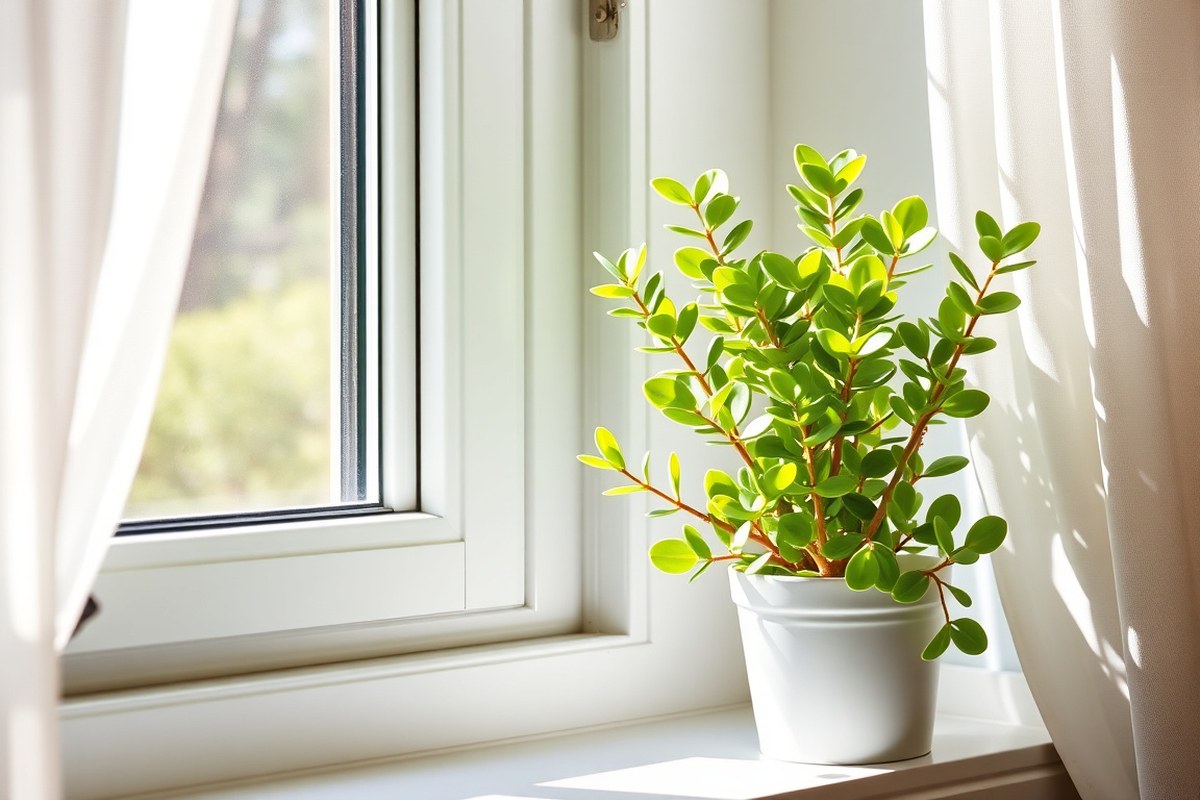
Do Jade Plants Like Direct Sunlight? 8 Key Facts for Healthy Growth
Do jade plants like direct sunlight? Yes, but with some limits.
They need around 4 to 6 hours of direct sunlight daily to stay healthy and strong. Too much or too little sun can cause problems like sunburn or weak growth.
Morning light is best, especially from an eastern window where sunlight is gentle. Mature jade plants like direct morning sun. They do well with indirect light after that.
Keep sunlight gentle for best leaf health. Young plants should avoid harsh afternoon sun and stick to bright, indirect light instead.
Keep an eye on your plant’s leaves for any signs of stress. Dark spots or crisp edges often mean too much sun. Yellowing or elongated stems usually mean the plant needs more light.
Key Takeaways
- Mature jade plants need 4 hours of direct morning sunlight from an eastern window.
- Young jade plants prefer 8 hours of bright, indirect light from south or southeast windows.
- Too much afternoon sun can burn jade plant leaves, causing dark spots or dry edges.
- Signs of low sunlight include stretched stems and pale leaves that look weak.
- Keeps jade plants in temperatures between 50°F and 80°F for best growth.
- Avoid direct sun indoors if room temperatures reach 86°F or higher to prevent heat stress.
Do Jade Plants Like Direct Sunlight?
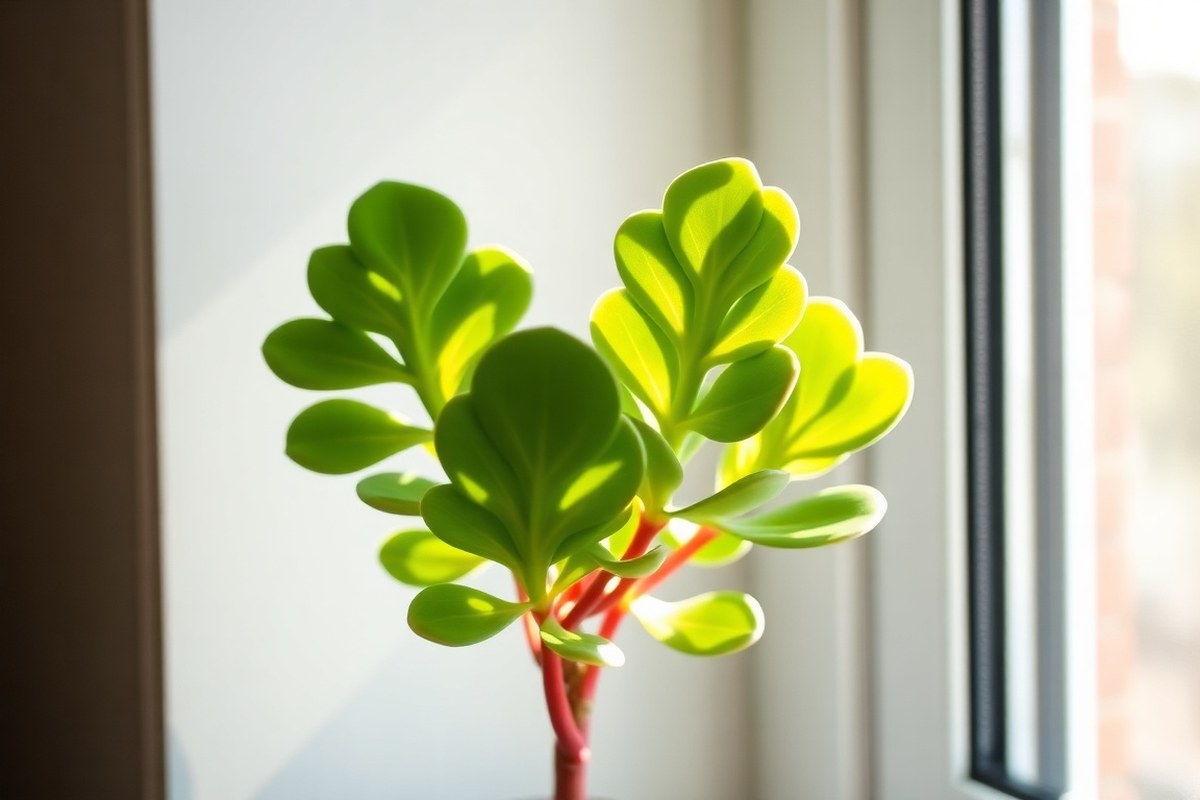
Jade plants enjoy direct sunlight, but it varies by situation. They grow best with four to six hours of morning sun. Later, they like bright light that is indirect.
Mature jade plants with strong roots can handle full direct sun early in the day. For example, placing them near an eastern window works well. Young or new jade plants need bright, indirect light.
This helps stop their leaves from burning. Keeping light gentle protects their growth.
The time of day really matters for jade plant sun. They tolerate early morning and late afternoon sun well when temperatures are cooler.
Midday sun is too intense and might harm the plant. So filtering that light is safer.
Jade plants like a balance of sun types. They do well with direct sun when it’s cooler. Later, they prefer indirect light to stay healthy.
This balance keeps them healthy and avoids leaf damage from harsh rays. Your plant may look stressed from too much sun.
Use sheer curtains or shade cloth to soften light. This keeps your jade plant comfortable.
How Much Direct Sunlight Does a Jade Plant Need Daily?
Mature jade plants need at least four to six hours of direct sunlight daily. Young jade plants should start with shorter periods, around one to two hours, then increase gradually. This helps them build tolerance to the sun’s intensity without damage.
Morning sunlight is best for jade plants. The light is gentler and cooler, reducing the risk of leaf burn.
Afternoon sun can be too harsh, especially midday rays. It may stress or sunburn the leaves.
Sunlight duration affects how compact and healthy jade plants grow. Four or more hours of gentle sun encourage firm, vibrant leaves and steady growth.
Less sun can make them leggy and weak. Too much harsh sun stresses the plant.
| Light Condition | Suitability | Notes |
|---|---|---|
| Bright indirect light | Excellent | Best for indoor plants |
| Morning direct sun | Excellent | Promotes compact growth |
| Filtered afternoon sun | Good | Use sheer curtains |
| Full afternoon sun | Caution | May cause sunburn |
| Medium light | Acceptable | May become leggy over time |
| Low light | Poor | Causes stretching, weak growth |
You can also grow jade plants outdoors with morning sun and afternoon shade. This setup gives them enough light without harm from intense heat. Indoors, place your plant near an east-facing window for gentle morning light.
Gradually exposing young jade plants to more sunlight over two weeks helps avoid shock. Watch leaves closely.
Cut back on sun time when leaves pale or get crispy edges. Proper sunlight duration and timing protect your plant while letting it thrive.
Start young jade plants with short sun periods and increase exposure slowly to avoid leaf damage.
Why Does the Time of Day Matter for Jade Plant Sunlight?
Morning sun is gentler on jade plants than afternoon sun. Early sunlight has lower intensity and cooler temperatures. This helps plants absorb light without risk of heat stress or sunburn.
Midday sun shines strongest and hottest. It lasts from about 10 a.m. To 3 p.m. This period can easily scorch jade leaves, especially indoors. The leaves may turn red or brown, showing damage from too much heat and light.
Afternoon sun after the peak heat usually cools down. Jade plants can tolerate late afternoon sun better than midday. This timing still gives direct light without the intense heat that burns leaves.
The exact sun your jade needs depends on your climate and season. Refer to the table below for temperature-based sun exposure advice. This shows when to give your jade direct sun and when to keep it indirect.
| Temperature Range | Recommended Direct Sun Exposure |
|---|---|
| Below 50°F (10°C) | None; keep in bright indirect light |
| 50, 59°F (10, 15°C) | Brief morning sun only |
| 59, 72°F (15, 22°C) | Morning or late afternoon sun, limited midday |
| 73, 77°F (23, 25°C) | Early morning/late afternoon only; avoid midday |
| Above 77°F (25°C) | No direct sun; rely on bright indirect light |
To avoid heat stress, move your jade plant into direct sunlight only during recommended times. Avoid afternoons with strong, hot rays. Start with just an hour or two of morning light.
Gradually increase time outdoors or near windows over a week or two. Watch leaves each day for signs of burning or color change. If the plant shows any scorch, reduce time or switch to indirect light.
In winter, jade plants can handle longer direct sun. Light intensity drops, and cooler air lowers burn risk. You might safely give more mid-morning or early afternoon sun on cold days.
How to Tell If Your Jade Plant Is Getting Too Much Sun
Your jade plant shows clear signs if it’s getting too much sun. Watch your plant’s leaves and stems for sunburn or stress signs. Acting fast will keep your plant healthy and lively.
Leaves Showing Sunburn Damage
Sunburn on jade leaves looks like dry patches in white, brown, or black. These spots are dead tissue and won’t heal. Leaves might also turn yellow or brown across sunny spots.
Check leaves regularly, especially after sunny afternoons. Early detection helps you move the plant before damage spreads.
Stem Health and Overall Appearance
Stems may get soft or pale under too much sun. If you see shriveling, that hints at stress. A healthy jade has firm, fleshy stems that support thick leaves.
Rapid leaf drop also signals sun stress. The plant drops leaves to reduce water loss and protect itself.
Temperature and Time of Day Impact
Afternoon sun is often strongest and causes most damage. Temperature above 80°F (27°C) makes sunburn more likely. Morning sun is gentler and less risky.
Keep your jade out of direct afternoon rays unless fully acclimated. Use shade in hot weather to lower risk of burns.
Sunburn Symptom Checklist to Use
Watch your jade plant for these signs:
- White, brown, or black dry spots on leaves
- Yellowing or browning leaf edges
- Leaves dropping faster than usual
- Soft, pale, or shriveled stems
- Leaf curl or wilting in direct sun
Use these symptoms to decide if the sun is too strong. Take action at the first sign to save your plant.
When and How to Reduce Sunlight
Move your jade plant to a spot with filtered light or use a sheer curtain. This is especially important in spring and summer.
Try placing it 4-8 feet from a southern window with a light curtain. Bright indirect light around 500-1000 foot-candles is safer for sensitive plants.
What Happens When Jade Plants Get Too Little Sunlight?
Jade plants that don’t get enough sunlight show clear signs of stress. They often grow long and thin, with stretched stems reaching toward the light. This condition is called etiolation.
It makes the plant weak and leggy. A healthy jade plant is compact and sturdy.
These plants can survive without direct sun but don’t thrive. Low light slows their growth, making them pale and droopy. Over time, you’ll notice stunted development where new leaves are smaller and less vibrant.
- Leggy growth with elongated, weak stems
- Pale or washed-out leaf color instead of rich green
- Small, sparse new leaves rather than full growth
- Leaves may droop or curl due to stress
- Growth slows down and the plant looks less compact.
Healthy jade plants have tight, rounded leaves with deep green color. They maintain a good shape and grow steadily. An underlit plant looks more stretched out and less full.
Insufficient light forces the plant to work harder for energy. So it expands its stems to try to capture more sun.
Keep an eye on how your jade plant’s stem stretches. That’s a solid hint it needs more light.
Low light conditions allow your jade to survive but cost a healthy, balanced look. Over time, your jade won’t grow thick leaves. It also won’t show its bright colors.
Move your jade to a place with at least 25 foot-candles of light. This helps stop problems and keeps your plant growing well.
How to Safely Acclimate Jade Plants from Indoor to Direct Sunlight
To move your jade plant from indoor shade to direct sunlight, increase exposure slowly. Start with a short time in gentle morning sun. Add 30 to 60 minutes of light every few days to help it adjust.
Start with Short Morning Exposure
Place your jade plant where it gets only morning sun at first. Morning light is less intense and won’t shock the leaves. Keep the plant away from strong afternoon rays at this stage to avoid sunburn.
Check temperature near the window. It should stay close to 59 °F (15 °C) for the safest acclimation. When afternoon light is strong, use a sheer curtain to soften it then.
Increase Duration Gradually Every Few Days
Add about 30 to 60 minutes of direct sun every three to five days. This gradual increase lets the plant’s leaves get used to stronger light. Avoid sudden jumps in duration that can cause sun stress or leaf damage.
Move your jade plant only 2 feet (0.6 meters) closer to the sunniest window every few days. This helps it get stronger light step by step.
Take care not to rush the process. Full acclimation often takes 2 to 4 weeks.
Monitor Plant Responses and Adjust
Look for signs of sun stress like browning or white spots on leaves. These spots mean the plant needs less direct light or some shade. You see damage, move the plant back or add a curtain to diffuse light.
Healthy jade leaves stay firm, green, and plump during the change. The plant wilts, turns pale, or drops leaves, cut sun exposure for days. Adjust the schedule until the plant looks comfortable in brighter light.
Follow these steps for safe jade plant acclimation:
- Start by placing your jade plant in a spot with only morning sun for 1 hour.
- Keep temperature near 59 °F (15 °C) and avoid afternoon sun at first.
- Add 30 to 60 minutes of direct sun every 3 to 5 days.
- Move the plant no more than 2 feet closer to the window each time.
- Watch for leaf changes, especially browning or pale leaf tips.
- Stress shows; reduce sun exposure and add sheer curtains when necessary.
- Continue this routine until the plant gets 4 to 6 hours of full sunlight daily.
- Maintain consistent watering and avoid sudden changes during acclimation.
How Temperature and Season Affect Jade Plant Sunlight Needs
Jade plants handle sunlight differently depending on the temperature and season. During spring and fall, morning sun is safest. The sun is not too strong then.
Direct sunlight works best in the morning. Avoid harsh midday sun in summer.
Temperatures above 86 °F (30 °C) can stress your plant. Sunburn can harm its leaves.
In hot summer months, move your jade plant. Choose a spot with filtered or indirect light. This prevents leaf damage.
Leaves turn red or brown from too much heat. This shows your jade plant needs more shade.
Too much sun causes stress. Air-conditioned rooms or cooler spots inside the house help jade plants tolerate bright light safely.
When winter drops below 50 °F (10 °C), give your jade plant more light. It needs less heat. Avoid letting it get cold.
Place it near a south-facing window where it gets more direct sun during short days. However, watch out for cold drafts that can harm the plant.
Leaf color gives clues about how much sun your jade plant can handle. Healthy green leaves with a slight red edge mean good sun exposure.
Bleached or scorched spots show it’s too much. Gradually adjust your plant’s location over one to two weeks to prevent sudden sun shock.
Seasonal care means shifting your jade plant away from sudden temperature changes. In summer, reduce direct sunlight during the hottest afternoon hours.
In winter, maximize morning and midday sunlight but avoid cold windowpanes. These simple moves keep your jade plant healthy year-round.
Using Shade, Curtains, and Grow Lights for Optimal Sunlight Conditions
Balancing sunlight for jade plants means managing too much or too little light. Using shade cloth or sheer curtains softens harsh sun in summer. Grow lights can add needed light during darker months or in low-light rooms.
Install Sheer Curtains or Shade Cloth Outdoors
Shade cloth and sheer curtains reduce intense direct sunlight during hot periods. They prevent leaf burn while keeping enough light for healthy growth. Curtains work best indoors on south or west windows where afternoon sun is strongest.
Shade cloth is ideal outside on patios or balconies. It filters the sunlight to a mild level without blocking it completely. Use a light-filtering cloth with 30%-50% shade for jade plants.
- Measure your window or outdoor frame to buy the right cloth size.
- Install a curtain rod or tension wire inside for indoor curtains.
- Choose sheer curtains that let light diffuse softly through.
- Attach shade cloth outdoors using hooks or ties at all corners.
- Position plants one foot back from windows with curtains or shade.
- Check plants daily for leaf colour and adjust shade tightness if needed.
- Remove or open curtains slightly in low light months to let more sun in.
Never leave jade plants in full afternoon sun without shade to avoid burnt leaves.
Choose and Position Grow Lights Correctly
Grow lights supplement light when natural sunlight is too weak or inconsistent. Position lights close enough to provide 12, 14 hours of bright light daily. Place your light 12 to 18 inches above the plant’s top leaves.
Use full-spectrum LED grow lights designed for indoor plants. They offer the right light color and energy without excess heat. A timer helps maintain a stable light schedule so plants rest overnight.
- Select a full-spectrum LED grow light rated for succulent growth.
- Mount the light 12 to 18 inches above the jade plant’s crown.
- Set a timer for 12 to 14 hours of light to mimic natural day length.
- Rotate the plant weekly to ensure even light exposure.
- Monitor temperature to keep it between 65°F and 75°F near the plant.
- Adjust light height if the plant grows too tall or leaves look stretched.
- Reduce light hours during winter as the plant’s growth slows down.
Do not use incandescent bulbs directly above jade plants; they produce too much heat.
Adjust Light Exposure Based on Plant Health
Watch for signs that your jade plant needs light adjustment. Brown spots or crispy leaf edges show sun damage. Pale, leggy growth means the plant lacks enough light.
Move plants gradually when changing light levels to avoid shock. Artificial light helps keep the plant healthy during winter or cloudy days. Shift the plant closer or farther from the window depending on its reaction.
| Light Adjustment | When to Use | Pros | Cons |
|---|---|---|---|
| Shade Cloth / Curtains | Bright summer sun causing leaf burn | Protects leaves, low cost, easy setup | Reduces total light, may require adjustments |
| Grow Lights | Low natural light, winter months, indoor offices | Consistent light supply, supports growth year-round | Costs more, needs electricity and timers |
- Check your jade plant daily for leaf colour changes.
- Move it further from light or add more shade if leaves turn red or brown.
- Move the plant closer to a window to increase light. Use grow lights if the plant grows spindly. Both help the plant get enough light.
- Introduce changes gradually, over one to two weeks, to avoid leaf shock.
- Balance seasonal light changes by adjusting curtains or light hours.
Plants can take 1, 2 weeks to adjust. Avoid sudden big moves to prevent stress.
Step-by-Step Action Plan for Jade Plant Sunlight
Follow these steps to give your jade plant the right sunlight safely and see it thrive.
- Before you start: Place your jade plant near a bright window with indirect light. Check the leaves stay healthy and green.
- Week 1: Introduce 1, 2 hours of morning direct sunlight daily. Watch for any browning or leaf curling as a sign of too much sun.
- Week 2: Increase direct sunlight by 30 minutes to 1 hour if leaves look healthy. Avoid afternoon sun, which can be too strong.
- After 3 weeks: Move the plant into a spot with 4 hours of filtered direct sunlight. Use sheer curtains to soften harsh rays.
- Month 2: Check your plant for sunburn spots regularly. Move it a bit farther from the window if you see any. Adjusting light helps keep it healthy.
- Ongoing: Use a grow light on low to supplement natural light in winter or low-light rooms. Keep light exposure steady each day.
- Seasonal check: During hot summers, provide shade during peak afternoon sun to avoid heat stress.
Frequently Asked Questions
Do Jade Plants Suffer If Exposed to Direct Sunlight for Too Long?
Yes, too much direct sunlight can burn jade plant leaves. Use sheer curtains or shade cloth to protect them during peak afternoon hours.
Can Jade Plants Adapt to Low Light If Moved Indoors Away from Windows?
Jade plants can survive in low light but grow slower and become leggy. Bright, indirect light is better for their shape and health.
Should You Rotate a Jade Plant to Ensure Even Sunlight Exposure?
Yes, rotating your jade plant weekly helps all sides get light. This prevents uneven growth and keeps the plant balanced.
Can Direct Sunlight Cause Jade Plant Leaves to Turn Red or Purple?
Yes, sun stress can make jade leaves turn reddish or purple. This natural response indicates the plant is getting plenty of light.
Do Jade Plants Need Less Direct Sunlight in Winter?
Jade plants generally need less direct sunlight during winter. Keep them near a bright window but protect from cold drafts.
Is It Better to Water Jade Plants Before or After They Receive Direct Sunlight?
Water jade plants after they get direct sunlight to avoid leaf burns. Morning sunlight and afternoon watering work well together.
Final Thoughts
Jade plants like some direct sunlight but not too much strong afternoon light. Start with morning sun and increase exposure slowly. Check your plant often and move it to protect from harsh sun as needed.