What Not to Plant with Tomatoes: 8 Key Plants to Avoid for Best Growth
What not to plant with tomatoes can make or break your garden’s success. Avoid planting tomatoes near black walnut trees, since their roots release harmful chemicals.
Also, give sunflowers plenty of space. Plant them at least 10 to 15 feet away from your tomatoes.
Tomatoes grow deep roots and need room; planting crowded companions can stunt their growth. Keep other large vegetables, like zucchini, well separated, because they take up a lot of space. Pay attention to spacing to keep your tomatoes healthy and productive.
Some herbs and flowers should be planted a bit away from tomatoes. This helps lower the chance of disease for your tomato plants. Keep a small gap between them for healthier growth.
Basil can stay close, around 12 to 18 inches apart. But fennel needs at least 4 to 5 feet distance. Planning your garden layout carefully helps your tomatoes thrive and avoids common problems.
Key Takeaways
- Tomato plants can suffer near black walnut trees. Keep at least 50 to 80 feet of space between them. This distance helps prevent damage from walnut roots.
- Keep sunflowers at least 10 to 15 feet from tomatoes to reduce competition.
- Space indeterminate tomato plants 24 to 36 inches apart for good air circulation.
- Give zucchini plants 9 to 16 square feet since they spread widely.
- Plant basil 12 to 18 inches from tomato stems for a beneficial companion effect.
- Keep fennel 4 to 5 feet away from any tomato bed to avoid growth issues.
Which Plants Should You Avoid Near Tomatoes?
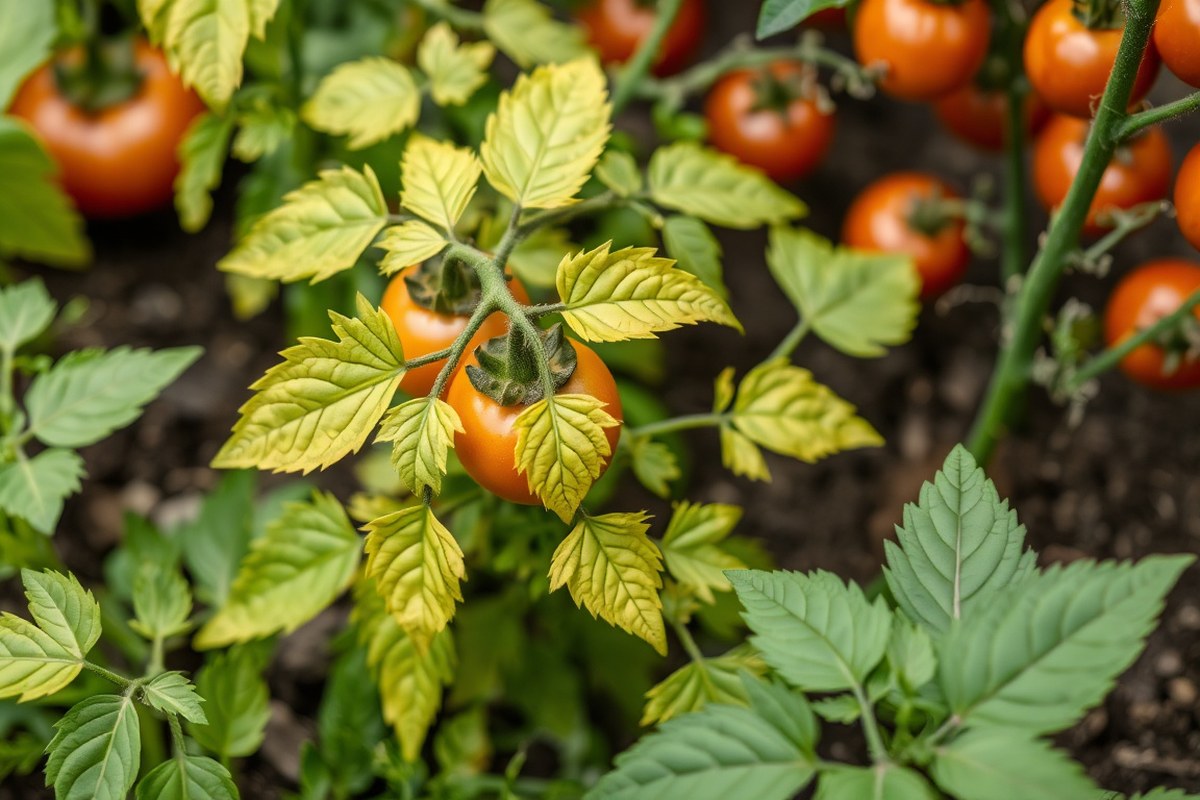
Tomatoes won’t grow well near certain plants because of shared pests, diseases, or chemicals they release. Black walnut trees produce juglone, a toxin that kills nightshade plants like tomatoes. Avoid planting tomatoes within 50 to 80 feet of these trees for safety.
Potatoes and tomatoes come from the same plant family. They both face problems like late blight. Tomato spotted wilt virus also affects them.
Growing them too close increases the risk of such diseases spreading fast. Keep tomato and potato beds separate and remove any volunteer potato plants near your tomatoes.
Brassicas, such as broccoli and cabbage, release chemicals that inhibit tomato growth. This allelopathy reduces tomato vigor and yield. Maintain at least 55 inches (about 4.5 feet) of distance between tomatoes and brassicas for better results.
- Fennel releases growth-stunting compounds, so don’t plant it in the garden near tomatoes.
- Corn competes for nutrients and shares pests like tomato fruitworm. Keep them in separate garden areas.
- Sunflowers can overshadow and compete for resources. Plant them at least 10 to 15 feet away.
- Raspberries may carry verticillium wilt, which tomatoes are also prone to. Avoid planting near each other.
- Large trees shade tomatoes and steal water with roots; choose open, sunny planting spots.
Space tomato plants 24 to 36 inches apart. This lets air flow freely. Good airflow helps lower disease risk.
Keep problem plants far from your tomatoes. This avoids harm from chemicals or pests.
It also stops shared diseases from spreading. With proper placement, tomatoes can grow strong and healthy all season long.
How Shared Diseases Make Some Plants Poor Tomato Neighbors
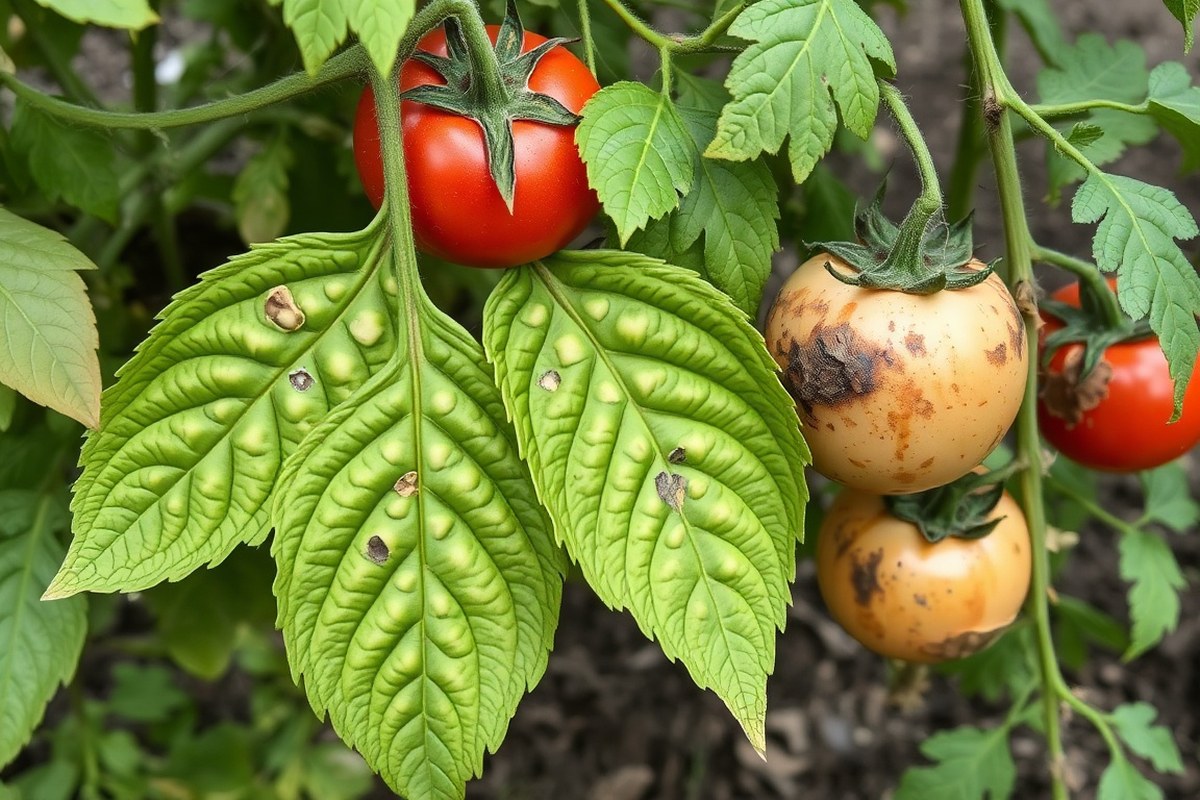
Tomatoes share many diseases with other nightshade plants like potatoes. Both suffer from late blight, early blight, and similar fungal issues. Planting these too close raises the chance of disease moving quickly between them.
Late blight spreads easily when tomatoes and potatoes are near. Spores travel in wind and rain, infecting leaves and stems. Once the blight hits one plant, it often jumps to the other if they’re close.
| Plant | With Tomatoes? | Why |
|---|---|---|
| Potatoes | No | Share late and early blight; pests like Colorado potato beetles |
| Eggplant | No | Same nightshade family; vulnerable to same diseases and pests |
| Peppers | Yes, with spacing | Similar diseases; need air movement to prevent disease buildup |
| Basil | Yes | Helps tomato defense; no shared diseases |
Diseases cycle through spores or infected plant debris in the soil. They can overwinter and return each season. Avoid planting tomatoes near these vulnerable plants for at least two years to stop this cycle.
Shared pests like the Colorado potato beetle can worsen disease impacts. The beetles bite into leaves, creating wounds. These wounds offer entry points for fungal pathogens on tomatoes.
Keep at least 3 feet between tomatoes and other nightshade plants to reduce disease spread.
Good airflow lowers humidity and slows fungal growth. Keep plants spaced so leaves don’t overlap or trap moisture. Using proper pruning helps air reach inner branches and reduces infection chances.
Why Some Herbs and Flowers Shouldn’t Be Planted with Tomatoes
Fennel and dill are two herbs that can cause problems for tomatoes. Fennel releases chemicals that stunt tomato growth. Dill helps tomatoes early on but harms them once mature.
Fennel’s Allelopathic Effects
Fennel secretes allelopathic compounds through its roots. These chemicals prevent tomatoes from growing well nearby. This effect lowers tomato size, health, and fruit yield.
Because of this, don’t plant fennel within three feet of tomatoes. Even planting in the same bed can stunt tomato growth. Fennel affects other nightshade plants like peppers and eggplants too.
Dill’s Mixed Companion Status
Dill can be a helpful tomato companion when young. Its flowers attract beneficial insects like lacewings and hoverflies. These insects prey on tomato pests and increase fruit production.
Dill draws nutrients from tomatoes once it flowers and matures. This nutrient competition stunts tomato growth and harms nearby roots. Harvest dill early or plant it three feet away to prevent these issues.
Safe Herbs vs. Harmful Herbs
Most herbs grow well next to tomatoes and even boost them. Basil, for example, improves pest defence and increases tomato yield. Onions and garlic deter pests by releasing sulfur compounds near tomato roots.
Some herbs attract helpful insects, while others compete or harm tomatoes chemically. Here’s a comparison with suggested spacing to keep tomatoes healthy:
- Basil: Boosts tomato yield, deters pests, plant 12-18 inches away
- French marigold: Suppresses harmful nematodes, plant at bed corners
- Dill / Cilantro / Parsley: Attract beneficial insects, 18-24 inches apart
- Onion / Garlic: Great pest deterrents, plant 6-12 inches away
- Fennel: Releases growth inhibitors, keep far from tomatoes (3+ feet)
- Dill (mature): Competes with tomatoes for nutrients, harvest early or space 3 feet
Planting safe herbs close to tomatoes helps reduce pests and boost growth. Avoid fennel and mature dill to prevent stunted tomatoes. Proper spacing lets roots avoid harmful chemicals or competition.
How Plant Spacing Influences Tomato Health and Productivity
Keep a good distance between tomato plants and others nearby. This helps lower disease risk and lets tomatoes grow better. It also makes sure they get plenty of sunlight.
Tomatoes need room to spread, and crowded plants trap moisture. This raises the risk of pests and fungal diseases.
Minimum Distance for Common Problem Plants
Certain plants bring more risks when grown too close to tomatoes. Avoid placing tomatoes within 3 to 5 feet of potatoes, corn, fennel, and mature dill. These neighbors can share pests like tomato hornworms or spread soil diseases.
Some solanaceous plants, especially potatoes, compete with tomatoes for nutrients. Corn attracts pests that also bother tomatoes.
Fennel and mature dill release chemicals that stunt tomato growth. Keeping at least 3 feet away helps reduce these issues.
Adjusting for Tomato Growth Habit
Determinate tomatoes grow more compact, so they can be spaced closer together. Use about 18 to 24 inches between determinate plants. This gives each plant enough room without wasting garden space.
Indeterminate tomatoes spread out more and vine heavily. Space them 24 to 36 inches apart to match their wider mature size. Planning for full grown width helps avoid leaves shading or touching crowded plants.
Spacing and Air Circulation Benefits
Good spacing lets air move around plants, which cuts down on moisture buildup. Dry leaves lower fungal diseases like blight and mildew. Air movement also helps pollinators reach flowers.
Sunlight hits all sides of well-spaced tomato plants. They produce more evenly ripened fruit. Crowding tomatoes leaves shaded spots where fruit grows slowly or fails to ripen at all.
Follow these easy steps to space tomatoes and problem plants well:
- Measure your garden space and mark rows at least 3 feet apart.
- Select tomato type and note the mature growth width.
- Space determinate tomatoes 18-24 inches apart in rows.
- Space indeterminate tomatoes 24-36 inches apart for full growth.
- Keep at least 3 feet between tomatoes and problem plants like potatoes or corn.
- Plant tomatoes where they get full sun and steady moisture.
- Use supports for indeterminate tomatoes to reduce ground spread.
- Observe air flow and adjust if plants start crowding mid-season.
The Impact of Large Trees and Heavy Feeders on Tomato Growth
Black walnut trees release a chemical called juglone into the soil. This chemical is toxic to tomatoes and causes wilting, yellowing leaves, and even death. Keep tomatoes at least 50 feet from black walnuts.
You can also plant them in raised beds. Use fresh soil to avoid juglone damage.
Tomatoes are heavy feeders, meaning they pull lots of nutrients from the soil. Corn, cabbage, broccoli, and Brussels sprouts need lots of nitrogen. They also use potassium, which tomatoes need most.
These nutrients help tomatoes grow well. Planting these near tomatoes leads to nutrient competition, reducing your tomato yields and fruit quality.
Both tomatoes and many heavy feeders mainly use nutrients in the top 12 inches of soil. Tomatoes near cucumbers or potatoes compete strongly. They share the same root zone.
This lowers nutrients for each plant. Soil tests help decide how much fertilizer to add, especially when planting nutrient-hungry neighbors.
Shade from large trees cuts sunlight tomatoes need for healthy growth. Tomatoes require at least six hours of direct sun daily. Planting tomatoes near tall, dense trees can hurt fruit size.
Trees block sunlight and take moisture. This delays tomato ripening.
Growing tomatoes next to black walnuts means juglone exposure, which stunts or kills your plants. Heavy feeders take away nitrogen and potassium tomatoes rely on for strong stems and fruit. Large trees cast shadows that lower tomato productivity by limiting sunlight and soil water.
Keep tomatoes at least 50 feet from black walnuts. Or plant them in raised beds with fresh soil. This avoids juglone toxicity.
Common Mistakes When Planting Tomatoes Near Other Crops
Many gardeners crowd tomatoes too close to other plants. Tomatoes need at least 18 to 24 inches between each plant for good air flow. Overcrowding traps moisture, which invites disease and slows growth.
Another common mistake is planting tomatoes next to incompatible crops. For example, fennel and brassicas like broccoli interfere with tomato growth. These plants release chemicals that stunt tomato roots and stunt fruit development.
Gardeners also sometimes plant alliums like onions or garlic near tomatoes, hoping to repel pests. But these can attract thrips that harm tomatoes instead. Choosing the wrong herbs next to tomatoes can cost you your harvest.
- Overcrowding tomatoes reduces air flow and increases disease risk.
- Fennel, broccoli, cauliflower, and cabbage stunt tomato growth chemically.
- Potatoes near tomatoes raise shared disease chances.
- Onions, leeks, and garlic can attract thrips that damage tomatoes.
- Ignoring proper sunlight needs harms tomato productivity.
- Believing beans compete with tomatoes; in fact, beans add nitrogen.
- Misunderstanding marigolds’ role leads to skipping a helpful companion.
To fix overcrowding, space plants properly before planting. Use stakes or cages to keep tomato branches off the ground and let light reach leaves. Remove any plants that directly compete or cause diseases before planting.
Several myths also trip gardeners up. Some think beans steal nutrients from tomatoes, but beans fix nitrogen in the soil.
Others skip marigolds thinking they only decorate, yet marigolds reduce harmful nematodes effectively. Knowing the science behind companions saves time and improves your tomato harvest.
How to Safely Manage Volunteer and Nearby Solanaceous Plants
Volunteer potatoes and eggplants near tomatoes can spread diseases and kill your tomato plants. These plants share similar pests and pathogens. Keep them separated and remove volunteers promptly to protect your tomatoes.
Identifying Volunteer Plants
Volunteer plants come from last season’s seeds or tubers left in the soil. Potatoes often sprout unexpectedly from leftover tubers.
Eggplants grow from fallen seeds nearby. Both look like young nightshade plants with similar leaf shapes to tomatoes.
Check your tomato beds weekly for new growth that doesn’t match your tomatoes. Look for leaves that are broader or glossier than tomato leaves. Volunteers often sprout close to tomato roots, especially in raised beds.
Removing Volunteers Safely
Removing volunteer nightshades quickly reduces disease risk for your tomatoes. Pull out the plants by hand when the soil is moist for easier removal. Avoid disturbing tomato roots while pulling volunteers.
Use a garden fork or trowel to gently loosen soil around volunteers. Remove all roots and tubers to stop regrowth.
Never compost these plants unless your compost heats to 140°F. The heat must last several days to kill pathogens. Compost that stays cool won’t kill harmful bacteria.
Follow these steps to remove volunteers safely:
- Inspect tomato beds every 7 to 10 days for new volunteers.
- Water soil lightly before pulling plants to loosen roots.
- Pull volunteer plants carefully by hand to avoid harming tomato roots.
- Use a tool to dig out remaining tubers or root pieces.
- Dispose of volunteers in trash or hot compost, not garden waste.
- Check the area again within two weeks for new sprouts.
- Repeat removal as necessary during the growing season.
Preventing Spread of Shared Diseases
Potatoes, eggplants, and tomatoes share diseases like blight and wilt. Keeping them apart lowers the chance of sudden tomato plant death. Aim for at least 10 to 15 feet between these plants in your garden.
Planting radishes nearby can attract pests away from your tomatoes and eggplants. Rotate your crops yearly to reduce disease buildup in soil. Avoid planting nightshades in the same spot for at least three years.
Careful cleaning of tools after working with potatoes or eggplants prevents spreading illness. Wash your hands and gloves, too. Healthy tomato plants will grow stronger without disease pressure from nearby solanaceous volunteers.
Practical Garden Layouts to Avoid Problematic Tomato Neighbors
Begin by picking the sunniest spot for your tomatoes, as they thrive in full sun. Plant tomato supports first, spacing each plant 18 to 24 inches apart. This spacing helps reduce air circulation problems and cuts disease risks.
Once spaced, fill gaps around tomatoes with safe companions. Garlic repels moths. It also masks tomato scents from pests.
Avoid placing peppers directly next to tomatoes because they share many pests and diseases. Instead, plant them at least 4 feet away or in a separate bed. Keep broccoli farther from tomatoes.
They don’t mix well. It affects broccoli growth more than tomatoes. Dill should stay away after tomatoes mature.
It might compete for nutrients. It also attracts unwanted insects.
In small gardens, plant tomatoes in a single row. Add garlic or basil between plants. You can also put them at row ends.
For bigger gardens, set specific zones. Plant tomatoes with garlic around the edges.
Keep peppers and eggplants away from tomatoes. This layout cuts shared pest pressure and disease spread.
| Plant | Tomato Companion Status | Recommended Distance | Reason |
|---|---|---|---|
| Peppers | Negative | At least 4 feet apart | Shared pests and diseases |
| Broccoli | Negative | Separate bed | Impacts broccoli growth negatively |
| Dill | Negative after tomato maturity | Separate area | Competition and attracts pests |
| Garlic | Positive | Interplanted or borders | Repels moths and pests |
| Basil | Positive | Near tomatoes, within 12-18 inches | Improves flavor and deters pests |
Design tomato beds so the plants receive direct sunlight and good airflow. Keep large feeders like corn well away as they attract many pests common to tomatoes.
Plant herbs such as basil or garlic along edges to boost protection. This layout uses space wisely and lowers disease chances.
Never plant tomatoes right beside peppers or eggplants due to shared pest problems.
Step-by-Step Action Plan for Avoiding Tomato Plant Conflicts
Follow these steps to keep your tomato plants healthy and growing well. They help stop disease and competition from other plants.
- Before planting: Clear all volunteer tomatoes and related plants from the garden. Check again after a week to catch any new sprouts.
- Week 1: Map out your garden bed. Leave 18 to 24 inches space between tomato plants and corn. Keep the same distance between tomatoes and large trees too. This helps plants grow well without crowding.
- Week 2: Plant tomatoes away from potatoes, peppers, and eggplants. These share diseases and attract the same pests.
- Week 3: Avoid planting fennel or dill near your tomatoes. Remove any that sprout nearby.
- Month 1: Check for nearby herbs like basil, marigold, or nasturtium. Keep them but place them at a sensible distance to reduce crowding.
- After 6 weeks: Monitor your tomatoes for any signs of soil-borne disease from close plants. Adjust spacing or rotate crops next season if needed.
- Ongoing: Keep weeds and old plant debris cleaned up. Mulch with straw to limit competition and disease risks.
Frequently Asked Questions
Can You Plant Dill Near Tomatoes?
Dill should not be planted near tomatoes because it can stunt their growth. It attracts pests that harm tomatoes and competes for nutrients.
Is It Safe to Plant Corn Next to Tomatoes?
Corn can attract pests that also attack tomatoes, like fruitworms. Plant with spacing and check pest levels often.
Why Avoid Planting Tomatoes Near Black Walnut Trees?
Black walnut trees release juglone, which is toxic to tomatoes. Keep tomatoes at least 50 to 80 feet away to prevent damage.
Should Potatoes Be Planted Near Tomatoes?
Potatoes and tomatoes share diseases like late blight, so avoid planting them close. Remove volunteers to reduce risk.
Are Peppers Bad Neighbors for Tomatoes?
Peppers share diseases with tomatoes, making close planting risky. Space them well and provide good air flow.
Do Sunflowers Affect Tomato Growth?
Sunflowers can compete with tomatoes and block light. Plant sunflowers 10 to 15 feet away to avoid problems.
Final Thoughts
Your tomatoes will thrive when they have space and no risky neighbors nearby. Start by clearing unwanted plants immediately. Then watch your garden closely to keep it healthy and productive all season.