Is Pennington Grass Seed Good? What Works for Fast, Strong Lawns
Is Pennington grass seed good? Yes, it’s a solid choice for fast, strong lawns.
It usually has germination rates above 85% if you plant it right. That means more sprouts and less wasted seed.
Pennington seeds come with Smart Seed technology, which includes a fertilizer coating. This gives the young grass a strong start. Still, remember the bag contains less than half actual seed by weight.
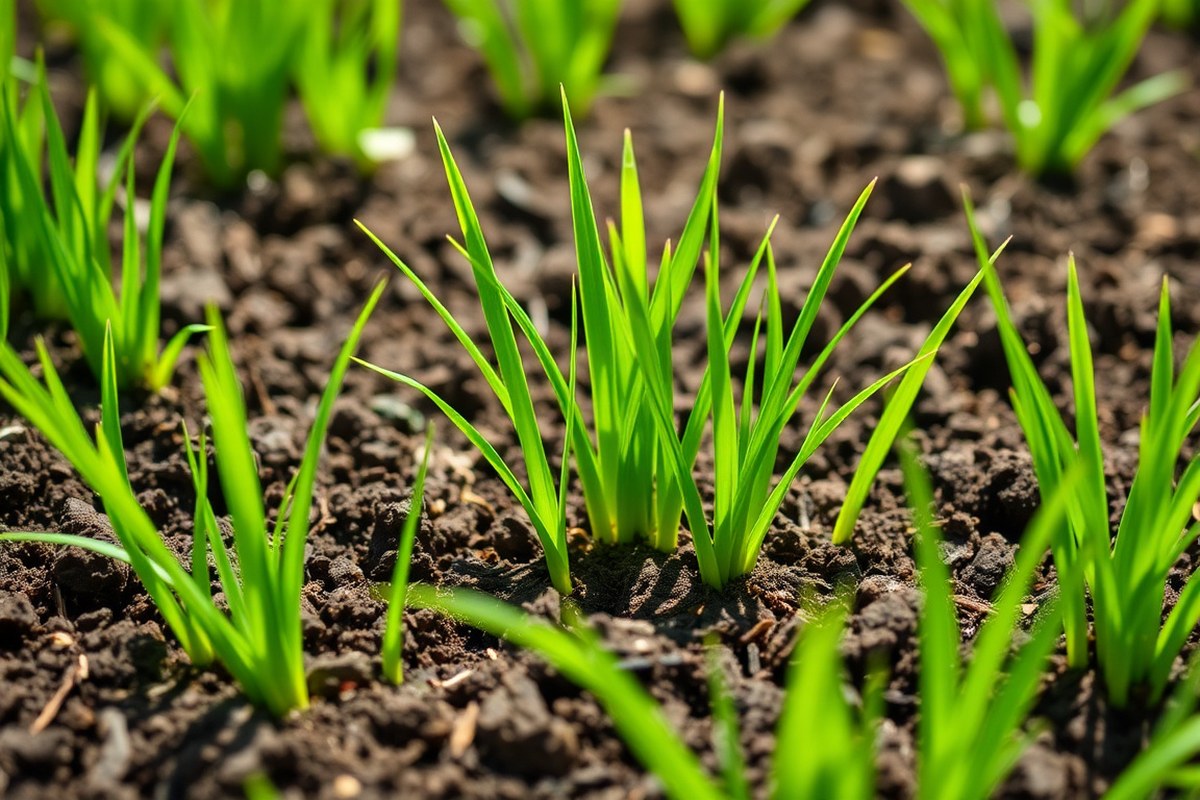
You’ll start seeing new grass sprouting within a few weeks under good conditions. Pennington also claims their grass uses up to 30% less water once established. These features help you save time and water bills.
Key Takeaways
- Pennington grass seed often germinates above 85% with proper planting.
- Smart Seed technology gives young grass a fertilizer boost for better growth.
- Expect sprouts within 5 to 30 days after sowing in good conditions.
- Pennington’s established lawns need up to 30% less water than ordinary seed.
- Check the seed bag weight; less than half is actual grass seed.
- Use Pennington for quick lawn establishment and lower water use over time.
Is Pennington Grass Seed a Reliable Choice?
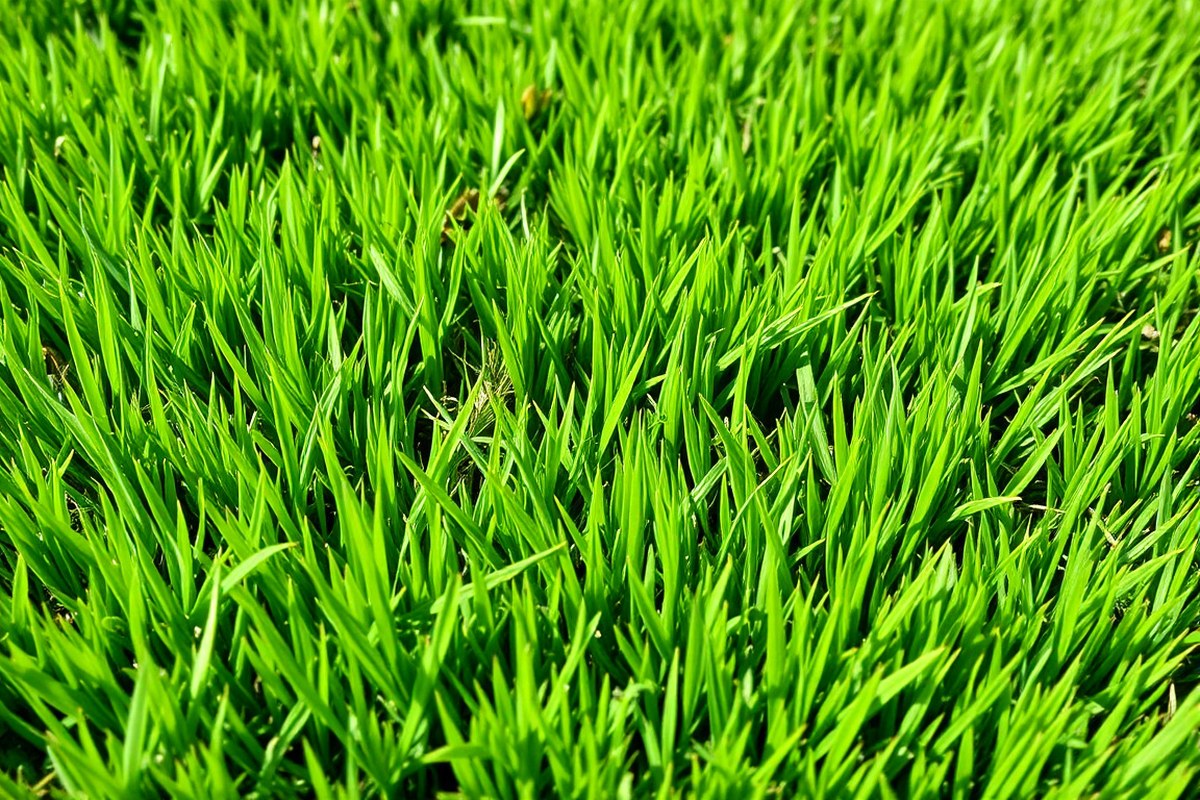
Pennington grass seed delivers good quality with high germination rates. Most bags guarantee over 85% germination when planted correctly. This helps your lawn grow consistent, healthy grass quickly.
The seeds come coated with fertilizer and a Penkote layer, which supports early growth. However, bags have about 40 to 45 percent actual seed by weight. That means you’ll need to sow enough to meet your lawn size needs.
Pennington offers blends suited for different lawn uses and climates. For large, cool-season lawns, the Contractors Grass Seed Mix fits well.
It handles heavy foot traffic well. It may not suit small, neat yards.
The Kentucky 31 Tall Fescue from Pennington provides a durable, economical choice. It tolerates wear and requires less water after eight weeks once established. The company claims up to 30 percent less water use than ordinary seed.
Homeowners who want a thick, healthy lawn find Pennington reliable for patch repairs or new lawns. Customer reviews report fast germination and resilient grass. Still, success depends on soil prep, watering, and matching seed to sun exposure.
Consistency between seed batches is generally good since Pennington has blended grass seed since the 1940s. Still, store older bags carefully to maintain germination rates. Check the sell-by date on each package before buying.
For professional use, some Pennington mixes cater to large properties needing quick coverage. Core aeration and professional tools help maintain those lawns. Residential users benefit from seed blends made specifically for home gardens and shaded yards.
Be aware that coated seeds require a bit more attention to planting depth and watering. Poor planting depth leads to slower sprouting or weak grass. Typically, you’ll see sprouts in 5 to 30 days after sowing.
How Pennington Smart Seed Technology Works
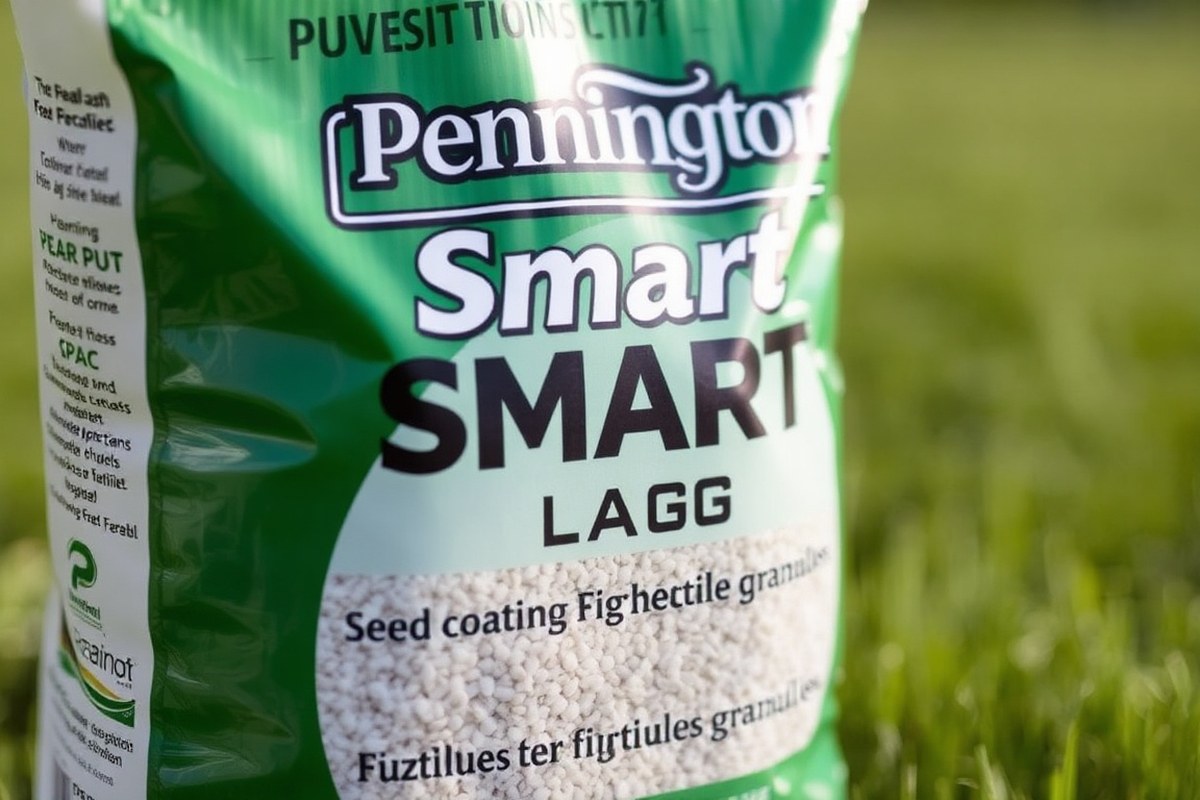
Pennington Smart Seed technology includes a special seed coating called Penkote. This coating protects the seed from diseases, like damping-off fungus, during early growth. It holds a small amount of fertilizer right on the seed.
Usually, this is a 4-0-0 fertilizer. It gives nutrients to jump-start growth.
The coating helps seeds stay healthier while they germinate. Penkote acts as a shield, so you get a better sprouting rate.
However, the Smart Seed itself does not include a moisture-holding coating. So you still need to water carefully to keep the soil moist during germination.
The fertilizer is built into the seed coating. You don’t need to add as much extra fertilizer. This lowers fertilizer use at planting.
This reduces the chance of burning young grass with too much fertilizer. When you sow Pennington Smart Seed, spread it evenly.
Water gently but thoroughly to activate nutrients. This helps the seed start growing.
This technology matters most if your lawn faces drought or needs less maintenance. Pennington claims the Smart Seed requires about 30% less water than other seeds. The built-in fertilizer and protective coating give your grass a boost without extra steps or costs.
Prepare the soil well before planting. Keep the soil moist for the best results. This helps seeds grow strong and healthy.
Don’t skip pre-watering the soil before planting Smart Seed. It helps activate the seed’s built-in nutrients and kickstarts germination.
Choosing the Right Pennington Grass Seed Variety
Choosing the right Pennington grass seed depends on your lawn’s sun. Your location also matters. How you use your lawn affects the choice too.
Pennington offers blends for full sun, shade, high-traffic, and different regional climates. Pick a seed mix that matches your lawn’s setup for the best growth and durability.
Smart Seed Sun & Shade Mix
This mix works well on lawns having both sun and shade areas. It combines Tall Fescue, Perennial Ryegrass, Kentucky Bluegrass, and Fine Fescue varieties. The grass grows strong and requires little maintenance.
Pennington says the Smart Seed Sun &. Shade mix begins to sprout in 8 to 21 days. A seven-pound bag seeds about 2,330 square feet.
This size works well for medium lawns. Choose this blend if your lawn has varied sunlight and you want reliable results.
Tall Fescue vs Kentucky Bluegrass Varieties
Tall Fescue grass germinates in 7 to 12 days and is drought-resistant. It does well in warm and cool climates and handles moderate foot traffic.
Kentucky Bluegrass prefers cooler weather and brighter sun but grows slower. It makes a lush, dense lawn that looks great.
Tall Fescue or mixes with it handle heavy foot traffic best. Kentucky Bluegrass or its blends suit cooler places with light use.
These grasses create a softer lawn feel. Pennington’s mixes often blend these for a balanced lawn.
Specialized Turf and Contractor Mixes
Pennington offers specialty seeds for heavy foot traffic and large areas. The “Contractors Mix” targets big jobs with fast, reliable coverage. It focuses on seeded quantity rather than fancy cultivars.
The Kentucky 31 Penkoted seed is a solid choice for slopes and utility lawns. It’s built for durability over looks and handles large, uneven spaces well. These mixes cost less per pound and suit practical lawn needs.
Regional Grass Seed Options
Different areas need different seed blends. Pennington offers Smart Seed mixes for areas like the Northeast and Pacific Northwest.
These mixes fit specific regional needs well. They adjust seed types for your climate’s temperature and moisture patterns.
The Sun &. Shade Southern mix fits yards in transition zones, blending seeds for hot summers and cooler winters. Choosing a regional mix means your lawn handles local weather stress better and needs less upkeep.
Here’s a quick table to help you decide which Pennington grass seed fits your lawn’s conditions:
| Seed Variety | Best For | Sunlight | Germination Time | Coverage per 7 lb Bag |
|---|---|---|---|---|
| Smart Seed Sun & Shade Mix | Mixed sunlight lawns | Sun & Moderate Shade | 8, 21 days | ~2,330 sq ft |
| Tall Fescue (Rebels Line) | Drought resistance, traffic | Full Sun to Light Shade | 7, 12 days | Varies by mix |
| Kentucky 31 Penkoted | Utility lawns, slopes | Full Sun | Varies | Large area coverage |
| Smart Seed Dense Shade Mix | Heavy shade areas | Dense Shade | 8, 16 days | Varies by package |
| Regional Smart Seed Mixes | Tailored to local climate | Sun & Shade | 8, 14 days | Depends on region |
Match your lawn size and sunlight to the right Pennington seed on the table. Look for mixes with fast germination if you want quicker green-up.
For shady spots, pick the Dense Shade mix so the grass can grow thick. Use the regional mixes if your climate is tricky or you want less fuss.
Germination Speed and Lawn Establishment Timeline
Pennington grass seed usually takes about 14 to 28 days to sprout. This timing depends on temperature, moisture, and soil quality. Seeds in warm, moist soil germinate faster, closer to two weeks.
Varieties like Perennial Ryegrass sprout quicker, usually around 7 to 14 days. This type is great if you want a fast lawn start. Other mixes with more shade-tolerant species might take longer, sometimes up to four weeks.
Once sprouted, full lawn establishment takes a few months. Expect 6 to 12 weeks for the grass to fill in and create a thick cover. Root development starts steady and builds a strong base for long-lasting grass.
Soil test results can change your timeline. They guide you to the best Pennington variety. This choice fits your lawn conditions perfectly.
Proper soil prep, including pH and nutrients, speeds up germination and growth. Poor soil or drought slows this process, so regular watering matters.
How to Prepare Soil and Plant Pennington Grass Seed
Preparing soil and planting Pennington grass seed starts with checking your soil. Make sure the soil is ready for seeds. Water the soil properly after planting.
Knowing your soil’s needs helps the seed grow well and last long. Follow these steps to get a healthy lawn.
Conducting a Soil Test
Test your soil before planting to check pH and nutrient levels. Pennington grass seed grows best in soil with a pH between 6.0 and 7.0. Testing avoids guessing and guides your soil treatment choices.
Use a soil sample from several spots in your yard for the test. You might need to add lime if soil acidity is high.
Use fertilizer if the soil lacks nutrients. Follow the recommendations for best results.
- Collect soil samples from 5 to 10 spots in your lawn, 2 to 4 inches deep.
- Mix samples evenly in a clean bucket to get an average result.
- Send about 1 cup of mixed soil to a local extension office. You can also use a home test kit if preferred. Testing helps know what your soil needs.
- Review the soil report and note pH, nitrogen, phosphorus, and potassium levels.
- Buy lime to raise pH or sulfur to lower it if needed, based on test results.
- Get starter fertilizer with phosphorus if your soil lacks it; phosphorus helps roots.
Don’t skip soil testing, it’s the key to avoiding costly mistakes later.
Prepping and Raking the Soil Bed
Clear debris and loosen the soil to make a smooth bed for Pennington grass seed. Well-prepared soil improves seed-to-soil contact, which speeds germination. Remove rocks, sticks, and old grass before raking.
For compacted soil, aerate with a core aerator to pull out small plugs. This step adds oxygen and lets roots grow better in dense soil.
- Remove debris such as leaves, rocks, and old grass clumps from the area.
- Aerate soil with a core aerator if the soil is hard or compacted.
- Loosen the soil surface with a rake, breaking up clumps and smoothing it out.
- Amend soil with compost or peat moss if it feels sandy or heavy clay.
- Level the soil gently to create a flat, even surface for sowing.
Don’t plant on uneven ground or over thick thatch, it blocks seeds from soil contact.
Seeding Rates and Distribution Tips
Pennington grass seed rates vary by type. Usually, use 5 to 10 pounds per 1,000 square feet. Check the seed package for exact instructions.
Using the right amount avoids waste and patchy lawns. Spread seeds evenly with a broadcast or drop spreader for the best results.
Calibrate your spreader before sowing to match seed size and seed bag guidelines. For better seed-to-soil contact, use a slit seeder or rake lightly after spreading.
- Measure the lawn to know how many pounds of seed you’ll need.
- Set your spreader to the recommended setting listed on the seed bag.
- Seed half of your area in one direction, then the other half perpendicular to it.
- Rake the lawn gently to cover seeds with 1/8 to 1/4 inch of soil.
- Apply a starter fertilizer if your soil test showed low nutrient levels.
Don’t apply too thick a layer of seed. It leads to overcrowding and weak grass.
Initial Watering and Moisture Management
Water immediately after planting to moisten the soil without flooding. Keep soil surface damp through frequent light watering until the seeds germinate. This usually means watering 2 to 3 times a day for two weeks.
Once grass seedlings appear, reduce watering frequency but increase depth to encourage deep root growth. Avoid overwatering, which can wash away seeds or promote mold.
- Water the seeded area gently right after planting to soak the soil about 1/4 inch deep.
- Use a fine spray or sprinkler to prevent seed displacement.
- Water lightly 2 to 3 times each day for two weeks. Keep the soil moist but avoid making it soggy. Proper watering helps seeds sprout well.
- After green sprouts show, water less often but more deeply to push roots down.
- Check soil moisture daily and adjust watering based on weather and soil dryness.
Beware of watering too heavily early on, it can wash seeds out or drown roots.
Water Use, Drought Tolerance, and Lawn Maintenance
Pennington grass seed typically needs less water than many standard varieties. On average, it requires about 30% less water than regular tall fescue grasses. For a 5,000 square foot lawn, you can save a lot of water.
Expect to save between 500 and 1,000 gallons weekly during summer. This helps reduce your water bill and keeps your lawn healthy.
This water savings comes from Pennington’s Smart Seed varieties, which are bred for drought tolerance. These seeds hold moisture longer and have deeper roots. That means your lawn will handle dry spells better.
You’ll need to water less often during hot weather. A mix like Smart Seed Sun &. Shade offers good performance even when rainfall is scarce or when irrigation is limited.
To get the best drought resistance, water your lawn deeply but infrequently. Aim for about one inch of water per week, split over two or three sessions.
This encourages stronger roots. Avoid daily shallow watering, which stresses the grass and wastes water.
Once your lawn is established, regular maintenance helps keep it healthy and water-efficient. Mow at the right height, usually 3 to 4 inches, to shade soil and reduce evaporation. Leave clippings on the lawn; they return nutrients and keep moisture in the soil.
Feed your lawn with slow-release fertilizer once or twice yearly. This supports root growth and helps your grass handle drought. It keeps your lawn greener for longer periods.
Avoid over-fertilizing, which can increase water needs and disease risk. Using mulch or aerating compacted soil also improves water absorption and root health.
Common Planting Mistakes and How to Fix Them
One common mistake with Pennington grass seed is uneven watering after planting. Inconsistent moisture leads to patchy germination and weak roots. Water newly seeded areas lightly but frequently, aiming for about 0.1 inch of water daily until sprouts appear.
Soil issues also cause trouble. Compacted, poorly draining soil stops seeds from sprouting well.
Loosen soil up to 4 inches deep before seeding. Add organic matter or sand if your soil is heavy clay for better drainage.
Some Pennington seeds come coated to protect them and boost sprouting. Handling these seeds roughly or planting them too deep can cut germination rates.
Plant coated seeds at the surface or just ¼ inch deep. Avoid raking heavily afterward to keep the coating intact.
- Keep seedbed moist but not soaked until grass shoots appear
- Loosen soil to improve root growth and drainage
- Plant coated seeds no deeper than ¼ inch
- Avoid heavy foot traffic on new lawns for at least four weeks
- Choose disease-resistant seed varieties suited to your area
- Control weeds quickly to prevent them from choking young grass
- Don’t over-fertilize until grass is well established
Weeds can outcompete new Pennington grass for nutrients and water. Pull weeds by hand or spot-treat with herbicides safe for new lawns. Orchards, fescues, and rye mixes in Pennington seed blends resist common pests and diseases better.
Failing to address soil nutrient gaps also slows growth. Test your soil first.
Add starter fertilizer with nitrogen and phosphorus to help seedlings. Overdoing fertilizer can burn tender sprouts, so follow package rates carefully.
How Pennington Compares to Scotts and Other Brands
Pennington grass seed offers good value compared to Scotts and others. It provides solid seed quality and moderate prices. It grows well in many conditions.
It balances water use and seed performance. This makes Pennington a smart choice for homeowners wanting reliable results without paying a premium price.
Price and Coverage Comparison
Pennington’s price point falls into the moderate category. It is cheaper than premium boutique brands but pricier than discount seeds. You get good coverage because Pennington seeds usually come uncoated, ensuring more seed per pound.
Scotts and others use coatings that lower actual seed amount. This can reduce coverage you get from each bag.
Pennington spreads more grass seed for your money. This gives you better coverage value overall.
| Feature | Pennington | Boutique/Premium Brands | Budget/Generic Brands |
|---|---|---|---|
| Price Point | Moderate/Fair | High/Premium | Low/Discount |
| Seed Purity | High | Very High | Variable/Risky |
| Value for Money | Excellent | Moderate | Low |
| Availability | Ubiquitous | Limited | Wide |
The widespread availability of Pennington seed means you can often find it at local home centers. Premium brands may have better cultivar selection but less shelf presence. Budget options are easy to find but rarely match Pennington’s quality or coverage.
Germination and Quality Metrics
Pennington seeds generally germinate quickly because of their quality and seed purity. Speed matters since you want your lawn to start green and fill in fast. Pennington’s contractor mixes combine cool-season grasses that perform well in sun and shade.
Scotts often includes seed coatings and mulch, which help retain moisture and protect the seed. This can speed germination and encourage growth, especially in dry or variable weather. However, uncoated Pennington seeds spread more seed per bag, usually covering more ground.
Avoid overusing coated seeds thinking they cover more area; real seed amount changes coverage.
Reviews show Pennington uses more seed than Scotts in similar mixes. This can help grass grow thicker and denser. Checking the species ratio matters, as different grasses suit temperature and sunlight conditions differently.
Water Use and Maintenance Needs
Pennington grass is engineered for moderate water use, balancing drought tolerance and lawn health. Using seed blends like contractor mixes helps if your lawn gets partial sun or shade. These blends create turf that holds up without constant watering.
Scotts seeds coated with mulch hold water better, reducing irrigation needs early on. That helps seed survive when you can’t water daily. Still, Pennington’s drought-resilient varieties mean you can save water long term with the right seed choice.
Water needs also depend on your climate and soil. Adjust watering schedules after seeds sprout to avoid over or underwatering the new lawn.
Seed Coating and Fertilizer Differences
Coatings on Scotts seeds protect against birds and temperature swings. They also include fertilizer, which supports early growth.
Scotts Turf Builder Rapid Grass has fertilizer like 13-0-0. This helps shoots grow faster in spring or fall.
Pennington seeds mostly come uncoated except on specialty mixes. These bags cost less and have more seed per pound.
But you must water and protect seeds more carefully. You might need to apply fertilizer separately for best results.
Pick coated or uncoated seeds based on your patience level. Coated seeds need less early lawn care but cost more.
Coated seeds are ready to go but cost more. Uncoated seeds stretch your dollar but need your attention.
Your Quick-Start Plan for Planting Pennington Grass Seed
Follow these steps to get your Pennington grass seed planted right and growing fast. Watch for green sprouts to know it’s working well.
- Before you start: Test your soil pH. Aim for 6 to 7 for best Pennington seed growth.
- Day 1: Prepare the soil by removing debris and loosening it with a rake or tiller.
- Day 2: Spread Pennington grass seed evenly at the recommended rate on the package.
- Day 2 (later): Lightly rake the seed into the soil for good seed-to-soil contact.
- Immediately after planting: Water the area gently but thoroughly to keep soil moist.
- Week 1: Water daily or as needed to keep soil consistently damp until sprouts appear.
- Weeks 2 to 4: Reduce watering frequency but water deeper to encourage strong roots.
- Month 2 and onward: Start mowing lightly when grass is 3 inches tall. Do this gently to avoid pulling up seeds. Keep mower blades sharp for clean cuts and less stress.
Frequently Asked Questions
Is Pennington Grass Seed Safe for Pets?
Yes, Pennington grass seed is generally safe for pets. Avoid fertilizer-coated seed if pets chew on fresh grass to prevent mild irritation.
Can I Plant Pennington Grass Seed in the Fall?
Fall is a great time for cool-season Pennington seeds. Soil warmth helps seed germinate before winter dormancy.
Does Pennington Grass Seed Need Fertilizer After Planting?
Pennington Smart Seed has built-in fertilizer, so immediate feeding is often unnecessary. Top-dressing later can improve lawn health.
Can I Mix Pennington Grass Seed with Other Brands?
Mixing is possible but may affect uniformity in growth and color. Choose seeds with similar growth habits for best results.
How Long Does Pennington Tall Fescue Take to Establish?
It usually takes 3 to 4 weeks for tall fescue to establish. Water consistently to support root development.
Is Pennington Contractors Grass Seed Good for Home Lawns?
Pennington Contractors mix suits large, rough areas, not fine home lawns. Choose a lawn-specific blend for small yards.
Wrapping Up
Pennington grass seed works well if you prepare and care for it properly. Start by testing your soil and following the watering steps. Getting these basics right helps your lawn grow thick and green.


One Comment