Are Microgreens Good for You? Nutrition, Safety, and Growing Tips
Are microgreens good for you is a common question for many health-minded people. Yes, microgreens are good for you because they pack a lot of nutrients in small leaves. They have higher vitamin and mineral levels than mature vegetables in many cases.
You should try eating microgreens fresh, within 5 to 7 days of harvest. Nutrients are at their peak during this window. Keep in mind, microgreens aren’t meant to be cooked because heat can destroy some nutrients.
Growing your own microgreens at home is simple and gives you fresh greens anytime. Just harvest them 7 to 21 days after planting, once the true leaves start to appear. This short cycle makes them an easy source of fresh nutrition.
Key Takeaways
- Harvest microgreens when they are 1 to 3 inches tall for best nutrition.
- Eat microgreens within a week to enjoy their peak freshness and nutrients.
- Avoid cooking microgreens as heating over 144°F reduces their nutrient value.
- Microgreens generally have more vitamins than mature vegetable leaves.
- Growing microgreens at home takes 7 to 21 days from seed to harvest.
- Snip microgreens above the soil to avoid dirt and tough stems.
Are Microgreens Healthy Compared to Mature Vegetables?
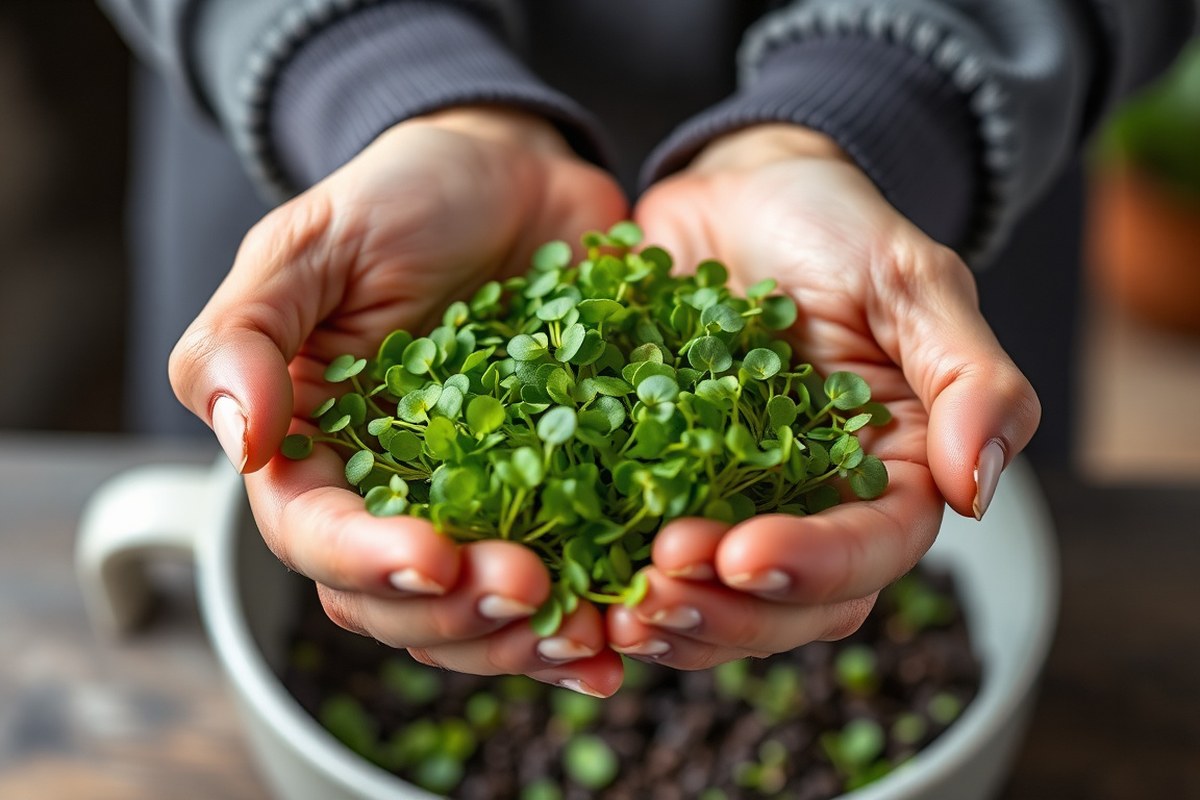
Microgreens often pack more nutrients than mature vegetables. They can contain up to 40 times more nutrients per weight. Broccoli microgreens have much more sulforaphane than grown broccoli.
They can contain up to 100 times the amount of this compound. Sulforaphane is a helpful compound for your health.
A 100-gram serving of microgreens has about 40 calories. It provides 3 to 4 grams of protein. This serving has many times more vitamins C, E, and K than mature greens.
Their antioxidant content is high. Mature vegetables provide a diluted form of these nutrients. This concentration means you get a lot of nutrition in a small portion.
Microgreens get harvested 7 to 21 days after they sprout. This happens just after they grow their first true leaves. They are very young when picked.
This early harvest preserves nutrient density that decreases as the vegetable grows. However, eating only microgreens doesn’t replace the benefits of mature vegetables. You should include both for a balanced diet.
Researchers found microgreens contain about 40% more phytochemicals than mature vegetables, which may add health benefits. Animal studies from 2023 show microgreens may help control weight gain. This effect is similar to mature vegetables.
The research suggests microgreens have good potential for weight control. Microgreens suit people with limited access to fresh vegetables or those following raw or plant-based diets.
Though they offer higher nutrient density, microgreens need to be consumed in normal portions. Eating large amounts won’t multiply health effects significantly. The Australian Guide to Healthy Eating says a serving is about 75 grams.
This is roughly a cup of leafy greens per serving. This applies to microgreens and mature greens alike.
Popular Types of Microgreens and Their Nutritional Profiles
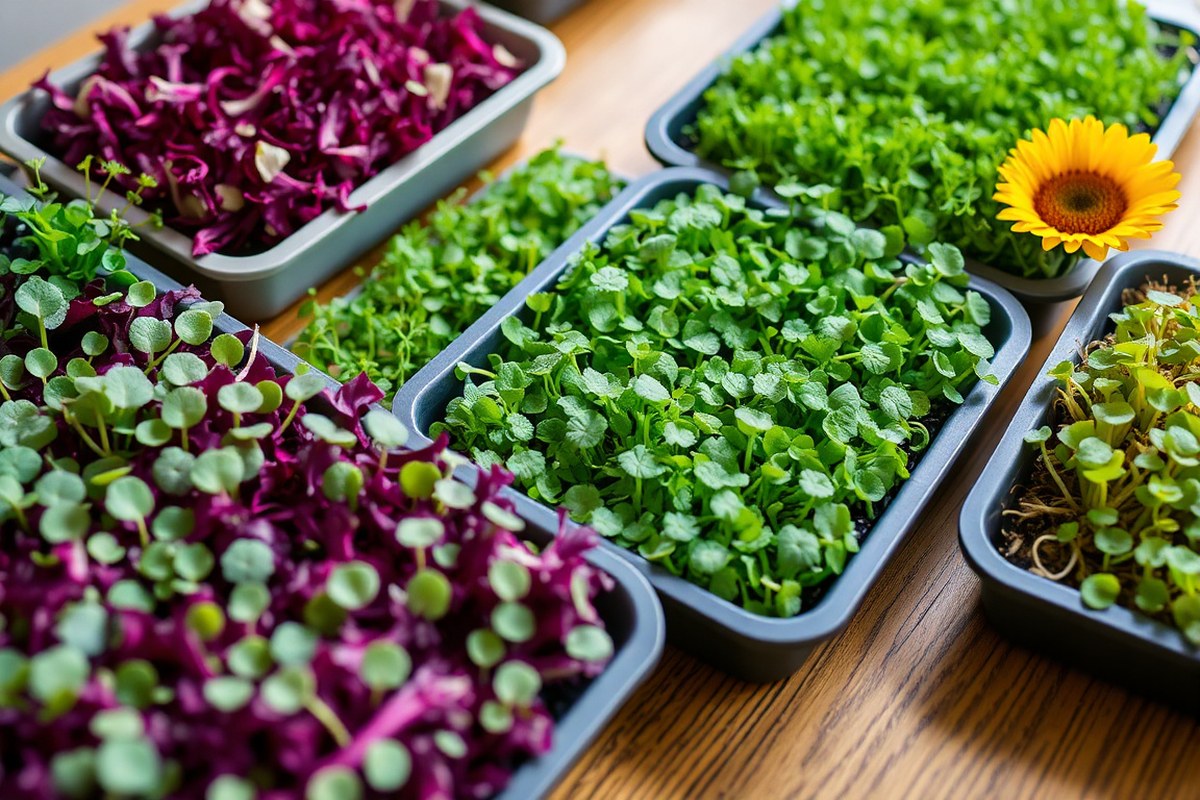
Microgreens pack a powerful nutritional punch despite their small size. They offer concentrated vitamins, minerals, and antioxidants far above what mature vegetables provide.
Your choice of variety affects the nutrients you get. It also influences how they taste.
Broccoli microgreens have a milder, grassy flavor with a crisp texture. They’re rich in sulforaphane, a compound that may protect cells against damage. Red cabbage microgreens are crisp and taste a little peppery.
They have about 147 mg of vitamin C per 100 grams. This is more than twice the daily value for most adults.
Daikon radish microgreens taste spicy and crunchy, with a high vitamin E level. Sunflower microgreens give a nutty bite and a high protein content.
Adding a mix of microgreens to salads or sandwiches can boost nutrients. It also improves the flavor.
| Microgreen | Calories (kcal) | Protein (g) | Carbs (g) | Vitamin C (mg) | Notable Standout |
|---|---|---|---|---|---|
| Mixed Average | ~40 | 3.5 | 4.7 | ~24 | Baseline across common varieties |
| Broccoli | 31, 35 | 2.3, 2.6 | 6.4, 7 | Moderate | Richest in sulforaphane |
| Red Cabbage | 31, 35 | , | , | 147 | Highest vitamin C |
| Green Daikon Radish | 31, 35 | , | , | Lower | Highest vitamin E (~87.4 mg/100 g) |
Texture and taste differ widely between types. Sunflower microgreens feel crunchy and chewy. They have a nutty flavor that some like more than peppery radish.
Broccoli tends to be softer, making it easier to chew in raw dishes. Choosing your microgreen depends on your taste and nutritional goals.
Mix multiple microgreens in your meal to cover more nutrients and flavors.
Remember, how you grow and store microgreens affects their nutrient level. Freshness is key since vitamins and antioxidants can drop quickly after harvest. Aim to consume microgreens within a few days of picking to get the most health perks.
Growing Microgreens at Home: Best Practices and Timeline
Growing microgreens at home is quick and simple. You can harvest them within one to three weeks. It just takes a few basic supplies and some daily care.
Preparing Soil and Choosing Seeds
Start with a shallow tray and fill it with clean, organic potting soil. Avoid garden dirt, which may carry pests and bacteria. Use seeds labeled specifically for microgreens or edible sprouts to ensure safety.
Buying seeds from a trusted company helps reduce risks from contamination. Quality seeds also give a better yield. Choose popular microgreen types like sunflower, radish, or pea shoots for easy success.
Germination and Lighting Requirements
After sowing your seeds evenly over moist soil, cover lightly. Don’t bury the seeds too deep. Keep the cover thin to help growth.
Keep the soil damp with misting or gentle watering. Place your tray in a warm spot. The temperature should be 65° to 75°F. This warmth encourages the seeds to sprout.
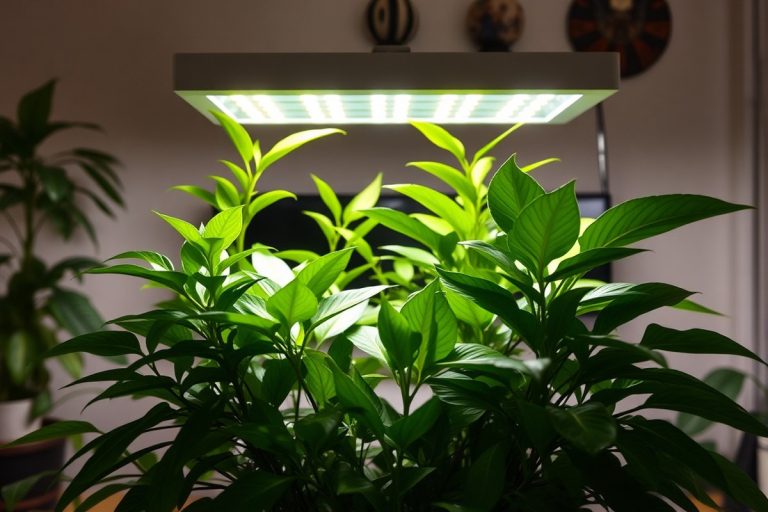
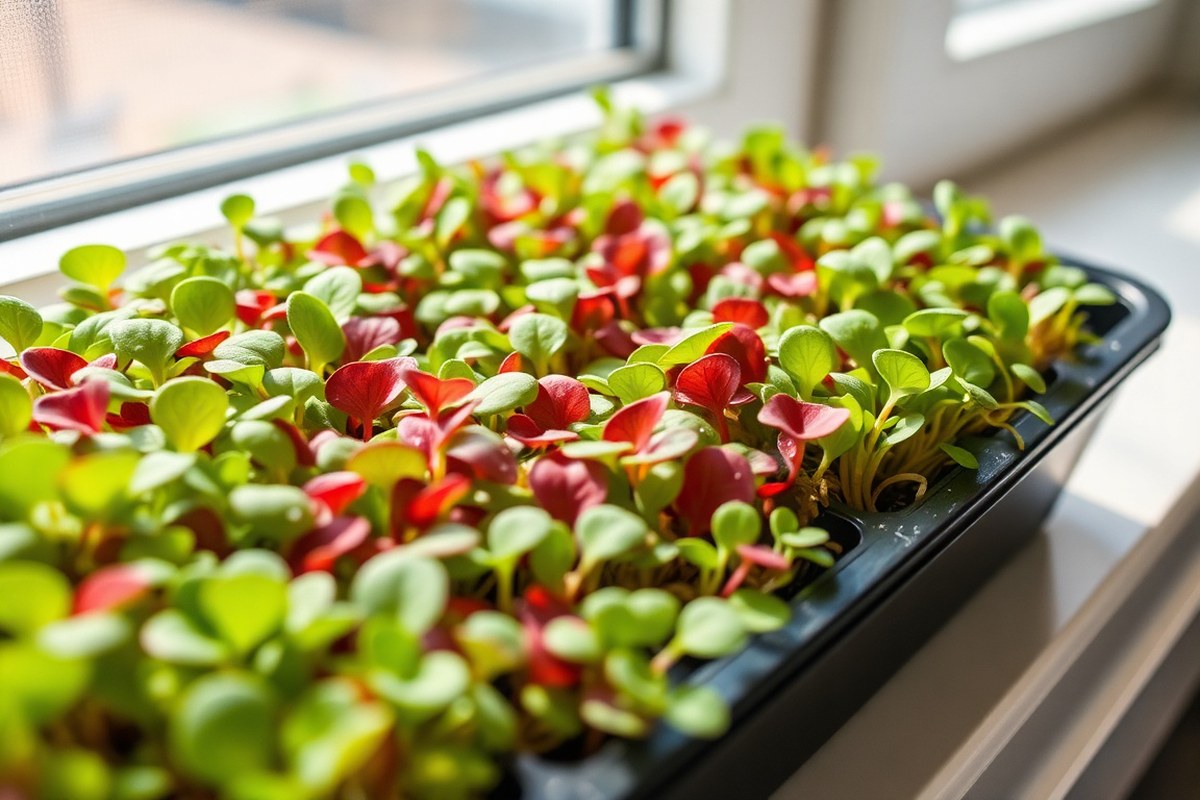
Seeds usually sprout in two to three days. Then, move trays to a bright window. You can also use grow lights.
Microgreens need 4-6 hours of direct light daily to develop strong leaves. Good ventilation helps prevent mold and disease.
Harvesting and Timing for Nutrient Peak
Microgreens grow fast and are ready around 7 to 14 days after sprouting. Harvest when shoots are 1 to 3 inches tall. This is when the first true leaves appear.
Cut just above the soil. That’s when their nutrients reach a peak, giving you the best flavor and health benefits.
Use scissors to cut microgreens just above the soil line. Rinse gently before eating or storing. Harvesting at the right time prevents overgrowth, which can weaken flavor and texture.
Follow these steps for a successful grow:
- Choose a clean tray and fill it with 1 to 2 inches of organic potting soil.
- Spread seeds evenly over the soil surface. Aim for about 10 to 15 seeds per square inch. Avoid overcrowding.
- Lightly press seeds into the soil and mist with water to keep moist.
- Cover the tray with a lid or plastic wrap. This keeps humidity during germination. Leave it covered for 2 to 3 days.
- Once sprouts appear, remove cover and move tray to a bright spot or under grow lights.
- Water daily using a spray bottle to keep soil moist but not soggy.
- Harvest when microgreens are 1 to 3 inches tall. You should see the first leaves clearly. This happens in about 10 to 14 days.
Safe Handling and Storage to Maximize Microgreens Freshness
Store microgreens in the refrigerator immediately after harvesting. Keep them between 32°F to 40°F to slow nutrient loss and prevent wilting. Using a clean, airtight container helps preserve freshness and avoid contamination.
Microgreens last about 5 to 7 days when stored properly. Eating them quickly ensures you get their full nutritional benefits. They lose flavor and texture after a week and may start to spoil.
- Rinse microgreens gently under cold water before storing or eating
- Pat dry with a paper towel to reduce moisture buildup
- Use a breathable container or perforated bag to avoid mold growth
- Keep microgreens away from strong-smelling foods to prevent odor absorption
- Harvest only what you’ll use within a day or two for best quality
- Check daily for signs of spoilage like sliminess or off smells
A slimy texture or sour smell means the microgreens are no longer safe. Mold spots, especially white or gray fuzz, also show spoilage. Toss any microgreens showing these signs to avoid risk.
Maintaining hygiene during harvest and handling matters a lot. Always wash your hands and use clean tools to lower contamination risks. This keeps microgreens safe to eat every day.
Can You Eat Microgreens Raw? Safety and Potential Risks
Microgreens are safe to eat raw daily if you handle and store them properly. Their tender leaves can carry bacteria if grown or cleaned wrong. Washing microgreens well before eating reduces risk of germs.
You don’t cook them, so this step is important. Clean water and gentle rinsing help remove dirt and bacteria.
Choose a variety of microgreens instead of just one kind every day. Rotate microgreens types to balance your nutrients intake. This also lowers the chance of allergies.
Eating too much of one plant can cause problems. Some microgreens, like those high in vitamin K, can affect blood-thinning medicines. So you should keep your intake steady if you take drugs like warfarin.
Growing microgreens at home lets you control cleanliness and freshness better than store-bought options. Store them cold, ideally around 5°F, and eat them within a few days. Some types last longer.
For example, mustard microgreens can stay fresh up to nine days when refrigerated. Buying or growing microgreens means you reduce risks linked to bad handling during shipping or sales.
Always wash microgreens under cool running water before eating to reduce bacterial risk.
Allergies from microgreens are possible but rare. Stop eating microgreens if you get itching, swelling, or upset stomach. Talk to your doctor about these symptoms right away.
Microgreens interact less with medications than mature vegetables. But vitamin K-rich kinds can still affect blood thinners.
Avoid eating microgreens grown in overly wet or dirty conditions because moisture encourages bacteria growth. Unlike sprouts, microgreens are less risky since their roots are removed, cutting down on contamination chances. Still, follow these safety tips to enjoy them raw every day without worry.
Incorporating Microgreens into Your Diet for Maximum Benefit
Microgreens work best when eaten fresh and raw. Washing them gently in cool water before use keeps them crisp and clean. Adding microgreens last to your meals preserves their delicate texture and nutrients.
Light cooking is possible but keep it very brief. Microwave for 10 to 15 seconds or toss in a hot pan for under 30 seconds. Too much heat lowers vitamin content, especially vitamin C and some antioxidants.
You can sprinkle microgreens on sandwiches, salads, and wraps. They’re great in smoothies, juices, and as a topping for soups or noodles. Mixing different microgreens adds variety in flavor and nutrients, improving both nutrition and taste.
- Add a handful of microgreens to your morning eggs or avocado toast.
- Sprinkle on salads for a colorful, nutrient-packed finish.
- Mix into sandwiches or burgers instead of lettuce.
- Blend fresh microgreens into smoothies for extra vitamins.
- Use microgreens as a garnish for soups and chili just before serving.
- Stir microgreens into cooked grains or pasta after cooking.
- Top pizzas or flatbreads with microgreens after baking for fresh flavor.
Eating microgreens daily in small portions works well with most diets. Their nutrient density means a little goes a long way. They’re especially useful for vegans and vegetarians who want a nutrient boost without extra calories.
Keeping a small container of washed microgreens in the fridge saves time. Use them as a quick fresh ingredient to brighten up your meals. Keep them loosely covered in the fridge at 32 to 40°F.
Common Growing Mistakes and How to Fix Them
Many beginners struggle with watering, lighting, and seed quality when growing microgreens. These mistakes can stunt growth or cause mold and spoilage. Fixing these common problems will help you grow fresh, tasty microgreens every time.
Overwatering and Underwatering Issues
Giving microgreens too much water leads to soggy soil and mold growth. Seeds and roots need moisture, but too much water blocks air, causing rot. On the other hand, underwatering dries out the seeds and stunts growth by preventing nutrient uptake.
Check soil daily by touching it. It should feel damp but not wet. Water only when the top half-inch of soil starts to dry.
A spray bottle can help evenly mist without flooding. Drain trays well to avoid standing water.
Poor Lighting and Temperature Effects
Microgreens need 12 to 16 hours of bright, indirect light daily. Too little light causes tall, weak plants with pale leaves. Excessive heat above 75°F may dry soil fast and stress the seedlings.
If natural light is limited, use affordable LED grow lights placed 12 to 18 inches above the tray. Keep room temperature between 60°F and 75°F to give seeds the best start. Fans can improve airflow and reduce stale, humid areas which help prevent fungal growth.
Seed Quality and Soil Contamination
Start with high-quality seeds meant for microgreens to ensure good germination and safety. Dirty trays or poor soil can introduce bacteria or mold, risking your greens and your health. Using fresh, clean water matters a lot too.
Many growers prefer single-use growing mats or sterile coco coir for neat, sanitary conditions. Always clean trays and trays’ edges with hot, soapy water before planting new seeds. Avoid reusing soil from garden dirt since it may contain pathogens or pests.
- Use seeds labeled for microgreen growing
- Choose sterile or single-use growing mats
- Keep trays, tools, and hands clean when planting
- Use filtered or bottled water if tap water is low quality
- Discard any microgreens with foul smell or slimy texture
Wise choices in growing media and hygiene protect your harvest. Fresh microgreens look bright and crisp with no signs of yellowing or mushiness. Cloudy water or musty smell means you should stop using those materials immediately.
Choosing Microgreens Based on Health Goals and Dietary Needs
Choosing microgreens to match your health goals means focusing on specific nutrients. Different microgreens have unique vitamins and antioxidants. These can help your immunity, blood sugar, or weight management.
Each type offers different health benefits. You can choose the right microgreens by knowing your needed nutrients.
Match those to microgreens that provide those nutrients. This helps you get the best benefits.
Microgreens for Antioxidants and Immune Support
Microgreens like red cabbage, broccoli, and radish are excellent sources of vitamin C. Vitamin C boosts your immune system and acts as a powerful antioxidant. Adding these microgreens to your diet can help strengthen immunity. Eating them regularly supports your body’s defense.
Kale and garnet amaranth offer high vitamin K, which supports blood clotting and bone health. Sunflower and green daikon radish microgreens have vitamin E. Vitamin E is good for skin and cell protection.
They help prevent cell damage. These antioxidants also support long-term brain health by fighting oxidative stress.
Microgreens to Support Blood Sugar Control
Broccoli microgreens may help improve insulin sensitivity, helping your body manage blood sugar better. Fenugreek microgreens might increase cellular sugar uptake by up to 44%. This was shown in lab studies.
It may aid in controlling blood sugar levels. Adding these microgreens to your meals can support healthy blood sugar. This is especially helpful for type 2 diabetes management.
Fiber in microgreens also plays a role in blood sugar control. Their fiber slows digestion and sugar absorption, helping to avoid spikes in blood sugar. Choose microgreens with higher fiber content like kale or amaranth for this benefit.
Microgreens for Weight and Cholesterol Management
Microgreens are low in calories, usually between 25 and 35 per 100 grams. They provide protein and fiber. These help you feel full and repair muscles.
This is useful during weight loss. Adding microgreens to your diet can reduce calorie intake without sacrificing nutrition.
Microgreens contain potassium and antioxidants, which support heart health and may help maintain healthy cholesterol levels. Amaranth and beet microgreens can help manage cholesterol.
They keep your meals light and nutritious. They fit well into special diets because they’re also low in fat and carbohydrates.
Choose fresh, organic microgreens from trusted sources to maximize health benefits and avoid contaminants.
Your First Steps to Enjoying Microgreens
Follow this quick plan to grow, select, and eat microgreens safely and healthily. Watch for signs that show you’re on track.
- Before You Start: Choose microgreens that fit your health goals, like kale for antioxidants. Check seed packets for freshness.
- Day 1: Plant seeds using clean soil or a growing mat indoors. Keep them moist but not soaked to avoid mold.
- Day 7: Watch for seedlings to sprout with healthy green leaves. Thin out crowded spots to improve air flow.
- Day 10: Harvest microgreens when they have their first true leaves. Use scissors to cut above the soil line cleanly.
- Immediately After Harvest: Rinse microgreens gently with cold water. Dry them with a salad spinner or paper towels before storing.
- Storage: Keep microgreens in a sealed container in the fridge for up to a week. Check for slimy spots and toss any spoiled leaves.
- Each Meal: Add fresh microgreens raw to salads or sandwiches. Their crunch and flavor add nutrition without cooking damage.
- Ongoing: Experiment with different types every few weeks. Note which kinds help you feel energized or improve digestion.
Frequently Asked Questions
Are Microgreens a Good Source of Antioxidants?
Yes, microgreens contain high levels of antioxidants. These help protect your cells from damage and support overall health. Eating them fresh ensures you get the most antioxidant benefits.
Can Microgreens Aid in Blood Sugar Control?
Some studies show microgreens like fenugreek may help lower blood sugar. They could improve how your cells use sugar. But more research is needed before seeing them as a treatment.
Do Microgreens Lose Nutrients Quickly After Harvesting?
Yes, microgreens start losing nutrients soon after harvest. Eating them within 5 to 7 days gives you the best nutrition. Proper storage in the fridge helps keep them fresh longer.
Can Kids Safely Eat Microgreens?
Microgreens can be safe for kids if handled properly. Wash them well and avoid those grown in soil with contaminants. Start with small amounts to see if any allergies appear.
Are Microgreens Better Than Sprouts Nutritionally?
Microgreens usually have higher nutrient levels than sprouts. They grow longer and develop leaves, which boost vitamins. Still, both can offer unique benefits depending on your diet.
Will Cooking Microgreens Destroy Their Nutrients?
Cooking microgreens may reduce their nutrients since heat harms them. It’s best to eat them raw to keep vitamins and antioxidants intact. Use them as fresh toppings or in cold dishes.
Before You Go
Microgreens provide a fresh and tasty boost to your meals. Start with easy-to-grow kinds and eat them raw for the best nutrition. Pick your favorites and keep growing for steady health benefits.