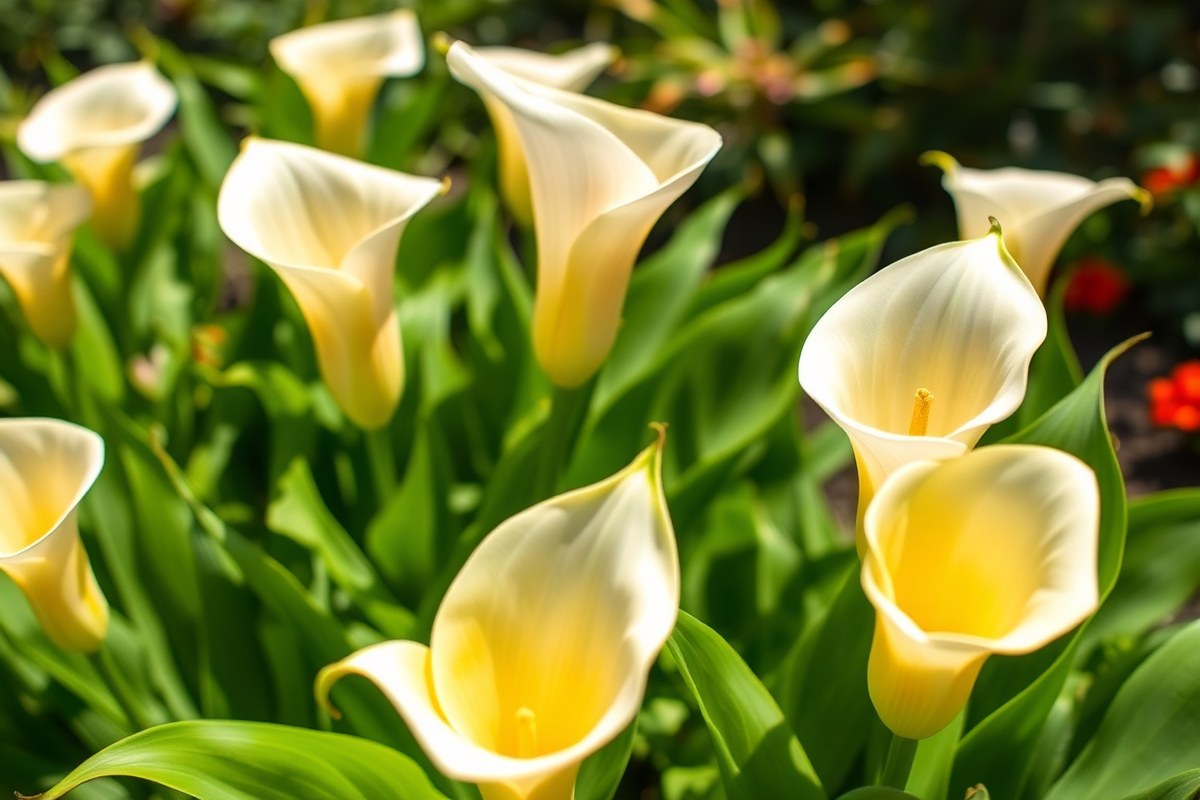
Will Calla Lilies Come Back Every Year? A Complete Guide to Perennial Care
Will calla lilies come back every year? Yes, they do in the right conditions.
Calla lilies are perennial plants that return yearly if you protect their rhizomes. This often means your calla lilies will bloom again without replanting.
They naturally come back each year in USDA Zones 8 through 10. These zones have winters that stay above 25°F, letting calla lilies survive outdoors. In colder zones, you need extra care to get them through winter.
The key is keeping their rhizomes safe during the cold months. Allowing a 2-3 month dry rest each year helps promote strong blooms. Start by digging up the rhizomes before frost and keeping them dry in storage.
Key Takeaways
- Calla lilies return yearly in USDA Zones 8, 10 without extra help.
- Protect rhizomes from frost to ensure next season’s growth.
- Give calla lilies a 2-3 month dry rest to boost blooms.
- Dig up and store rhizomes before the ground freezes.
- Plant calla lilies in spring after soil warms to 65°F.
- Space plants about 6 inches apart to allow healthy growth.
Do Calla Lilies Come Back Every Year Naturally?
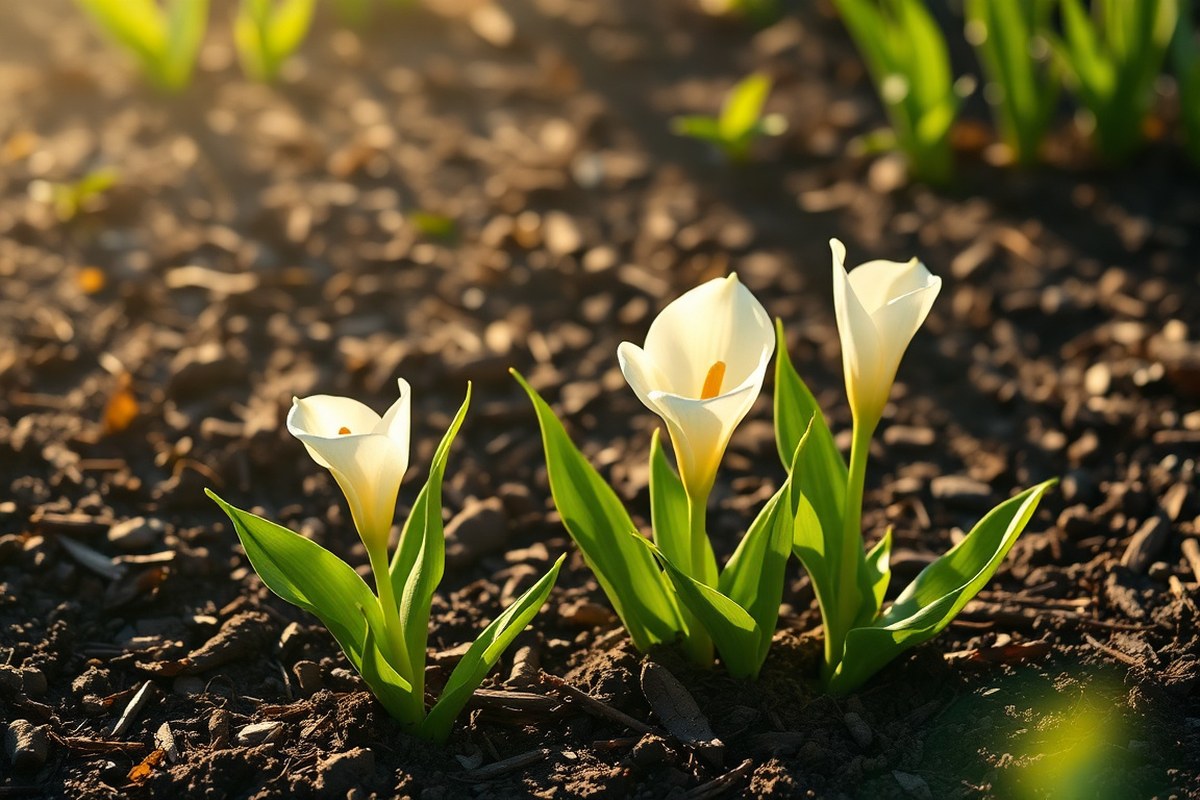
Calla lilies are perennial plants, which means they come back every year naturally. They grow from rhizomes, thick underground stems that store energy during dormant periods. This stored energy helps them regrow when conditions become favorable again.
Calla lilies usually survive outdoors in mild winter areas. These include USDA Zones 8 through 10. No special care is needed there.
These zones have winter temperatures above 25°F, which keeps the rhizomes from freezing. When winters stay that warm, calla lilies will sprout new growth each spring on their own.
However, the rhizomes must stay protected from freezing to come back yearly. Your calla lilies might not survive if winters get colder. They often need extra protection or indoor storage then.
You have to dig up the rhizomes before cold weather. Store them indoors during winter in a cool, dry place.
Replant the rhizomes outside in spring after frost risk ends. This step is key to helping the plants return every year in colder climates.
The plants go dormant during winter, stopping above-ground growth while the rhizomes rest below ground. Calla lilies also need a dry rest period of two to three months without water.
This rest helps them prepare for the next season’s bloom. Skipping this natural cycle usually results in weaker flowers or no blooms at all.
Calla lilies naturally come back each year in warm climates. This happens where rhizomes don’t freeze or get damaged by frost.
In cooler areas, winter protection or lifting the rhizomes indoors is necessary. Knowing this helps you enjoy their beautiful flowers year after year without wasting time or effort.
How USDA Zones and Climate Affect Calla Lily Survival
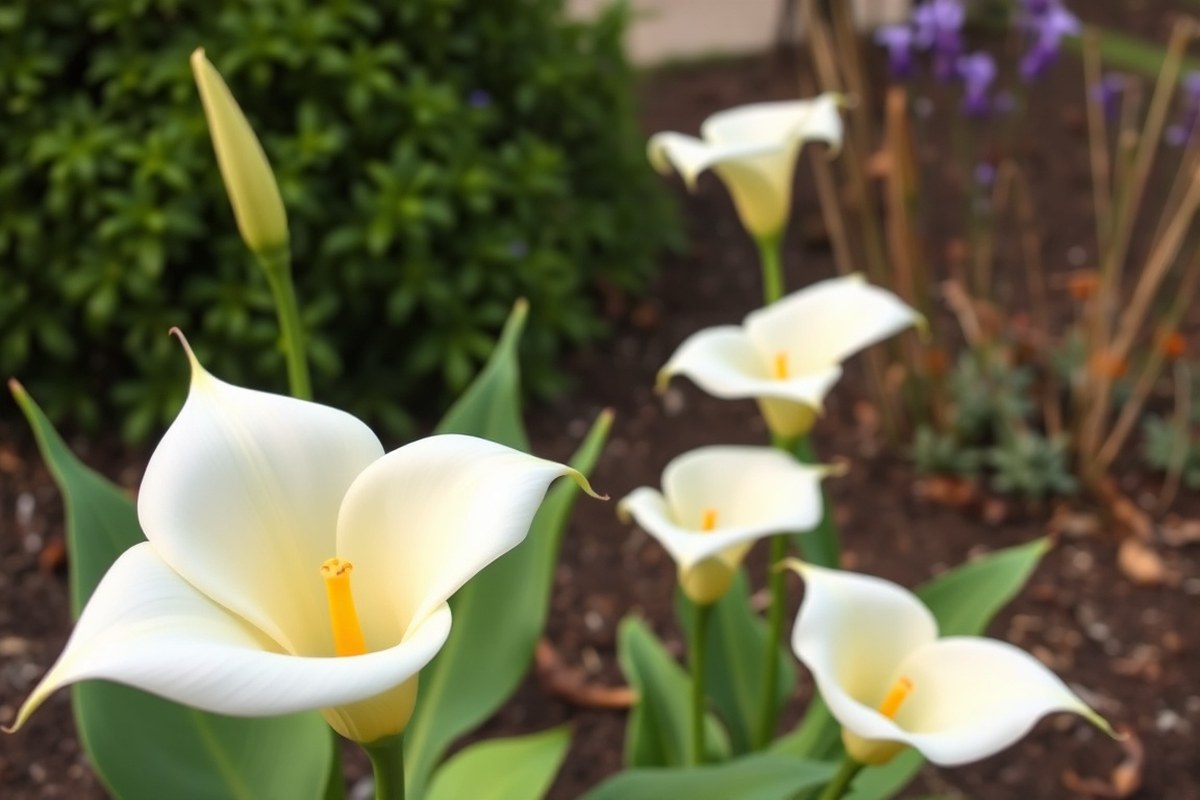
Calla lilies can survive winters outdoors mainly in USDA zones 8 to 11. They struggle when temperatures fall below freezing, as frost damages their roots and shoots. In colder zones, protect the rhizomes or dig them up.
This helps them survive until the next growing season. Without protection, they might not grow again.
Zones 8 to 10: Ideal Permanent Planting
In zones 8 to 10, calla lilies can stay planted outside all year round. These areas usually don’t experience hard freezes, so lilies return without extra effort. You just need to watch for brief cold snaps and cover plants if frost is expected.
Typical lows in these zones go from 10°F to 20°F. The cold is close but usually does not last long. You still need to watch the weather.
Plant calla lilies in well-draining soil with some mulch to moderate the temperature around the roots. They thrive best in these warm climates and bloom year after year naturally.
Zones 7 and Colder: Risks and Protections Needed
Zones 7 and below see more freezing weather. So calla lilies face high risk without protection. Freezing temps below 32°F can kill above-ground growth and damage the bulbs.
Mulching a lot in zone 7 can help some plants survive. But this does not always work. Survival varies with weather and care.
Zones 6 and colder need digging up bulbs each fall. This keeps them safe through winter. Then you can replant in spring.
Store them indoors in peat moss at 50°F or warmer during winter. This protects them from frost damage and lets you replant in spring for new blooms.
| USDA Zones | Recommended Action |
|---|---|
| 8, 10 (Pacific Coast, Gulf States, Southwest) | Leave in ground; they return every spring |
| 7 (Mid-Atlantic, Pacific Northwest, parts of South) | Add a thick layer of mulch in fall to protect plants. This may help them survive winter. However, survival is not always certain. |
| 3, 6 (Midwest, Northeast, Mountain West) | Dig and store every fall; replant in spring |
This table helps you decide the best winter care based on your climate. It’s a mix of protecting the bulb and knowing when lilies can stay outside safely. Following these zone guidelines gives your calla lilies the best chance to come back.
Microclimates and Frost Pockets Effect
Local conditions can differ from your USDA zone and impact lily survival. Frost pockets or low-lying spots can freeze even in mild zones. Try planting calla lilies in areas with good air drainage and slightly higher ground.
Your calla lilies might survive better in microclimates with nearby walls or buildings that trap heat. Avoid planting them where cold winds hit directly in winter. These small factors can make a big difference in whether lilies return year after year.
Always check your garden’s cold spots and protect calla lilies before the first frost.
Step-By-Step Calla Lily Winter Care and Overwintering Options
You can protect calla lilies during winter by digging up the rhizomes and storing them properly. Another option is keeping them indoors in containers with the right care. Both methods help your lilies survive dormancy and come back strong in spring.
Digging and Curing Rhizomes Correctly
Digging up calla lily rhizomes before frost stops growth protects them from freezing. After digging, the rhizomes should dry well to prevent rot before storage. Curing strengthens them by reducing excess moisture on the rhizomes’ surface.
Follow these steps to dig and cure your rhizomes safely:
- Wait until the foliage yellows and dies back, signalling dormancy.
- Loosen the soil around the plant with a garden fork or spade.
- Lift the rhizomes carefully to avoid bruises or cuts.
- Shake off soil gently but do not wash them.
- Place the rhizomes in a dry area with good air flow for 5 to 7 days.
- Check daily to ensure they dry without rotting or molding.
Indoor Storage vs Container Method
Safe winter storage keeps calla lily rhizomes healthy until spring. You can store rhizomes loose in a cool, dry spot at 65 to 75°F. Use a container with well-draining soil to grow the plant indoors.
This helps the plant stay alive all year. Make sure it gets enough light.
When you store rhizomes loose, keep them wrapped in dry peat moss or newspaper. Applying fungicide helps stop rotting if you plan to divide them into smaller clumps.
When overwintering in pots, reduce how much you water. Place pots near a bright window for light.
Replanting Timing and Soil Preparation
Replant your calla lilies outdoors after the last frost date in your area. The soil should be warm, above 60°F, to encourage root growth. Prepare the soil by mixing in compost for drainage and nutrients.
Place rhizomes 3 to 4 inches deep with buds facing up. Water lightly after planting to settle the soil but do not soak. Leave space between plants for airflow; crowded planting can cause rot or disease.
Planting Time, Location, and Soil Requirements for Calla Lilies
Plant calla lilies in spring after frost risk ends. The soil should be at least 65°F before you set bulbs in the ground.
Cooler soil slows growth and may rot rhizomes before they sprout. Early spring planting gives roots time to develop before the hot season.
The soil needs good drainage and a slightly acidic to neutral pH. Aim for a pH between 6 and 7.
Poor drainage causes rhizomes to rot, especially in heavy clay soils. If your soil is dense, mix in sand or organic matter to help water pass through.
Calla lilies grow best with plenty of light. Choose a spot that gets full sun or partial shade.
In especially hot climates, afternoon shade can protect leaves from burning. Plant rhizomes about 4 inches apart to give them space to grow roots and leaves freely.
- Plant in spring when soil is 65°F or warmer
- Use well-draining soil with pH 6 to 7
- Space rhizomes about 4 inches apart
- Choose a spot with full sun or partial shade
- Improve heavy soils with sand or compost
Plant calla lily rhizomes with tips facing up just beneath the soil. Avoid burying too deeply; one inch under the soil surface works well.
Check the soil moisture regularly but avoid waterlogging to keep rhizomes healthy. Well-prepared soil and timing ensure your lilies thrive and come back strong next year.
How to Fertilize and Water Calla Lilies for Yearly Blooms
Calla lilies need steady but not heavy watering during growing times. Give them a deep watering once or twice weekly based on soil and weather. Keep soil from staying too wet to avoid bulb rot and weak plants.
Stop watering once flowering ends to let the plant enter dormancy. During dormancy, the soil should dry out completely until new growth begins. Overwatering can prevent bulbs from storing energy, reducing blooms the following year.
Use a balanced fertilizer with equal parts nitrogen, phosphorus, and potassium, like a 10-10-10 formula. Apply it about once a month while the plant is actively growing. Too much nitrogen creates lots of leaves but fewer flowers.
It can also stop calla lilies from blooming again. Use nitrogen carefully to avoid these problems.
Choose a slow-release fertilizer or mix water-soluble fertilizer with water for easier use. Follow label instructions carefully to avoid overfeeding. A typical half-teaspoon of 10-10-10 per gallon of water works well for a few plants.
Fertilizing right after you see flowers fade helps replenish nutrients and prepares bulbs for next season. Avoid feeding during dormancy or when the leaves yellow and die back. Additional feeding then wastes nutrients and can harm the bulb.
Too much nitrogen slows down flowering and may prevent regrowth next year. Use a balanced fertilizer and apply it once a month. This helps calla lilies bloom and grow back well.
In warm areas, water calla lilies up to three times a week. This is especially true for plants in containers. Adjust watering based on heat and soil dryness.
Soil in containers dries out faster than in the ground. Check soil moisture before watering by sticking a finger about an inch deep.
Calla lilies in full shade or poor soil need more fertilizer. Apply fertilizer every two weeks to help them grow better.
Otherwise, monthly feeding suffices in good garden soil and sunny spots. Regular feeding combined with proper watering boosts your chances of yearly blooms.
Understanding Dormancy and Why It’s Key for Calla Lily Regrowth
Calla lilies need a dry rest period to mimic their natural dormancy. This period usually lasts between 8 and 10 weeks. During dormancy, the plant’s growth rests, helping it save energy for next year’s growth.
A dry rest means watering should stop almost entirely. Store the rhizomes in a cool, dry spot. Keep the temperature near 50 to 60 degrees Fahrenheit.
Avoid warm or damp places that cause damage. This dry spell protects the rhizomes from rotting and disease.
Skip or interrupt dormancy by keeping soil moist. This makes rhizomes rot or grow poorly. Dormancy needs dry soil to keep rhizomes healthy.
The plant can become weak and might not bloom the next season. Dormancy gives the plant a chance to rebuild strength.
To force dormancy, stop watering when the flowers die back, and let the foliage turn yellow. Once the leaves dry out, dig up the rhizomes carefully. Clean the rhizomes before storing.
Use a container that breathes, like paper bags. Keep them dry for the 8 to 10-week rest.
Not following this rest period can cause poor growth or no flowers. Some gardeners keep calla lilies growing year-round. This often causes weak plants or disease.
Taking breaks prevents these common problems. Proper dormancy creates healthier lilies that come back reliably.
Please check the rhizomes occasionally during storage. Remove any soft or moldy spots to prevent spread. After 8 to 10 weeks, plant the rhizomes in fresh soil.
Water them lightly to encourage new growth. Avoid overwatering as growth starts.
Propagation and Division Methods to Multiply Your Calla Lilies
Propagating and Dividing Your Calla Lilies Can Boost Their Health and Spread.
Dividing rhizomes keeps your plants vigorous and helps multiply your collection. The best time to do this is after they finish blooming and start going dormant.
Identifying When to Divide
Look for signs like crowded pots or slowed growth to decide when to divide. Dividing every 2 to 3 years prevents overcrowding and poor flowering.
Wait until fall or early spring when foliage dies back or before new shoots appear. This timing reduces stress and gives divisions time to establish.
Proper Techniques to Separate Rhizomes
Handle the rhizomes carefully to avoid damage or disease. Use a clean, sharp knife or garden shears to cut them apart.
Separate the rhizomes into pieces that each have at least one growing eye or bud. This step ensures each piece can grow into a new plant.
- Dig up the calla lily clump gently with a garden fork or shovel.
- Brush off excess soil to see the rhizomes clearly.
- Cut the rhizomes apart along natural divisions, keeping eyes or buds intact.
- Trim away any old, mushy, or damaged parts to prevent rot.
- Let the divisions dry for a day in a shaded area to callus their cuts.
- Apply a fungicide powder on cuts if available to reduce infection risk.
- Prepare fresh soil or pots for replanting with good drainage.
Replanting and Initial Care for Divisions
Plant divisions 3 to 4 inches deep in loose soil or pots with drainage holes. Space them 6 to 8 inches apart for room to grow.
Water lightly after planting to settle the soil but avoid overwatering. Keep soil moist but not soggy during the first few weeks.
Place newly divided plants in bright, indirect light until they show new growth. After sprouting, gradually move them into full sun or desired garden spots.
Common Problems That Prevent Calla Lilies from Coming Back
Rot is a top reason calla lilies fail to return. It happens when rhizomes stay wet too long or soil won’t drain well. Check rhizomes for softness, black spots, or a bad smell to spot rot early.
Cutting away affected parts and repotting in fresh, dry soil helps. But severe rot means tossing the rhizome.
Temperature plays a big role in survival. Calla lilies like warm soil above 50°F but not hot conditions. Too-cold zones without protection stop growth or kill rhizomes.
You should dig up rhizomes before frost in cooler areas. Or use mulch to keep them warm during cold months.
Excess fertilizer creates more leaves than flowers. High nitrogen slows blooming and weakens plants over seasons. Use a balanced fertilizer with equal parts nitrogen, phosphorus, and potassium.
Apply it about once a month while plants grow. Overfeeding risks salt build-up, so flush soil with water occasionally to avoid root damage.
Watering mistakes occur when either the soil dries out or stays soggy. Calla lilies want moist soil but not soaked. Let the top inch dry between waterings, especially in pots.
Too much water invites rot. Too little stops rhizomes from storing energy for next year.
- Check soil drainage and improve with sand or perlite
- Keep rhizomes dry during dormancy, store in peat or sawdust if needed
- Maintain soil temperature above 50°F, protect from frost
- Feed with balanced fertilizer monthly in growing season
- Water when top inch of soil feels dry, avoid soggy pots
- Inspect rhizomes yearly to discard soft or rotten parts
- Mulch in colder zones to protect rhizomes from freezing
Don’t ignore early rot signs, removing bad rhizomes saves healthy ones.
Bad results often start with poor drainage or too much water. Calla lilies grown in tight containers need extra care, like repotting yearly.
Too much fertilizer can burn roots, causing yellow leaves and fewer flowers. Watch drainage and water carefully to keep rhizomes firm and ready to sprout again.
Step-by-Step Action Plan for Yearly Calla Lily Care
Follow these steps to help your calla lilies come back strong every year. Each phase focuses on a key task to keep your plants healthy.
- Spring Planting: Plant rhizomes in well-drained soil after the last frost. Look for new shoots within 3 weeks.
- Early Summer Growth: Water deeply once a week, adjusting if rain falls. Leaves should stay bright and firm.
- Mid-Summer Fertilizing: Apply a balanced fertilizer every 4 weeks. New flowers or strong leaf growth show it’s working.
- Late Summer Watch: Cut back any yellowing leaves and remove spent flowers. Healthy plants will keep producing blooms.
- Fall Preparation: Stop fertilizing when leaves yellow naturally. Reduce watering as the plant prepares for dormancy.
- Early Winter Protection: Dig up rhizomes before cold weather arrives. Let them dry well. Store in a cool, dry place until spring. Check monthly for soft spots.
- Late Winter Replant: In mild areas, mulch heavily and leave rhizomes in the ground. Remove mulch after last frost.
- Ongoing Division: Every 2 to 3 years, divide crowded rhizomes in spring. New clusters form faster in loose soil.
Frequently Asked Questions
Can Calla Lilies Survive If Left in the Ground All Winter?
They can survive in mild winters above 25°F, mostly in Zones 8, 10. Below that, rhizomes often need digging up to prevent freezing damage.
Do Calla Lilies Need Pruning to Come Back Each Year?
Light pruning helps by removing dead leaves and spent flowers. This directs energy to healthy growth and helps the plant return next season.
Can Calla Lilies Come Back from Seeds?
Yes, calla lilies can grow from seeds but it takes years to bloom. Most gardeners prefer dividing rhizomes for quicker flowering.
How Long Does It Take for Calla Lilies to Bloom After Planting?
They usually bloom in 70 to 90 days after planting rhizomes. Proper soil and watering speed up flowering time.
Will Calla Lilies Grow Back If Rhizomes Freeze?
Frozen rhizomes often don’t survive, so the plant may not regrow next year. Overwintering indoors is safer in cold climates.
Do Calla Lilies Grow Back Faster with Fertilizer?
Fertilizer encourages healthier growth and fuller blooms, which helps bulbs store energy. This can lead to stronger regrowth each year.
Wrapping Up
Calla lilies can return every year with the right care and winter protection. Start by checking your zone and preparing for dormancy. This simple first step keeps your lilies blooming next season.