What Does Composting Mean? A Complete Guide with Practical Steps
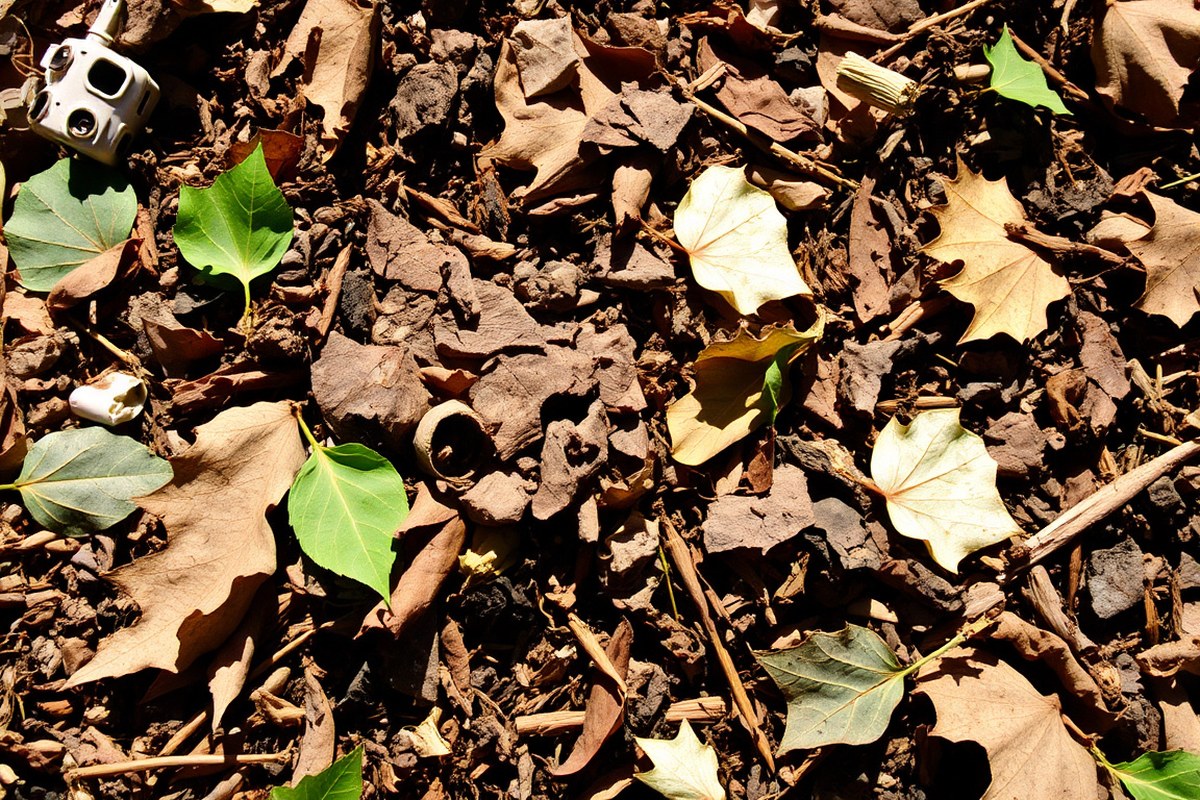
What does composting mean? Composting is a natural process. It turns food scraps and yard waste into rich soil.
This process uses organic materials. This process uses microorganisms to break down waste into dark, crumbly compost. Composting helps reduce landfill trash and improves your garden’s soil health.
Composting works by balancing “green” materials like vegetable scraps with “brown” materials like dry leaves. Keep the pile moist but not wet. Too much water slows down decomposition.
Water balance helps fast composting. Turning your compost pile often adds air, which helps bacteria break down materials faster.
Starting composting can be easy. Use a small bin or a yard spot. Choose a place that works for you.
Avoid composting meat, dairy, or oily foods since they attract pests and slow the process. Keep your compost bin in a place with good airflow and moderate temperature for best results.
Key Takeaways
- Start composting with a mix of green (food scraps) and brown (dry leaves) materials.
- Keep your compost moist, like a wrung-out sponge, to speed decomposition.
- Turn the compost pile every few days to add oxygen and prevent odors.
- Avoid adding meat, dairy, or oily foods to stop pests and bad smells.
- Choose a shaded outdoor spot with good airflow to keep your compost healthy.
- Composting turns waste into nutrient-rich soil for plants and gardens.
What Does Composting Mean and Why It Matters
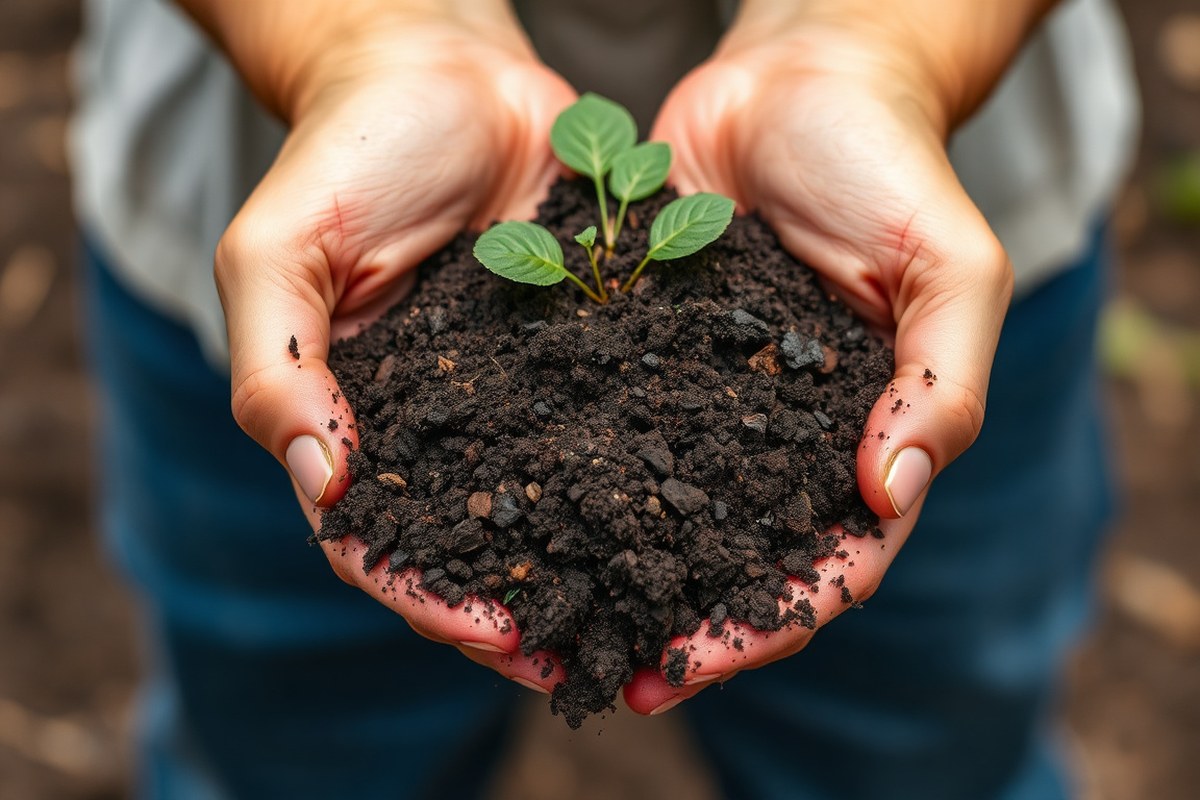
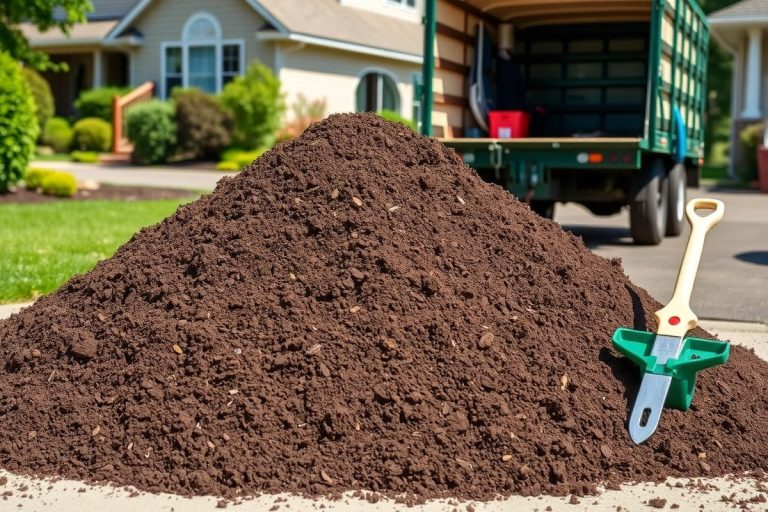
Composting means turning organic waste into nutrient-rich material called compost. This process recycles things like food scraps and yard waste instead of sending them to landfills. The end product is a soil amendment that improves soil health and feeds your plants naturally.
Compost is made from organic materials like vegetable peels, coffee grounds, leaves, and grass clippings. Microorganisms break down this material in weeks or months. This creates a stable substance.
Plants use it for nutrients. It’s not soil itself, but it mixes with soil to help plants grow better.
The importance of composting comes from how it helps the environment and your garden. Compost adds nutrients slowly and holds moisture in soil, which keeps plants healthy. It also cuts down on waste and reduces harmful runoff that can pollute water supplies.
You create compost by collecting organic scraps at home. Keep the scraps moist. Also, turn the pile to add air.
Bury food scraps 12 to 18 inches under soil to speed it up. Using worms like red wigglers helps too. Finished compost looks dark and crumbly.
It usually smells earthy. It’s ready after a few months.
Using compost costs little besides your time, and it avoids buying chemical fertilizers. Community composting programs may accept your food waste for free, saving effort and space. Compost quality depends on what you add.
Managing moisture, temperature, and airflow is key. These factors affect the result.
A common issue is compost that smells bad or attracts pests. This usually means too much wet material or food that’s not suited for composting. Mix browns like dry leaves with greens like fresh scraps.
This stops common problems. It makes healthy compost for your garden and planet.
How Composting Works: The Science Behind Decomposition
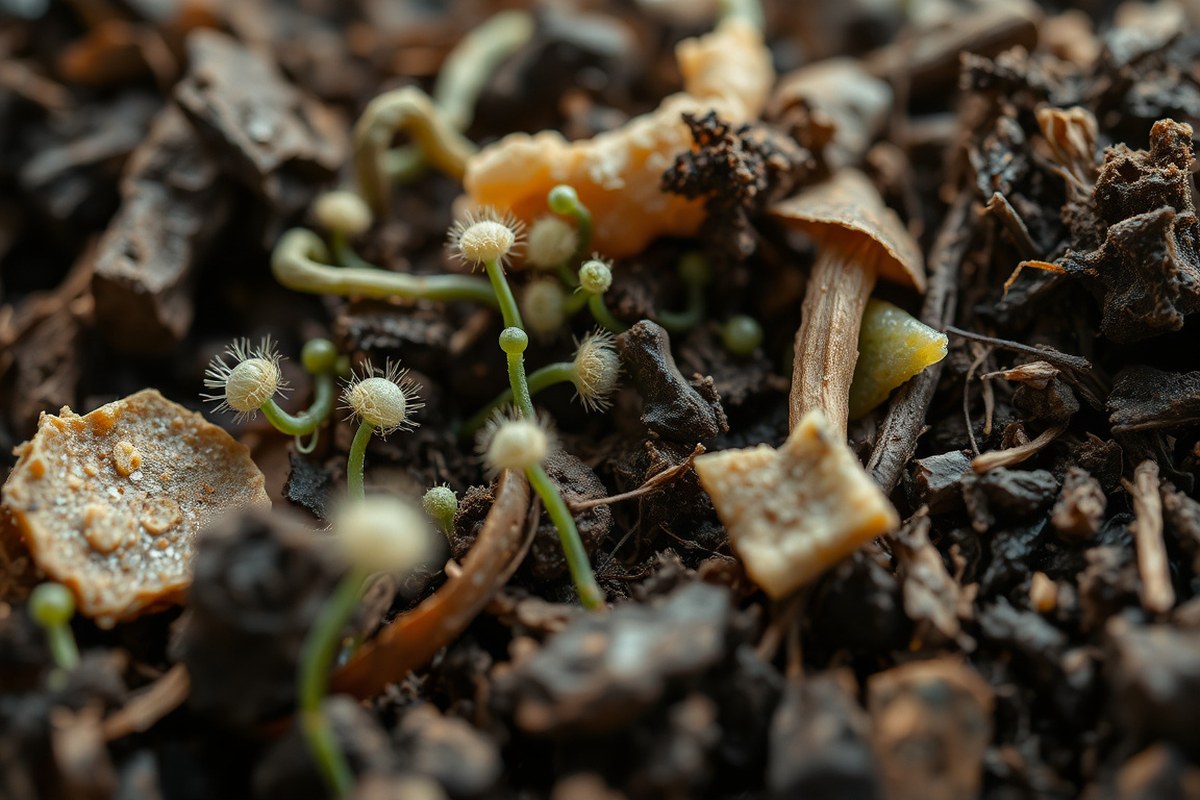
Composting is a natural way to break down organic waste using tiny living things called microorganisms. These microbes need four things to do their job: carbon, nitrogen, oxygen, and water.
Carbon comes from “brown” materials like dead leaves and paper. Nitrogen comes from “green” stuff like kitchen scraps and fresh grass clippings.
Microorganisms use carbon and nitrogen as food to grow and multiply. They breathe oxygen from the air. They need water to stay moist.
Water also helps them digest materials. Without enough oxygen, the pile gets smelly.
It also slows down. Bacteria use less efficient ways to break down waste.
During composting, the microbes heat up the pile by eating the materials. The pile can reach 130 to 140 degrees Fahrenheit when it’s working well.
This heat kills off weed seeds and bad germs while speeding up decomposition. Gardeners call the end product “finished compost,” which looks dark, crumbly, and earthy.
Keeping the right mix is key. Aim for about 25 to 30 parts carbon to 1 part nitrogen. You can use a 3:1 ratio of browns to greens.
This balance works well for compost. Too much carbon slows the process because microbes starve from a lack of nitrogen. Too much nitrogen smells bad and attracts pests.
Add water to keep moisture between 40 to 60 percent. If it is too dry, microbes stop working. Too wet means the pile lacks oxygen.
Aeration, like turning the pile every few weeks, adds fresh oxygen. This helps maintain fast, aerobic decomposition.
Without turning, the center may become anaerobic and slow down. Some people use worms to help break down materials, especially in smaller bins.
Keep your compost pile moist like a wrung-out sponge. Turn it regularly to avoid bad smells and speed up decomposition.
Best Materials to Compost and What to Avoid
Composting works best when you combine the right materials. Use a mix of carbon-rich “browns” and nitrogen-rich “greens.” Avoid items that slow down decomposition or attract pests.
Common Carbon-Rich Browns
Browns add carbon to your compost. They dry out the pile and help keep the balance. These materials are often dry and fibrous.
Good browns include dry leaves, shredded paper, and untreated wood chips. Cardboard also works if it has no wax or glue. Layer these materials between your greens for best results.
Typical Nitrogen-Rich Greens
Greens are full of nitrogen and moisture. They feed the microorganisms that break down compost. Use fruit and vegetable scraps, coffee grounds, and fresh grass clippings as greens.
Eggshells are okay but crush them first. Paper tea bags without staples also count as greens. Mix greens with browns to avoid odors and pests.
Materials That Should Be Avoided
Keep out meat, dairy, and oily foods. They attract rodents and slow composting by creating bad smells. Also avoid plastic, glossy paper, and anything treated with chemicals.
Plastic produce stickers should be removed before composting. Avoid weeds with seeds to stop spreading them in your garden. Some compostable packaging can be used, but check local rules first.
| Carbon-Rich Materials (“Browns”) | Nitrogen-Rich Materials (“Greens”) |
|---|---|
| Dry leaves | Fruit and vegetable scraps |
| Shredded paper (non-glossy, uncolored) | Grass clippings |
| Shredded cardboard (no wax, tape, or glue) | Coffee grounds and paper filters |
| Untreated wood chips | Paper tea bags (no staples) |
| Plant stalks and twigs | Eggshells (crushed) |
To keep your compost healthy, add two to three parts brown materials for each part green. Alternate thin layers of greens and browns in your pile. Finish with a layer of browns to help reduce odors.
How Long Does Composting Take and What Affects It?
Composting usually takes anywhere from 3 months to over a year. Hot composting, which reaches higher temperatures, finishes faster, often within 3 to 6 months. Cold composting can take 12 months or more because it relies on slower natural breakdown.
Several factors affect this timeline, especially temperature and airflow inside the pile. Keeping your compost between 130°F and 160°F helps microbes work faster and kills many weed seeds. Turning the pile every week or two adds oxygen.
This helps speed up decomposition. It also stops smells from building up.
Moisture also plays a key role. Your compost should feel like a wrung-out sponge, damp but not soaking wet. Too little water slows down the process.
Too much blocks air from reaching microbes. Particle size matters too: smaller pieces break down faster but can compact and reduce airflow.
- Maintain separate layers of greens and browns to balance nitrogen and carbon.
- Turn the pile often to keep oxygen flowing for microbes.
- Keep moisture steady around 40 to 60 percent for best microbial activity.
- Chop or shred materials to speed breakdown but avoid overly fine pieces.
- Monitor temperature to make sure it stays in the ideal hot range.
- Cover your pile if it rains heavily to avoid flooding the compost.
- Adjust materials if you detect foul or ammonia-like smells.
Cold composting lets you add materials easily. It takes a long time to break down. It can take up to a year or longer.
Hot composting needs more care and effort. It works faster than cold composting.
You can get finished compost in a few months. Trenching raw materials underground is another slow method, often finishing in about 12 months.
By controlling heat, moisture, and airflow, you can speed up the process and improve quality. Turning the pile every 1 to 2 weeks and checking moisture keeps microbes happy. These simple steps usually turn your yard waste into rich soil amendment before you know it.
Main Composting Methods and How to Choose One
You can compost in different ways based on your space. It also depends on what you want to compost. Choose the method that fits your needs best.
Backyard composting works well for yards and larger amounts of waste. Vermicomposting uses worms and is great indoors or in small areas. Trench composting buries waste directly in the soil for natural breakdown.
Backyard Composting
Backyard composting usually means a pile or bin outside. It works best for yard scraps like grass clippings, leaves, and some kitchen waste. A well-kept pile gets very hot, between 130° to 160° Fahrenheit.
This heat speeds up decomposition. It also kills some seeds and pathogens.
This method needs regular turning to keep oxygen in. Turning stops bad odors and helps microbes break down the waste. Open bins suit yard waste but aren’t great for food scraps, they might attract pests.
Backyard piles or bins come in any size you want. They need about three feet of space wide. This size is common and works well.
You can build a bin from wood yourself. Or buy a plastic one for $50 to $100.
Both options work well for home composting. Maintenance includes adding materials in layers and turning it weekly or biweekly.
Vermicomposting with Worms
Vermicomposting uses special worms to break down food scraps indoors or outdoors. Red wigglers are the most common worms for this.
They thrive best in 55° to 77° Fahrenheit. So indoor bins keep them comfortable year-round.
Worm bins work well in small spaces. You can keep one under a sink or on a balcony. They don’t take up much room.
Feed worms small amounts of food scraps every few days, no meat or dairy. Worms turn scraps into rich compost in about 2 to 3 months.
Worm bins usually cost $30 to $70 and need less space than outdoor piles. You’ll need to keep the bedding moist but not wet. Avoid direct sunlight and strong temperature swings to keep worms healthy.
Trench Composting
Trench composting is simple: dig 12 to 18-inch holes and bury organic waste directly. This method suits people with gardens or yards who want to enrich soil while composting. It avoids pests since food scraps are underground.
It takes several months for waste to fully break down in the ground. Avoid planting right on top since soil will sink during decomposition. Trench composting helps nearby plants develop deeper roots that save water.
This method costs nothing and requires little effort besides digging. You can compost in small areas with multiple holes.
This avoids needing a big pile or bin. It fits tiny spaces well.
Below is a table comparing composting methods. It helps you find what fits your space and waste. Use it to pick the best option.
| Method | Best For | Space Needed | Waste Type | Maintenance | Time to Compost | Cost |
|---|---|---|---|---|---|---|
| Backyard Composting | Yards, yards waste, some kitchen scraps | Medium to Large (3 feet wide typical) | Grass, leaves, some food scraps | Turn weekly/biweekly, layer materials | 2-6 months | $0-$100 (bin or DIY) |
| Vermicomposting | Small spaces, indoors or covered outdoors | Small (under sink or balcony) | Vegetable scraps, fruit waste | Feed worms every few days, keep moist | 2-3 months | $30-$70 (worm bin) |
| Trench Composting | Garden beds, small yards | Small (holes 12-18 inches deep) | All organic waste except large woody pieces | Dig and bury waste | Several months | Free |
Choose backyard composting if you have space and want faster, larger-scale compost. Try vermicomposting when space is tight or you want indoor composting. Pick trench composting to enrich soil naturally with no bin or pile needed.
Don’t plant directly over buried compost spots. The ground will settle as waste breaks down.
Step-by-Step Guide to Starting Your Own Compost Bin
Setting up a compost bin is straightforward and affordable. You just need the right bin, materials, and regular care. Following these steps will help you turn organic waste into healthy soil.
Gathering Materials and Tools
Start by collecting kitchen scraps like vegetable peels and fruit rinds. Add yard waste such as dry leaves, grass clippings, and small twigs.
Grab basic tools like a garden fork or shovel to turn the pile. Use a watering can or hose to keep the pile moist when needed.
Building or Choosing a Compost Bin
Choose a bin about 3 feet wide, deep, and tall. This size keeps heat in.
It also allows good airflow inside the pile. You can buy a plastic or wooden bin or build one easily with scrap wood.
Choose a spot with partial shade that’s easy to reach and drains well. Avoid placing the bin right over concrete, which slows decomposition.
Layering and Watering Correctly
Start your pile with a 6-inch layer of coarse material like twigs to aid airflow. Add wet materials called “greens.”
Then add dry materials called “browns.” Use 2 to 3 times more browns than greens.
Keep the pile as moist as a wrung-out sponge. Water the pile during dry spells and after mixing its contents.
Turning and Monitoring the Pile
Turn the compost pile every 1 or 2 weeks with a fork. This adds oxygen to the pile.
Oxygen helps microbes break down materials faster. This also speeds up heating inside the pile.
Check for a warm temperature, ideally between 110 and 160 °F. Add water or fresh greens when the pile feels dry or cool.
Recognizing Finished Compost
Good compost looks dark brown and crumbly with no bad smell. You might see tiny earthworms, an indicator of healthy soil.
The process usually takes 2 to 6 months, depending on conditions like temperature and material size. Avoid adding new scraps once you see finished compost to let everything break down fully.
- Choose a bin sized about 3 feet cube and place it in a shaded, well-drained spot.
- Gather green materials like vegetable scraps and brown materials like dry leaves.
- Start the bin with coarse brown materials first. Then layer greens and browns alternately. Keep 2 to 3 times more browns than greens.
- Moisten each layer to match a wrung-out sponge’s feel throughout building the pile.
- Turn the pile every 1-2 weeks to add air and speed decomposition.
- Monitor temperature regularly and adjust moisture or ingredients as needed to keep it warm.
- Stop putting in scraps when compost is dark and crumbly. Let it sit for a month to cure before use.
Common Composting Challenges and How to Fix Them
Bad smells in your compost usually mean it’s too wet. A wet pile cuts off air and slows decomposition.
You want the pile to feel like a wrung-out sponge, moist but not soggy. Add dry brown materials like dry leaves or straw to fix this.
Pests often come from food scraps like meat or dairy that don’t belong in compost. Keep those out to avoid attracting animals and insects. Cover fresh food scraps with finished compost or browns to reduce smells and hide them.
If your compost is not breaking down well, it could be too dry or have too much brown material compared to green. Dry, woody bits take much longer to rot without moisture. Turn the pile regularly to add air, and sprinkle water if it feels dry.
- Too wet: Add dry materials like leaves and turn to air out.
- Too dry: Add water gradually, mix well, and cover to retain moisture.
- Bad odor: Usually means lack of oxygen; turn pile and add browns.
- Pests: Avoid meat, dairy, oils, and cover food scraps with browns.
- Slow decomposition: Balance greens and browns; keep pile moist and aerated.
- Compaction: Turn the pile to improve airflow and speed up breakdown.
Fix moisture problems before adding new waste. Keep your compost bin ventilated to avoid anaerobic spots.
Using wire mesh and poles creates good airflow in DIY bins. Check the pile weekly to control smell, moisture, and pests.
Safety and Environmental Impacts of Composting
Using animal products in compost can be risky. These materials may attract pests and harbor harmful pathogens. It’s safer to avoid meat, dairy, and bones in compost.
Hot compost systems must reach above 140°F for days. Without heat, pests and odors can become a problem.
Composting helps reduce greenhouse gases by cutting down food waste in landfills. Food in trash piles breaks down without oxygen. This creates methane gas, which is very strong.
Methane is 21 times stronger than carbon dioxide in 100 years. Composting keeps this waste out of landfills and reduces methane release.
Compost improves soil health, reduces erosion, and lowers the need for chemical fertilizers. It also helps capture carbon in the soil, slowing climate change. Compost can carry risks from harmful substances.
These include heavy metals, pesticides, or bad waste sorting. Such contaminants can harm the soil and plants.
To compost safely, keep a balanced mix of green and brown materials. Turn your pile regularly to add oxygen and keep temperatures high, killing bacteria and weeds.
Avoid adding treated wood, pet waste, or plastics. Wash your hands after handling compost, especially before eating.
Keep meat and dairy out of your compost pile. Only add them if using verified hot composting. This prevents pests and harmful germs from growing.
Careful sorting prevents contaminants like pharmaceutical residues and toxic organics from entering your compost. Check local guidelines if you use municipal or commercial compost. They set rules to keep compost safe to use.
Following these rules avoids soil and plant problems. Good compost smells earthy and looks dark and crumbly, not slimy or smelly.
Following these steps lets you enjoy the environmental benefits safely. You cut emissions, improve soil, and reduce waste hazards at home or in your garden. Doing compost right means less risk and more reward for your plants and the planet.
Your First Week: A Quick-Start Action Plan for Composting
Start your composting journey with simple steps that set you up for success.
- Day 1: Choose a compost bin or area in your yard. Make sure it’s shaded and has good air flow.
- Day 2: Gather brown materials such as dry leaves. Also collect green scraps like vegetable peels. Mix them together evenly. Mix them in a ratio of 3:1 by volume.
- Day 3: Turn the pile to add air. It should feel warm in the middle, which means microbes are working.
- Week 1: Add water if the pile feels dry. It should be as moist as a wrung-out sponge.
- After 2 weeks: Check for any bad smells or pests. When you find them, add more browns. Stir the pile well to mix.
- Week 3: Keep turning the pile every few days. You should notice it shrinking and darkening.
- Week 4: Screen the compost for large bits. Those can go back into a new pile.
- After 1 month: Your compost should be ready. Use it on your garden or houseplants. It helps improve soil health.
Frequently Asked Questions
What Is an Example of Composting?
Composting happens when you break down food scraps like fruit peels and coffee grounds. For example, you can drop your food waste at a compost site.
This helps turn it into useful soil. Community composting programs do this work for you.
What Is the Term for Human Composting?
Human composting is also called natural organic reduction. It converts human remains into soil over time in controlled conditions.
What Is the Downside to Composting?
Composting can sometimes attract pests or create bad smells if done poorly. You need to balance materials and aerate the pile regularly to avoid these issues.
What Is the First Rule of Composting?
The first rule is to balance green and brown materials in your pile. Too much of either slows decomposition and can cause odor problems.
What Is Compost?
Compost is the rich, dark soil-like material you get after organic waste breaks down. It provides nutrients and improves soil health for gardening.
How Does Composting Work?
Composting breaks down organic waste with microbes and oxygen. Heat builds up as materials decompose, speeding up the process and killing pathogens.
Wrapping Up
Composting means turning kitchen and yard waste into rich soil material. It helps reduce trash and supports plant growth. Start by collecting scraps and see how nature does the rest.
2 Comments