Can Grass Clippings Be Used as Mulch? 8 Key Facts and Safe Steps
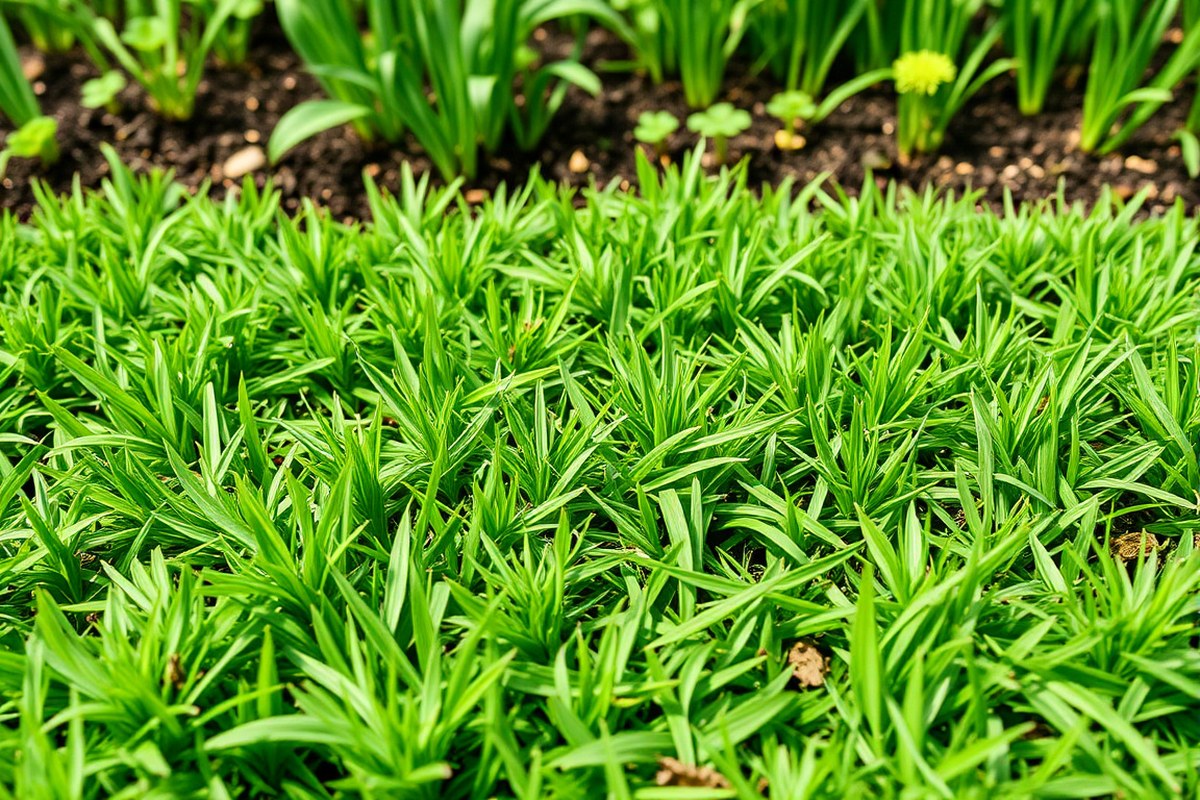
Can grass clippings be used as mulch? Yes, they can work well as mulch in many garden settings.
They help keep soil moist and cool while returning nutrients back to the soil. Just make sure the clippings are dry and not from newly seeded grass to avoid problems.
Spread grass clippings in thin layers of about 2 to 4 inches thick. Too thick a layer causes matting and bad smells. It’s best to mix clippings with bark or straw first.
This step helps avoid compaction and keeps air flowing. Apply the mix after turning it well.
Using grass clippings as mulch reduces waste and lowers costs. They add nitrogen and other nutrients naturally, cutting down the need for extra fertilizer. Just watch the layer thickness to keep plants healthy and soil well aerated.
Key Takeaways
- Use only dry grass clippings free from weed seeds or herbicide residues.
- Apply grass clippings as a 2- to 4-inch layer to avoid matting.
- Mix clippings with straw or bark mulch to improve airflow and drainage.
- Avoid using thick, fresh clippings directly on vegetable beds without mixing.
- Keep clippings length about 1 to 2 inches for faster breakdown.
- Replace grass clippings mulch every few weeks to prevent odor buildup.
Can You Use Grass Clippings as Mulch in Your Garden?
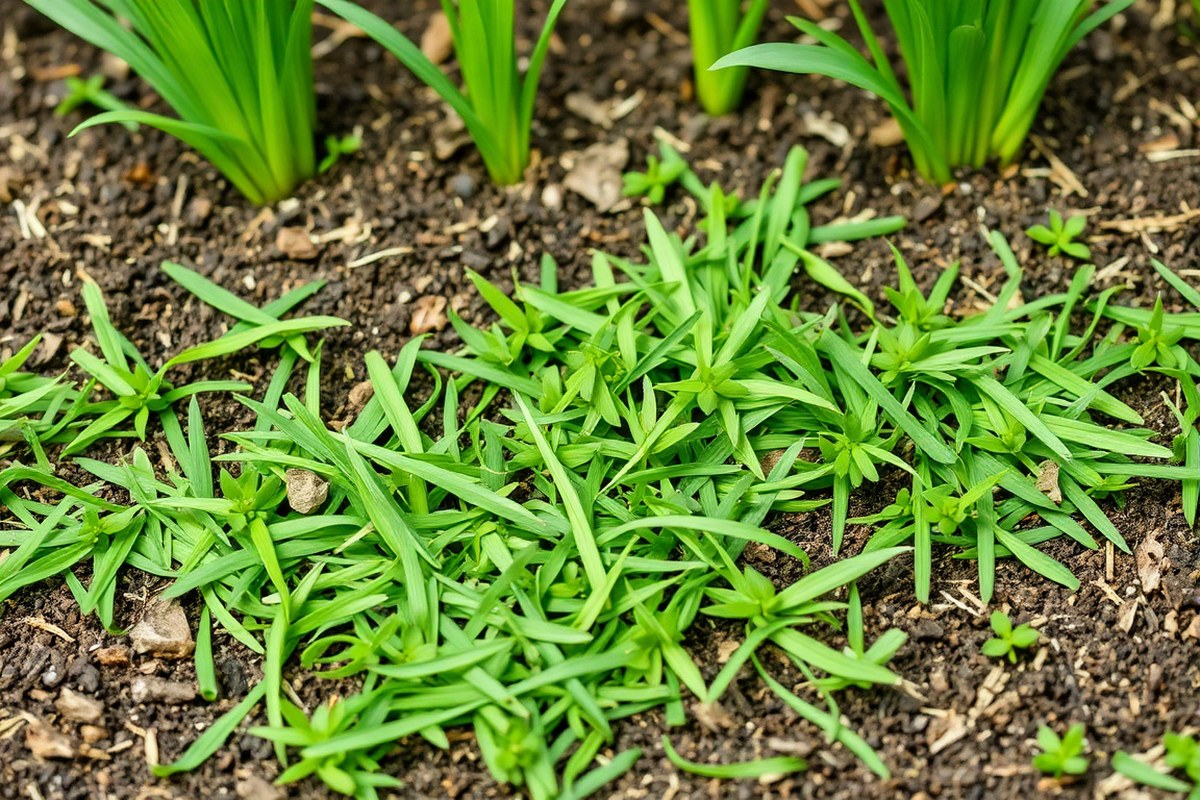
Grass clippings make good mulch for your garden beds. They hold soil moisture, keep roots cool, and add nutrients. Spread fresh or partly dry clippings in thin layers of 1 to 2 inches.
Fresh grass clippings cool the soil and conserve moisture best but can clump and block airflow. Avoid applying thick layers of clippings near plants. Keep mulch no thicker than ½ inch around established plants.
You can mix clippings with other mulches such as chopped straw. Partly dried clippings suit garden beds and paths well.
Spread them about ½ to 1 inch thick. They help keep the area neat and moist.
Use caution with fresh clippings to prevent matting or unpleasant smells. Avoid thick layers that stay wet and block air, as this encourages mold. Mixing clippings with bark mulch improves moisture and feel.
Spread the mix in layers up to 3 inches deep. This keeps soil healthy and balanced.
Fresh or dried clippings each have good uses, but thin layers are key regardless. Dry clippings break down quickly and can blow away if too thin. So inspect and replenish them frequently.
Grass clippings aren’t a “dump it and forget it” mulch. You’ll need to monitor their condition and reapply as needed.
Keep an eye on disease risks when using grass clippings. Using clippings from healthy lawns lowers this risk.
Avoid fresh clippings on edible plants if your area has plant diseases or pesticides. Mix clippings well with safer mulches if you must use them.
Benefits of Using Grass Clippings as Mulch for Soil and Plants
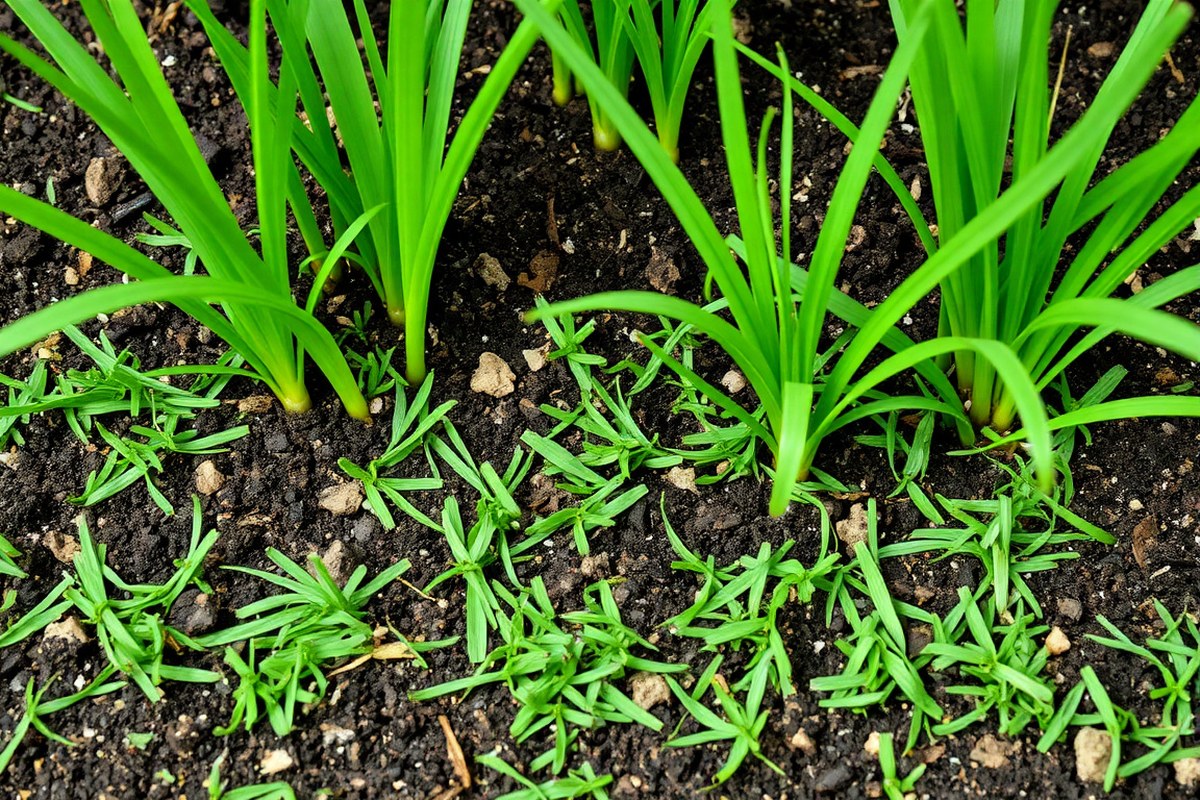
Grass clippings add valuable nutrients like nitrogen, potassium, and phosphorus to the soil. As they break down, these nutrients feed your plants and improve soil fertility naturally. This slow release supports leaf growth and overall plant health without extra cost.
The clippings also help keep soil moist by slowing evaporation. A thin layer reduces water loss, so your garden needs less frequent watering. This moisture retention is especially useful during dry spells or hot weather.
Thick mulch layers made of grass clippings can block sunlight from reaching weed seeds. This suppression lowers weed growth and reduces competition for nutrients and water.
Keep the layer about 1 to 2 inches thick for best results. This stops it from getting soggy or developing bad smells.
Using grass clippings as mulch saves money by cutting your need for commercial mulch and fertilisers. It reduces yard waste going to the landfill, making it a more eco-friendly choice. You also avoid buying extra products that add cost and packaging waste.
Keep mulch a few inches away from plant stems to avoid moisture buildup and disease.
Adding grass clippings improves soil structure as they break down. They increase organic matter that supports beneficial microbes and worms. This boosts long-term soil health and plant resilience.
Apply fresh clippings in thin layers after mowing, spreading evenly over soil or plant beds. Avoid thick piles, which can mat down and block air flow, slowing decomposition. In windy areas, mulch may need light watering or occasional raking to keep it in place.
Risks and Challenges When Mulching with Grass Clippings
Using grass clippings as mulch can cause problems like matting and odors. Fresh, thick layers of clippings trap heat and moisture, which leads to mold and smell. To avoid this, spread clippings in a thin, airy layer.
Make the layer about 2 to 4 inches thick. Let them dry completely before applying. This helps stop the clippings from compacting and rotting under the mulch.
Grass clippings from lawns treated with herbicides or weed killers should not be used as mulch. Chemicals in the clippings can harm your garden plants and soil health. Your lawn was sprayed in the past few weeks.
Don’t use those clippings again. Always use clippings from a natural, clean lawn without recent chemical treatments.
Another risk comes from weed seeds in grass clippings. Clippings with mature weed seeds can spread weeds around your garden. Avoid spreading these clippings in your yard.
Avoid using clippings cut before weeds set seed or from lawns with many weeds. Dry clippings on a tarp in a thin layer.
Leave them for a few days to kill some seeds. Then use them.
People worry that mulching with grass clippings causes thatch buildup. But this is mostly a myth. Thatch is dead grass and roots that build up below the soil.
Clippings mulch sits on top. Properly dried and applied clippings break down quickly and don’t add to thatch. Using fresh, heavy layers can create thick mats.
Thick mats block air and water. You want to avoid this.
How to Prepare Grass Clippings Before Applying as Mulch
Grass clippings should be dry before using them as mulch to avoid clumping and smothering plants. You want to layer them thinly and avoid clippings from seeded or treated lawns. Mixing fresh clippings with other materials can help prevent problems and improve airflow.
Drying Grass Clippings Properly
Spread your grass clippings out in a thin layer on a sunny spot to dry. This usually takes a few hours, depending on humidity and temperature. Dry clippings reduce the chances of matting and create a better mulch.
Check that the clippings are dry but still greenish; overdrying can make them brittle. Turn them once or twice to ensure even drying and to stop mold growth. Avoid piling clippings while wet as this causes rotting and unpleasant odors.
Removing Seeded or Treated Grass
Don’t use clippings from seeded grass to stop weeds from spreading in your garden. When you see seed heads on clippings, compost them separately or discard. Also, avoid clippings from lawns recently treated with herbicides or pesticides.
Keeping a small lawn patch as a clean source of clippings helps. Mow this area often and collect clippings only on dry days. This simple step avoids chemicals and unwanted seeds in your mulch.
Layering and Mixing with Other Mulches
Apply clippings in layers no thicker than 1 inch at a time to keep air flowing. Use fresh clippings spread thinly, about ¼ inch thick, to avoid clumping. Let each layer dry before adding more clippings.
Mixing grass clippings with carbon-rich materials like dry leaves or straw helps balance nutrients. This also improves airflow and reduces moisture buildup. A good mix includes one part clippings to two parts dry mulch.
- Lay clippings evenly in thin layers (1 inch or less).
- Let each layer dry before adding more.
- Combine one part grass clippings with two parts dry leaves or straw.
- Check mulch regularly to prevent matting or excess moisture.
- Avoid thick piles of fresh clippings to stop smothering plants.
- Mix with bark chips to deter bugs attracted by fresh clippings.
- Re-spread clumps immediately to keep the mulch breathable.
Ideal Layer Thickness and Application Methods for Grass Clipping Mulch
Apply grass clipping mulch in thin layers around 1 to 2 inches thick. Layers this thin allow oxygen to reach the soil and microorganisms. Too thick a layer will smother plants and create a slimy, smelly mat.
For better air flow, mix grass clippings with coarser mulches like bark or straw. Start with 2 to 3 inches of bark or straw at the bottom. Add grass clippings on top of this base layer.
This helps keep the clippings from matting down. This setup improves drainage and prevents compaction.
| Garden Type | Base Mulch Layer | Grass Clipping Layer | Reapply Frequency |
|---|---|---|---|
| Vegetable Beds | Optional, 2 inches straw | 1 to 2 inches | Every 1 to 2 weeks |
| Flower Beds | 2 to 3 inches bark | 1 inch | Every 2 to 3 weeks |
| Lawn Edges | None or thin bark | 1 inch or less | Every 2 weeks |
| Newly Planted Areas | 2 inches straw or bark | 1 inch | Weekly or as needed |
Reapply thin layers regularly to maintain coverage and avoid matting. Thin layers dry faster and rarely invite pests or diseases. Clumps prevent oxygen flow and cause unpleasant smells from decomposition.
Mixing grass clippings into other mulch types reduces compaction risks. A loose blend keeps air moving, letting microorganisms break down the clippings properly. This also keeps weed seeds from sprouting under a dense grass layer.
Never apply grass clippings mulch thicker than 2 inches or it may suffocate your plants.
Using Grass Clippings Mulch in Vegetable Gardens Safely
Yes, you can safely use grass clippings as mulch around vegetable plants. Use clean clippings and spread them in thin layers, leaving space around plant stems. Mixing grass clippings with other organic materials also helps avoid pests and supports plant health.
Mixing Grass Clippings with Straw or Hay
Grass clippings break down quickly and can clump, which may cause problems for vegetables. Mixing them with straw or hay slows decomposition and improves soil aeration. Use one part grass clippings to two parts brown stuff like dry leaves.
This mix works well for mulch or compost. It balances moisture and nutrients properly.
This mix helps keep the mulch loose and prevents it from matting. You can use it around cool-season vegetables like broccoli, cauliflower, and kale especially well. The combination supplies nutrients while maintaining good soil moisture without suffocating plants.
Avoiding Direct Contact with Plant Bases
Keep grass clippings away from the base of vegetable plants to stop rot and pests. Leave a few inches of bare soil around each plant stem free of mulch. This space improves airflow and lowers the chance of fungal disease.
Only add 1 to 2 inches of grass clippings each time. Spread them out evenly to make a layer 2 to 3 inches thick. Use fresh clippings that haven’t been sprayed with chemicals.
Monitoring for Pests and Disease
Pests like grubs and fungal diseases can move into your garden through grass clippings. Keep an eye out for signs of insects or plant stress after mulching. Remove any clumped or wet mulch to prevent these issues from growing.
Here are tips for pest and disease control when using grass clippings:
- Use only dry, fresh clippings not treated with chemicals
- Mix clippings with other mulch materials to prevent compaction
- Keep mulch thickness to 1 or 2 inches to allow airflow
- Leave space between mulch and plant stems
- Regularly check for insects, mold, or fungus on plants
- Remove and replace mulch if it smells sour or looks slimy
- Water plants at the base to avoid wetting the mulch too much
Watching your garden closely helps catch problems early. Using the right mulch mix and layering keeps your vegetables safe and encourages healthy growth.
How to Make and Use Liquid Fertilizer from Grass Clippings
Liquid fertilizer from grass clippings, often called grass tea, is simple to make. You soak fresh clippings in water, then dilute and apply the nutrient-rich liquid to your plants. This natural fertilizer saves money and feeds plants gently over time.
Collecting and Preparing Clippings
Use freshly cut grass clippings for the best nutrients. Avoid clippings with weeds or chemicals like weed killer or fertilizer. Pick clippings from dry grass to prevent mold during soaking.
Chop the clippings into smaller pieces if you want them to break down faster. A 5-gallon bucket works well to hold the clippings and water. Fill the bucket about halfway with grass before adding water.
Steeping Process and Timing
Fill the bucket with water covering the grass clippings fully. Let it steep for one to two weeks at room temperature. Stir the mixture every few days to help release nutrients and limit bad smells.
The liquid turns dark green or brown when ready. A longer steep, up to two weeks, extracts more nutrients but risks a stronger smell. Shorter steeping, around one week, offers milder fertilizer for sensitive plants.
Straining and Applying the Liquid Fertilizer
After steeping, strain the liquid through a fine mesh or cheesecloth. This removes solid bits that could clog watering tools. Discard or compost the leftover grass solids.
Mix grass tea with water using a 1:10 ratio. Use one part tea for every ten parts water. This keeps the mixture properly balanced for your plants.
Use a watering can or sprayer to apply the diluted fertilizer at the base of plants. Avoid overuse; one feeding every two weeks works well.
- Store leftover diluted fertilizer in a cool, shaded place
- Use within a few days to prevent spoilage
- Water your plants before applying to avoid root burn
- Apply on cloudy days or evenings to reduce nutrient loss
- Test on a few plants first to check sensitivity
This natural fertilizer supports steady plant growth and reduces the need for chemical feeds. Watch for any plant stress and adjust dilution or frequency if needed.
Monitoring and Troubleshooting Grass Clipping Mulch Problems
Grass clippings layered too thick can smother plants and slow growth. You’ll notice leaves turning yellow or wilting when mulch blocks light or air. Also, thick layers trap moisture, which can lead to mold or rot on the mulch surface.
Mold on grass clippings looks like white, gray, or green fuzzy patches. It happens because clippings retain moisture when piled too deep or wet clippings are used fresh. A sour or rotten smell is another sign the mulch is compacted and lacking airflow.
To fix these problems, thin the layer to about 1 to 2 inches. Rake the clippings to break up compacted areas and spread them out evenly. Avoid mulching right after mowing wet grass to reduce mold risk.
- Look for yellowing or wilting plants near mulched areas
- Check mulch surface for white, gray, or green mold patches
- Notice any sour, rotten odors coming from the mulch
- Measure mulch layers to keep them 1 to 2 inches thick
- Rake and fluff mulch if it feels dense or soggy
- Avoid mulching freshly cut wet grass to prevent mold
Spreading mulch too thick blocks soil oxygen, hurting roots. Thinning and loosening the layer restores air and moisture balance. Dry clippings before mulching and leave gaps around plant bases to improve airflow.
Pull back mulch if plants show stress signs and mulch smells bad. Let the soil breathe and dry before reapplying a thinner layer. This takes some effort but stops problems without harming plants.
Never pile grass clippings more than 2 inches deep to avoid suffocating your plants.
Step-by-Step Action Plan for Mulching with Grass Clippings
Follow these steps to start using grass clippings as mulch safely and effectively in your garden.
- Before you start: Collect fresh grass clippings without weed seeds or chemicals. Check that the clippings smell fresh and not sour.
- Day 1: Let the clippings dry in a thin layer for a day or two. They should feel dry and not clump together.
- Day 3: Spread a thin 1 to 2-inch layer of dry grass clippings around plants. Keep the clippings away from touching plant stems directly. Look for uniform coverage without smothering plants.
- Week 1: Water the mulch lightly to help it settle in but avoid soaking. The soil should feel moist below the mulch.
- Week 2: Monitor the mulch for signs of matting or mold. Gently fluff the mulch or remove areas with clumps or bad odor.
- After 3 weeks: Add another thin layer if the first layer has broken down. Avoid piling up thick layers to prevent rot.
- Ongoing: Keep an eye on soil moisture and plant health. Healthy soil and growing plants show the mulch is working well.
Frequently Asked Questions
Can Fresh Grass Clippings Be Used Directly as Mulch Without Drying First?
Yes, fresh grass clippings can be used. But drying them helps prevent matting and odor. Wet clippings tend to clump and can form a dense layer that blocks air and water.
Is It Safe to Use Grass Clippings from Treated Lawns as Mulch?
No, clippings from lawns treated with herbicides or pesticides should not be used. Chemicals may harm plants or soil life when mulched onto garden beds.
Can Grass Clippings Attract Pests When Used as Mulch?
Grass clippings can attract pests if they become compacted and moist. Spreading them thinly and mixing with other mulches helps reduce pest issues.
How Often Should Grass Clipping Mulch Be Replaced or Refreshed?
Replace or add a new layer once every few weeks during the growing season. This keeps the mulch effective and prevents buildup of thatch or mold.
Does Using Grass Clippings as Mulch Reduce the Need for Watering?
Yes, a thin layer helps retain soil moisture and reduces watering frequency. It also keeps roots cooler in hot weather, improving plant health.
Can Grass Clippings Improve Soil Structure over Time as Mulch?
They can improve soil by adding organic matter and nutrients as they break down. Regular use can improve soil texture and fertility gradually.
Before You Go
Using grass clippings as mulch can boost your garden’s health if done right. Start by drying and layering thinly. Try it on a small area to see how your plants respond before mulching larger spaces.
One Comment