How to Grow an Herb Garden: Complete Steps for Thriving Fresh Herbs
Wondering how to grow an herb garden that thrives? Start by choosing a spot with 6 to 8 hours of sunlight daily.
Good drainage is key to prevent root rot and keep herbs healthy. Raised beds or containers with drainage holes work well for this purpose.
Plant your herbs in well-prepared soil with plenty of nutrients mixed in. A simple way is to till the soil before planting seeds.
Then add organic matter like compost or aged manure to improve texture and fertility. This helps your plants grow stronger and more flavorful.
Keep the soil moist by watering about 2 inches per week. Water early in the day to avoid fungal problems. Avoid overwatering to prevent soggy roots, which can lead to rot.
Fertilize potted herbs more often because they use nutrients fast. Do this every 6 to 8 weeks with a balanced fertilizer for best results.
Key Takeaways
- Pick a garden spot with 6-8 hours of sunlight daily for most herbs.
- Prepare soil by tilling and adding organic matter before planting herbs.
- Water your herb garden with 2 inches of water weekly to keep soil moist.
- Use pots at least 8 to 12 inches wide for indoor herb gardening.
- Fertilize potted herbs every 6 to 8 weeks to replenish nutrients.
- Space herb plants 2 to 3 feet apart for good airflow and growth.
How to Start Growing an Herb Garden Successfully
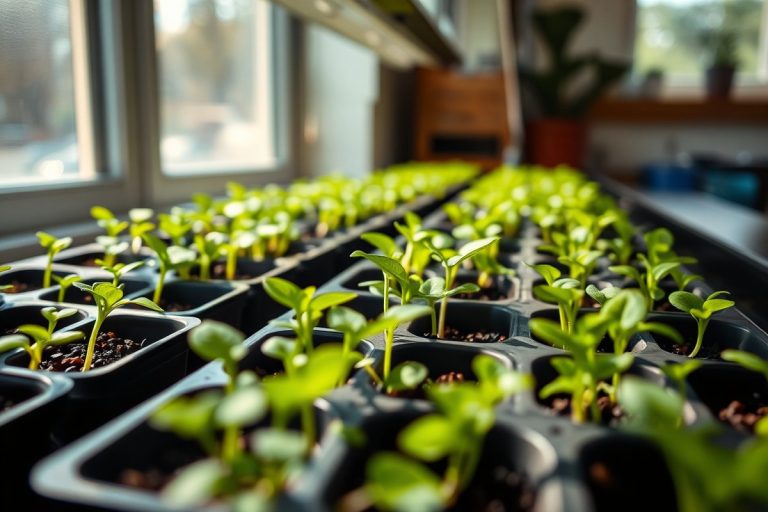
Starting an herb garden begins with picking the right spot. Herbs need plenty of sunlight, around 6 hours a day. So pick a sunny place outdoors or a bright windowsill indoors.
Your choice depends on how much space you have. Also, decide if you want an outdoor or indoor garden. This will guide your plant selection.
Next, choose the herbs that fit your cooking and skill level. Easy herbs for beginners include basil, parsley, chives, mint, and cilantro.
These grow well in pots or garden beds and don’t need much fuss. Think about how you’ll use your herbs and start small with a few favorites.
Decide if you want to start with seeds or transplants. Seeds take longer to grow but are cheaper and offer more variety.
Transplants give you a faster start but cost more. For beginners, buying small herb plants often leads to quicker success and less guesswork.
- Pick your spot. Find a space with good sun exposure and easy access for watering. Outdoors, a garden bed or large pot works great. Indoors, pick a window facing south or west.
- Choose your herbs. Start with easy types like basil, parsley, or mint. Buy seeds for more options or pick young plants for faster results.
- Prepare your containers or bed. Use well-draining soil with some compost. Choose pots with drainage holes when using containers. These holes stop roots from rotting. Good drainage keeps herbs healthy.
- Plant your herbs.Sow seeds twice as deep as their size. Plant transplants at the same soil level they had before. This helps them settle in well. Water gently after planting.
- Label each herb. Use plant markers or sticks to remember what’s planted where. This helps with care and harvesting later.
- Water lightly but regularly. Keep the soil moist but not soggy. Overwatering can kill young plants.
Herbs like basil and parsley flourish when soil stays around 70 degrees Fahrenheit. Avoid planting outdoors too early; wait until after the last frost. Indoors, you can start anytime, catching good light and warmth.
Starting small and growing what you enjoy keeps the process fun and manageable. Too much too fast can overwhelm you and your plants. Check your herbs every day for the first few weeks.
Change how you care for them as needed. This helps your plants grow strong.
Indoor vs Outdoor Herb Gardening: Which Is Best for You?
Both indoor and outdoor herb gardens have their perks and challenges. Indoor herbs need careful lighting and the right containers. They give you fresh herbs all year.
Plus, they attract fewer pests than outdoor plants. Outdoor herbs usually get enough light and more space but demand more watering and weather care.
Light and Temperature Requirements Indoors
Herbs grown indoors benefit from a south-facing window for natural light. They need 6 to 8 hours of sunlight daily to thrive.
Sunlight might be limited indoors. Use an LED grow light for 12 to 16 hours daily.
Temperature indoors should stay between 65°F and 75°F for most herbs. Avoid drafts and places near heating vents to keep plants healthy. Proper light and temperature help herbs grow flavorful leaves and strong stems.
Choosing Containers and Soil for Indoor Herbs
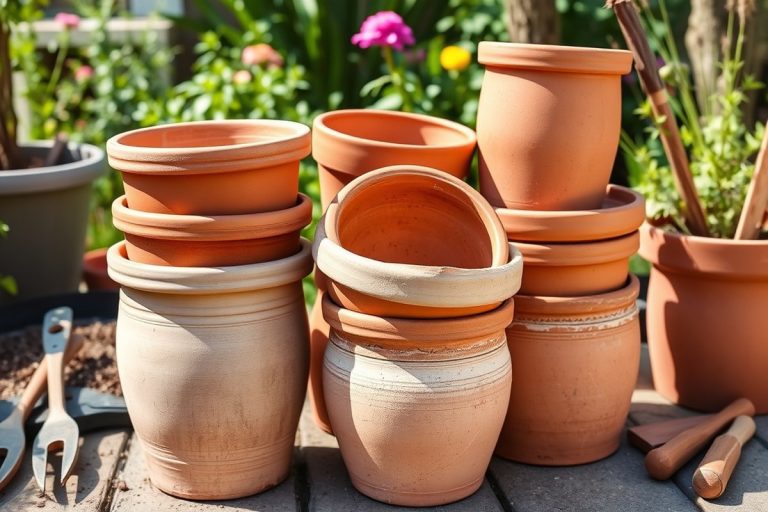
Use containers that are 8 to 12 inches wide to give roots enough space. Terra-cotta, plastic, glazed ceramic, fabric pots, and window boxes all work but differ in care needs. Use potting soil, never garden soil, because it drains better and prevents root rot.
Here’s a brief overview of container types to think about when planting indoors:
| Container Type | Pros | Cons |
|---|---|---|
| Terracotta | Breathes; great for dry-loving herbs | Dries out fast; heavy; can crack in frost |
| Plastic | Light; holds moisture | Can overheat in full sun |
| Fabric pots | Light; excellent drainage | Dries out quickly |
| Glazed ceramic | Attractive; holds moisture | Heavy; often pricey |
| Window boxes | Saves space; close to kitchen | Shallow; dries out fast |
Choose containers that fit your kitchen space and the herbs you want to grow. Mixed container gardens are fine unless certain herbs need their own space.
Managing Watering and Drainage Indoors
Water indoor herbs only when the top inch of soil feels dry. Overwatering can cause root rot since herbs need well-drained soil. Use pots with drainage holes and a saucer to catch excess water.
A spray bottle can help keep seed-starting soil moist without flooding the plants. Keep pots in trays or on stands to avoid water damage to surfaces.
Check drainage holes regularly; water logged roots kill herbs faster than drought.
Preparing Soil and Planting Your Herb Garden
Herbs grow best in loose, well-drained soil rich in organic matter. Preparing soil correctly ensures strong roots and healthy plants. Follow simple steps to amend soil and space your herbs properly.
Soil Types and Amending for Herbs
Herbs prefer soil that drains well but still holds moisture. Sandy loam or loamy soil works great.
But you can improve heavier clay or sandy soils with amendments. Adding aged compost or manure boosts nutrients, helping plants grow stronger and more strong.
To prepare soil, remove weeds and debris first. Mix in at least 2 to 3 inches of compost to improve texture and fertility. Avoid fresh manure, which can burn plants, and aim for soil pH around 6.0 to 7.0 for most herbs.
Tilling and Compost Incorporation Techniques
Loosen soil to about 12 to 18 inches deep using a garden fork or tiller. This lets roots spread easily and access nutrients. After loosening, spread compost evenly over the soil surface.
Till the soil again to mix compost fully into the top 6 inches. Break up large clumps and remove rocks or sticks. This makes the soil soft and easy for seedlings or transplants to establish.
Preparing the soil like this helps herbs resist drought and disease. Avoid compacting the soil after tilling by stepping on it too much.
Seed and Transplant Spacing and Planting Depth
Planting seeds or transplants at the right depth and distance avoids overcrowding and poor growth. Most herb seeds need to be planted ¼ inch deep. This depth keeps them moist but lets light reach them for germination.
Space small herbs like parsley or chives about 8 to 10 inches apart. Bushier perennials like rosemary or oregano need 18 to 24 inches between plants. Give herbs room to grow to reduce disease and encourage airflow.
Set transplants at the same depth they grew in their pots. Press soil gently around roots for contact. Water well after planting to settle soil and start growth.
- Clear the garden area of weeds and debris.
- Loosen soil 12 to 18 inches deep with a garden fork or tiller.
- Add 2 to 3 inches of aged compost evenly over the soil.
- Till the compost into the top 6 inches of soil thoroughly.
- For seeds, plant ¼ inch deep with 8 to 24 inches spacing depending on herb type.
- For transplants, plant at the original pot depth and firm soil around roots.
- Water the garden bed well after planting to settle soil and help seeds start.
Watering, Sunlight, and Ongoing Herb Garden Care
Most herbs thrive with 6 to 8 hours of sunlight every day. Taller herbs such as rosemary and thyme belong at the back or north of your garden. Keep shorter herbs like basil and parsley near the front or south side for better light.
Herbs vary in watering needs. Rosemary, thyme, oregano, sage, and lavender prefer soil that dries out between waterings.
Basil, parsley, cilantro, and chives need consistently moist soil. Mint likes soil kept moist and can handle more water than other types.
Water your herb garden with about 2 inches of water weekly. Check soil moisture often, especially if you grow herbs in pots.
Pots dry out faster, so water more frequently. Avoid letting pots sit in water for more than 15 minutes to prevent root rot.
Fertilizing helps herbs grow strong, but don’t overdo it. Use a balanced fertilizer every 4 to 6 weeks during the growing season.
Too much fertilizer can make herbs grow too fast and lose flavor. Organic options like compost or fish emulsion work well and keep the soil healthy.
Prune herbs regularly to encourage healthy growth and prevent them from becoming woody. Harvest by snipping just above a leaf pair or stem junction.
This method helps herbs grow fuller and more flavorful. For perennial herbs, pick leaves early in the season and let them grow freely later.
Keep your herb garden easy to reach, especially if you cook with fresh herbs often. Growing herbs in containers near the kitchen door is handy and creates a charming kitchen garden. Watch pots closely and adjust watering based on temperature, sunlight, and wind exposure.
Identifying and Solving Common Herb Garden Problems
Yellow leaves usually mean overwatering or poor drainage. Herbs need well-drained soil to avoid root rot. Water only when the top inch of soil feels dry to touch.
Pests like aphids and spider mites often target new growth. Check leaves, especially undersides, for tiny bugs or webbing. Remove pests by spraying herbs with water or using insecticidal soap.
Bolting happens when herbs go to flower too soon, losing flavor. It often occurs in hot weather or when herbs get too much nitrogen. Pinch off flower stalks regularly and provide afternoon shade to slow bolting.
Root rot shows as wilting or yellowing despite moist soil. This arises from overwatering or compact soil not letting roots breathe. Improve airflow by loosening soil and water less often to fix this problem.
Planting repellent herbs like basil or mint near vulnerable herbs reduces pests. Companion planting is a natural way to keep bugs away without chemicals. You save money and avoid harming beneficial insects.
Letting herbs grow too crowded invites disease and pests. Space plants about 6 to 12 inches apart based on their size. Proper spacing improves air circulation, keeping herb leaves healthy.
Harvest herbs regularly to encourage new growth and avoid weakness. Cut stems just above a leaf node, about once a week during growing season. This boosts flavor and keeps plants bushy instead of leggy.
Check soil moisture before watering your herbs. Too much water can quickly ruin your garden.
Harvesting and Pruning Herbs for Maximum Flavor and Growth
Harvest your herbs in the morning just after the dew dries. This timing keeps flavors at their peak. Regularly pruning herbs encourages bushy, healthy growth.
Signs Your Herb Is Ready to Harvest
Look for plenty of leaves before you pick herbs. More leaves mean stronger flavor and good plant health. Herbs like basil and mint should be cut before flowering.
Harvest when leaves are dry to avoid mold or damage. Snip leaves when the plant reaches 4 to 6 inches tall. Younger leaves have milder flavor, while mature leaves have stronger aroma.
Proper Pruning Techniques
Use sharp scissors or garden shears for clean cuts. Avoid pulling leaves off, which can harm the stems. Cut just above a leaf node to encourage new growth.
Trim back about 1/3 of the plant at a time. For herbs like basil, clip leafy stems regularly to prevent legginess. Remove any woody or dead stems to keep plants healthy and productive.
Harvesting Frequency and Limits
Pick herbs often to boost leaf production and flavor. Frequent harvest helps plants stay full and vigorous. Don’t take more than one-third of a plant at once.
Cutting too much can stress or kill the herb. Let plants regrow before the next harvest. For herbs like chives or parsley, you can snip every week or so.
Follow these steps to harvest and prune your herbs properly:
- Check the herb leaves for fullness and absence of flowers.
- Use clean, sharp scissors or shears for cutting.
- Cut just above a leaf node or set of leaves.
- Remove no more than one-third of the plant’s foliage.
- Snip regularly every 1 to 2 weeks depending on growth.
- Clear out dead or woody stems when you prune.
- Harvest in the morning after dew dries for best flavor.
Choosing the Right Herbs and Planning Your Garden Layout
Pick herbs based on what you cook most often. Basil, thyme, and rosemary suit many dishes, so they’re great to start with. Also, consider your climate and how much space each herb needs to spread.
Herbs differ in size and water needs. Small herbs like chives grow well in tight spaces.
Larger ones like dill need more room. Group plants by how much water they like to avoid over- or under-watering.
Plant tags have spacing and depth instructions. Follow them for best growth.
You can usually fit many herbs in a 3 to 4-foot square bed. This space works well for a kitchen garden.
Some herbs grow well together because they share water needs or repel pests. Others compete for nutrients, so keep those apart. The table below shows good companion herbs by watering needs.
| Water Need | Herbs That Grow Well Together | Space Needed (inches) |
|---|---|---|
| Low | Rosemary, thyme, sage | 12-24 |
| Medium | Basil, oregano, marjoram | 10-18 |
| High | Chives, parsley, cilantro | 6-12 |
Start planning by listing your favorite dishes. Next, pick herbs that fit your garden space from the table.
Leave enough room around each plant for airflow and growth. This prevents crowding and disease.
You can also mix herbs by height, placing tall ones like rosemary at the back. Smaller herbs go in front or in pots. Clay pots are great for herbs because they help soil breathe and stop root rot.
Seasonal Considerations and Extending Your Herb Garden Year-Round
Seasons have a clear impact on your herbs’ growth. Most herbs thrive in warm weather, from spring through early fall. When temperatures drop below 50°F, many herbs slow down or go dormant, especially outside.
Cold stops growth and may cause plants to die back. You’ll see yellow or wilted leaves. This is a sign of cold damage.
You can grow herbs year-round by moving them indoors during colder months. Start by choosing tough herbs like rosemary, thyme, and mint. They adapt well to indoor life.
As the first frost nears, bring potted herbs inside before temperatures drop too low. Put herbs by a sunny window with six hours of light.
Use a grow light if you can’t get enough sun. This helps keep growth steady.
Transferring herbs from outdoors to indoors needs care. Before bringing herbs inside, trim their size to encourage bushy growth and reduce stress. Cut back the plants by roughly one-third and remove any dead leaves.
Check for pests to prevent infestations inside. Once inside, water them moderately, overwatering is a common mistake that causes root rot.
Some hardy herbs like parsley and chives may survive mild winters outdoors with protection. Cover outdoor herbs with frost cloth or burlap on cold nights. Mulching around the base helps keep soil temperature stable.
This method works well if winter drops rarely hit 25°F. The area should also get some partial sunlight each day. It’s ideal for milder winters.
Extending your harvest through winter also includes regular feeding. Use a diluted, balanced liquid fertilizer every four to six weeks to support indoor herbs. Avoid strong fertilizers that encourage leaf growth over flavor.
Keep humidity up by placing water trays near plants. You can also use a humidifier indoors. Indoor air tends to dry out and harm herbs.
Herbs going to seed outdoors during fall is normal and provides a lovely bonus. Seeds can be collected and saved or allowed to self-sow for next year’s crop. Letting herbs flower helps pollinators in your garden.
It brings more life even in colder seasons. This supports your garden’s health long-term.
Keep indoor herbs away from drafty windows or heating vents to avoid leaf drop and stress.
Step-by-Step Action Plan for Starting Your Herb Garden
Follow these steps to get your herb garden growing well from the start. You’ll see progress by checking your herbs’ health as you go.
- Day 1: Choose a sunny spot with at least 6 hours of light daily. Healthy leaves show the spot works.
- Day 2: Prepare soil by mixing in compost or potting mix. Soil should feel loose and drain well.
- Day 3: Plant your herbs with proper spacing (6 to 12 inches apart). Look for firm roots in planting holes.
- Week 1: Water gently to moisten soil without flooding. Soil stays damp but not soggy in the first days.
- Week 2: Check for sunlight and adjust pots if indoors. Leaves that face light evenly mean good placement.
- After 3 weeks: Start harvesting small amounts from mature herbs. The plants will stay bushy and healthy.
- Month 2: Monitor for pests or yellow leaves. Fix problems early by adjusting water or removing bugs.
- Month 3 and beyond: Rotate herbs or add new varieties to keep your garden fresh. Herbs should stay green and lively.
Frequently Asked Questions
What Is the Best Time of Year to Start an Herb Garden?
Spring is the best time to start most herb gardens. Plants get a full growing season to establish before colder weather. You can also start some herbs indoors during late winter to get a head start.
Can I Grow Herbs from Seeds or Should I Buy Seedlings?
You can grow herbs from seeds or buy seedlings for an easier start. Seeds take longer to grow but offer more variety options. Seedlings give you a faster harvest, especially for beginners learning garden care.
How Often Should I Fertilize My Herb Garden?
Fertilize your herb garden every 6 to 8 weeks for best growth. Potted herbs need fertilizer more often since nutrients wash out faster. Use a balanced fertilizer to keep herbs healthy without overwhelming them.
Can I Grow Different Herbs Together in the Same Pot?
Yes, you can grow compatible herbs together in one pot. Choose herbs with similar water and sunlight needs to avoid problems. Mixing herbs can save space and look attractive if planned carefully.
What Kind of Containers Are Best for Indoor Herb Gardens?
Choose containers with good drainage holes to prevent root rot. Use pots at least 6-8 inches deep to support root growth. Terra cotta and plastic pots both work well for most herbs.
How Do I Prevent Herbs from Becoming Leggy Indoors?
Keep herbs near a window with at least 6 hours of sunlight daily. Use a grow light if natural light is limited indoors. Prune regularly to encourage bushier, healthier plants and prevent legginess.
Final Thoughts
Growing your own herbs gives fresh flavors whenever you cook. Try harvesting leaves a little at a time to enjoy. Start today by selecting your favorite herbs and a good sunny spot.