What Is a Healthy Humidity Level for Homes a Complete Guide with Practical Tips
The ideal indoor humidity level usually stays between 30% and 50%. This keeps the air comfortable and prevents issues like mold or dry skin. It also protects wooden furniture and floors from warping or cracking.
Heating in winter often dries the air. So aim for 30% to 40% humidity then.
This level adds enough moisture to avoid dryness and eye irritation. At the same time, it’s low enough to stop mold and dust mites.
Humidity above 60% can cause serious problems. Excess moisture encourages mold growth, dust mites, and breathing issues. It can also damage walls and ceilings over time.
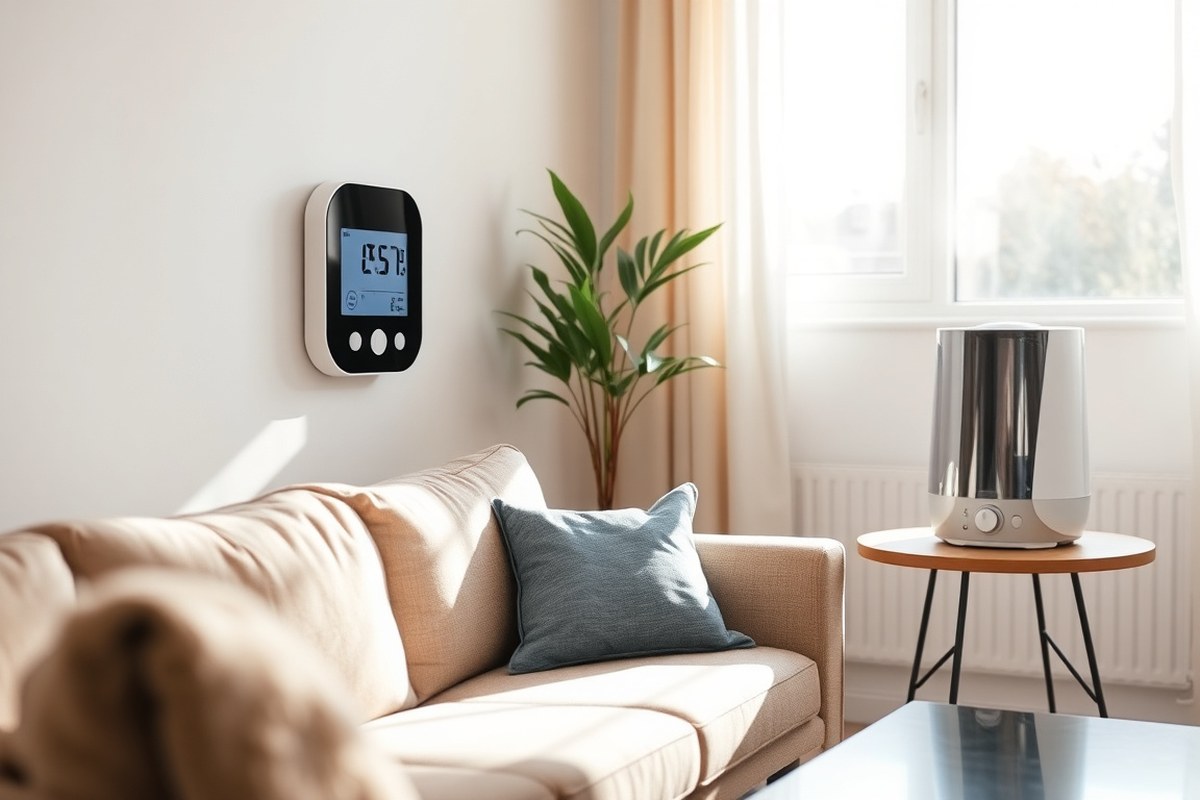
Use a hygrometer to track your indoor humidity accurately. Humidifiers or dehumidifiers can adjust moisture levels as needed. Keeping the right balance protects your health and your home.
Key Takeaways
- Keep indoor humidity between 30% and 50% for comfort and health.
- Lower humidity to about 30%, 40% during winter to prevent dryness.
- Never let humidity go above 60% to avoid mold and dust mites.
- Use a reliable hygrometer to check your home’s humidity levels regularly.
- Maintain 40% to 50% humidity while sleeping for better health and comfort.
- Dry air below 25% humidity can cause nasal irritation and breathing issues.
What Is a Healthy Humidity Level for Your Home?
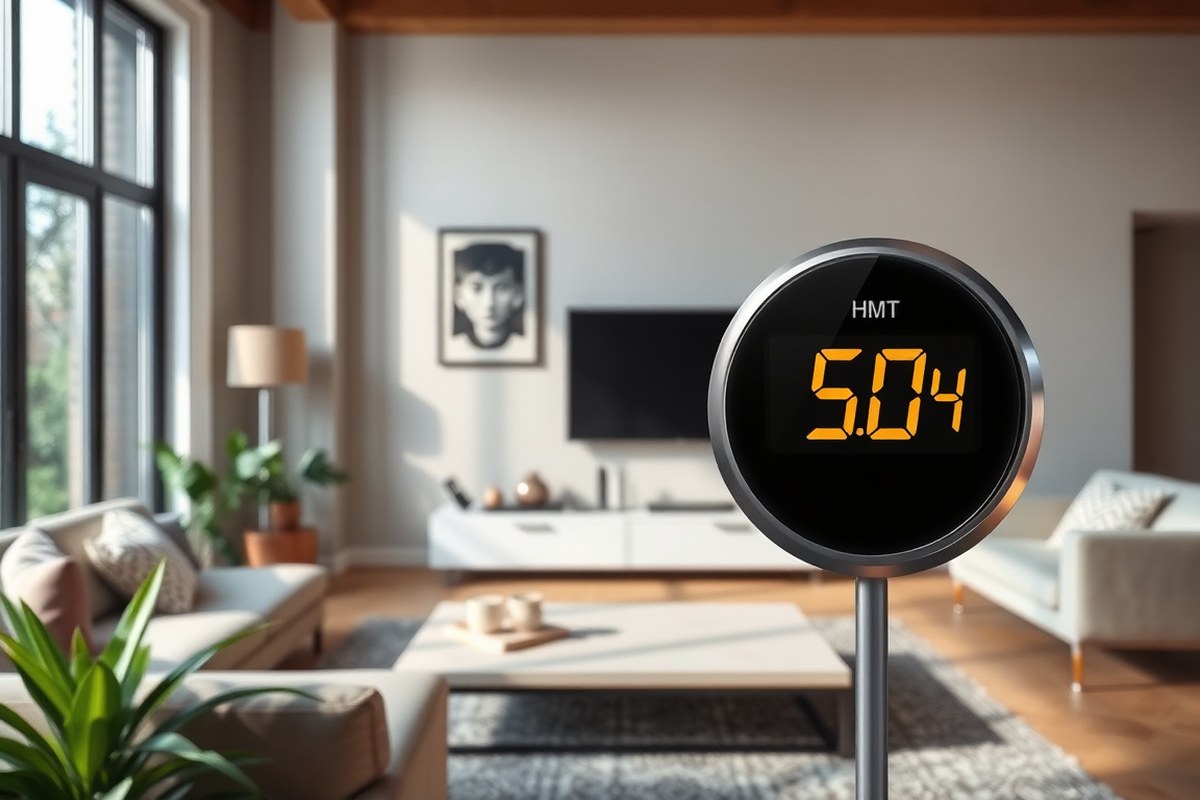
The healthy humidity level for your home usually falls between 30% and 50%. This range strikes a balance that keeps the air comfortable without causing moisture problems. Experts like the EPA say keep humidity below 60%.
The best range is under 60%. This protects your family and home.
Air below 30% humidity feels dry and causes skin cracks. It can also make your nose itchy and cause static shocks. High humidity over 60% may lead to mold, dust mites, and moist windows.
Keeping your indoor humidity between 30% and 50% helps avoid these issues. In winter, keep humidity nearer 30% to 40%. This helps your home stay warm.
It also reduces condensation on windows. Use a humidifier to add moisture if the air is dry. Try a dehumidifier if the air feels very damp.
This keeps your indoor air comfortable. Regularly check your humidity with an inexpensive hygrometer, available for around $15-$30.
Ventilate bathrooms and kitchens during showers and cooking. It helps remove extra moisture from the air. Proper airflow keeps humidity balanced.
Seal leaks and improve insulation to prevent outdoor air from messing with your indoor conditions. These steps often cost little but make a big difference in comfort and health.
Managing humidity takes some work but helps a lot. You’ll sleep better and keep skin healthy. It also lowers mold and dust mite issues.
Staying in this range can help ease allergy or asthma symptoms. It reduces triggers in your indoor air. Remember this simple tip: keep humidity between 30% and 50%.
Change it slightly by season or room use. This gives the best indoor comfort.
How High and Low Humidity Levels Affect Health and Home
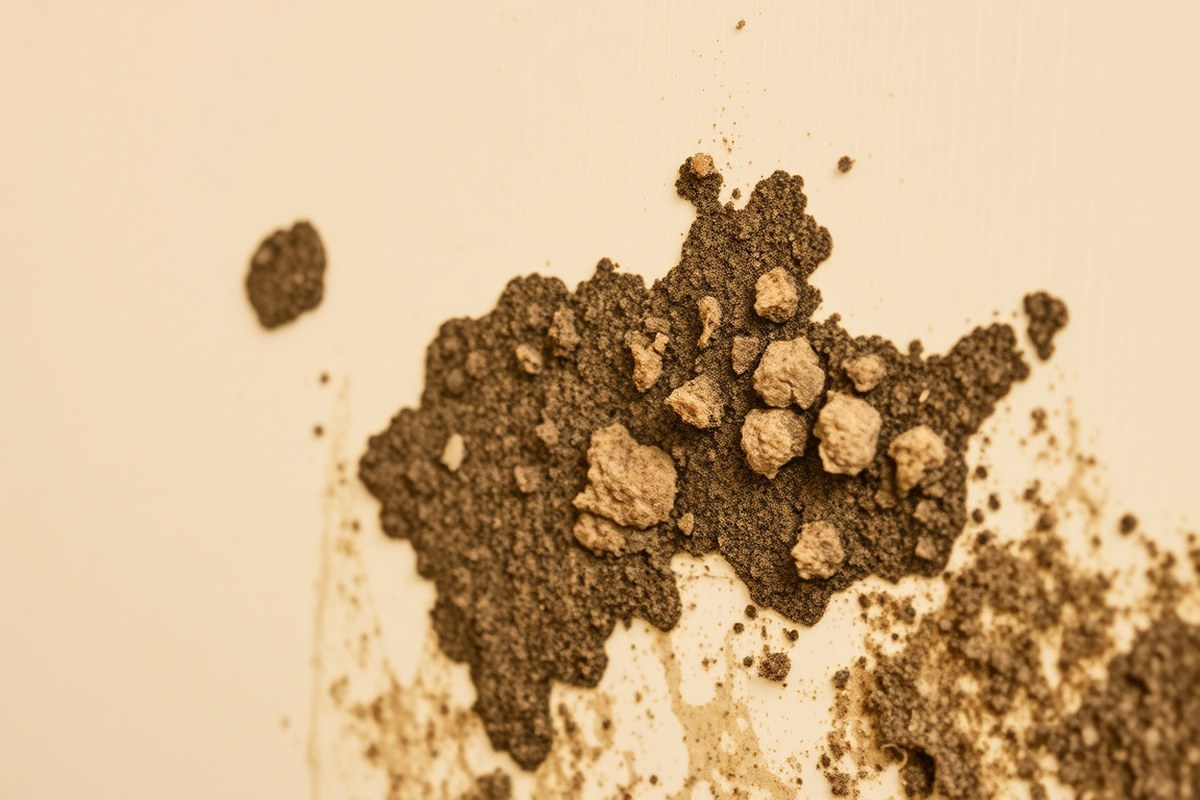
Indoor humidity above 60% creates a perfect place for mold, mildew, and dust mites to grow. These can trigger breathing problems, allergies, and worsen asthma. Mold growth also risks damaging wood, drywall, and painted surfaces in your home.
Humidity below 25% can dry out your skin, irritate your eyes, and cause a sore throat. Dry air can also make breathing uncomfortable and lead to cracked wood or peeling wallpaper. This often happens during winter heating months in colder climates.
Both high and low humidity cause issues with skin and breathing. High humidity leaves the air feeling heavy and sticky, worsening respiratory symptoms for sensitive people. Low humidity dries out skin quickly, leading to itchiness and flaking.
- Mold and dust mites thrive when humidity goes above 60%.
- Keep indoor relative humidity between 30% and 50% to reduce allergens.
- Dry air below 25% RH can cause skin dryness and respiratory irritation.
- Dust mites multiply in humidity levels over 70%, especially at 68-77°F.
- Low humidity helps stop dust mites but may cause wood to crack.
- Ventilate wet areas and dry spills within 24 to 48 hours to prevent mold.
- Using a hygrometer helps monitor and adjust home humidity accurately.
To keep humidity safe, control moisture sources such as showers, cooking, and indoor plants. Using a dehumidifier or air conditioner helps reduce high humidity, especially in summer. In winter, a humidifier can raise humidity to comfortable, healthier levels without exceeding 50%.
Check indoor humidity often using an inexpensive hygrometer. It helps spot problems early. This protects your health and your home.
How to Measure Indoor Humidity Accurately
A digital hygrometer is the best device to measure indoor humidity accurately. It offers a clear percentage reading between 30% and 50%, which is ideal for your home. Regular checks help you catch fluctuations early and keep your space comfortable.
Types of Humidity Measuring Devices
The most common device is the digital hygrometer. It gives an accurate humidity reading with ±2% accuracy.
This is good enough for home use. You can also find analog hygrometers; these are less precise and harder to read.
Some thermostats and humidistats also measure humidity. Humidistats control devices like humidifiers by switching them on or off based on the humidity level. They are handy but less reliable for detailed monitoring.
Proper Placement of Hygrometers Indoors
Place your hygrometer about 5 feet above the floor. Choose a central room where you spend time. Avoid placing it near windows, doors, or heating vents, where readings can swing.
Keep devices away from direct sunlight and moisture sources like bathrooms or kitchens. Multiple rooms can have different humidity levels. So try placing hygrometers in each key room for good coverage.
Interpreting Humidity Readings Correctly
Look for readings between 30% and 50%, which is the healthy range for most homes. Levels below 30% can cause dry skin and respiratory discomfort. Above 50%, mold and dust mites become risks, especially over 60%.
Humidity can vary by room and time of day. Check your hygrometer several times a day and on different days.
This helps you understand your home’s moisture level. Use these readings to adjust humidifiers or dehumidifiers accordingly.
Follow these steps to measure your indoor humidity effectively:
- Buy a digital hygrometer with ±2% accuracy for reliable results.
- Place it in a main living area, away from vents and windows.
- Check the reading at least twice daily for a few days.
- Record the humidity levels to notice patterns or spikes.
- Compare readings across rooms if you have more than one device.
- Use the information to adjust humidifiers or dehumidifiers as needed.
- Repeat checks monthly or when indoor conditions change significantly.
Seasonal and Room-Specific Humidity Guidelines
The ideal humidity level in your home changes depending on the season and the room. Winter calls for lower humidity to avoid condensation.
Summer needs higher but controlled levels for comfort. Different rooms need tailored settings because activities and moisture vary widely.
Winter Humidity Range Recommendations
During winter, aim for 25% relative humidity indoors. Lower levels prevent condensation on windows and reduce mold risk. Dry air below 25% can feel uncomfortable and cause dry skin or irritation.
Keep humidity between 25% and 30% if outdoor temps are 10° to 20° Fahrenheit. Drop it closer to 15% to 20% humidity when temps fall below zero. This balance protects your home structure and keeps air comfortable.
Summer Humidity Range Recommendations
In summer, humidity should rise to about 50%, but avoid going over 60%. Higher levels cause a muggy atmosphere and promote mold and dust mites. A cool, dry feel protects health and lowers allergy risks.
Run your air conditioner or dehumidifier to keep humidity under control. This stops moisture from building up, especially in basements or bathrooms.
Adjusting Humidity by Room Type
Humidity naturally fluctuates by room function and use. Bathrooms spike to 80, 90% right after showers but should return to normal quickly. Living rooms usually sit around 42%, which is comfortable for daily living.
Bedrooms need stable, moderate humidity for better sleep quality, typically 40% to 50%. This level prevents dryness that can irritate your throat and skin at night. Kitchens and laundry areas often need extra ventilation to handle moisture.
Outdoor Temperature Impact on Humidity Settings
Outdoor temperatures dictate how you set whole-home humidifiers. When it’s about 10° to 20° Fahrenheit outside, set your humidistat to 30, 35%. Colder temperatures under 0° require dropping humidity to 20, 25% or even lower.
This adjustment prevents moisture from condensing inside walls or windows. Cold air holds less moisture. So you want less indoor humidity to avoid dampness and mold issues.
Use the table below to see what different humidity levels mean and what you should do.
| Relative Humidity (RH) | What’s Happening | What to Do |
|---|---|---|
| Below 30% | Below EPA’s ideal range | Add moisture, especially in winter |
| 30, 50% | Within EPA’s ideal range; low dust | Maintain it |
| 50, 60% | Above ideal but under EPA’s 60% limit | Start dehumidifying; check ventilation |
| Above 60% | Above EPA’s 60% limit | Dehumidify; find moisture source |
| Damp or wet materials | Mold risk increases after 24-48 hours | Dry them quickly |
Watch for quick spikes in humidity, especially after showers or cooking. Using fans or opening windows can help remove excess moisture fast. Regularly check your humidistat and adjust settings with the season and weather changes.
Choosing and Using Humidifiers and Dehumidifiers
You should use a humidifier when your indoor air is dry, below 30% humidity. A dehumidifier helps if the humidity is too high, above 50%, to avoid mold and discomfort. These devices keep your home’s humidity in a healthy range, improving comfort and air quality.
Humidifier Types and Their Uses
Ultrasonic humidifiers work by vibrating a small plate to produce a cool mist. They are quiet and energy-efficient, making them great for bedrooms under 750 square feet.
Evaporative humidifiers add moisture by blowing air through a wet wick. They work naturally but tend to be noisier than other types.
Warm mist humidifiers boil water to release steam, which helps kill bacteria. They are helpful in cold weather because they add warmth and moisture but use more electricity. Pick a humidifier sized for your room for best results.
Dehumidifier Types and Their Uses
Refrigerant dehumidifiers cool air to collect water, then release dry air. They work well in warm, humid spaces and large rooms up to 1,500 square feet.
Desiccant dehumidifiers absorb moisture using a special material. They work better in cooler places but usually cover smaller areas.
Smart dehumidifiers can auto-adjust humidity and shut off to avoid excess dryness. A smart model like the Midea can drain water continuously, saving you frequent emptying. For basements or damp rooms, a dehumidifier can prevent mold and dust mites from growing.
Setting Up and Maintaining Devices
Place your humidifier or dehumidifier in the middle of the room, away from walls. This setup helps air flow properly for even humidity control. Use a hygrometer to check real-time humidity and set your device around 45% for comfort.
Clean humidifiers every three days to prevent mold and bacteria growth. Use white vinegar or manufacturer-approved cleaners and rinse well. Dehumidifiers need filter cleaning every month and water buckets emptied regularly to keep working well.
Don’t let humidifiers run above 50% humidity; it encourages mold and dust mites.
Tips for Efficient Humidity Control
Run your device only when humidity readings are outside the 30 to 50% range. Using a smart humidifier with auto settings can reduce guesswork and save energy.
Keep windows closed when outside humidity is very high or very low. This helps your device work properly without being counteracted.
Mechanical ventilation with heat recovery (MVHR) systems are very efficient for ongoing humidity control. You can combine them with a humidifier or dehumidifier for best comfort year-round. Monitoring humidity daily helps you catch problems early and adjust settings quickly.
Here is a comparison table of some useful humidity control products:
| Product | Type | Coverage Area | Smart Features | Approx. Price |
|---|---|---|---|---|
| Govee H5179 | Smart Hygrometer | Single room | App alerts, 20-day history | ~$30 |
| Levoit LV600S | Smart Humidifier | Up to 753 sq ft | Auto humidity control, app + voice | ~$80 |
| Midea 1,500 Sq Ft Smart Dehumidifier | Smart Dehumidifier | Up to 1,500 sq ft | App control, auto shutoff, continuous drain | ~$230 |
Using smart devices helps keep your home’s humidity stable with less effort. Check their coverage and features to match your room size and needs. Most smart humidifiers aim for about 45% humidity for a healthy indoor environment.
Practical Steps to Control and Maintain Indoor Humidity
Keeping your home’s humidity between 30% and 50% is key for comfort and health. Too much moisture causes mold and condensation.
Too little dries out your skin and airways. You can manage indoor humidity with a few steady habits and simple tools.
Here’s a practical step-by-step checklist to monitor and adjust your indoor humidity level all year. Follow these actions regularly to avoid damage to your home and keep air comfortable. Some steps vary by season or local climate.
- Check your indoor humidity level weekly. Use a reliable hygrometer placed in main living areas. Record readings to spot rising or falling trends. Aim for 30%-40% in winter and 30%-50% in warmer months.
- Ventilate your home when outdoor humidity is lower. Open several windows for 15-30 minutes on dry days to let moist air escape. Avoid opening windows if local humidity exceeds indoor levels, as it raises moisture inside.
- Use exhaust fans in kitchens and bathrooms during and after use. Run vent fans for 20-30 minutes when cooking or showering to remove steam. This stops moisture buildup that leads to mold and mildew.
- Manage your HVAC system properly. Air conditioners lower humidity while cooling. Keep your unit maintained for best performance. Your AC running constantly or short-cycling might affect humidity. Have it inspected soon.
- Address window condensation promptly. Condensation often means indoor humidity is too high, especially in cold weather. Wipe windows dry daily if needed and keep blinds open to improve airflow. Consider storm windows or double-glazing for better insulation.
- Use a dehumidifier or humidifier as needed. In humid climates, a dehumidifier helps maintain levels below 50%. A humidifier keeps humidity above 30% in dry climates or winter. This helps protect your skin. It also prevents damage to wood furniture. Set devices with built-in hygrometers so they turn off automatically.
- Fix leaks and moisture sources quickly. Check pipes, roofs, and walls for leaks or dampness monthly. Water in walls or floors raises indoor humidity and invites mold. Addressing leaks prevents these issues and lowers baseline moisture.
Skin and Respiratory Care Tips for Different Humidity Levels
Dry indoor air can cause your skin to crack, itch, and flake. To protect it, use a thick moisturizer right after showering to lock in moisture. Drinking plenty of water and avoiding long hot showers also help keep your skin hydrated.
Using a humidifier between 30 and 50 percent adds needed moisture. Heat from heaters often dries indoor air in winter months. This moisture helps keep your space comfortable and less dry.
When humidity climbs above 60 percent, your skin may feel sticky or irritated. Wearing loose, breathable clothing helps sweat evaporate and reduces irritation. Taking cool showers and using gentle, fragrance-free cleansers can calm sensitive skin.
You may need a fan or dehumidifier to cut moisture. Lowering humidity stops stuffy air that worsens discomfort inside. This keeps your room feeling fresher and more breathable.
Infants and sensitive adults need extra care with humidity. Their skin and breathing react faster to too dry or wet air. Watch humidity levels closely in their living spaces.
For babies, keep room humidity about 40 percent. This level keeps their nasal passages moist without mold risk. It helps their comfort and health while avoiding dampness.
Avoid overusing humidifiers to prevent excess moisture that can worsen allergies or asthma symptoms. Check with a doctor if respiratory irritation continues despite humidity control.
People with asthma or allergies must watch humidity well. Low or high humidity can trigger symptoms easily. Keep a close eye on levels to avoid flare-ups.
Indoor humidity between 30 and 50 percent cuts allergens well. It also limits dust mite and mold growth indoors. This range helps most people breathe easier at home.
Use an air purifier alongside humidity control for added relief. Regular cleaning of humidifier and dehumidifier parts prevents mold, which can worsen allergic reactions.
When indoor air gets too dry, nasal passages can crack, increasing cold and flu risks. Applying saline nasal sprays keeps mucus membranes moist and protects against pathogens. In high humidity, keep rooms well-ventilated by opening windows or running exhaust fans.
Lower indoor moisture to improve breathing comfort inside your home. This is key during allergy season or infections. It reduces irritants and helps you feel better.
When to Call a Professional for Humidity Problems
Signs of serious humidity problems include constant window condensation, musty smells, or visible mold. Indoor humidity over 60% often leads to moisture damage and mold. Mold can begin growing within 24 to 48 hours when humidity stays above 65%.
Call a professional if you see these signs. Also call if your HVAC or humidifier isn’t controlling humidity well. Don’t wait to get it checked.
A technician can inspect your air conditioner, humidifier, or dehumidifier. They fix any problems to keep humidity between 30 to 50%. This keeps your indoor air comfortable and safe.
Inspections usually cost between $100 and $300. The price depends on where you live and the job’s complexity. Always ask for a quote before hiring.
Look for a licensed HVAC contractor with good reviews and experience in humidity control. You can ask about their familiarity with indoor air quality and mold prevention. During an assessment, the professional measures the humidity levels inside your home.
They check how well your HVAC system is working. They look for sources of moisture causing high humidity.
The technician might use tools like hygrometers and moisture meters to get exact numbers. They’ll explain if you need repairs, upgrades, or system adjustments.
Sometimes sealing leaks or adding ventilation is necessary. A thorough check prevents ongoing problems and keeps your home comfortable and safe.
Don’t wait if you smell mold or see condensation frequently. Call a pro before mold spreads and worsens air quality.
Step-by-Step Action Plan to Keep Your Home’s Humidity Healthy
Control your home’s humidity in manageable steps. Follow this plan to avoid problems and feel comfortable all year.
- Day 1: Get a reliable hygrometer and place it in your main living area. Check the current humidity and note it.
- Week 1: Use a humidifier if your humidity is below 30%. Use a dehumidifier if it’s above 50%. Adjust settings, then measure again after 3 days.
- Week 2: Test different rooms, especially the kitchen and bathroom. Note where humidity levels differ, and plan adjustments for those areas.
- After 3 Weeks: Look for signs of too much moisture or dryness. This includes condensation on windows or dry skin. Adjust appliances if needed.
- Month 2: Schedule a home inspection if you notice mold or persistent humidity issues. Getting professional help can solve hidden problems.
- Ongoing: Keep your HVAC system serviced and filters clean. This helps maintain balanced humidity and good air circulation in your home.
Frequently Asked Questions
Is 70 Room Humidity Too High?
Yes, 70% humidity is too high for indoors. It can cause mold growth and make the air feel sticky and uncomfortable. Keep indoor humidity between 30% and 50% to avoid these problems.
Does Having AC on Reduce Humidity?
Yes, air conditioning lowers indoor humidity by cooling the air and removing moisture. This helps prevent mold and makes your home feel cooler and more comfortable.
Is 40% Humidity Too Low for Sleeping?
No, 40% humidity is not too low for sleeping. It stays within the healthy 30% to 50% range. This range promotes comfort and better air quality at night.
Is a Humidity of 55 Considered Good or Bad?
A humidity level of 55% is generally good and healthy indoors. It falls in the 40% to 60% range recommended for homes. The Institute of Air Quality Management suggests this level.
What Is a Healthy Humidity Level for a Baby’s Room?
Aim for 40% to 50% humidity in a baby’s room. It helps protect their sensitive skin and supports easier breathing during sleep.
Will Opening Windows Help Control Indoor Humidity?
Opening windows can help reduce humidity if outside air is drier. It’s an easy way to freshen the air inside your home. It works best if outdoor humidity is lower than indoors.
Before You Go
Healthy indoor humidity keeps your home comfortable and protects your health. Start by measuring your home’s moisture today. Keep adjusting little by little to find the balance that works for you.